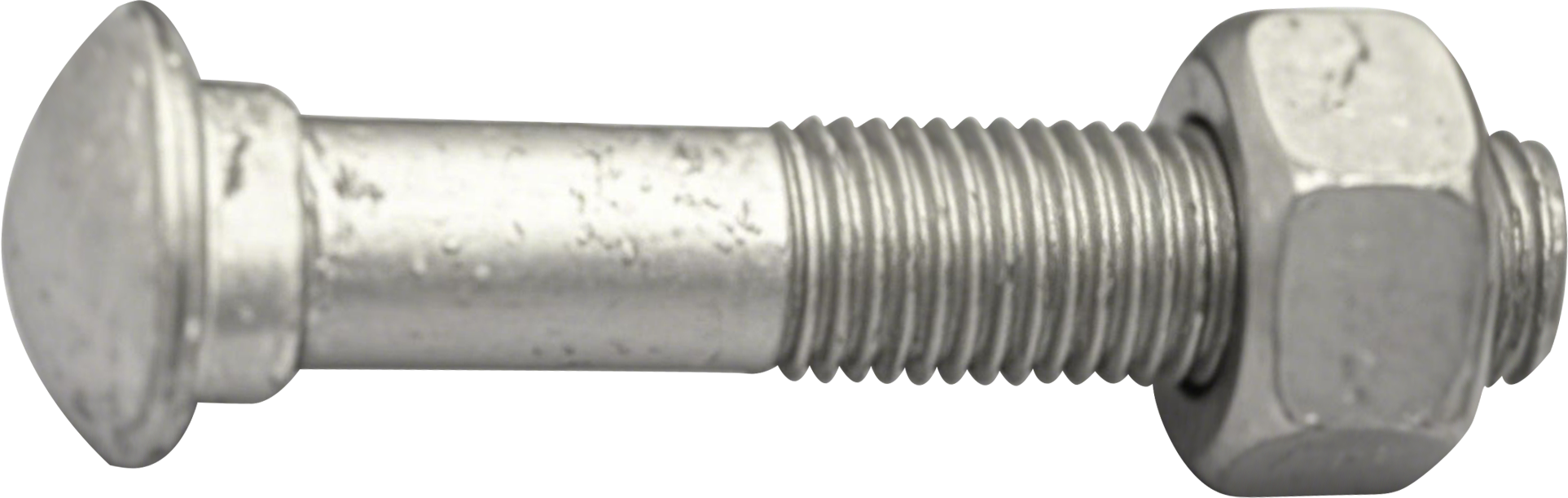
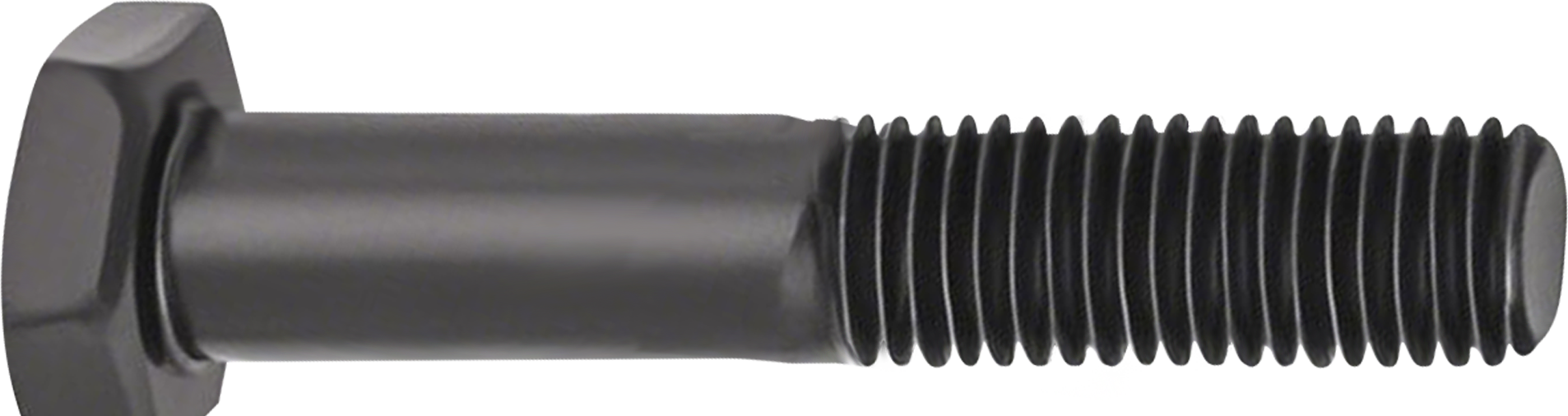
Outstanding Versatility and Environmental Adaptability
The fish bolt system demonstrates remarkable versatility across diverse railway applications and environmental conditions, making it the preferred choice for engineers designing track infrastructure in challenging operational scenarios. This versatility stems from the mechanical nature of fish bolt connections that function effectively regardless of ambient temperature, humidity, or weather conditions that might restrict other joining methods. Railway projects in extreme climates benefit from fish bolt technology because installation procedures remain consistent whether working in arctic conditions where welding becomes problematic or in tropical environments where high humidity affects other joining processes. The adaptability of fish bolt systems extends to various rail profiles, weights, and metallurgies, enabling standardized installation procedures across different track specifications within the same railway network. This standardization reduces training requirements, simplifies inventory management, and ensures consistent joint quality regardless of specific rail characteristics. Fish bolt assemblies accommodate thermal expansion and contraction cycles that affect all railway infrastructure, providing sufficient flexibility to prevent stress buildup while maintaining structural integrity throughout seasonal temperature variations. The environmental advantages of fish bolt technology include elimination of welding-related emissions, reduction in energy consumption during installation, and compatibility with sustainable construction practices increasingly important in modern infrastructure projects. Noise reduction benefits result from proper fish bolt installations that create smooth joint transitions, minimizing the characteristic clicking sounds associated with poorly matched rail connections. The fish bolt system supports railway electrification projects because it eliminates concerns about electrical continuity disruption that can occur with other joining methods, ensuring reliable signal transmission and traction power distribution. Maintenance operations benefit from fish bolt environmental adaptability because repairs can be scheduled based on operational requirements rather than weather constraints that affect temperature-sensitive procedures. Quality fish bolt materials resist corrosion and environmental degradation through advanced surface treatments and alloy compositions that maintain performance characteristics throughout extended service periods. The proven performance of fish bolt technology across diverse global railway networks validates its suitability for virtually any track infrastructure application, from urban transit systems to remote freight corridors operating under demanding environmental conditions.
 EN
EN