railway screws
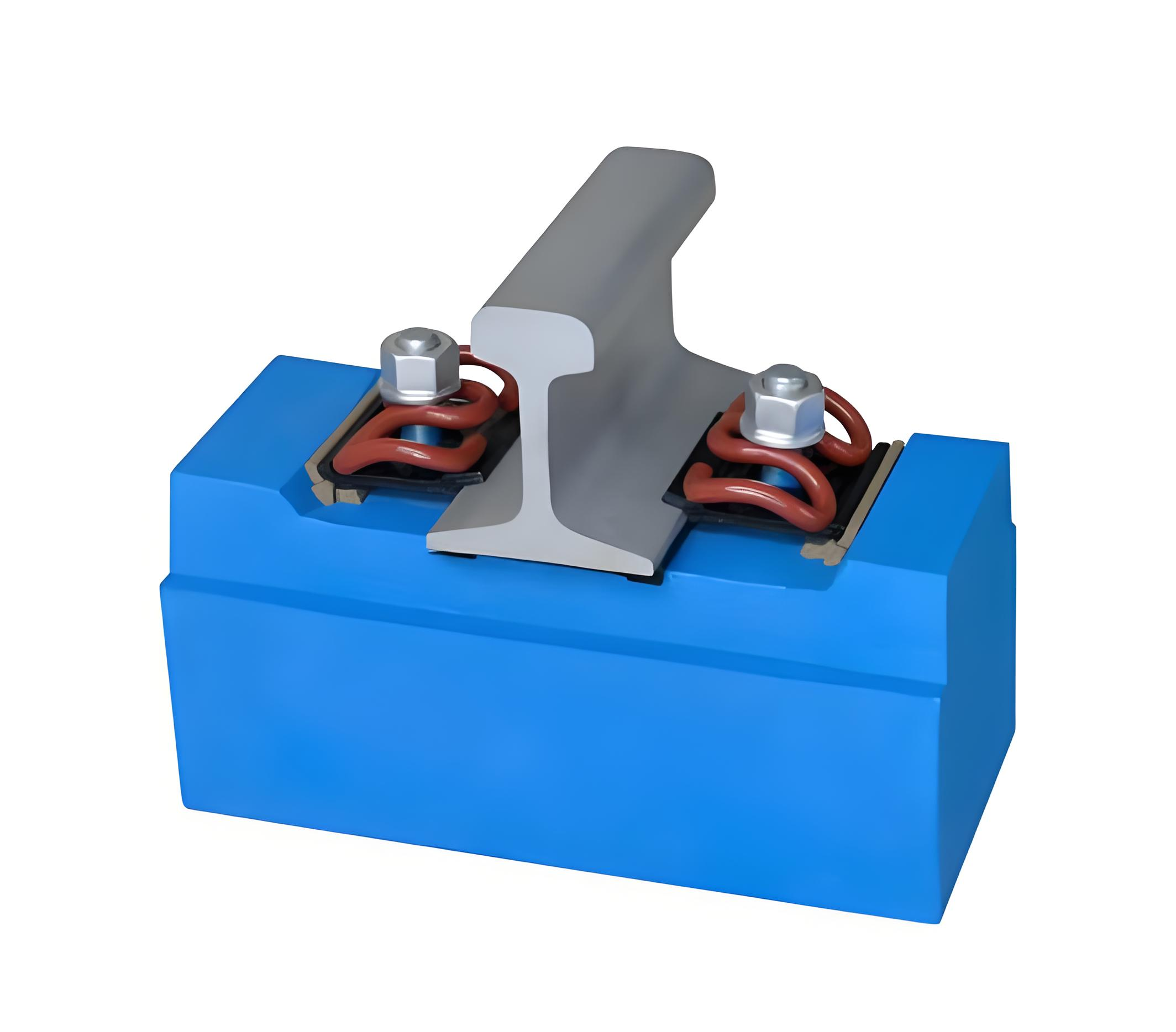
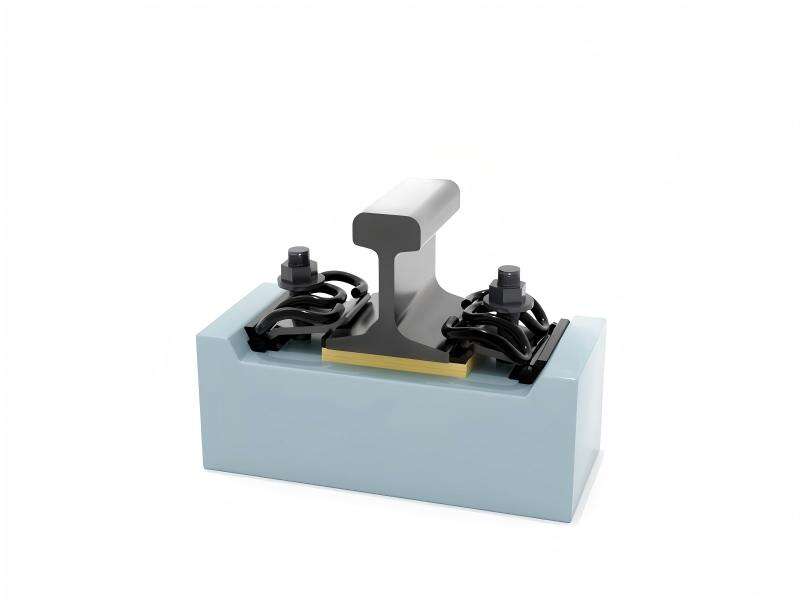
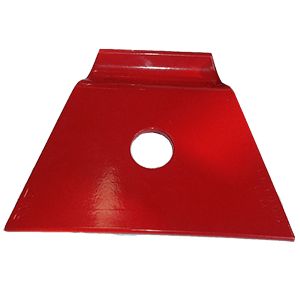
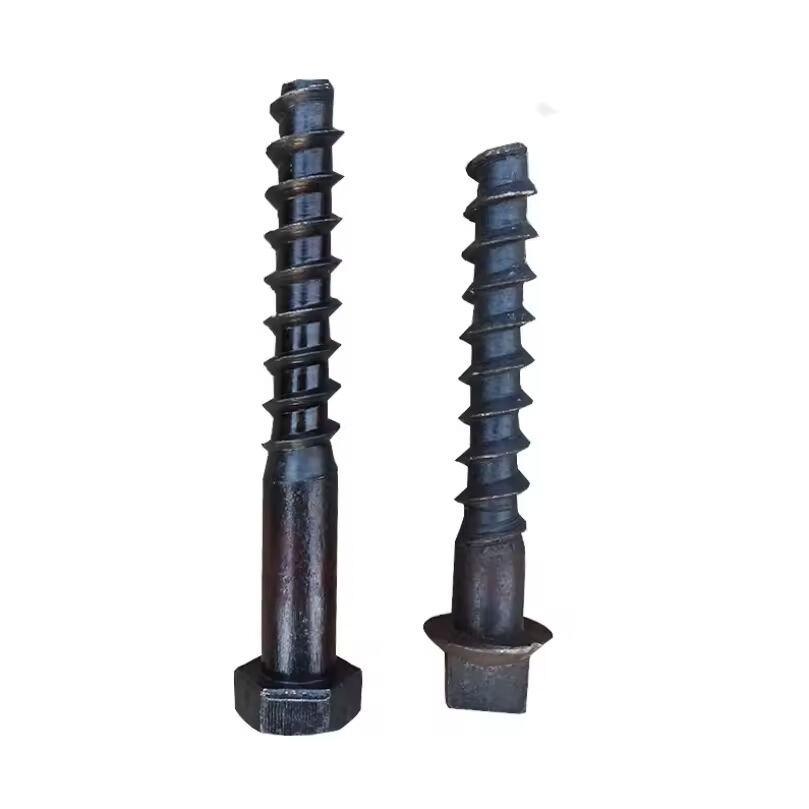
Railway screws represent essential fastening components specifically engineered for railroad infrastructure and rolling stock applications. These specialized fasteners serve as critical connectors that maintain structural integrity throughout railway systems, securing rails to ties, joining track components, and fastening various elements of locomotives and railcars. Railway screws operate under extreme conditions, including heavy dynamic loads, temperature fluctuations, vibration, and environmental exposure, making their design and manufacturing particularly demanding. The primary functions of railway screws encompass securing rail tracks to wooden or concrete sleepers, connecting rail joints and expansion plates, fastening signal equipment and safety devices, and assembling locomotive components and passenger car interiors. Advanced metallurgy and precision engineering characterize these fasteners, with materials typically including high-strength carbon steel, stainless steel alloys, and specialized corrosion-resistant compositions. Manufacturing processes involve hot forging, thread rolling, and heat treatment to achieve optimal mechanical properties including tensile strength, fatigue resistance, and dimensional accuracy. Quality control measures ensure compliance with international railway standards such as AAR, UIC, and national specifications. Railway screws feature specialized thread patterns designed for maximum holding power and resistance to loosening under vibration. Head configurations vary from hex bolts and carriage bolts to specialized designs for specific applications. Surface treatments including galvanizing, phosphating, and specialized coatings provide enhanced corrosion protection and extended service life. Applications span passenger rail systems, freight railways, urban transit networks, high-speed rail lines, and industrial railway operations. These fasteners contribute to operational safety by maintaining precise track geometry, preventing rail movement, and ensuring reliable connections throughout the railway infrastructure, ultimately supporting efficient and safe transportation services.

 EN
EN