Long-term Durability and Cost-effectiveness
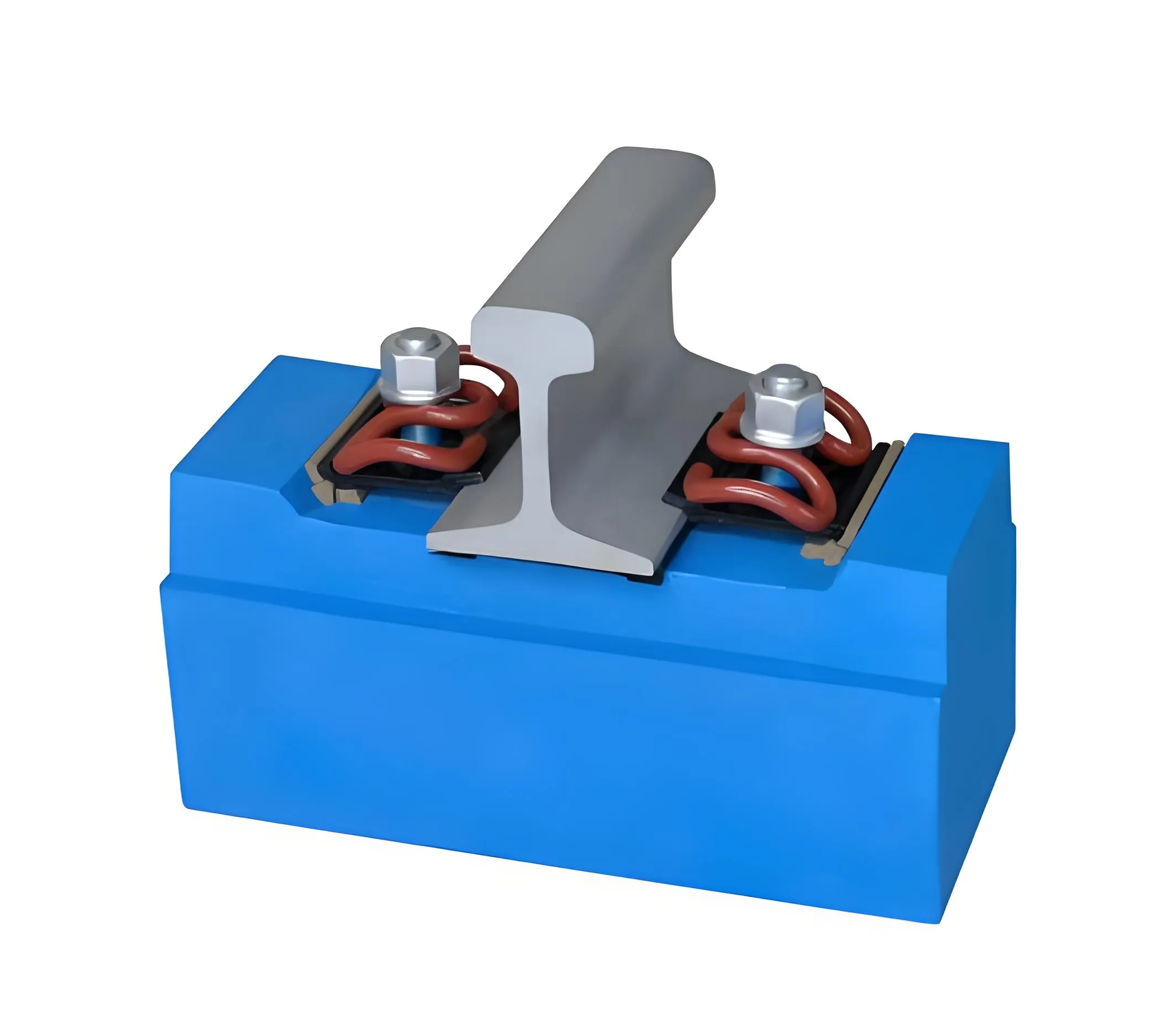
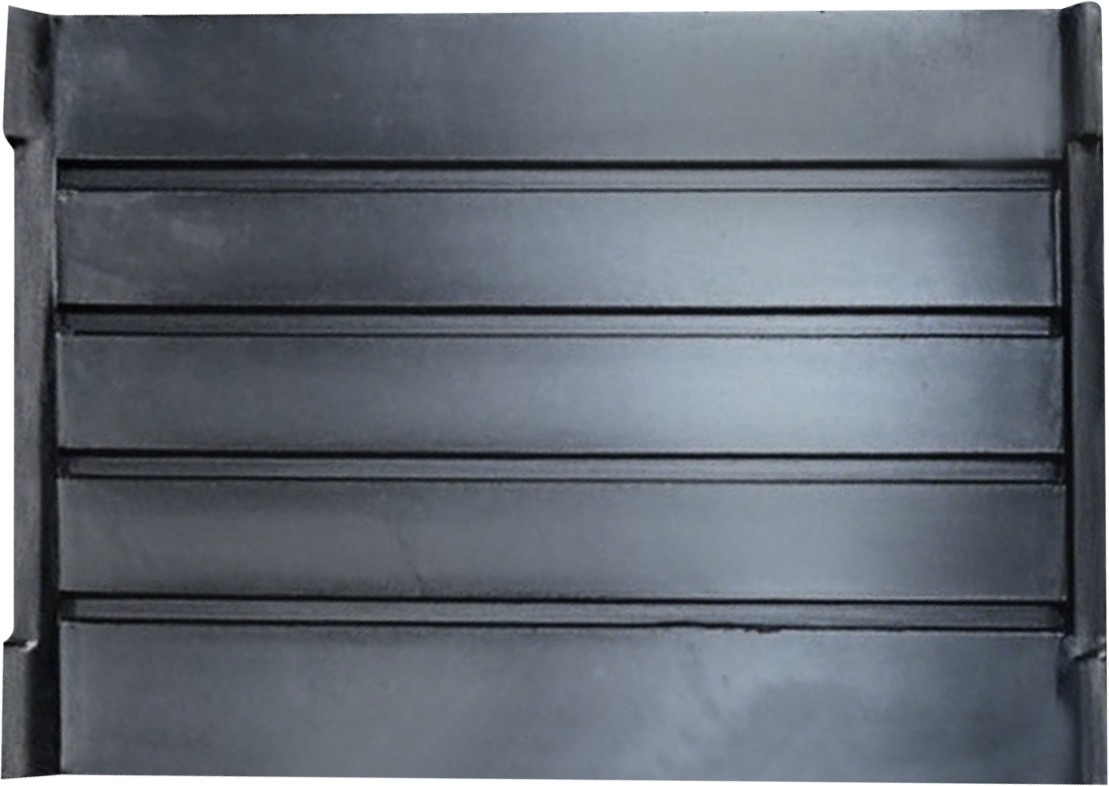
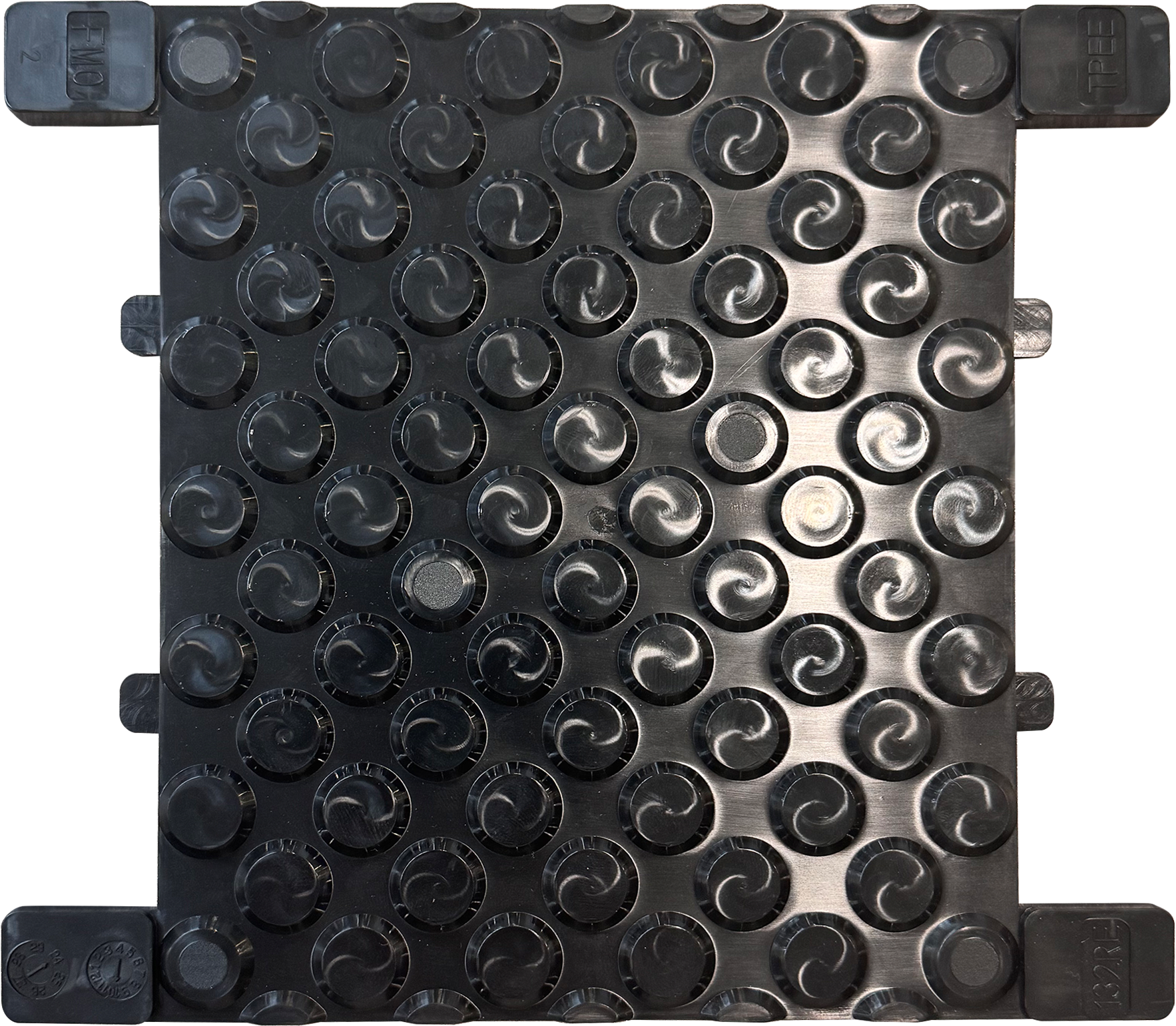
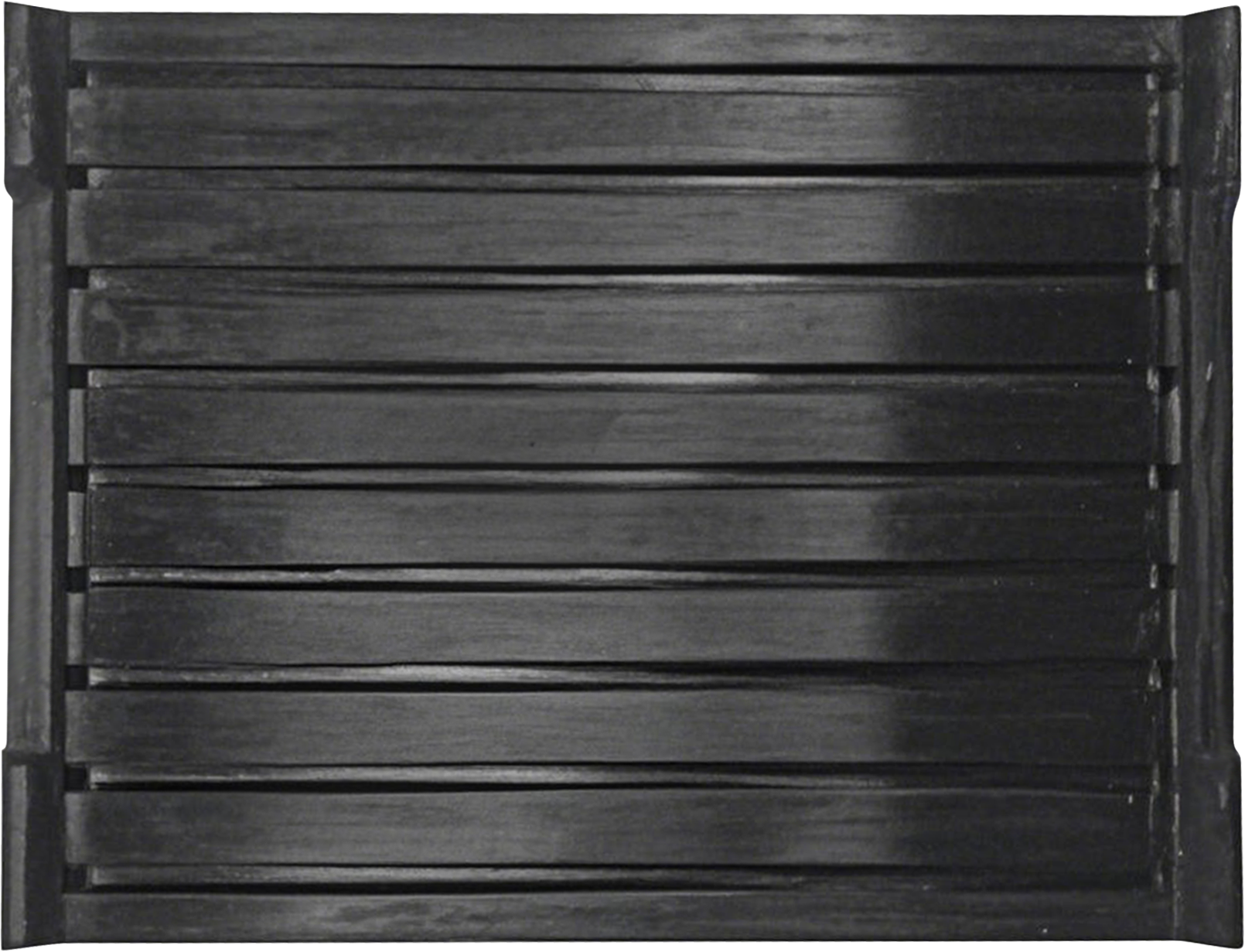
The exceptional durability characteristics of the rubber pad in railway systems deliver unmatched long-term value that fundamentally transforms the economic equation of railway infrastructure management. These carefully engineered components are manufactured using premium rubber formulations specifically designed to withstand the harsh operational environment of railway applications, including extreme temperature cycles, chemical exposure, UV radiation, and continuous mechanical stress that would rapidly degrade conventional materials. The molecular engineering behind the rubber pad incorporates advanced polymer cross-linking technologies that provide exceptional resistance to fatigue failure, ensuring consistent performance throughout service lives that often exceed 25 years under normal operational conditions. This extraordinary longevity directly translates into substantial cost savings for railway operators, as the extended replacement intervals significantly reduce the frequency of expensive track possession windows required for maintenance activities. The rubber pad in railway applications demonstrates remarkable resistance to environmental degradation factors such as ozone exposure, temperature extremes ranging from -40°C to +70°C, and chemical contamination from diesel fuel, hydraulic fluids, and de-icing compounds commonly encountered in railway operations. Quality assurance protocols ensure that each rubber pad meets rigorous performance standards through accelerated aging tests, dynamic fatigue testing, and environmental exposure simulations that validate long-term performance predictions. The economic benefits extend beyond simple component replacement costs, as the superior durability of the rubber pad reduces associated maintenance expenses including labor costs, equipment rental, and service disruption penalties that accumulate during track maintenance activities. Railway operators report total cost-of-ownership reductions of up to 35 percent when utilizing high-quality rubber pad systems compared to alternative solutions, with the majority of savings realized through reduced maintenance frequency and improved operational reliability. The predictable service life characteristics of the rubber pad in railway systems enable more accurate asset management planning and budget forecasting, allowing operators to optimize capital expenditure timing and minimize the risk of unexpected failures that could compromise service delivery. This reliability factor becomes particularly valuable for critical infrastructure applications where service interruptions carry significant economic and operational penalties, making the rubber pad an essential investment in sustainable railway operations.

 EN
EN