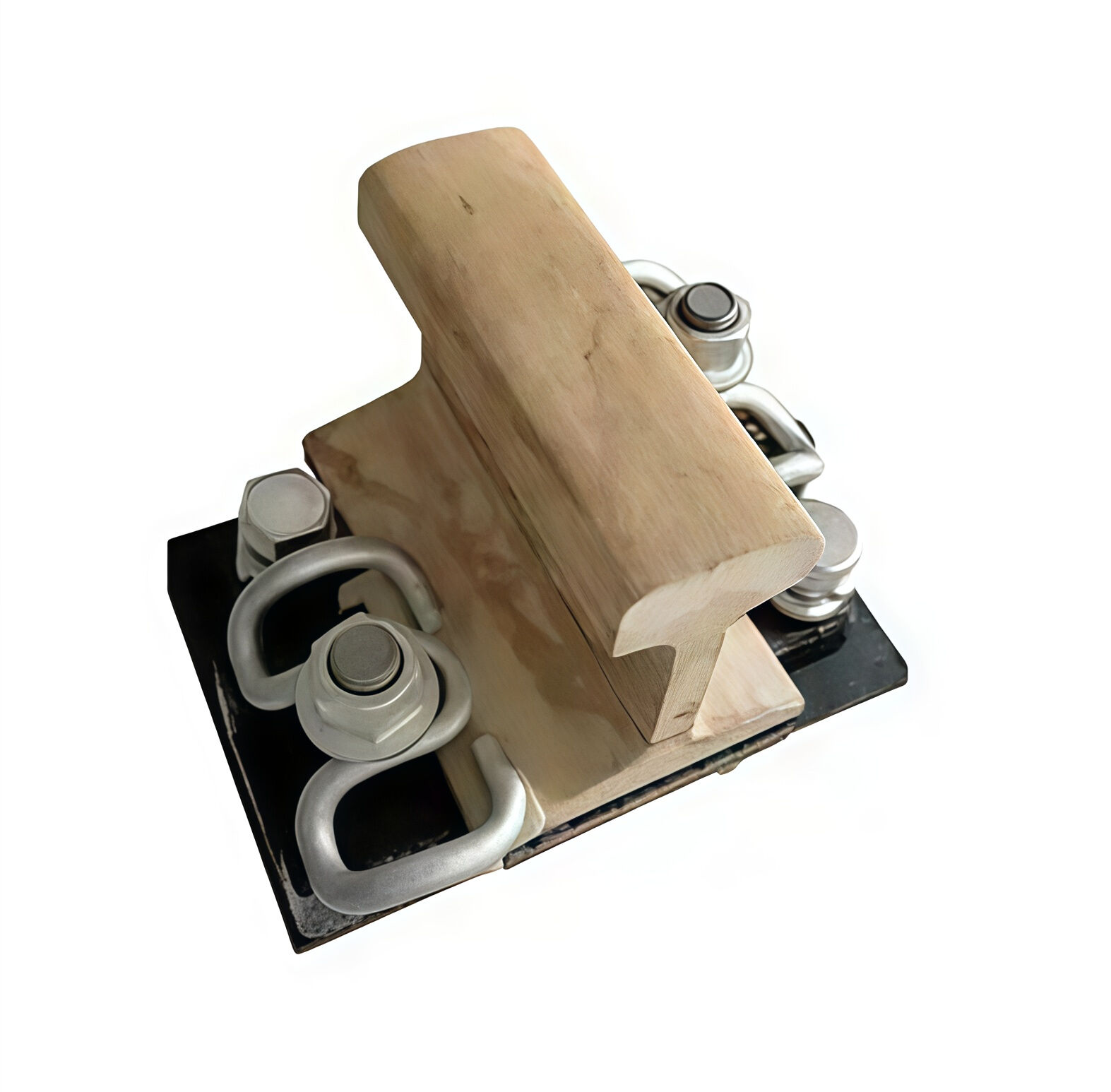
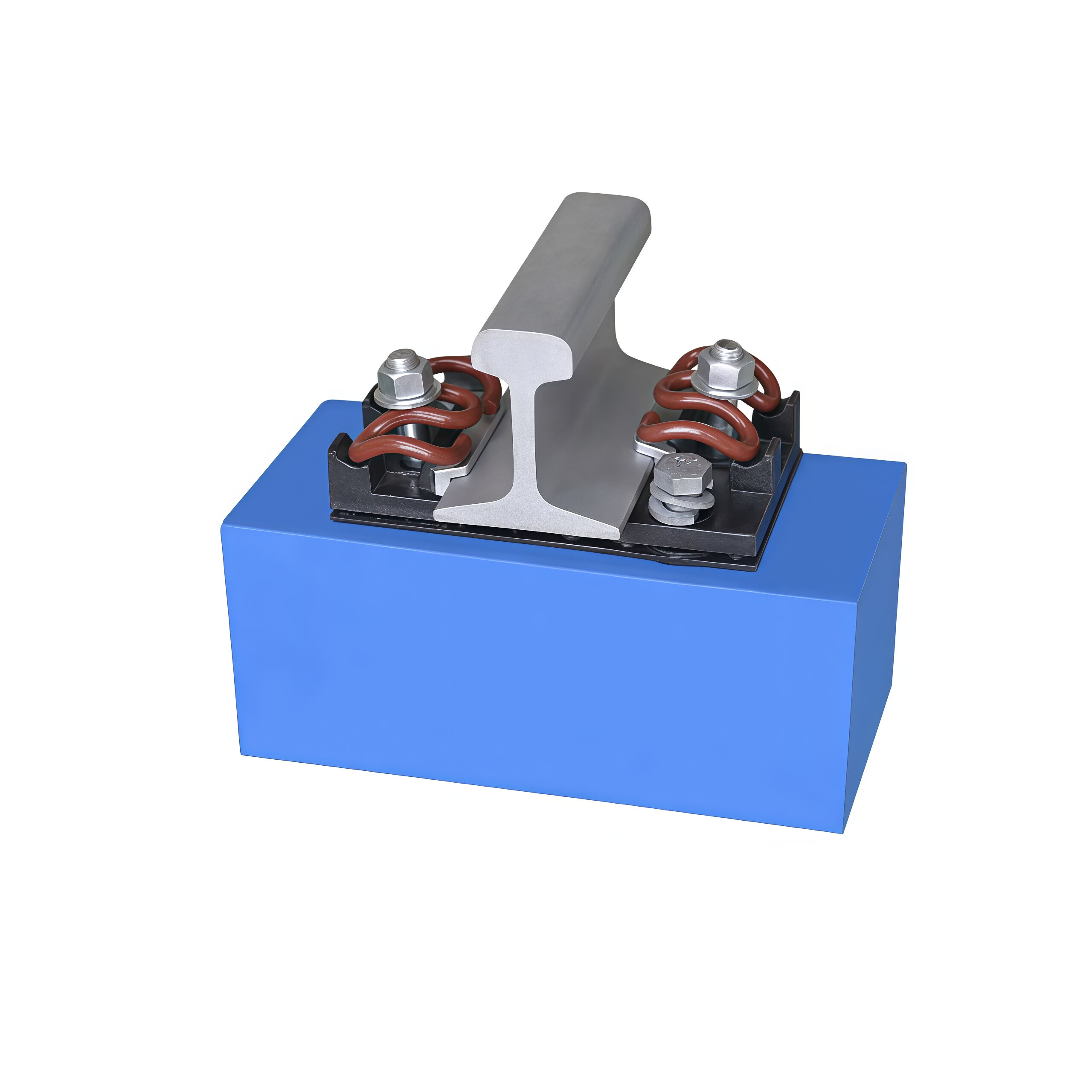
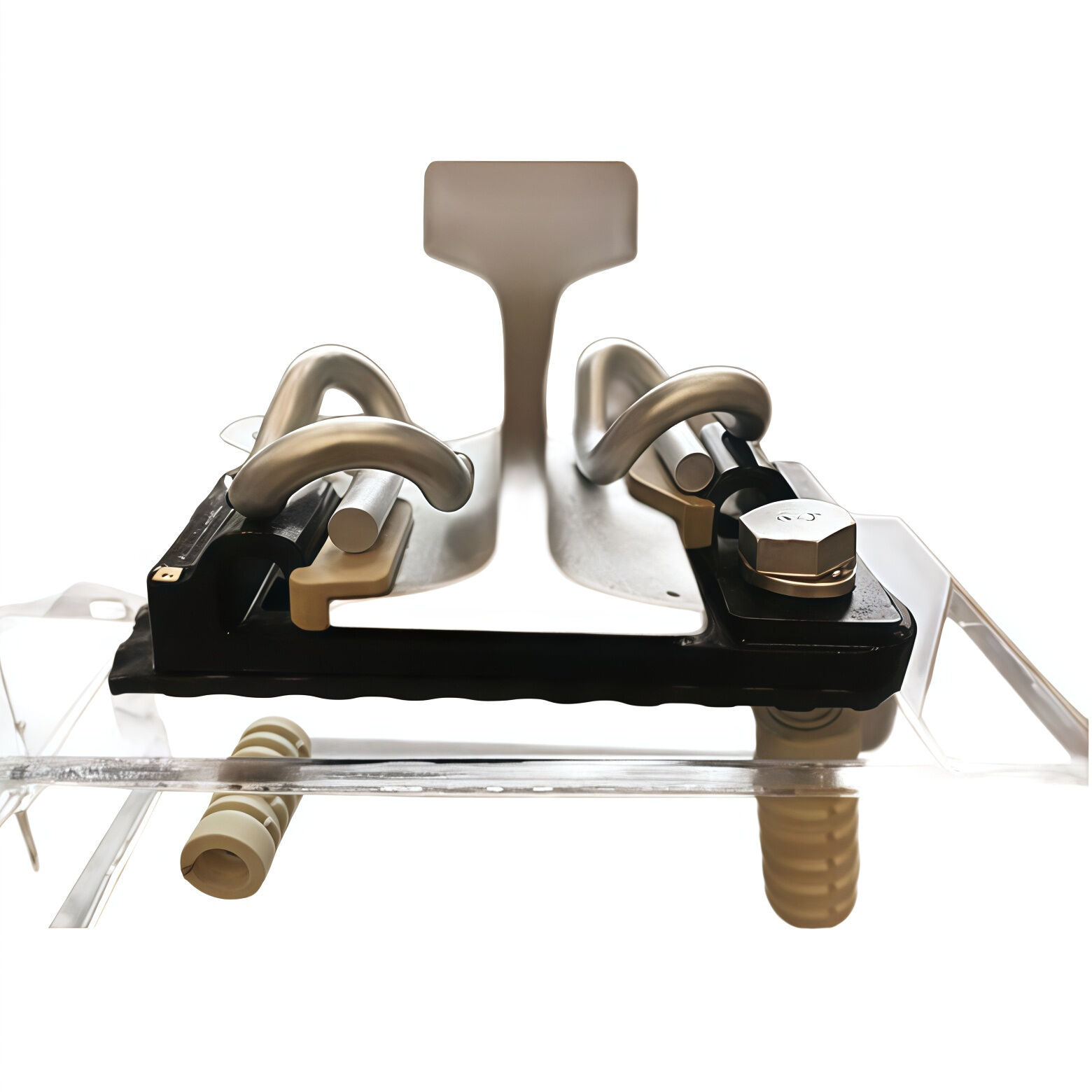
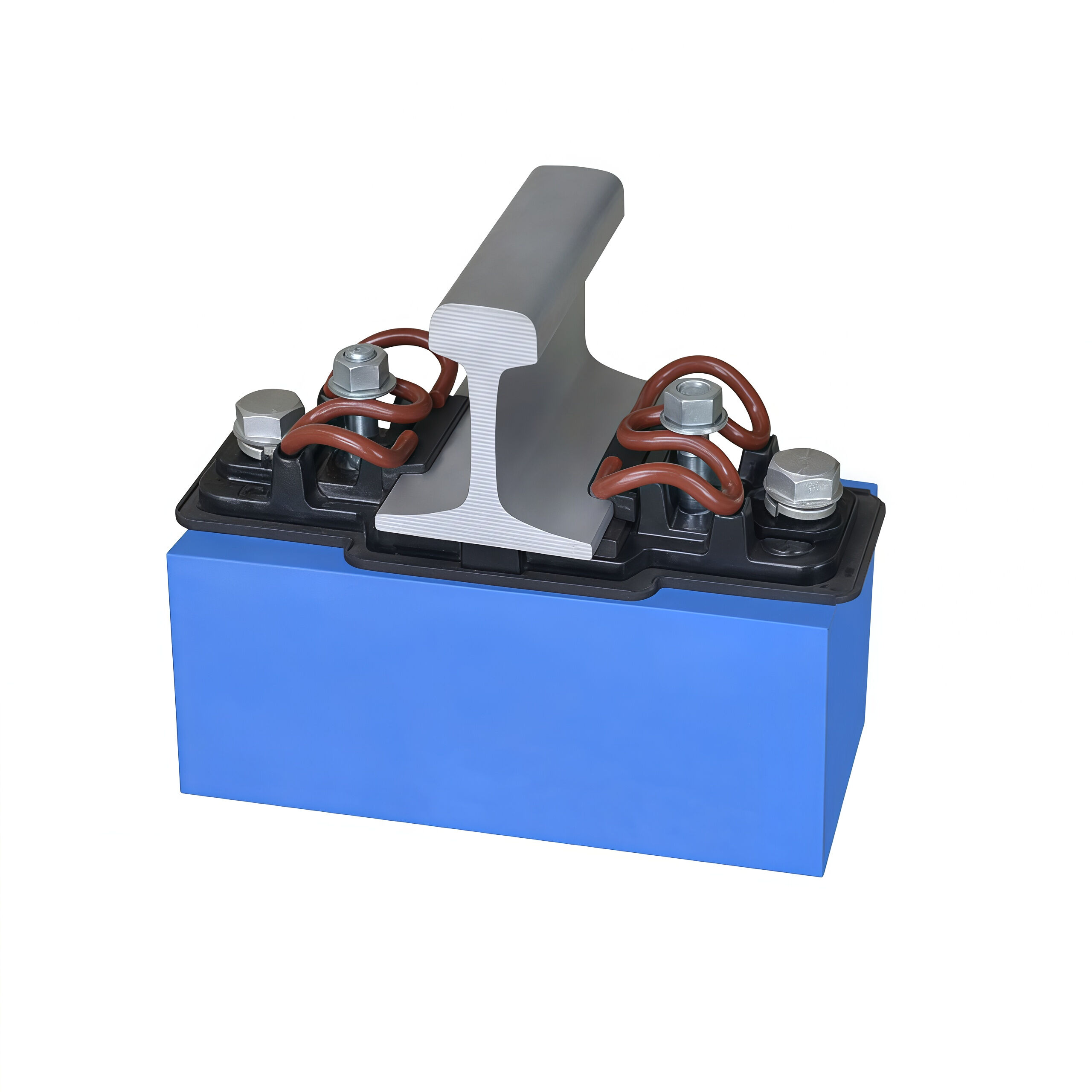
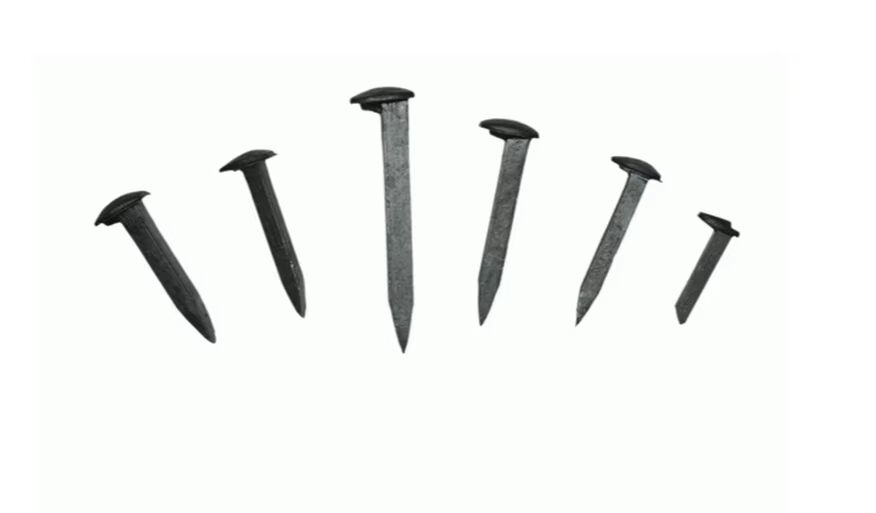
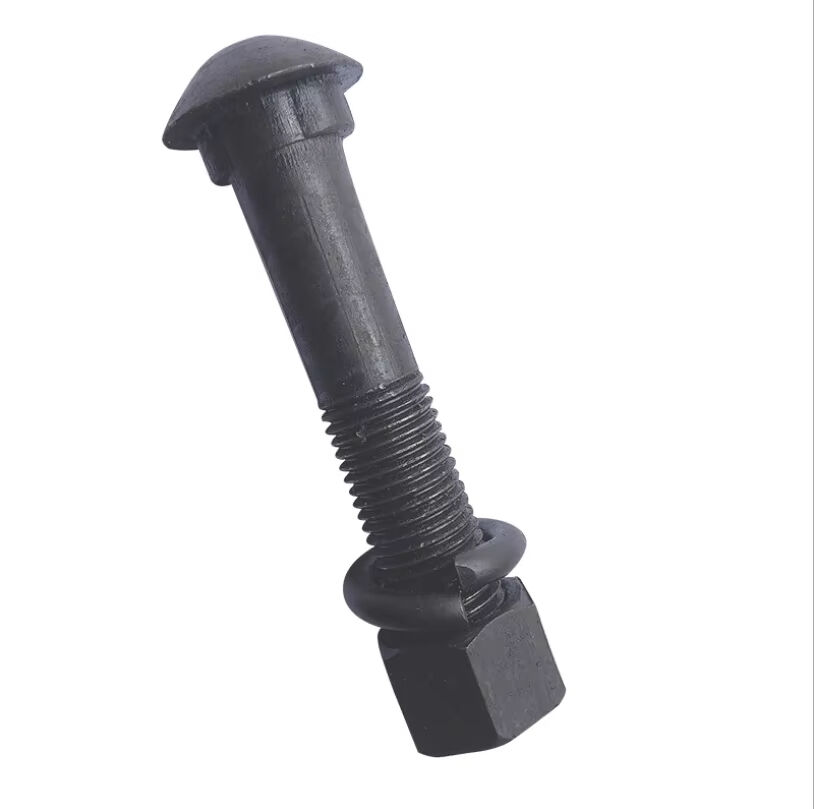
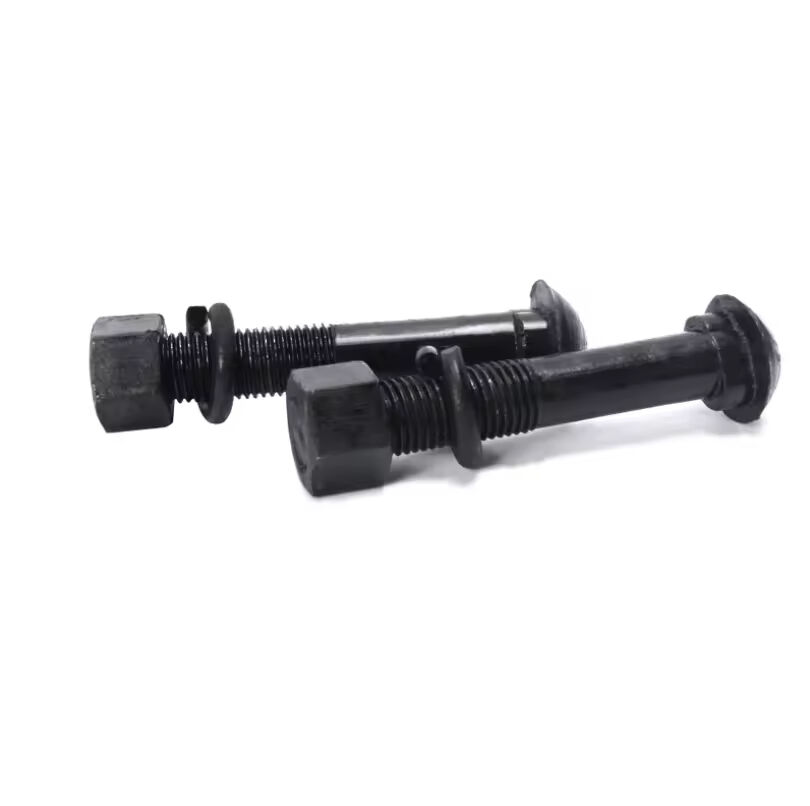
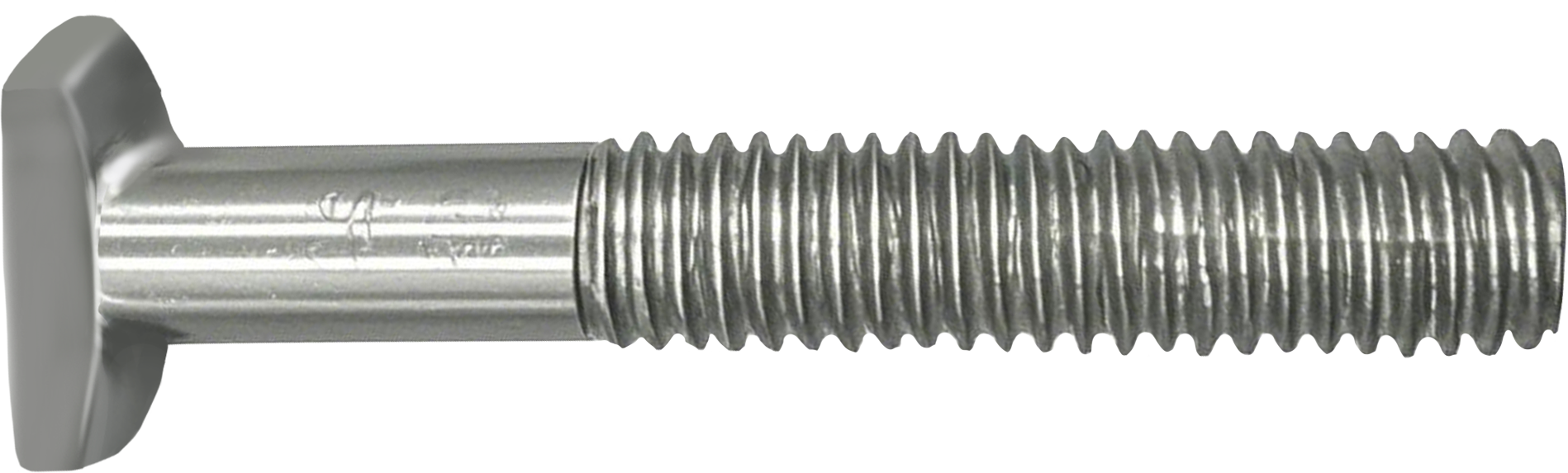
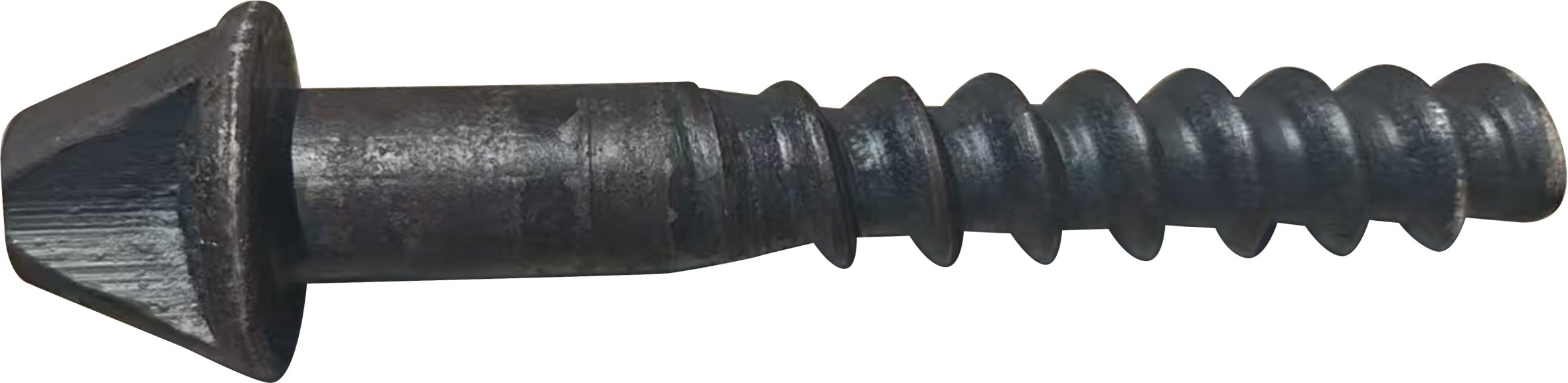
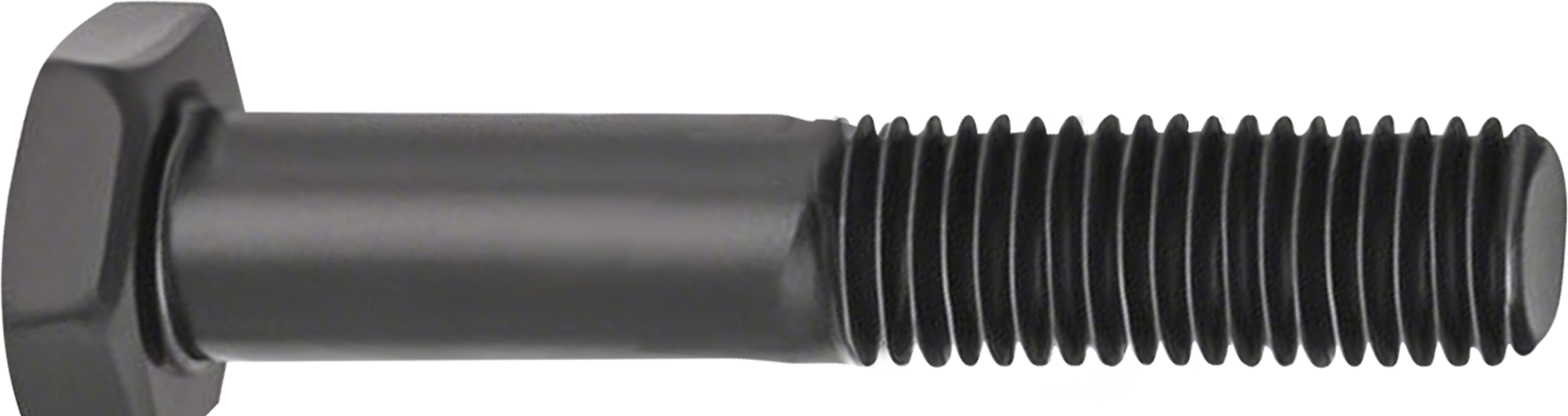
railway track bolt
Railway track bolts represent essential fastening components that secure rail infrastructure, ensuring safe and reliable train operations across global transportation networks. These specialized bolts connect rails to sleepers, maintain proper gauge width, and provide structural integrity for heavy-duty railway applications. The railway track bolt system comprises various types including fish bolts, clamp bolts, and anchor bolts, each designed for specific connection requirements within rail construction and maintenance projects. Modern railway track bolt manufacturing incorporates high-strength steel alloys and advanced metallurgical processes to withstand extreme loads, vibrations, and environmental conditions. The technological features of railway track bolts include precise threading specifications, corrosion-resistant coatings, and standardized dimensions that comply with international railway standards. These bolts undergo rigorous quality testing including tensile strength analysis, fatigue resistance evaluation, and dimensional accuracy verification before deployment. Railway track bolt applications span passenger rail systems, freight transportation networks, high-speed rail corridors, and industrial railway installations. The bolts must accommodate thermal expansion and contraction while maintaining consistent clamping force throughout their operational lifespan. Installation procedures require specific torque specifications and proper alignment to ensure optimal performance and safety compliance. Railway track bolt designs incorporate features such as hexagonal heads for easy installation, specialized washers for load distribution, and various length options to accommodate different rail profiles and sleeper configurations. The strategic placement and proper maintenance of railway track bolts directly impacts track stability, reduces maintenance costs, and enhances overall railway system reliability for transportation operators worldwide.

 EN
EN