Material Compatibility and Versatility Advantages
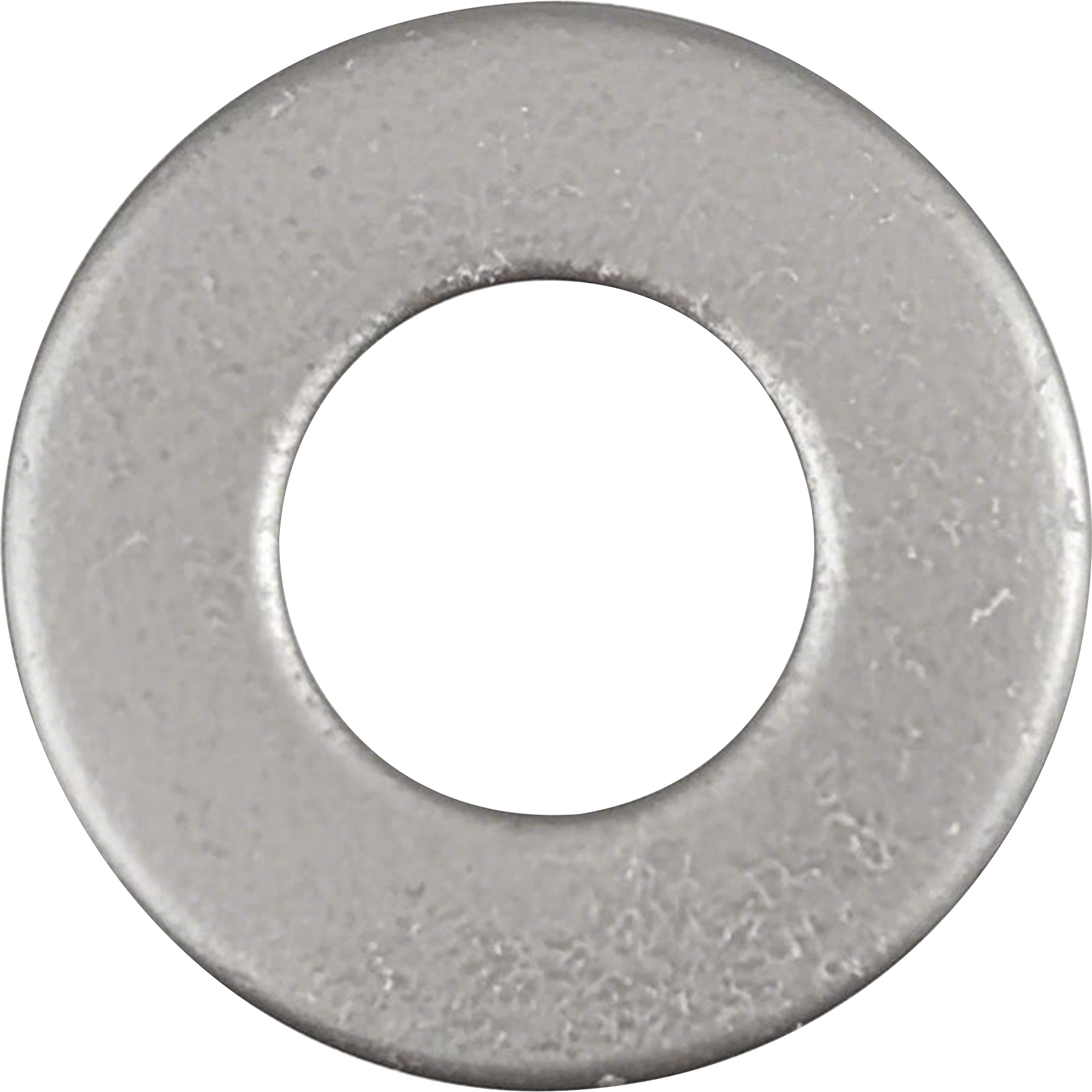
The material compatibility advantages of fender washer vs flat washer selection extend far beyond simple size differences, encompassing fundamental design characteristics that make each type optimal for specific material combinations and environmental conditions. Fender washers demonstrate exceptional versatility when working with non-metallic materials including rubber gaskets, fabric covers, leather goods, fiberglass panels, and various plastic compounds that require gentle yet secure fastening methods. The oversized diameter of fender washers prevents these softer materials from bunching, tearing, or deforming under clamping pressure while maintaining adequate holding force for reliable connections. This material-friendly characteristic makes fender washers indispensable in industries ranging from automotive manufacturing to marine applications where diverse material combinations require specialized fastening approaches. The larger surface area also accommodates materials with varying thickness tolerances, irregular surfaces, or compressible characteristics that might cause problems with standard flat washers. Flat washers excel when working with rigid materials like steel, aluminum, or engineered plastics where their compact size and precise dimensions contribute to optimal joint performance without unnecessary bulk. The standardized dimensions of flat washers ensure consistent performance across different manufacturers and material specifications, making them ideal for mass production environments where interchangeability and predictable results are essential. Both washer types are available in multiple material compositions including carbon steel, stainless steel grades, brass, aluminum, and various plastic formulations, allowing selection based on corrosion resistance requirements, electrical conductivity needs, or chemical compatibility considerations. Stainless steel versions of both washers provide excellent corrosion resistance for outdoor applications, while plastic variants offer electrical insulation and chemical resistance in specialized environments. The surface finish options for both types include zinc plating, galvanizing, anodizing, and various coating systems that enhance durability and appearance while extending service life in challenging environments. Material selection between fender washers and flat washers should consider not only the immediate fastening requirements but also long-term exposure conditions, maintenance accessibility, and potential material interactions that could affect joint integrity over time.

 EN
EN