Premium Fishplate Joint Solutions - Durable Railway Track Connections for Superior Performance

All Categories

fishplate joint

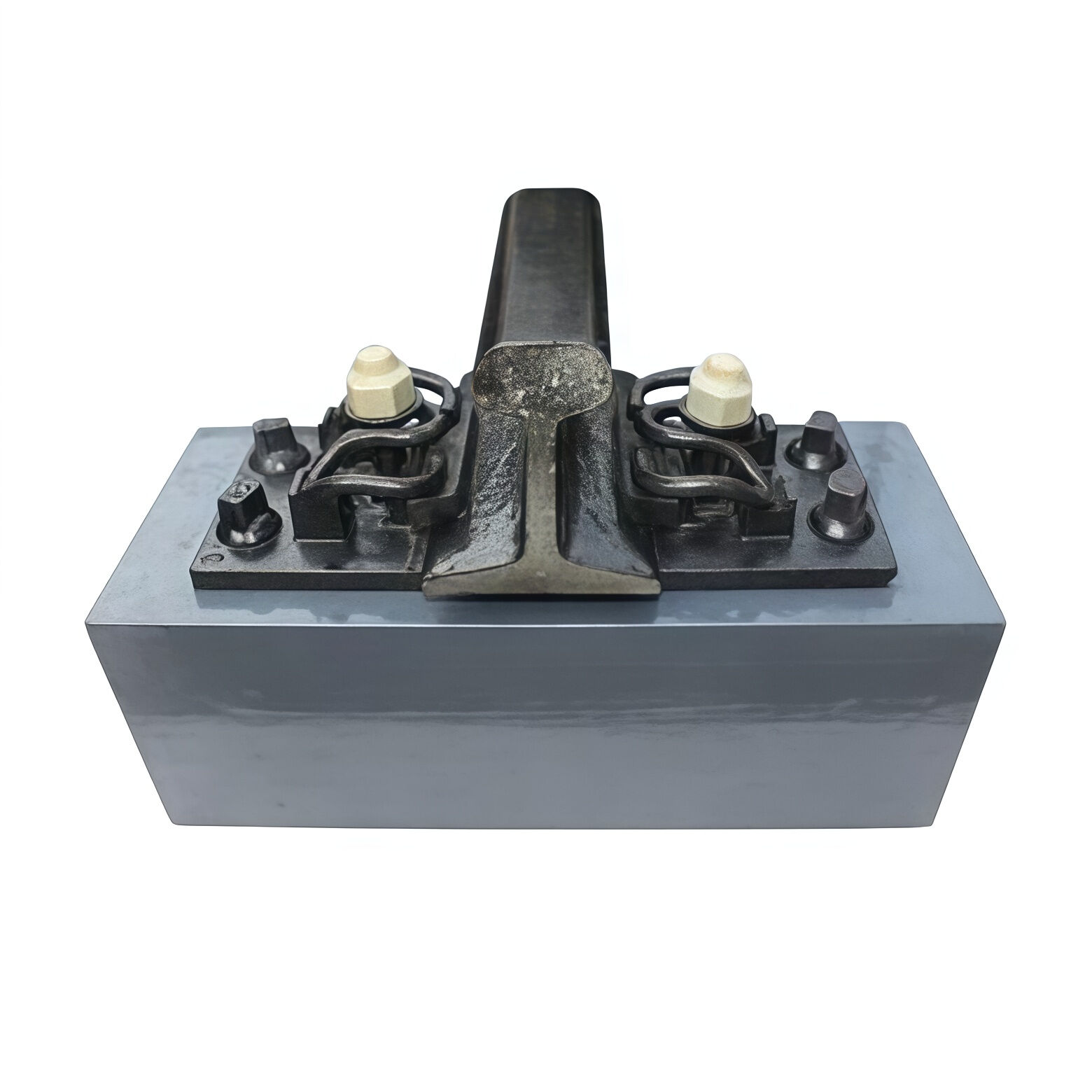
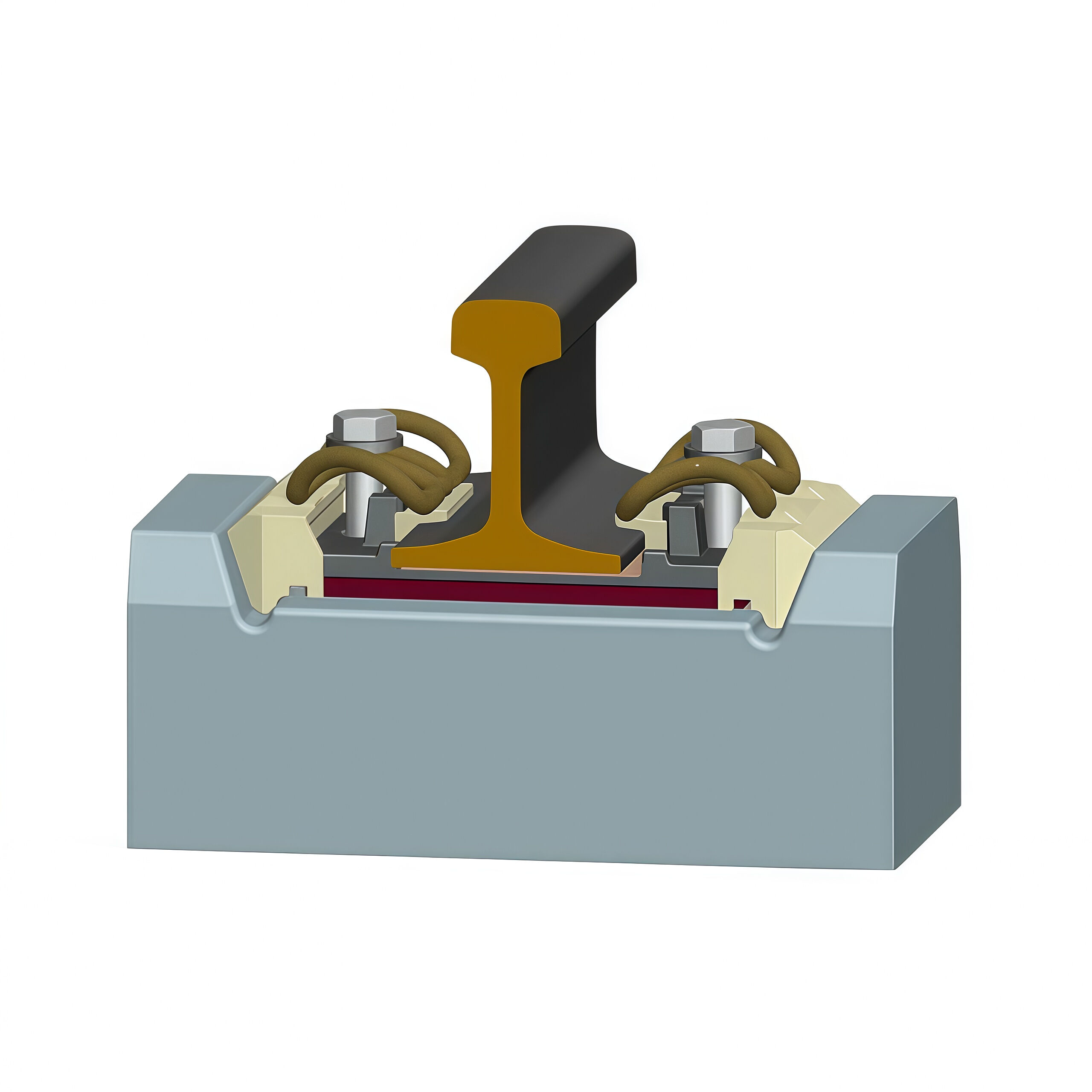
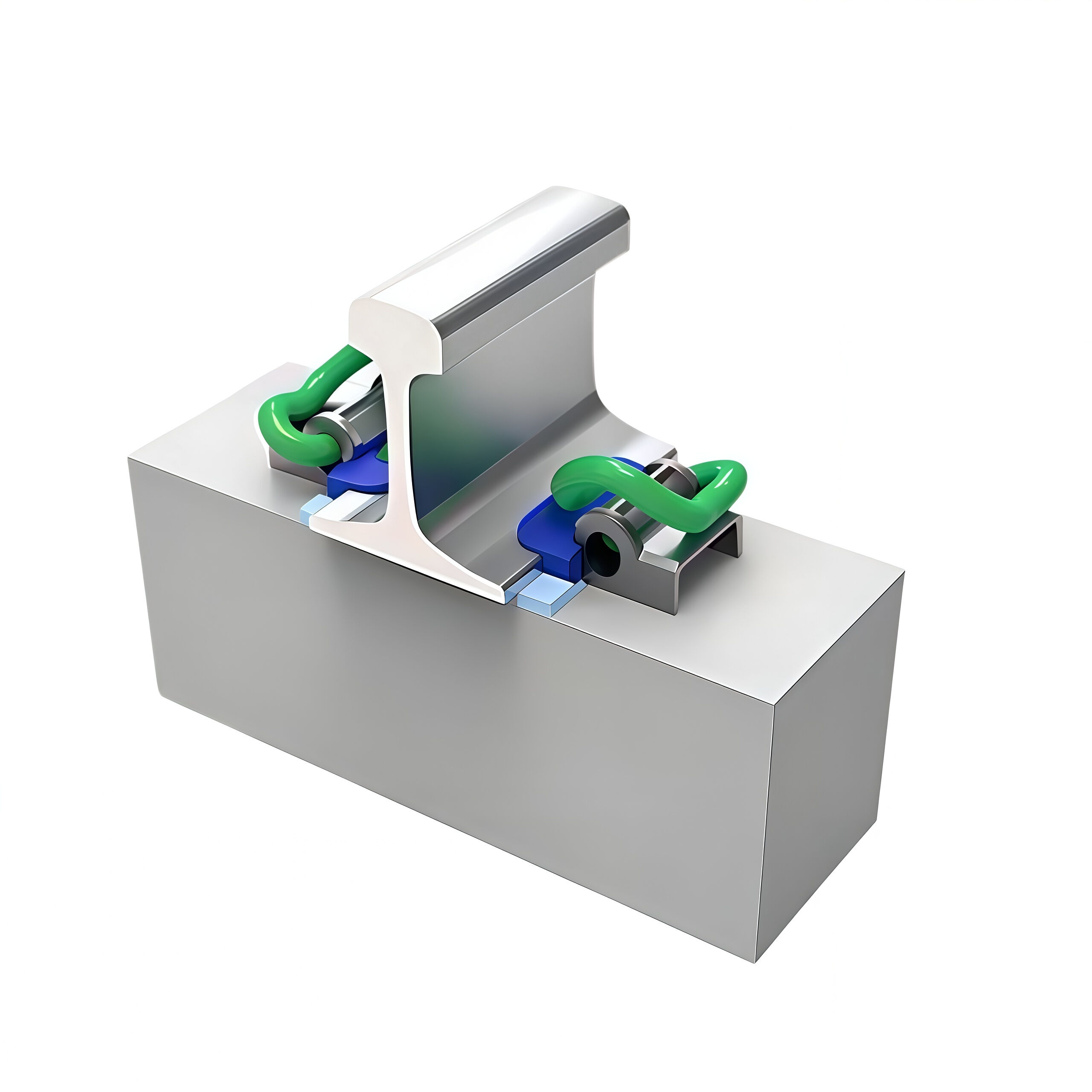
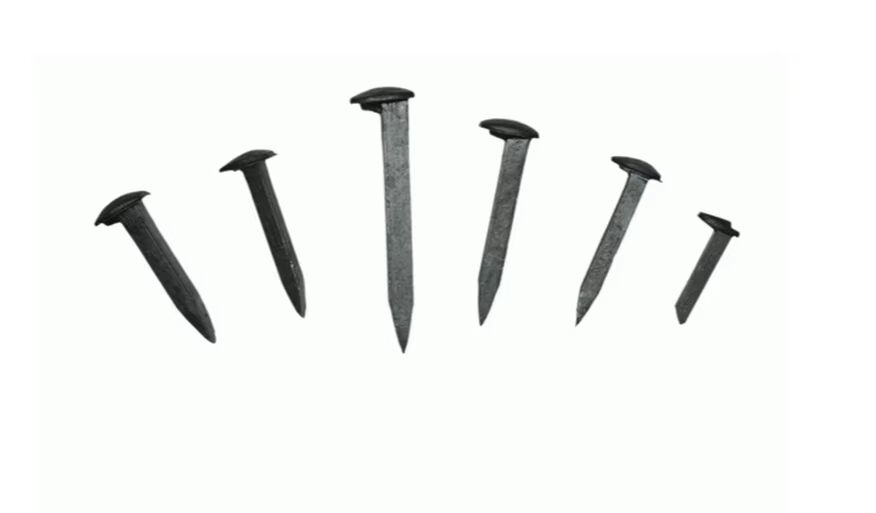
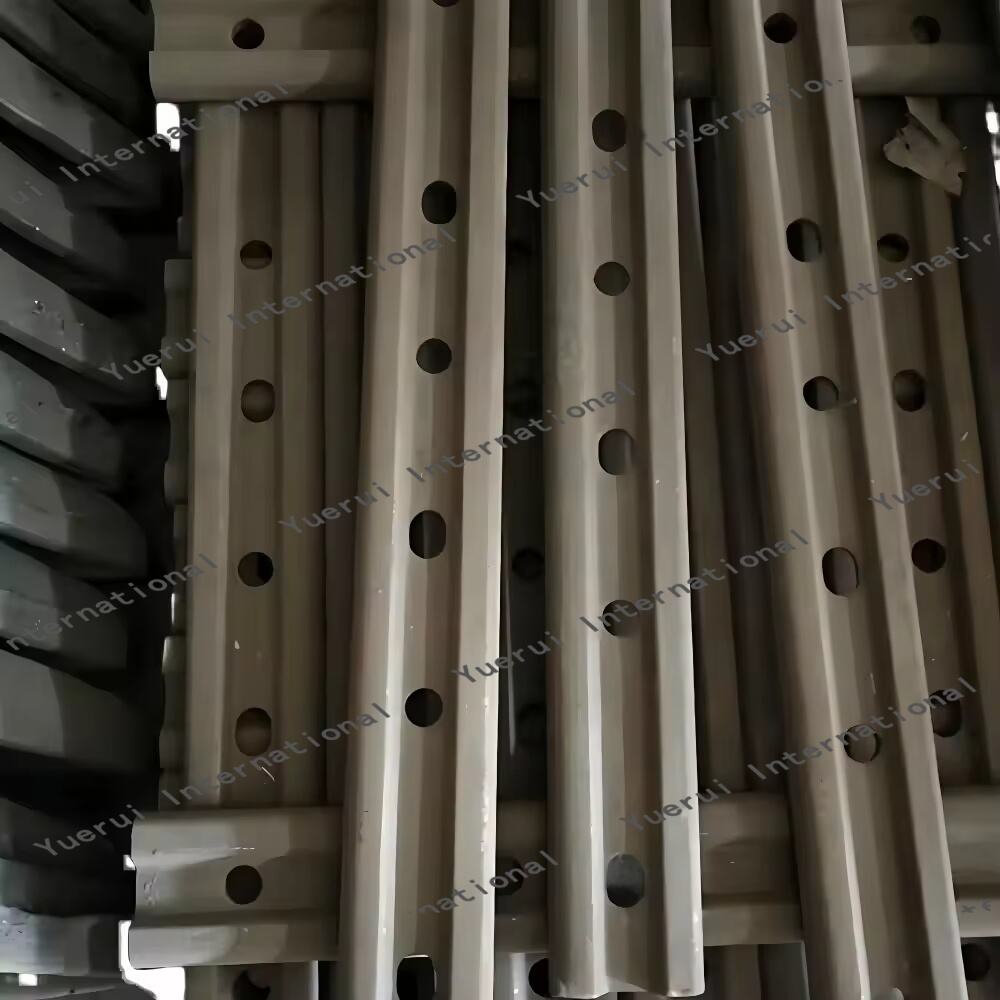
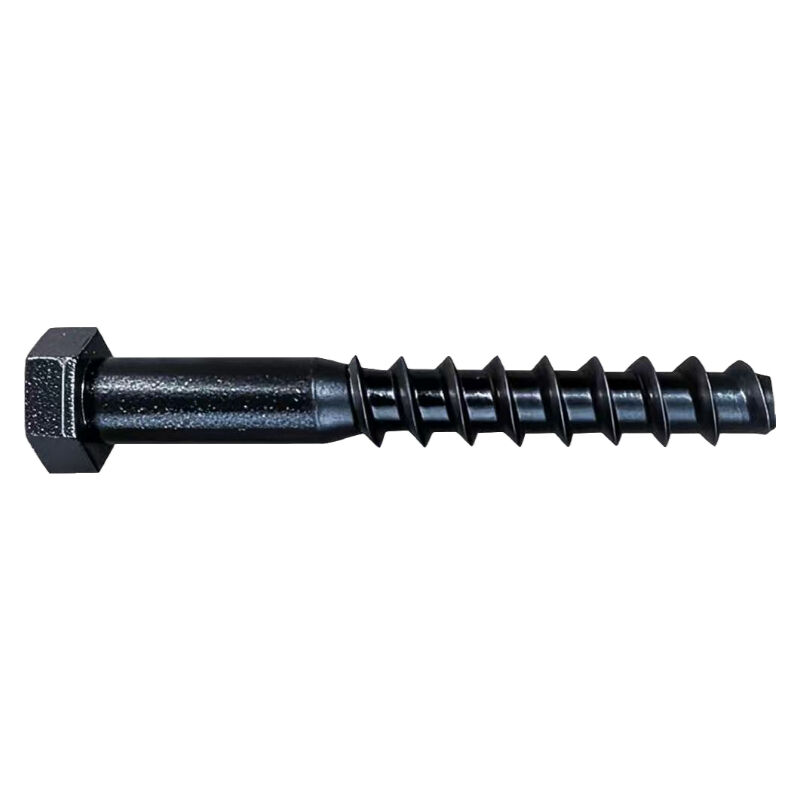
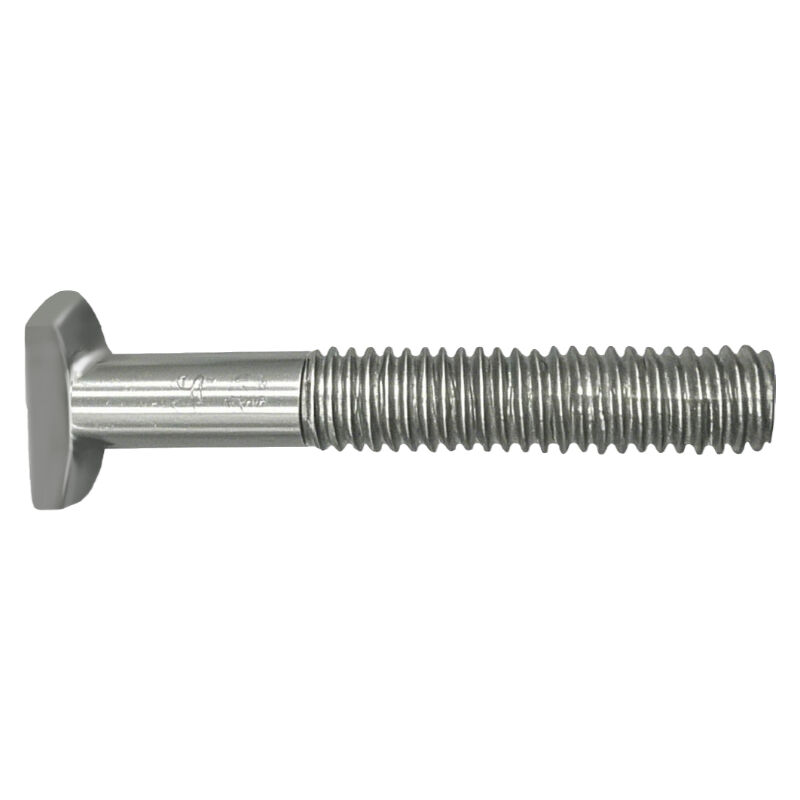
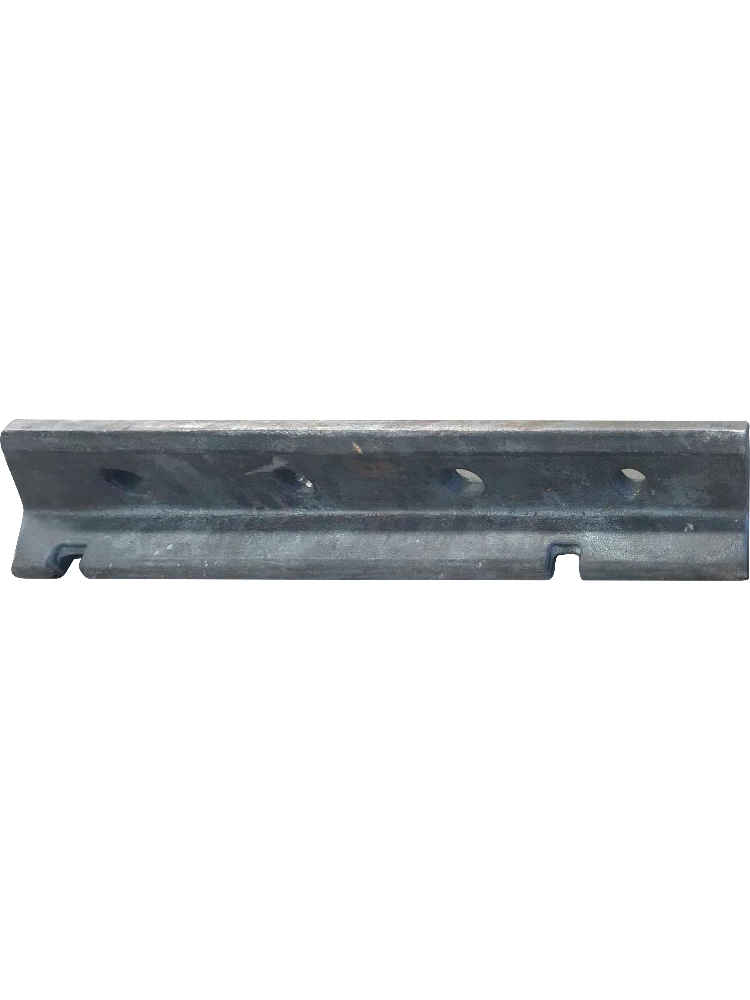
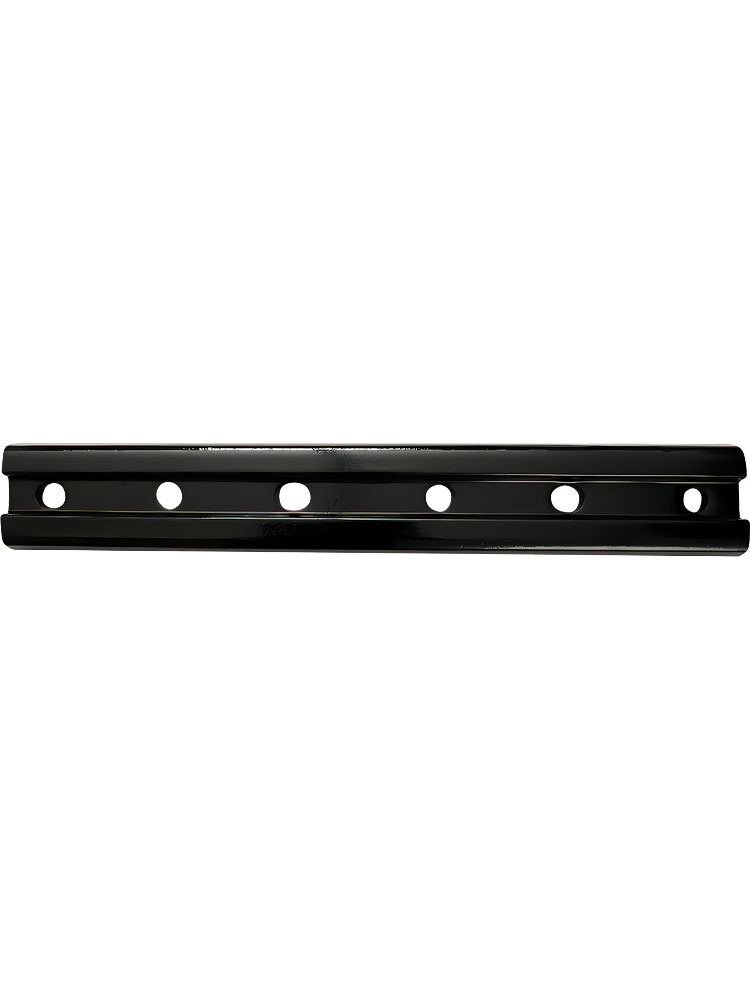
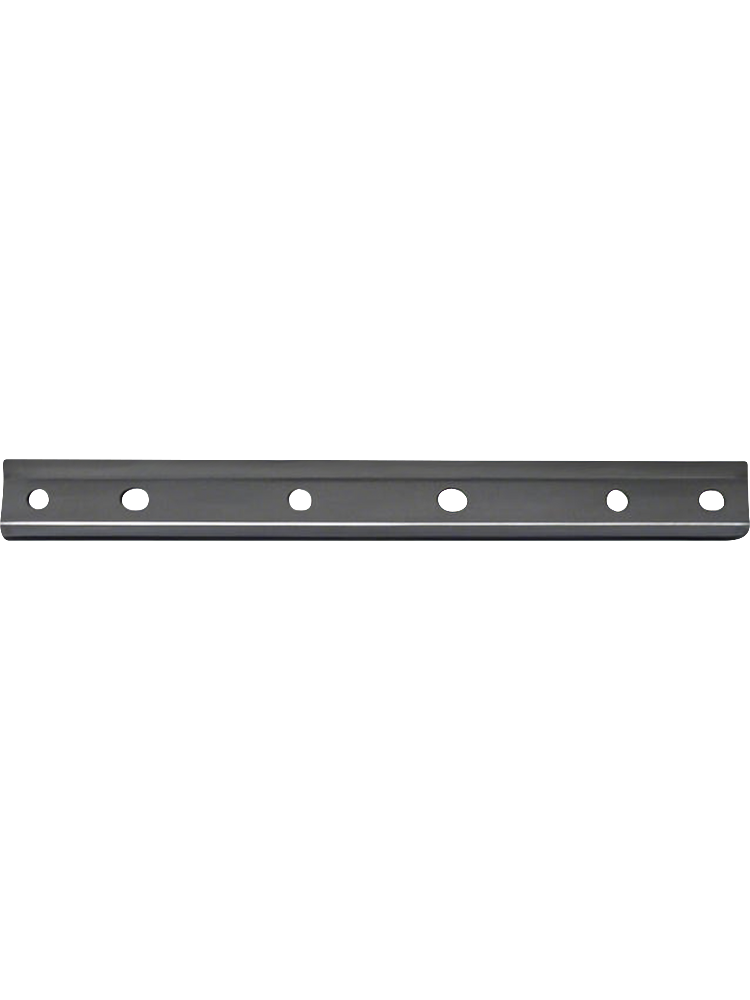
A fishplate joint represents a fundamental connection method in railway infrastructure, serving as the critical link between adjacent rail sections. This mechanical fastening system consists of steel plates positioned on both sides of the rail web, secured with high-strength bolts to create a continuous track structure. The fishplate joint enables railway networks to maintain structural integrity while accommodating thermal expansion, mechanical stress, and operational demands. The design incorporates precision-engineered steel components that distribute loads evenly across the connection point, ensuring smooth train passage and long-term durability. Modern fishplate joint systems feature advanced metallurgical properties, including corrosion resistance and enhanced fatigue performance. The joint configuration allows for easy maintenance and replacement without disrupting entire rail sections. Engineering specifications ensure compatibility with various rail profiles and operational requirements. The fishplate joint mechanism facilitates proper rail alignment while maintaining gauge consistency throughout the track system. Installation procedures involve precise positioning, torque specifications, and quality control measures to guarantee optimal performance. These joints accommodate different environmental conditions, from extreme temperatures to heavy loading scenarios. The fishplate joint design incorporates safety margins that exceed standard operational requirements, providing reliability for high-speed and freight applications. Quality manufacturing processes ensure dimensional accuracy and material consistency across all components. The joint system supports various rail weights and configurations, making it versatile for different railway applications. Regular inspection protocols help maintain fishplate joint performance throughout its service life. The connection method has evolved through decades of engineering refinement, incorporating lessons learned from field applications worldwide.

Popular Products

The fishplate joint delivers exceptional reliability through its robust mechanical connection system that withstands heavy loads and continuous operational stress. This proven technology provides railway operators with confidence in track integrity, reducing maintenance concerns and operational disruptions. The joint design accommodates thermal expansion and contraction naturally, preventing rail buckling and ensuring consistent performance across varying weather conditions. Installation teams appreciate the straightforward assembly process that requires standard tools and equipment, minimizing specialized training requirements and reducing project timelines. The fishplate joint system offers cost-effective maintenance solutions since individual components can be replaced without extensive track work or service interruptions. Quality materials resist corrosion and wear, extending service life significantly compared to alternative connection methods. The joint maintains precise rail alignment automatically, ensuring smooth vehicle operation and reducing wheel wear on rolling stock. Standardized dimensions enable compatibility across different rail manufacturers and specifications, simplifying inventory management and procurement processes. The fishplate joint provides excellent load distribution characteristics that prevent stress concentrations and potential failure points along the track structure. Field crews can complete repairs quickly using portable equipment, minimizing track possession time and maintaining schedule reliability. The design accommodates various rail profiles seamlessly, offering flexibility for different applications from light rail to heavy freight operations. Safety features inherent in the fishplate joint design include fail-safe mechanisms that prevent catastrophic failures even under extreme conditions. The connection system supports high-speed operations through its stable mechanical properties and vibration damping characteristics. Operators benefit from predictable performance patterns that enable proactive maintenance scheduling and resource planning. The fishplate joint technology has proven its effectiveness across millions of installations worldwide, demonstrating consistent reliability in diverse operating environments. Cost analysis shows favorable lifecycle economics due to extended service intervals and reduced replacement frequency. The joint system integrates seamlessly with modern track monitoring technologies, enabling condition-based maintenance strategies that optimize resource utilization and enhance safety margins.

Latest News

How Railroad Dog Spikes Improve Track Stability and Safety

24

Nov

How Railroad Dog Spikes Improve Track Stability and Safety

Railway infrastructure forms the backbone of modern transportation systems, where every component plays a critical role in maintaining operational safety and efficiency. Among these essential components, railroad dog spikes represent one of the most ...
View More
How Can Fishplates Improve Safety and Reliability in Rail Systems?

05

Jan

How Can Fishplates Improve Safety and Reliability in Rail Systems?

Railway infrastructure forms the backbone of modern transportation systems, connecting cities, facilitating commerce, and enabling efficient movement of people and goods across vast distances. Within this complex network of steel rails, numerous comp...
View More
What installation spacing is recommended for rail anchors in railways?

20

Apr

What installation spacing is recommended for rail anchors in railways?

Railway track stability relies heavily on proper installation spacing of rail anchors, which serve as critical components in maintaining gauge and preventing rail movement. The recommended spacing for rail anchors varies based on track classification...
View More
What types of track pins are used in modular railway components?

20

Apr

What types of track pins are used in modular railway components?

Modular railway systems rely on precise mechanical connections to ensure safe and efficient train operations, with track pins serving as fundamental fastening components that secure rails to various supporting structures. These specialized pins come ...
View More

Get a Free Quote

Our representative will contact you soon.
Email
Name
Company Name
Message
0/1000

fishplate joint

Superior Load Distribution Technology

Superior Load Distribution Technology

The fishplate joint excels in distributing mechanical loads evenly across the rail connection point, a critical feature that significantly enhances track durability and operational safety. This advanced load distribution capability stems from the precise engineering of the steel plates and bolt configuration, which work together to transfer forces smoothly from one rail section to another. The design eliminates stress concentration points that could lead to premature failure or track deformation under heavy traffic loads. Railway engineers recognize this load distribution characteristic as essential for maintaining track geometry and preventing costly maintenance issues. The fishplate joint achieves optimal load sharing through its symmetrical plate design, where forces are transmitted through multiple contact points rather than concentrated areas. This distributed loading pattern reduces material fatigue and extends the overall service life of both the joint components and adjacent rail sections. The technology proves particularly valuable in high-traffic corridors where frequent heavy loads would otherwise cause accelerated wear patterns. Field testing demonstrates that properly installed fishplate joints maintain their load distribution properties throughout extended service periods, providing consistent performance under varying operational conditions. The joint design accommodates dynamic loading scenarios, including impact forces from wheel irregularities and thermal stresses from temperature fluctuations. Quality control measures during manufacturing ensure that each fishplate maintains the precise tolerances necessary for optimal load distribution performance. Installation procedures emphasize proper torque application to achieve the intended load sharing characteristics, with specific guidelines for different rail weights and operational requirements. The fishplate joint technology continues to evolve with advanced materials and manufacturing techniques that further enhance its load distribution capabilities while maintaining proven reliability standards.
Exceptional Durability and Longevity

Exceptional Durability and Longevity

The fishplate joint demonstrates remarkable durability through its robust construction and premium material selection, delivering exceptional longevity that reduces lifecycle costs and maintenance requirements for railway operators. High-grade steel components undergo specialized heat treatment processes that enhance their resistance to fatigue, corrosion, and wear under demanding operational conditions. This durability advantage translates directly into extended service intervals and reduced replacement frequency, providing significant economic benefits over the joint's operational lifetime. The manufacturing process incorporates quality control measures that ensure consistent material properties and dimensional accuracy across all components, contributing to predictable performance and reliability. Field experience demonstrates that properly maintained fishplate joints can achieve service lives exceeding twenty years in typical railway applications, with some installations performing effectively for even longer periods. The joint design incorporates protective features that resist environmental degradation, including specialized coatings and alloy compositions that prevent corrosion in various climatic conditions. Durability testing protocols simulate accelerated aging conditions to validate long-term performance characteristics before components enter service. The fishplate joint withstands repeated loading cycles without developing fatigue cracks or dimensional changes that could compromise track safety or ride quality. Regular inspection procedures help identify any signs of wear or deterioration early, enabling proactive maintenance that extends service life further. The robust construction tolerates occasional overloading conditions without permanent deformation or failure, providing safety margins that protect against unexpected operational scenarios. Quality materials sourced from certified suppliers ensure consistent performance characteristics across different production batches and installation locations. The fishplate joint technology benefits from decades of field experience and continuous improvement efforts that have refined both materials and manufacturing processes to maximize durability while maintaining cost-effectiveness.
Versatile Compatibility and Easy Installation

Versatile Compatibility and Easy Installation

The fishplate joint offers outstanding versatility through its compatibility with various rail profiles and installation requirements, making it an ideal solution for diverse railway applications ranging from urban transit systems to heavy freight corridors. This adaptability stems from standardized design principles that accommodate different rail weights, heights, and manufacturer specifications without requiring custom modifications or specialized components. Railway contractors appreciate the straightforward installation process that utilizes conventional tools and equipment, eliminating the need for expensive specialized machinery or extensive crew training programs. The joint system integrates seamlessly with existing track infrastructure, enabling upgrades and replacements without major reconstruction projects or extended service disruptions. Installation procedures follow established industry standards that ensure consistent quality regardless of crew experience level or project location. The fishplate joint design accommodates various rail joining scenarios, including standard connections, transition joints between different rail types, and special applications in turnouts or crossings. Quality assurance protocols guide installation teams through proper alignment, bolt torque specifications, and inspection procedures that guarantee optimal performance from the completed joint. The versatility extends to maintenance operations, where standard replacement procedures enable quick repairs using readily available components and conventional equipment. Field crews can complete installation work efficiently, minimizing track possession time and reducing impacts on railway operations and customer service. The joint system supports both new construction projects and rehabilitation work on existing railways, providing flexibility for different project requirements and budget constraints. Compatibility with modern track monitoring systems enables integration with condition-based maintenance programs that optimize inspection schedules and resource allocation. The fishplate joint technology accommodates future upgrades and modifications, ensuring that current installations remain viable as operational requirements evolve over time.


Get a Free Quote

Our representative will contact you soon.
Email
Name
Company Name
Message
0/1000