Versatile Applications Across Railway Systems
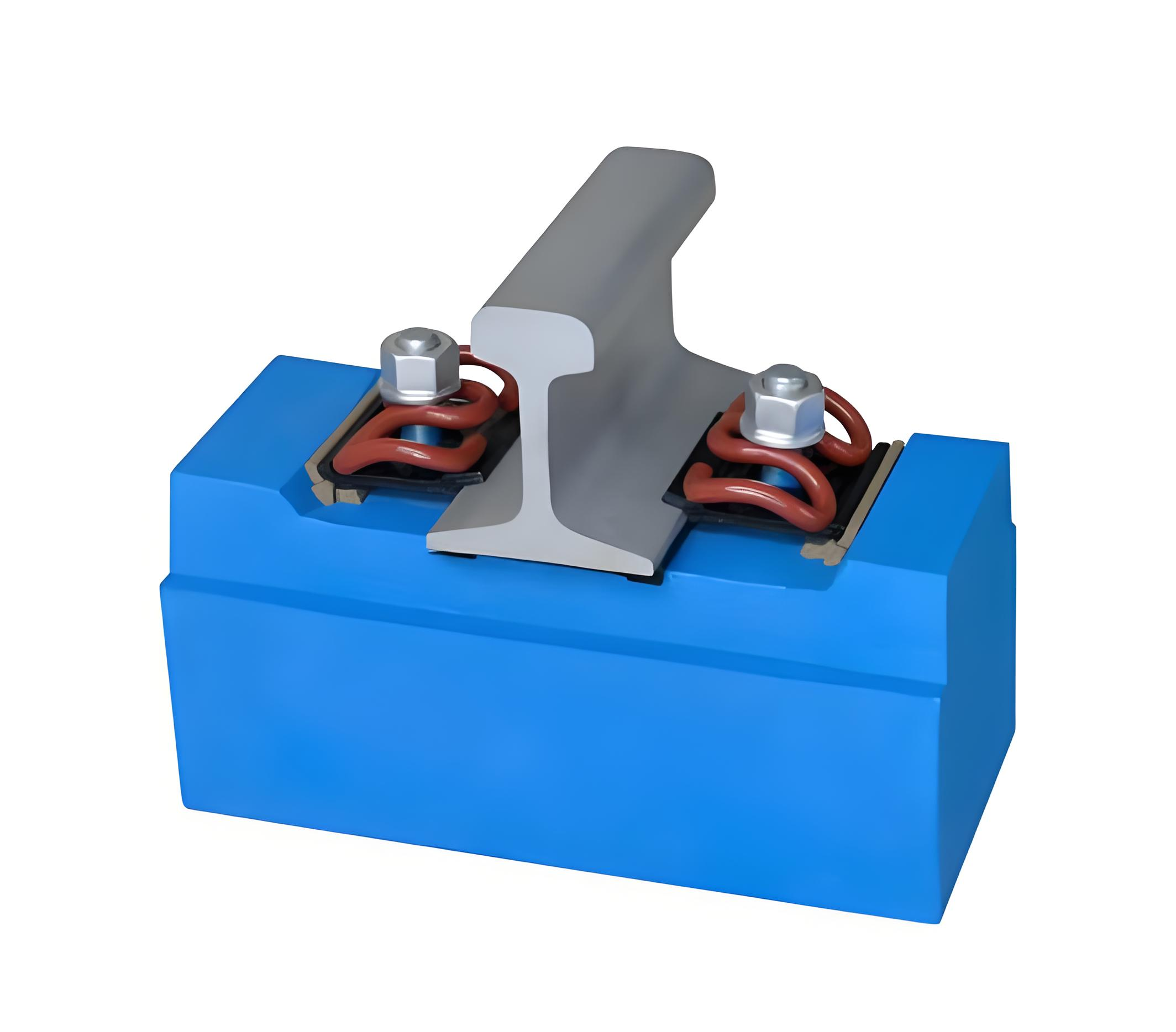
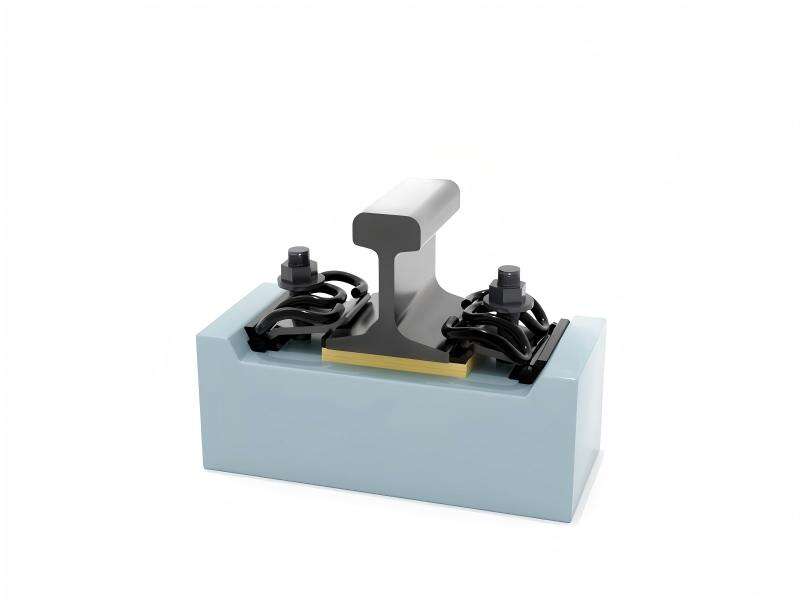
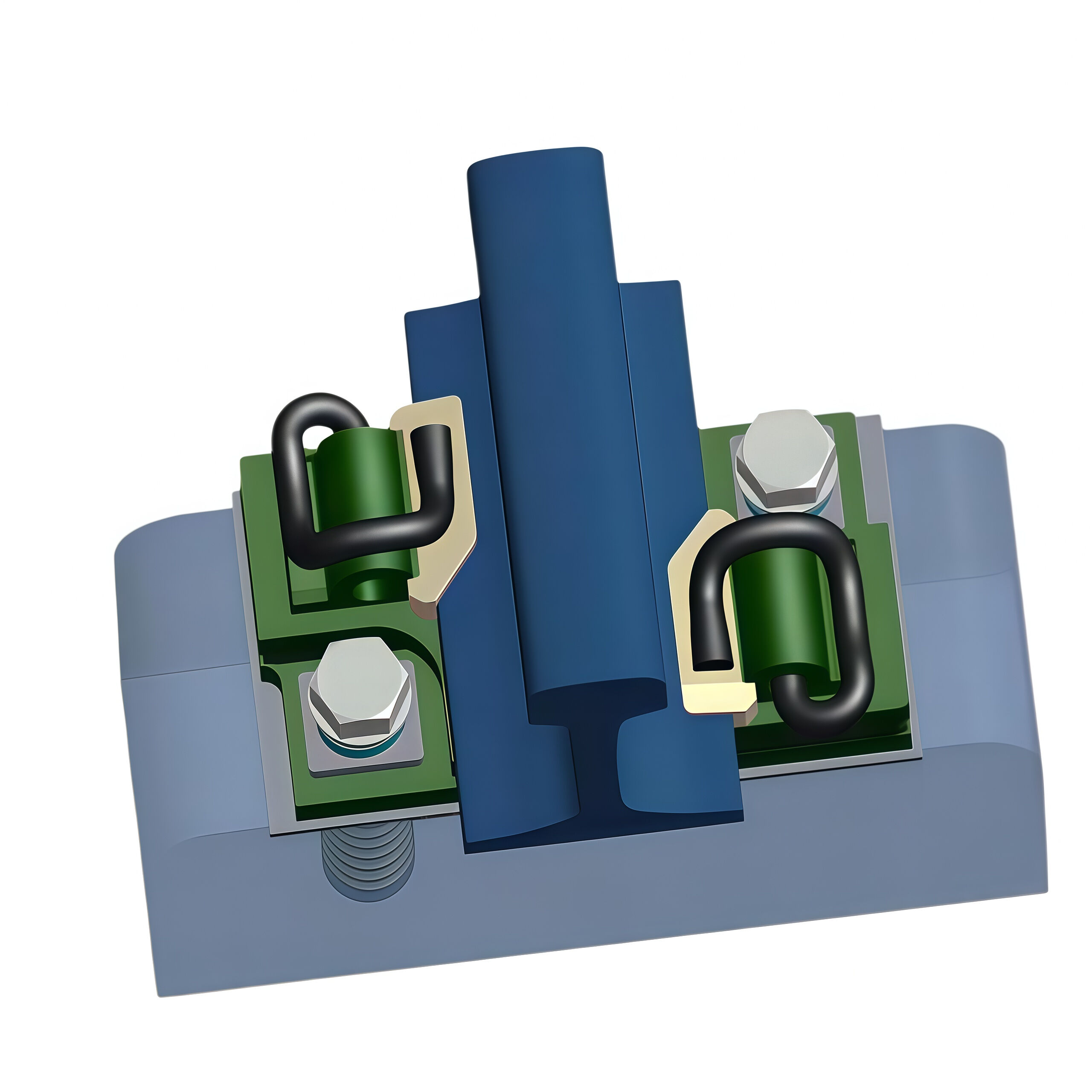
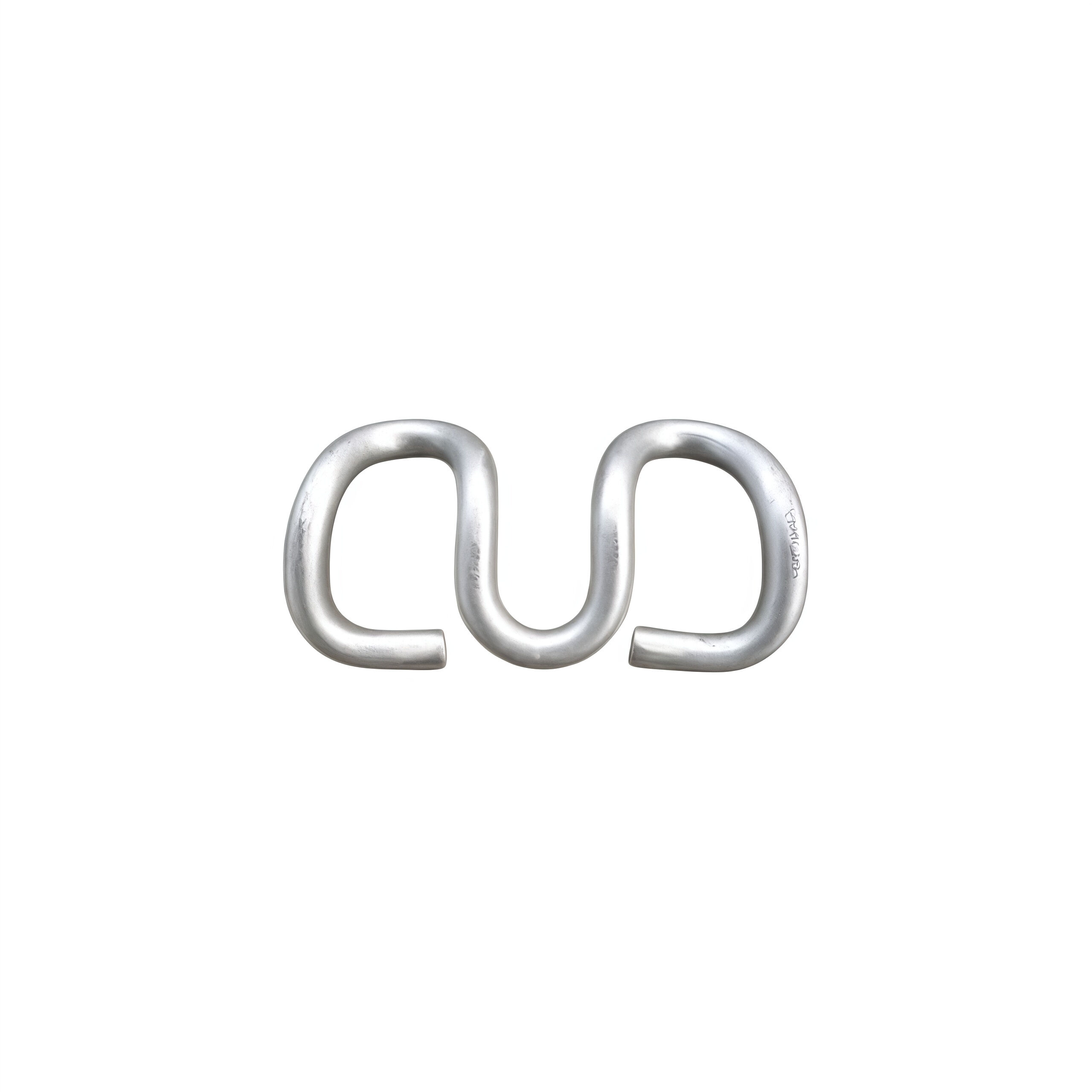
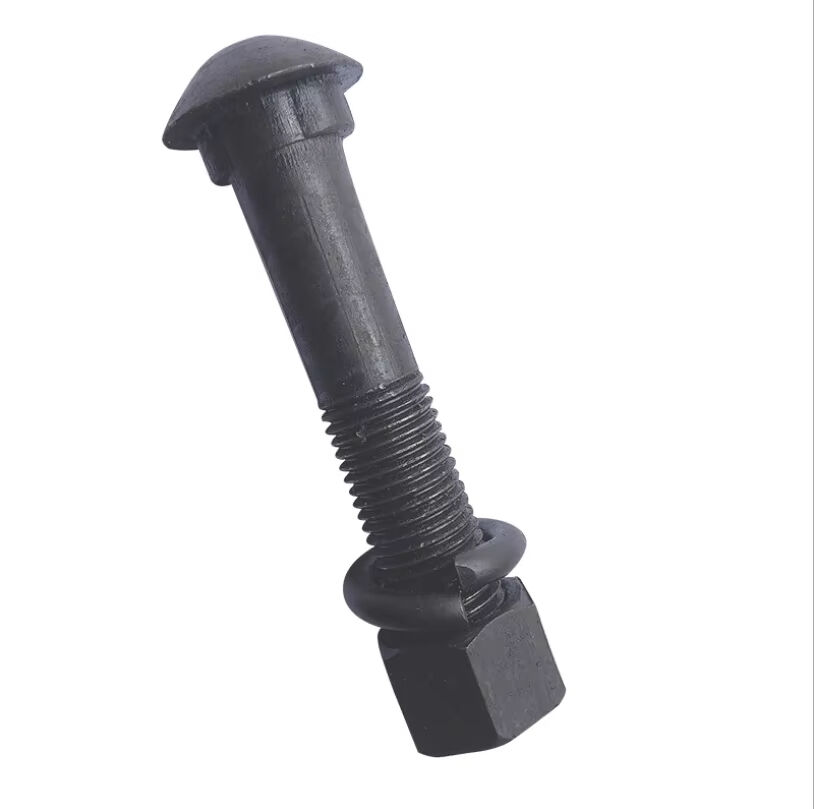
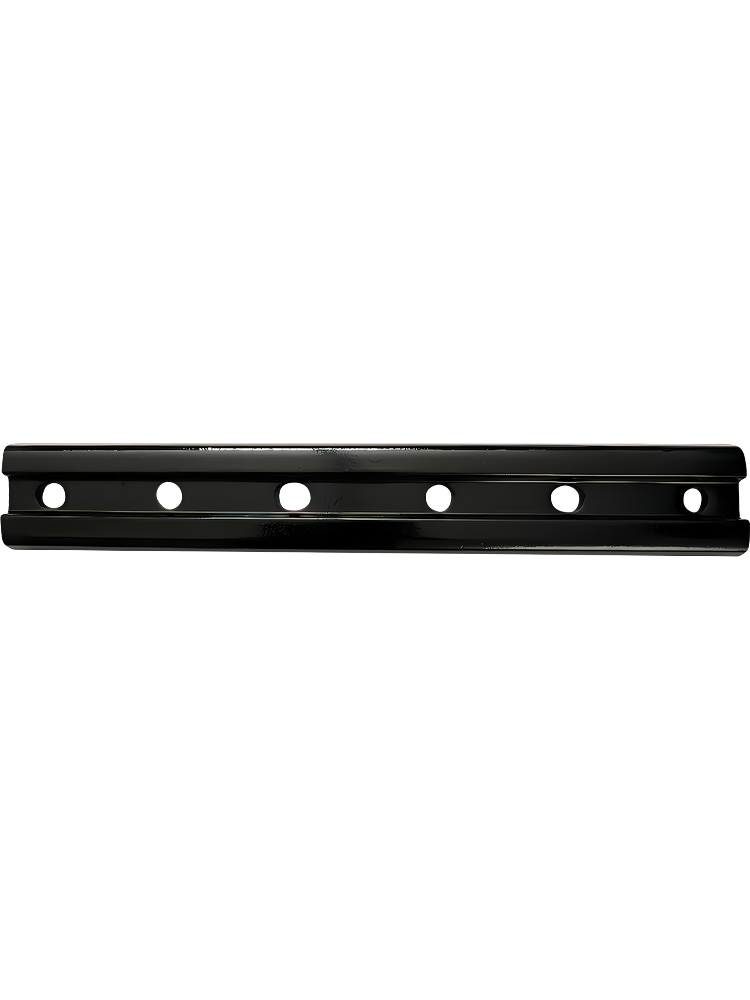
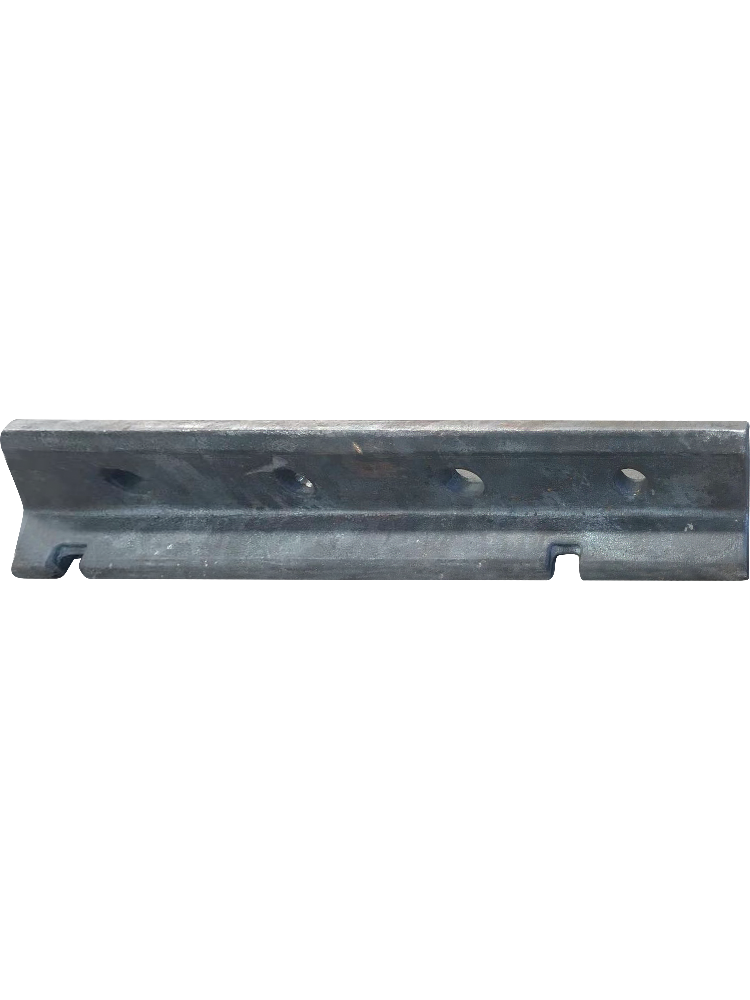
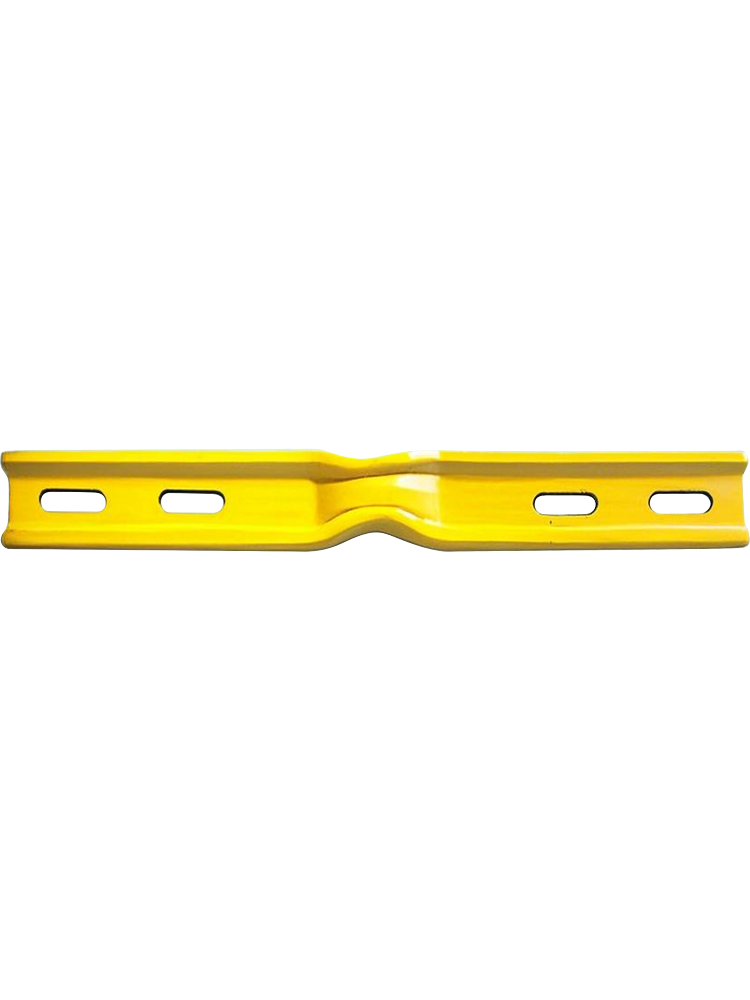
The fishplate rail joint demonstrates remarkable adaptability across diverse railway applications, from heavy-haul freight corridors to urban transit systems, making it a preferred connection solution for engineers worldwide. Railway designers select fishplate rail joint technology for mainline applications where track geometry requirements demand precise alignment control and reliable load transfer capabilities. The fishplate rail joint configuration accommodates various rail profiles including standard sections like 115RE, 136RE, and 141RE, as well as specialized profiles used in industrial and mining applications. Installation flexibility makes fishplate rail joint systems ideal for temporary track construction, emergency repairs, and seasonal railway operations where permanent welded connections may not be practical or cost-effective. The fishplate rail joint approach proves particularly valuable in regions with extreme temperature variations, as the bolted connection naturally accommodates thermal expansion and contraction without developing residual stresses. Electrified railway systems benefit from fishplate rail joint technology through reliable electrical continuity provided by properly installed bond wires and connection hardware. The fishplate rail joint design supports both continuously welded rail installations and jointed track construction, offering engineers flexibility in selecting optimal track structure for specific operational requirements. Curved track sections utilize specialized fishplate rail joint assemblies that maintain proper rail alignment while accommodating the geometric constraints of horizontal and vertical curves. Bridge applications frequently employ fishplate rail joint systems at expansion points where welded connections would create unacceptable stress concentrations during thermal cycling. Industrial railways and port facilities rely on fishplate rail joint technology for switch and crossing installations where frequent track modifications are necessary to accommodate changing operational needs. The fishplate rail joint system supports various ballasted and slab track configurations, making it suitable for both traditional railway construction and modern high-speed rail applications. Special-purpose fishplate rail joint designs accommodate unique requirements such as insulated joints for signal circuits, expansion joints for bridge structures, and compromise joints between dissimilar rail sections. Quality standards for fishplate rail joint applications are established by international railway organizations including AREMA, UIC, and national railway authorities, ensuring consistent performance across global railway networks.

 EN
EN