Professional Rail Fishplates Exporter - Global Railway Infrastructure Solutions

All Categories

rail fishplates exporter

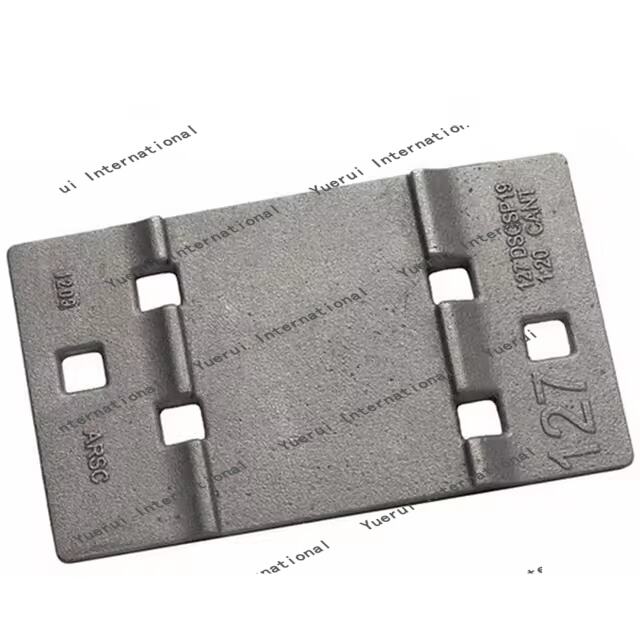
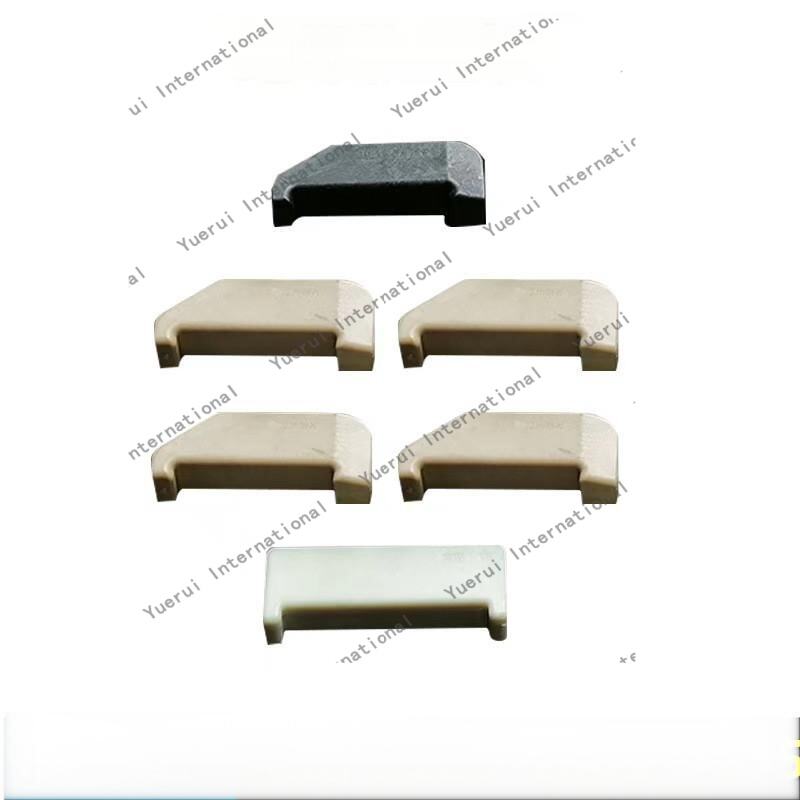
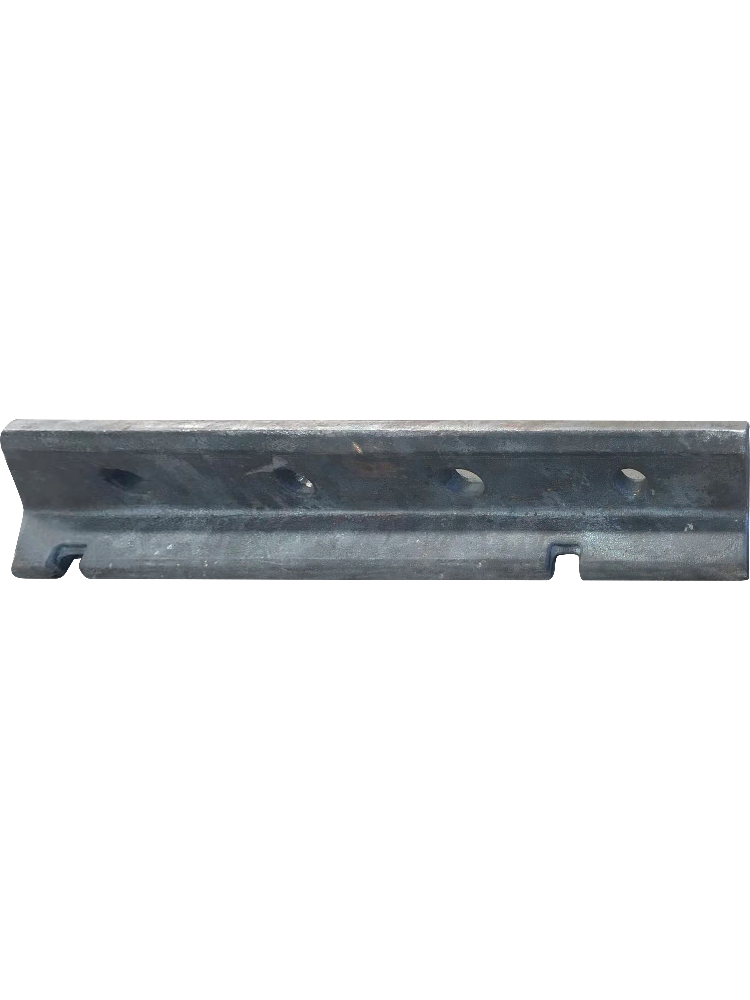
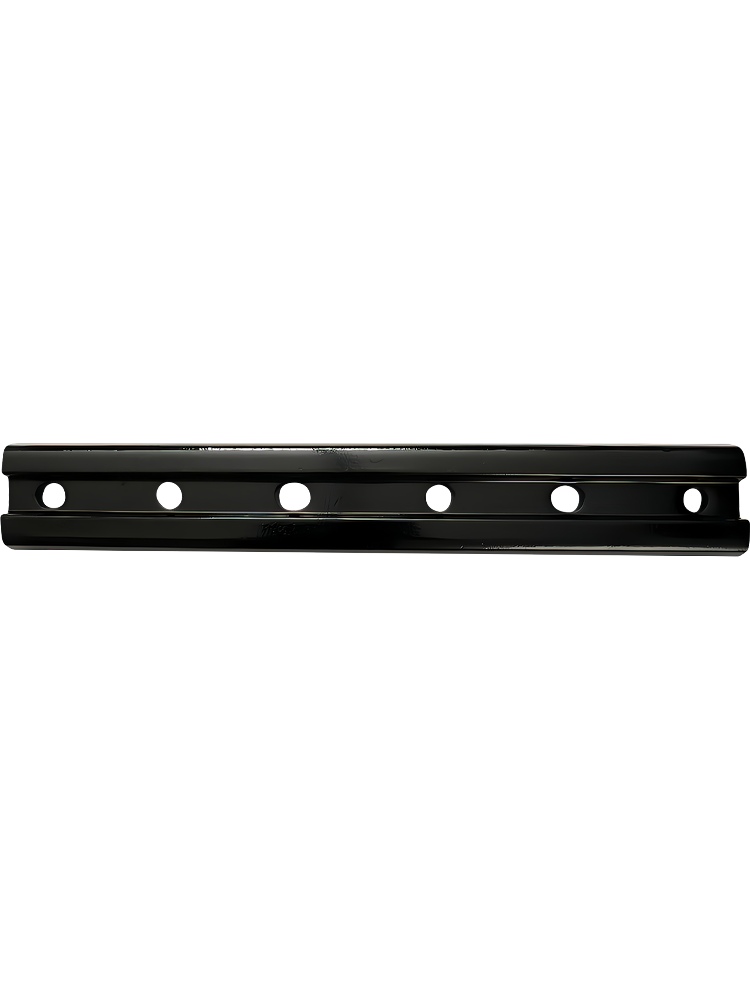
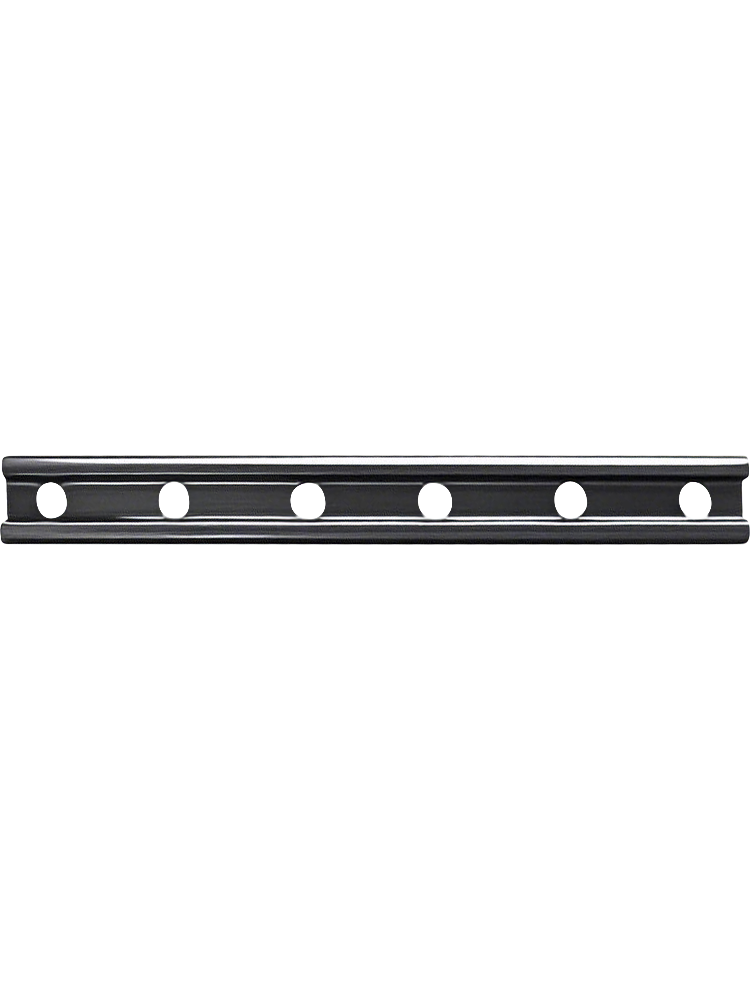
A rail fishplates exporter serves as a critical bridge in the global railway infrastructure supply chain, specializing in the manufacturing and distribution of essential track connection components worldwide. Rail fishplates, also known as joint bars or splice bars, are fundamental steel components that connect individual rail sections to create continuous railway tracks. These exporters operate sophisticated manufacturing facilities equipped with advanced metallurgical technologies and precision engineering capabilities to produce high-quality fishplates that meet international railway standards. The primary function of a rail fishplates exporter extends beyond simple production, encompassing quality control, certification compliance, logistics coordination, and technical support services. Modern rail fishplates exporters utilize state-of-the-art forging and heat treatment processes to ensure optimal material properties, including tensile strength, fatigue resistance, and dimensional accuracy. The technological features of leading exporters include automated production lines, computer-controlled quality testing systems, and comprehensive material traceability protocols. These companies maintain extensive inventory management systems to ensure rapid response to global demand fluctuations while providing customized solutions for specific railway applications. Rail fishplates exporters serve diverse markets including national railway networks, urban transit systems, industrial railways, and mining operations. Their products find applications in heavy freight corridors, high-speed passenger lines, and specialized track configurations. The exporter's role involves understanding regional specifications, climate considerations, and load requirements to deliver appropriate fishplate solutions. Leading exporters maintain international certifications such as ISO 9001, Railway Industry Standards, and country-specific approvals to ensure product compatibility across different railway systems. Their technological infrastructure supports various fishplate designs including standard joint bars, insulated fishplates for signaling systems, and specialized configurations for turnouts and crossings. The global nature of railway projects demands exporters to provide comprehensive documentation, technical assistance, and after-sales support to facilitate successful project implementation worldwide.

Popular Products

Rail fishplates exporters offer significant cost advantages through economies of scale and streamlined production processes that reduce per-unit manufacturing expenses compared to smaller regional suppliers. These exporters leverage bulk purchasing power for raw materials, enabling them to secure premium steel grades at competitive prices and pass savings directly to customers. The manufacturing efficiency achieved through specialized production facilities and automated systems translates into faster delivery times and consistent product quality that meets stringent international standards. Customers benefit from comprehensive quality assurance programs that include rigorous testing protocols, material certification, and compliance verification before shipment, eliminating costly delays and ensuring project timeline adherence. The global reach of established rail fishplates exporters provides access to diverse product ranges and customization capabilities that address specific project requirements across different railway systems and operating conditions. Technical expertise offered by these exporters includes engineering support, installation guidance, and compatibility assessments that help customers select optimal fishplate solutions for their particular applications. Supply chain reliability represents a crucial advantage, as experienced exporters maintain strategic inventory levels and established logistics networks that ensure consistent product availability even during peak demand periods. Risk mitigation benefits include comprehensive insurance coverage, quality guarantees, and established dispute resolution processes that protect customer investments and project continuity. The competitive pricing structure of rail fishplates exporters stems from operational efficiency, technological advancement, and market positioning that enables them to offer superior value propositions compared to alternative suppliers. Customer service advantages encompass multilingual support teams, local representation in key markets, and flexible payment terms that accommodate various project financing structures. Documentation and certification services provided by exporters simplify procurement processes by ensuring compliance with local regulations and international standards without additional administrative burden on customers. Long-term partnership opportunities with rail fishplates exporters include volume discounts, preferred customer status, and collaborative product development initiatives that deliver ongoing value beyond individual transactions. The technological innovation capabilities of leading exporters ensure access to latest material technologies, improved designs, and enhanced performance characteristics that support railway infrastructure modernization and expansion projects globally.

Practical Tips

What Are the Advantages of Using Standardized Baseplates in Large Projects?

18

Dec

What Are the Advantages of Using Standardized Baseplates in Large Projects?

Large-scale construction and infrastructure projects demand precision, efficiency, and reliability at every stage of development. Among the foundational elements that ensure project success, standardized baseplates emerge as critical components that ...
View More
What Are the Essential Rail Tools for Track Installation and Maintenance?

05

Jan

What Are the Essential Rail Tools for Track Installation and Maintenance?

Railway infrastructure forms the backbone of modern transportation systems, requiring specialized equipment and precise maintenance protocols to ensure safe and efficient operations. Professional rail tools represent critical investments for railway ...
View More
How Do Gauge Blocks Ensure Precision in Railway Track Construction?

05

Jan

How Do Gauge Blocks Ensure Precision in Railway Track Construction?

Railway track construction demands exceptional precision to ensure safe and efficient train operations. The accuracy of track gauge measurements directly impacts train stability, wheel wear, and overall system safety. Among the essential tools used i...
View More
What installation spacing is recommended for rail anchors in railways?

20

Apr

What installation spacing is recommended for rail anchors in railways?

Railway track stability relies heavily on proper installation spacing of rail anchors, which serve as critical components in maintaining gauge and preventing rail movement. The recommended spacing for rail anchors varies based on track classification...
View More

Get a Free Quote

Our representative will contact you soon.
Email
Name
Company Name
Message
0/1000

rail fishplates exporter

Advanced Manufacturing Technology and Quality Control Systems

Advanced Manufacturing Technology and Quality Control Systems

Leading rail fishplates exporters distinguish themselves through sophisticated manufacturing technologies that incorporate precision forging, controlled heat treatment, and automated quality control systems to deliver superior product performance and reliability. The manufacturing process begins with premium steel selection, utilizing high-carbon and alloy steel grades that undergo rigorous chemical composition analysis to ensure optimal material properties for railway applications. Advanced induction heating systems provide precise temperature control during forging operations, enabling uniform material distribution and enhanced structural integrity throughout the fishplate profile. Computer-controlled hydraulic presses apply exact forming pressures to achieve dimensional accuracy and surface finish specifications that exceed international railway standards. The heat treatment process employs specialized furnaces with programmable temperature profiles that optimize hardness, tensile strength, and fatigue resistance characteristics essential for long-term track performance under heavy loads and dynamic stresses. Quality control systems integrate multiple inspection technologies including ultrasonic testing, magnetic particle examination, and dimensional verification using coordinate measuring machines to detect potential defects and ensure compliance with specification requirements. Statistical process control methodologies monitor production parameters continuously, enabling immediate corrective actions and maintaining consistent product quality across large production volumes. Material traceability systems track each fishplate from raw material receipt through final inspection, providing comprehensive documentation that supports certification requirements and facilitates quality investigations if needed. The integration of automated handling systems minimizes human error and contamination risks while maintaining production efficiency and worker safety standards. Advanced surface treatment processes including shot blasting and protective coatings enhance corrosion resistance and extend service life in challenging environmental conditions. These technological capabilities enable rail fishplates exporters to deliver products that consistently meet or exceed customer expectations while maintaining competitive manufacturing costs through operational efficiency and reduced waste generation. The investment in cutting-edge manufacturing technology demonstrates the exporter's commitment to continuous improvement and positions them as preferred suppliers for critical railway infrastructure projects worldwide.
Global Supply Chain Management and Logistics Excellence

Global Supply Chain Management and Logistics Excellence

Professional rail fishplates exporters excel in sophisticated supply chain management and logistics coordination that ensures reliable product delivery to railway projects worldwide, regardless of geographic location or project complexity. The foundation of effective supply chain management lies in strategic sourcing relationships with premium steel suppliers, enabling consistent access to high-quality raw materials while maintaining cost competitiveness through long-term procurement agreements and volume commitments. Inventory management systems utilize advanced forecasting algorithms and demand planning tools to optimize stock levels across multiple product lines, ensuring immediate availability for urgent orders while minimizing carrying costs and obsolescence risks. Warehouse operations incorporate modern storage techniques, climate-controlled environments, and automated retrieval systems that maintain product integrity and enable rapid order processing with minimal handling damage. The logistics network encompasses partnerships with international freight carriers, customs brokers, and specialized transportation providers experienced in heavy industrial cargo handling and railway equipment shipping requirements. Documentation expertise includes comprehensive knowledge of international trade regulations, export licensing requirements, and destination country import procedures that facilitate smooth customs clearance and reduce delivery delays. Risk management strategies address potential supply chain disruptions through diversified supplier networks, alternative transportation routes, and contingency inventory positions that protect customer projects from unforeseen circumstances. Real-time tracking systems provide customers with complete visibility into order status, shipping progress, and estimated delivery schedules, enabling effective project planning and resource coordination. The global presence of established exporters includes regional distribution centers, local representatives, and service networks that provide immediate technical support and expedited delivery capabilities for time-sensitive requirements. Packaging and protection protocols ensure product integrity during international shipment, utilizing specialized crating, corrosion prevention treatments, and shock-absorbing materials appropriate for railway component transportation. Quality documentation accompanies each shipment, including material certificates, test reports, and compliance attestations that satisfy customer specifications and regulatory requirements without additional verification delays. The comprehensive supply chain capabilities of professional rail fishplates exporters create competitive advantages for customers through reduced procurement complexity, improved project scheduling reliability, and enhanced overall value delivery.
Technical Expertise and Customer Support Services

Technical Expertise and Customer Support Services

Experienced rail fishplates exporters provide comprehensive technical expertise and customer support services that extend far beyond product supply, delivering engineering consultation, application guidance, and ongoing assistance that ensures successful project implementation and optimal track performance. The technical team comprises qualified railway engineers, metallurgical specialists, and application experts who possess deep understanding of track construction principles, material science, and international railway standards across diverse operating environments. Pre-sales engineering services include site assessment consultations, load analysis calculations, and compatibility evaluations that help customers select appropriate fishplate specifications for their specific track configurations and operating conditions. Design assistance capabilities encompass custom product development for specialized applications, modification recommendations for existing installations, and optimization suggestions that enhance performance while reducing lifecycle costs. Installation support services provide detailed mounting procedures, torque specifications, and quality checkpoints that ensure proper fishplate installation and maximize joint integrity under service conditions. Training programs for customer personnel cover product handling, installation techniques, inspection procedures, and maintenance requirements that promote safe working practices and extend component service life. Technical documentation includes comprehensive product specifications, material property data, and performance test results that support engineering calculations and regulatory compliance verification processes. Problem-solving expertise addresses field challenges through rapid response protocols, on-site consultation services, and collaborative troubleshooting approaches that minimize project disruptions and identify effective solutions. Quality assurance support extends to customer facilities through audit assistance, inspection training, and compliance verification services that help maintain consistency across multiple project locations. Research and development collaboration opportunities enable customers to participate in product improvement initiatives, field testing programs, and technology advancement projects that benefit future railway infrastructure development. Post-delivery support includes warranty services, replacement part availability, and technical consultation for service life extension strategies that maximize customer investment returns. The combination of technical knowledge, practical experience, and customer-focused service approach positions professional rail fishplates exporters as valuable partners in railway infrastructure development projects, contributing expertise that enhances project success rates and long-term operational performance while building lasting business relationships based on mutual trust and demonstrated value delivery.

Get a Free Quote

Our representative will contact you soon.
Email
Name
Company Name
Message
0/1000