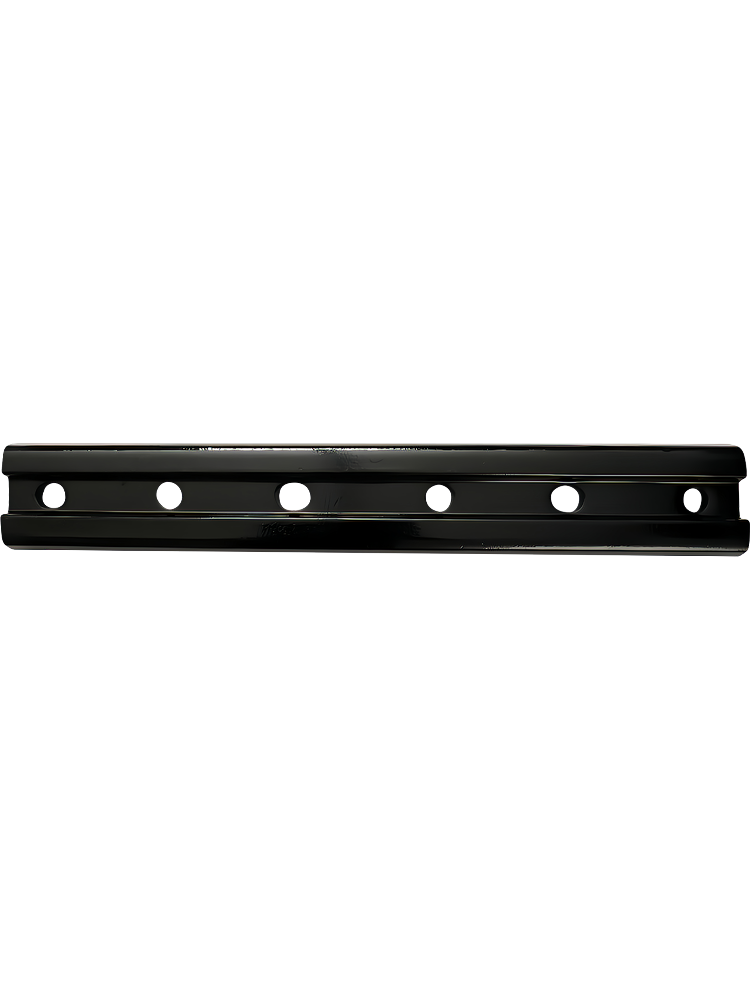
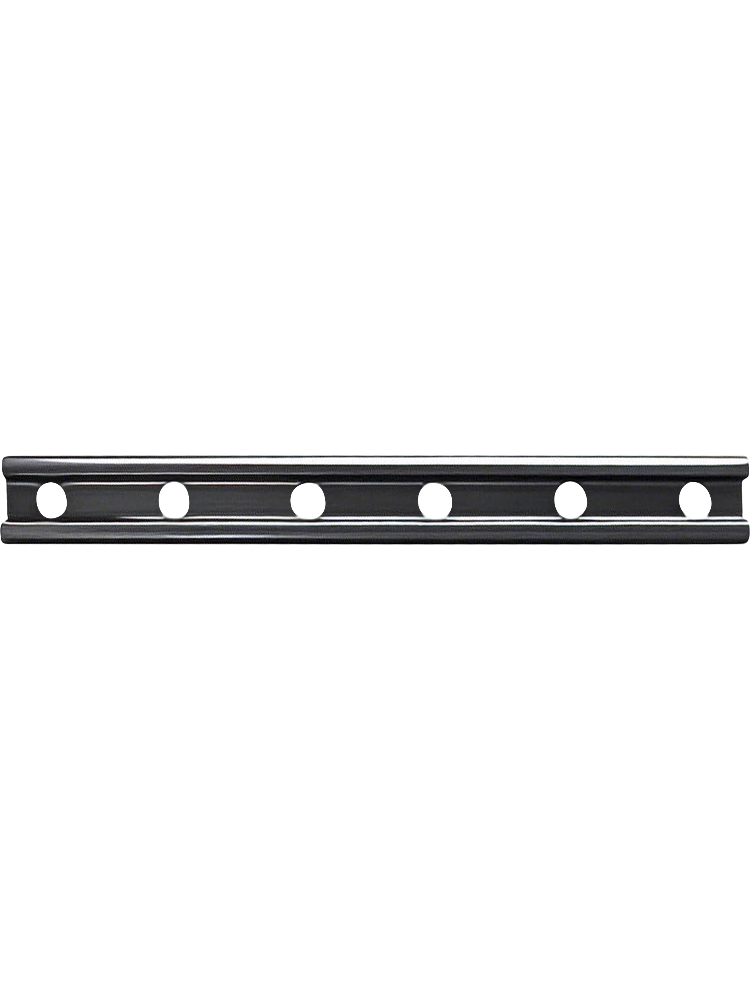
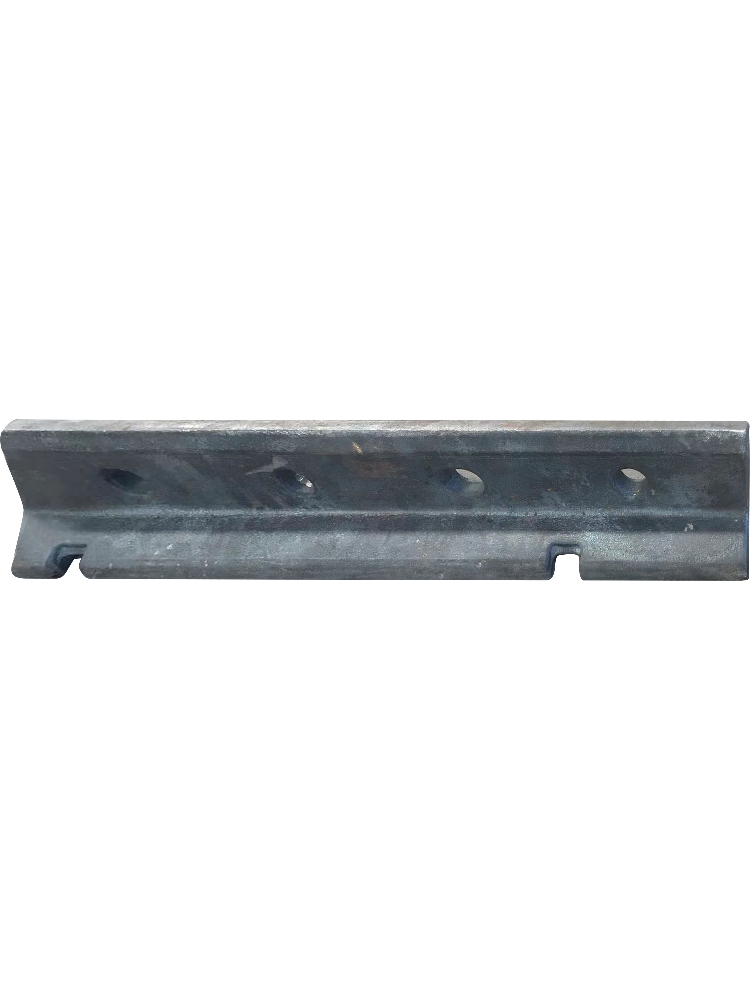
Premium Rail Fishplates: Essential Railway Track Joining Solutions for Superior Performance

All Categories

rail fishplates

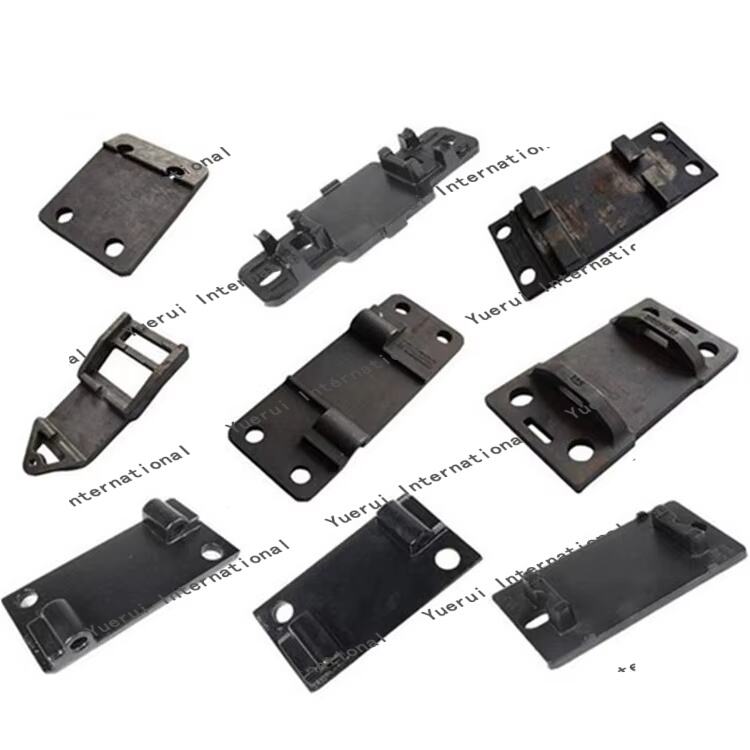
Rail fishplates represent essential components in railway infrastructure, serving as critical connecting elements that maintain track continuity and structural integrity. These steel plates, also known as joint bars or splice bars, create secure connections between adjacent rail sections, ensuring smooth train operations across extensive railway networks. The primary function of rail fishplates involves joining individual rail segments to form continuous tracks while maintaining proper alignment and gauge specifications. Modern rail fishplates incorporate advanced metallurgical properties designed to withstand extreme operational stresses including dynamic loading, thermal expansion, and environmental factors. The technological features of contemporary rail fishplates include precision-engineered bolt holes, standardized dimensions complying with international railway standards, and specialized steel compositions that provide optimal strength-to-weight ratios. Manufacturing processes utilize high-grade carbon steel or alloy steel materials, ensuring consistent quality and performance characteristics. The surface treatments applied to rail fishplates include protective coatings that resist corrosion and enhance durability in harsh environmental conditions. Applications of rail fishplates extend across various railway systems including heavy freight corridors, passenger transportation networks, urban transit systems, and industrial railway installations. These components accommodate different rail profiles and weights, making them suitable for diverse operational requirements. The installation process involves precise positioning of rail fishplates along rail joints, securing them with high-tensile bolts that create reliable mechanical connections. Quality control measures ensure that rail fishplates meet stringent safety standards and performance specifications required for modern railway operations. The design considerations encompass load distribution capabilities, fatigue resistance, and compatibility with existing track infrastructure, making rail fishplates indispensable elements in maintaining safe and efficient railway transportation systems worldwide.


New Product Recommendations

Rail fishplates offer numerous practical benefits that directly impact railway operational efficiency and safety standards. The primary advantage lies in their ability to create seamless connections between rail segments, eliminating dangerous gaps that could compromise train stability and passenger safety. These connecting elements distribute mechanical loads evenly across joint areas, preventing stress concentrations that might lead to premature rail failure or derailment incidents. The standardized design of rail fishplates ensures compatibility across different railway systems, reducing inventory complexity and maintenance costs for railway operators. Installation procedures are straightforward, allowing maintenance crews to quickly replace damaged sections without requiring specialized equipment or extensive track closures. The robust construction of rail fishplates provides long-term durability, withstanding millions of wheel passes while maintaining structural integrity and dimensional accuracy. Cost-effectiveness represents another significant advantage, as rail fishplates offer economical solutions for track construction and maintenance compared to alternative joining methods such as welding. The modular nature of rail fishplate systems enables flexible track layouts and easy modifications to accommodate changing operational requirements or infrastructure upgrades. Maintenance activities become more efficient because individual rail sections can be replaced without affecting adjacent track components, minimizing service disruptions and reducing overall maintenance expenses. The proven reliability of rail fishplates contributes to enhanced safety records, as these components undergo rigorous testing and quality assurance processes before deployment in railway networks. Environmental benefits include reduced noise levels compared to welded joints, as properly maintained rail fishplates provide smooth wheel transitions that minimize rolling noise and vibration transmission. The recyclable materials used in rail fishplate manufacturing support sustainable practices within the railway industry. Quality assurance programs ensure consistent performance characteristics, giving railway operators confidence in their track infrastructure investments. The versatility of rail fishplates allows their use in various applications including temporary track installations, emergency repairs, and specialized railway configurations such as industrial sidings or maintenance facilities.

Latest News

How Do Baseplates Improve Stability and Safety in Railway Construction?

18

Dec

How Do Baseplates Improve Stability and Safety in Railway Construction?

Railway infrastructure forms the backbone of modern transportation systems, where every component plays a crucial role in ensuring safe and efficient operations. Among these essential components, railway baseplates serve as fundamental elements that ...
View More
How Do Baseplates Contribute to Efficient Railway Turnout Installation?

18

Dec

How Do Baseplates Contribute to Efficient Railway Turnout Installation?

Railway infrastructure demands precision, durability, and efficiency at every level, particularly when it comes to critical components like turnouts. Railway turnout baseplates serve as fundamental elements that ensure proper track alignment, load di...
View More
How Do Elastic Strips Support High-Speed and Heavy Rail Traffic?

05

Jan

How Do Elastic Strips Support High-Speed and Heavy Rail Traffic?

Modern railway infrastructure faces unprecedented demands as transportation networks evolve to accommodate higher speeds and heavier cargo loads. The foundation of reliable rail systems depends heavily on innovative engineering solutions that can abs...
View More
What installation spacing is recommended for rail anchors in railways?

20

Apr

What installation spacing is recommended for rail anchors in railways?

Railway track stability relies heavily on proper installation spacing of rail anchors, which serve as critical components in maintaining gauge and preventing rail movement. The recommended spacing for rail anchors varies based on track classification...
View More

Get a Free Quote

Our representative will contact you soon.
Email
Name
Company Name
Message
0/1000

rail fishplates

Superior Load Distribution Technology

Superior Load Distribution Technology

Rail fishplates incorporate advanced engineering principles that optimize load distribution across railway joints, representing a cornerstone technology in modern track infrastructure. The sophisticated design of these connecting elements ensures that dynamic forces generated by passing trains are efficiently transferred and dispersed throughout the track structure, preventing localized stress concentrations that could compromise track integrity. The load distribution mechanism operates through precisely calculated contact surfaces that interact with rail profiles, creating multiple load paths that enhance overall system reliability. Engineering analysis demonstrates that properly installed rail fishplates can distribute vertical, lateral, and longitudinal forces across extended track sections, significantly reducing wear patterns and extending rail service life. The geometric configuration of rail fishplates includes strategically positioned bolt holes that maintain optimal clamping forces while accommodating thermal expansion and contraction cycles. Advanced finite element modeling techniques guide the design optimization process, ensuring that stress concentrations remain within acceptable limits under various loading scenarios including heavy freight operations and high-speed passenger services. The material properties of rail fishplates complement their geometric design, utilizing high-strength steel compositions that provide excellent fatigue resistance and dimensional stability over extended service periods. Quality control procedures verify load distribution characteristics through comprehensive testing protocols that simulate real-world operating conditions. The benefits of superior load distribution technology extend beyond immediate safety considerations, encompassing reduced maintenance requirements, lower lifecycle costs, and improved operational reliability. Railway operators experience fewer track-related delays and reduced maintenance interventions when utilizing rail fishplates with optimized load distribution capabilities. The technology also supports sustainable railway operations by extending component service life and reducing material consumption over time.
Enhanced Durability and Weather Resistance

Enhanced Durability and Weather Resistance

Rail fishplates demonstrate exceptional durability characteristics that ensure reliable performance under diverse environmental conditions and operational stresses encountered in railway applications. The enhanced durability stems from careful material selection processes that prioritize corrosion resistance, mechanical strength, and long-term stability in challenging operating environments. Advanced metallurgical treatments applied during manufacturing create protective surface layers that resist oxidation, chemical attack, and atmospheric corrosion that typically affect railway infrastructure components. The weather resistance properties of modern rail fishplates enable their successful deployment in extreme climatic conditions ranging from arctic environments with severe temperature fluctuations to tropical regions with high humidity and salt exposure. Specialized coating systems provide additional protection against environmental factors while maintaining the mechanical properties essential for safe railway operations. The durability advantages translate directly into reduced maintenance costs and extended service intervals, allowing railway operators to optimize their maintenance schedules and resource allocation. Field experience demonstrates that high-quality rail fishplates can maintain their structural integrity and functional performance for decades under normal operating conditions, providing excellent return on investment for railway infrastructure projects. The enhanced durability also contributes to improved safety records, as reliable rail fishplates reduce the risk of unexpected failures that could lead to service disruptions or safety incidents. Temperature cycling tests verify the ability of rail fishplates to withstand repeated expansion and contraction without developing fatigue cracks or losing dimensional accuracy. The corrosion resistance properties are particularly valuable in coastal environments or industrial areas where atmospheric contaminants could accelerate material degradation. Quality assurance programs include accelerated aging tests that simulate years of service exposure to validate durability claims and ensure consistent product performance. The combination of enhanced durability and weather resistance makes rail fishplates suitable for critical railway applications where reliability is paramount.
Precision Manufacturing and Quality Assurance

Precision Manufacturing and Quality Assurance

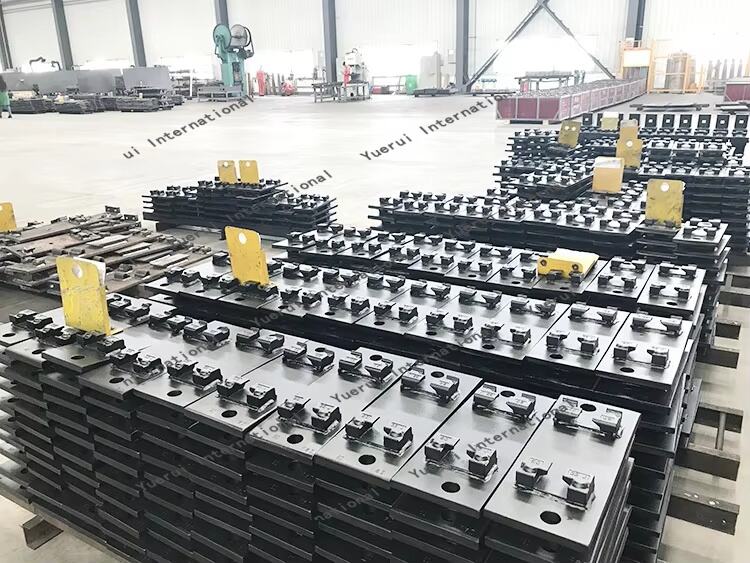
Rail fishplates benefit from precision manufacturing processes and comprehensive quality assurance programs that ensure consistent performance characteristics and reliable operation throughout their service life. The manufacturing precision begins with advanced steel production techniques that create homogeneous material properties and eliminate internal defects that could compromise structural integrity. Computer-controlled machining operations maintain tight dimensional tolerances on critical features including bolt hole positioning, contact surfaces, and overall geometry, ensuring proper fit and function when installed in railway systems. The precision manufacturing approach extends to heat treatment processes that optimize mechanical properties while maintaining dimensional stability under operational stresses. Quality assurance protocols encompass multiple inspection stages throughout the production process, utilizing advanced testing methods including ultrasonic examination, magnetic particle inspection, and dimensional verification using coordinate measuring machines. Statistical process control methods monitor manufacturing parameters to detect potential variations before they affect product quality, maintaining consistent output that meets or exceeds railway industry standards. The quality assurance framework includes material traceability systems that document the complete production history of each rail fishplate batch, enabling rapid identification and resolution of any quality issues that might arise during service. Mechanical testing programs verify tensile strength, impact resistance, and fatigue properties to ensure that rail fishplates will perform reliably under demanding operational conditions. The precision manufacturing capabilities enable customization options for specialized applications while maintaining the standardized features required for interoperability across different railway systems. Continuous improvement initiatives incorporate feedback from field installations and service experience to refine manufacturing processes and enhance product performance. The combination of precision manufacturing and rigorous quality assurance provides railway operators with confidence in their infrastructure investments and supports long-term operational reliability. Third-party certification programs validate manufacturing quality and compliance with international railway standards, providing additional assurance for critical railway applications.

Get a Free Quote

Our representative will contact you soon.
Email
Name
Company Name
Message
0/1000