Premium Fishplate Rail Systems - Superior Railway Joint Solutions for Enhanced Track Performance

All Categories

fishplate rail

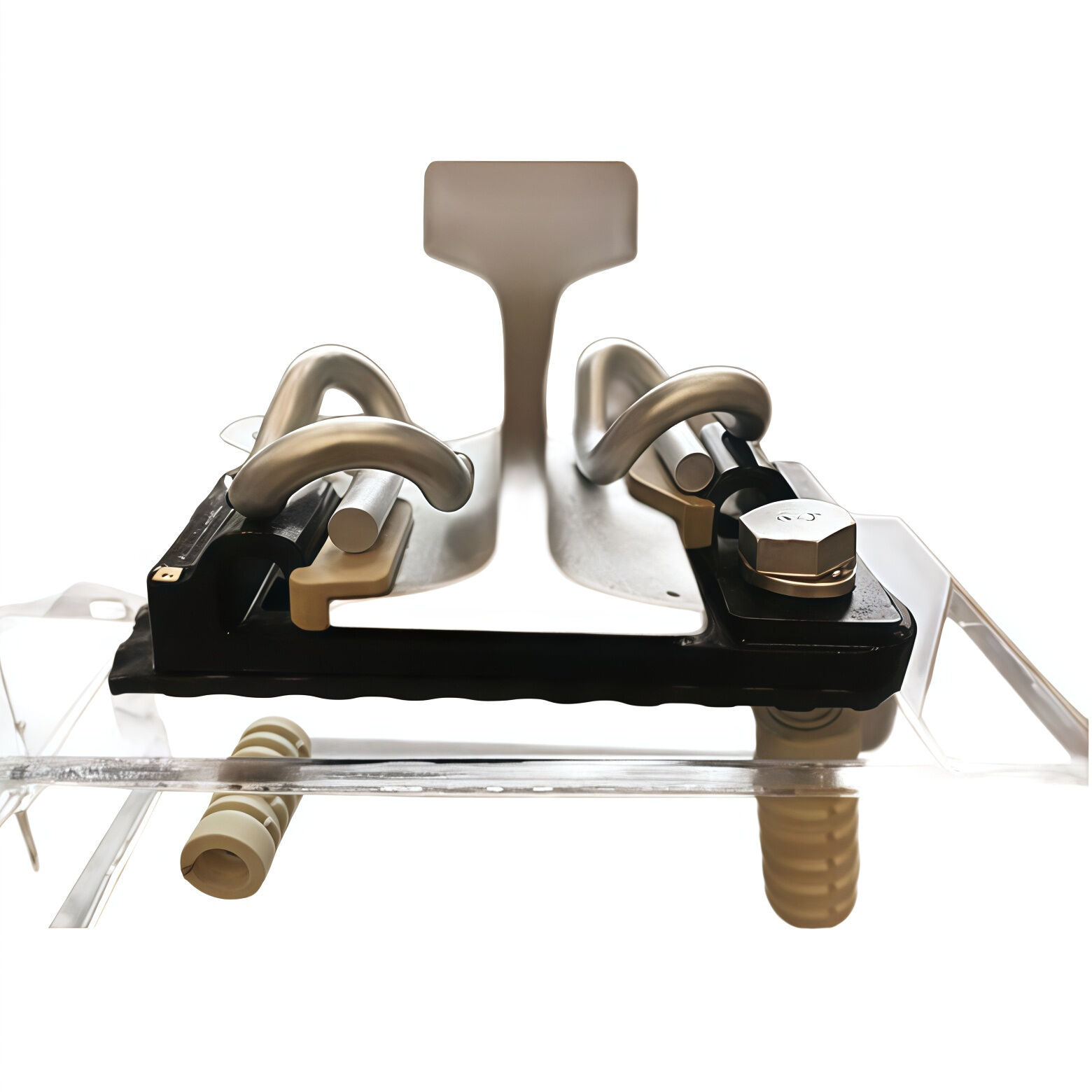
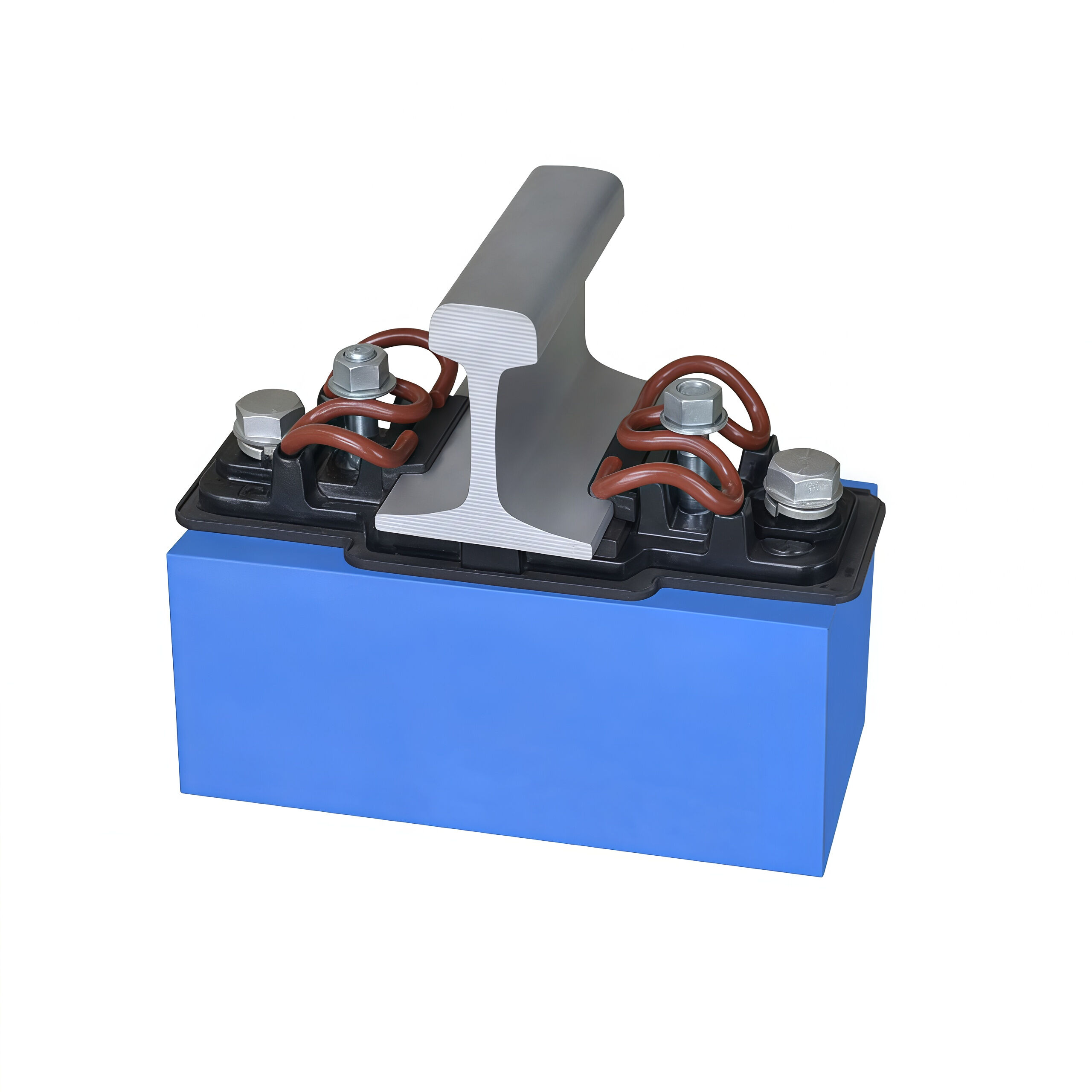
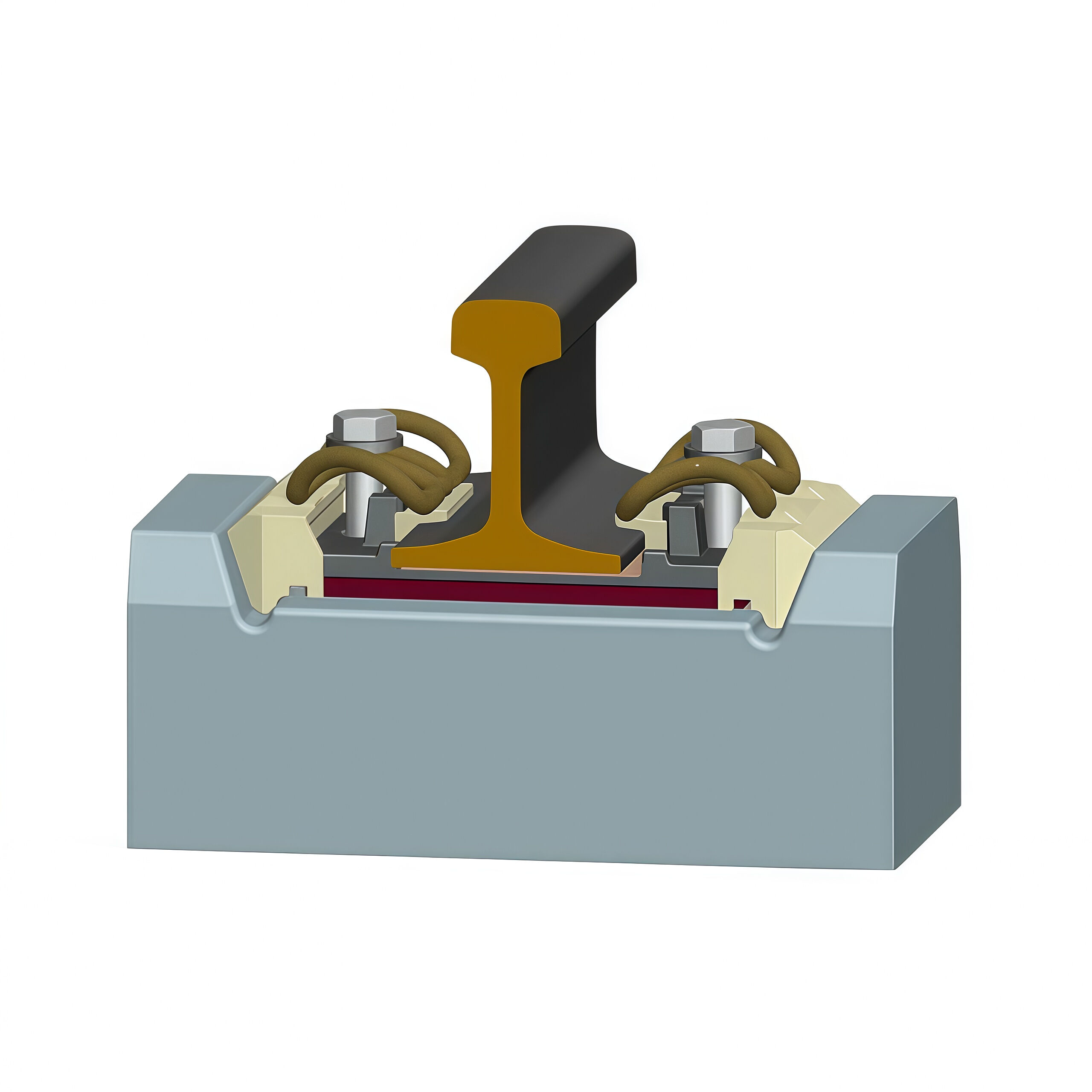
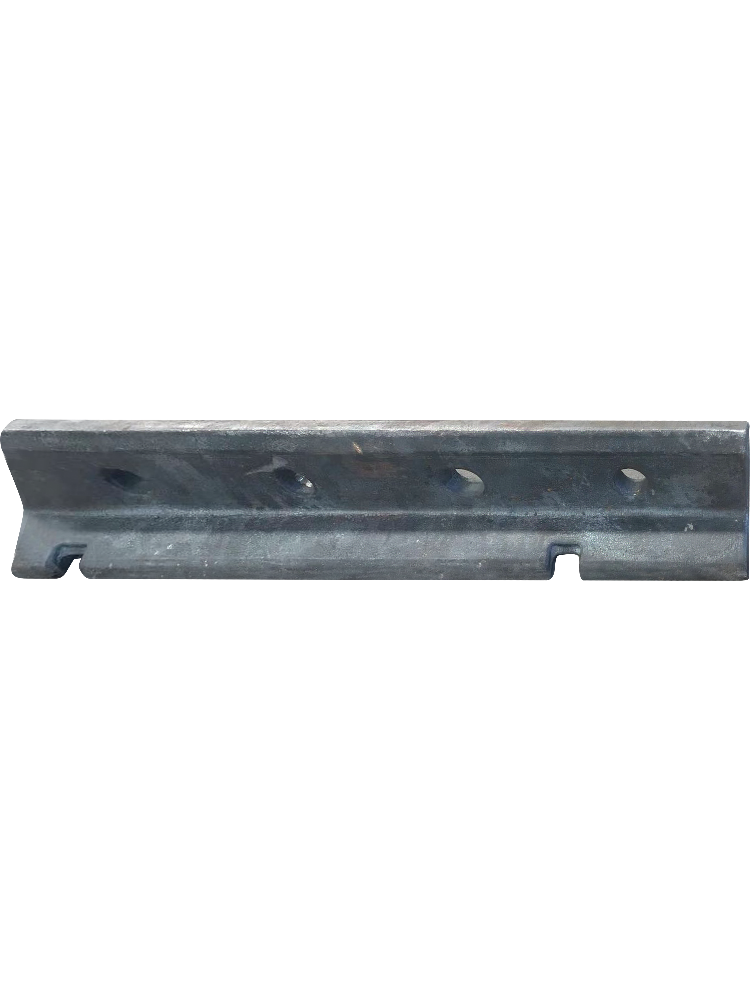
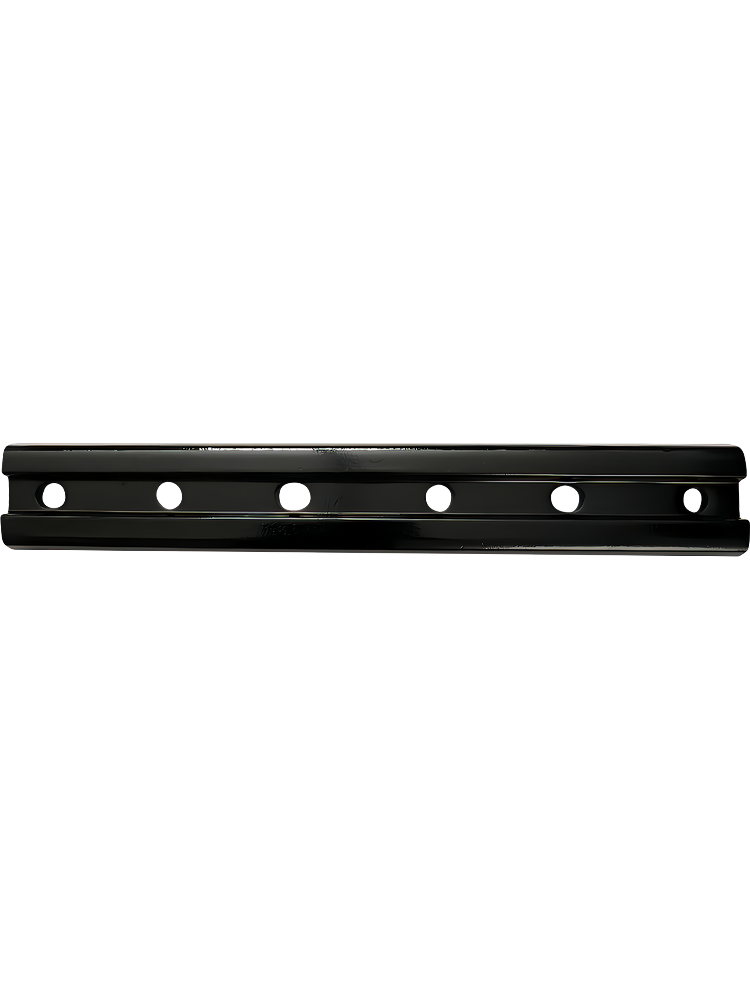
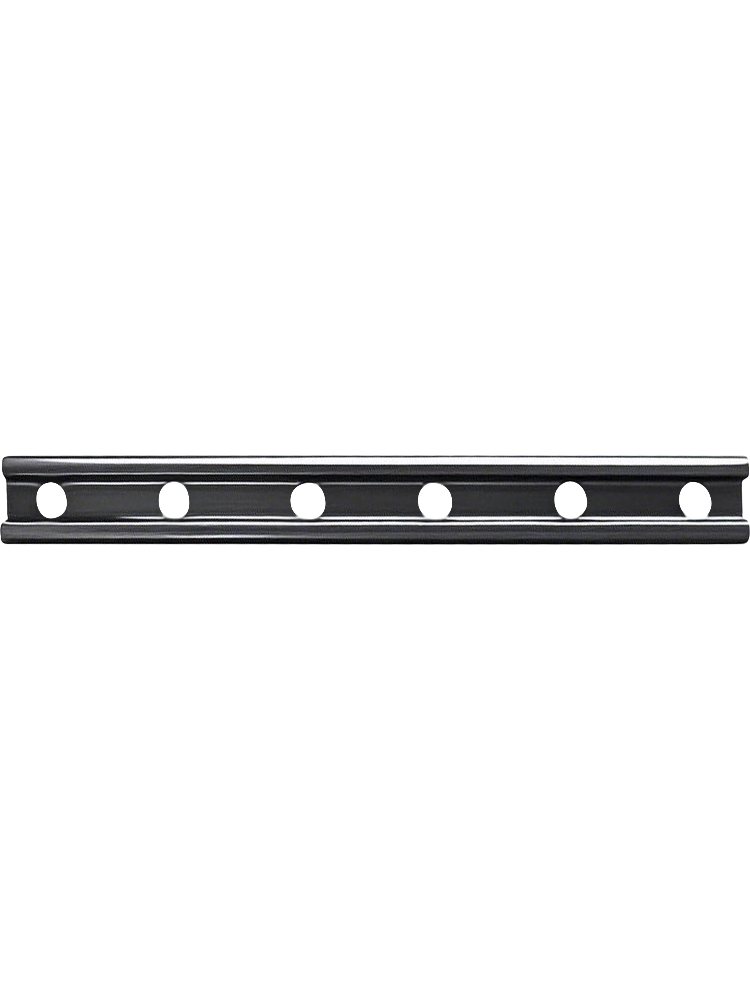
The fishplate rail represents a fundamental component in railway infrastructure, serving as the critical joining mechanism that connects individual rail sections to create continuous trackwork. This essential railway element consists of a steel plate that spans the gap between two rail ends, providing structural continuity and maintaining proper rail alignment throughout the track system. The fishplate rail design incorporates precisely engineered bolt holes and mounting surfaces that ensure secure attachment to the rail web, creating a joint that can withstand the immense forces generated by passing trains. Modern fishplate rail systems utilize high-grade steel alloys that offer superior strength-to-weight ratios, enabling them to handle heavy freight loads while maintaining dimensional stability under varying temperature conditions. The manufacturing process involves controlled rolling and heat treatment procedures that enhance the material properties, resulting in improved fatigue resistance and extended service life. Railway engineers specify fishplate rail configurations based on specific track requirements, including rail profile compatibility, load capacity specifications, and environmental conditions. The installation process requires precise alignment and torque specifications to ensure optimal joint performance and prevent rail movement under operational stresses. Quality fishplate rail systems incorporate anti-corrosion treatments and specialized coatings that protect against environmental degradation, particularly in coastal or industrial environments where chemical exposure is common. The design evolution of fishplate rail technology has focused on reducing maintenance requirements while improving joint reliability, leading to innovations in bolt design, plate geometry, and material composition. These components play a vital role in track geometry maintenance, helping preserve proper gauge width and rail inclination throughout the railway network. The effectiveness of fishplate rail installations directly impacts train operation safety, ride quality, and overall track longevity, making proper selection and installation critical for successful railway operations.


New Product Releases

Fishplate rail systems deliver exceptional structural integrity that surpasses traditional joining methods, providing railway operators with reliable connections that maintain their strength over extended service periods. The robust design distributes loads effectively across the joint area, preventing stress concentrations that could lead to premature failure or track irregularities. This superior load distribution capability allows fishplate rail connections to handle increasingly heavy freight consists and high-speed passenger services without compromising safety margins. Railway maintenance teams benefit significantly from the straightforward installation procedures associated with fishplate rail systems, which require standard tools and techniques that most track crews already possess. The standardized bolt patterns and connection methods reduce training requirements and minimize the risk of installation errors that could affect track performance. Maintenance schedules become more predictable with fishplate rail systems, as these components exhibit consistent wear patterns and provide clear visual indicators when replacement becomes necessary. The economic advantages of fishplate rail technology extend beyond initial installation costs, delivering substantial long-term savings through reduced maintenance frequency and extended component life cycles. Railway operators report lower total ownership costs when utilizing high-quality fishplate rail systems compared to alternative joining methods, particularly in high-traffic corridors where reliability is paramount. The versatility of fishplate rail designs accommodates various rail profiles and track configurations, allowing railway companies to standardize their inventory while maintaining compatibility across different route sections. This standardization reduces procurement complexity and enables bulk purchasing arrangements that further improve cost effectiveness. Environmental benefits emerge from the extended service life of quality fishplate rail systems, which reduce the frequency of component replacement and associated track outages. The reduced maintenance requirements translate to fewer track possession windows, minimizing service disruptions and improving overall network availability. Modern fishplate rail manufacturing processes incorporate recycled steel content, supporting sustainable railway operations while maintaining performance standards. The proven reliability of fishplate rail technology provides railway operators with confidence in their infrastructure investments, knowing that these critical components will perform consistently under demanding operational conditions while requiring minimal maintenance intervention.

Latest News

Why Rail Contractors Prefer Forged Railroad Dog Spikes

24

Nov

Why Rail Contractors Prefer Forged Railroad Dog Spikes

Railroad construction and maintenance projects demand precision, durability, and unwavering reliability in every component used. Among the critical fastening elements that secure rails to railroad ties, forged railroad dog spikes have emerged as the ...
View More
How Do Baseplates Contribute to Efficient Railway Turnout Installation?

18

Dec

How Do Baseplates Contribute to Efficient Railway Turnout Installation?

Railway infrastructure demands precision, durability, and efficiency at every level, particularly when it comes to critical components like turnouts. Railway turnout baseplates serve as fundamental elements that ensure proper track alignment, load di...
View More
How Do Rail Tools Support Safety and Precision in Track Construction?

05

Jan

How Do Rail Tools Support Safety and Precision in Track Construction?

Modern railway construction demands exceptional precision and unwavering safety standards to ensure reliable transportation networks. The foundation of successful track construction lies in the proper selection and application of specialized rail too...
View More
How to select rail anchors for high-speed vs conventional rail lines?

20

Apr

How to select rail anchors for high-speed vs conventional rail lines?

Selecting the appropriate rail anchors for different railway applications requires understanding the fundamental differences between high-speed and conventional rail systems. Rail anchors serve as critical components that secure rails to sleepers and...
View More

Get a Free Quote

Our representative will contact you soon.
Email
Name
Company Name
Message
0/1000

fishplate rail

Superior Load Distribution Technology

Superior Load Distribution Technology

The advanced engineering behind fishplate rail systems centers on their exceptional load distribution capabilities, which represent a significant technological advancement in railway joining methodology. Unlike conventional connection methods that create localized stress points, fishplate rail designs incorporate carefully calculated geometry that spreads dynamic and static loads across a broader contact area, effectively reducing peak stresses that can cause premature component failure. The plate configuration features precisely machined surfaces that conform to the rail web profile, creating intimate contact that eliminates movement and prevents the development of fatigue cracks at critical stress points. This sophisticated load distribution mechanism enables fishplate rail systems to accommodate the increasing axle loads demanded by modern freight operations while maintaining the tight tolerances required for high-speed passenger service. The engineering principles behind this technology involve complex finite element analysis during the design phase, ensuring that stress flows naturally through the joint without creating concentration points that could compromise long-term performance. Railway engineers have validated this approach through extensive field testing and laboratory analysis, demonstrating that properly installed fishplate rail systems can handle loads exceeding 35 tons per axle without experiencing structural degradation. The load distribution benefits extend to the surrounding track structure, as the even stress transfer reduces wear on fastening systems, rail pads, and underlying track foundations. This comprehensive approach to load management contributes to improved overall track geometry stability, reducing the need for frequent realignment operations and extending the intervals between major track maintenance activities. The sophisticated metallurgical properties of modern fishplate rail materials complement the geometric design, with grain structures optimized to resist fatigue under cyclic loading conditions typical of railway operations.
Cost-Effective Maintenance Solutions

Cost-Effective Maintenance Solutions

Fishplate rail systems revolutionize railway maintenance economics by delivering substantial cost reductions throughout their operational lifecycle, making them an intelligent investment for railway infrastructure managers seeking to optimize their maintenance budgets. The inherent design characteristics of these systems minimize the frequency of routine maintenance interventions, allowing track crews to focus their resources on other critical infrastructure elements while maintaining high safety and performance standards. Railway operators consistently report maintenance cost reductions of up to 40 percent when transitioning from alternative joining methods to quality fishplate rail systems, primarily due to the extended service intervals and reduced component replacement frequency. The predictable wear patterns exhibited by fishplate rail components enable maintenance planners to develop accurate lifecycle cost models and schedule replacement activities during planned maintenance windows, avoiding costly emergency repairs that disrupt service operations. The standardized bolt patterns and connection hardware associated with fishplate rail systems reduce inventory requirements and simplify spare parts management, eliminating the need to stock multiple component variants for different track sections. This standardization extends to maintenance tools and procedures, allowing railway companies to optimize their workforce training programs and reduce the skill specialization required for joint maintenance activities. The robust construction of modern fishplate rail systems resists environmental degradation, maintaining their structural properties even in challenging conditions such as coastal environments with high salt exposure or industrial areas with chemical contamination. This environmental resistance translates directly to extended service life and reduced replacement frequency, delivering significant cost savings over the component lifecycle. The maintenance cost advantages become particularly pronounced in high-traffic corridors where track availability is critical, as the reliability of fishplate rail systems reduces the frequency of speed restrictions and service disruptions associated with joint maintenance activities.
Enhanced Safety and Reliability Performance

Enhanced Safety and Reliability Performance

The safety advantages inherent in fishplate rail technology establish these systems as the preferred choice for railway operators prioritizing passenger protection and operational reliability in their infrastructure decisions. The robust connection mechanism eliminates the joint gaps that can develop with alternative systems, preventing wheel impact forces that create noise, vibration, and potential derailment risks during train operations. Extensive testing by railway safety authorities has validated the superior performance of fishplate rail systems under extreme loading conditions, including emergency braking scenarios where track components experience maximum stress levels. The continuous rail profile maintained by properly installed fishplate rail connections ensures smooth wheel transition across joints, reducing dynamic forces that can cause track displacement or component failure during high-speed operations. Railway safety statistics demonstrate significantly lower incident rates on track sections equipped with quality fishplate rail systems compared to alternative joining methods, particularly regarding rail breaks and joint-related derailments. The fail-safe design characteristics of fishplate rail technology provide multiple load paths that maintain structural integrity even if individual components experience degradation, offering critical safety margins during unexpected loading events. The visual inspection capabilities built into fishplate rail designs enable maintenance crews to identify potential issues before they develop into safety hazards, supporting proactive maintenance strategies that prevent service-affecting failures. Modern fishplate rail systems incorporate advanced materials and manufacturing processes that resist stress corrosion cracking and hydrogen embrittlement, two failure mechanisms that have historically affected railway joint reliability. The consistent performance characteristics of these systems under varying environmental conditions provide railway operators with confidence in their safety systems, particularly in regions subject to extreme temperature variations or seismic activity. The proven track record of fishplate rail technology in demanding applications, including heavy haul freight operations and high-speed passenger service, demonstrates the robust safety margins built into these critical infrastructure components.

Get a Free Quote

Our representative will contact you soon.
Email
Name
Company Name
Message
0/1000