Enhanced Durability and Weather Resistance
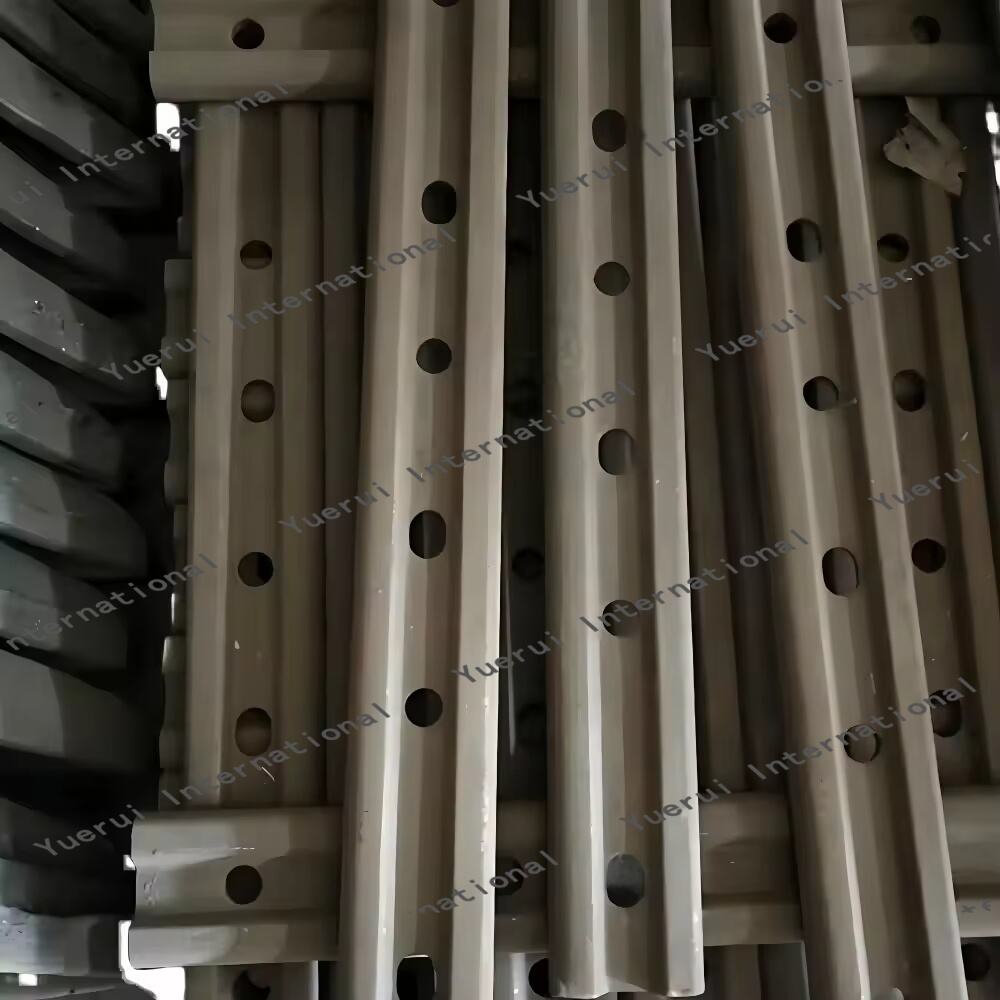
The enhanced durability and weather resistance features of contemporary rail fishplate systems provide railway operators with exceptional long-term value through reduced maintenance requirements and extended service intervals in challenging environmental conditions. These advanced protective characteristics result from sophisticated metallurgical processes and specialized surface treatments that create barrier layers resistant to corrosion, oxidation, and environmental degradation that typically affect railway components exposed to harsh weather conditions. The durability enhancements begin with carefully selected steel alloys that incorporate specific alloying elements designed to improve fatigue resistance, impact toughness, and dimensional stability under cyclic loading conditions experienced in railway operations. Manufacturing processes include controlled heat treatment procedures that optimize the microstructure for maximum strength and ductility, ensuring that rail fishplate components maintain their mechanical properties throughout extended service periods. Weather resistance capabilities encompass protection against moisture infiltration, salt spray in coastal environments, chemical exposure from industrial activities, and temperature extremes that can cause thermal cycling stress in metal components. The practical benefits of these durability improvements become evident in reduced replacement frequencies, with many modern rail fishplate installations achieving service lives exceeding 20 years in normal operating conditions without requiring major maintenance interventions. Railway operators in harsh climates particularly appreciate the corrosion resistance features that prevent the rust formation and material degradation commonly experienced with conventional steel components exposed to moisture, road salt, and industrial pollutants. The enhanced durability translates directly into cost savings through reduced material procurement, installation labor, and track downtime associated with joint maintenance activities. Field performance data indicates that weather-resistant rail fishplate systems maintain their structural integrity and dimensional accuracy even after decades of exposure to severe environmental conditions including freeze-thaw cycles, heavy precipitation, and extreme temperature variations. The investment in durable, weather-resistant rail fishplate technology pays dividends through improved network reliability, reduced emergency maintenance requirements, and enhanced safety margins that provide railway operators with confidence in their infrastructure performance under all operating conditions.

 EN
EN