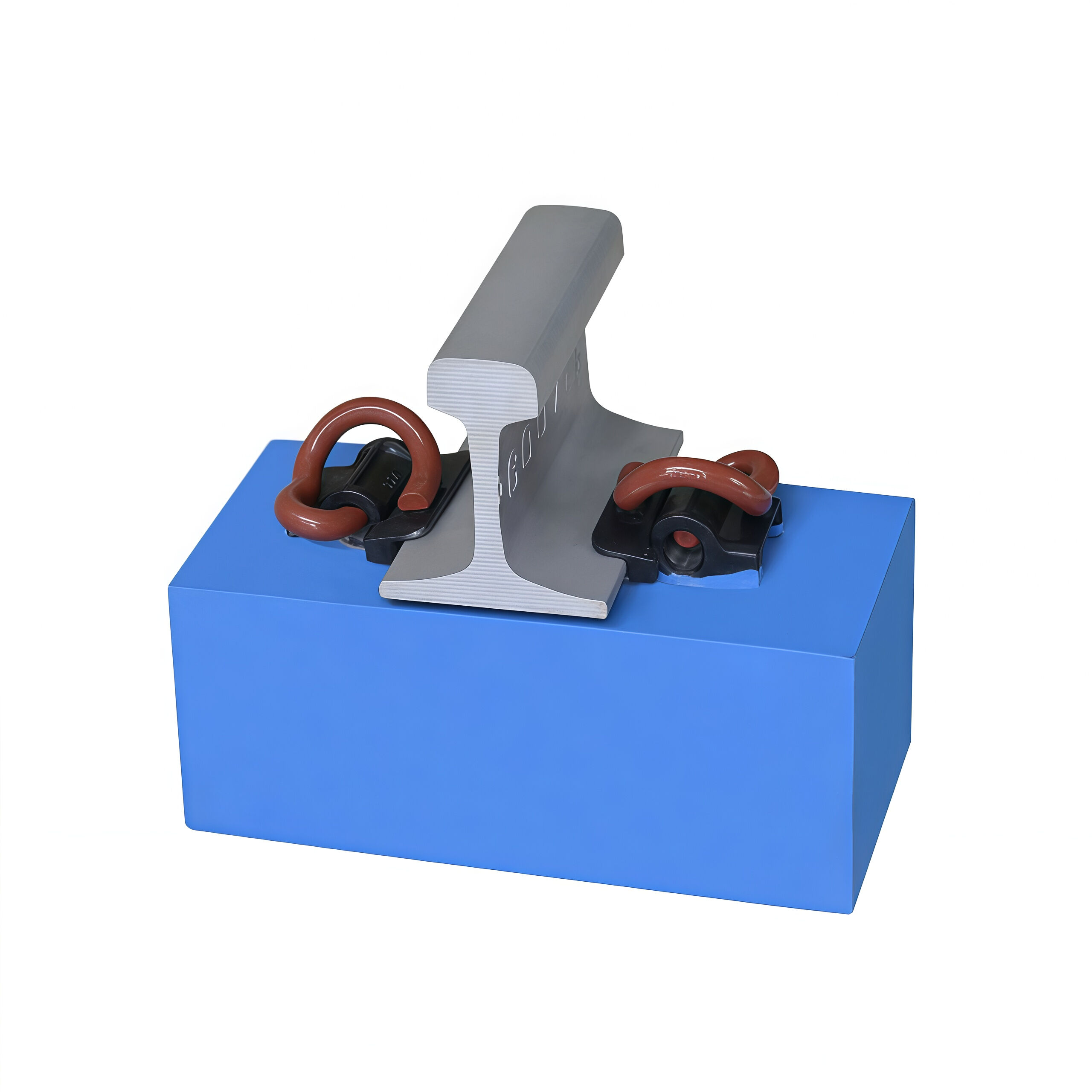
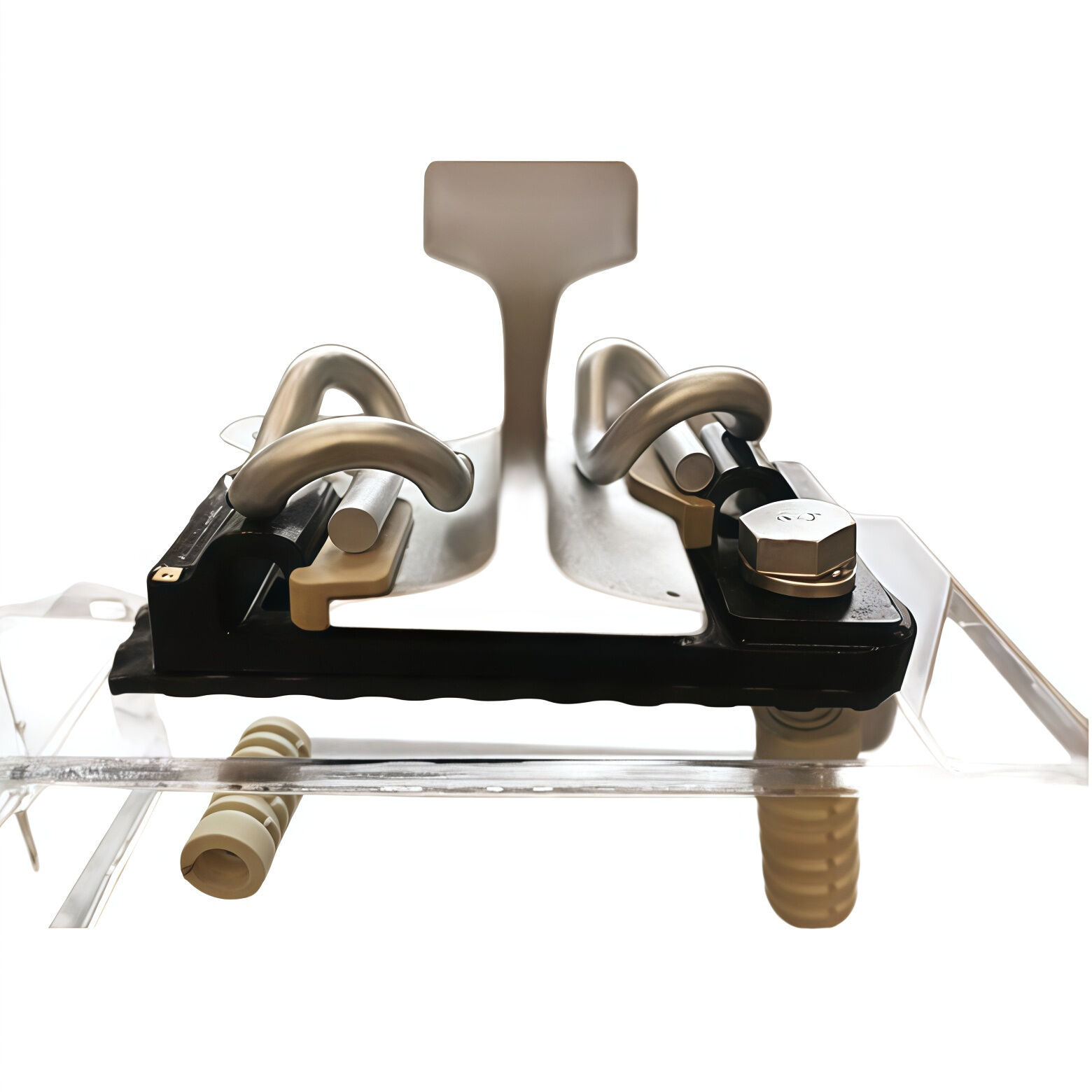
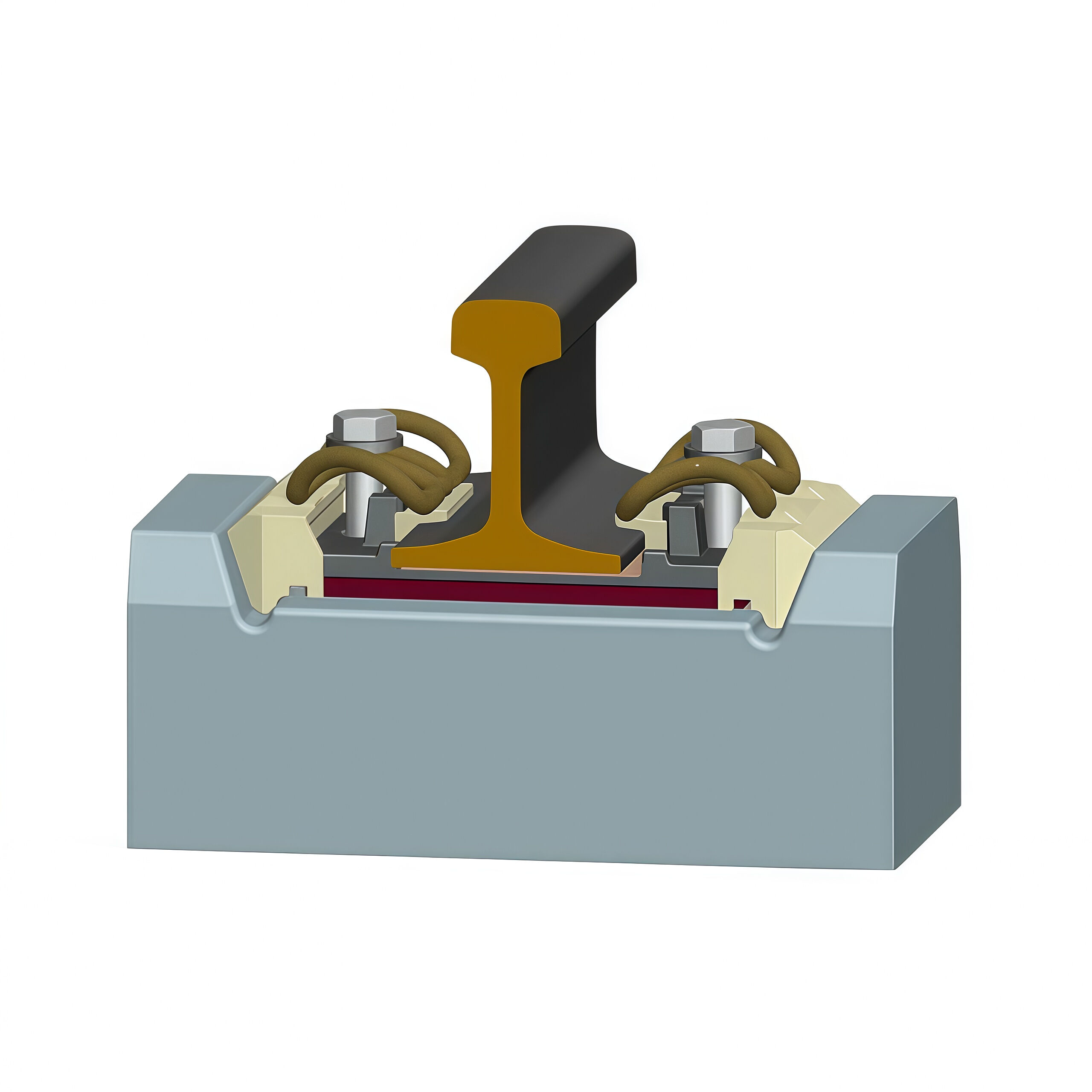
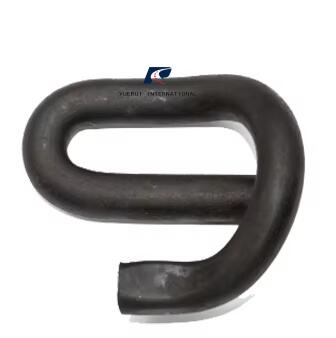
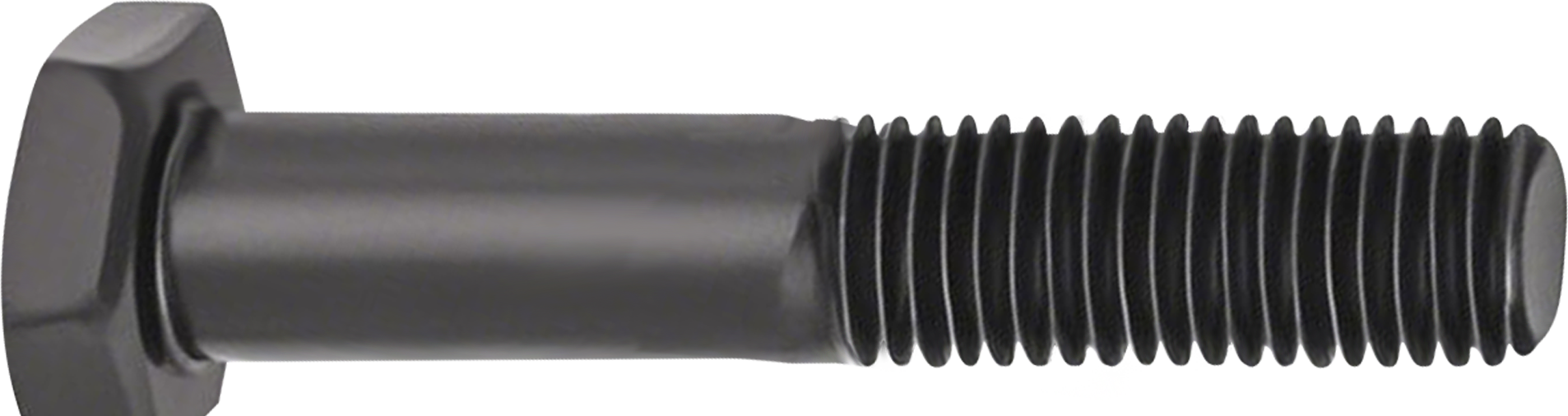
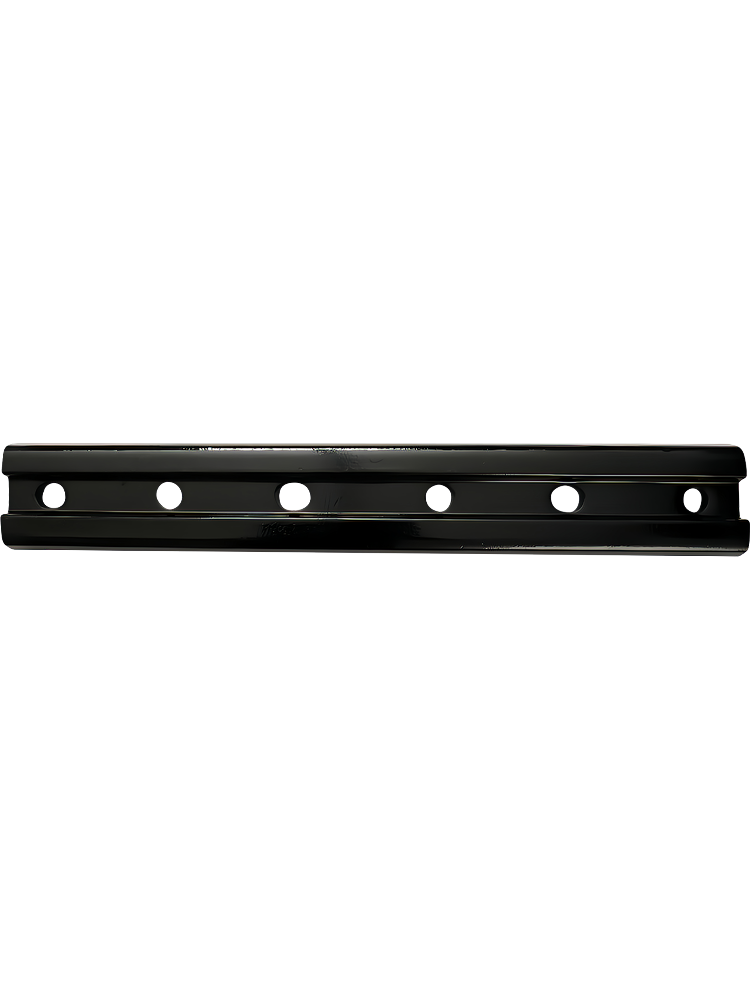
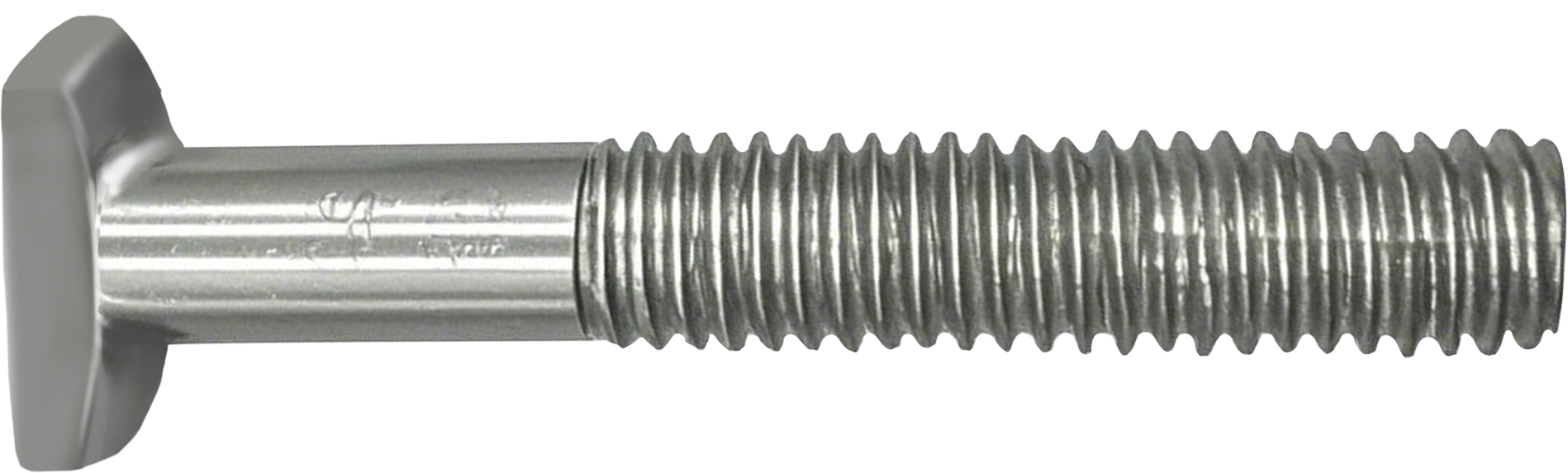
fish plate and fish bolt
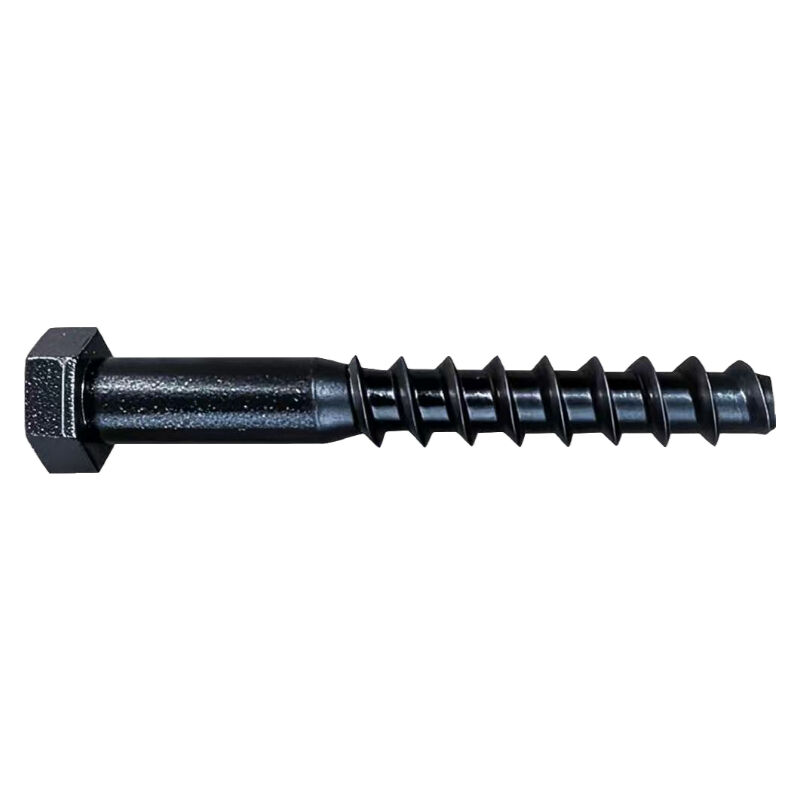
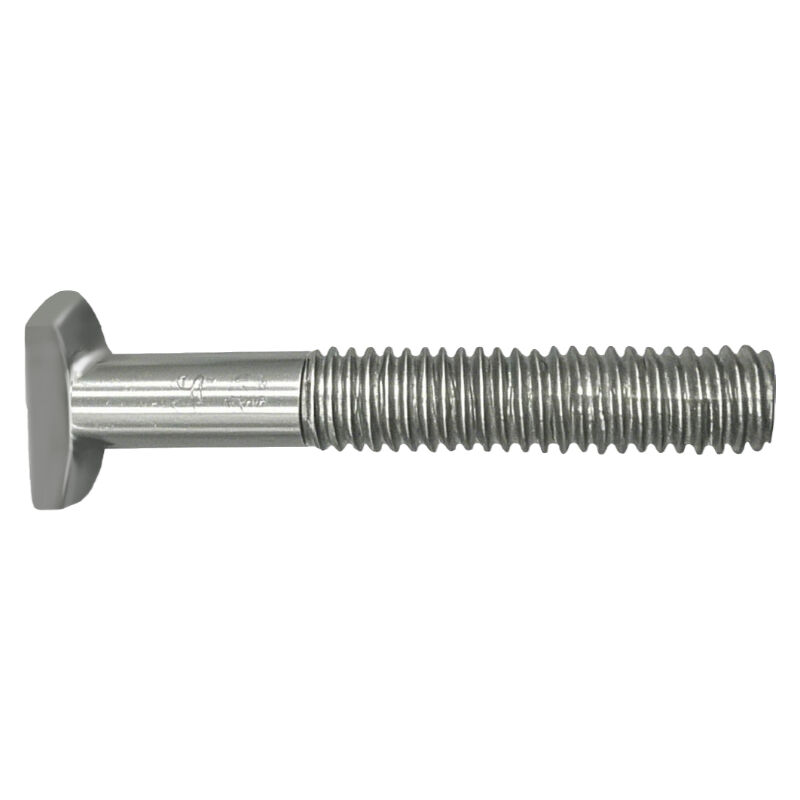
Fish plates and fish bolts represent essential components in railway infrastructure, serving as critical connection elements that ensure the safe and reliable operation of rail networks worldwide. These specialized fastening systems are designed to join rail sections together, creating continuous tracks that can withstand enormous loads and dynamic forces generated by moving trains. The fish plate, also known as a rail joint bar or splice bar, is a flat metal plate that spans across the gap between two rail ends, while fish bolts are high-strength fasteners that secure the fish plate to the rails. Together, these components form a robust mechanical joint that maintains track alignment and structural integrity. The primary function of fish plates and fish bolts lies in their ability to transfer loads between adjacent rail sections while accommodating thermal expansion and contraction. Modern fish plates are manufactured from high-grade carbon steel or alloy steel, engineered to match the strength characteristics of the rails they connect. The technological features of these components include precise dimensional tolerances, specific hardness requirements, and corrosion-resistant coatings that extend service life in harsh environmental conditions. Fish bolts typically feature threaded shanks with hexagonal heads, allowing for proper torque application during installation. The applications of fish plates and fish bolts extend across various railway systems, including heavy freight lines, passenger railways, urban transit systems, and industrial rail networks. These components are particularly crucial in locations where welded rail joints are not practical or economical, such as temporary installations, maintenance areas, and specialized track configurations. Quality fish plates and fish bolts undergo rigorous testing procedures to ensure they meet international railway standards and can withstand millions of load cycles throughout their operational lifetime.

 EN
EN