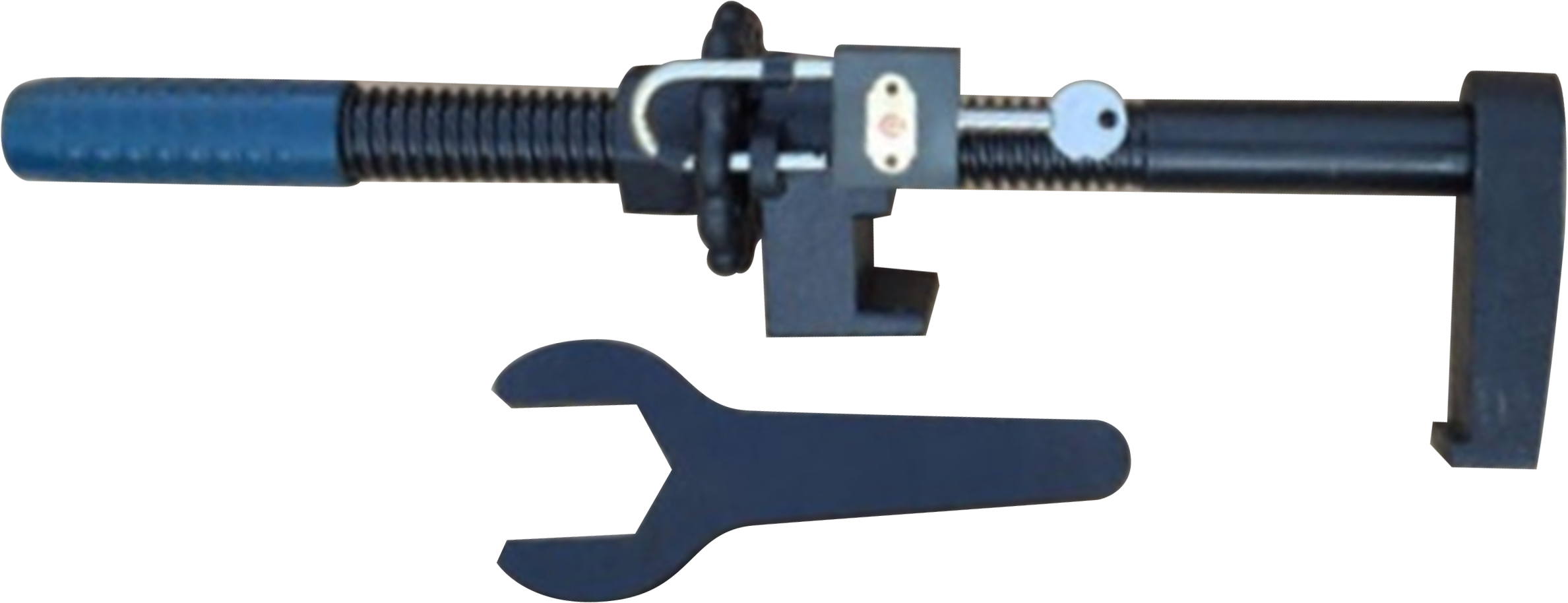
railway joint bar
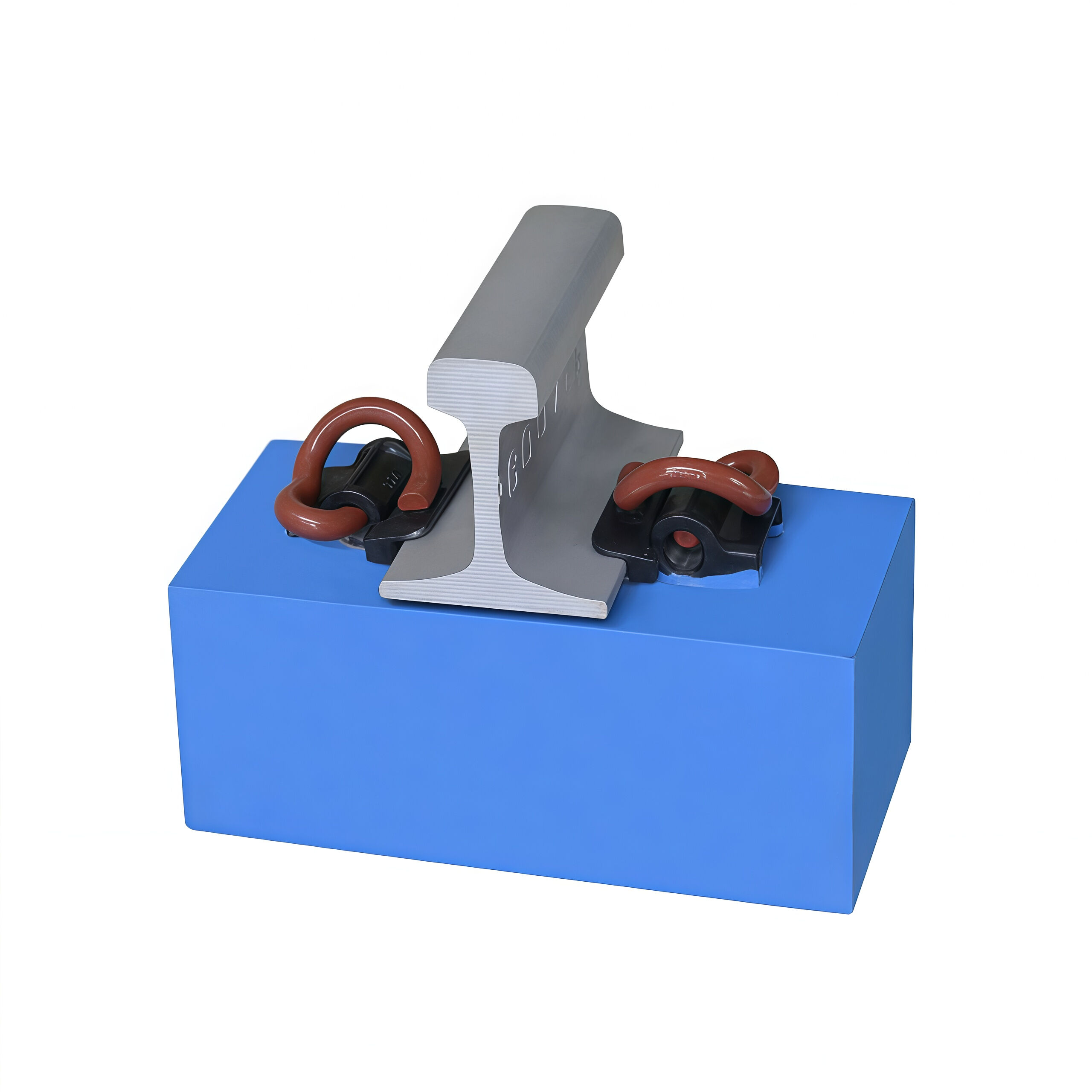
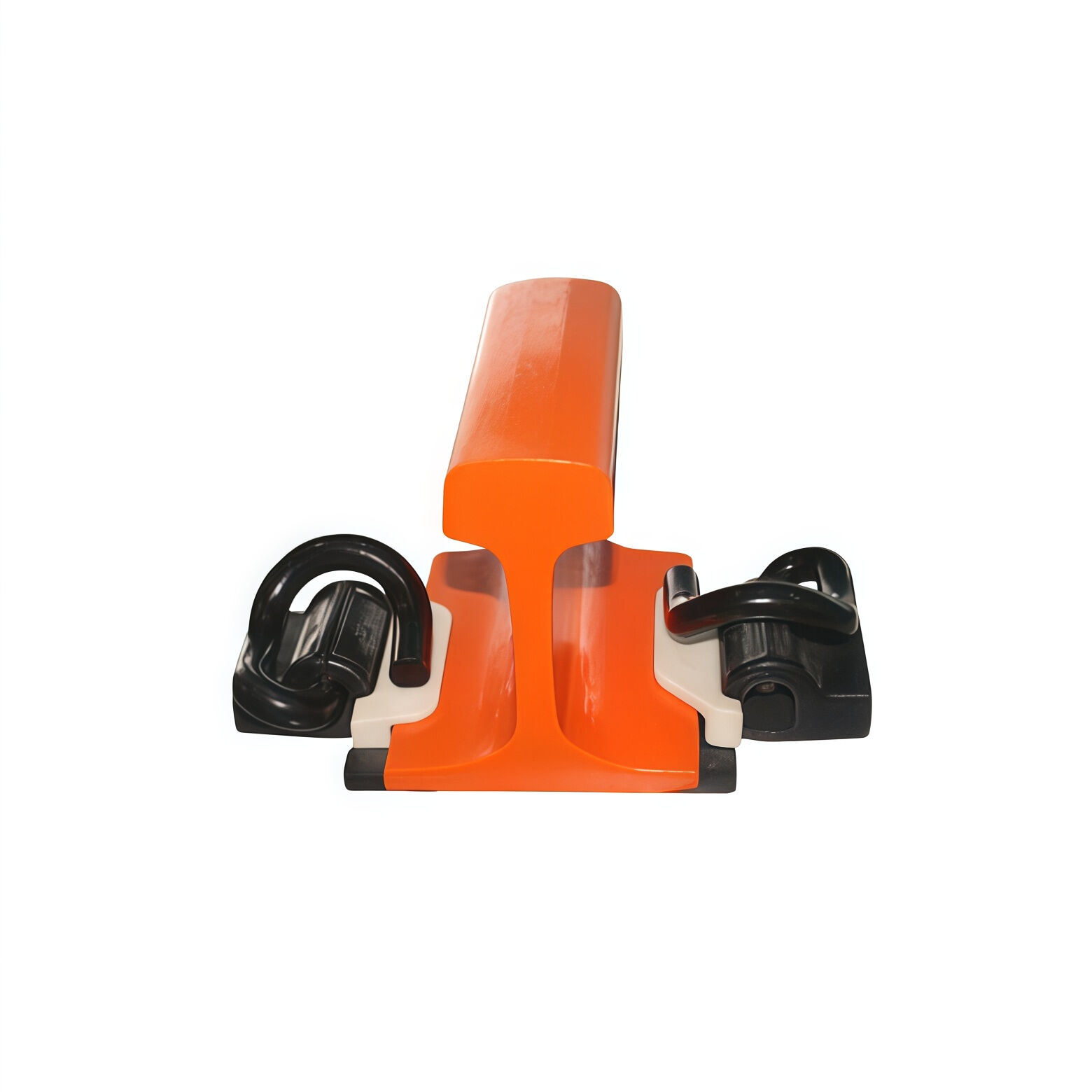
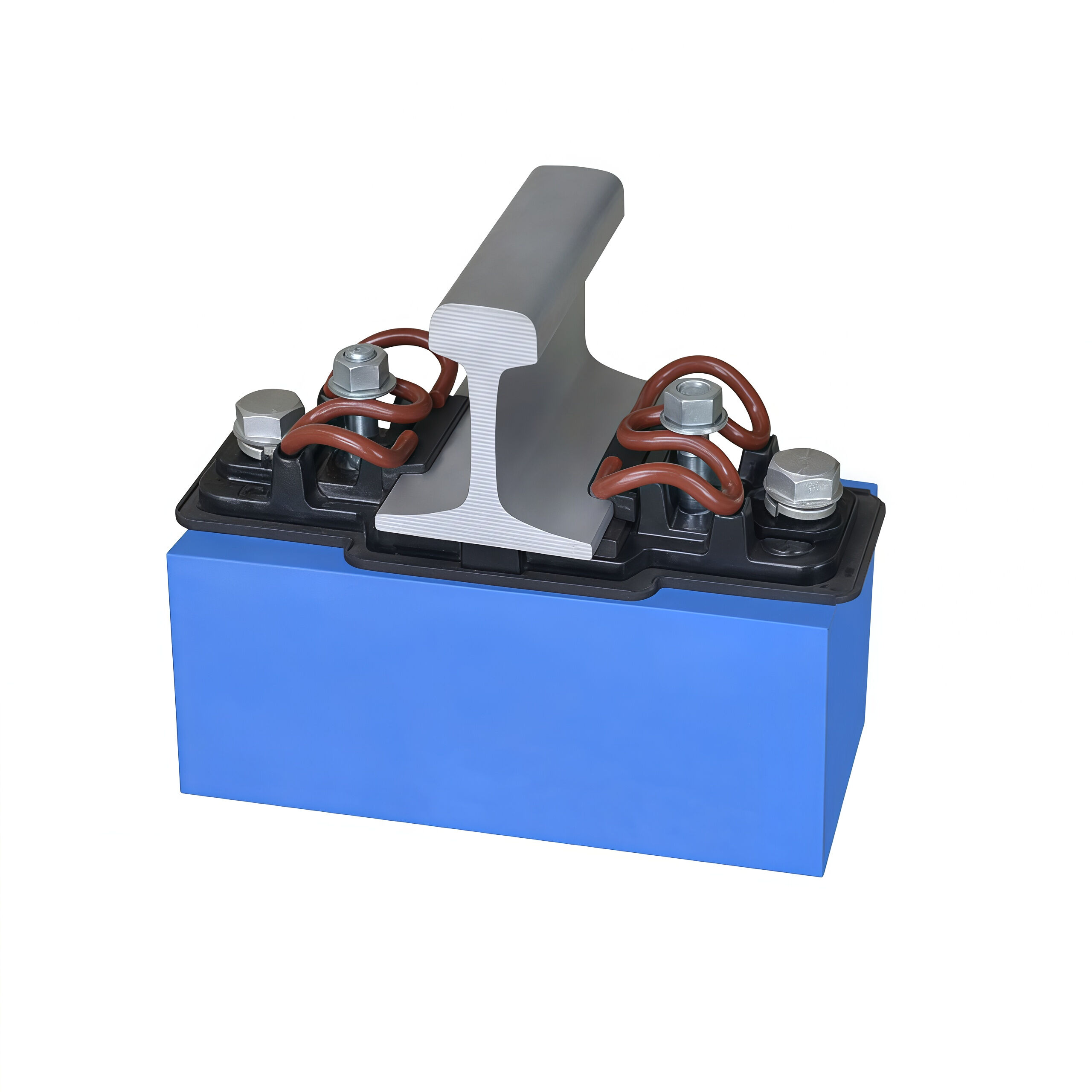
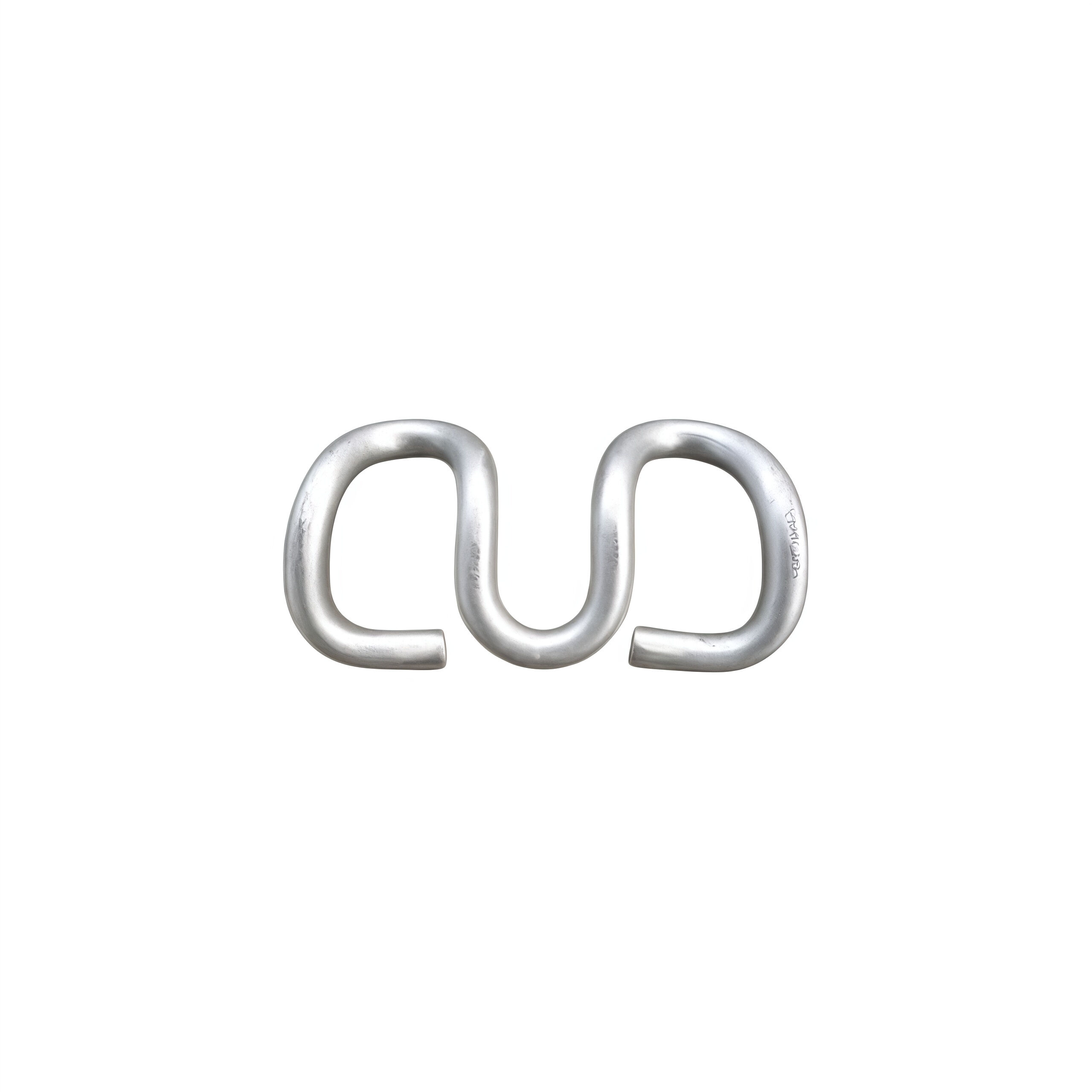
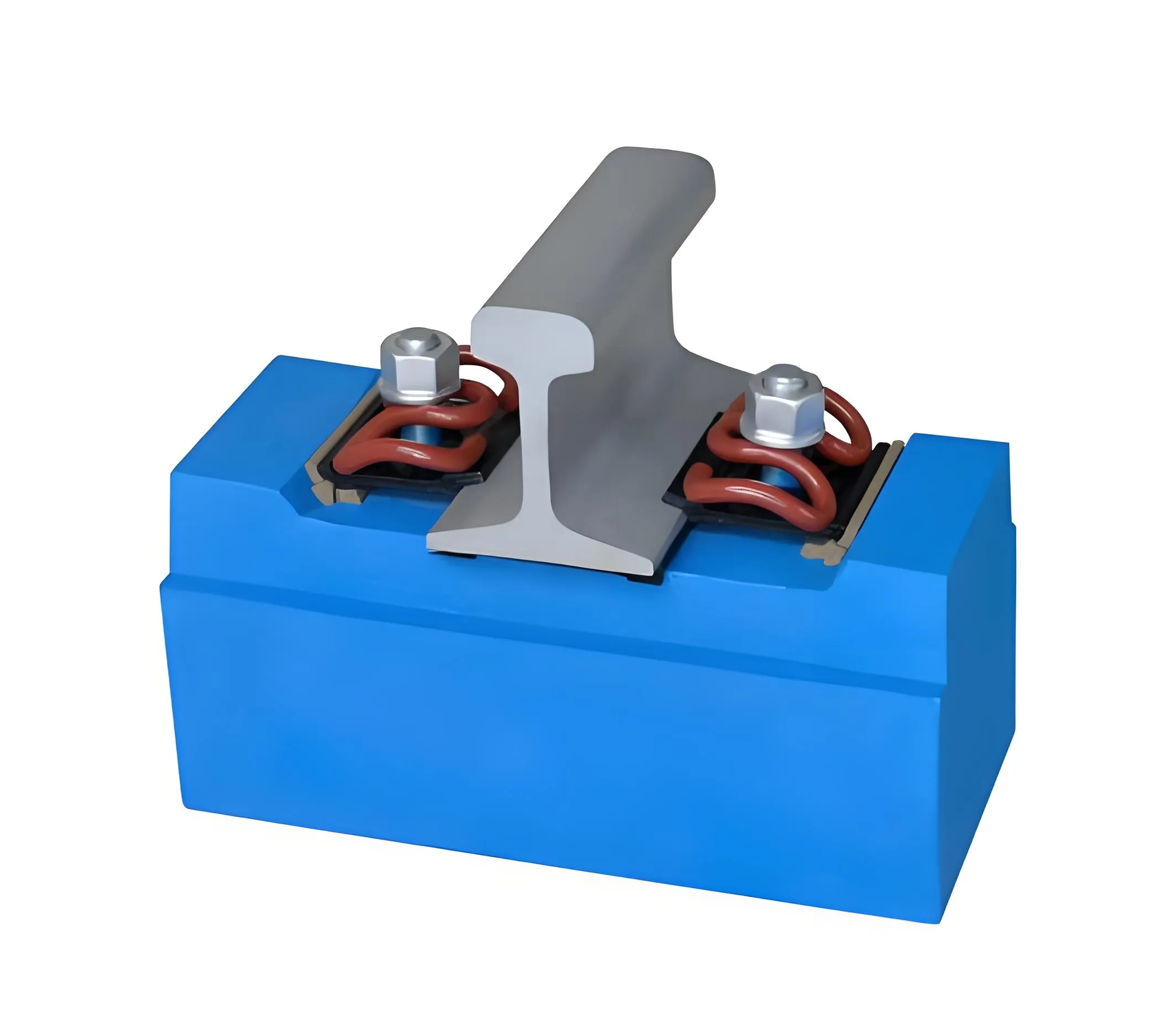
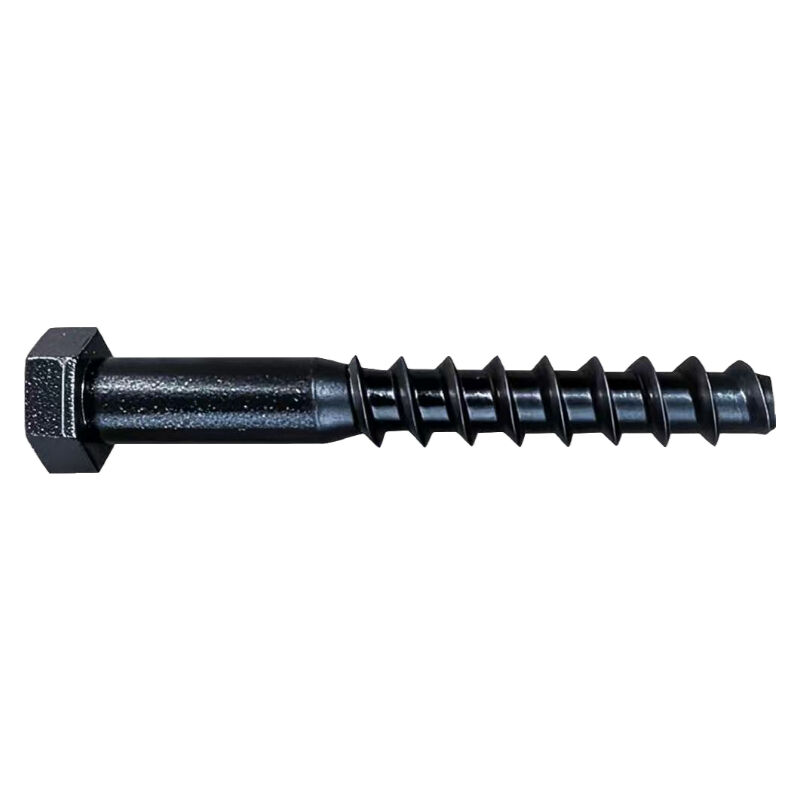
The railway joint bar represents a critical component in railroad infrastructure, serving as the essential connecting element that joins two rail sections together at their endpoints. This precision-engineered steel component ensures continuous rail alignment and maintains structural integrity across railway networks worldwide. The railway joint bar functions as a mechanical fastener that securely bonds adjacent rail segments, creating seamless transitions for train operations while distributing dynamic loads effectively throughout the track system. Modern railway joint bar designs incorporate advanced metallurgical properties and precise manufacturing tolerances to withstand extreme operational conditions including heavy freight loads, high-speed passenger traffic, and varying environmental factors. The technological features of contemporary railway joint bar systems include enhanced steel composition with improved tensile strength, corrosion-resistant surface treatments, and standardized bolt hole configurations that ensure compatibility across different rail profiles. These components typically measure between 24 to 36 inches in length and are manufactured using high-carbon steel alloys that provide superior durability and longevity. The railway joint bar utilizes a bolted connection system with specialized track bolts and nuts that create compression forces, securing the rail ends firmly while allowing for thermal expansion and contraction. Applications of the railway joint bar extend across various railway sectors including heavy freight corridors, urban transit systems, industrial sidings, and high-speed passenger lines. Railway operators rely on these components for track construction, maintenance operations, and emergency repairs where welded connections are not feasible. The railway joint bar proves particularly valuable in temporary track installations, bridge approaches, and locations requiring future track modifications. Installation procedures involve precise positioning, proper torque specifications, and regular inspection protocols to ensure optimal performance throughout the service life of the railway joint bar system.

 EN
EN