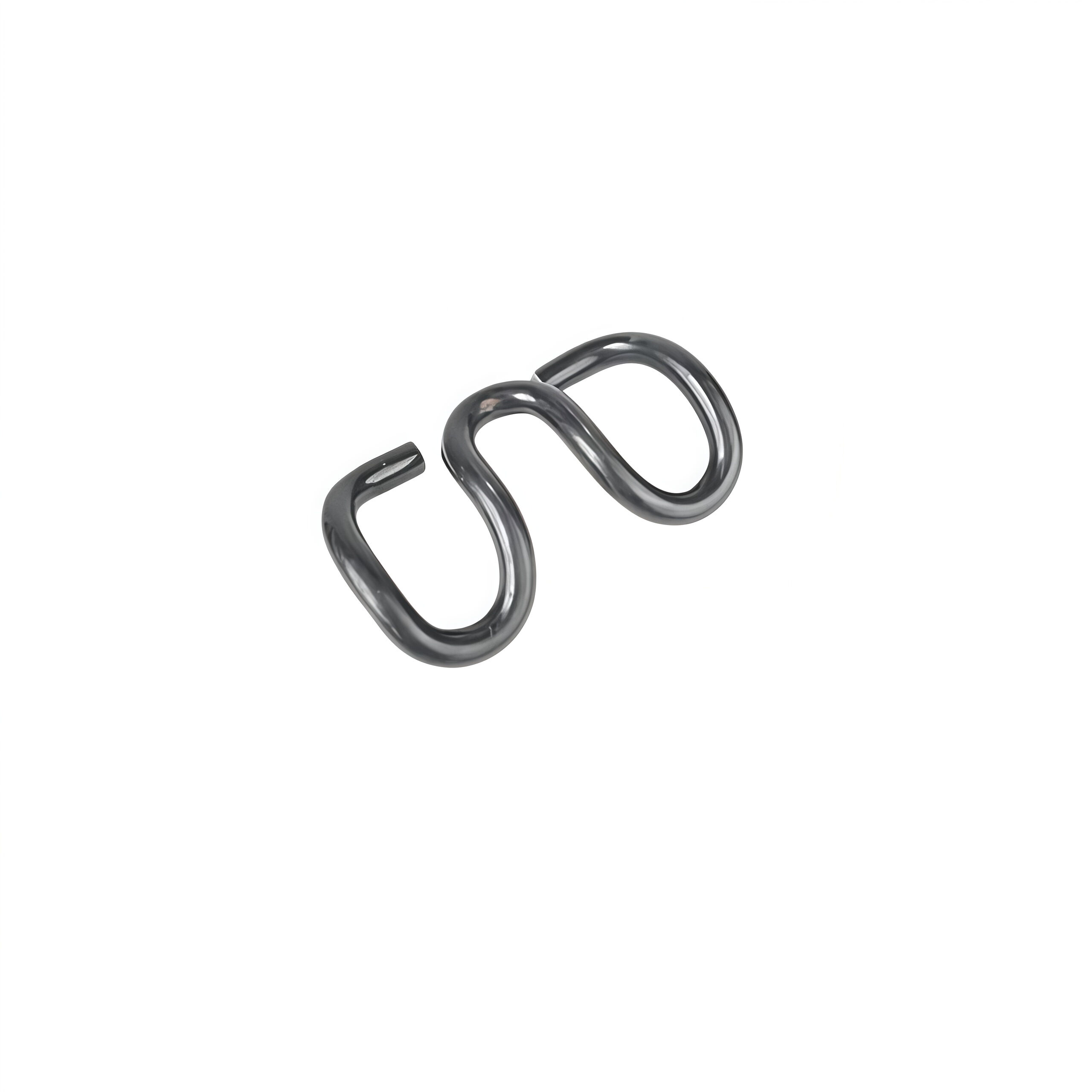
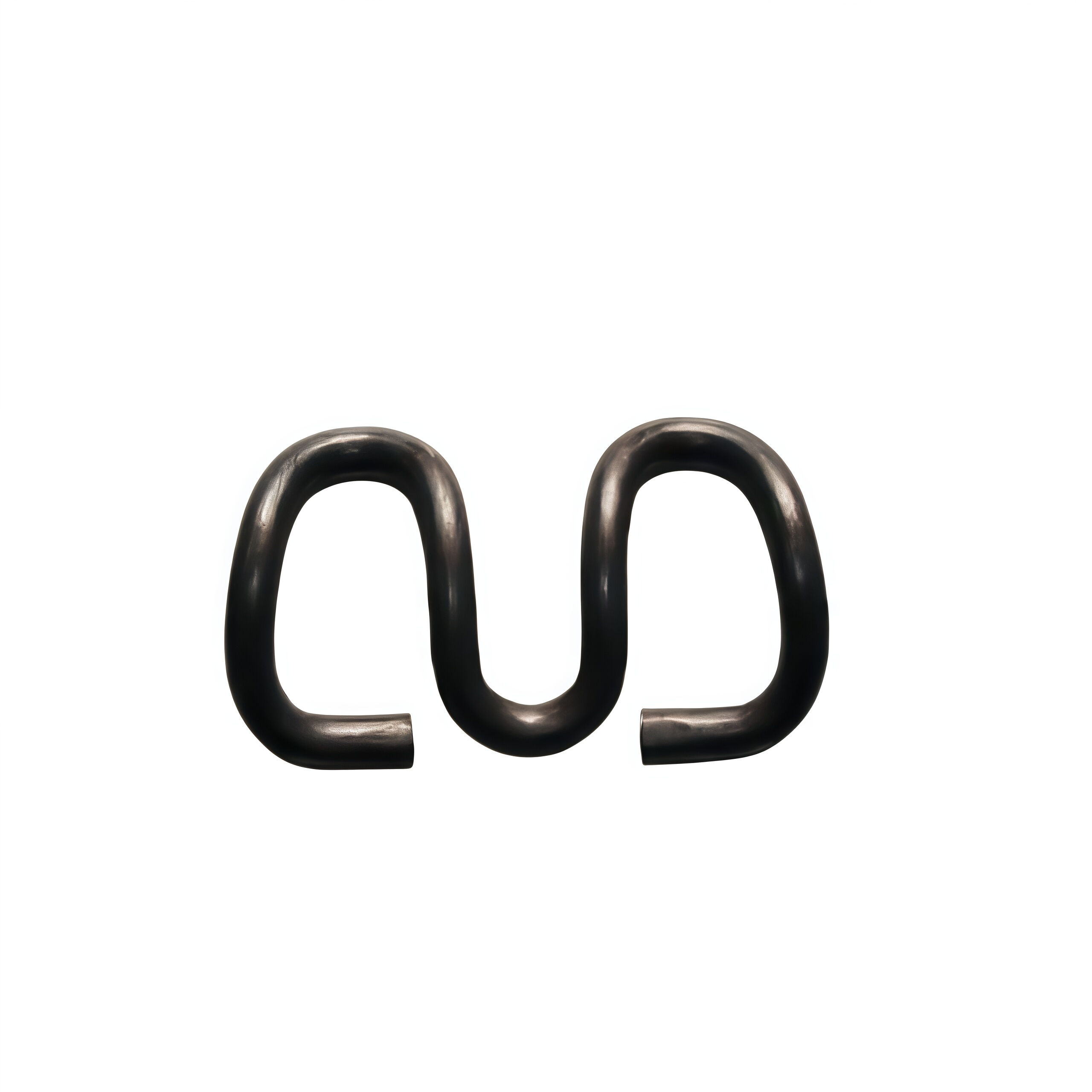
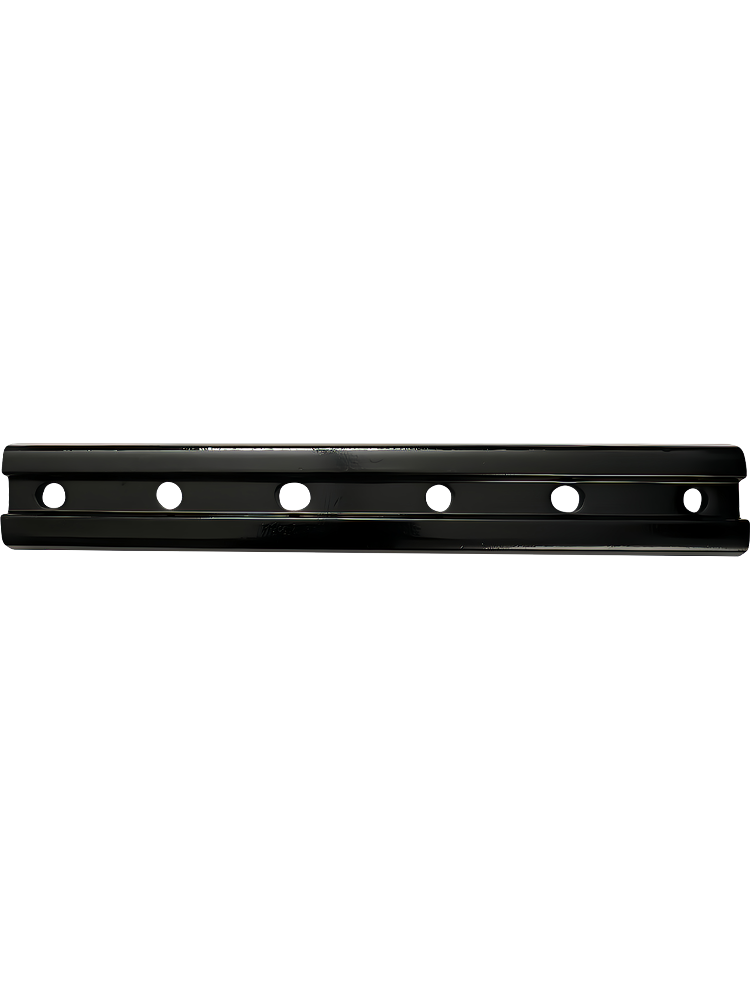
railway fishplate
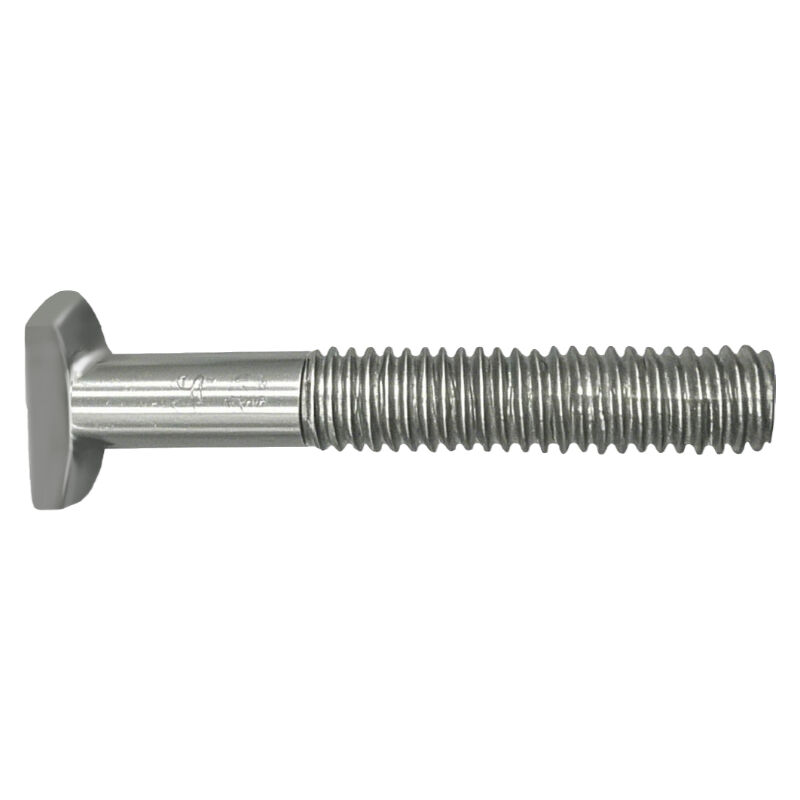
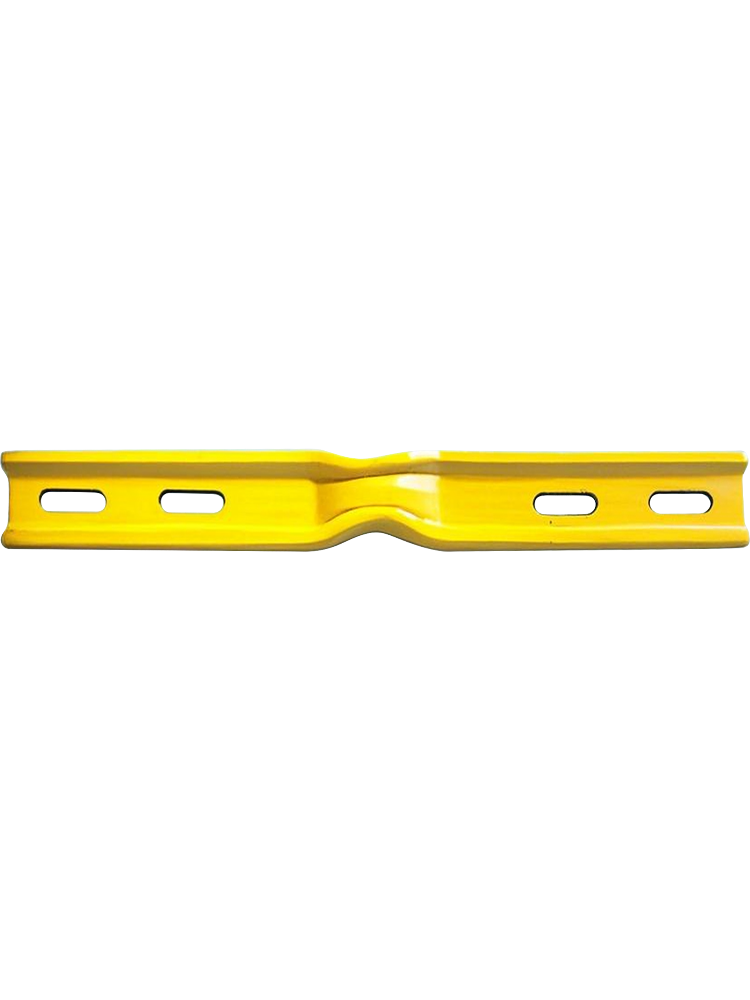
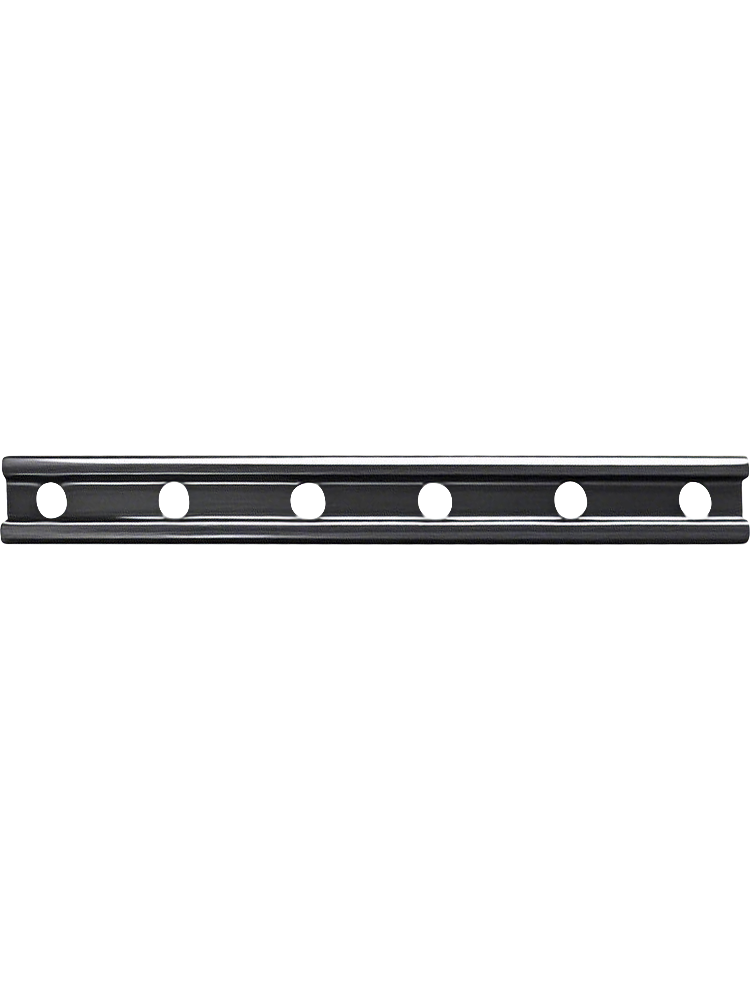
The railway fishplate stands as a fundamental component in modern rail infrastructure, serving as the critical connection element that joins two rail sections together. This essential piece of railway hardware, also known as a rail joint bar or splice bar, ensures continuous track alignment and maintains structural integrity across the entire rail network. Railway fishplate systems typically consist of steel plates that are bolted to both sides of the rail joint, creating a secure connection that can withstand enormous loads and constant vibration from passing trains. The primary function of the railway fishplate involves distributing mechanical stresses evenly across the rail junction, preventing failure points that could compromise track safety and operational efficiency. Modern railway fishplate designs incorporate advanced metallurgy and precision engineering to meet stringent industry standards for durability and performance. These components must endure extreme weather conditions, temperature fluctuations, and the repetitive impact forces generated by heavy freight and passenger trains traveling at various speeds. The technological features of contemporary railway fishplate systems include corrosion-resistant coatings, optimized bolt patterns, and carefully calculated dimensions that ensure proper fit and function. Installation procedures for railway fishplate assemblies require specialized tools and trained personnel who understand the critical tolerances and torque specifications necessary for safe operation. Quality control measures during manufacturing involve rigorous testing protocols that verify material properties, dimensional accuracy, and structural performance under simulated operating conditions. The railway fishplate market encompasses various configurations designed for different track types, including standard gauge, narrow gauge, and heavy-haul applications, each requiring specific engineering considerations to optimize performance and longevity in their respective environments.

 EN
EN