steel rail fishplates
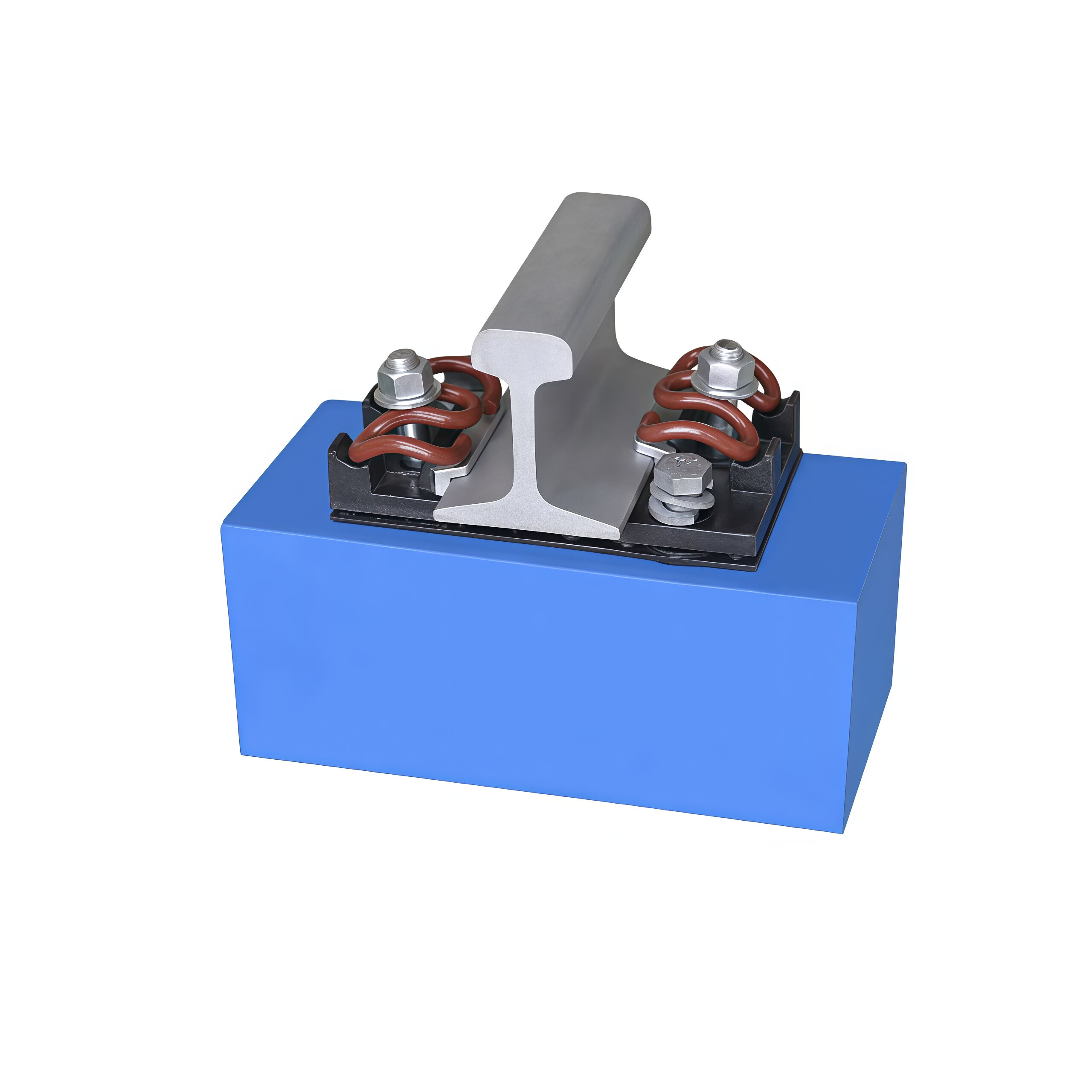
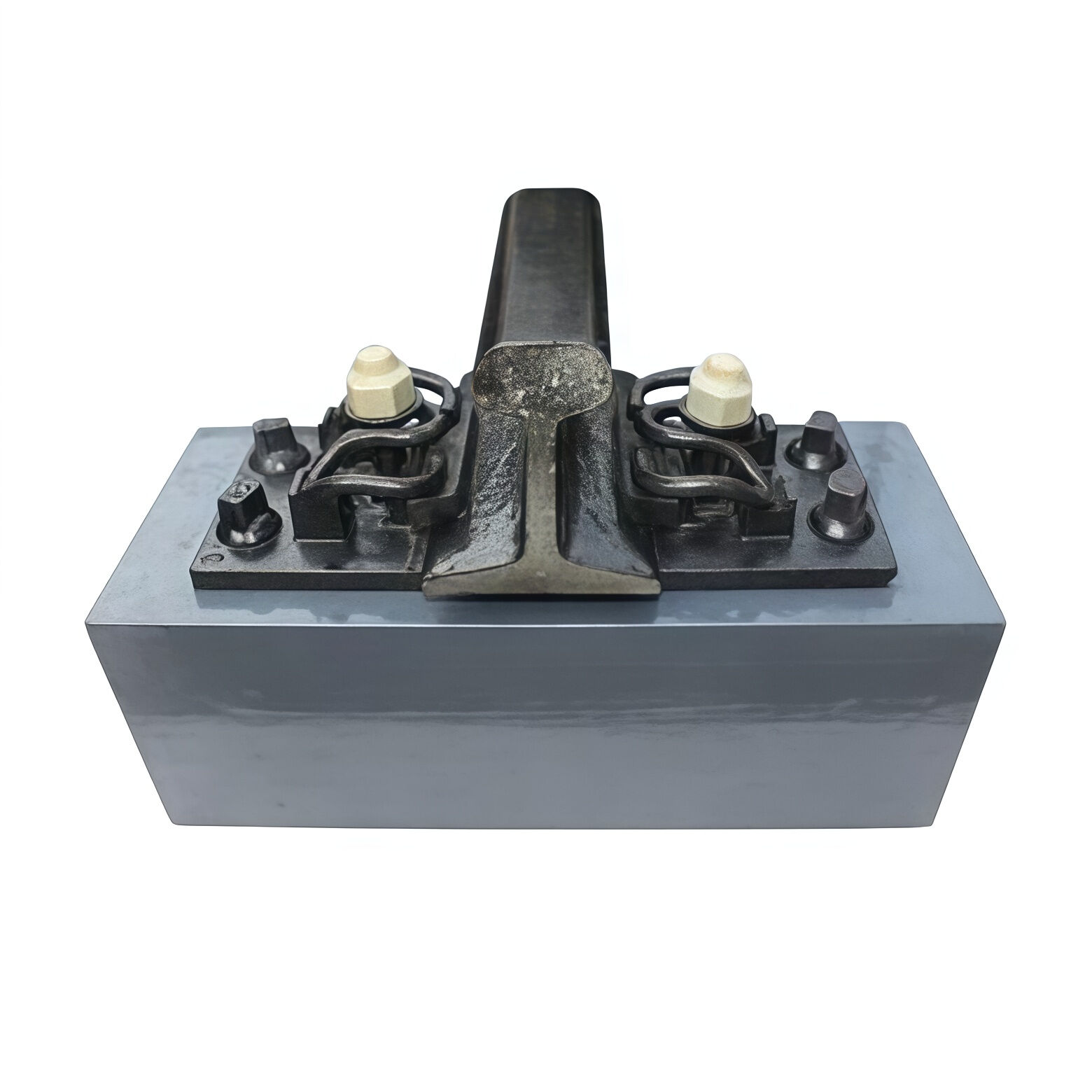
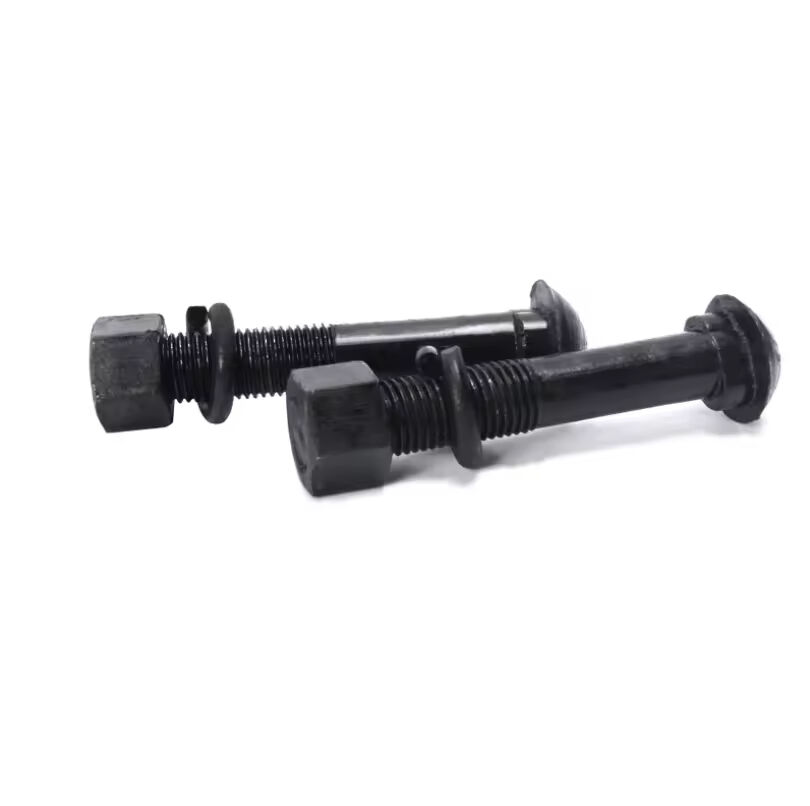
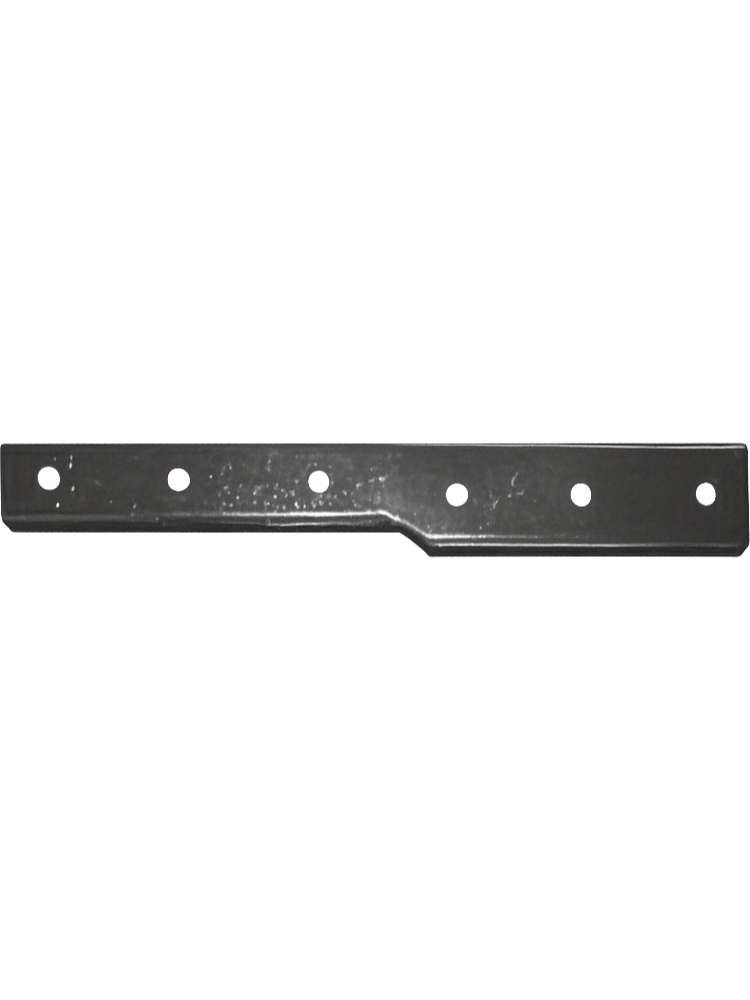
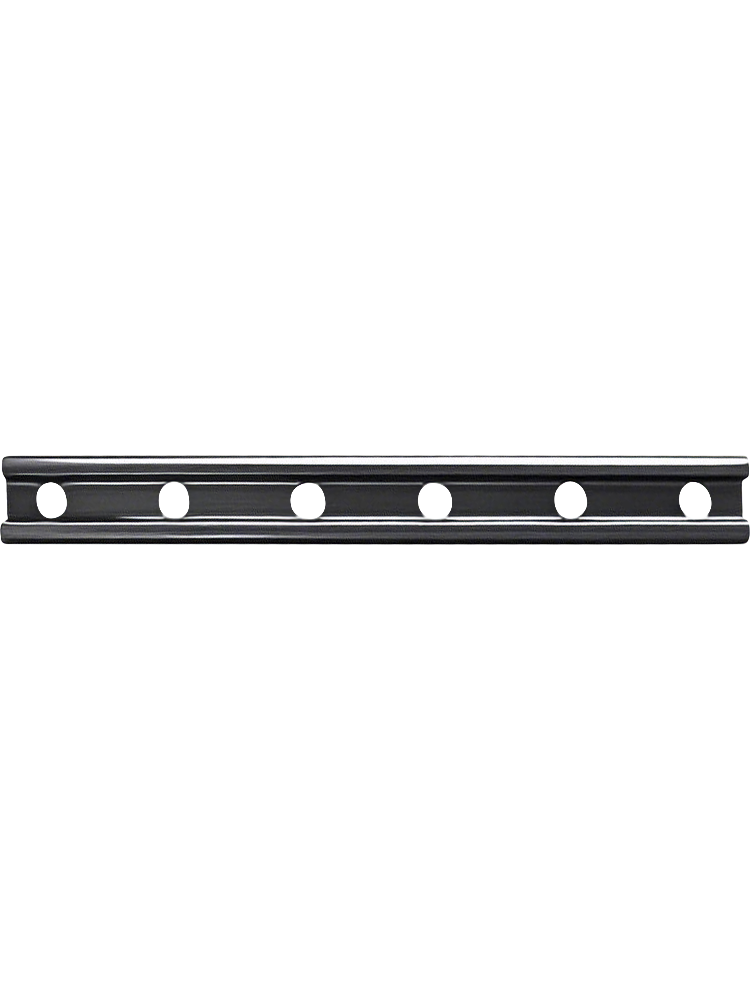
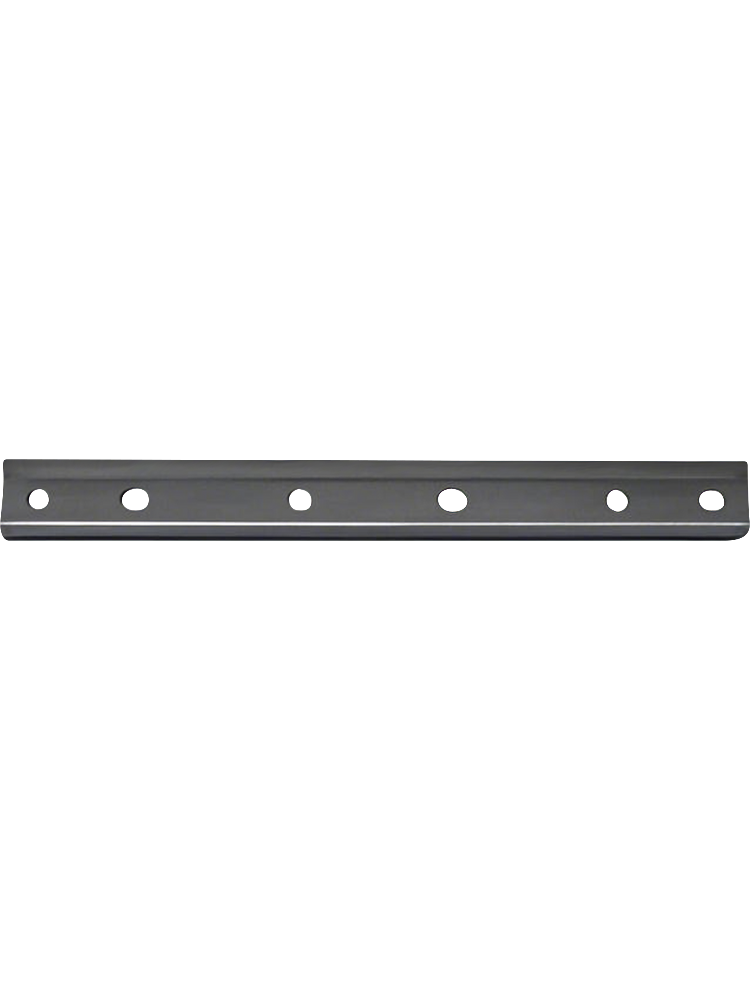
Steel rail fishplates represent a critical component in railway infrastructure, serving as essential connecting elements that join individual rail sections to create continuous tracks. These robust steel plates, also known as joint bars or splice bars, are engineered to maintain structural integrity and ensure smooth train operations across railway networks worldwide. Steel rail fishplates are positioned on both sides of rail joints, secured with high-strength bolts to create seamless connections between rail segments. The primary function of these components involves distributing mechanical loads, maintaining track alignment, and providing electrical continuity throughout the railway system. Modern steel rail fishplates utilize advanced metallurgical processes to achieve optimal strength-to-weight ratios while maintaining excellent durability under extreme operating conditions. The technological features of steel rail fishplates include precision-machined bolt holes, standardized dimensions for compatibility with various rail profiles, and specialized surface treatments that enhance corrosion resistance. Manufacturing processes incorporate controlled cooling techniques and quality heat treatment to achieve consistent mechanical properties across entire production batches. Steel rail fishplates undergo rigorous testing protocols to verify their performance under dynamic loading conditions, temperature variations, and environmental exposure. Applications for steel rail fishplates span across diverse railway systems including heavy freight corridors, high-speed passenger lines, urban transit networks, and industrial rail installations. These components prove essential in temporary track construction, maintenance operations, and emergency repairs where rapid deployment capabilities are crucial. The standardization of steel rail fishplates enables interoperability between different railway operators and facilitates efficient inventory management across extensive rail networks. Contemporary designs incorporate features that reduce installation time while maintaining superior joint performance throughout extended service life cycles.

 EN
EN