Precision Engineering for Enhanced Durability
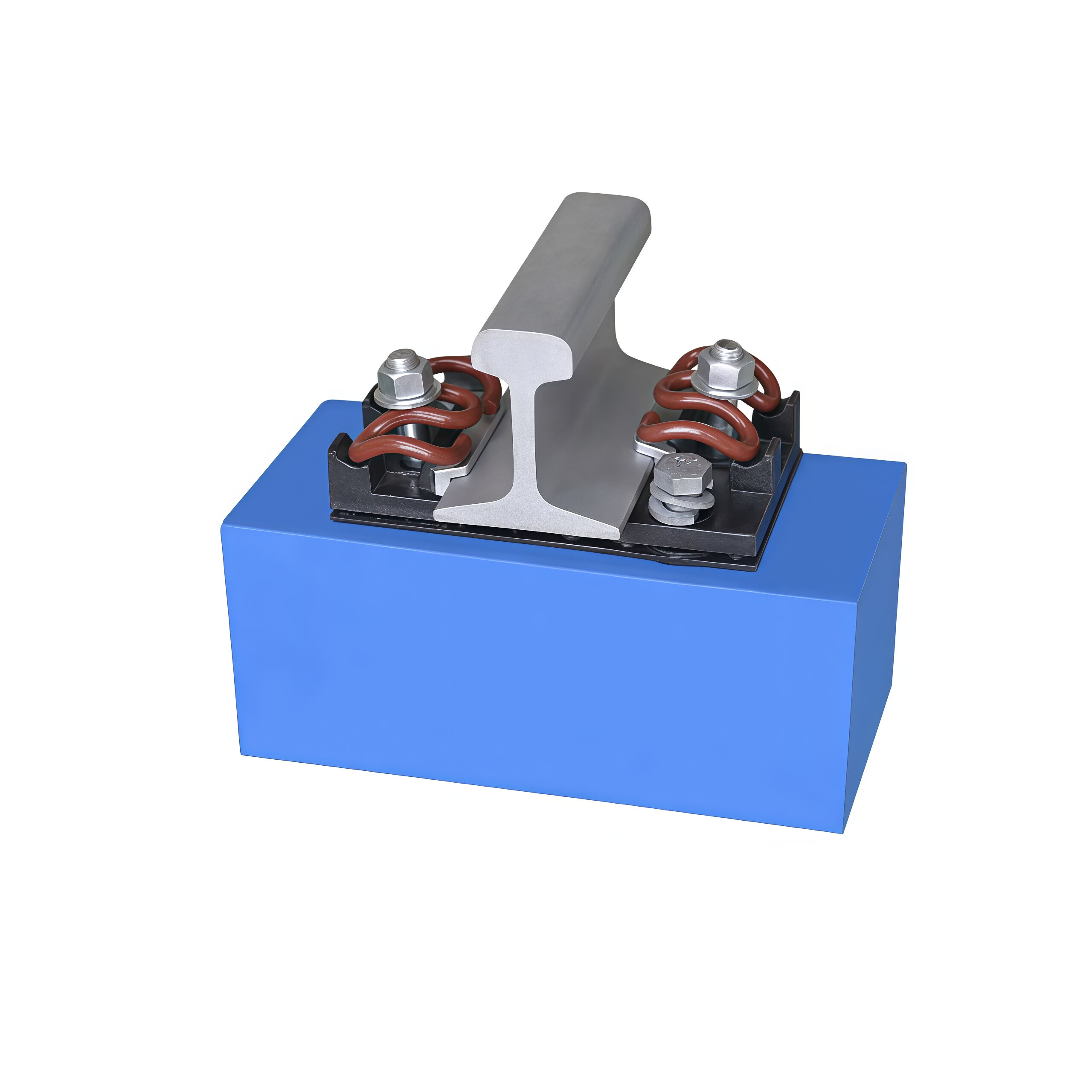
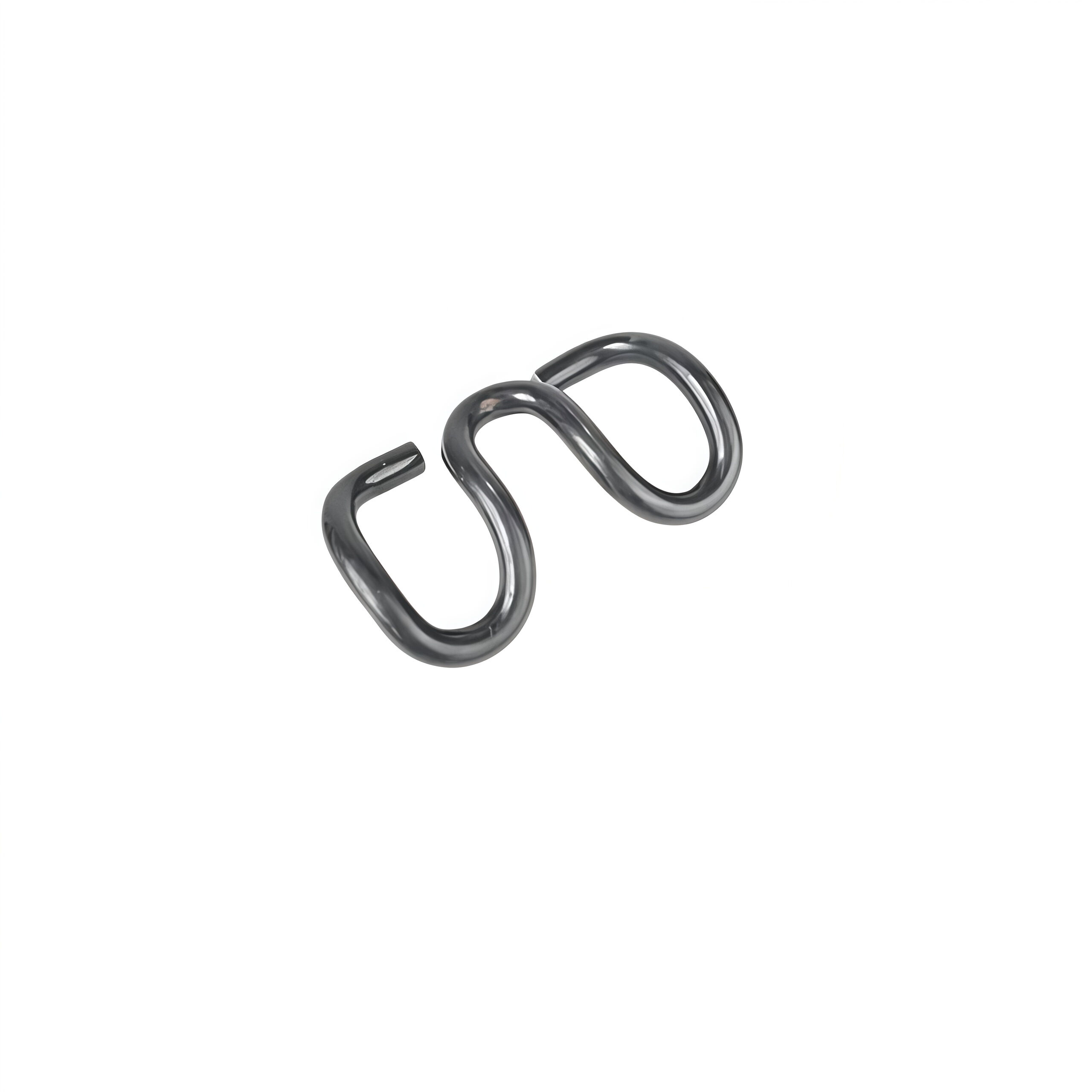
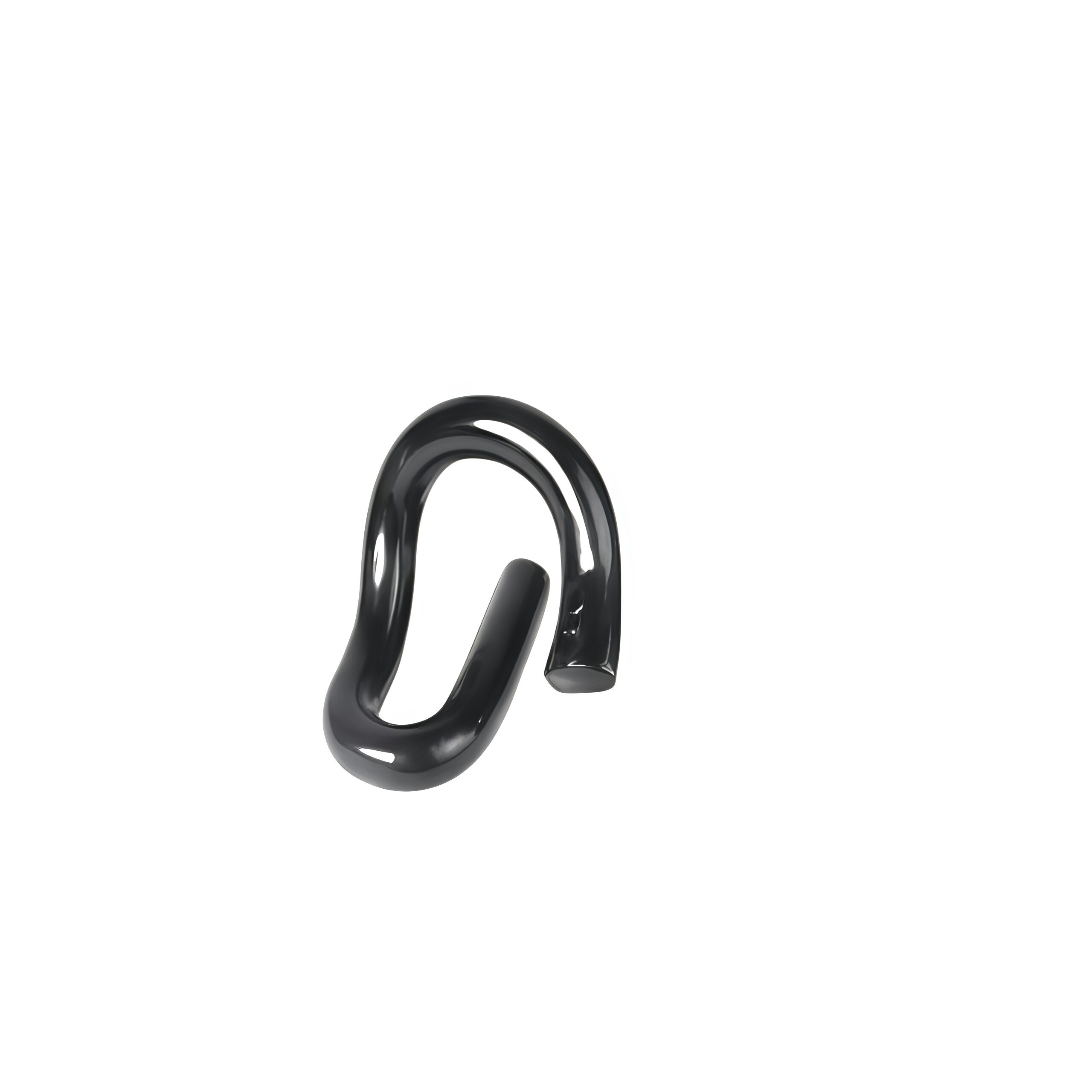
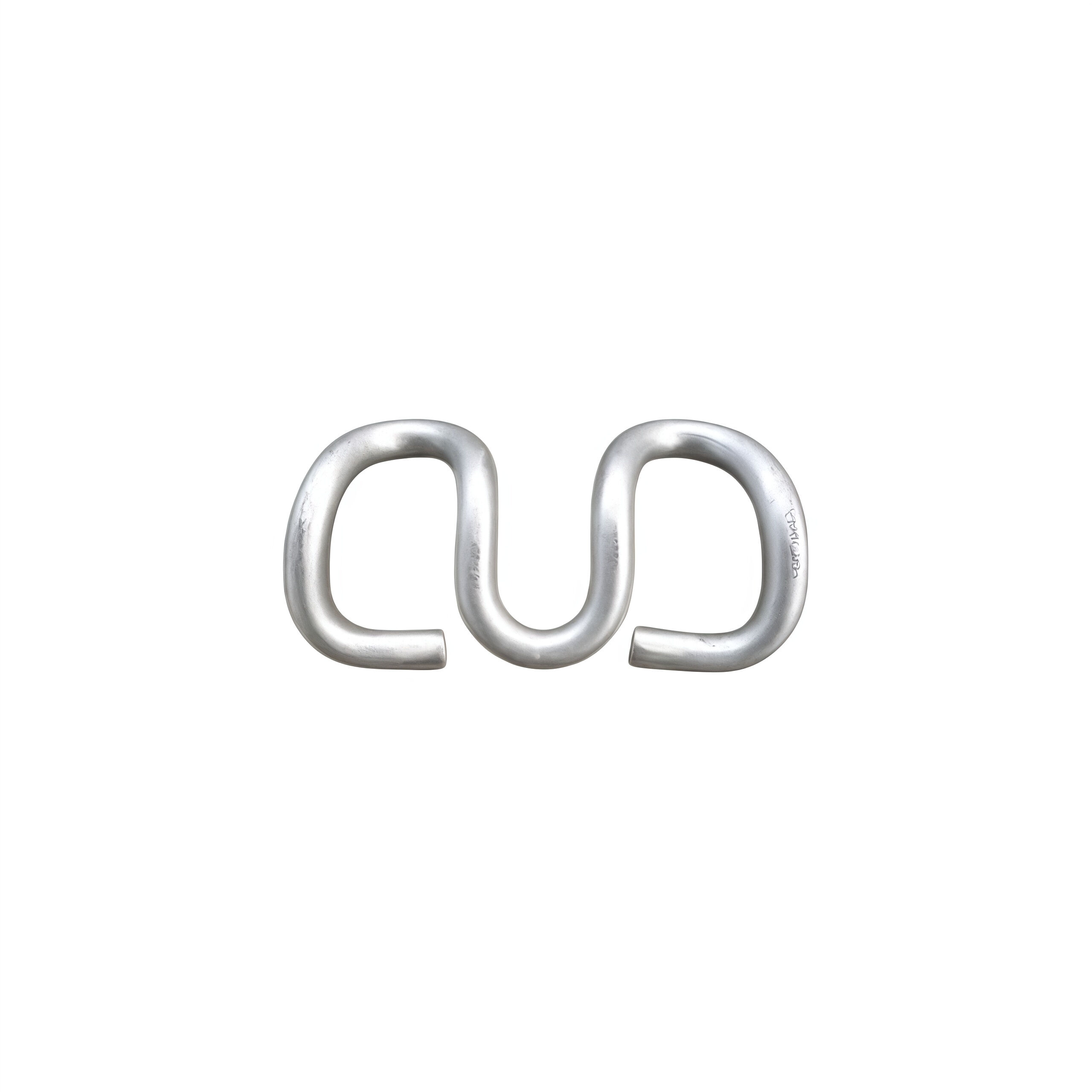
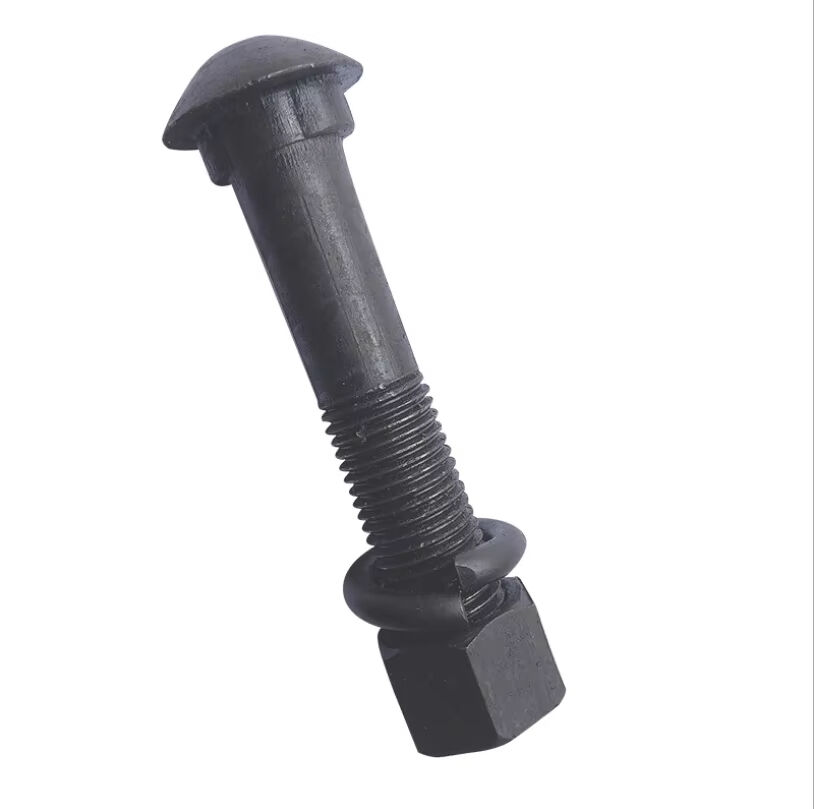
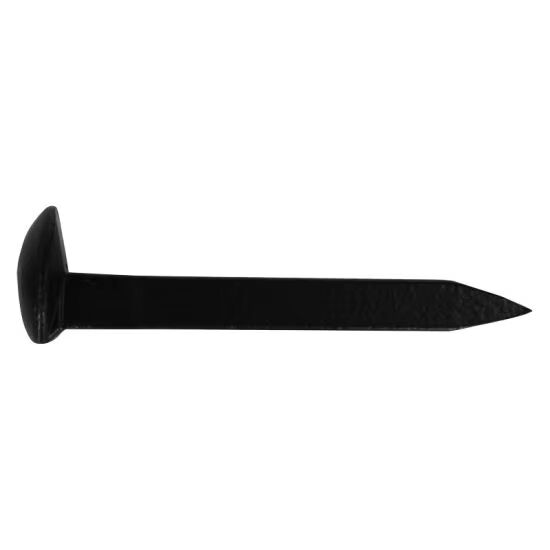
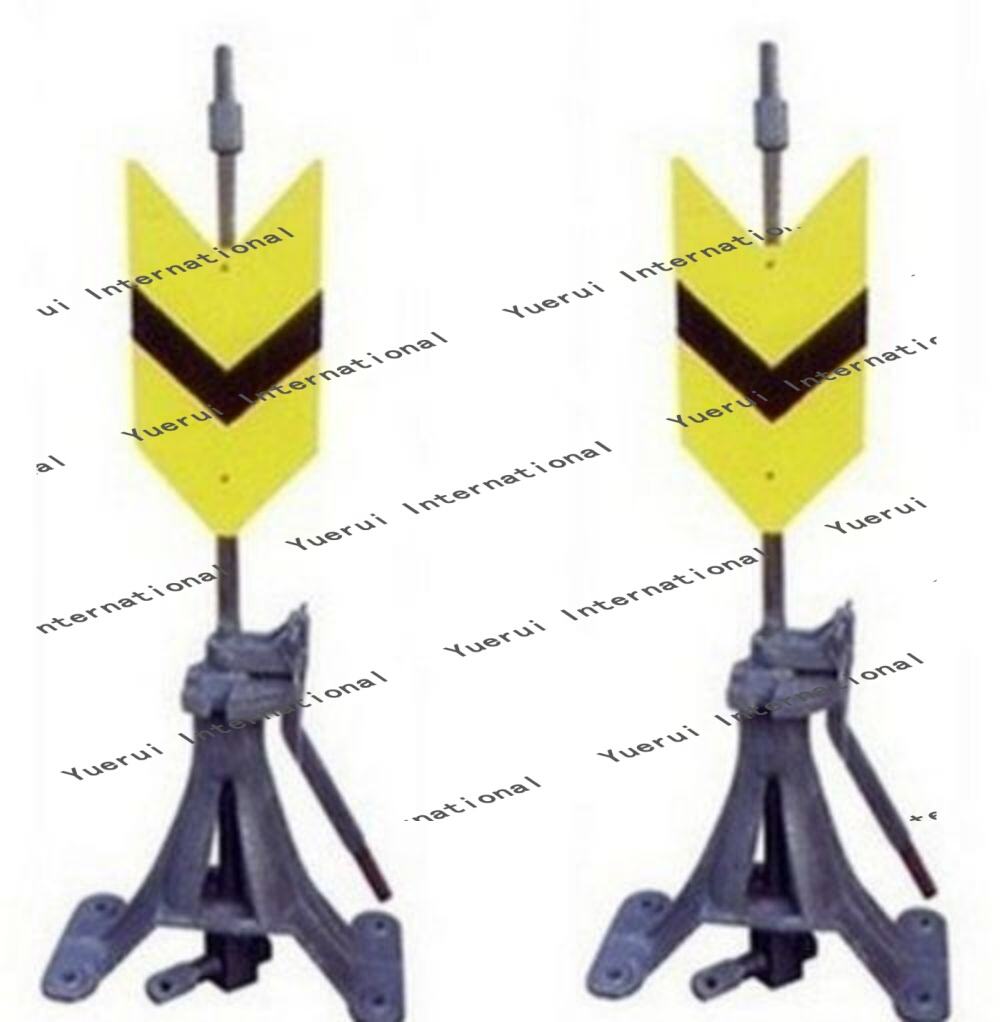
Gauge train track systems feature precision-engineered components manufactured to exacting specifications that ensure long-term durability and reliable performance under demanding operational conditions. The engineering process begins with advanced materials selection, utilizing high-strength steel alloys and specialized coatings that resist corrosion, wear, and environmental degradation. Manufacturing techniques employ computer-controlled machining processes that achieve dimensional tolerances measured in fractions of millimeters, ensuring consistent performance across all track components. Heat treatment processes enhance material properties, improving fatigue resistance and extending operational lifespan. Surface finishing techniques create smooth, uniform surfaces that reduce friction and minimize wear on both track and train components. The engineering design incorporates thermal expansion considerations, allowing the track structure to accommodate temperature variations without compromising measurement accuracy or structural integrity. Modular design principles enable efficient installation, maintenance, and replacement of individual components without disrupting entire track sections. Quality control procedures include comprehensive testing of mechanical properties, dimensional accuracy, and performance characteristics before components leave manufacturing facilities. Field testing validates design specifications under actual operating conditions, ensuring that theoretical performance translates to real-world reliability. The precision engineering approach extends to mounting hardware, electrical connections, and protective housings that shield sensitive electronic components from environmental hazards. Weatherproofing technologies protect against moisture infiltration, dust accumulation, and chemical exposure that could degrade system performance. Structural analysis ensures that track components can withstand dynamic loads, vibration stresses, and impact forces generated by heavy freight operations. The engineering process considers fatigue life calculations that predict component lifespan under various loading scenarios and usage patterns. Advanced manufacturing techniques enable cost-effective production while maintaining stringent quality standards throughout the supply chain. Continuous improvement processes incorporate feedback from field installations to refine design specifications and enhance product performance. The precision engineering approach results in gauge train track systems that deliver consistent, reliable performance over extended operational periods while minimizing maintenance requirements and lifecycle costs.

 EN
EN