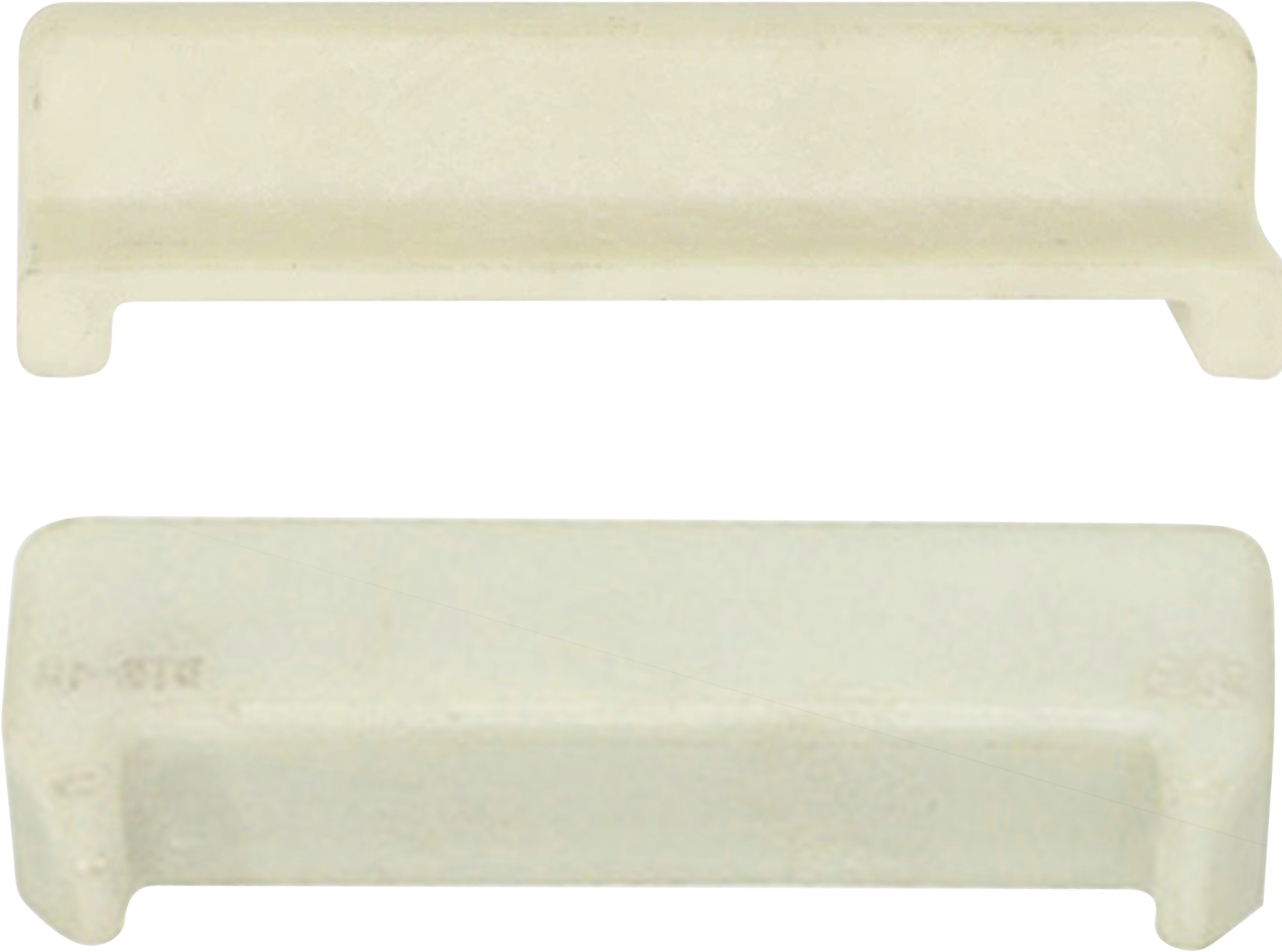
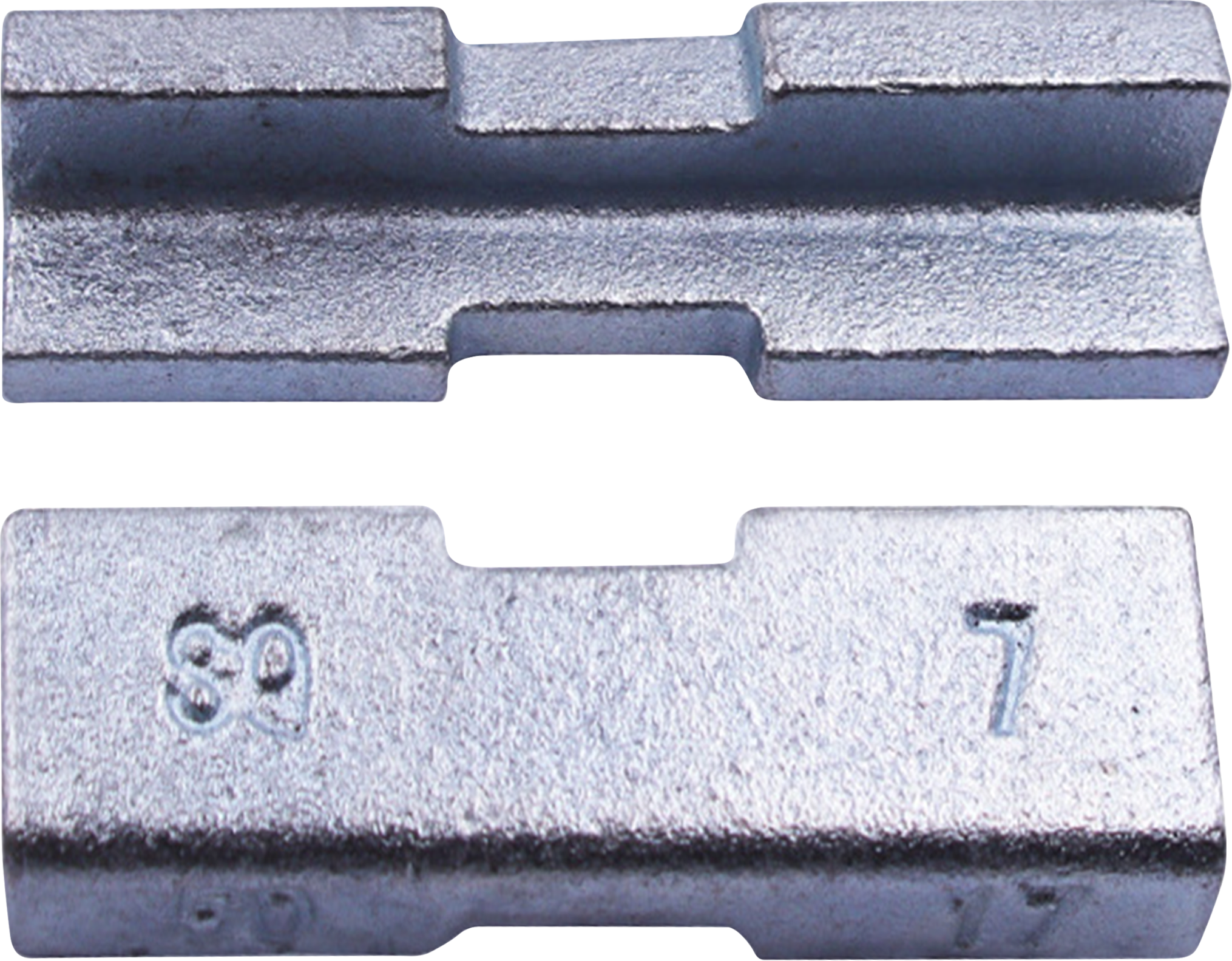
Railway Track Gauge Systems - Precision Engineering for Safe and Efficient Rail Transportation

All Categories

railway track gauge

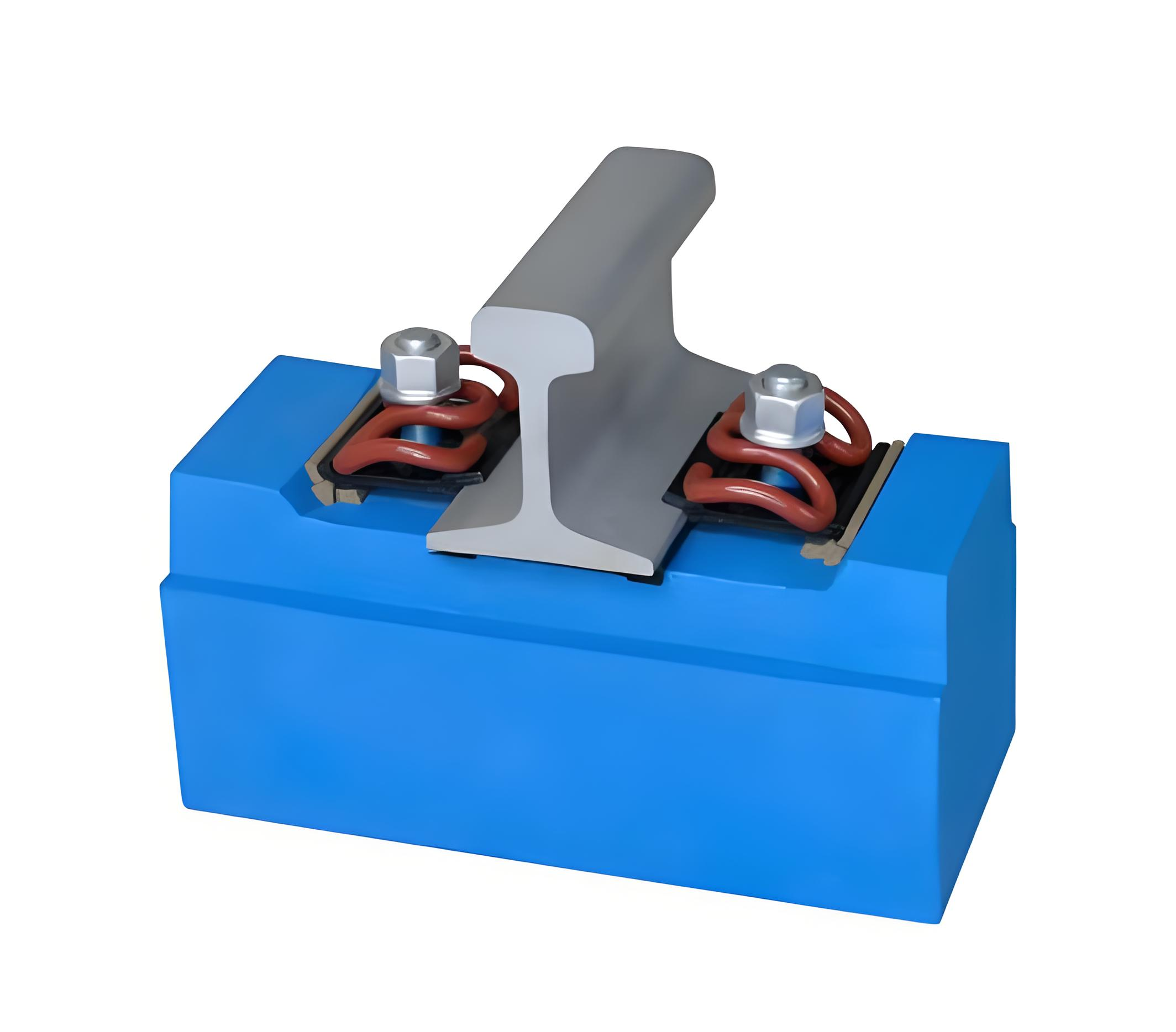
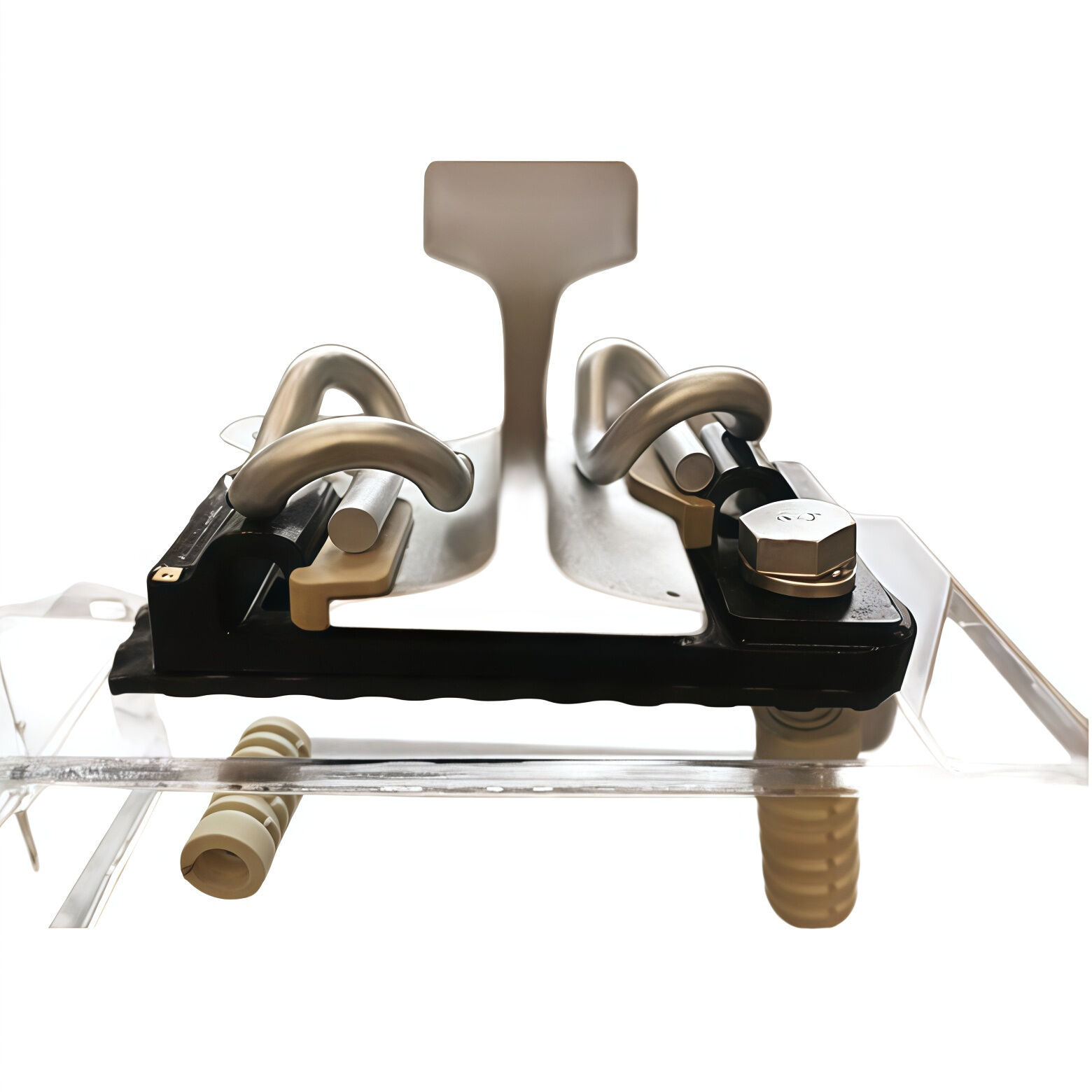
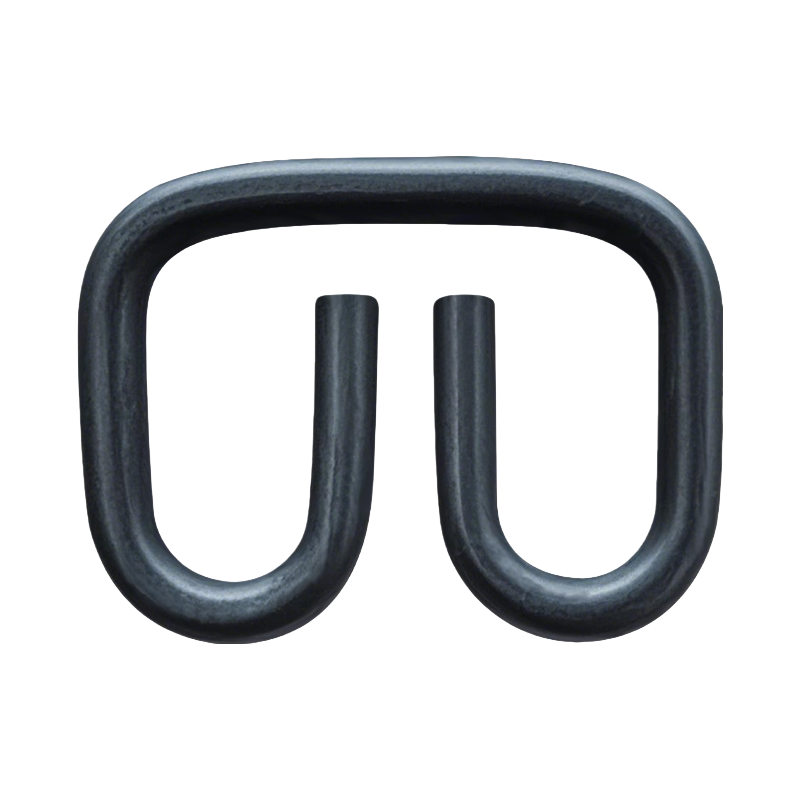
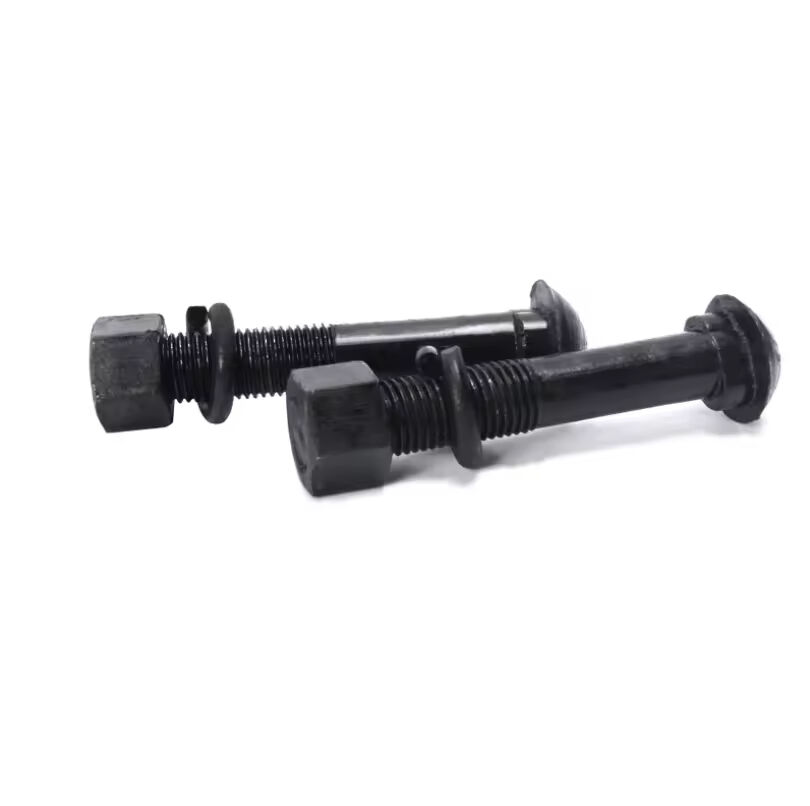
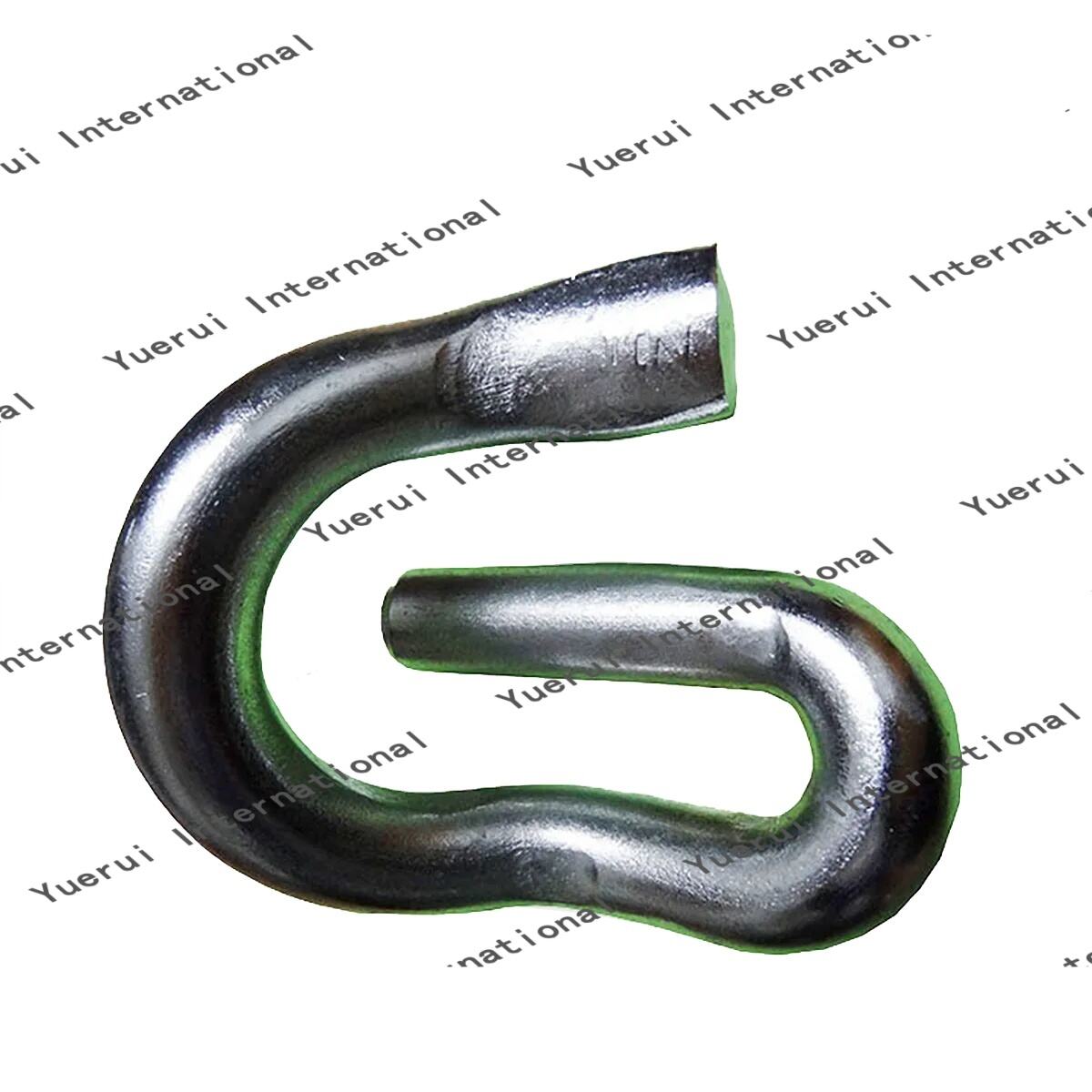
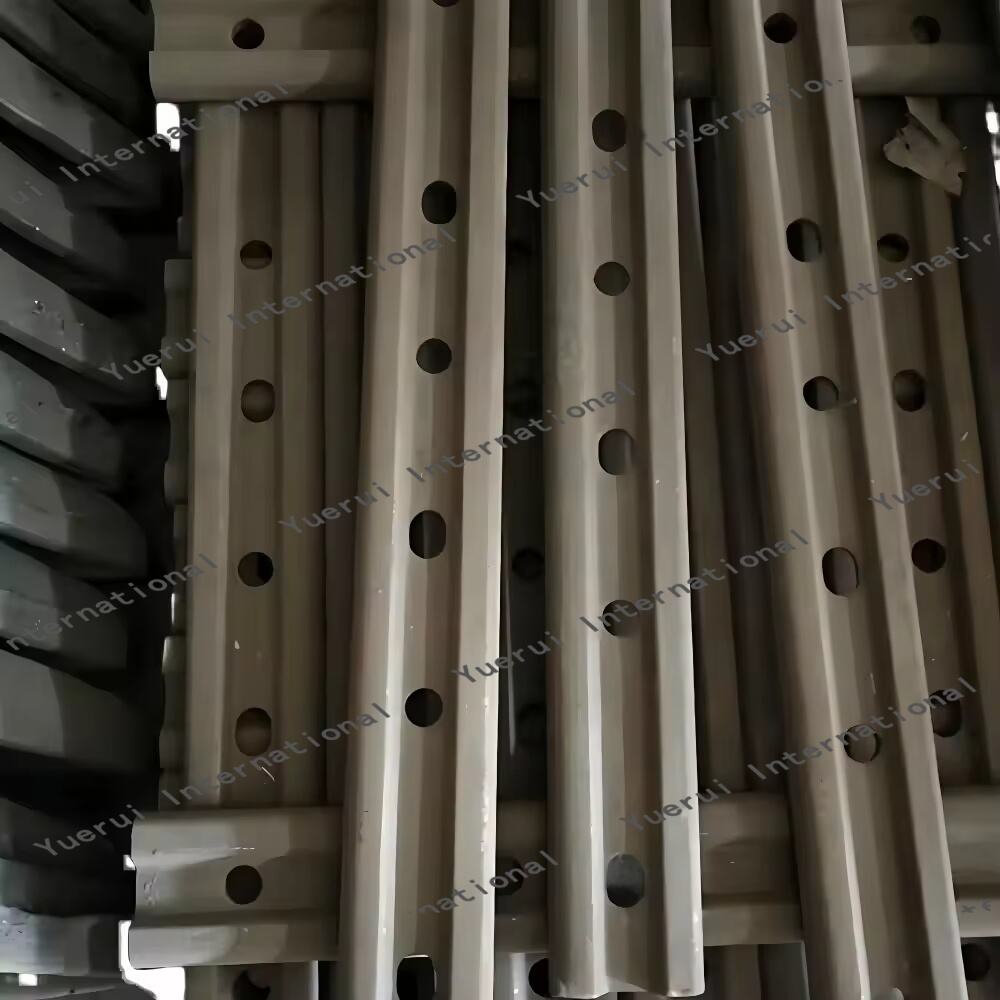
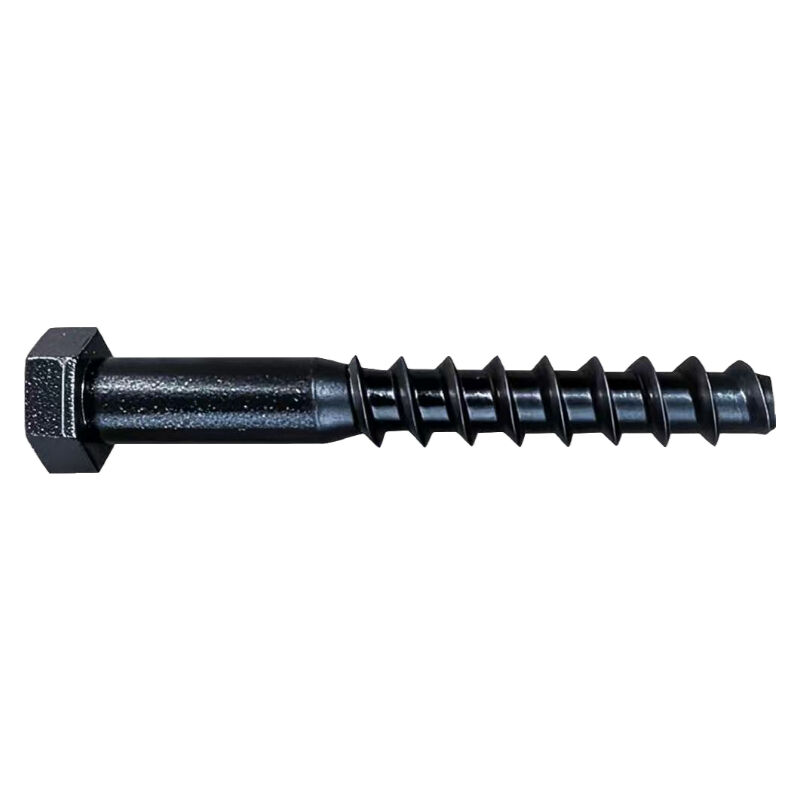
Railway track gauge represents the fundamental measurement that defines the distance between the inner edges of two parallel railway rails. This critical specification serves as the foundation for all railway operations, determining compatibility between trains and tracks across different networks worldwide. The railway track gauge directly influences train stability, safety, and operational efficiency throughout the entire transportation system. Standard gauge, measuring 1,435 millimeters or 4 feet 8.5 inches, dominates global railway infrastructure, accounting for approximately 60 percent of the world's rail networks. However, various regions utilize different gauge measurements based on historical, geographical, and economic factors. The railway track gauge system encompasses several technological features that ensure optimal performance. Precision engineering guarantees exact measurements between rails, while robust construction materials withstand heavy loads and environmental stresses. Modern railway track gauge systems incorporate advanced fastening mechanisms, including clips, bolts, and elastic components that maintain consistent spacing under dynamic loading conditions. Temperature compensation features allow for thermal expansion and contraction without compromising gauge accuracy. The applications of railway track gauge extend across multiple sectors, including passenger transportation, freight logistics, urban transit systems, and industrial railways. High-speed rail networks rely on precise gauge measurements to achieve maximum velocity while maintaining passenger safety. Freight railways utilize specific gauge configurations to accommodate heavy cargo loads and extended train lengths. Urban metro systems often employ narrower gauges to navigate tight curves and minimize construction costs in densely populated areas. Mining and industrial operations frequently implement specialized gauge systems tailored to specific operational requirements. The railway track gauge serves as a critical interface between rolling stock and infrastructure, ensuring seamless integration across the entire transportation network while maintaining operational safety and efficiency standards.

Popular Products

Railway track gauge systems deliver substantial operational benefits that directly impact transportation efficiency and cost-effectiveness for railway operators and passengers alike. The standardized gauge measurement ensures universal compatibility between different train sets and railway networks, eliminating the need for costly vehicle modifications or track adjustments when operating across multiple regions. This compatibility reduces operational complexity while maximizing fleet utilization rates across extensive railway systems. Properly maintained railway track gauge significantly enhances passenger comfort by minimizing vibrations, reducing noise levels, and providing smoother ride quality throughout the journey. The precise rail spacing distributes train weight evenly, preventing excessive wear on both wheels and track components, which translates to lower maintenance costs and extended equipment lifespan. Safety represents another paramount advantage of correctly specified railway track gauge systems. Accurate gauge measurements prevent derailments by ensuring optimal wheel-to-rail contact, maintaining train stability during acceleration, braking, and cornering maneuvers. This safety enhancement protects passengers, cargo, and railway personnel while reducing liability risks and insurance costs for operators. The standardized nature of railway track gauge facilitates international trade and passenger travel by enabling seamless cross-border transportation without requiring gauge conversion facilities or transshipment operations. This connectivity expands market reach for businesses while providing convenient travel options for passengers across different countries and regions. Railway track gauge systems also demonstrate remarkable adaptability to various environmental conditions, from extreme temperatures to heavy precipitation and seismic activity. The robust construction materials and engineering specifications ensure consistent performance regardless of external factors, maintaining reliable transportation services year-round. Economic advantages include reduced infrastructure investment requirements, as standardized gauge systems allow for shared maintenance facilities, common spare parts inventory, and unified training programs for technical personnel. The widespread adoption of standard gauge measurements creates economies of scale in manufacturing, reducing costs for rail vehicles, track components, and maintenance equipment. Environmental benefits emerge through improved energy efficiency, as properly aligned rails reduce rolling resistance, enabling trains to consume less fuel while achieving higher speeds and carrying greater loads. This efficiency contributes to reduced carbon emissions and enhanced sustainability in transportation operations.

Latest News

How to Prevent Corrosion and Damage in Rail Spikes Over Time

24

Nov

How to Prevent Corrosion and Damage in Rail Spikes Over Time

Railway infrastructure forms the backbone of modern transportation systems, carrying millions of tons of cargo and passengers across vast distances daily. Among the critical components that ensure track stability and safety, rail spikes play an indis...
View More
How Do Elastic Strips Improve Track Stability and Vibration Control?

18

Dec

How Do Elastic Strips Improve Track Stability and Vibration Control?

Track systems used in railways, industrial transport, and heavy-duty infrastructure are constantly exposed to dynamic loads, repeated impacts, and environmental stress. One of the most effective yet often underestimated components in these systems is...
View More
How Can Fishplates Improve Safety and Reliability in Rail Systems?

05

Jan

How Can Fishplates Improve Safety and Reliability in Rail Systems?

Railway infrastructure forms the backbone of modern transportation systems, connecting cities, facilitating commerce, and enabling efficient movement of people and goods across vast distances. Within this complex network of steel rails, numerous comp...
View More
What installation spacing is recommended for rail anchors in railways?

20

Apr

What installation spacing is recommended for rail anchors in railways?

Railway track stability relies heavily on proper installation spacing of rail anchors, which serve as critical components in maintaining gauge and preventing rail movement. The recommended spacing for rail anchors varies based on track classification...
View More

Get a Free Quote

Our representative will contact you soon.
Email
Name
Company Name
Message
0/1000

railway track gauge

Precision Engineering Excellence

Precision Engineering Excellence

The railway track gauge represents a masterpiece of precision engineering that forms the backbone of safe and efficient rail transportation worldwide. Every aspect of gauge construction demands exacting tolerances, with measurements maintained within millimeter accuracy to ensure optimal performance under extreme operational conditions. The precision engineering excellence of railway track gauge systems begins with advanced manufacturing processes that utilize high-grade steel alloys specifically formulated to withstand tremendous loads, temperature variations, and continuous wear from rolling stock operations. State-of-the-art rolling mills shape rails to exact dimensional specifications, while computer-controlled machining ensures consistent cross-sectional profiles that maintain structural integrity over decades of service. Quality control processes throughout manufacturing include ultrasonic testing, dimensional verification, and metallurgical analysis to guarantee each rail meets stringent international standards. The fastening systems that maintain precise railway track gauge measurements demonstrate remarkable engineering sophistication, incorporating elastic clips, anchor bolts, and tie plates designed to accommodate dynamic forces while preventing gauge widening or narrowing under load. Advanced materials science contributes to this precision through the development of specialized steel compositions that resist wear, corrosion, and fatigue cracking. Heat treatment processes optimize rail hardness and durability, while controlled cooling techniques prevent internal stress concentrations that could compromise long-term performance. The geometric precision extends to rail installation procedures, where surveying equipment and laser alignment systems ensure accurate gauge measurements along entire route lengths. Computer-aided design tools enable engineers to optimize track geometry for specific applications, considering factors such as train speeds, axle loads, and curve radii. This precision engineering excellence translates directly into operational benefits, including reduced maintenance requirements, extended service life, and enhanced safety margins. The investment in precision engineering pays dividends through decreased lifecycle costs, improved reliability, and superior performance that meets the demanding requirements of modern railway operations while supporting sustainable transportation infrastructure development.

Universal Compatibility Standards

Universal Compatibility Standards

Universal compatibility stands as one of the most significant advantages of standardized railway track gauge systems, enabling seamless interoperability between diverse rolling stock and railway networks across global transportation infrastructure. This compatibility eliminates operational barriers that historically fragmented railway systems, creating integrated networks that facilitate efficient passenger travel and freight movement across vast geographical regions. The universal compatibility of railway track gauge systems extends beyond simple dimensional matching to encompass comprehensive standardization of wheel profiles, flange dimensions, and suspension characteristics that ensure optimal performance across different operational environments. International railway organizations have established detailed specifications that govern every aspect of gauge compatibility, from manufacturing tolerances to maintenance procedures, creating unified standards that benefit operators, manufacturers, and end users alike. This standardization enables railway operators to utilize rolling stock from multiple manufacturers without concerns about compatibility issues, fostering competitive markets that drive innovation and cost reduction throughout the industry. The universal compatibility advantage becomes particularly evident in international freight operations, where cargo trains cross multiple national boundaries without requiring gauge conversion procedures or transshipment facilities. This seamless movement reduces transportation costs, minimizes handling damage risks, and accelerates delivery times for time-sensitive shipments. Passenger services benefit equally from universal compatibility, as high-speed trains and regional services can operate across extensive networks without technical limitations imposed by gauge variations. The compatibility standards also facilitate equipment sharing between railway operators during peak demand periods or emergency situations, maximizing asset utilization while maintaining service reliability. Maintenance operations benefit from universal compatibility through standardized spare parts inventories, common diagnostic equipment, and unified training programs for technical personnel. This standardization reduces operational complexity while ensuring consistent maintenance quality across entire railway networks. The economic impact of universal compatibility extends to reduced infrastructure investment requirements, as operators can utilize existing facilities, maintenance shops, and storage yards without costly modifications. This compatibility also supports the development of integrated transportation hubs where different railway systems converge, enabling efficient passenger transfers and cargo interchange operations that enhance overall network efficiency and user convenience.
Enhanced Safety Performance

Enhanced Safety Performance

Enhanced safety performance represents the most critical advantage of properly specified and maintained railway track gauge systems, providing comprehensive protection for passengers, crew members, and cargo through multiple safety mechanisms built into the fundamental track structure. The railway track gauge serves as the primary safety foundation by maintaining optimal wheel-rail contact geometry that prevents derailments, reduces lateral forces during cornering, and ensures stable train operation under all loading conditions. Advanced safety features integrated into modern railway track gauge systems include continuous rail welding that eliminates joint gaps, specialized rail profiles that optimize contact stress distribution, and precision fastening systems that maintain gauge stability under dynamic loading. The safety performance of railway track gauge extends to weather resistance capabilities, where properly designed systems maintain structural integrity during extreme temperature variations, heavy precipitation, and seismic events that could compromise track geometry. Temperature compensation features prevent thermal expansion from altering gauge measurements, while drainage systems protect track foundations from water damage that could undermine stability. The enhanced safety performance also encompasses predictive maintenance capabilities through continuous monitoring systems that detect gauge variations before they reach critical thresholds. These monitoring systems utilize advanced sensors, data analytics, and automated reporting to identify potential safety issues while enabling proactive maintenance interventions that prevent service disruptions and safety incidents. Emergency response protocols specific to railway track gauge systems ensure rapid identification and correction of gauge-related safety concerns, minimizing exposure risks while maintaining operational continuity. The safety enhancement extends to specialized applications such as high-speed rail operations, where precise gauge measurements become even more critical due to increased dynamic forces and reduced safety margins at elevated speeds. Curve banking and superelevation calculations rely heavily on accurate gauge measurements to maintain safe operating speeds while providing acceptable passenger comfort levels. The comprehensive safety performance of railway track gauge systems includes protection against fatigue failures through materials selection, stress analysis, and regular inspection protocols that identify potential failure points before they compromise system integrity. Worker safety benefits from standardized gauge systems through simplified maintenance procedures, reduced exposure to hazardous conditions, and improved accessibility for inspection and repair operations. The long-term safety benefits include reduced accident rates, lower insurance costs, and enhanced public confidence in railway transportation that supports continued investment in sustainable transportation infrastructure.

Get a Free Quote

Our representative will contact you soon.
Email
Name
Company Name
Message
0/1000