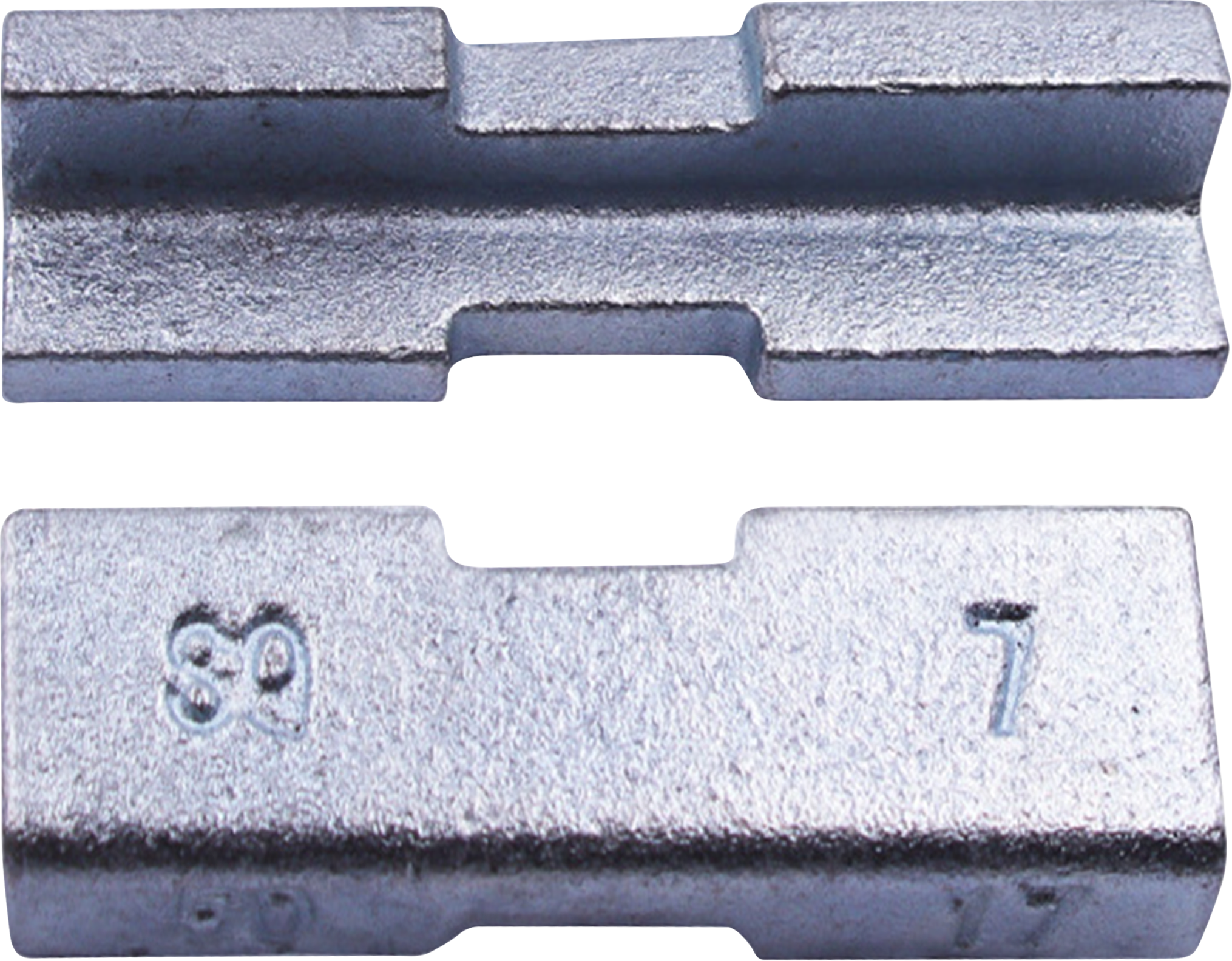
rail gauge
A rail gauge represents a critical measurement system that determines the distance between the inner faces of two parallel rails on a railway track. This fundamental specification serves as the foundation for all railway operations, ensuring compatibility between trains, tracks, and infrastructure components across entire transportation networks. The rail gauge directly influences train stability, safety performance, and operational efficiency throughout the railway system. Standard rail gauge measurements typically range from narrow gauge systems at 1,000mm to broad gauge configurations exceeding 1,435mm, with the most common international standard being 1,435mm or 4 feet 8.5 inches. The precise measurement and maintenance of rail gauge ensures proper wheel alignment, reduces mechanical stress on rolling stock, and prevents derailment incidents that could result in catastrophic consequences. Modern rail gauge systems incorporate advanced monitoring technologies, including laser measurement devices and automated inspection equipment, to maintain consistent spacing within strict tolerances. These sophisticated measurement tools enable railway operators to detect minute variations in gauge width before they develop into serious safety hazards. The rail gauge specification affects numerous operational parameters, including maximum train speeds, load capacity limits, vehicle stability characteristics, and infrastructure maintenance requirements. Railway engineers must carefully consider gauge selection during initial track design phases, as changing gauge specifications later requires extensive modifications to existing infrastructure, rolling stock, and operational procedures. The economic implications of rail gauge decisions extend beyond initial construction costs, influencing long-term maintenance expenses, equipment compatibility, and international connectivity options. Proper rail gauge management enhances passenger comfort, reduces vehicle wear patterns, and optimizes fuel consumption across railway operations.

 EN
EN