narrow gauge railway track
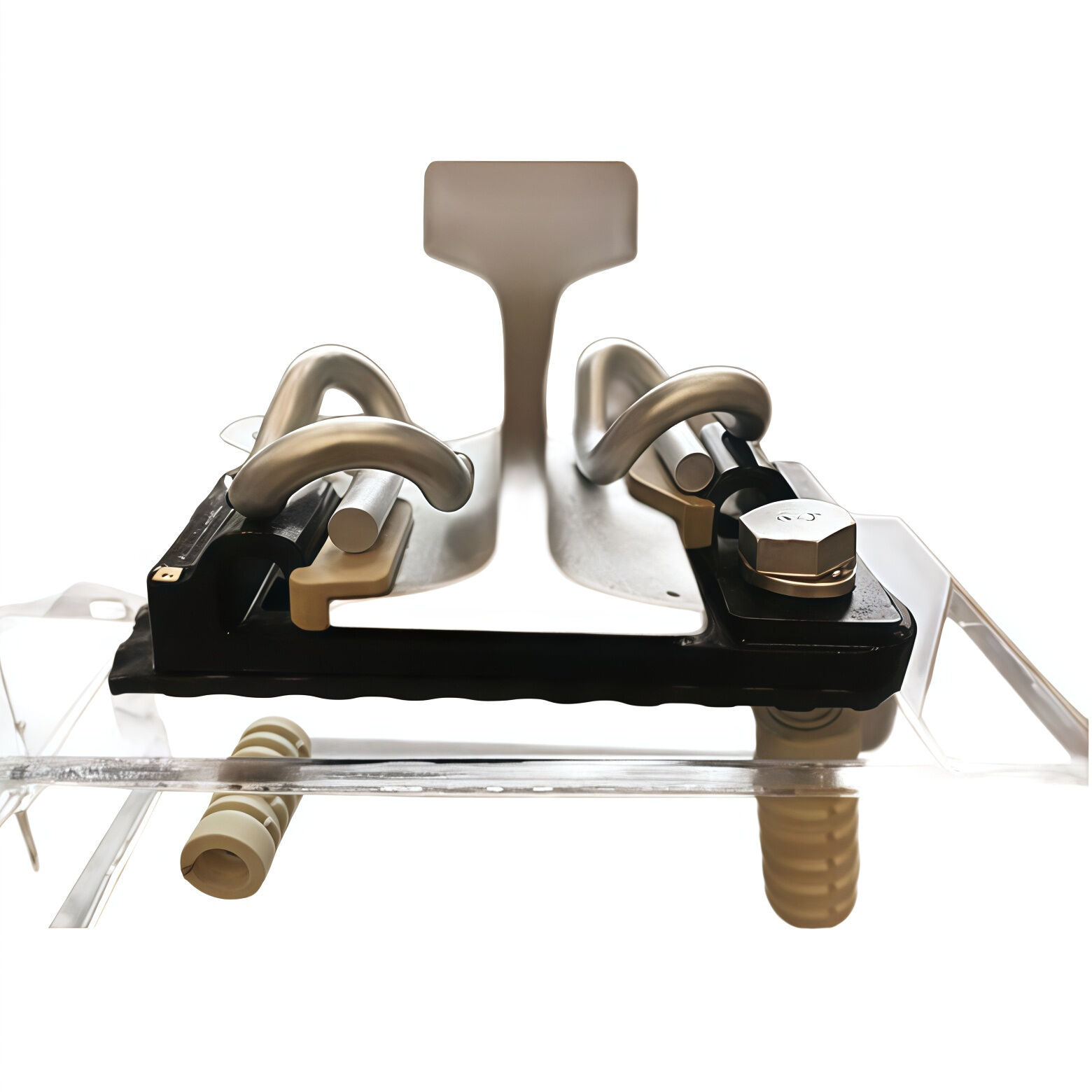
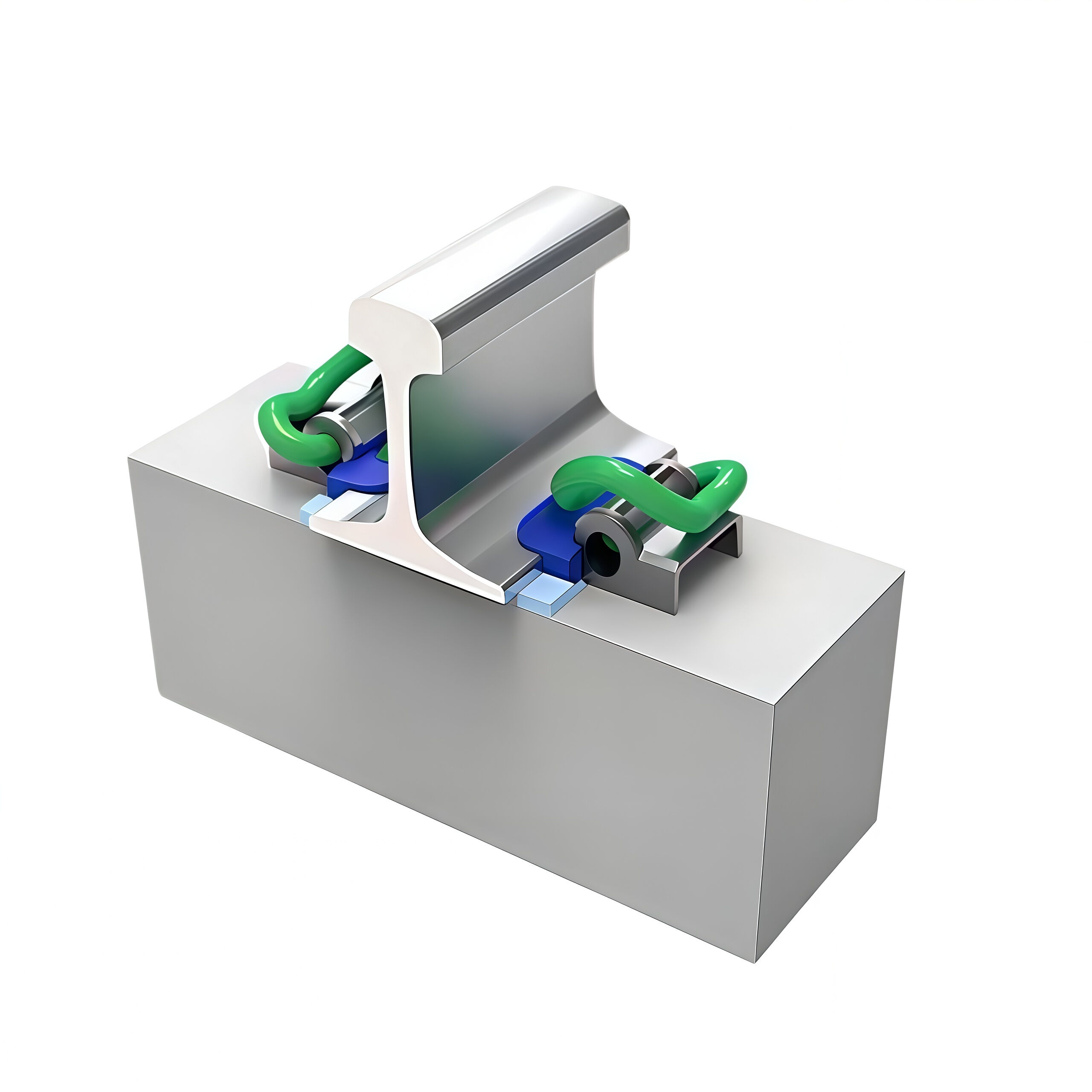
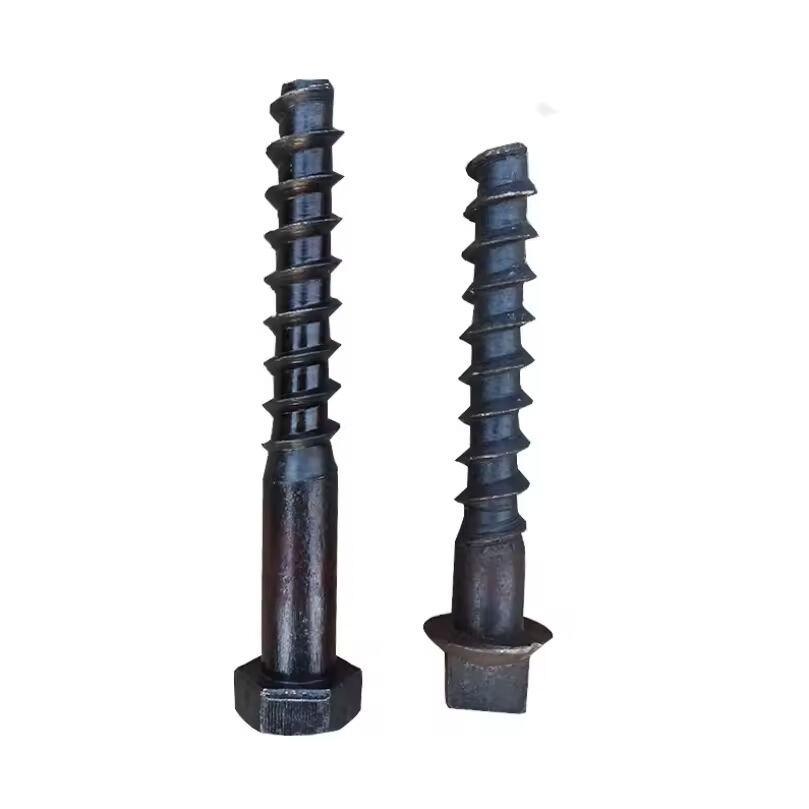
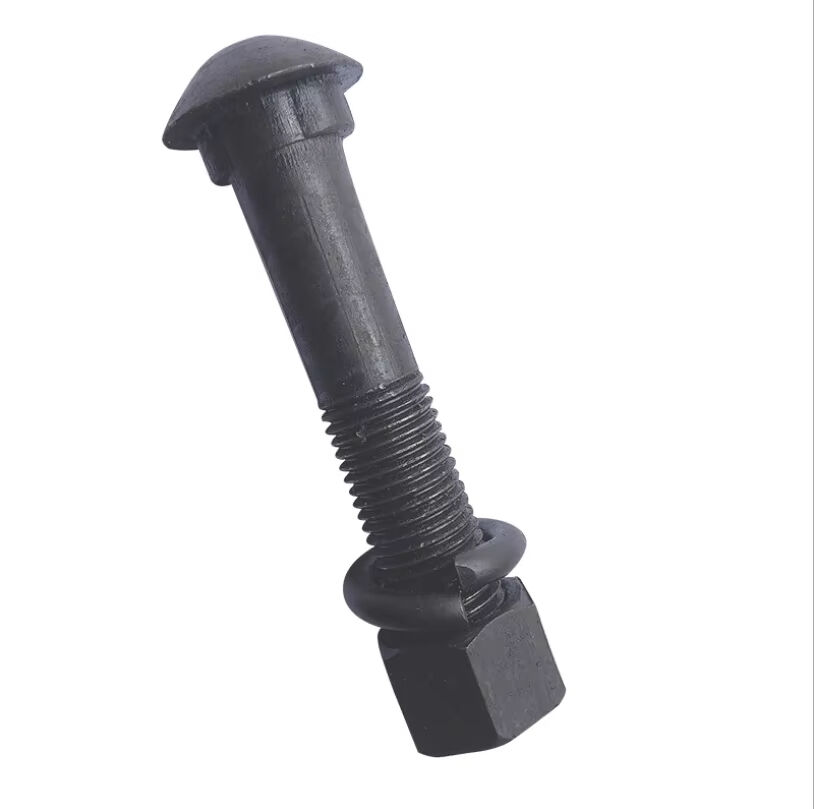
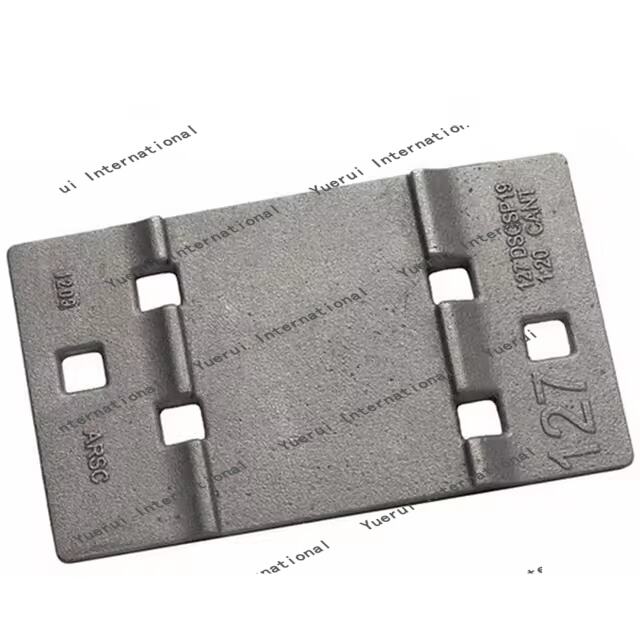
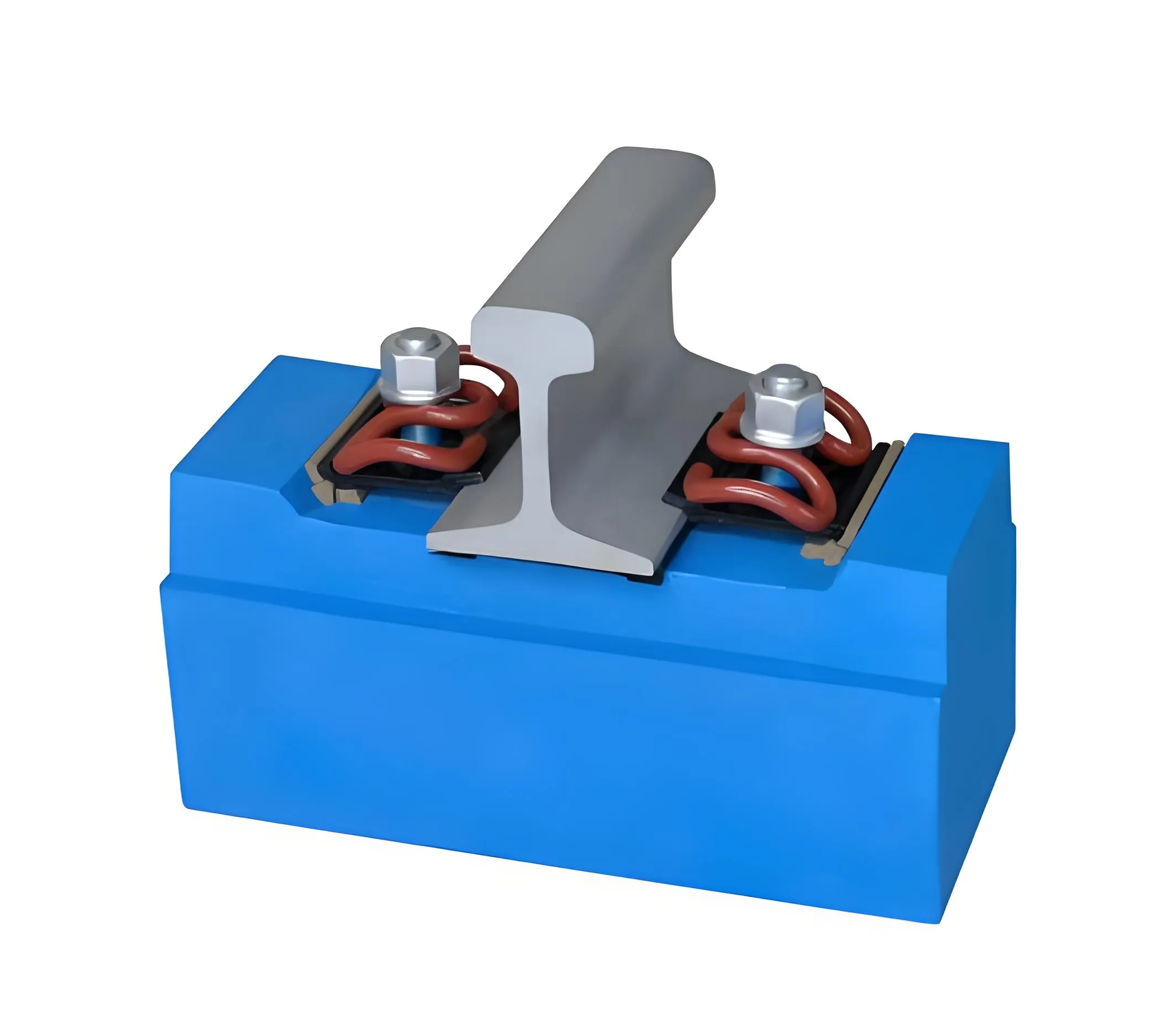
A narrow gauge railway track represents a specialized rail infrastructure system characterized by track widths narrower than the standard 1,435mm gauge used in most mainline railways. These railway systems typically utilize track gauges ranging from 600mm to 1,200mm, making them distinct from their standard gauge counterparts. The narrow gauge railway track serves multiple critical functions across diverse industries and geographical locations, offering unique solutions for transportation challenges in constrained environments. The primary function of a narrow gauge railway track involves facilitating the movement of both passengers and freight through areas where standard gauge systems would be impractical or economically unfeasible. These tracks excel in mountainous terrain, urban environments with space limitations, mining operations, and industrial facilities requiring precise material handling. The narrow gauge railway track configuration allows trains to navigate tighter curves and steeper gradients compared to standard gauge systems, making them invaluable for specific applications. Technologically, narrow gauge railway tracks incorporate sophisticated engineering principles adapted to their reduced width specifications. The track structure consists of lighter rails, specialized sleepers designed for narrow spacing, and ballast systems optimized for reduced load distribution. Modern narrow gauge railway track systems integrate advanced signaling technologies, automated switching mechanisms, and computerized monitoring systems to ensure safe and efficient operations. The reduced infrastructure requirements translate to lower construction and maintenance costs while maintaining operational reliability. Applications for narrow gauge railway tracks span numerous sectors including tourism, mining, agriculture, forestry, and urban transportation. Tourist railways frequently employ narrow gauge railway track systems to traverse scenic routes through challenging terrain that would be impossible for standard gauge trains. Mining operations utilize these tracks for ore transportation from extraction sites to processing facilities, taking advantage of their ability to navigate confined underground spaces. Industrial facilities implement narrow gauge railway tracks for internal logistics, moving raw materials and finished products efficiently across manufacturing complexes. The versatility of narrow gauge railway track systems makes them indispensable for specialized transportation requirements where conventional rail solutions fall short.

 EN
EN