Premium Guide Rail Clamps - Industrial Linear Motion Solutions | Precision Mounting Systems

All Categories

guide rail clamps

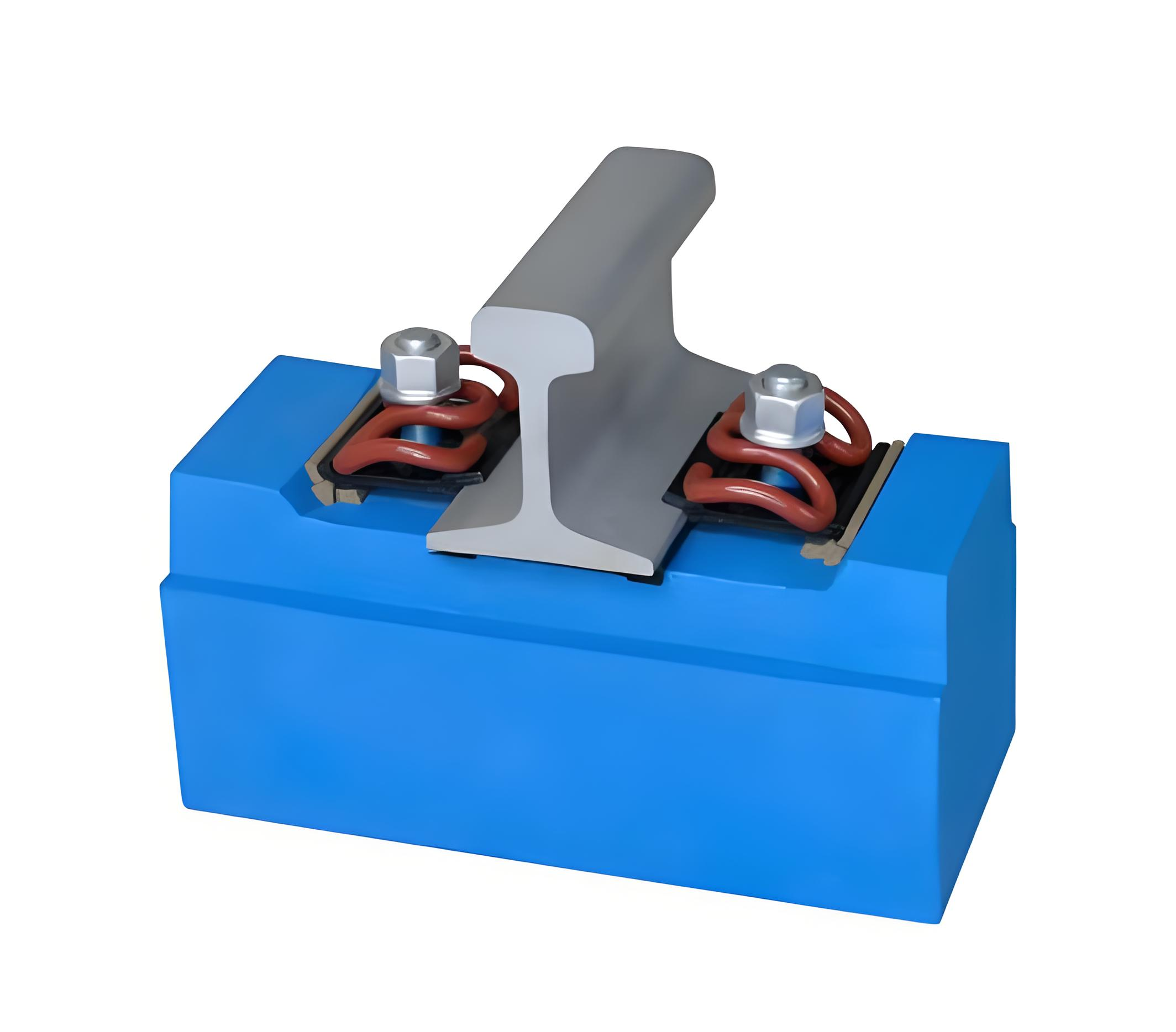
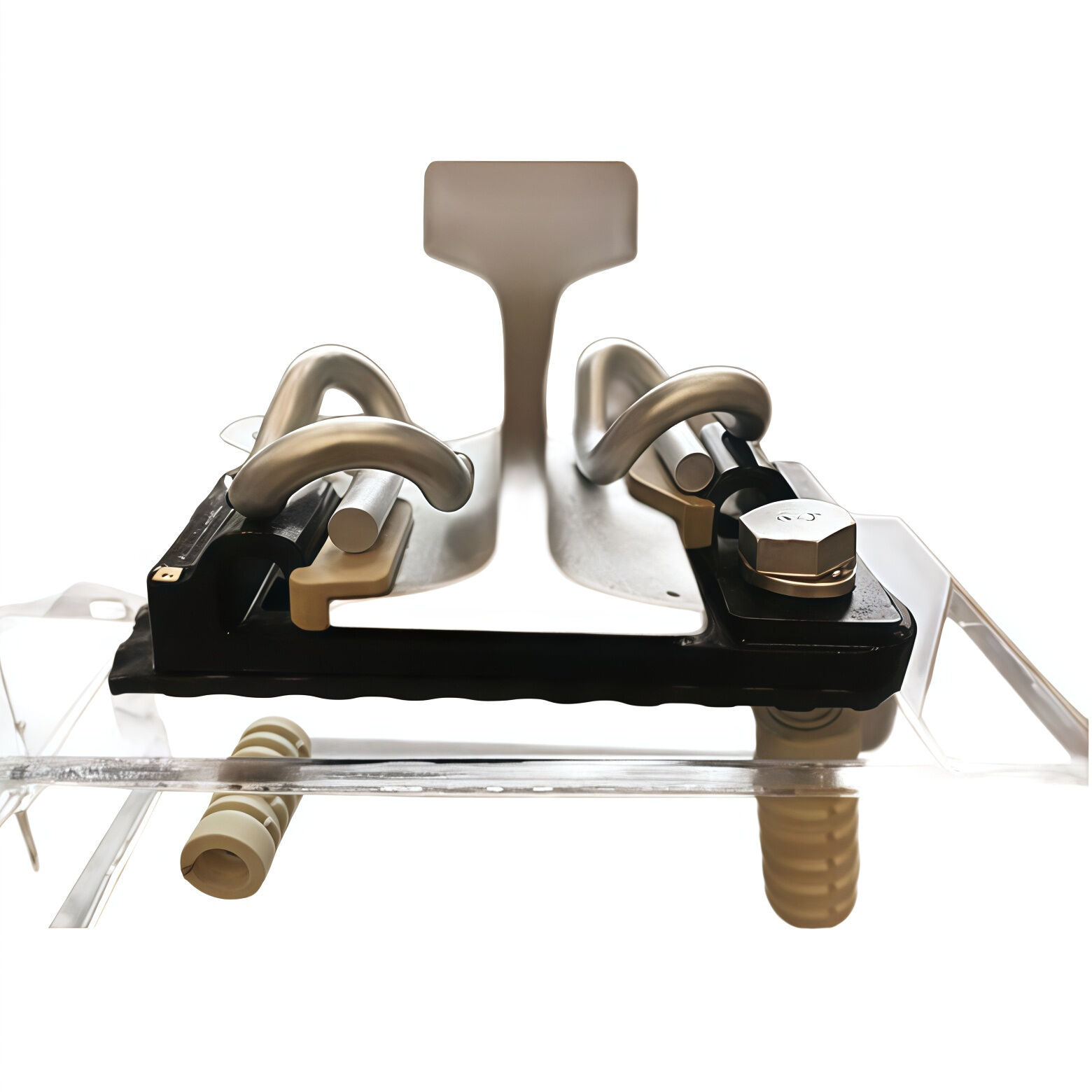
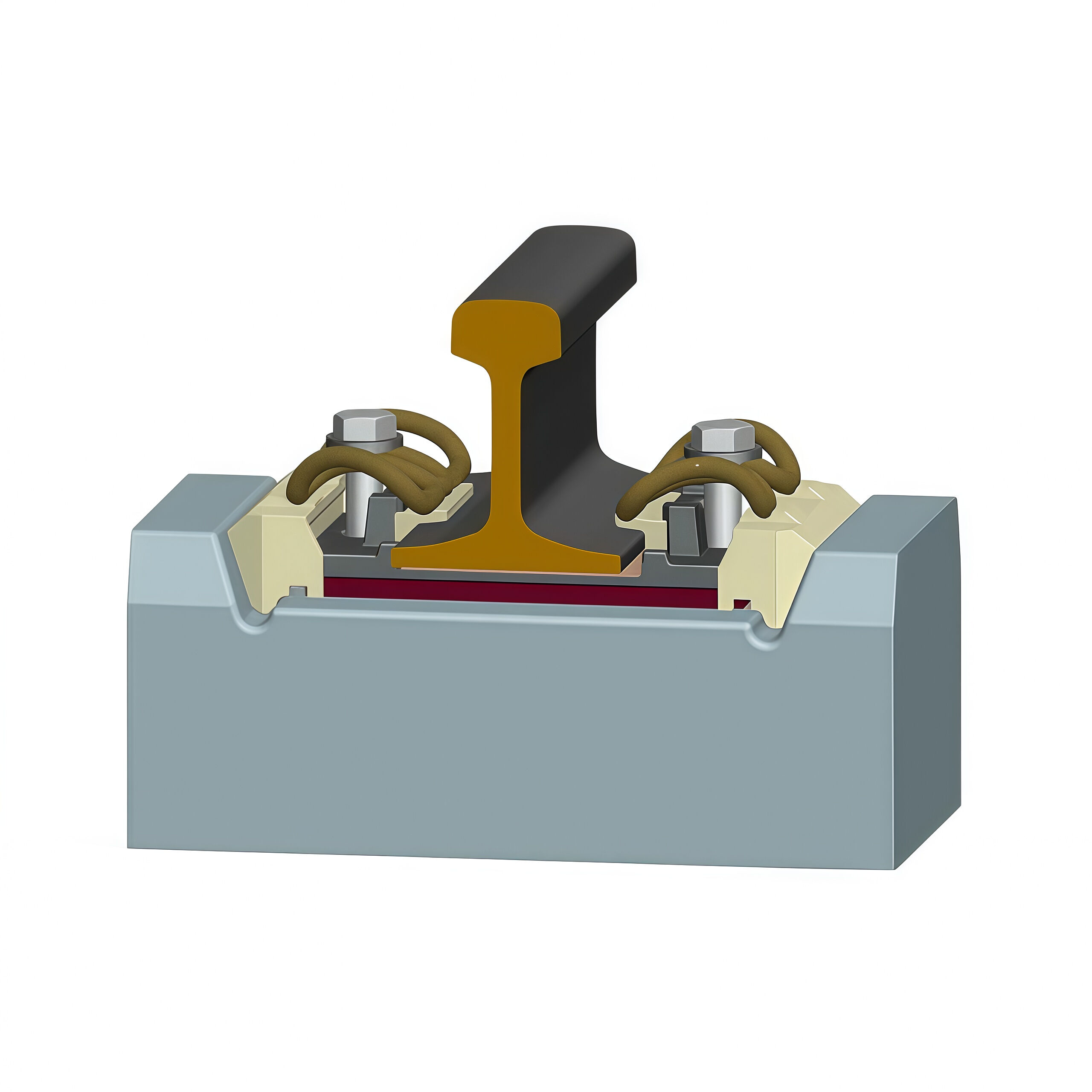
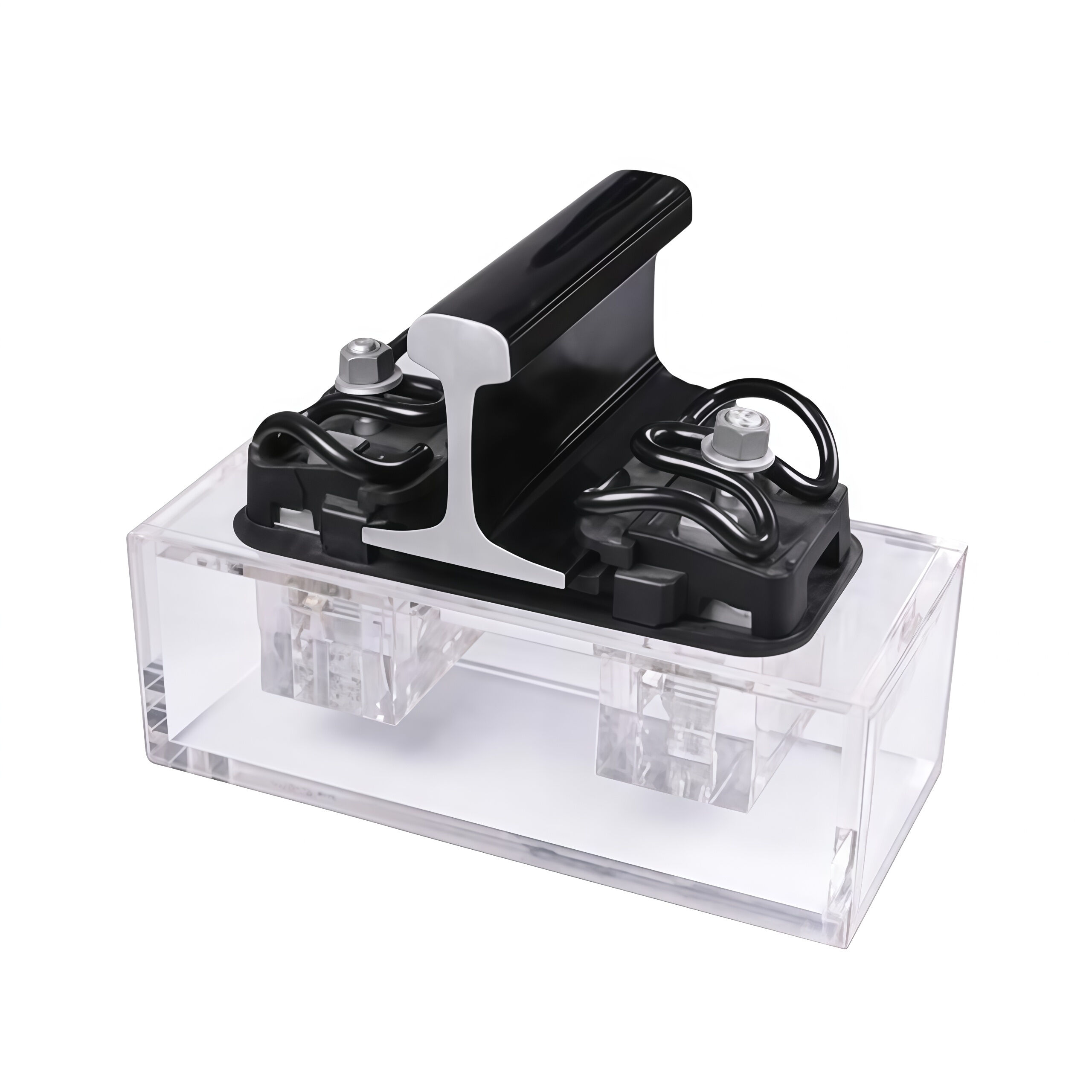
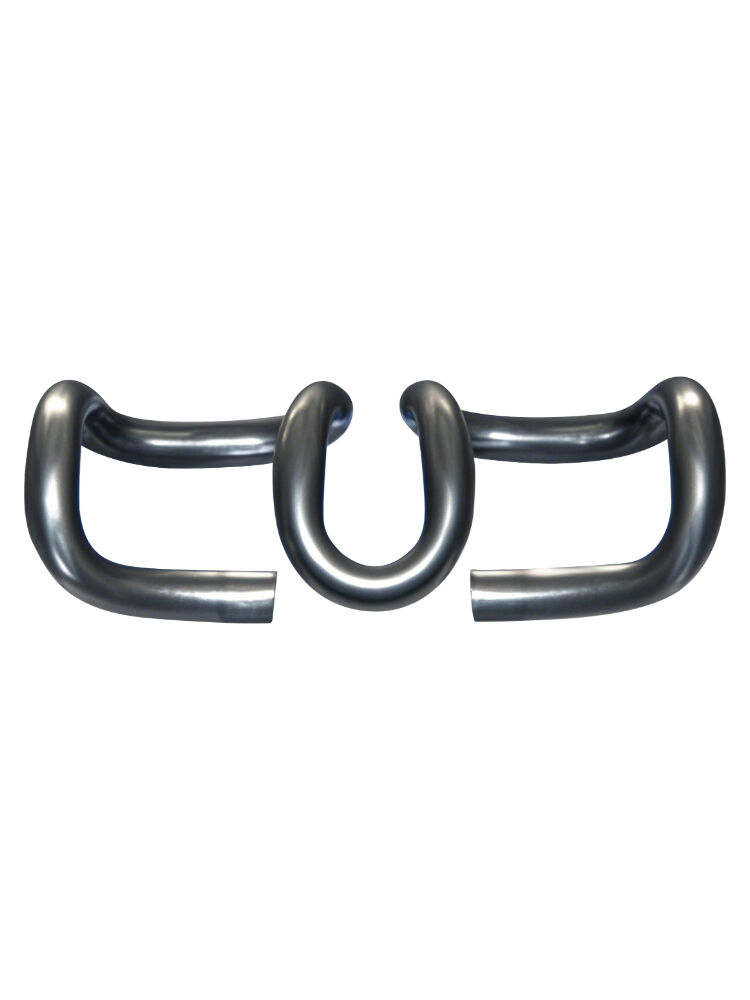
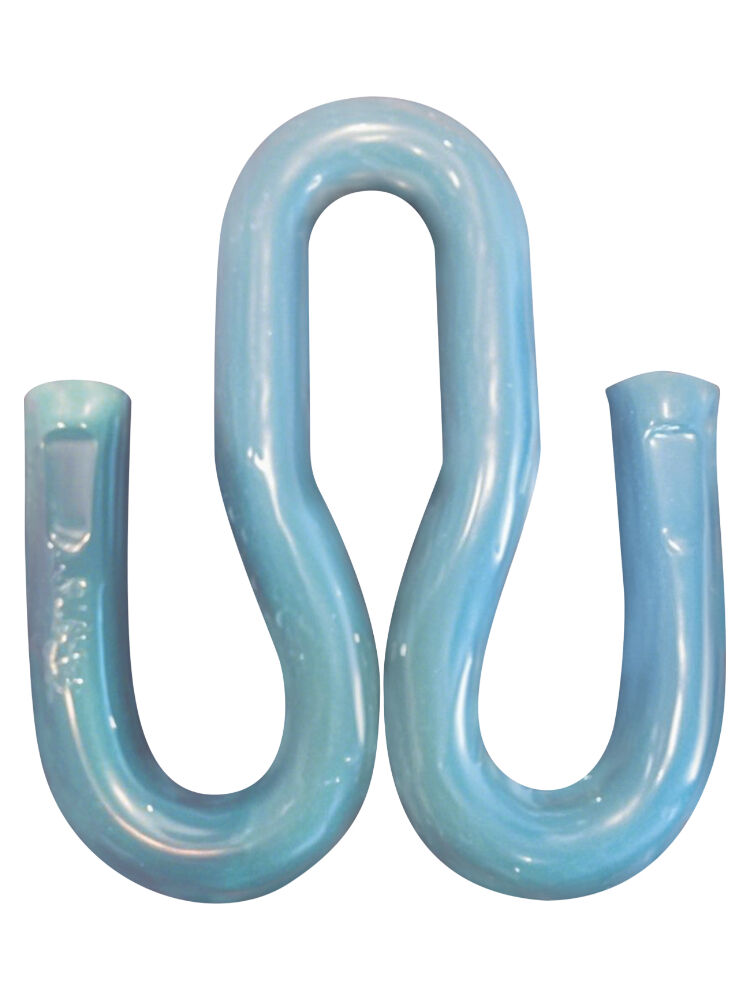
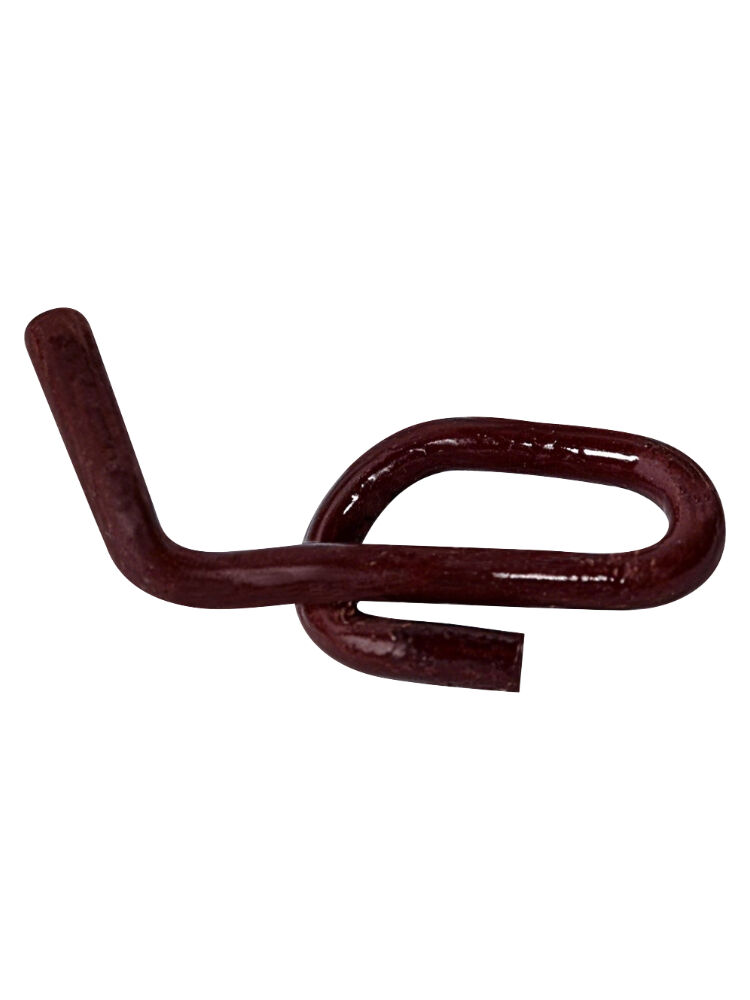
Guide rail clamps represent essential mechanical components designed to secure and position guide rails in various industrial applications. These precision-engineered devices serve as critical connection points between guide rails and mounting surfaces, ensuring stable and reliable linear motion systems. Modern guide rail clamps utilize advanced materials and innovative design principles to deliver exceptional performance across diverse operational environments. The primary function of guide rail clamps involves maintaining precise alignment while providing secure attachment points for linear guidance systems. These components effectively distribute loads across mounting surfaces, preventing unwanted movement or vibration that could compromise system accuracy. Guide rail clamps feature robust construction using high-grade steel or aluminum alloys, ensuring long-term durability under demanding conditions. The technological sophistication of contemporary guide rail clamps includes precision-machined surfaces that guarantee optimal contact with guide rails. Advanced clamping mechanisms incorporate adjustable pressure settings, allowing operators to achieve ideal securing force without over-tightening or under-securing components. Many guide rail clamps integrate corrosion-resistant coatings and surface treatments, extending operational lifespan in challenging environmental conditions. Applications for guide rail clamps span numerous industries, including manufacturing automation, packaging machinery, material handling systems, and precision measurement equipment. These versatile components prove invaluable in CNC machinery, where maintaining exact positioning remains paramount for achieving consistent results. Automotive manufacturing facilities rely heavily on guide rail clamps to support assembly line operations requiring precise component placement. The aerospace industry utilizes specialized guide rail clamps in testing equipment and manufacturing processes where accuracy cannot be compromised. Medical device manufacturing also depends on these components for maintaining sterile production environments while ensuring precise positioning. Guide rail clamps continue evolving with technological advancements, incorporating smart materials and enhanced designs that meet increasingly demanding performance requirements across various industrial sectors.

New Products

Guide rail clamps offer numerous practical benefits that directly impact operational efficiency and system reliability. These components provide exceptional stability for linear motion systems, eliminating unwanted vibrations that can compromise precision in manufacturing processes. Users experience reduced downtime because guide rail clamps maintain consistent positioning over extended periods, minimizing the need for frequent adjustments or recalibrations. The robust construction of modern guide rail clamps ensures reliable performance under heavy loads, making them suitable for demanding industrial applications where failure is not an option. Installation simplicity represents another significant advantage, as most guide rail clamps feature straightforward mounting procedures that reduce setup time and labor costs. Operators can quickly secure guide rails without specialized tools or extensive technical expertise, streamlining equipment deployment across facilities. The adjustable clamping force capability allows users to optimize securing pressure based on specific application requirements, preventing damage to delicate components while ensuring adequate retention strength. Guide rail clamps demonstrate excellent versatility, accommodating various guide rail profiles and sizes within single mounting systems. This adaptability reduces inventory requirements and simplifies maintenance procedures, as fewer specialized components need stocking. The corrosion-resistant properties of quality guide rail clamps ensure long-term performance in harsh environments, protecting investments and reducing replacement costs. These components effectively isolate vibrations from external sources, protecting sensitive equipment and maintaining measurement accuracy in precision applications. Cost-effectiveness emerges as users realize lower total ownership expenses through reduced maintenance requirements and extended service life. Guide rail clamps contribute to improved workplace safety by preventing unexpected component movement that could pose hazards to personnel. The consistent performance characteristics help maintain product quality standards, reducing waste and rework associated with positioning errors. Modern guide rail clamps support lean manufacturing initiatives by enabling quick changeovers and flexible production configurations. These components facilitate predictable system behavior, allowing engineers to optimize process parameters with confidence in mechanical stability.

Latest News

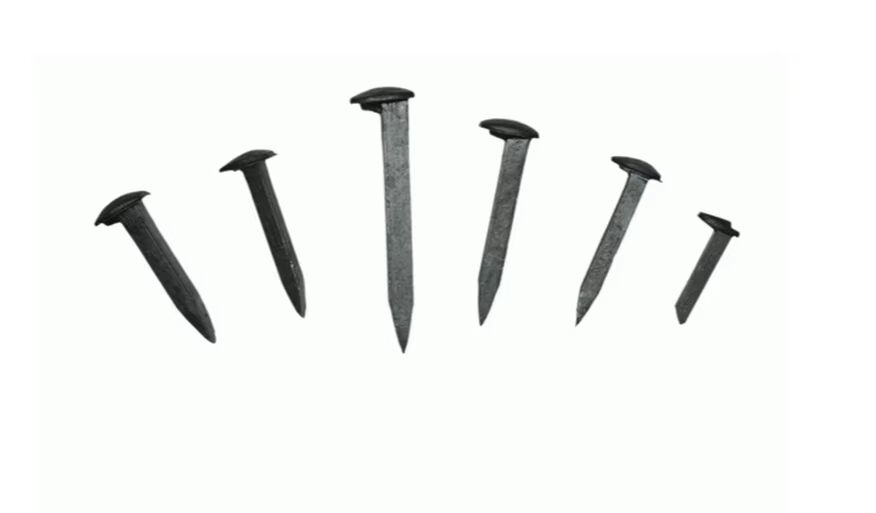
How Railroad Dog Spikes Improve Track Stability and Safety

24

Nov

How Railroad Dog Spikes Improve Track Stability and Safety

Railway infrastructure forms the backbone of modern transportation systems, where every component plays a critical role in maintaining operational safety and efficiency. Among these essential components, railroad dog spikes represent one of the most ...
View More
What to Consider When Buying Bulk Rail Spikes for Construction

24

Nov

What to Consider When Buying Bulk Rail Spikes for Construction

Rail spikes serve as critical fastening components in railway construction and maintenance projects, providing the essential connection between rails and railroad ties. These heavy-duty fasteners must withstand tremendous forces from passing trains w...
View More
How Do Baseplates Contribute to Efficient Railway Turnout Installation?

18

Dec

How Do Baseplates Contribute to Efficient Railway Turnout Installation?

Railway infrastructure demands precision, durability, and efficiency at every level, particularly when it comes to critical components like turnouts. Railway turnout baseplates serve as fundamental elements that ensure proper track alignment, load di...
View More
How Do Gauge Blocks Ensure Precision in Railway Track Construction?

05

Jan

How Do Gauge Blocks Ensure Precision in Railway Track Construction?

Railway track construction demands exceptional precision to ensure safe and efficient train operations. The accuracy of track gauge measurements directly impacts train stability, wheel wear, and overall system safety. Among the essential tools used i...
View More

Get a Free Quote

Our representative will contact you soon.
Email
Name
Company Name
Message
0/1000

guide rail clamps

Superior Load Distribution and Mechanical Stability

Superior Load Distribution and Mechanical Stability

Guide rail clamps excel in distributing mechanical loads evenly across mounting surfaces, providing unmatched stability for linear motion systems. This advanced load distribution capability stems from precision-engineered contact surfaces that maximize surface area engagement between the clamp and mounting structure. The sophisticated design ensures that applied forces spread uniformly, preventing stress concentrations that could lead to premature failure or system misalignment. Engineers appreciate how guide rail clamps maintain consistent clamping pressure across the entire contact zone, eliminating hot spots or uneven loading conditions. The mechanical stability achieved through proper load distribution translates directly into improved system accuracy and repeatability. Manufacturing operations benefit significantly from this enhanced stability, as it eliminates micro-movements that can accumulate into substantial positioning errors over time. The robust clamping mechanism resists dynamic forces generated during high-speed operations, maintaining secure attachment even under challenging operating conditions. Quality guide rail clamps incorporate stress-relief features that accommodate thermal expansion and contraction cycles without compromising holding strength. This thermal compatibility ensures consistent performance across wide temperature ranges commonly encountered in industrial environments. The superior load distribution characteristics enable guide rail clamps to support heavier payloads while maintaining precise positioning accuracy. Users report increased confidence in system performance when utilizing guide rail clamps that demonstrate proven load distribution capabilities. The enhanced mechanical stability reduces wear on associated components, extending overall system life and reducing maintenance requirements. Advanced finite element analysis during design phases ensures optimal stress distribution patterns, validating the mechanical integrity of guide rail clamps under various loading scenarios. This scientific approach to load management results in components that consistently outperform conventional alternatives in demanding applications.
Precision Engineering and Manufacturing Excellence

Precision Engineering and Manufacturing Excellence

The precision engineering behind modern guide rail clamps represents a pinnacle of manufacturing excellence, delivering components that meet the most stringent accuracy requirements. Advanced manufacturing processes ensure dimensional consistency across production batches, guaranteeing reliable performance regardless of quantity requirements. Computer-controlled machining centers produce guide rail clamps with tolerances measured in microns, enabling seamless integration with precision guide rail systems. The manufacturing excellence extends beyond dimensional accuracy to include surface finish quality, material integrity, and geometric precision. Quality control procedures throughout production verify that each guide rail clamp meets established specifications before shipment to customers. Specialized measurement equipment validates critical dimensions, ensuring compatibility with standard guide rail profiles and mounting configurations. The precision engineering approach incorporates advanced materials science, utilizing high-strength alloys that provide optimal strength-to-weight ratios. Heat treatment processes enhance material properties, creating guide rail clamps that resist deformation under operational stresses while maintaining dimensional stability. Surface treatments applied during manufacturing improve corrosion resistance and reduce friction coefficients, enhancing long-term performance characteristics. The engineering excellence evident in guide rail clamps reflects decades of continuous improvement and technological advancement within the linear motion industry. Rigorous testing protocols validate performance claims, providing customers with confidence in component reliability and longevity. The precision manufacturing approach enables tight integration tolerances, allowing guide rail clamps to work seamlessly with other system components without compatibility issues. Advanced metallurgical processes create uniform grain structures that enhance fatigue resistance, extending operational life under cyclic loading conditions. The manufacturing excellence ensures consistent quality standards that support critical applications where failure consequences would be severe or costly.
Versatile Application Range and Adaptability

Versatile Application Range and Adaptability

Guide rail clamps demonstrate remarkable versatility in addressing diverse application requirements across multiple industries and operational environments. This adaptability stems from thoughtful design considerations that accommodate various mounting configurations, guide rail profiles, and environmental conditions. The versatile nature of guide rail clamps enables their successful deployment in applications ranging from delicate laboratory instruments to heavy-duty industrial machinery. Engineers value the flexibility these components provide when designing linear motion systems for unique or challenging applications. The broad application range includes precision manufacturing equipment, automated assembly systems, material handling conveyors, and specialized testing apparatus. Guide rail clamps adapt effectively to different guide rail materials, including steel, aluminum, and composite options, maintaining secure attachment regardless of base material properties. Environmental adaptability allows these components to function reliably in clean rooms, outdoor installations, high-temperature environments, and chemically aggressive atmospheres. The modular design approach of modern guide rail clamps facilitates easy integration into existing systems without requiring extensive modifications or custom fabrication. Users appreciate the ability to standardize on single clamp designs while accommodating multiple guide rail sizes and configurations throughout their facilities. The versatile mounting options include threaded fasteners, welded attachments, and quick-release mechanisms, providing flexibility in installation and maintenance procedures. Specialized variants of guide rail clamps address unique requirements such as vibration isolation, electrical conductivity, or magnetic compatibility for sensitive applications. The adaptability extends to load capacity ranges, with guide rail clamps available for applications from precision positioning systems to heavy-duty material handling equipment. This comprehensive application range reduces procurement complexity and inventory requirements while ensuring optimal performance across diverse operational scenarios. The proven adaptability of guide rail clamps supports innovative engineering solutions that might otherwise require custom-designed components.


Get a Free Quote

Our representative will contact you soon.
Email
Name
Company Name
Message
0/1000