Advanced Corrosion Protection and Environmental Resistance
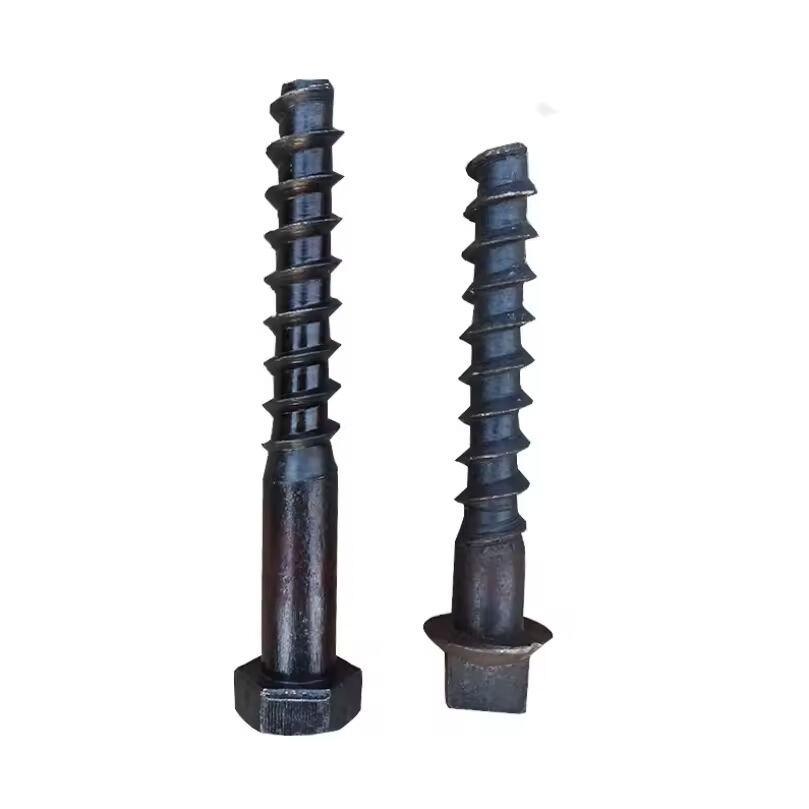
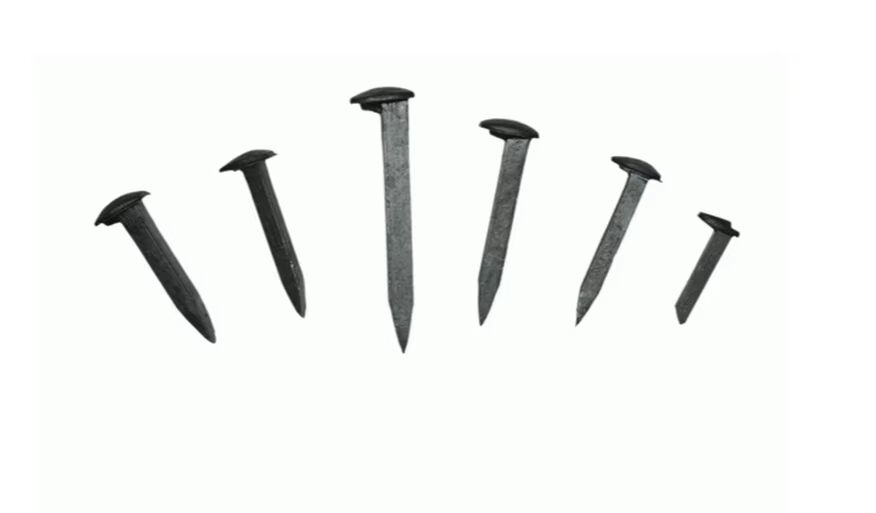
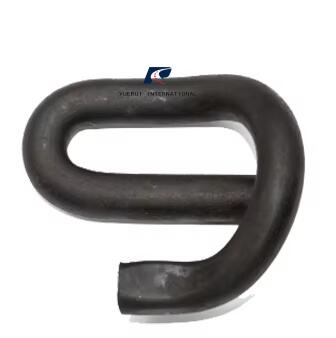
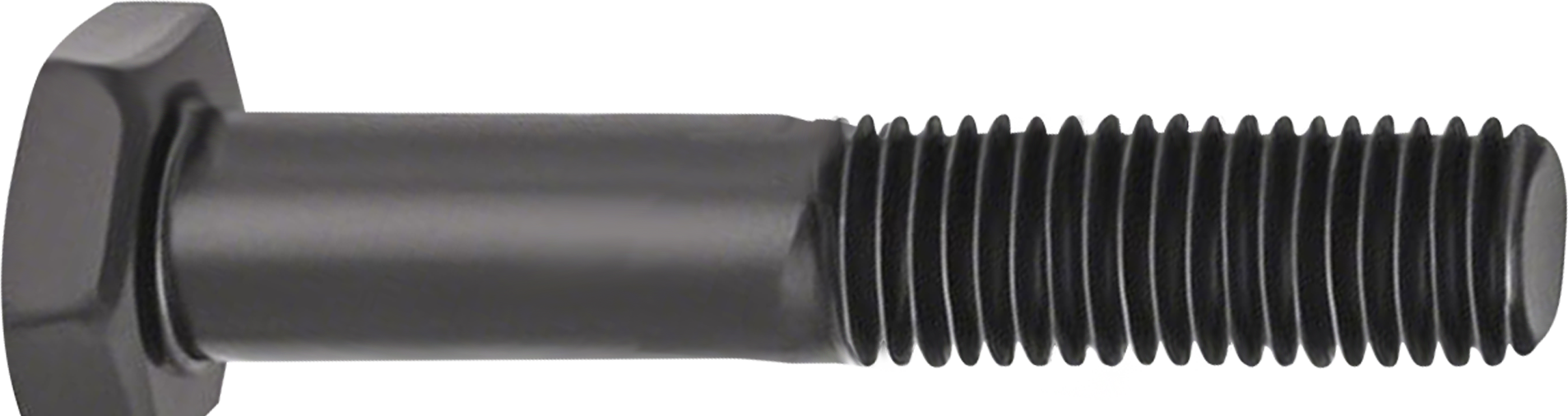
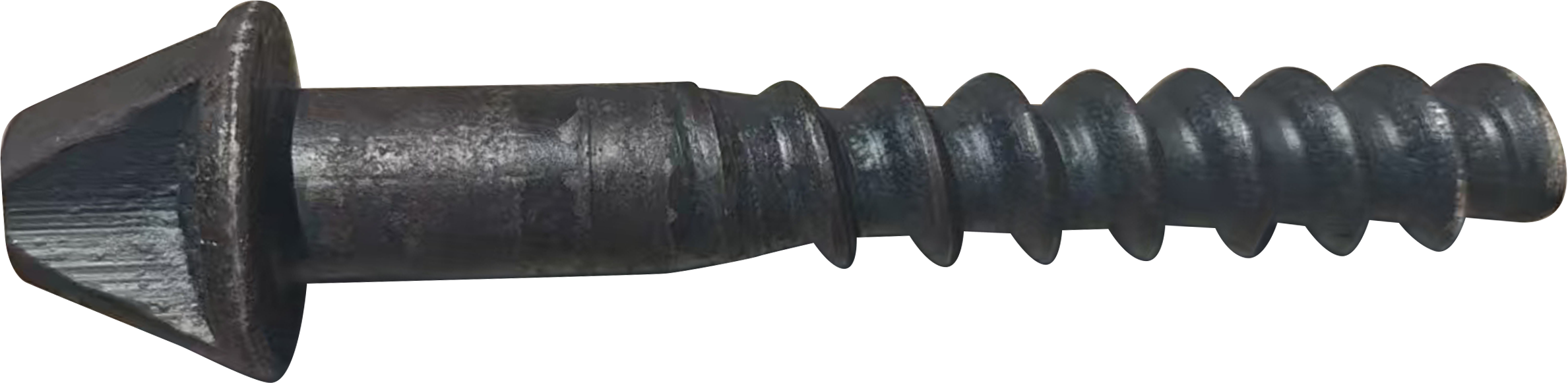
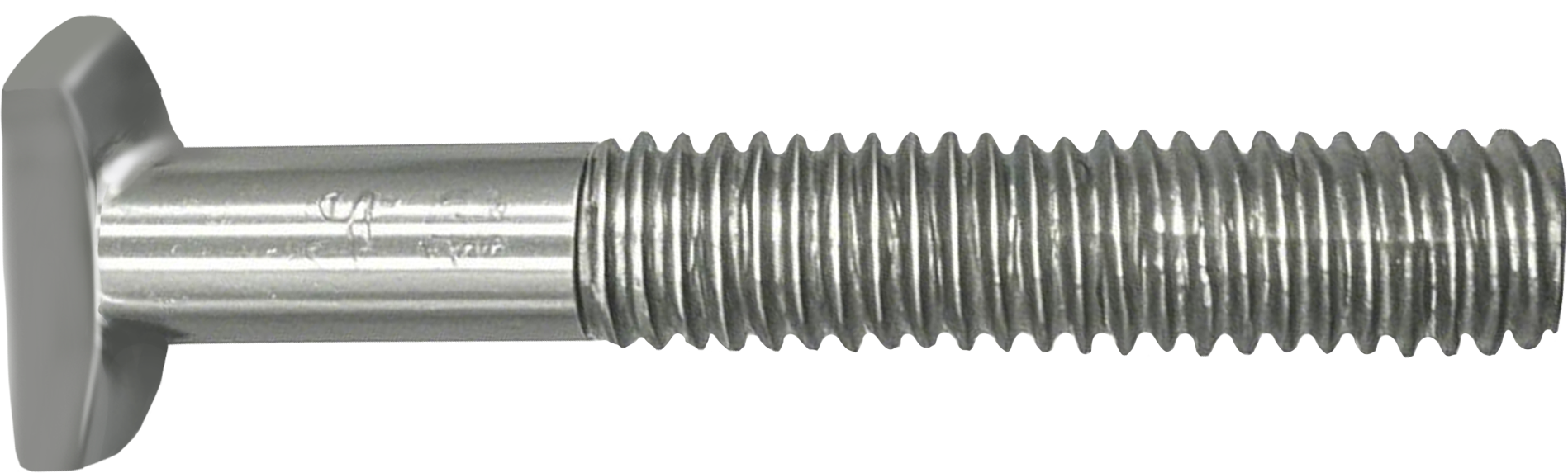
Track bolt systems incorporate state-of-the-art corrosion protection technologies that deliver exceptional environmental resistance across diverse climatic conditions and operational environments. The multi-layer coating systems begin with specialized surface preparation procedures that remove all contaminants and create optimal adhesion characteristics for subsequent protective layers. Hot-dip galvanizing processes provide the primary corrosion barrier, creating a metallurgical bond between the zinc coating and the underlying steel substrate that offers superior protection compared to conventional electroplated finishes. The zinc layer thickness specifications exceed standard requirements, ensuring extended service life even in highly corrosive environments such as coastal regions with salt spray exposure or industrial areas with chemical contamination. Additional topcoat applications utilize advanced polymer technologies that provide enhanced resistance to ultraviolet radiation, temperature extremes, and mechanical abrasion encountered during installation and service. The coating system design addresses the unique challenges of railway environments, including exposure to de-icing chemicals, fuel spills, and hydraulic fluids that can compromise inferior protection systems. Cathodic protection properties of the zinc coating continue to protect the underlying steel even if minor surface damage occurs during installation or maintenance activities, preventing the formation of corrosion cells that could propagate and compromise structural integrity. Environmental testing protocols subject coated track bolt samples to accelerated aging procedures that simulate decades of real-world exposure, validating the long-term effectiveness of the protection system under extreme conditions. The corrosion resistance properties translate directly into extended maintenance intervals and reduced lifecycle costs for railway operators, as protected track bolt systems maintain their structural properties and appearance throughout extended service periods. Regular inspection requirements are minimized due to the superior environmental resistance, allowing maintenance resources to focus on other critical infrastructure components while maintaining confidence in track bolt performance and reliability.
 EN
EN