Precision Manufacturing and Quality Assurance Excellence
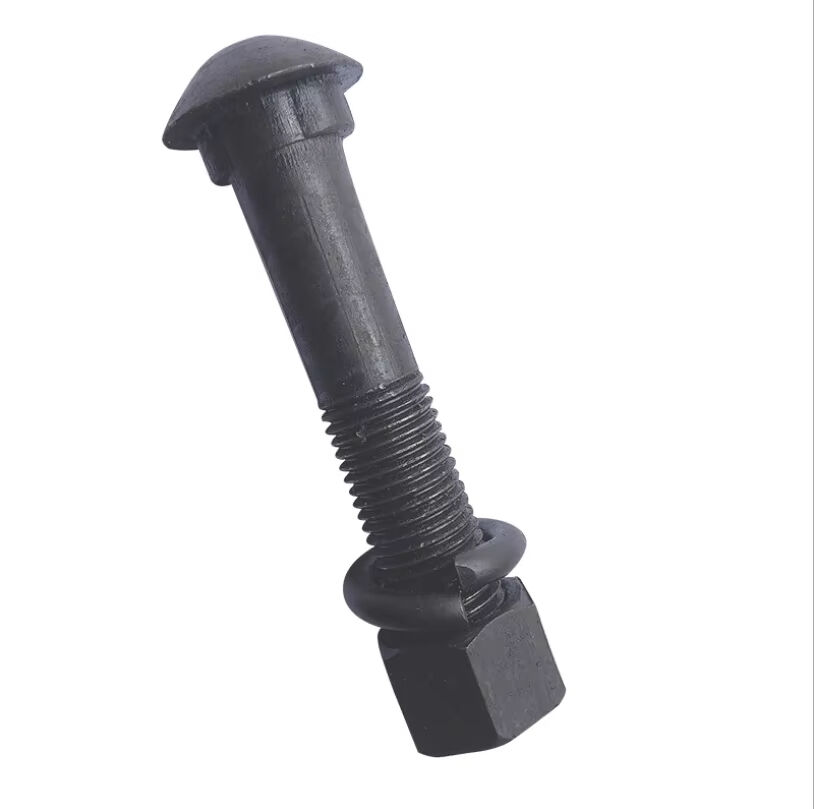
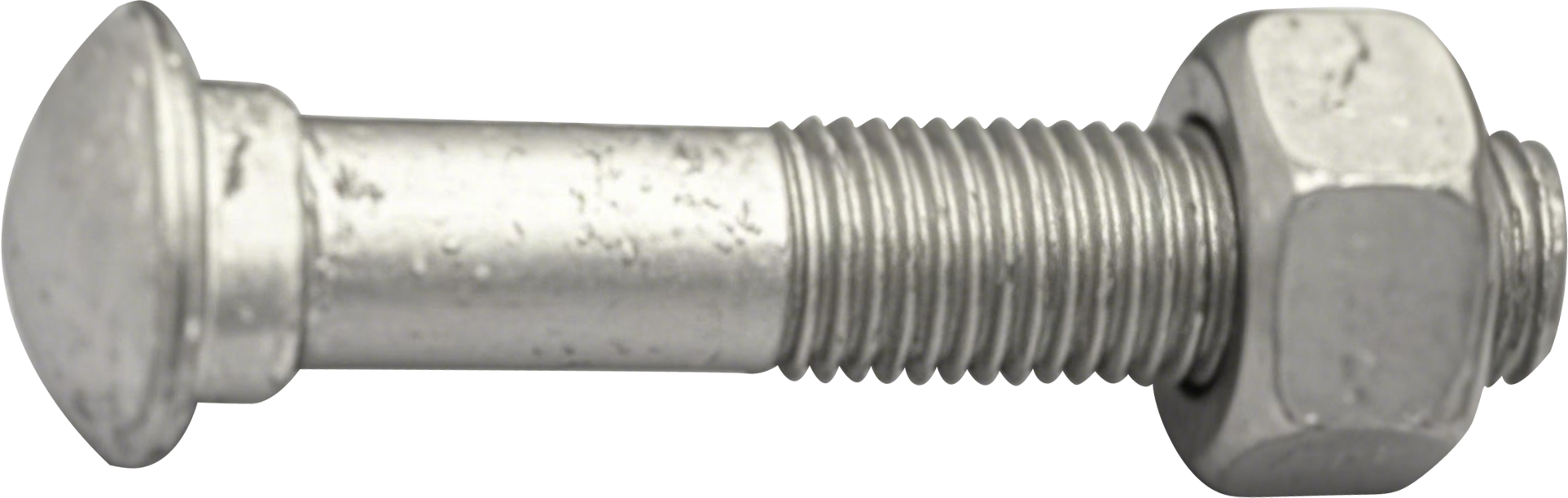
The track bolt and nut manufacturing process exemplifies precision engineering and quality control excellence that ensures consistent performance across millions of fastener units produced annually. This commitment to manufacturing precision begins with certified raw materials that undergo comprehensive chemical and mechanical property verification before entering the production process. Advanced computer-controlled machining equipment maintains dimensional tolerances measured in thousandths of inches, ensuring perfect thread engagement and optimal stress distribution in every track bolt and nut assembly. The manufacturing facility operates under ISO 9001 quality management systems with additional railway-specific certifications that demonstrate compliance with international railway standards and specifications. Each production batch undergoes rigorous testing protocols including tensile strength verification, hardness testing, dimensional inspection, and surface finish analysis to confirm that all specifications are met consistently. Statistical process control methods monitor critical manufacturing parameters in real-time, enabling immediate corrections that maintain product quality within narrow specification bands. The precision manufacturing approach extends to specialized thread rolling operations that create superior fatigue resistance compared to conventional cutting methods, enhancing the long-term reliability of track bolt and nut connections. Quality assurance protocols include random sampling and testing of finished products using calibrated equipment traceable to national measurement standards, ensuring that performance claims are substantiated by objective testing data. Documentation systems provide complete traceability from raw material suppliers through final product delivery, enabling rapid identification and resolution of any quality issues that might arise during service. The manufacturing excellence translates directly to improved field performance, with consistent installation torque requirements, predictable service life, and reduced variability in track system behavior across extensive railway networks. Advanced metallurgical analysis capabilities ensure that heat treatment processes achieve optimal material properties consistently, while surface treatment quality control prevents premature coating failure that could compromise corrosion protection effectiveness.

 EN
EN