Premium Track Clips for Railway Infrastructure - Durable Rail Fastening Solutions

All Categories

track clip

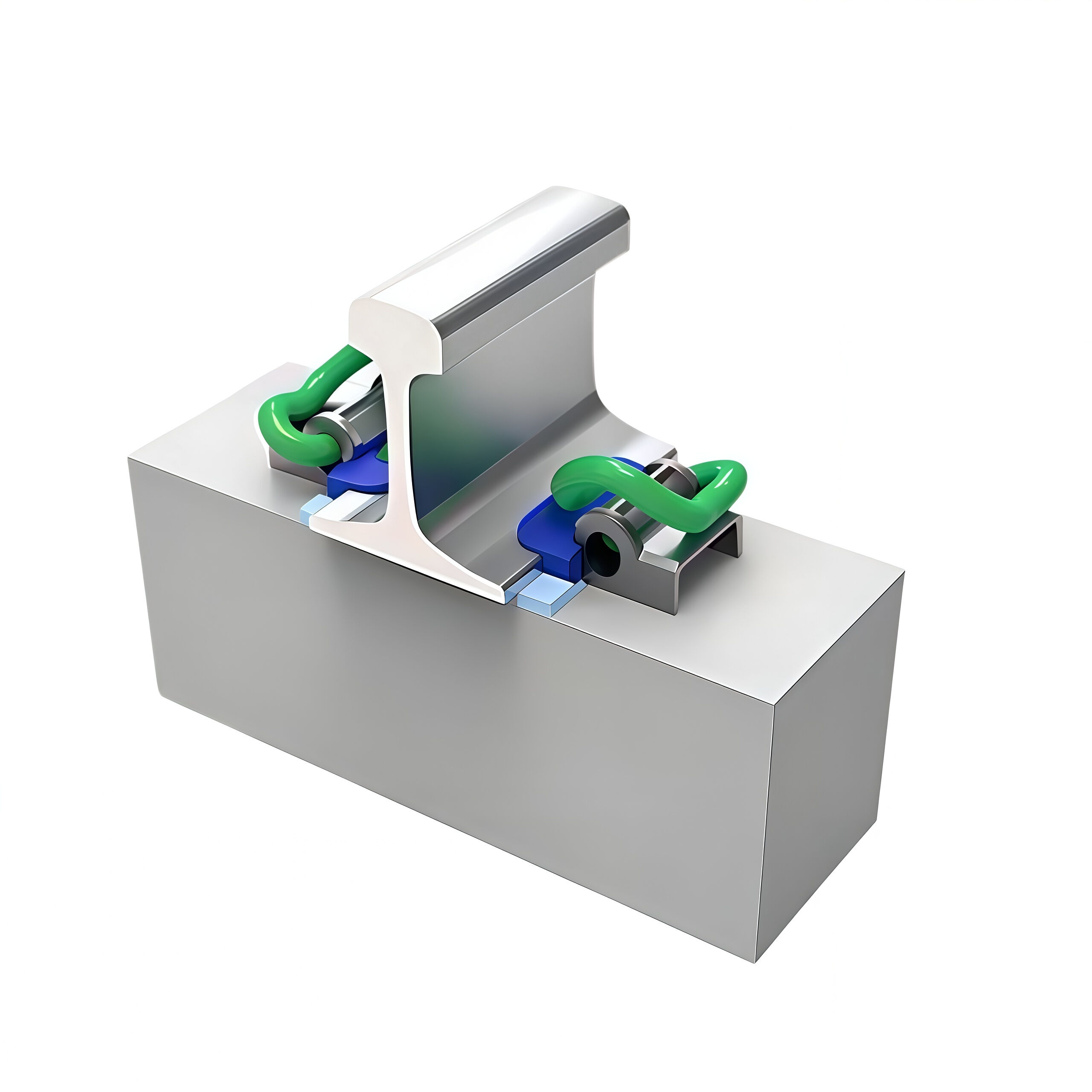
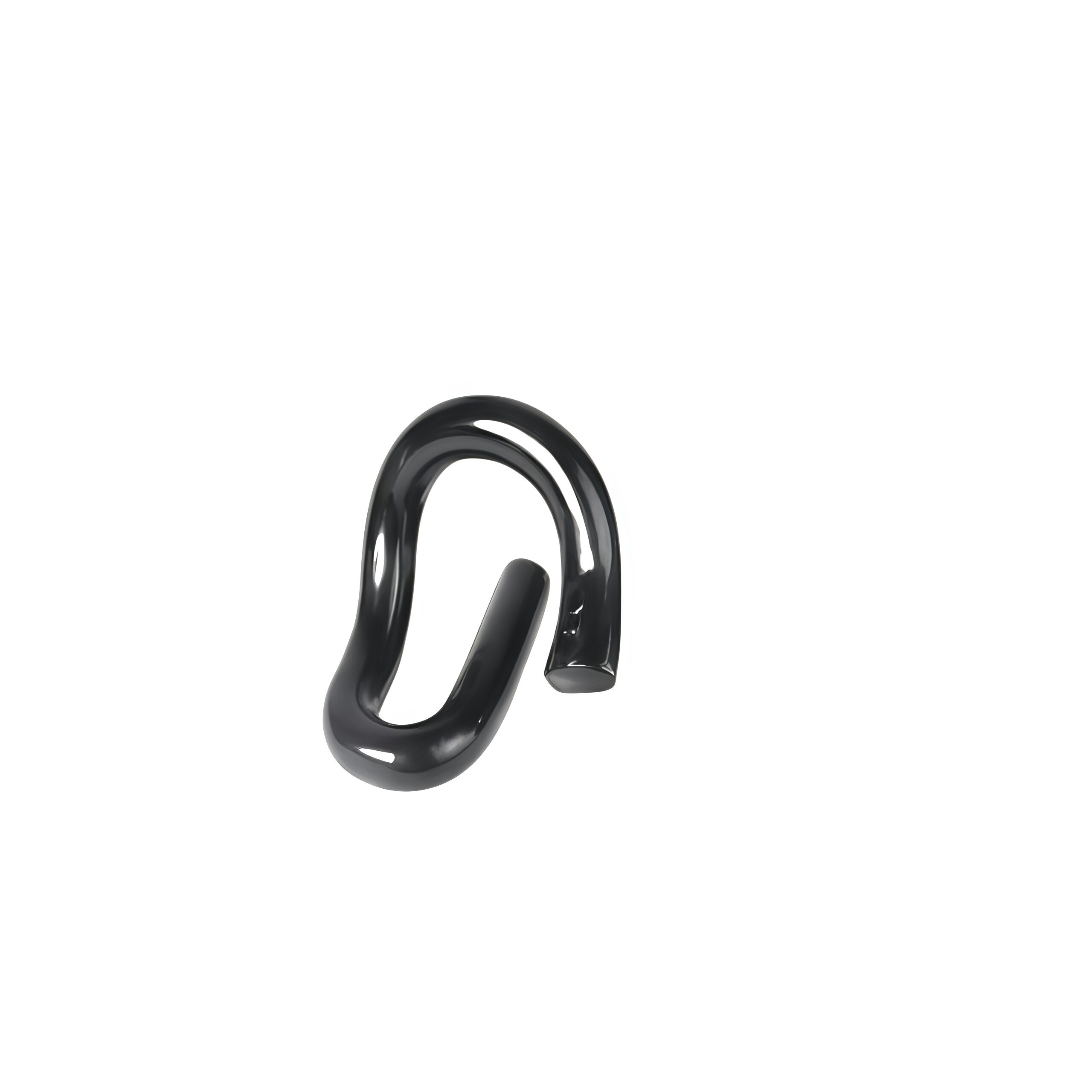
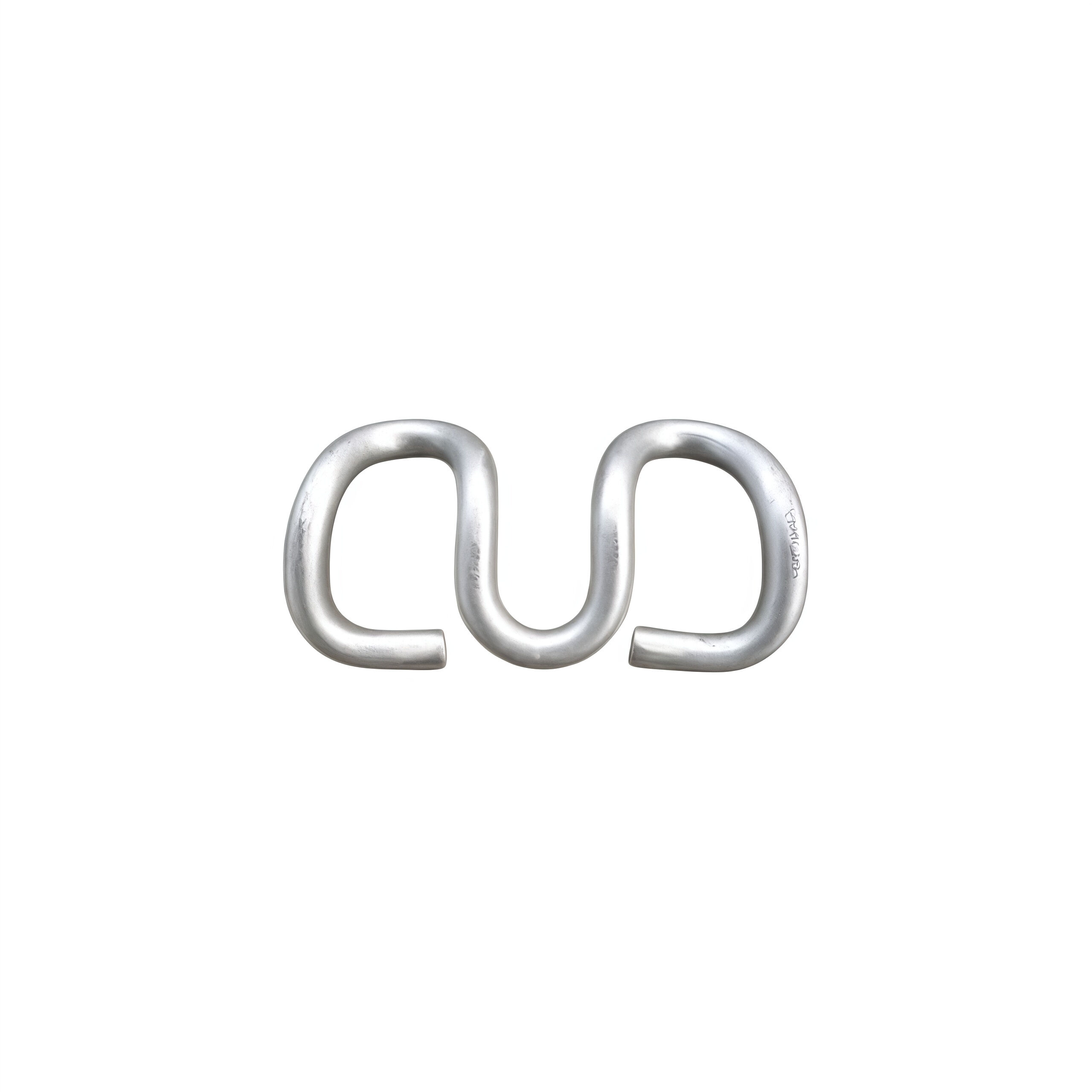
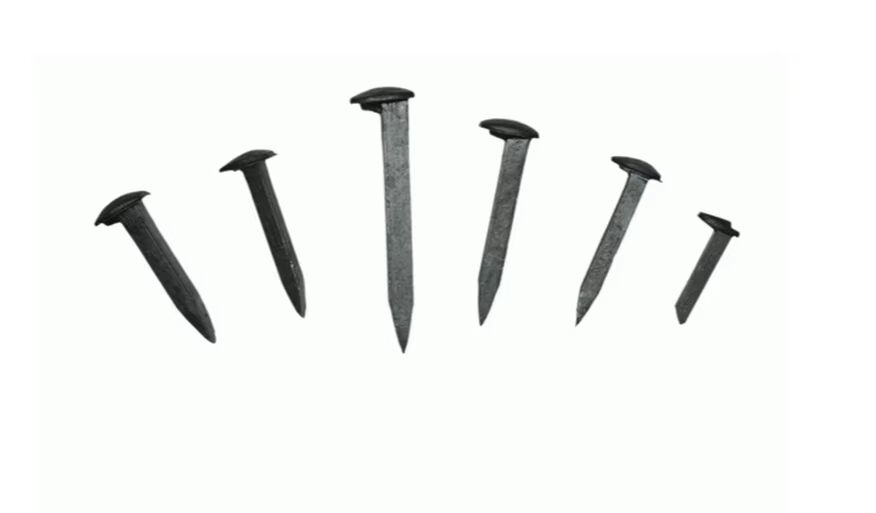
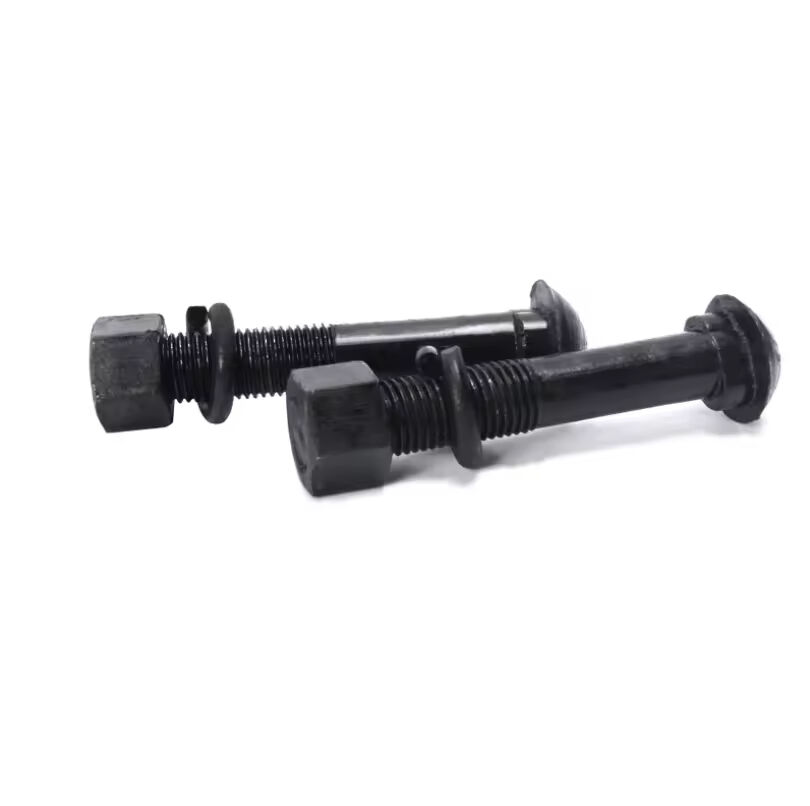
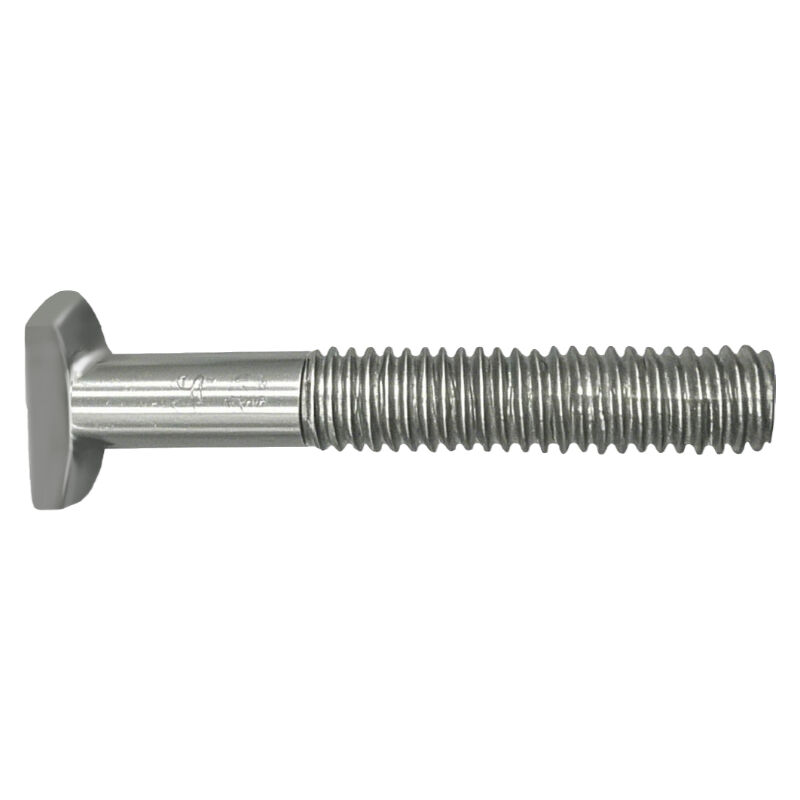
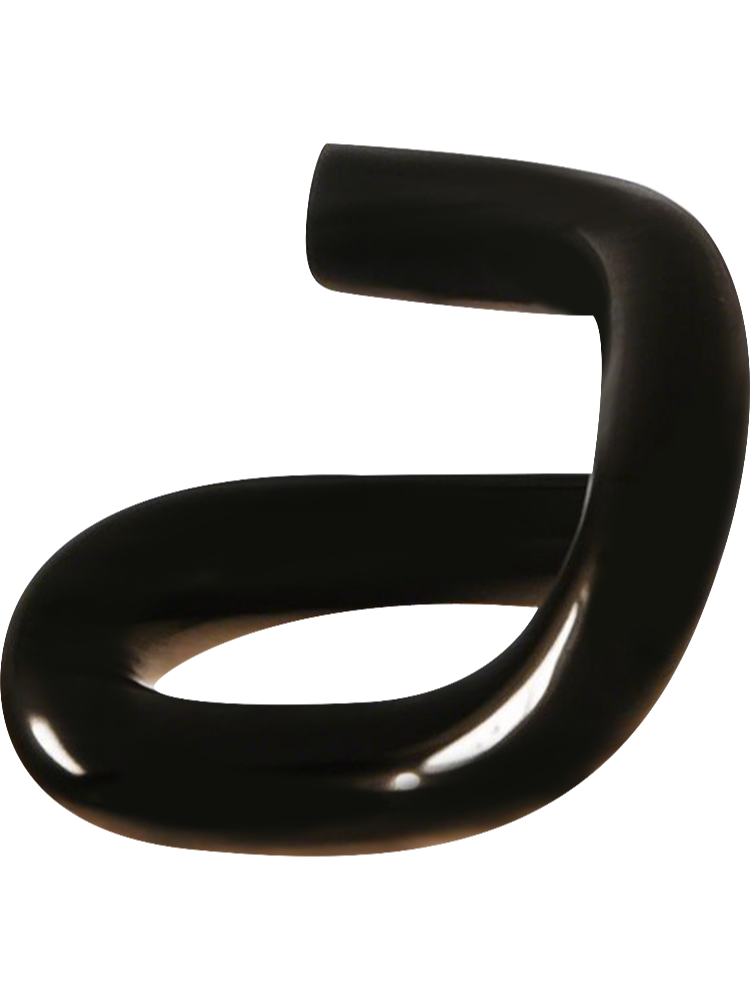
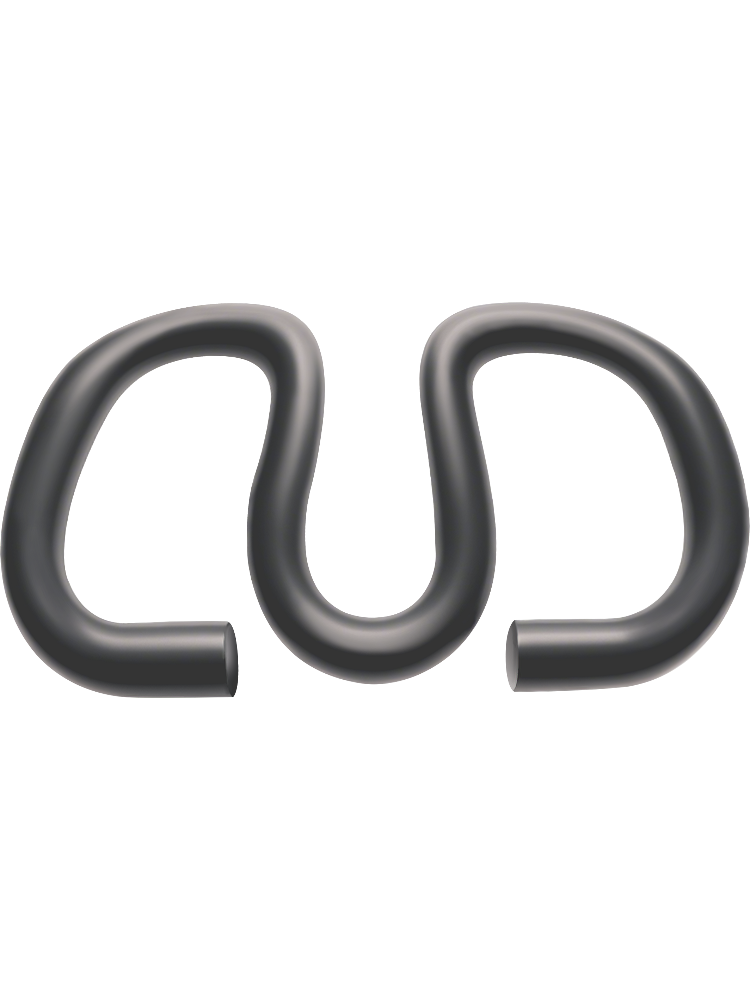
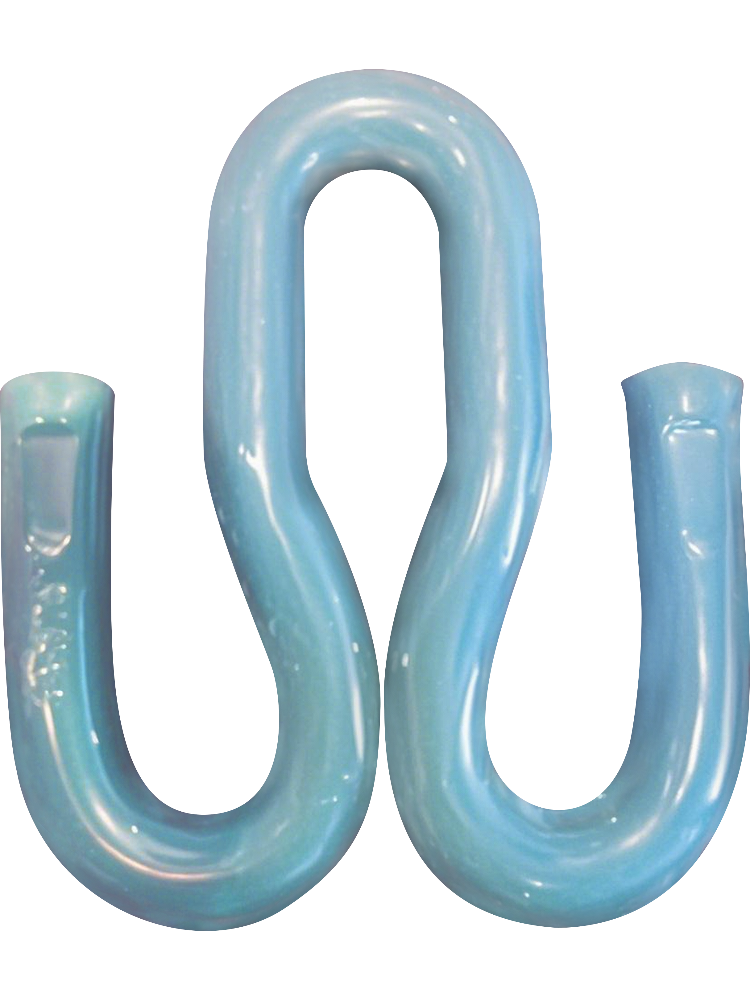
A track clip represents an essential fastening component designed to secure and maintain railroad tracks in their proper position along railway systems. This specialized hardware piece serves as a critical connection element that ensures rail stability and operational safety across various transportation networks. The track clip functions by creating a reliable mechanical bond between the rail and the underlying support structure, typically concrete sleepers or steel ties. Modern track clip designs incorporate advanced metallurgical properties and engineering precision to withstand extreme forces, temperature variations, and continuous mechanical stress from passing trains. These components are manufactured using high-grade steel alloys that provide exceptional durability and resistance to wear, corrosion, and fatigue. The track clip mechanism operates through a spring-loaded tensioning system that maintains consistent pressure against the rail foot, preventing lateral movement and vertical displacement during train operations. Contemporary track clip technology features innovative design elements including optimized geometry for enhanced gripping force, specialized coatings for extended lifespan, and modular construction for simplified installation procedures. Railway maintenance teams rely on track clips to ensure proper gauge maintenance, reduce track settlement, and minimize noise transmission. The engineering behind each track clip involves precise calculations of spring constants, material properties, and load distribution patterns to achieve optimal performance under varying operational conditions. Installation procedures for track clips require specialized tools and trained personnel to ensure proper seating and tension adjustment. Quality control measures during manufacturing include rigorous testing protocols that verify dimensional accuracy, material integrity, and performance characteristics. The track clip design incorporates safety features that prevent accidental release while allowing controlled removal during maintenance operations. Advanced manufacturing techniques enable consistent production of track clips with tight tolerances and reliable performance specifications across different railway applications and environmental conditions.

New Products

Track clips offer numerous practical benefits that make them indispensable for railway infrastructure maintenance and operations. The primary advantage lies in their ability to provide consistent rail retention force throughout varying weather conditions and operational loads. Unlike traditional fastening methods, track clips maintain their grip strength even when exposed to thermal expansion and contraction cycles that occur during seasonal temperature changes. This reliability translates directly into reduced maintenance costs and extended service intervals for railway operators. The installation process for track clips requires minimal specialized equipment, allowing maintenance crews to complete replacement tasks quickly and efficiently. This speed advantage becomes particularly valuable during scheduled maintenance windows where track downtime must be minimized to avoid service disruptions. Track clips demonstrate exceptional resistance to loosening under dynamic loading conditions, which significantly reduces the frequency of retightening operations compared to conventional bolt-based systems. The spring mechanism within each track clip automatically compensates for minor settlement or wear, maintaining proper rail positioning without manual adjustment. This self-compensating feature eliminates the need for frequent inspections and adjustments that traditional fasteners require. Railway operators benefit from improved safety margins because track clips provide consistent performance even when individual components experience wear or damage. The modular design of track clips enables selective replacement of worn components without disturbing adjacent fasteners or requiring extensive track work. Cost savings emerge from reduced labor requirements, decreased material waste, and extended replacement cycles compared to alternative fastening solutions. Track clips contribute to smoother train operations by maintaining precise rail alignment and reducing track irregularities that cause wheel wear and passenger discomfort. The corrosion resistance properties of modern track clips extend their service life significantly, particularly in coastal or industrial environments where traditional fasteners deteriorate rapidly. Environmental benefits include reduced noise transmission and vibration dampening, which improves community relations around railway corridors. The standardized design of track clips simplifies inventory management and reduces the variety of spare parts required for maintenance operations.

Tips And Tricks

How Railroad Dog Spikes Improve Track Stability and Safety

24

Nov

How Railroad Dog Spikes Improve Track Stability and Safety

Railway infrastructure forms the backbone of modern transportation systems, where every component plays a critical role in maintaining operational safety and efficiency. Among these essential components, railroad dog spikes represent one of the most ...
View More
How to Prevent Corrosion and Damage in Rail Spikes Over Time

24

Nov

How to Prevent Corrosion and Damage in Rail Spikes Over Time

Railway infrastructure forms the backbone of modern transportation systems, carrying millions of tons of cargo and passengers across vast distances daily. Among the critical components that ensure track stability and safety, rail spikes play an indis...
View More
How Can Fishplates Improve Safety and Reliability in Rail Systems?

05

Jan

How Can Fishplates Improve Safety and Reliability in Rail Systems?

Railway infrastructure forms the backbone of modern transportation systems, connecting cities, facilitating commerce, and enabling efficient movement of people and goods across vast distances. Within this complex network of steel rails, numerous comp...
View More
What types of track pins are used in modular railway components?

20

Apr

What types of track pins are used in modular railway components?

Modular railway systems rely on precise mechanical connections to ensure safe and efficient train operations, with track pins serving as fundamental fastening components that secure rails to various supporting structures. These specialized pins come ...
View More

Get a Free Quote

Our representative will contact you soon.
Email
Name
Company Name
Message
0/1000

track clip

Superior Durability and Longevity Performance

Superior Durability and Longevity Performance

The exceptional durability characteristics of track clips stem from advanced materials engineering and precision manufacturing processes that ensure long-term reliability under harsh operational conditions. Each track clip undergoes specialized heat treatment procedures that optimize the steel microstructure for maximum fatigue resistance and spring properties. The manufacturing process incorporates quality control measures including non-destructive testing methods that verify internal integrity and eliminate potential failure points before installation. These components resist corrosion through advanced coating technologies that provide barrier protection against moisture, chemicals, and atmospheric contaminants commonly encountered in railway environments. The spring steel composition maintains its elastic properties across wide temperature ranges, ensuring consistent clamping force whether operating in arctic conditions or tropical climates. Fatigue testing protocols simulate millions of loading cycles that replicate decades of operational stress, confirming that track clips will maintain their performance throughout their intended service life. The robust construction withstands impact loads from derailments or maintenance equipment without compromising the integrity of adjacent fasteners or track structure. Field experience demonstrates that properly installed track clips can operate for decades without replacement, significantly reducing lifecycle costs compared to alternative fastening systems. The material selection process prioritizes steels with proven performance in railway applications, incorporating alloying elements that enhance strength, toughness, and environmental resistance. Manufacturing tolerances ensure consistent spring characteristics across production batches, eliminating performance variations that could affect track stability. The design incorporates stress relief features that prevent crack initiation and propagation under repeated loading conditions. Quality assurance procedures include dimensional verification, hardness testing, and performance validation to guarantee that each track clip meets stringent railway industry standards for safety and reliability.
Rapid Installation and Maintenance Efficiency

Rapid Installation and Maintenance Efficiency

The streamlined installation process for track clips represents a significant advancement in railway maintenance efficiency, enabling crews to complete fastener replacement tasks with minimal equipment and reduced labor requirements. The innovative design eliminates the need for specialized installation tools beyond standard railway maintenance equipment, allowing maintenance teams to work more efficiently during limited track access windows. Installation procedures follow a simplified sequence that reduces the potential for human error while ensuring proper seating and tensioning of each component. The track clip mechanism incorporates visual indicators that confirm correct installation, providing immediate feedback to maintenance personnel and reducing the need for secondary verification procedures. Pre-assembly capabilities allow maintenance crews to prepare track clips off-site, further reducing on-track installation time and improving work zone safety. The modular construction enables selective replacement of individual components without disturbing adjacent fasteners, minimizing disruption to surrounding track infrastructure. Maintenance teams benefit from standardized installation procedures that apply across different track configurations and operational environments. The design accommodates various rail profiles and sleeper types without requiring specialized adaptations or custom components. Quick-release features facilitate rapid removal during emergency repairs or urgent maintenance situations where time-critical access is essential. Training requirements for maintenance personnel are minimized due to the intuitive installation process and standardized procedures. The track clip system reduces the inventory complexity by consolidating multiple fastener types into a single standardized component family. Field testing demonstrates significant reductions in installation time compared to traditional fastening methods, translating directly into cost savings and improved maintenance productivity. Documentation and quality control procedures are simplified through the standardized approach, reducing administrative overhead and improving maintenance record accuracy.
Enhanced Track Stability and Safety Performance

Enhanced Track Stability and Safety Performance

Track clips provide superior rail stability through advanced engineering principles that optimize load distribution and maintain precise track geometry under varying operational conditions. The clamping mechanism generates consistent downward and lateral forces that prevent rail movement during train passage while accommodating thermal expansion and contraction cycles. This stability enhancement directly contributes to improved ride quality, reduced wheel wear, and extended rail life by maintaining proper gauge and alignment throughout the track structure. The design incorporates safety features that prevent catastrophic failure modes, ensuring that even if individual components experience wear or damage, the overall track stability remains intact. Dynamic testing validates the performance of track clips under simulated operational loads, confirming their ability to maintain rail position during heavy freight operations and high-speed passenger service. The spring characteristics are optimized to provide adequate retention force while allowing controlled movement that accommodates track settlement and thermal effects. Safety margins built into the design exceed industry standards, providing additional protection against unexpected loading conditions or maintenance oversights. The track clip system contributes to derailment prevention by maintaining consistent track geometry and eliminating potential hazards associated with loose or displaced rails. Vibration dampening properties reduce the transmission of dynamic loads to the underlying track structure, extending the service life of sleepers and ballast materials. The reliable performance of track clips reduces the frequency of track-related service disruptions and emergency repairs that could compromise operational safety. Regular inspection procedures are simplified because track clips provide visual indicators of proper function and potential maintenance requirements. The standardized performance characteristics enable predictive maintenance scheduling based on established wear patterns and service life data. Safety certification processes validate the track clip design against international railway standards, ensuring compliance with regulatory requirements for critical infrastructure components.

Get a Free Quote

Our representative will contact you soon.
Email
Name
Company Name
Message
0/1000