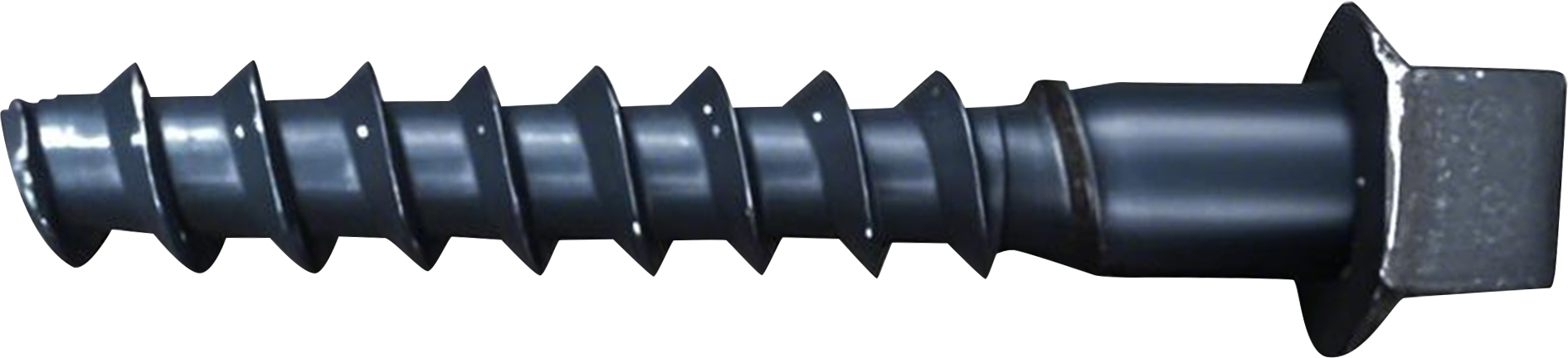
track pin
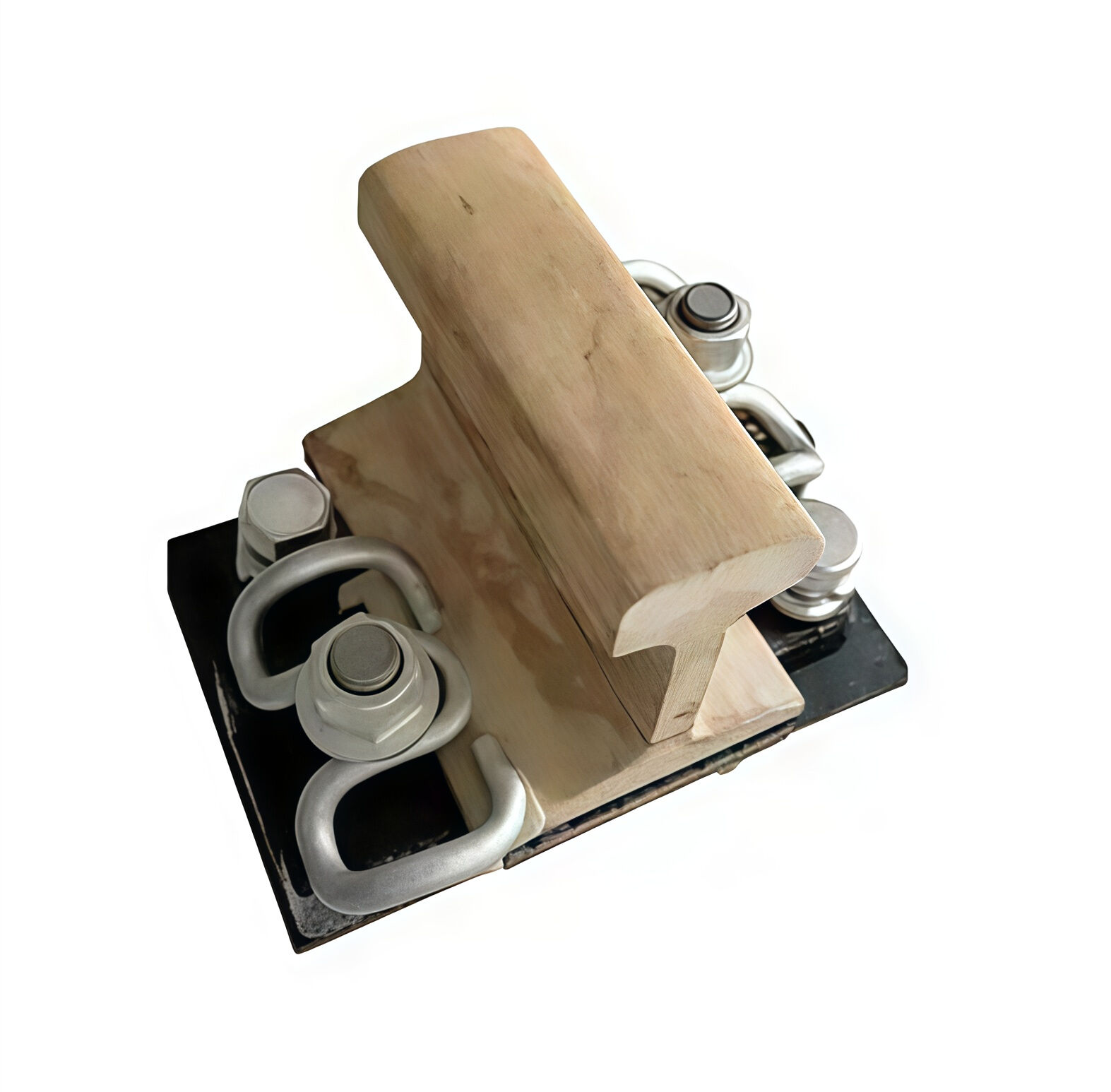
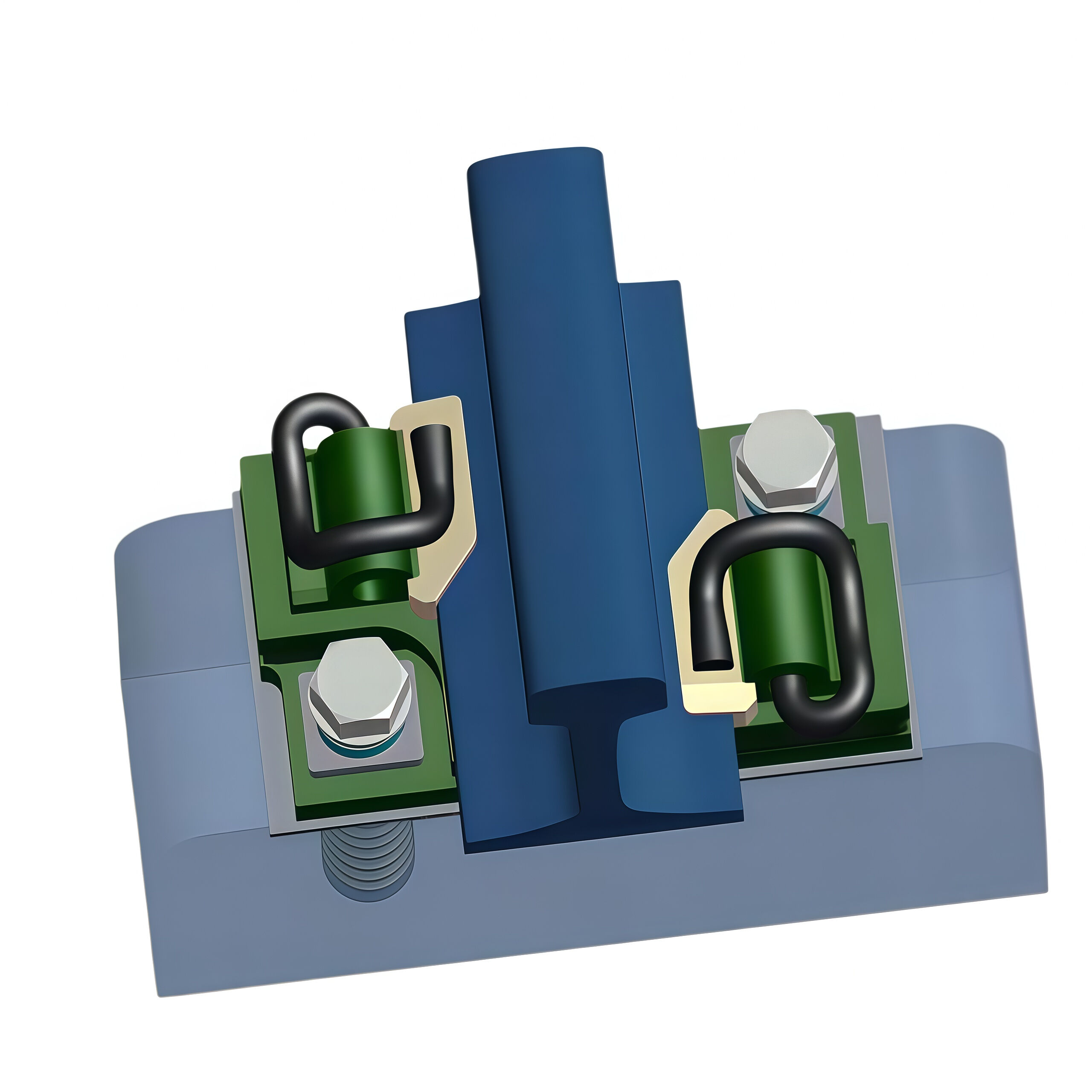
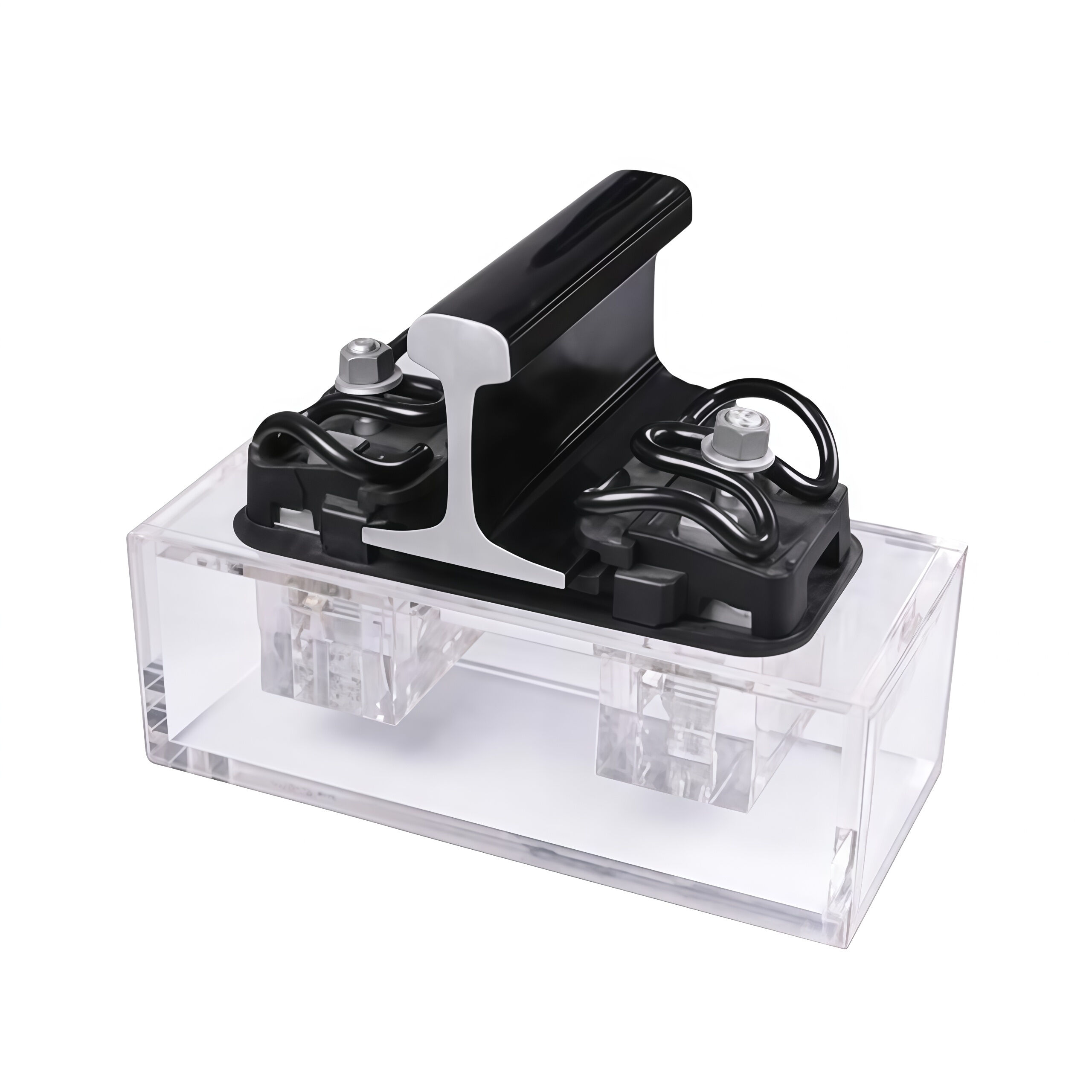
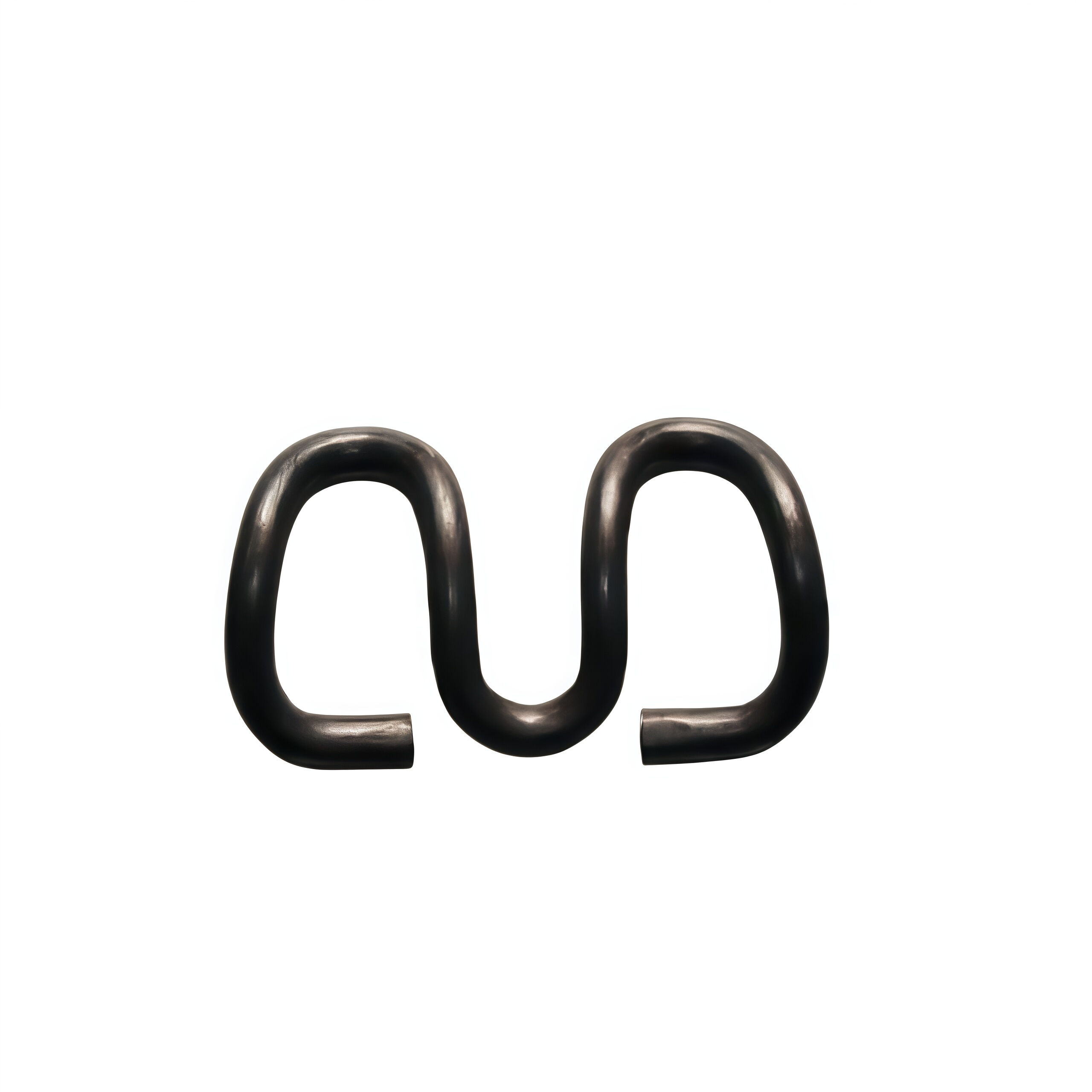
The track pin serves as a fundamental component in heavy machinery and excavation equipment, functioning as the primary connection element between track chains and track shoes in tracked vehicles. This essential hardware piece ensures seamless power transmission from the drive sprocket to the track assembly, enabling smooth movement across various terrains. The track pin operates within the undercarriage system, where it must withstand tremendous forces, friction, and environmental challenges while maintaining structural integrity. Modern track pin designs incorporate advanced metallurgical processes and precision engineering to deliver exceptional performance in demanding applications. The component typically features a cylindrical shaft constructed from high-grade steel alloys, specifically treated to resist wear, corrosion, and fatigue failure. Surface treatments such as heat treatment, induction hardening, and specialized coatings enhance the track pin's durability and extend its operational lifespan. The manufacturing process involves precise dimensional control to ensure proper fit within track chain assemblies, preventing premature wear and maintaining optimal track tension. Track pin applications span multiple industries, including construction, mining, forestry, and agricultural sectors, where heavy equipment operates in challenging conditions. In excavators, bulldozers, and crawler cranes, the track pin enables reliable ground contact and traction, essential for productivity and safety. The component's design must accommodate dynamic loads, impact forces, and continuous flexing as the track rotates around drive and idler wheels. Quality track pins undergo rigorous testing protocols to verify their mechanical properties, dimensional accuracy, and performance characteristics under simulated operating conditions. The selection of appropriate track pin specifications depends on machine weight, operating environment, and expected service intervals, making proper component matching crucial for optimal equipment performance and cost-effectiveness.

 EN
EN