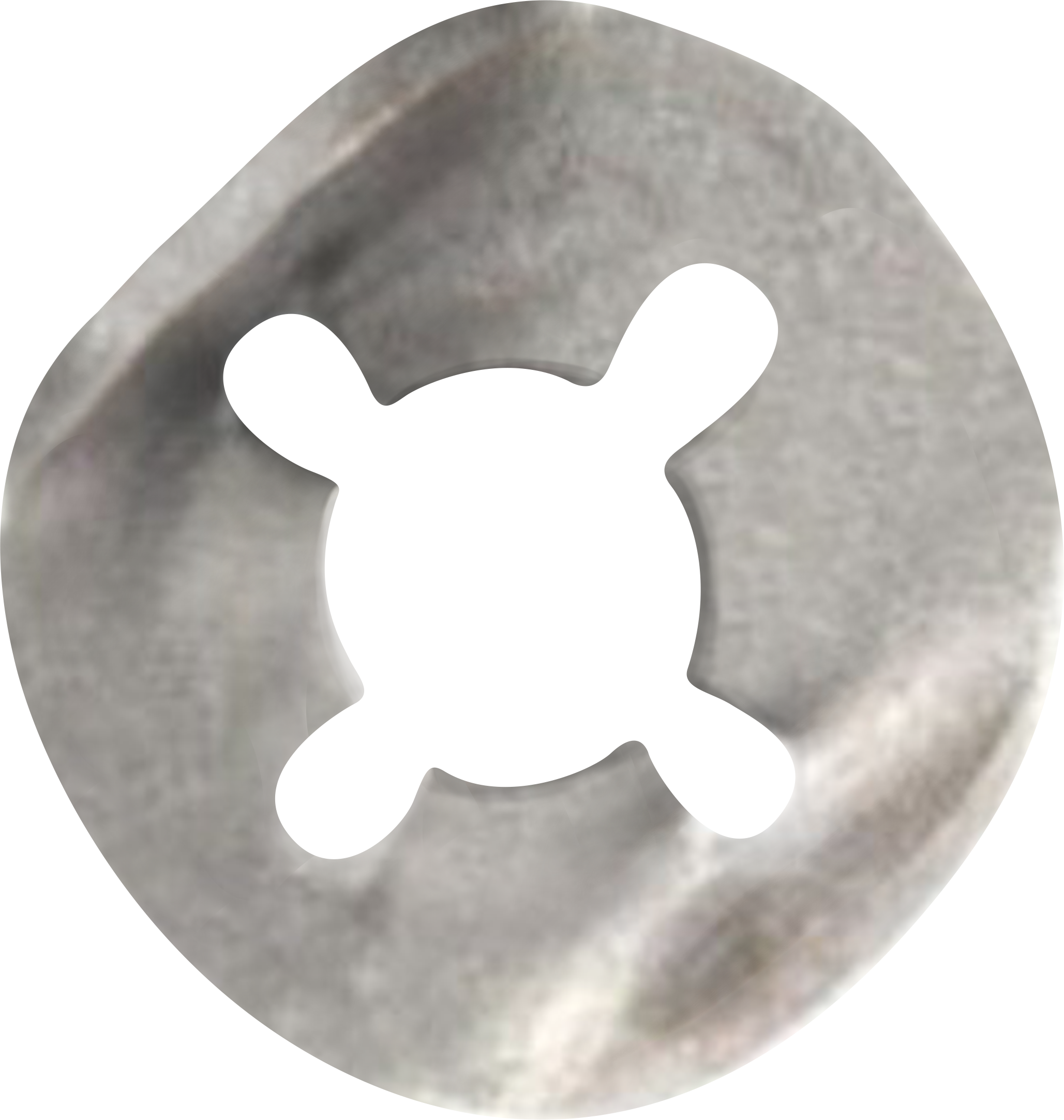
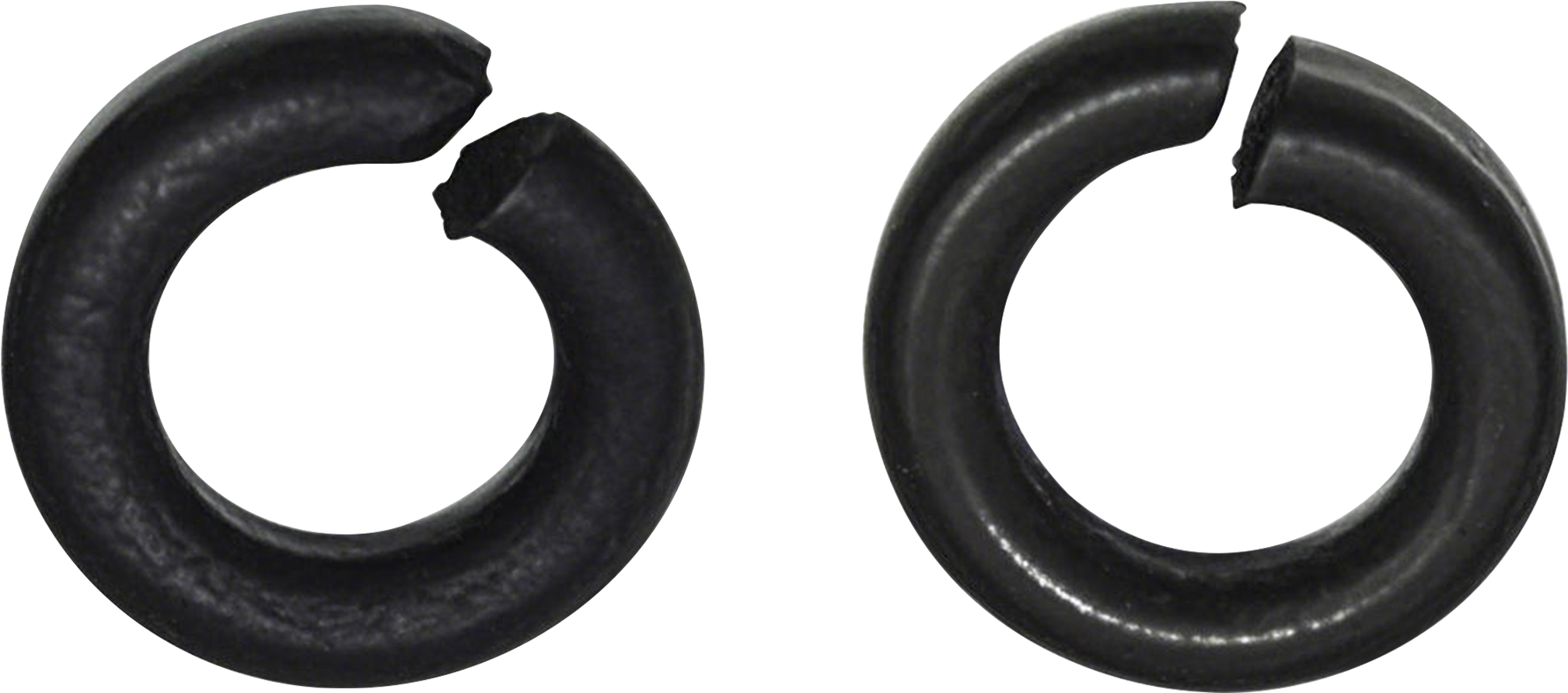
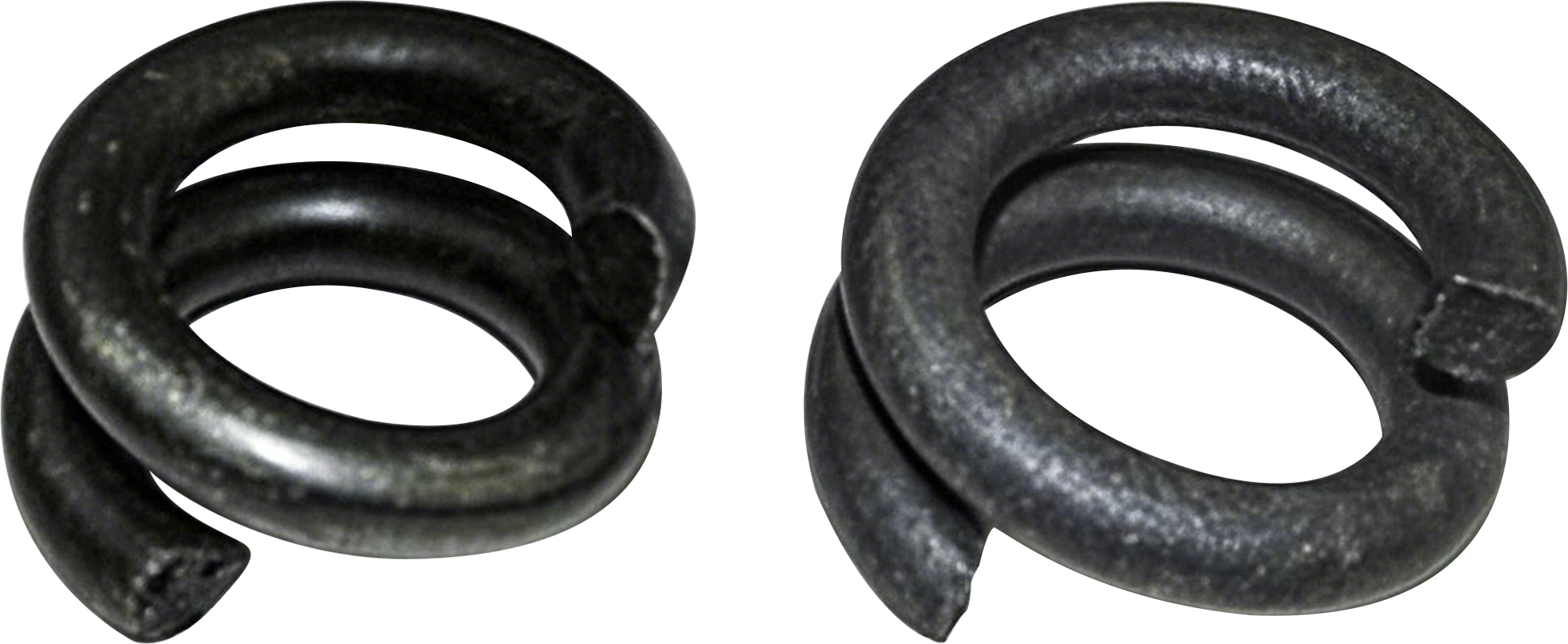
railway track parts
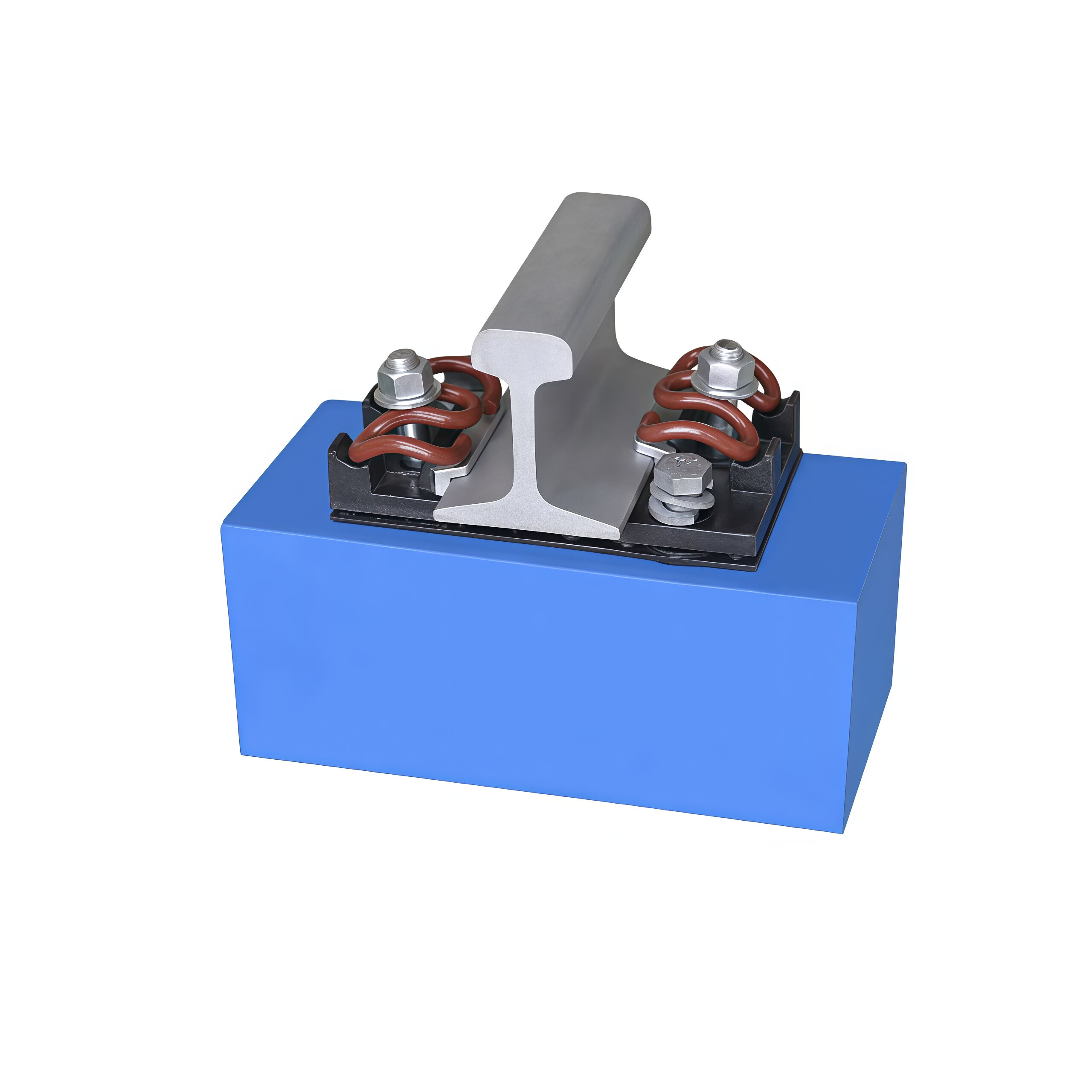
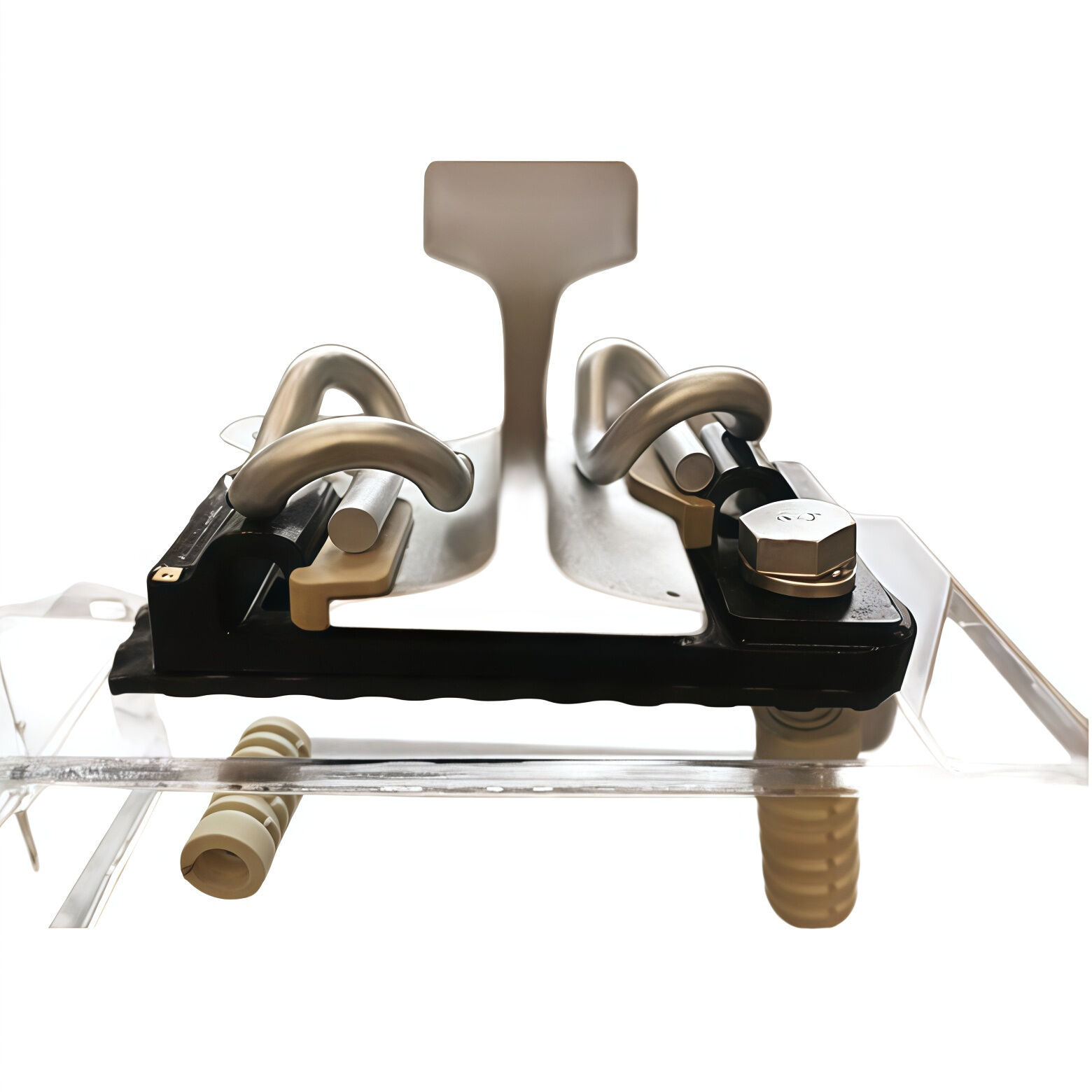
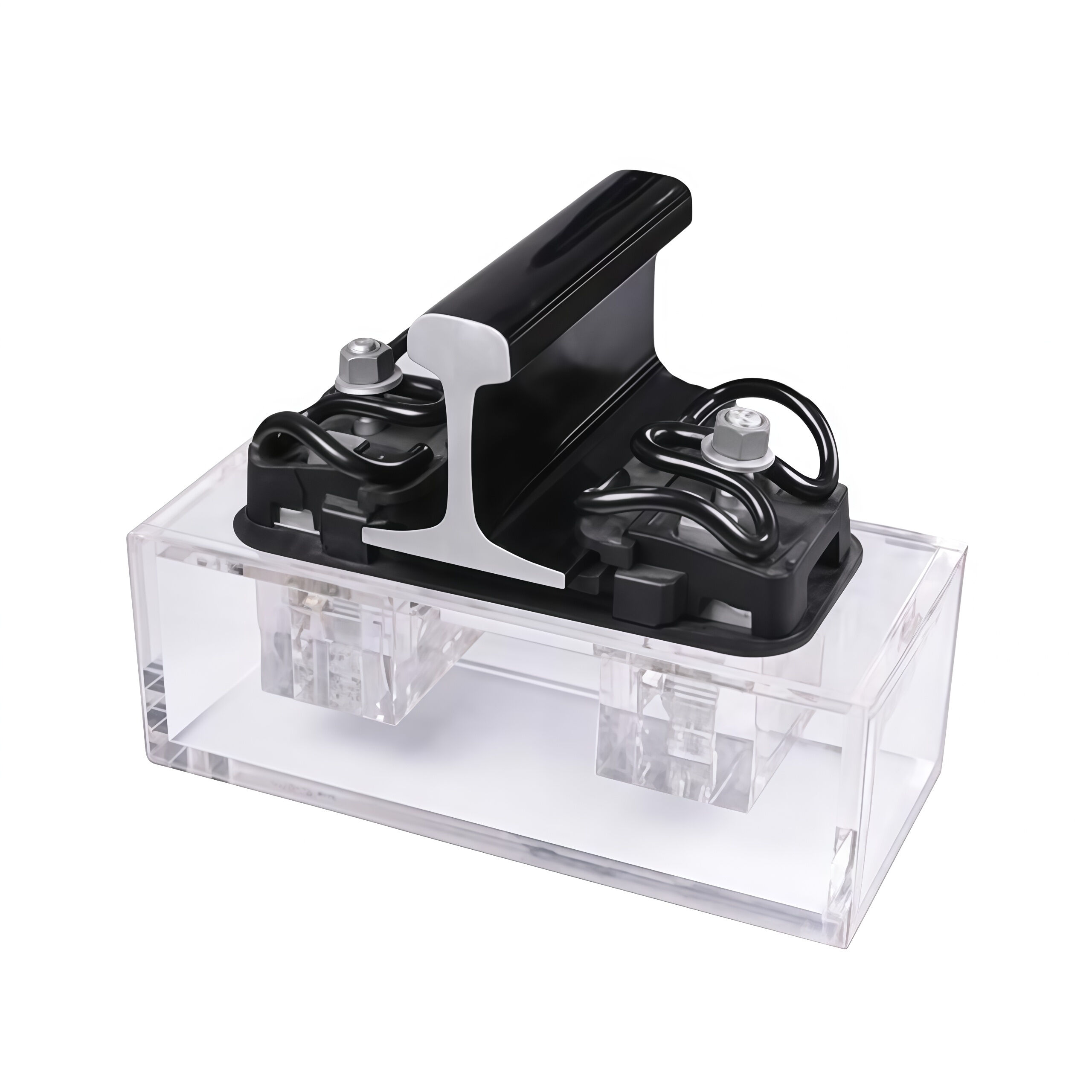
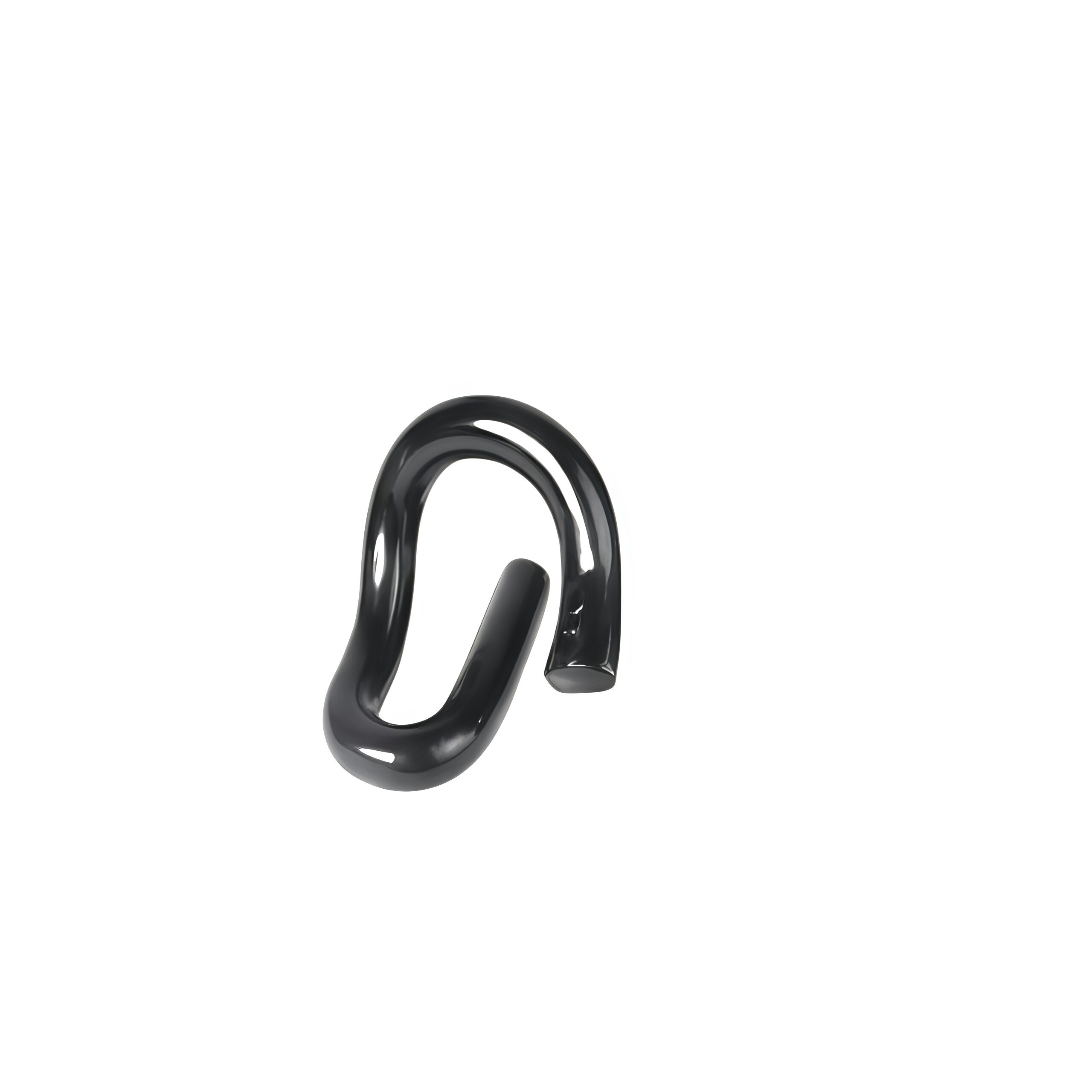
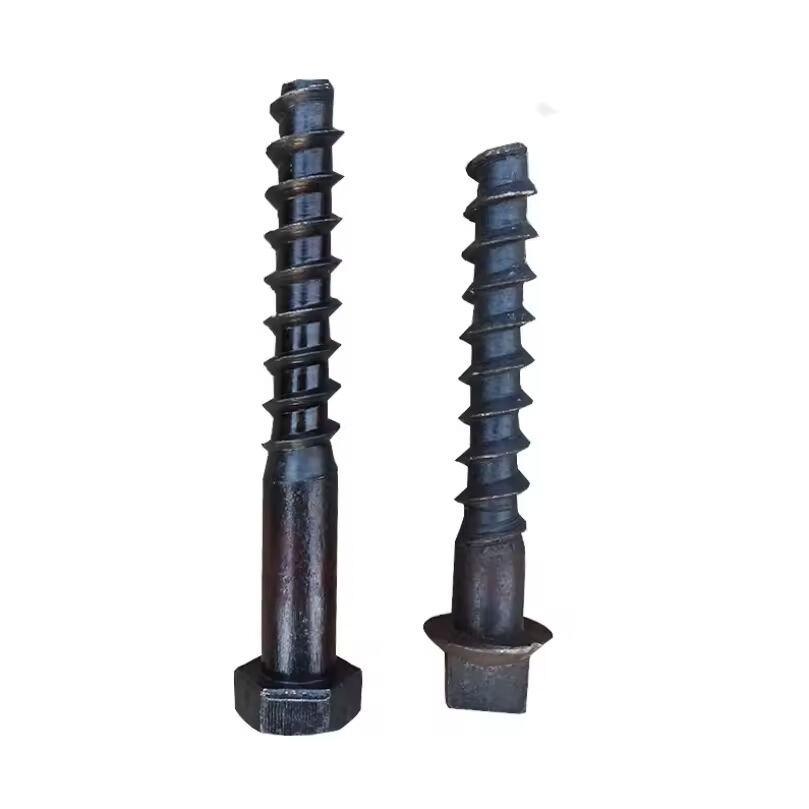
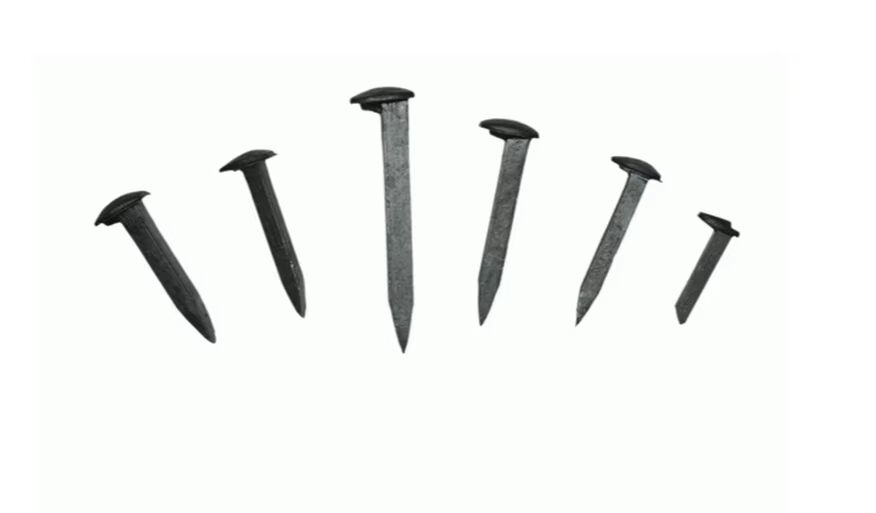
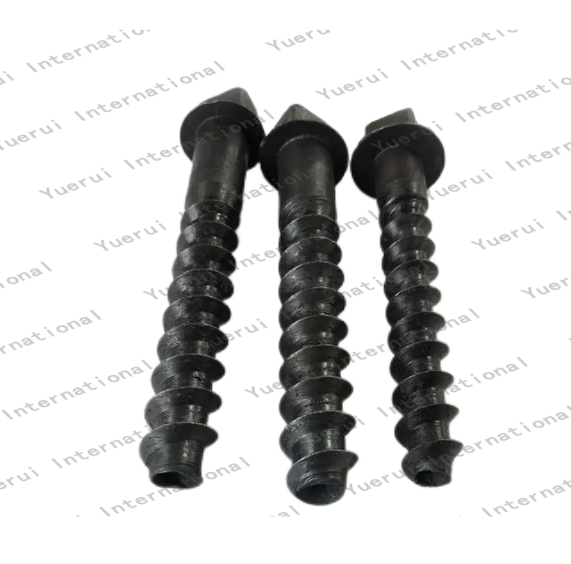
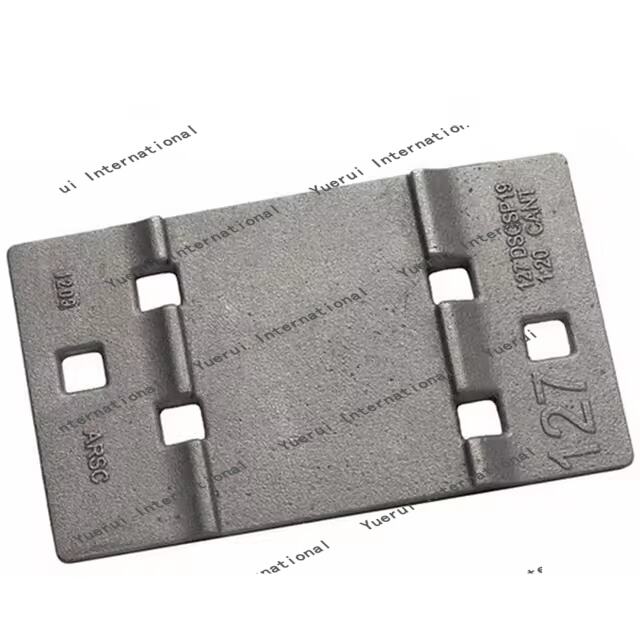
Railway track parts form the fundamental infrastructure of modern rail transportation systems, serving as critical components that ensure safe, efficient, and reliable train operations. These essential elements work together to create a stable platform that guides trains while distributing their enormous weight across the underlying foundation. The primary railway track parts include rails, sleepers (ties), fasteners, ballast, and various connecting hardware that collectively maintain track geometry and structural integrity. Rails themselves are precision-engineered steel beams designed to withstand tremendous loads while providing smooth surfaces for wheel contact. Modern railway track parts incorporate advanced metallurgy and manufacturing techniques to enhance durability and performance. Sleepers, whether made from concrete, steel, or treated timber, provide crucial support by transferring loads from rails to the ballast bed below. Fastening systems secure rails to sleepers using clips, bolts, and elastic pads that accommodate thermal expansion while maintaining proper gauge width. The ballast layer, typically consisting of crushed stone, provides drainage and load distribution while allowing for track maintenance and adjustment. Additional railway track parts include rail joints, expansion devices, and specialized components for curves, switches, and crossings. These components must meet stringent international standards for strength, dimensional accuracy, and material composition. Modern railway track parts integrate sophisticated engineering principles to handle high-speed operations, heavy freight loads, and varying environmental conditions. Quality control measures ensure each component meets precise specifications for safety and longevity. The technological evolution of railway track parts continues to advance with innovations in materials science, manufacturing processes, and design optimization. Today's railway track parts offer enhanced resistance to wear, corrosion, and fatigue while reducing maintenance requirements and extending service life. Understanding the intricate relationships between different railway track parts is essential for proper system design, installation, and maintenance practices.
 EN
EN