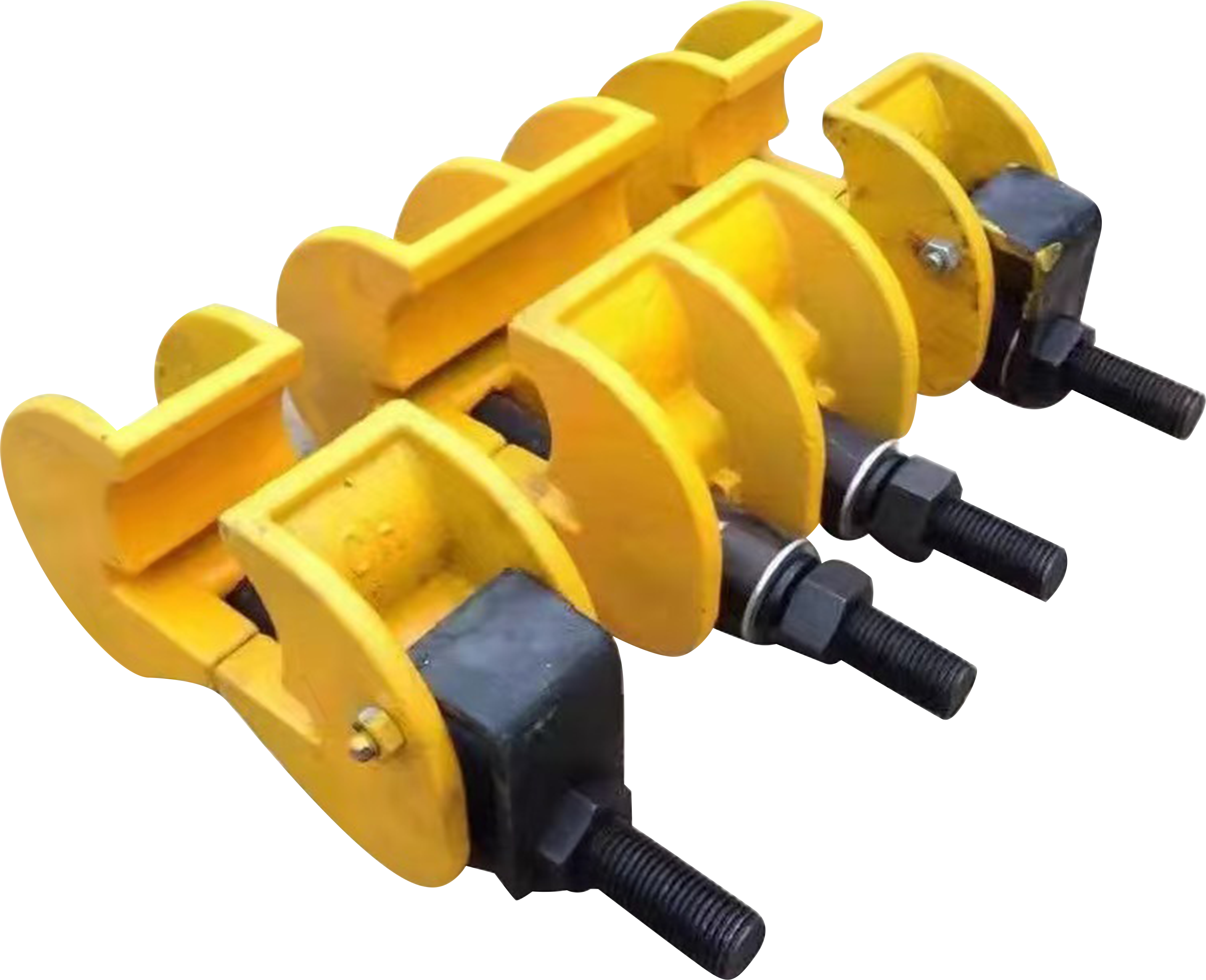
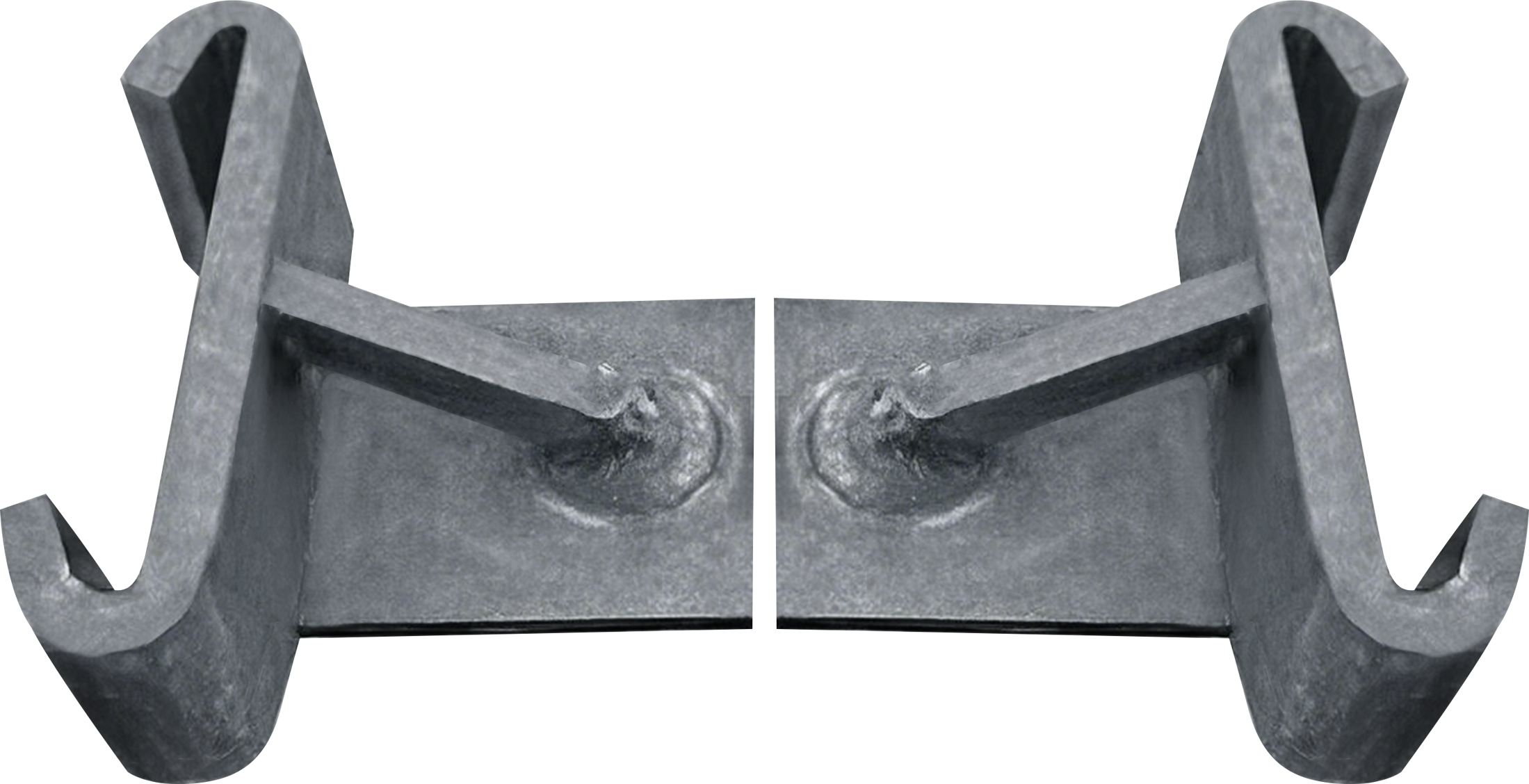
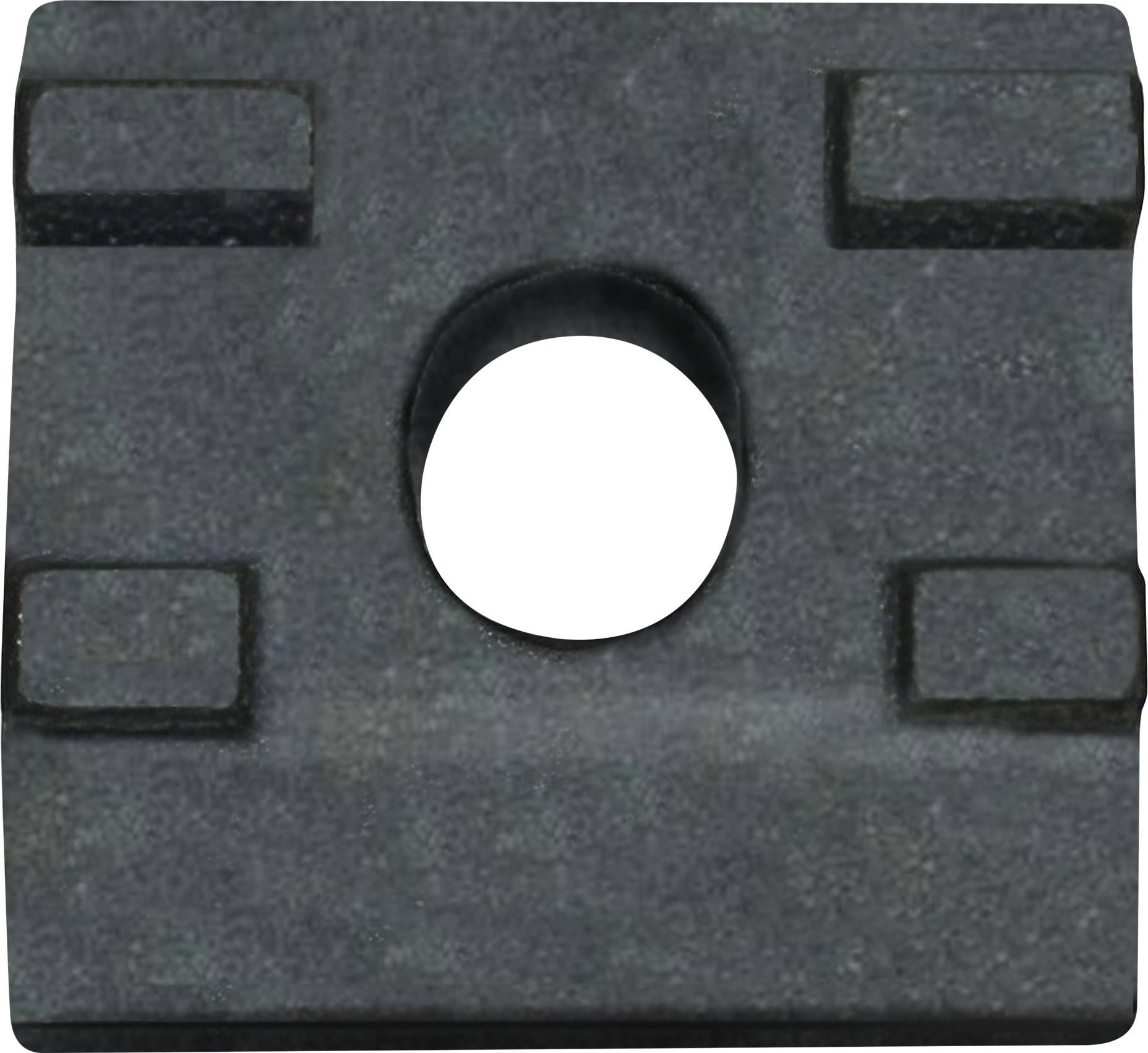
Track Support Systems - Advanced Industrial Solutions for Enhanced Stability and Performance

All Categories

track support

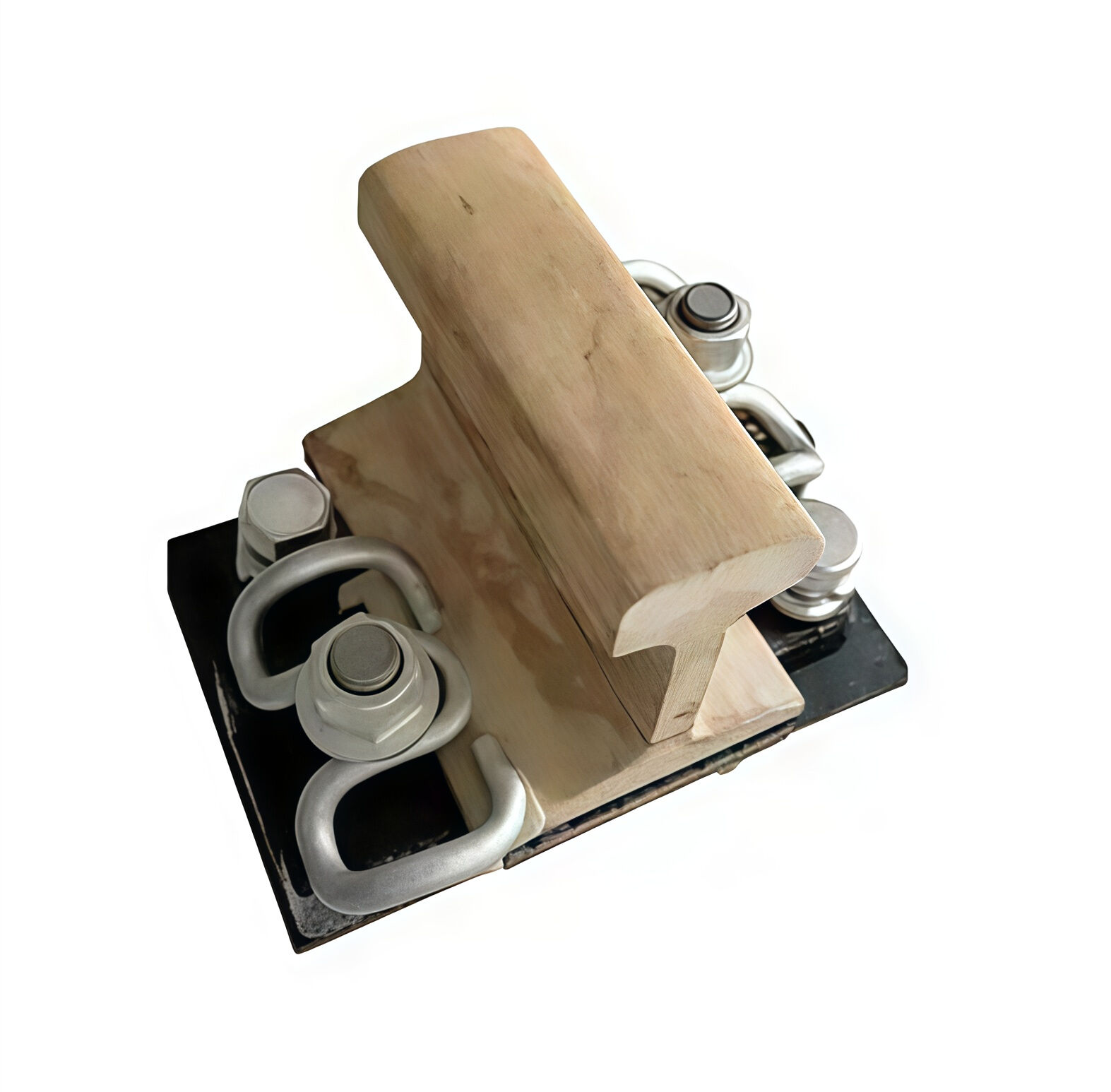
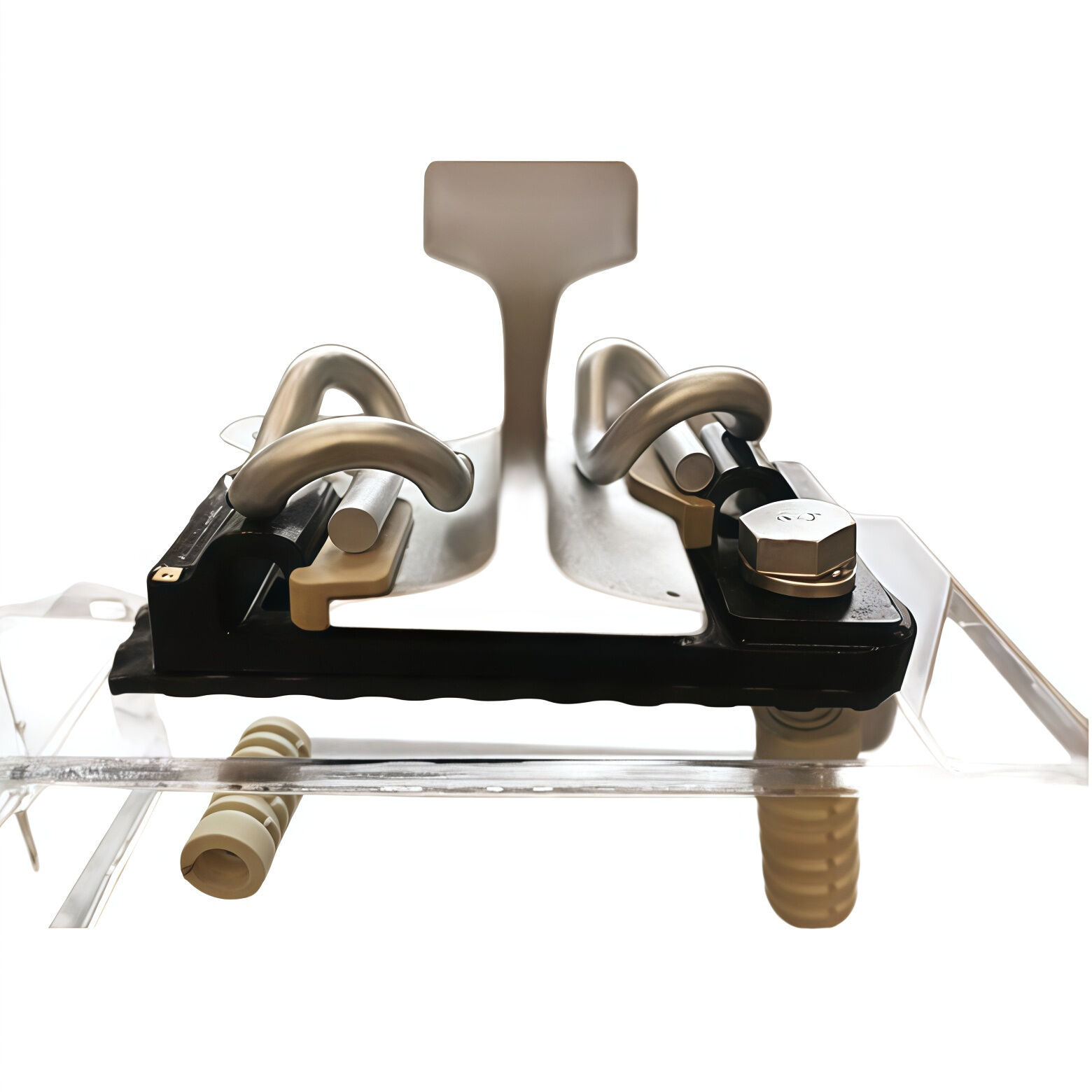
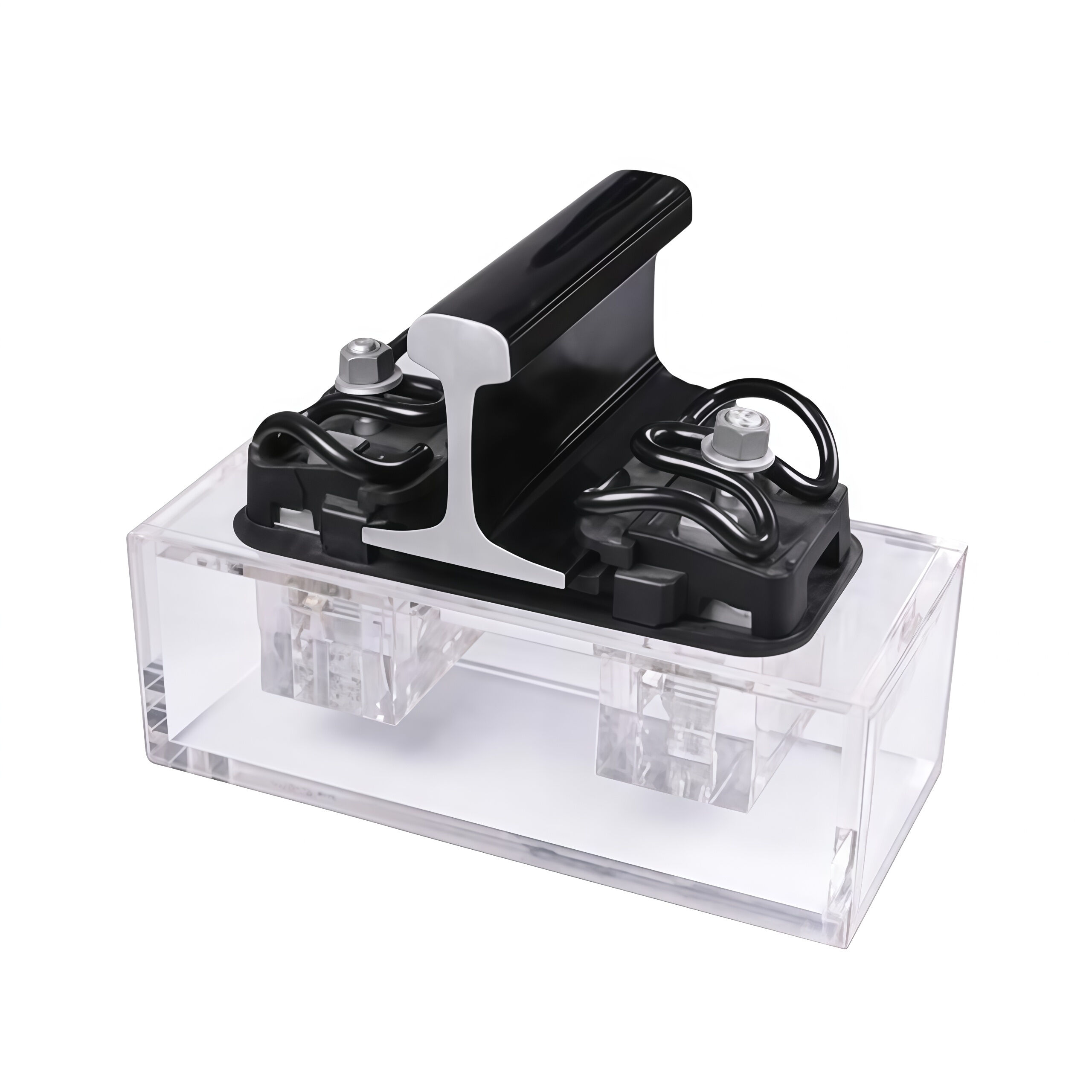
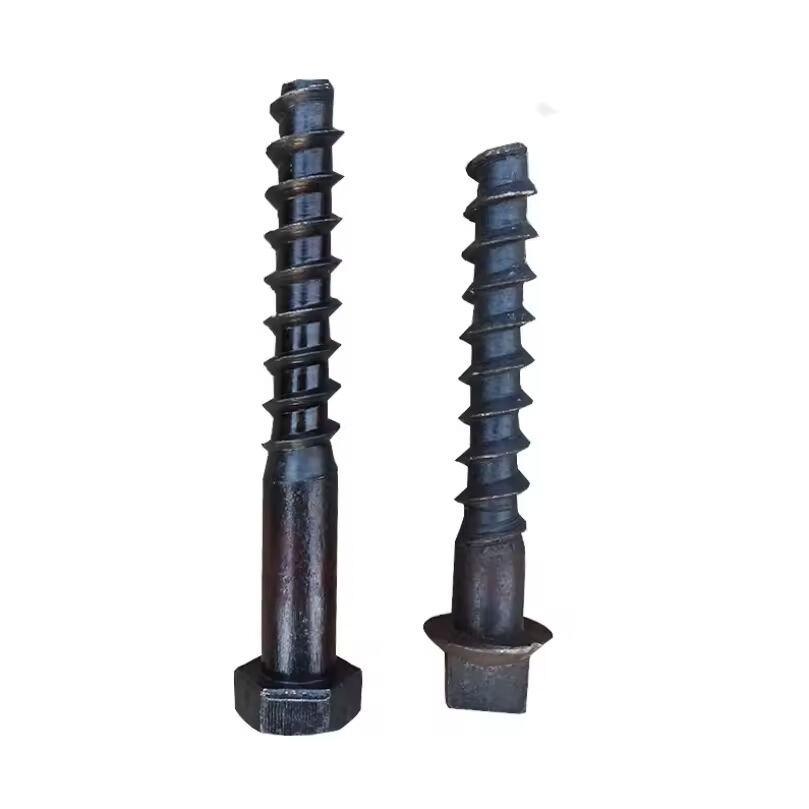
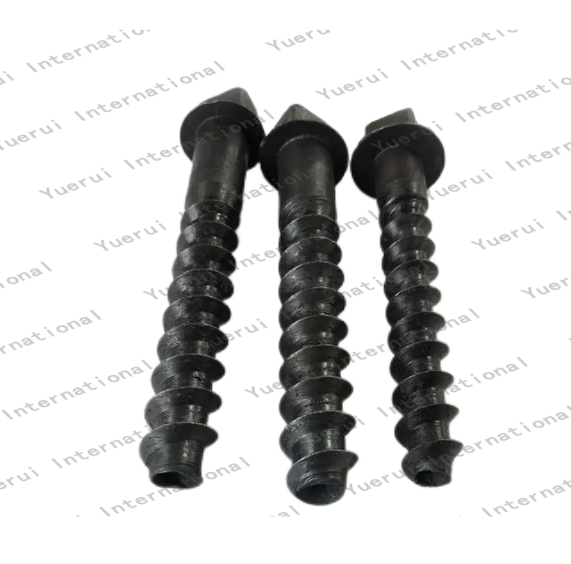
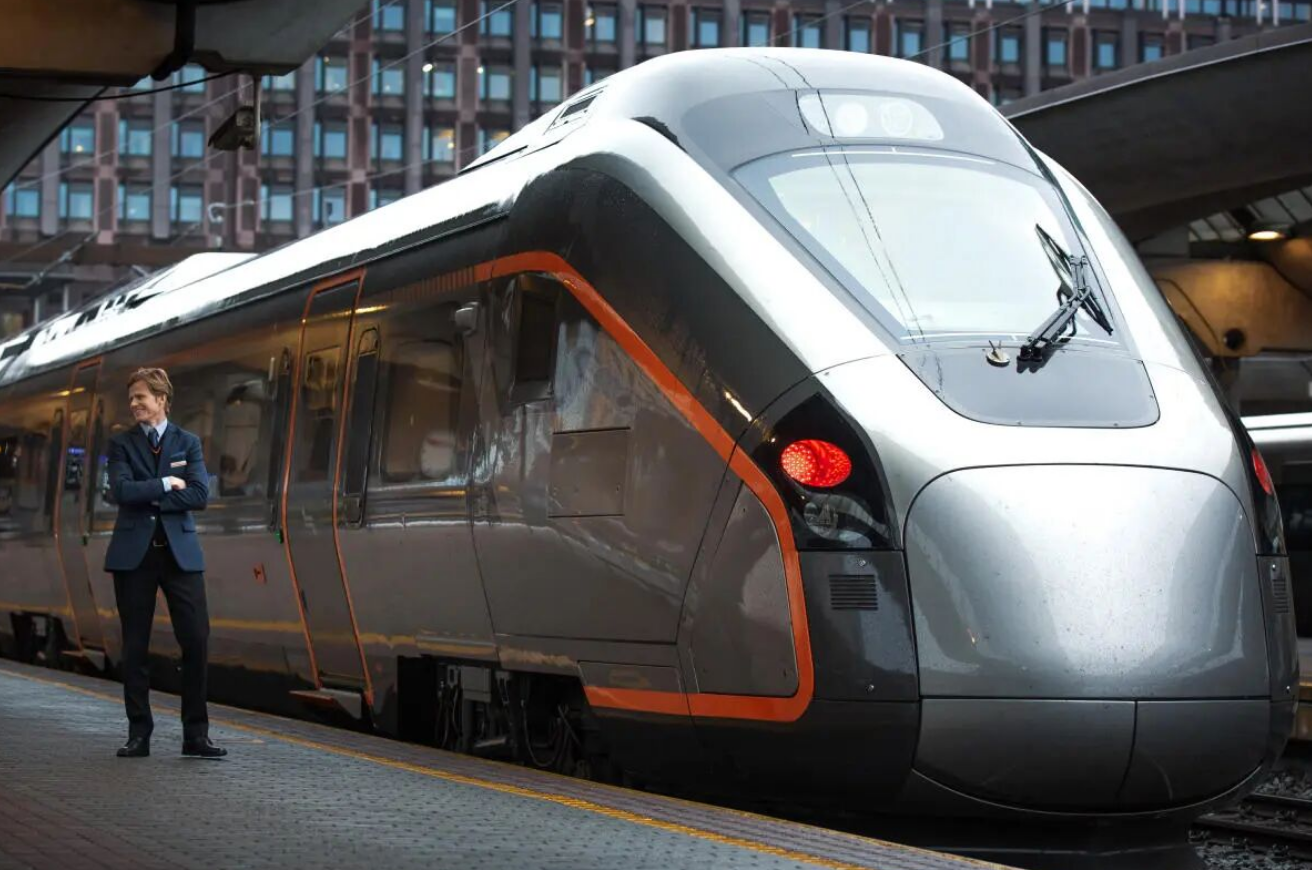
Track support systems represent a critical component in modern industrial infrastructure, serving as the foundational framework for various mechanical and transportation applications. These specialized support structures are engineered to provide stable, reliable positioning and guidance for moving equipment, machinery, and vehicles across diverse operational environments. The primary function of track support involves maintaining proper alignment, distributing load forces evenly, and ensuring smooth operational performance throughout extended usage periods. Track support systems incorporate advanced materials and precision engineering to withstand substantial weight loads, environmental stresses, and continuous operational demands. The technological features of modern track support include corrosion-resistant materials, modular design capabilities, adjustable positioning mechanisms, and integrated monitoring systems that provide real-time performance feedback. These systems utilize high-grade steel alloys, composite materials, and specialized coatings that enhance durability while reducing maintenance requirements. The engineering behind track support focuses on load distribution principles, ensuring that weight forces are transferred efficiently to prevent structural failure or operational interruption. Applications for track support span numerous industries, including rail transportation, mining operations, manufacturing facilities, construction sites, and material handling systems. In rail applications, track support maintains proper gauge alignment and prevents track deformation under heavy locomotive loads. Mining operations rely on track support for underground transport systems that move personnel and materials safely through challenging environments. Manufacturing facilities implement track support for overhead crane systems, automated guided vehicles, and production line equipment that requires precise positioning and movement control. Construction sites utilize portable track support systems for heavy machinery movement and temporary transportation solutions. The versatility of track support systems allows for customization based on specific operational requirements, environmental conditions, and load specifications, making them indispensable across multiple industrial sectors.

Popular Products

Track support systems deliver numerous practical benefits that directly impact operational efficiency, safety, and cost-effectiveness for businesses across various industries. The primary advantage lies in enhanced structural stability, which significantly reduces equipment downtime and maintenance costs. When properly installed, track support eliminates unwanted vibrations and movement that can cause premature wear on machinery components, extending equipment lifespan by up to 40 percent compared to unsupported systems. This stability translates into consistent operational performance, reducing production interruptions and maintaining steady workflow throughout demanding industrial processes. Safety improvements represent another major advantage of implementing track support solutions. These systems provide secure pathways for heavy equipment movement, reducing the risk of accidents caused by equipment derailment or structural failure. Workers benefit from predictable equipment behavior and controlled movement patterns that minimize exposure to hazardous situations. The reliability of track support systems creates safer work environments while protecting valuable equipment investments from damage. Cost savings emerge through multiple channels when utilizing track support technology. Initial installation costs are quickly recovered through reduced maintenance expenses, fewer equipment repairs, and decreased operational disruptions. Companies report maintenance cost reductions of 25-35 percent after implementing comprehensive track support systems. Energy efficiency gains also contribute to cost savings, as properly supported equipment operates with less friction and resistance, reducing power consumption requirements. The modular design of modern track support allows for flexible installation and future modifications without extensive infrastructure changes. This adaptability enables businesses to expand or reconfigure operations while maintaining existing support structures, providing long-term value and return on investment. Installation processes are streamlined through prefabricated components that reduce construction time and labor costs. Quality control standards ensure consistent performance across all system components, eliminating variations that could compromise operational reliability. Track support systems also facilitate easier maintenance procedures through improved accessibility and standardized components. Maintenance teams can quickly identify and address potential issues before they escalate into costly repairs or safety hazards. The standardization of track support components across different applications simplifies inventory management and reduces spare parts costs. Environmental benefits include reduced noise levels from smoother equipment operation and decreased environmental impact through longer equipment lifecycles and reduced material waste from premature equipment replacement.

Practical Tips

Why Rail Contractors Prefer Forged Railroad Dog Spikes

24

Nov

Why Rail Contractors Prefer Forged Railroad Dog Spikes

Railroad construction and maintenance projects demand precision, durability, and unwavering reliability in every component used. Among the critical fastening elements that secure rails to railroad ties, forged railroad dog spikes have emerged as the ...
View More
What to Consider When Buying Bulk Rail Spikes for Construction

24

Nov

What to Consider When Buying Bulk Rail Spikes for Construction

Rail spikes serve as critical fastening components in railway construction and maintenance projects, providing the essential connection between rails and railroad ties. These heavy-duty fasteners must withstand tremendous forces from passing trains w...
View More
How Do Rail Tools Support Safety and Precision in Track Construction?

05

Jan

How Do Rail Tools Support Safety and Precision in Track Construction?

Modern railway construction demands exceptional precision and unwavering safety standards to ensure reliable transportation networks. The foundation of successful track construction lies in the proper selection and application of specialized rail too...
View More
How to maintain correct track gauge in high-speed rail lines?

20

Apr

How to maintain correct track gauge in high-speed rail lines?

Maintaining correct track gauge is the cornerstone of safe and efficient high-speed rail operations, where even millimeter deviations can trigger catastrophic derailments at operational speeds exceeding 300 km/h. The precision required for track gaug...
View More

Get a Free Quote

Our representative will contact you soon.
Email
Name
Company Name
Message
0/1000

track support

Superior Load Distribution Technology

Superior Load Distribution Technology

Track support systems feature advanced load distribution technology that revolutionizes how industrial equipment handles weight and stress forces. This sophisticated engineering approach distributes operational loads across multiple support points, preventing concentrated stress that can lead to structural failure or equipment damage. The load distribution mechanism utilizes precisely calculated spacing intervals and support point configurations that optimize weight transfer throughout the entire system. Engineering principles behind this technology involve complex stress analysis calculations that determine optimal support placement for specific load requirements and operational conditions. The result is a support structure that can handle significantly higher weight capacities while maintaining structural integrity over extended operational periods. This technology particularly benefits heavy industrial applications where equipment must support massive loads while maintaining precise positioning and movement control. Mining operations, for example, rely on this load distribution capability to transport heavy ore loads safely through underground tunnel systems without compromising structural stability. Manufacturing facilities utilize this technology for overhead crane systems that must lift and position heavy components with absolute precision and safety. The load distribution technology also incorporates dynamic load management, adjusting support characteristics based on changing operational demands and environmental conditions. This adaptive capability ensures consistent performance regardless of load variations or external factors that might affect system stability. Maintenance benefits emerge from reduced stress concentration at individual support points, extending component lifespan and reducing replacement frequency. The technology also enables predictive maintenance strategies through monitoring stress distribution patterns that indicate potential maintenance needs before failures occur. Quality assurance protocols ensure that load distribution calculations are verified through rigorous testing procedures that simulate real-world operational conditions. This verification process guarantees that track support systems will perform according to specifications throughout their expected service life. The economic impact of superior load distribution technology includes reduced insurance costs due to improved safety records and decreased liability exposure from equipment failures or accidents.
Advanced Corrosion Resistance Properties

Advanced Corrosion Resistance Properties

Track support systems incorporate cutting-edge corrosion resistance properties that ensure long-term performance in challenging environmental conditions. These advanced protective features utilize multiple layers of defense against corrosive elements, including specialized coatings, material selection, and design modifications that minimize exposure to corrosive agents. The corrosion resistance technology begins with careful material selection, choosing alloys and composites that naturally resist oxidation and chemical degradation. High-grade stainless steel components provide excellent resistance to moisture and atmospheric corrosives, while specialized aluminum alloys offer superior performance in marine environments or chemical processing applications. Advanced coating systems apply multiple protective layers that create barriers against environmental contaminants and corrosive substances. These coatings include primer layers that bond directly to base materials, intermediate layers that provide chemical resistance, and topcoat layers that offer UV protection and aesthetic appeal. The coating application process utilizes precise temperature and humidity controls that ensure optimal adhesion and coverage uniformity. Quality control procedures verify coating thickness and adhesion strength through standardized testing protocols that simulate accelerated aging conditions. Environmental testing exposes coated components to extreme temperature variations, humidity cycles, and chemical exposure scenarios that replicate years of operational service in compressed timeframes. Design features enhance corrosion resistance through strategic component shaping that eliminates moisture collection points and promotes drainage of potentially corrosive liquids. Sealed connection systems prevent moisture infiltration at joint interfaces where corrosion typically initiates. Galvanic corrosion prevention measures ensure that dissimilar metals are properly isolated to prevent electrochemical reactions that cause accelerated degradation. The economic benefits of advanced corrosion resistance include extended service life that can exceed 20 years in harsh environments, reduced maintenance costs through eliminated corrosion-related repairs, and improved operational reliability through consistent performance characteristics. Industries operating in marine environments, chemical processing facilities, and outdoor applications particularly benefit from these corrosion resistance properties, achieving significant cost savings through reduced replacement cycles and maintenance interventions.
Precision Alignment and Calibration Systems

Precision Alignment and Calibration Systems

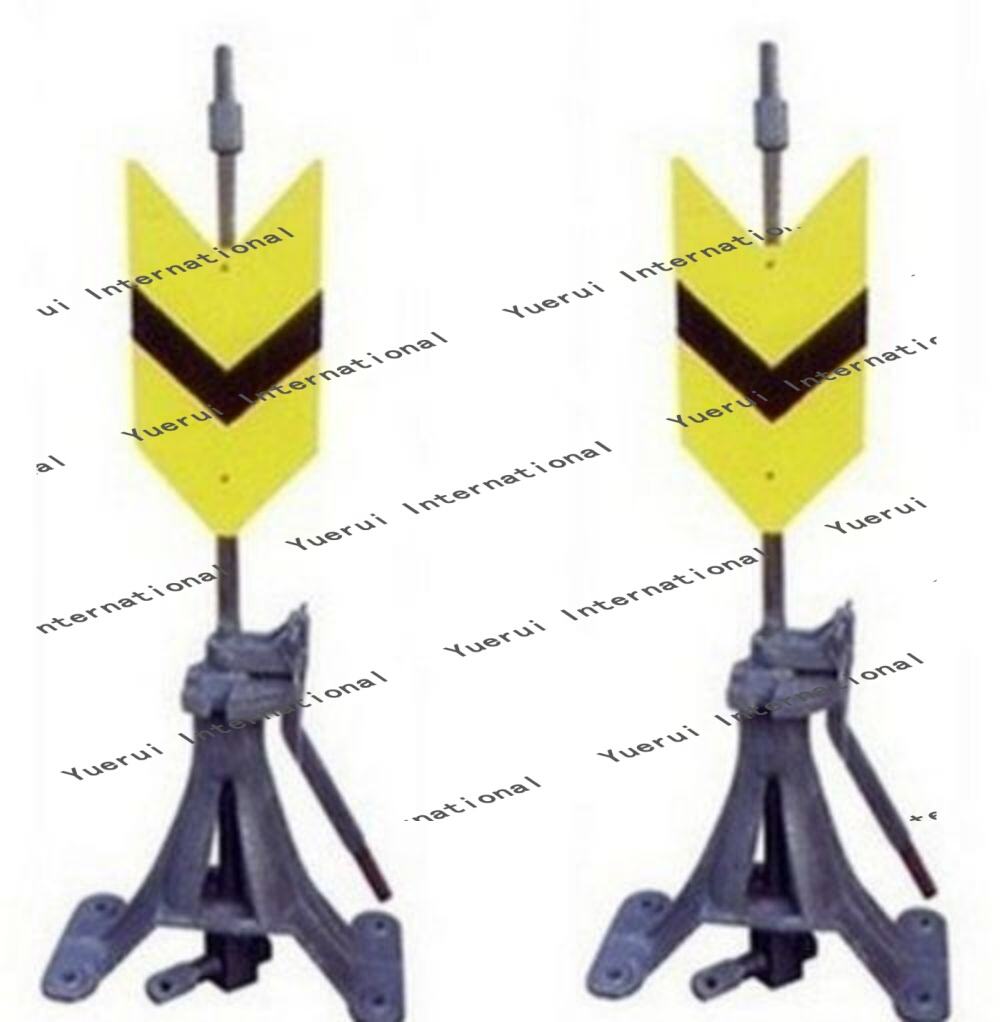
Track support incorporates sophisticated precision alignment and calibration systems that ensure optimal performance and operational accuracy throughout the equipment lifecycle. These systems utilize advanced measurement technologies and adjustment mechanisms that maintain precise positioning tolerances essential for critical industrial applications. The alignment technology employs laser measurement systems that provide accuracy within micrometers, enabling precise positioning that meets the most demanding operational requirements. Digital monitoring systems continuously track alignment parameters and provide real-time feedback to operators and maintenance personnel. This continuous monitoring capability enables proactive adjustments that prevent alignment drift and maintain optimal performance characteristics. Calibration procedures utilize standardized protocols that ensure consistent alignment across multiple system installations. These protocols incorporate environmental compensation factors that account for temperature variations, structural settling, and operational loads that might affect alignment parameters. The calibration process includes comprehensive documentation that provides traceability and quality assurance records for regulatory compliance and performance verification. Adjustment mechanisms feature fine-tuning capabilities that allow for precise positioning corrections without requiring complete system disassembly or operational shutdown. These mechanisms include hydraulic positioning systems, mechanical adjustment screws, and electronic positioning controls that provide remote adjustment capabilities. The adjustment range accommodates installation variations and operational requirements while maintaining structural integrity and load-bearing capacity. Installation procedures ensure proper initial alignment through specialized tooling and measurement equipment that verifies positioning accuracy before system commissioning. Training programs prepare installation technicians with the knowledge and skills necessary to achieve optimal alignment results consistently. Quality assurance measures include independent verification of alignment parameters by certified measurement technicians using calibrated instrumentation. The precision alignment system reduces equipment wear through optimal load distribution and eliminates operational inefficiencies caused by misalignment conditions. Energy savings result from reduced friction and mechanical resistance in properly aligned systems. Maintenance intervals extend significantly when equipment operates within precise alignment tolerances, reducing service costs and operational disruptions. The economic impact includes improved product quality in manufacturing applications where precise positioning directly affects output specifications and reduced equipment replacement costs through extended operational life.

Get a Free Quote

Our representative will contact you soon.
Email
Name
Company Name
Message
0/1000