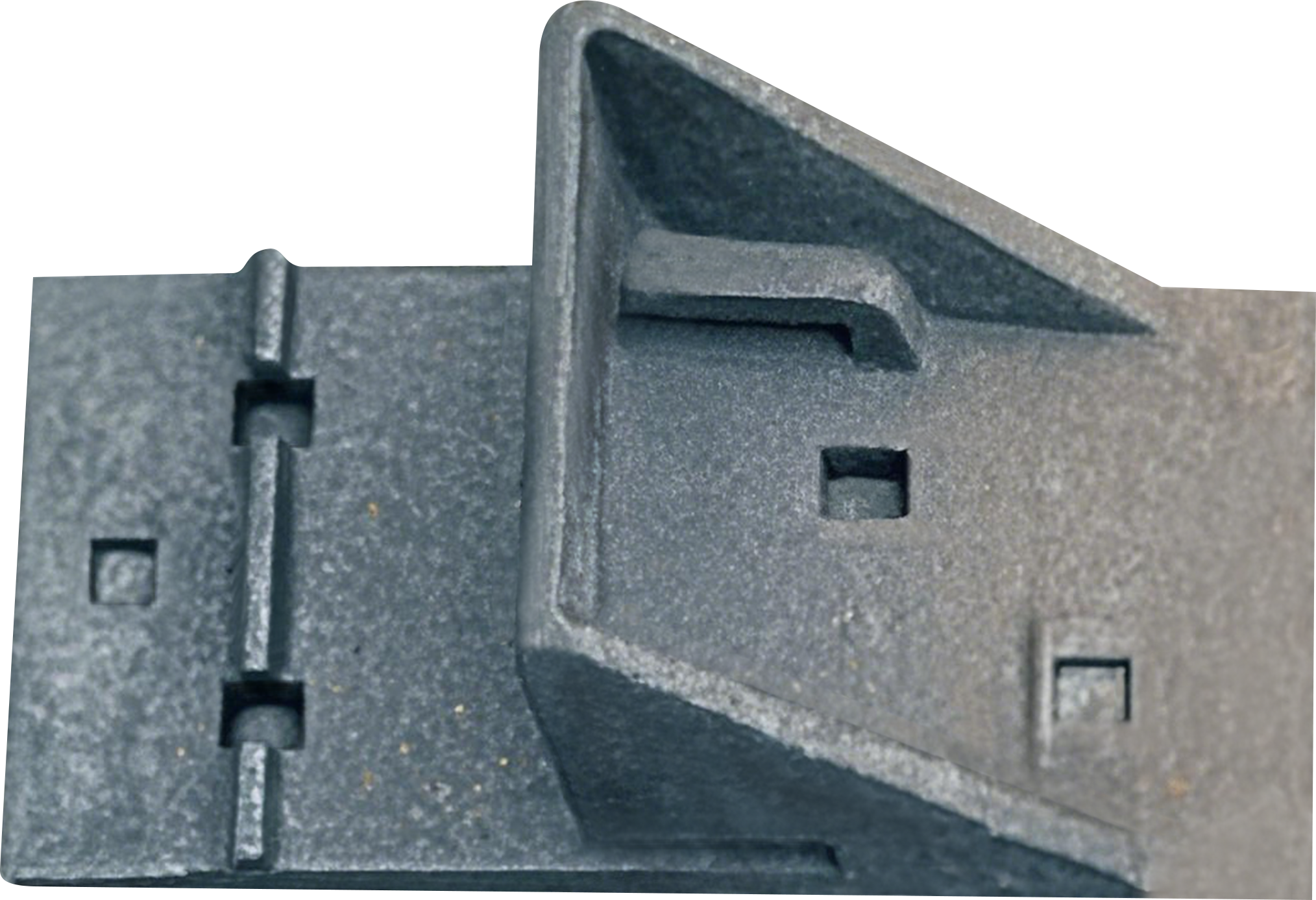
Advanced Railway Track Support Systems - Enhanced Performance & Durability Solutions

All Categories

railway track support

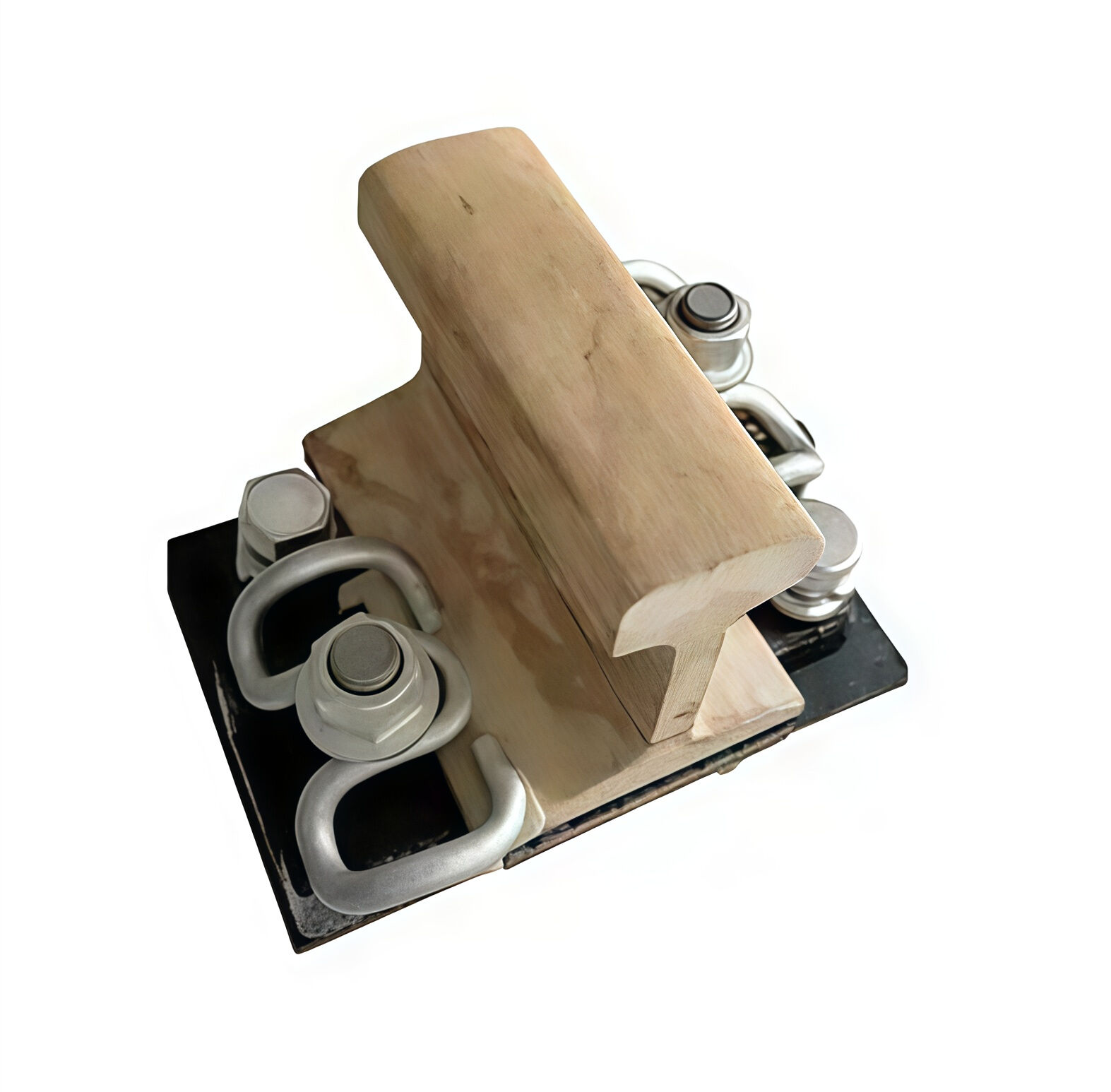
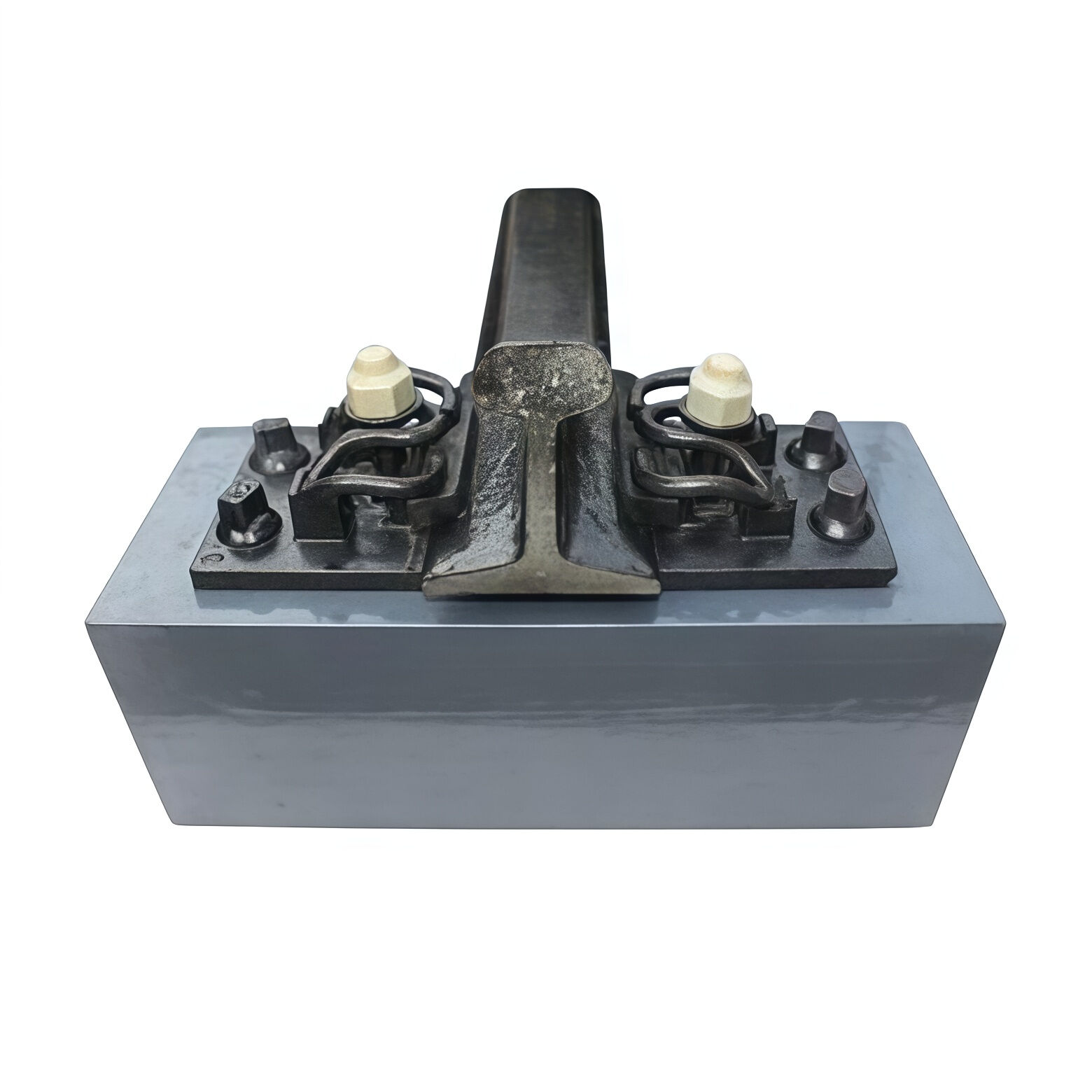
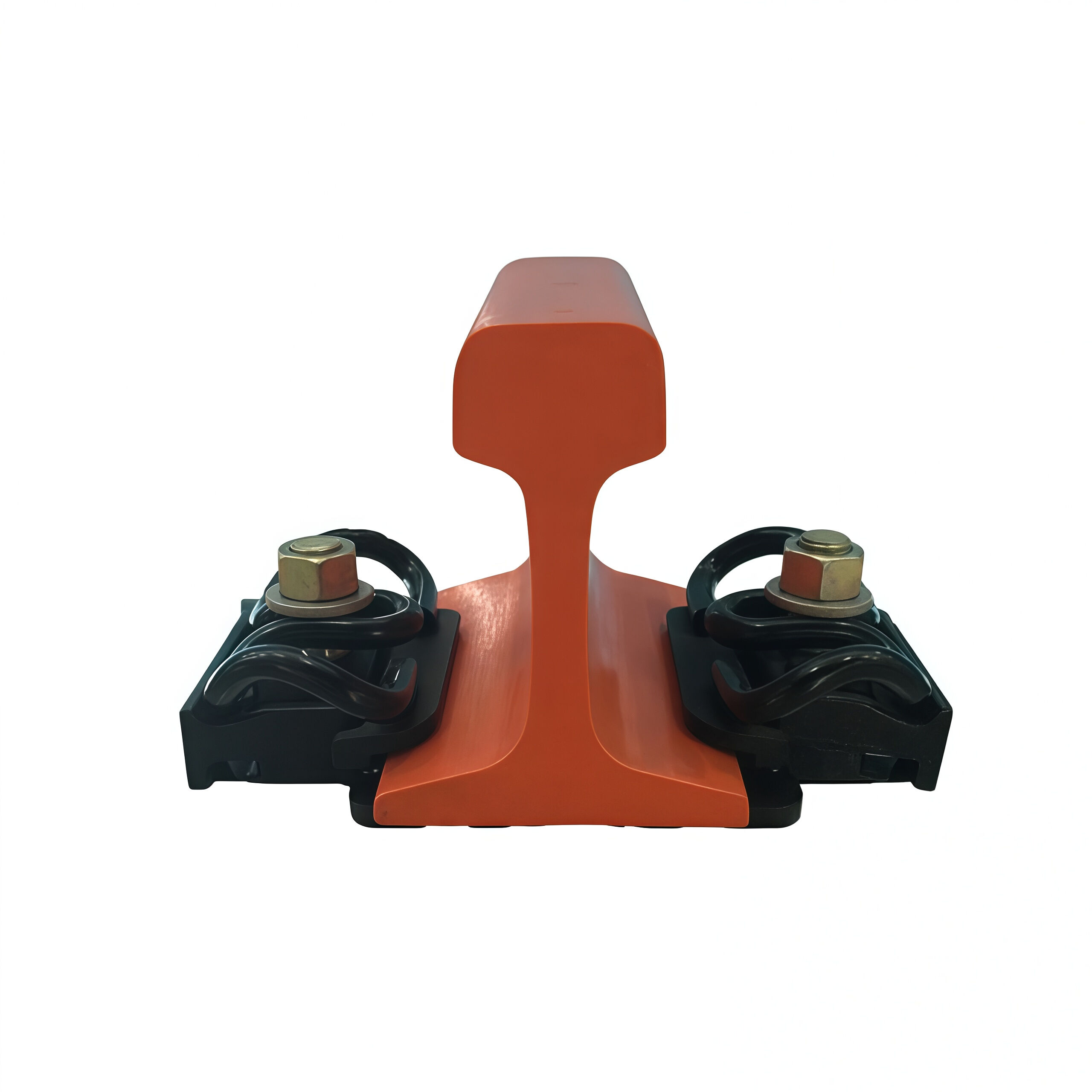
Railway track support represents a fundamental engineering solution designed to maintain the structural integrity and operational efficiency of railroad infrastructure. This sophisticated system encompasses various components that work together to distribute loads, absorb vibrations, and ensure long-term track stability across diverse terrain conditions. The railway track support system primarily consists of ballast stones, sleepers or ties, fastening systems, and specialized foundation materials that create a robust platform for train operations. Modern railway track support solutions integrate advanced materials science with proven engineering principles to deliver superior performance under extreme loading conditions. The primary functions include load distribution from rail infrastructure to the underlying foundation, vibration dampening to reduce wear and noise, drainage management to prevent water accumulation, and dimensional stability to maintain precise track geometry over extended periods. Technological features of contemporary railway track support systems incorporate high-strength concrete sleepers, elastomeric rail pads, advanced fastening mechanisms, and engineered ballast materials that resist degradation. These components work synergistically to accommodate thermal expansion, resist lateral forces during train passage, and maintain vertical alignment under varying environmental conditions. Railway track support applications span passenger rail networks, freight transportation corridors, high-speed rail systems, urban transit lines, and industrial railway installations. Each application requires specific engineering considerations based on traffic loads, operating speeds, environmental factors, and maintenance accessibility. The versatility of modern railway track support systems enables their deployment across different geographic regions, climate zones, and operational requirements while maintaining consistent performance standards. Proper implementation of railway track support technology significantly reduces maintenance costs, extends infrastructure lifespan, and enhances operational safety for all stakeholders involved in rail transportation.

Popular Products

Railway track support systems deliver substantial operational benefits that directly impact transportation efficiency and cost management for rail operators worldwide. These advantages stem from innovative engineering solutions that address common challenges in railroad infrastructure maintenance and performance optimization. The foremost advantage lies in exceptional load distribution capabilities, which prevent concentrated stress points that typically cause premature track deterioration and expensive repair requirements. This enhanced load management translates to reduced maintenance schedules and lower operational costs over the infrastructure lifecycle. Vibration control represents another significant benefit, as effective railway track support systems minimize noise pollution while protecting adjacent structures from damaging oscillations during train operations. This vibration dampening capability proves especially valuable in urban environments where noise regulations and community relations matter significantly. Superior drainage characteristics prevent water accumulation that commonly leads to ballast degradation, foundation settlement, and track geometry problems that compromise safety and operational reliability. Effective moisture management extends the service life of all track components while reducing the frequency of costly maintenance interventions. Enhanced dimensional stability ensures consistent track gauge and alignment, which directly impacts ride quality, operational speeds, and rolling stock longevity. Precise track geometry reduces wheel wear, decreases fuel consumption, and minimizes the risk of derailments or service disruptions. The modular design of modern railway track support systems facilitates rapid installation and replacement procedures, significantly reducing track downtime during construction or maintenance activities. This efficiency improvement translates to substantial cost savings and improved service reliability for passengers and freight customers. Environmental resilience allows railway track support systems to perform consistently across diverse climate conditions, from extreme temperatures to heavy precipitation and freeze-thaw cycles. This adaptability reduces weather-related service interruptions and maintenance requirements. Long-term durability characteristics mean railway track support investments provide excellent return on investment through extended service life and reduced replacement frequency compared to traditional alternatives.

Practical Tips

What Are the Key Quality Standards for Rail Spike Production

24

Nov

What Are the Key Quality Standards for Rail Spike Production

Rail spike production represents a critical component in railway infrastructure development, requiring adherence to stringent quality standards that ensure the safety and longevity of rail systems worldwide. The manufacturing process of these essenti...
View More
How Do Dog Spikes Affect Track Alignment and Train Safety?

18

Dec

How Do Dog Spikes Affect Track Alignment and Train Safety?

Railway infrastructure depends on countless components working in harmony to ensure safe and efficient train operations. Among these critical elements, the dog spike stands as one of the most fundamental yet often overlooked fastening systems that se...
View More
What Are the Essential Rail Tools for Track Installation and Maintenance?

05

Jan

What Are the Essential Rail Tools for Track Installation and Maintenance?

Railway infrastructure forms the backbone of modern transportation systems, requiring specialized equipment and precise maintenance protocols to ensure safe and efficient operations. Professional rail tools represent critical investments for railway ...
View More
What installation spacing is recommended for rail anchors in railways?

20

Apr

What installation spacing is recommended for rail anchors in railways?

Railway track stability relies heavily on proper installation spacing of rail anchors, which serve as critical components in maintaining gauge and preventing rail movement. The recommended spacing for rail anchors varies based on track classification...
View More

Get a Free Quote

Our representative will contact you soon.
Email
Name
Company Name
Message
0/1000

railway track support

Advanced Load Distribution Technology

Advanced Load Distribution Technology

The cornerstone of effective railway track support lies in its sophisticated load distribution capabilities that revolutionize how railroad infrastructure manages the tremendous forces generated by modern train operations. This advanced technology employs engineered materials and geometric configurations that spread concentrated wheel loads across broader foundation areas, dramatically reducing stress concentrations that traditionally cause premature track failure and expensive maintenance requirements. The load distribution mechanism works through multiple integrated components, including specially designed sleepers with optimized bearing surfaces, high-performance ballast materials with superior load-carrying capacity, and innovative fastening systems that transfer forces efficiently between rails and supporting structures. This comprehensive approach ensures that dynamic loads from passing trains, which can exceed several tons per wheel, are safely distributed to the underlying foundation without creating localized stress points that compromise long-term structural integrity. The practical benefits of this advanced load distribution technology extend far beyond immediate structural performance, delivering measurable economic advantages through reduced maintenance costs, extended service intervals, and improved operational reliability. Rail operators experience significantly fewer track geometry problems, reduced ballast replacement requirements, and lower incidence of rail defects that typically result from inadequate load management. The technology also accommodates varying axle loads common in mixed-traffic operations, where passenger trains and heavy freight locomotives share the same infrastructure. This versatility eliminates the need for separate track specifications and reduces overall infrastructure investment while maintaining optimal performance across diverse operational scenarios. Furthermore, the enhanced load distribution capabilities enable higher operating speeds and increased traffic density without compromising safety margins or accelerating wear rates, providing rail operators with valuable capacity expansion opportunities without major infrastructure investments.
Comprehensive Vibration Control System

Comprehensive Vibration Control System

Modern railway track support incorporates sophisticated vibration control technology that addresses one of the most challenging aspects of railroad operations while delivering substantial benefits to both operators and surrounding communities. This comprehensive system employs multi-layered dampening mechanisms that effectively absorb and dissipate the dynamic forces generated by train movements, preventing harmful vibrations from propagating through the infrastructure and into adjacent areas. The vibration control system utilizes advanced elastomeric materials, specialized rail pads, and engineered ballast configurations that work together to create multiple dampening zones throughout the track structure. These components are precisely engineered to target specific frequency ranges associated with different types of rolling stock and operating conditions, ensuring optimal performance across diverse operational scenarios. The practical advantages of effective vibration control extend well beyond noise reduction, encompassing significant operational benefits that directly impact maintenance costs and infrastructure longevity. Reduced vibration levels minimize fatigue stress in track components, leading to extended service life for rails, fasteners, and supporting structures while decreasing the frequency of replacement cycles. This dampening capability also protects sensitive electronic systems used in modern signaling and communication equipment, reducing maintenance requirements and improving system reliability. For urban rail operations, the vibration control system proves invaluable in maintaining positive community relations while complying with increasingly stringent noise and vibration regulations. The technology effectively reduces ground-borne vibrations that can disturb nearby buildings, sensitive equipment, and residential areas, enabling rail systems to operate in dense urban environments without causing disruptions to surrounding activities. Additionally, the vibration control characteristics improve ride quality for passengers by reducing car body oscillations and creating a smoother, more comfortable travel experience that enhances customer satisfaction and ridership.
Superior Environmental Durability

Superior Environmental Durability

The exceptional environmental durability of modern railway track support systems represents a critical advantage that ensures consistent performance across diverse climate conditions while minimizing weather-related maintenance requirements and service disruptions. This superior durability stems from advanced material science and engineering innovations that address the fundamental challenges posed by temperature extremes, moisture variations, freeze-thaw cycles, and chemical exposure that traditionally compromise track infrastructure integrity. The durability features incorporate high-performance concrete formulations resistant to thermal stress and chemical attack, corrosion-resistant fastening systems that maintain integrity in harsh environments, and specially treated ballast materials that resist degradation from weathering and chemical exposure. These components work together to create a robust system that maintains dimensional stability and structural performance regardless of environmental conditions, ensuring reliable operations throughout the infrastructure service life. The practical benefits of enhanced environmental durability translate directly to reduced operational costs and improved service reliability for rail operators facing increasingly challenging climate conditions. Superior weather resistance minimizes track geometry problems caused by foundation settlement, thermal expansion issues, and moisture-related deterioration that typically require expensive emergency repairs and service interruptions. The durability characteristics also reduce the frequency of preventive maintenance activities, allowing operators to optimize maintenance schedules and resource allocation while maintaining safety standards. This reliability proves especially valuable in remote locations where maintenance access is limited and service disruptions have significant economic consequences. Furthermore, the environmental durability enables railway track support systems to perform consistently in extreme conditions, from arctic environments with severe freeze-thaw cycles to tropical regions with high humidity and chemical exposure from industrial activities. This adaptability reduces the need for specialized regional variations and simplifies procurement, installation, and maintenance procedures across diverse geographic locations while maintaining uniform performance standards throughout the rail network.

Get a Free Quote

Our representative will contact you soon.
Email
Name
Company Name
Message
0/1000