Premium Rail Support Systems - Advanced Infrastructure Solutions for Railway Networks

All Categories

rail support

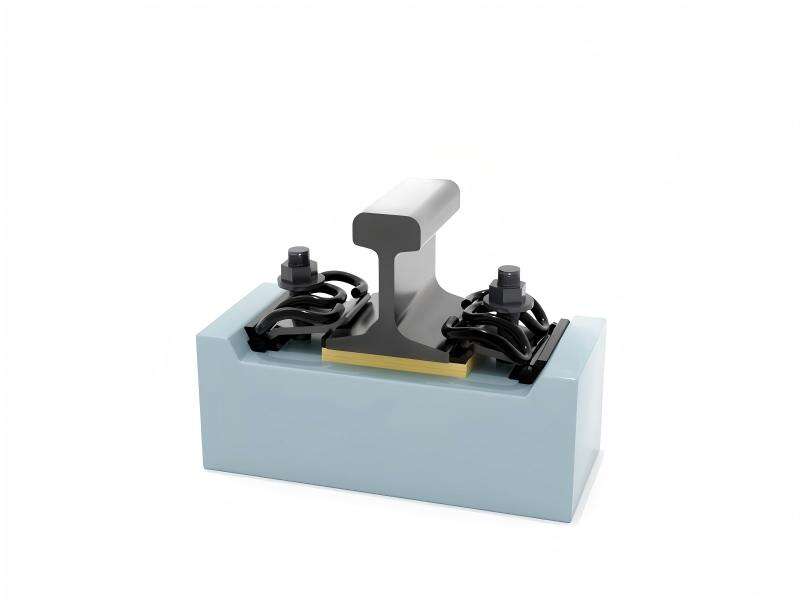
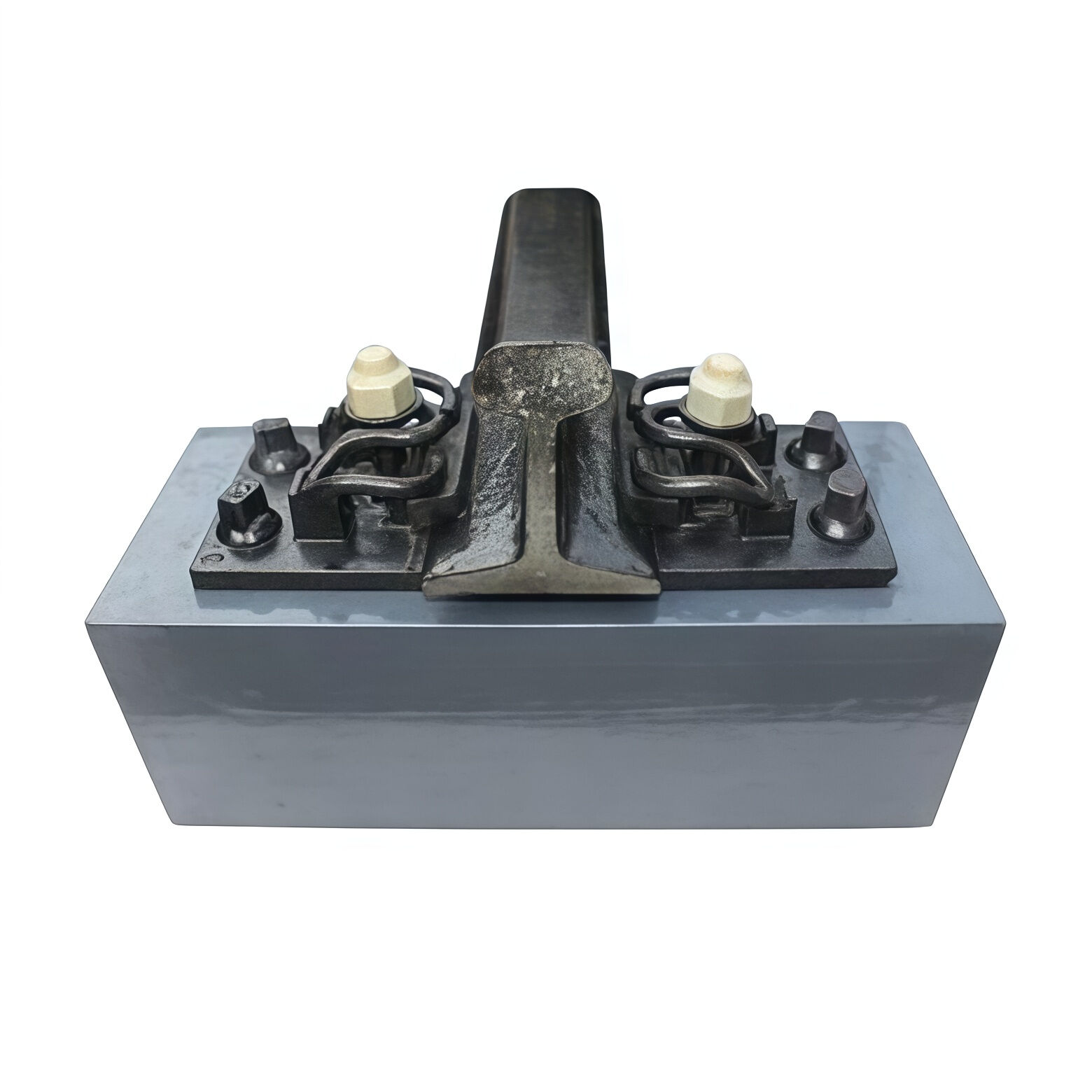
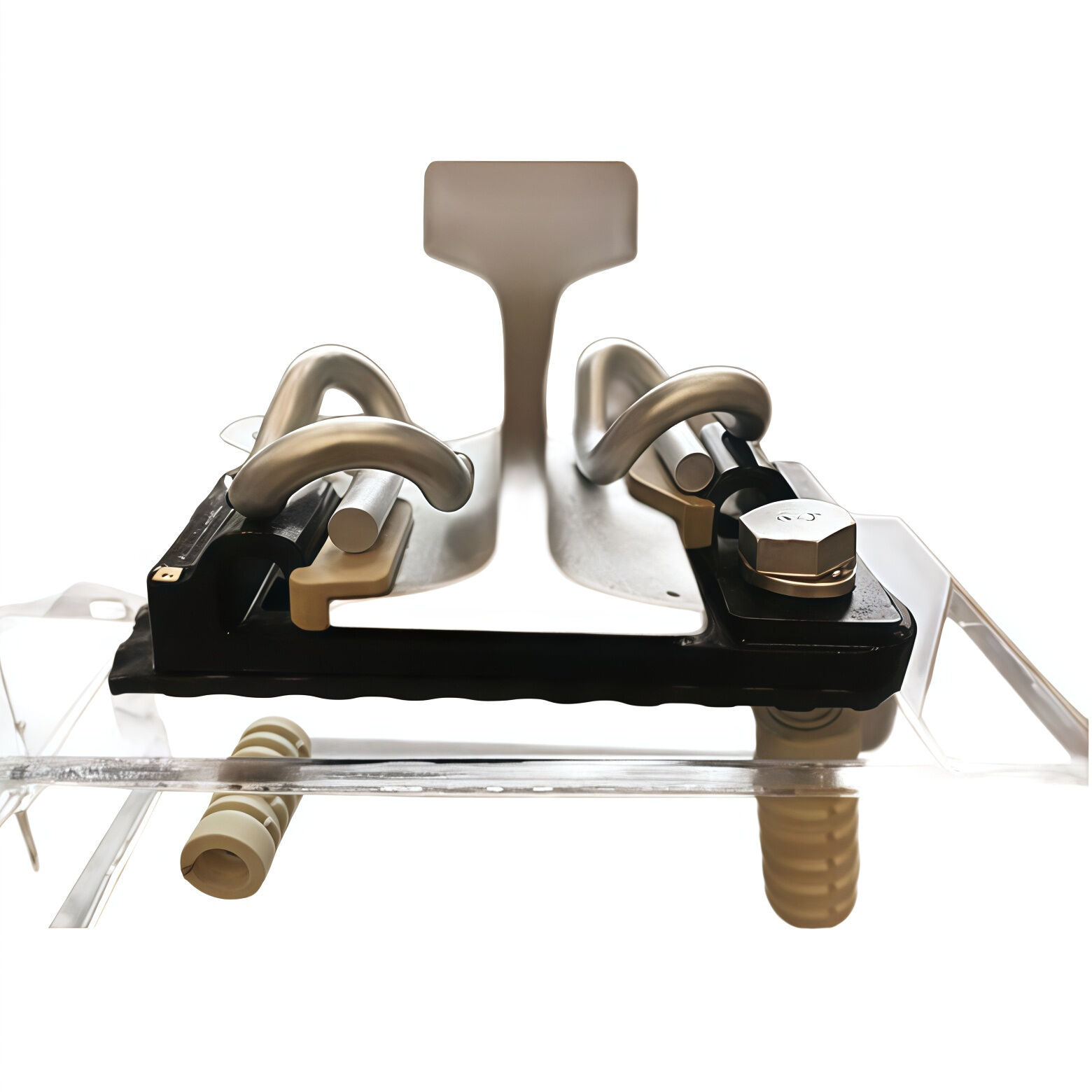
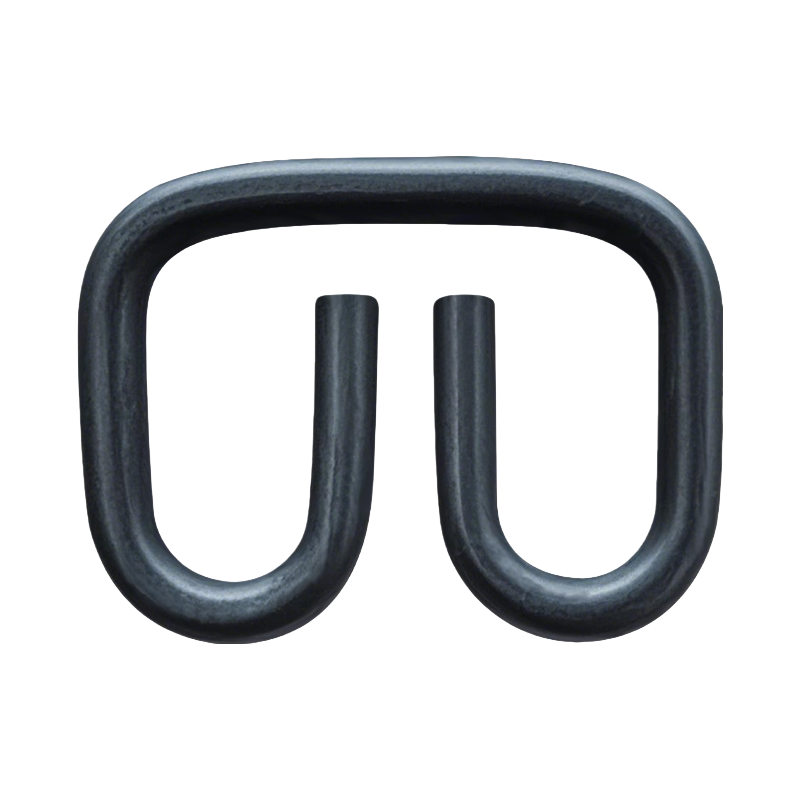
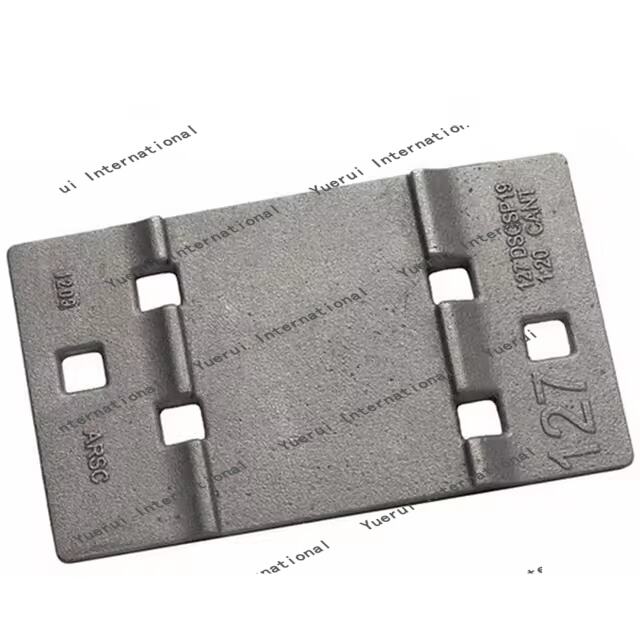
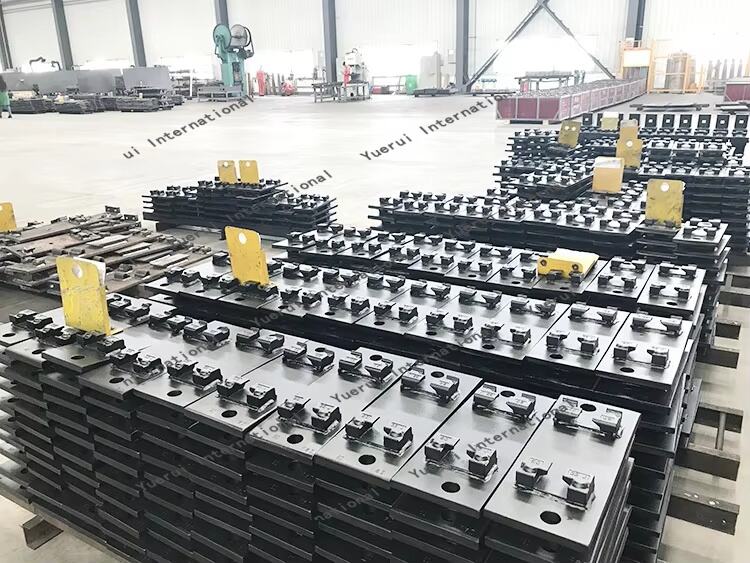
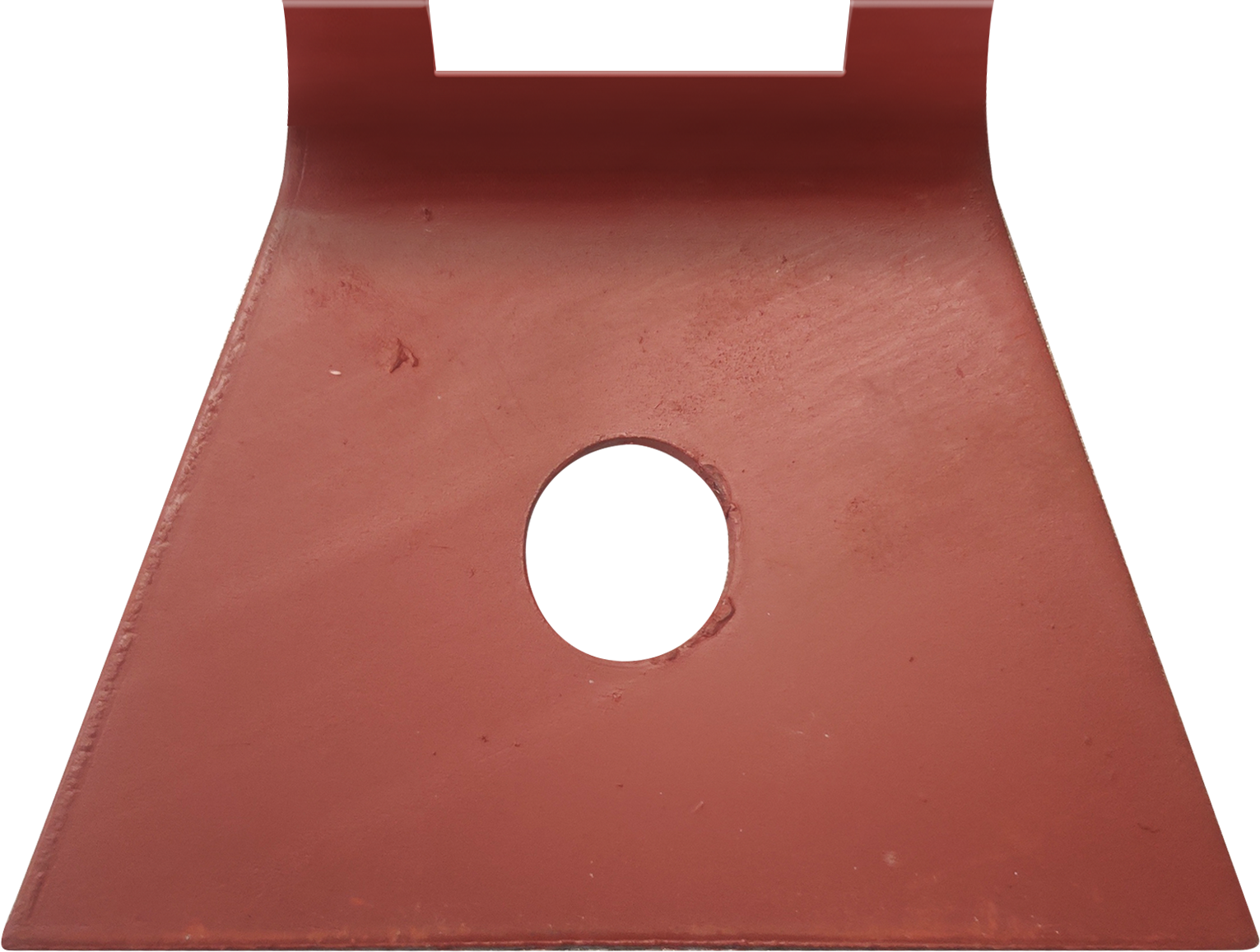
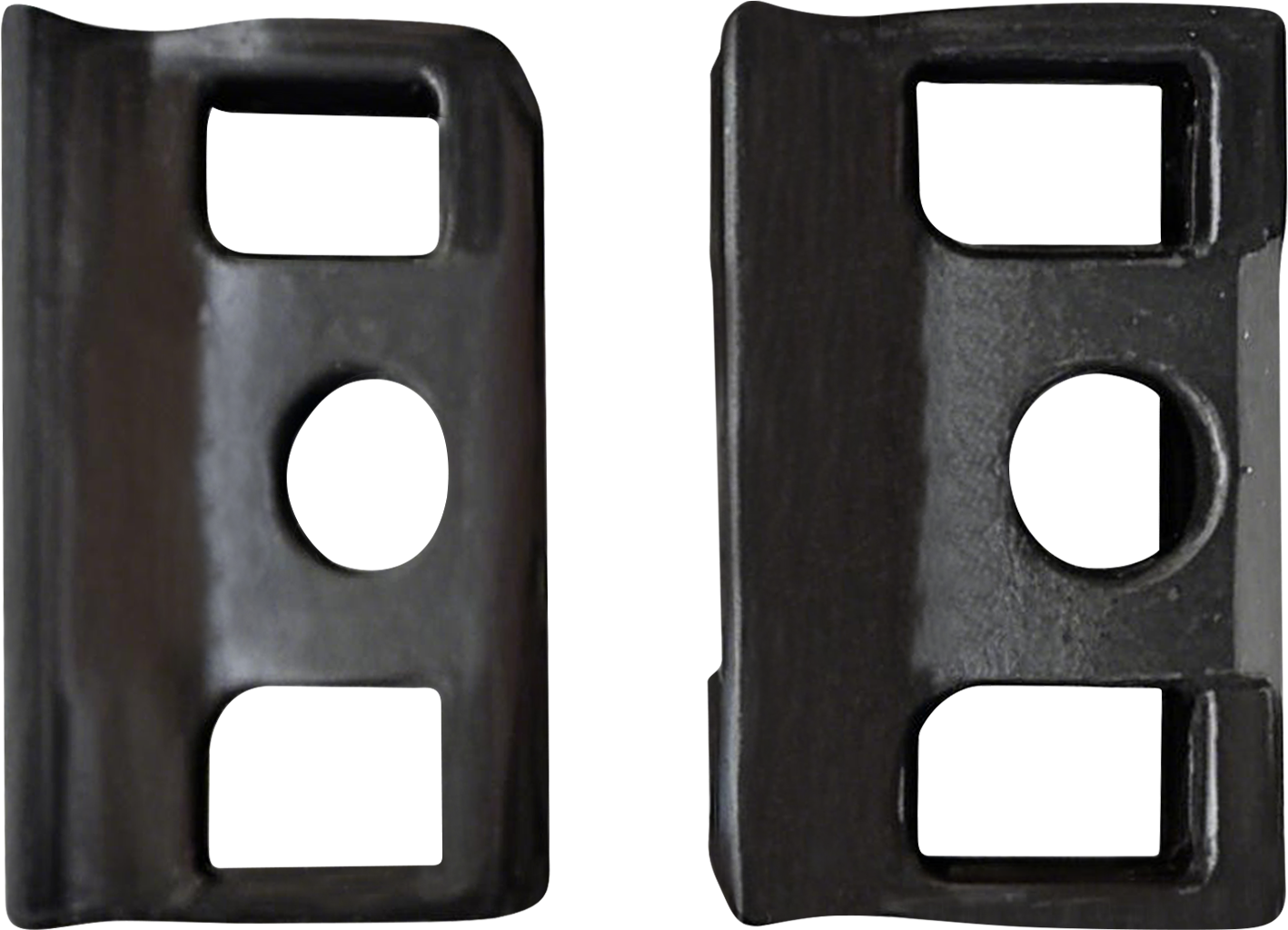
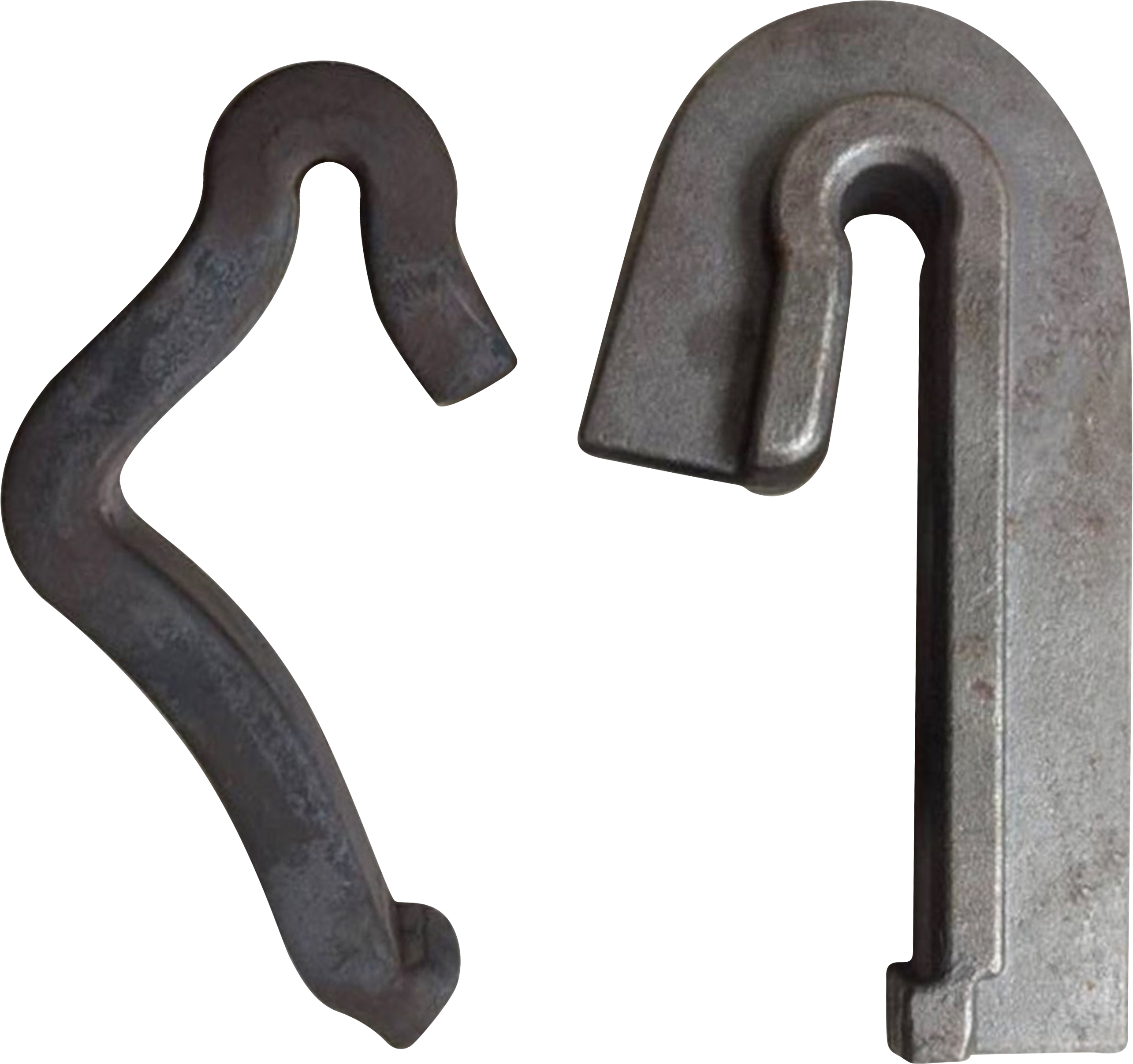
Rail support systems represent critical infrastructure components designed to maintain the structural integrity and operational efficiency of railway networks worldwide. These sophisticated engineering solutions provide essential foundational stability for rail tracks, ensuring safe and reliable transportation across diverse terrains and environmental conditions. Modern rail support technology encompasses various materials and designs, from traditional concrete sleepers to advanced composite systems that deliver superior performance characteristics. The primary function of rail support involves distributing the dynamic loads generated by passing trains evenly across the track bed, preventing localized stress concentrations that could compromise track geometry or cause premature wear. Rail support systems also maintain proper gauge alignment, ensuring consistent spacing between rails that enables smooth wheel movement and prevents derailments. Temperature fluctuations pose significant challenges to railway infrastructure, and quality rail support solutions incorporate thermal expansion considerations to accommodate seasonal variations without compromising structural stability. Vibration dampening represents another crucial aspect of rail support functionality, as these systems absorb and dissipate energy transmitted from rolling stock to minimize noise pollution and reduce wear on adjacent infrastructure components. Contemporary rail support designs integrate advanced materials science principles, utilizing high-strength polymers, reinforced composites, and specialized concrete formulations to achieve optimal durability and longevity. Installation efficiency has become increasingly important in rail support selection, with modern systems featuring simplified mounting procedures that reduce construction time and associated costs. Maintenance requirements vary significantly across different rail support technologies, with premium solutions offering extended service intervals and reduced lifecycle expenses. Environmental sustainability considerations drive innovation in rail support manufacturing, leading to eco-friendly materials and production processes that minimize carbon footprint while maintaining performance standards.

New Products

Rail support systems deliver substantial operational benefits that directly impact railway performance, safety, and economic efficiency. Enhanced load distribution capabilities represent a fundamental advantage, as quality rail support spreads train weights across broader areas, reducing ground pressure and preventing substrate deterioration. This superior load management extends track lifespan significantly, minimizing replacement frequency and associated maintenance costs. Improved stability characteristics ensure consistent rail positioning under dynamic loading conditions, maintaining proper gauge alignment that prevents wheel climbing and potential derailments. Modern rail support solutions offer exceptional durability compared to traditional alternatives, withstanding harsh environmental conditions including freeze-thaw cycles, chemical exposure, and UV radiation without significant degradation. Installation simplicity provides immediate cost savings and project timeline reductions, as contemporary rail support systems feature standardized dimensions and simplified mounting procedures that reduce labor requirements. Reduced maintenance demands translate to lower operational expenses over the system lifecycle, as advanced rail support materials resist common failure modes such as cracking, spalling, and chemical deterioration. Vibration control properties inherent in quality rail support systems minimize noise transmission to surrounding communities while protecting sensitive infrastructure from excessive dynamic forces. Thermal stability ensures consistent performance across temperature ranges, preventing expansion-related failures that plague inferior support systems. Weight optimization in modern rail support designs reduces transportation costs during installation while maintaining structural integrity requirements. Corrosion resistance in metal components extends service life dramatically, particularly in coastal or industrial environments where chemical exposure threatens conventional materials. Compatibility with various rail types and track configurations provides design flexibility that accommodates diverse railway applications from high-speed passenger services to heavy freight operations. Environmental benefits include recyclability of certain rail support materials and reduced carbon footprint through extended replacement intervals. Cost predictability improves budget planning as reliable rail support systems demonstrate consistent performance characteristics and maintenance requirements throughout their operational lifespan. Quality assurance measures in rail support manufacturing ensure consistent product specifications that meet rigorous industry standards for safety and performance.

Latest News

What Are the Advantages of Using Standardized Baseplates in Large Projects?

18

Dec

What Are the Advantages of Using Standardized Baseplates in Large Projects?

Large-scale construction and infrastructure projects demand precision, efficiency, and reliability at every stage of development. Among the foundational elements that ensure project success, standardized baseplates emerge as critical components that ...
View More
How Do Baseplates Contribute to Efficient Railway Turnout Installation?

18

Dec

How Do Baseplates Contribute to Efficient Railway Turnout Installation?

Railway infrastructure demands precision, durability, and efficiency at every level, particularly when it comes to critical components like turnouts. Railway turnout baseplates serve as fundamental elements that ensure proper track alignment, load di...
View More
What Are the Essential Rail Tools for Track Installation and Maintenance?

05

Jan

What Are the Essential Rail Tools for Track Installation and Maintenance?

Railway infrastructure forms the backbone of modern transportation systems, requiring specialized equipment and precise maintenance protocols to ensure safe and efficient operations. Professional rail tools represent critical investments for railway ...
View More
How Do Rail Tools Support Safety and Precision in Track Construction?

05

Jan

How Do Rail Tools Support Safety and Precision in Track Construction?

Modern railway construction demands exceptional precision and unwavering safety standards to ensure reliable transportation networks. The foundation of successful track construction lies in the proper selection and application of specialized rail too...
View More

Get a Free Quote

Our representative will contact you soon.
Email
Name
Company Name
Message
0/1000

rail support

Advanced Load Distribution Technology

Advanced Load Distribution Technology

The sophisticated load distribution capabilities of modern rail support systems represent a revolutionary advancement in railway engineering that fundamentally transforms how dynamic forces are managed across track infrastructure. This technology utilizes precisely engineered geometries and material compositions to spread concentrated wheel loads over significantly larger ground contact areas, dramatically reducing peak stress concentrations that traditionally cause premature track bed failure. Advanced finite element analysis guides the design of these rail support components, ensuring optimal force transmission pathways that minimize localized pressure points while maintaining structural continuity across the entire track system. The engineering principles behind effective load distribution involve careful consideration of material elasticity, contact surface optimization, and stress flow management through strategic geometric configurations. Quality rail support systems incorporate multiple load paths that provide redundancy against failure modes, ensuring continued operation even if individual components experience localized damage or wear. The tangible benefits of superior load distribution include extended ballast life, reduced track settlement, and minimized maintenance interventions that significantly lower operational costs. Railway operators experience fewer emergency repairs and unscheduled maintenance events, as properly distributed loads prevent the rapid degradation patterns associated with concentrated stress applications. Ground preparation requirements are also reduced when rail support systems effectively distribute loads, as the reduced pressure demands allow for less extensive foundation work during initial construction. This load distribution technology proves particularly valuable in challenging soil conditions where traditional support methods struggle to maintain stability. The economic impact extends beyond direct maintenance savings to include improved service reliability, reduced delays, and enhanced passenger satisfaction through smoother ride quality.
Superior Durability and Weather Resistance

Superior Durability and Weather Resistance

Exceptional durability characteristics define premium rail support systems, incorporating advanced material science innovations that withstand decades of harsh operational conditions while maintaining structural integrity and performance specifications. Modern rail support manufacturing utilizes high-performance composites, specialized concrete formulations, and corrosion-resistant metallurgy that significantly outperform traditional materials in challenging environmental conditions. Weather resistance represents a critical durability factor, as rail support systems must endure extreme temperature variations, moisture exposure, chemical contamination, and UV radiation without compromising their structural properties or dimensional stability. Freeze-thaw cycling poses particular challenges in temperate climates, where repeated expansion and contraction can create micro-fractures that propagate over time, leading to catastrophic failures in inferior support systems. Advanced rail support designs incorporate specialized admixtures and reinforcement strategies that accommodate thermal cycling without material degradation. Chemical resistance proves essential in industrial and coastal environments where exposure to acids, salts, and other corrosive substances threatens conventional materials through accelerated deterioration processes. The superior durability of quality rail support systems translates directly to extended replacement intervals, reducing lifecycle costs and minimizing service disruptions associated with maintenance activities. Field testing and accelerated aging protocols validate the long-term performance characteristics of these materials, providing quantitative data that supports service life predictions and warranty provisions. Fatigue resistance under cyclic loading conditions ensures that rail support systems maintain their structural properties throughout millions of load applications over their operational lifespan. Quality control measures during manufacturing guarantee consistent material properties that meet stringent industry specifications for strength, durability, and environmental resistance. The investment in superior durability pays substantial dividends through reduced maintenance frequencies, lower replacement costs, and improved operational reliability that enhances overall railway system performance.
Simplified Installation and Maintenance Procedures

Simplified Installation and Maintenance Procedures

Streamlined installation processes represent a significant operational advantage of contemporary rail support systems, featuring standardized dimensions, optimized connection methods, and simplified assembly procedures that dramatically reduce construction time and associated labor costs. Modern rail support designs prioritize ease of handling and installation, incorporating ergonomic considerations that enhance worker safety while improving productivity during construction activities. Standardization across rail support components enables efficient logistics management, reducing inventory complexity and ensuring component availability for maintenance and expansion projects. The simplified installation procedures require fewer specialized tools and reduced skill levels compared to traditional alternatives, expanding the pool of qualified contractors and reducing project costs. Pre-engineered connection systems eliminate field welding and complex assembly procedures, reducing weather dependencies and improving installation quality consistency. Maintenance accessibility represents another crucial advantage, as properly designed rail support systems provide clear access points for inspection and service activities without requiring extensive disassembly or track closure periods. Modular construction principles enable selective component replacement without affecting adjacent infrastructure, minimizing service disruptions and associated revenue losses. Standardized replacement procedures ensure that maintenance teams can efficiently address component failures or wear issues using established protocols and readily available spare parts. The reduced complexity of installation and maintenance procedures translates to lower training requirements for personnel, reducing operational costs while improving safety outcomes through simplified procedures that minimize human error potential. Quality rail support systems incorporate diagnostic features that facilitate condition monitoring and predictive maintenance strategies, enabling proactive intervention before failures occur. Documentation and training materials support these simplified procedures, ensuring that installation and maintenance teams have access to clear, comprehensive guidance that promotes consistent results across different projects and geographical locations. The economic benefits of simplified procedures compound over the system lifecycle, as reduced complexity lowers both initial construction costs and ongoing operational expenses while improving overall reliability.

Get a Free Quote

Our representative will contact you soon.
Email
Name
Company Name
Message
0/1000