railway support
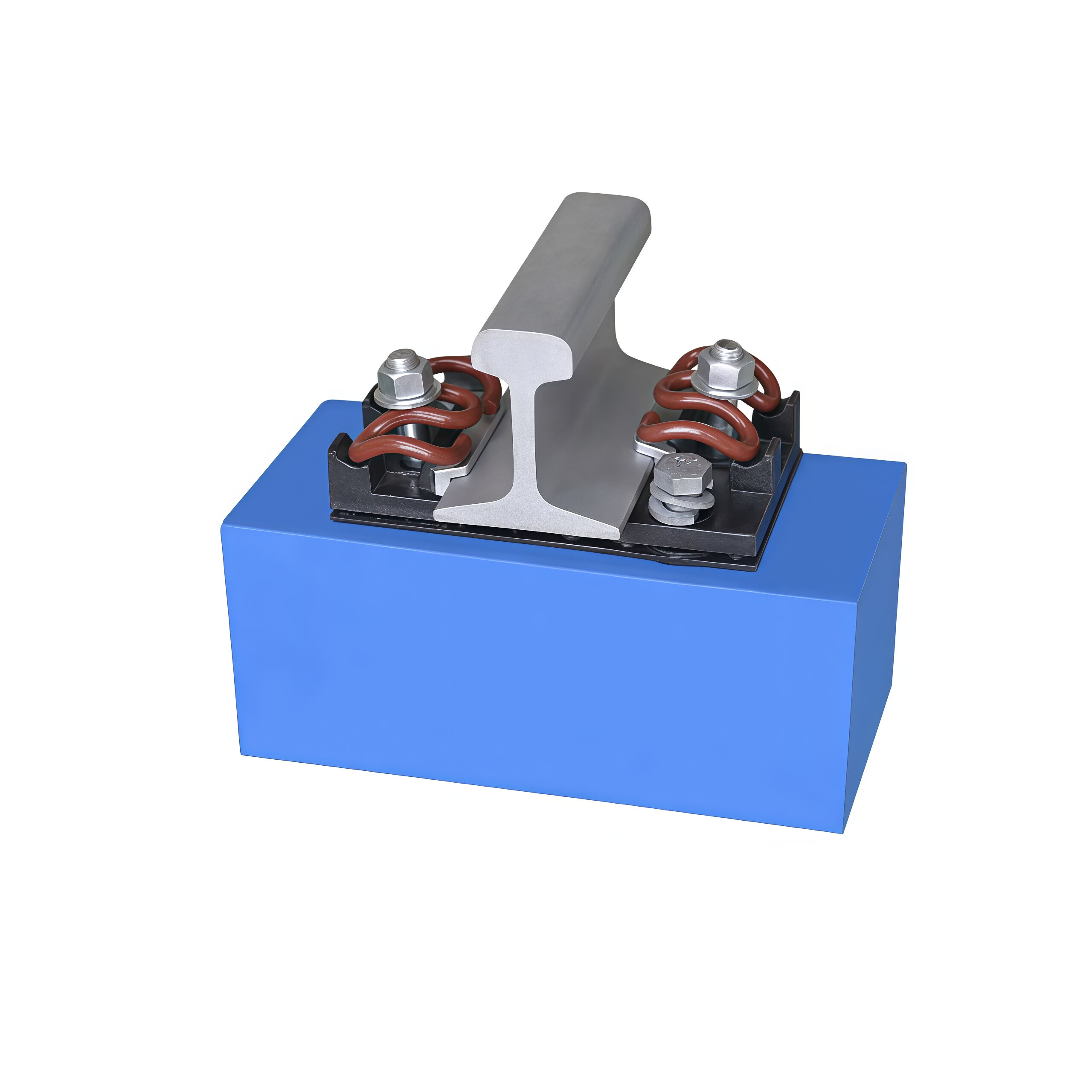
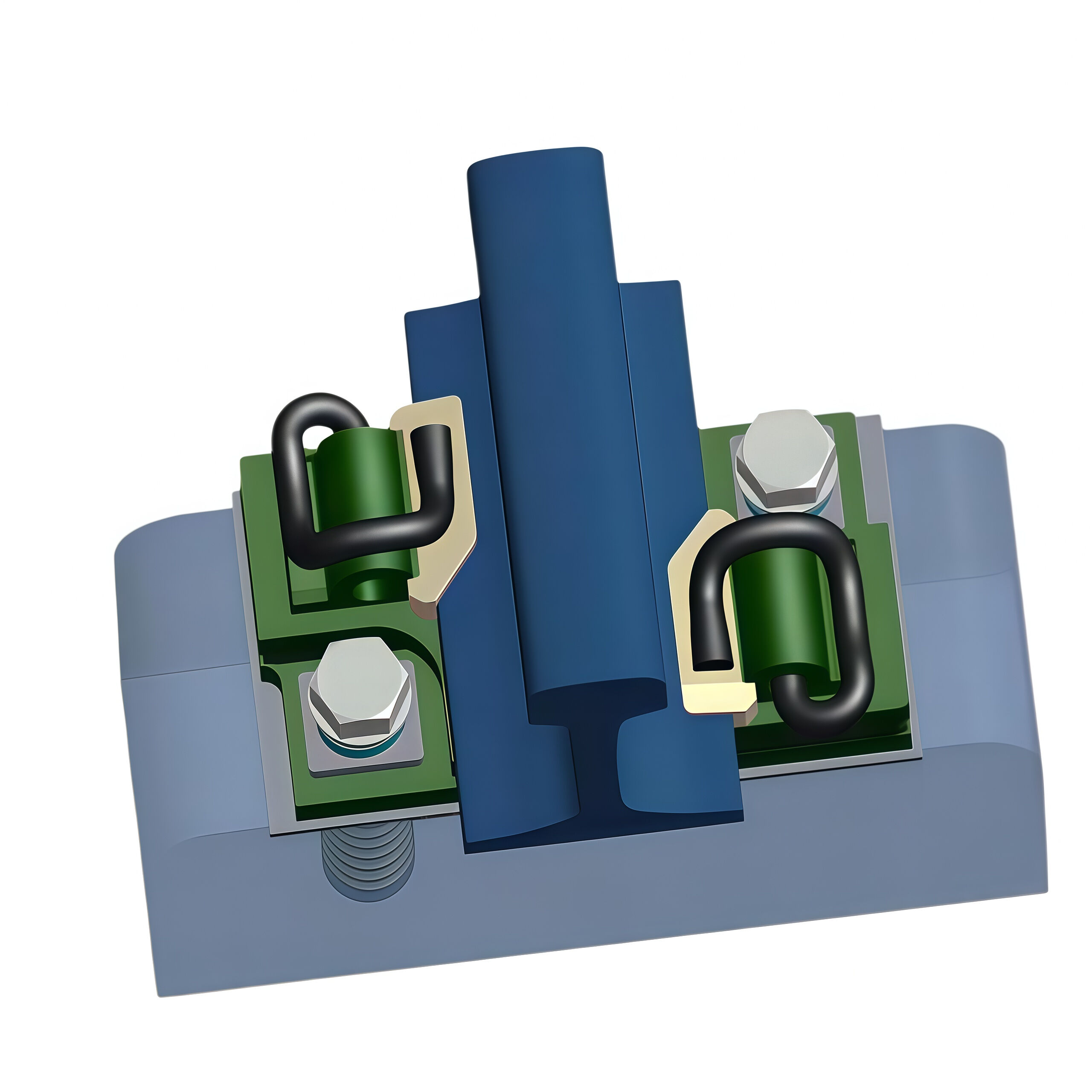
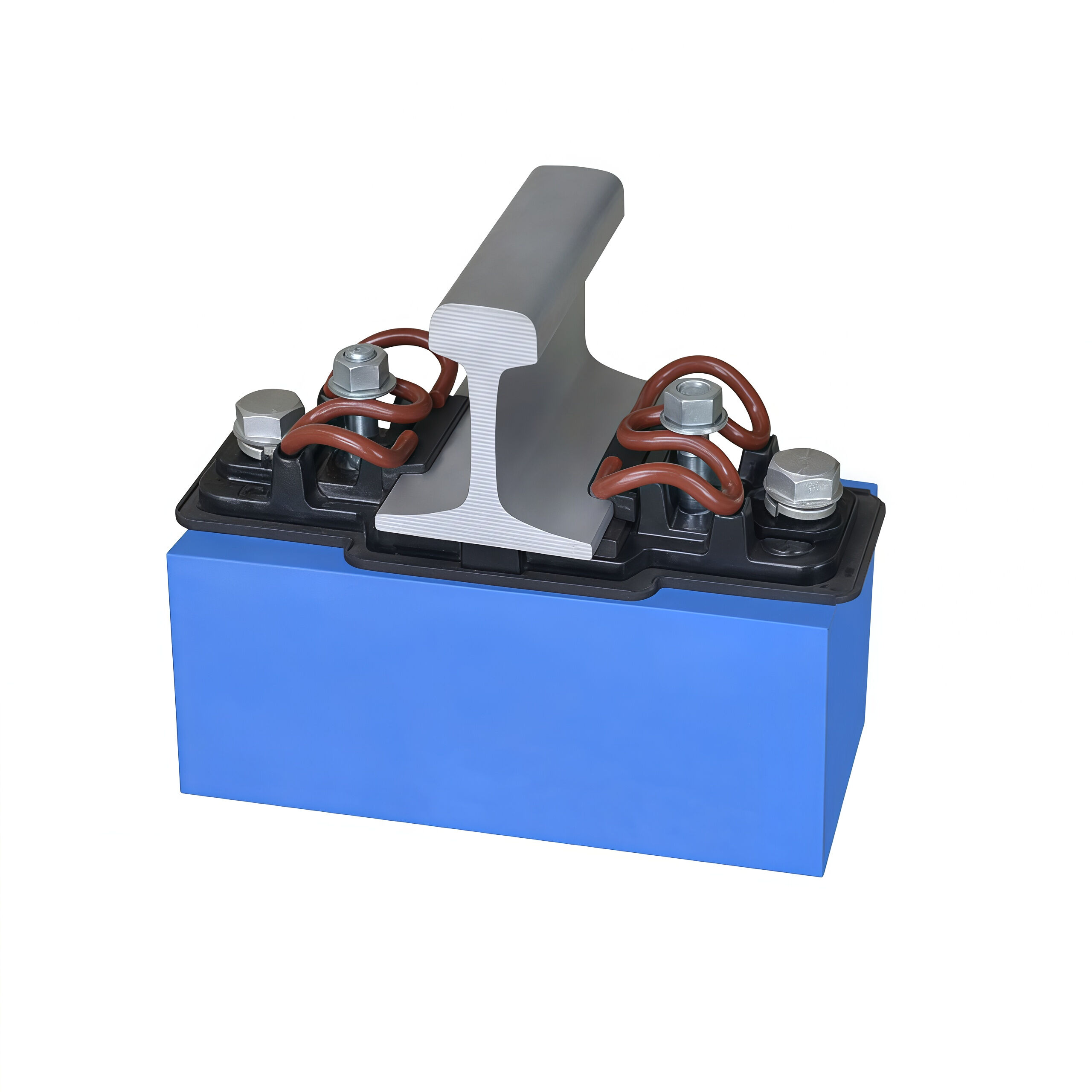
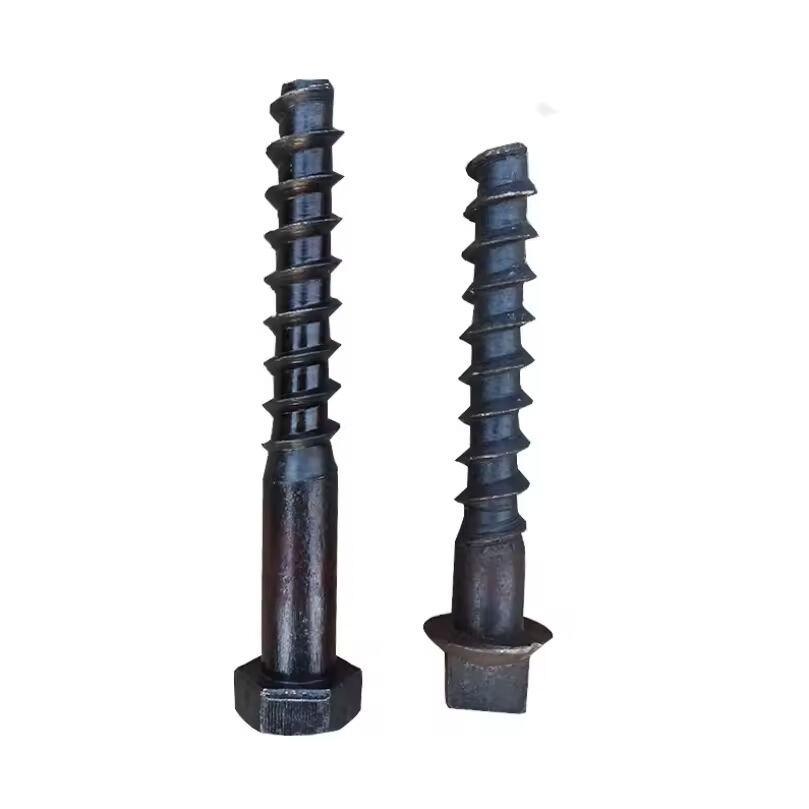
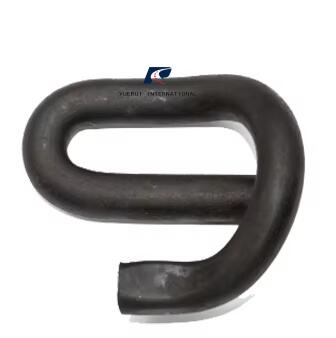
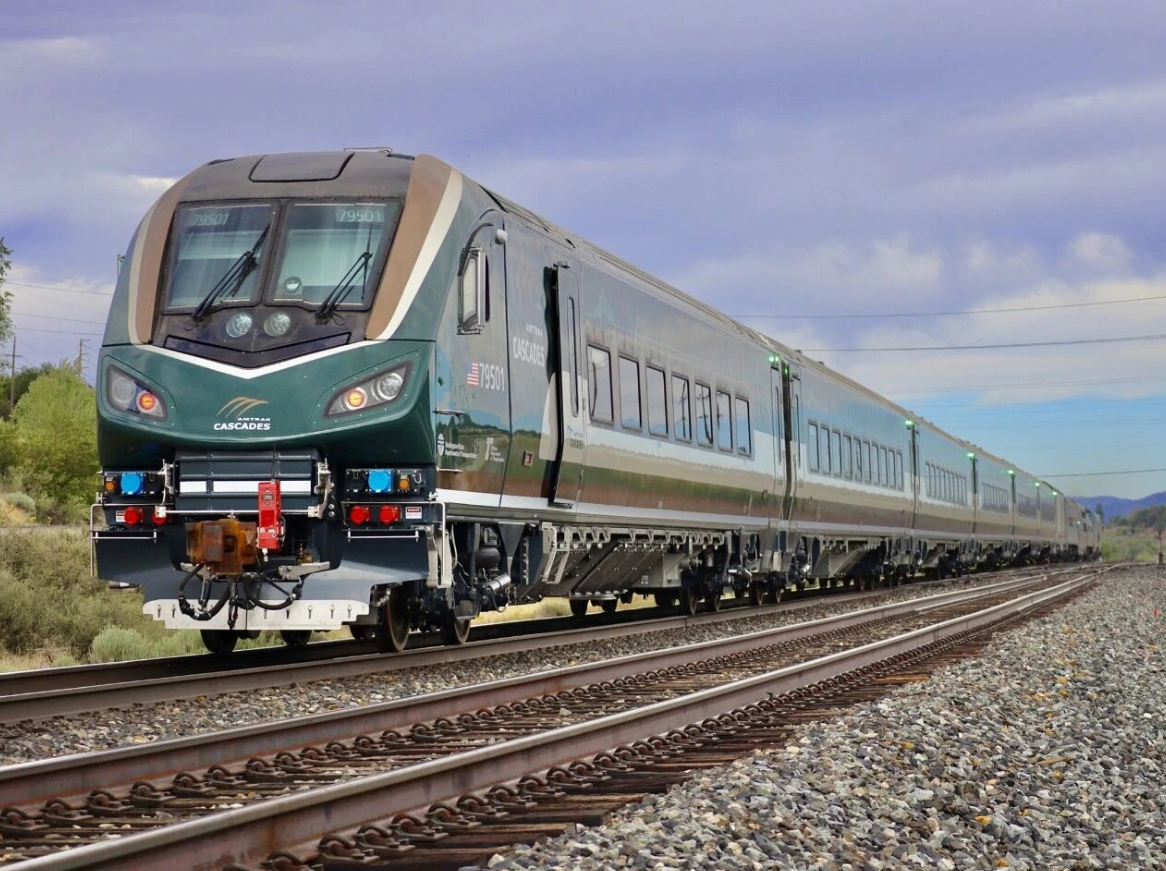
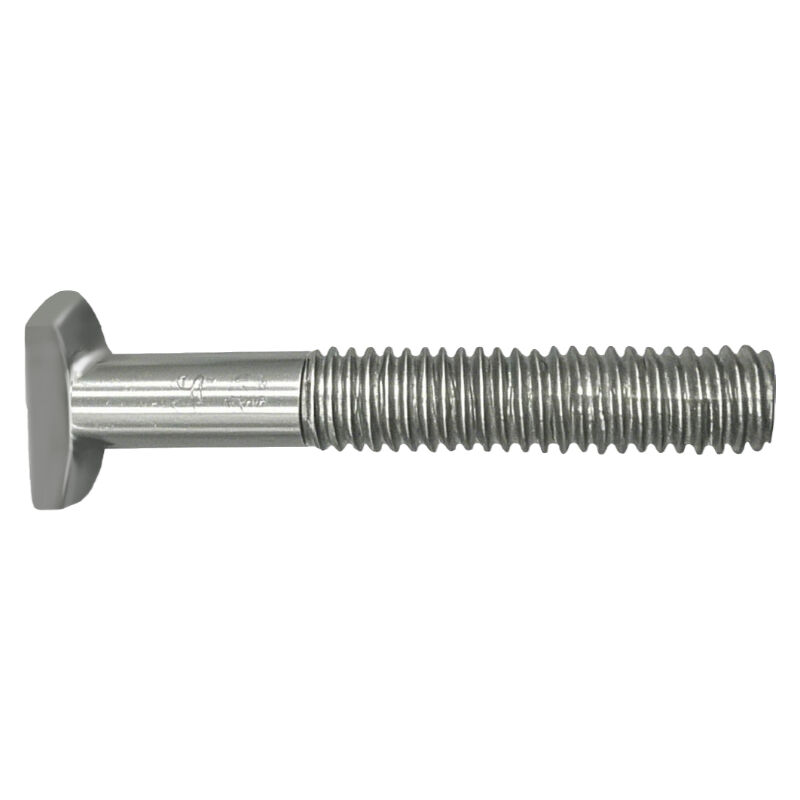
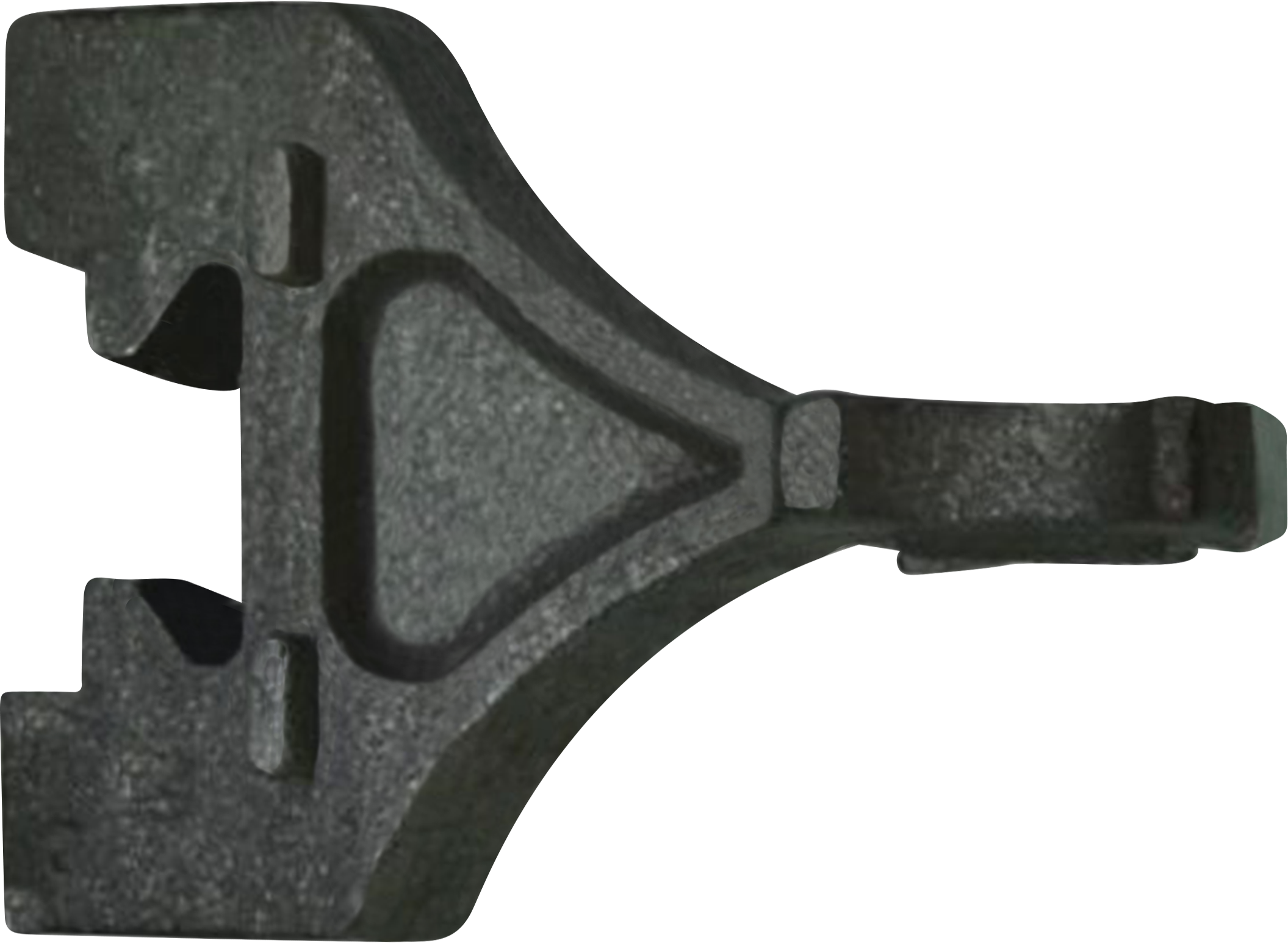
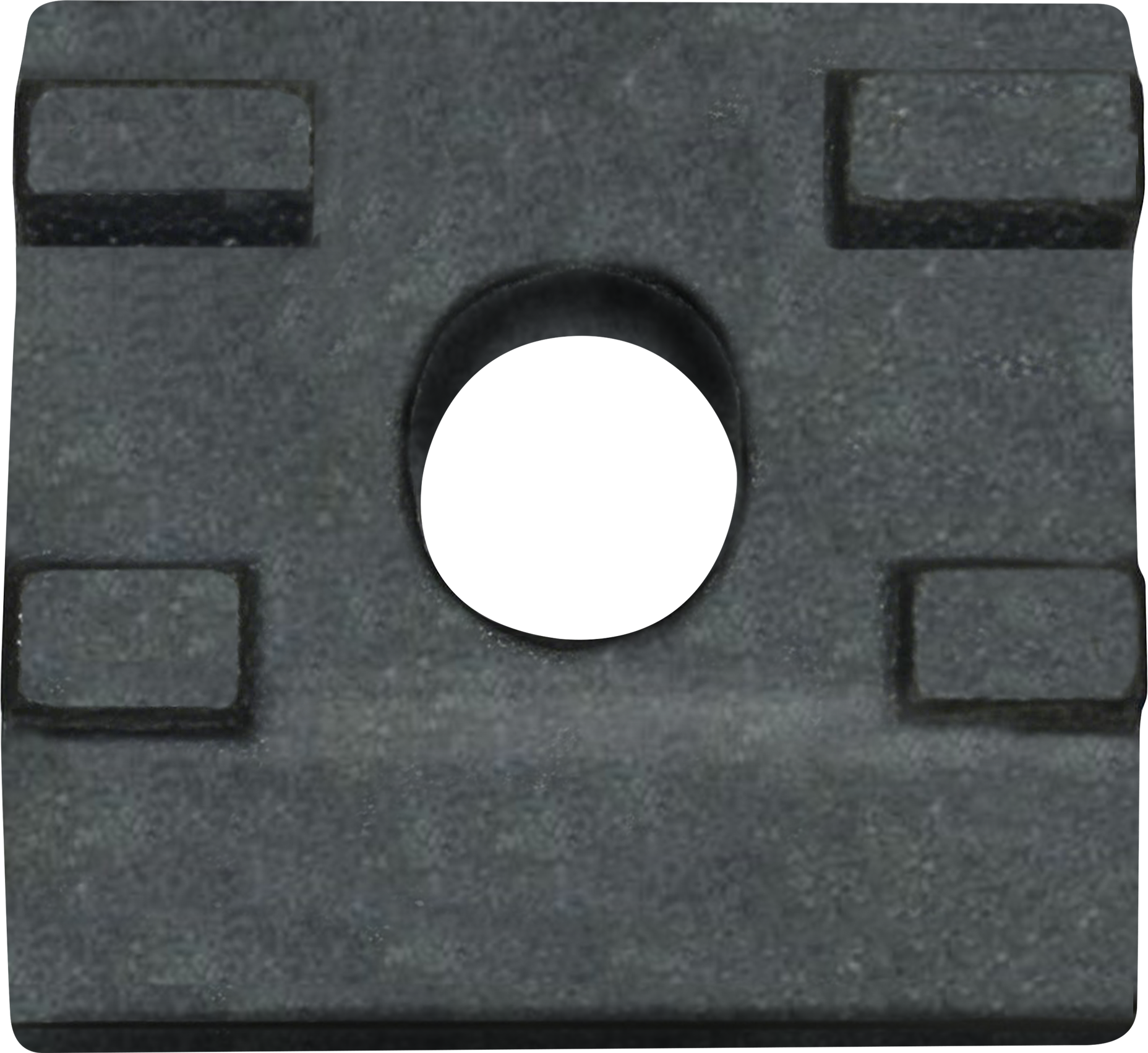
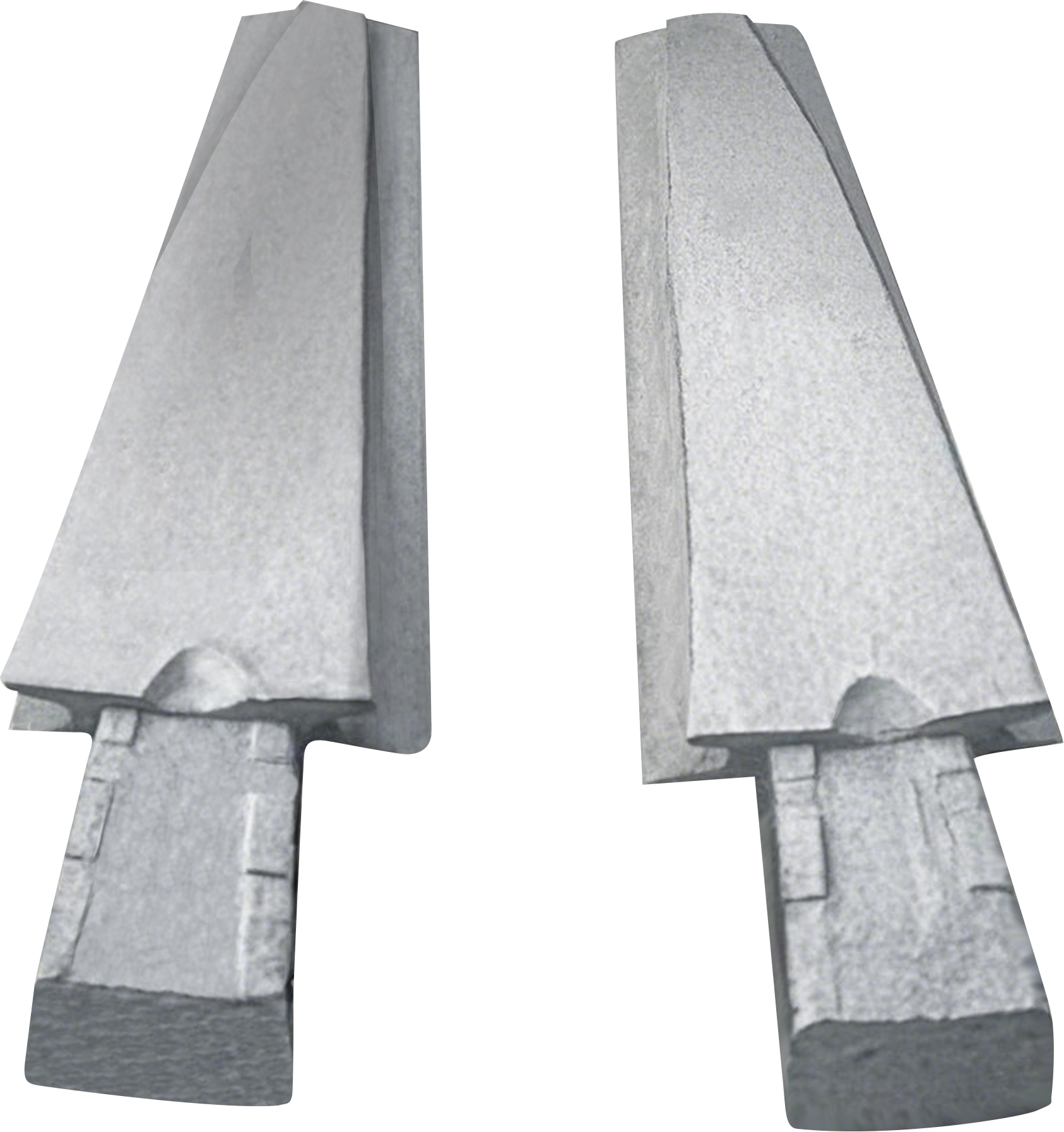
Railway support systems represent critical infrastructure components that ensure the safe, efficient, and reliable operation of modern rail networks. These sophisticated engineering solutions serve as the backbone of railway transportation, providing essential structural integrity and operational stability for trains traveling at various speeds across diverse terrains. A railway support encompasses multiple interconnected elements, including track bed foundations, ballast systems, sleeper arrangements, rail fastening mechanisms, and drainage infrastructure. The primary function of railway support involves distributing the dynamic loads generated by moving trains across the underlying ground structure, preventing track deformation and maintaining proper rail alignment. Advanced railway support systems incorporate cutting-edge materials such as reinforced concrete, steel composites, and specialized polymers that enhance durability while reducing maintenance requirements. Modern railway support technologies feature innovative design principles that account for thermal expansion, vibration dampening, and environmental factors such as moisture control and freeze-thaw cycles. These systems utilize precision engineering to maintain track gauge accuracy within millimeter tolerances, ensuring optimal wheel-rail interface performance. Contemporary railway support applications span high-speed passenger corridors, heavy freight routes, urban transit networks, and industrial rail facilities. The technological features of modern railway support include modular construction methods, prefabricated components, and standardized installation procedures that streamline construction timelines. Smart railway support systems integrate sensor technology for real-time monitoring of track conditions, load distribution patterns, and structural health assessment. Environmental sustainability considerations drive the development of eco-friendly railway support solutions that minimize material consumption, reduce carbon footprint, and enable component recycling. The railway support industry continues evolving through research initiatives focused on improving load-bearing capacity, extending service life, and reducing lifecycle costs while maintaining stringent safety standards demanded by international railway authorities.

 EN
EN