Premium Rail Fasteners: Advanced Railway Infrastructure Solutions for Enhanced Performance and Durability

All Categories

rail fasteners

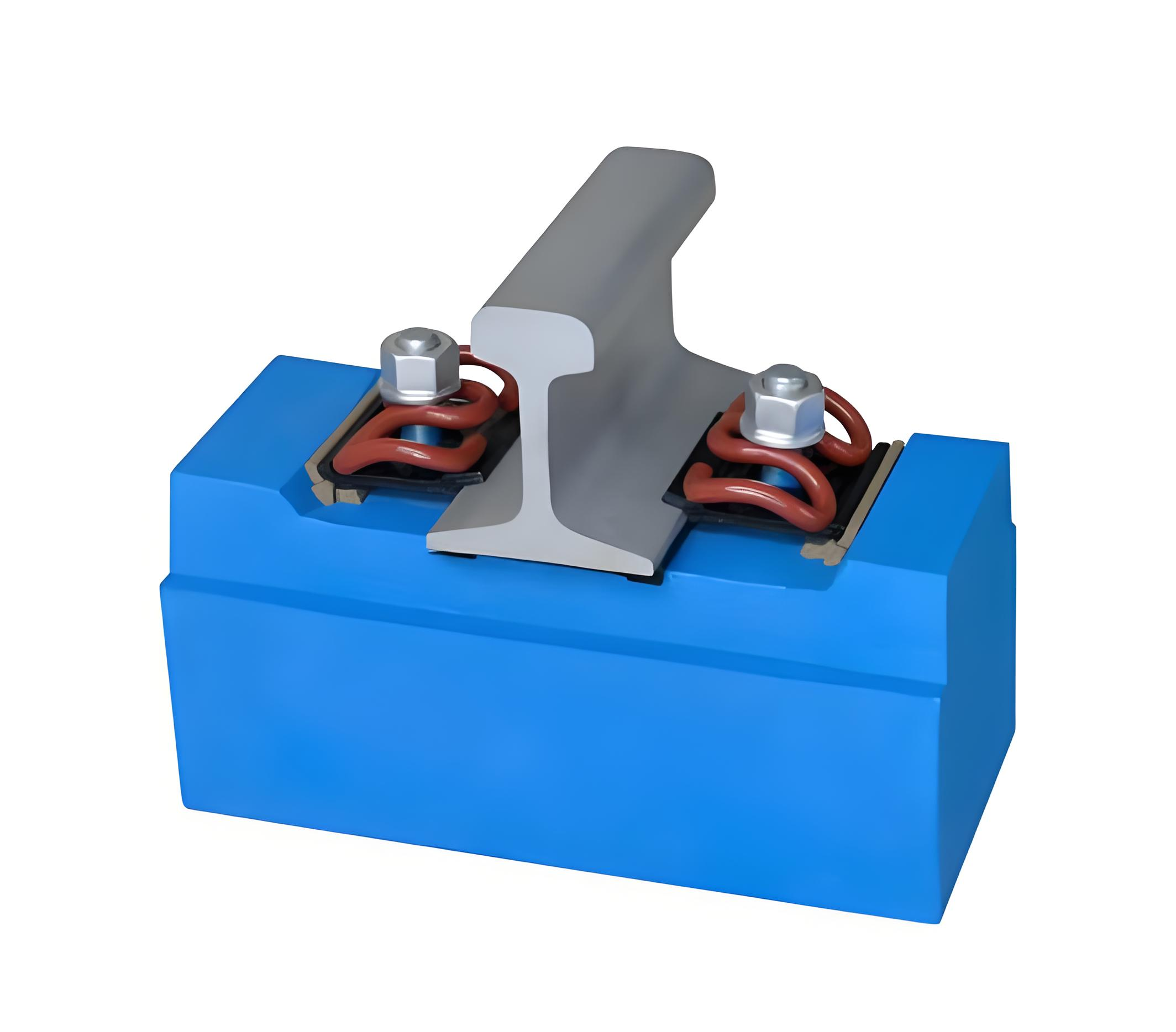
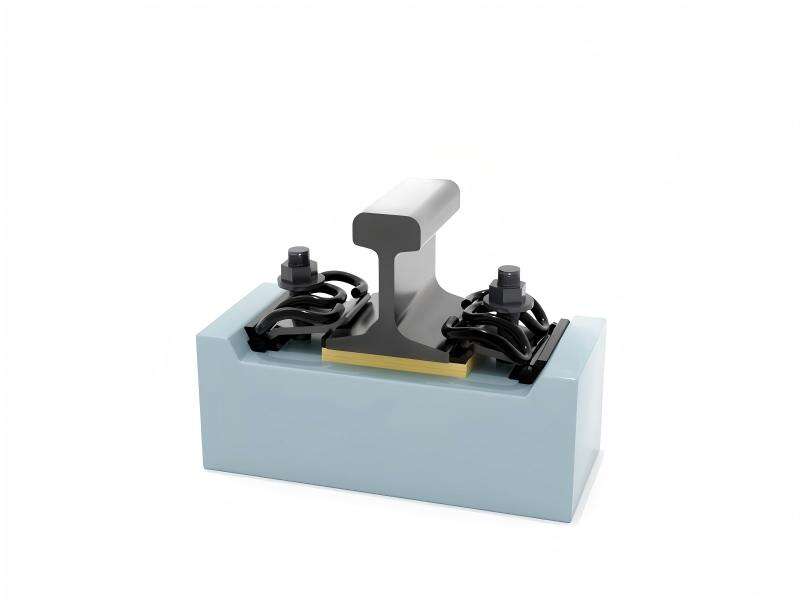
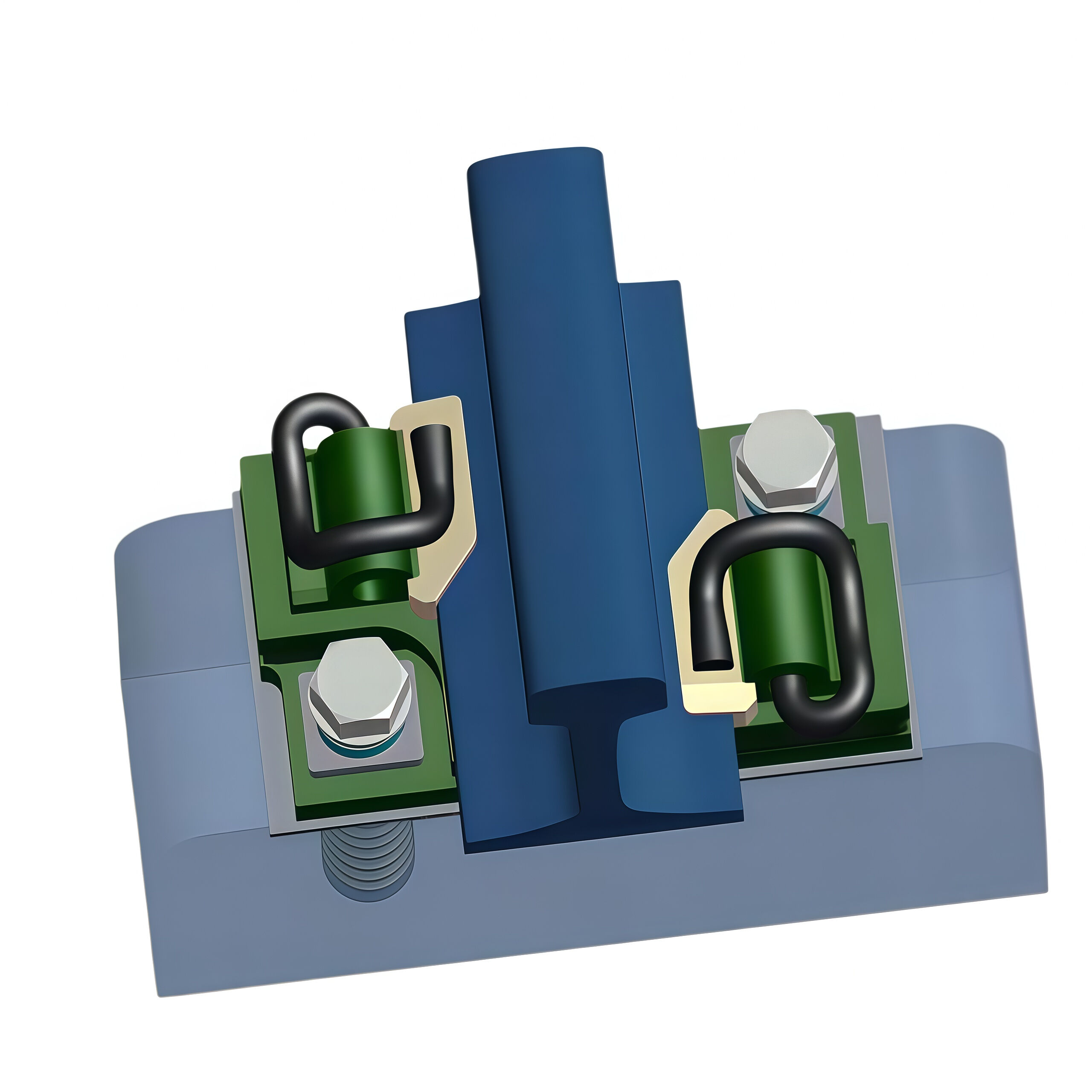
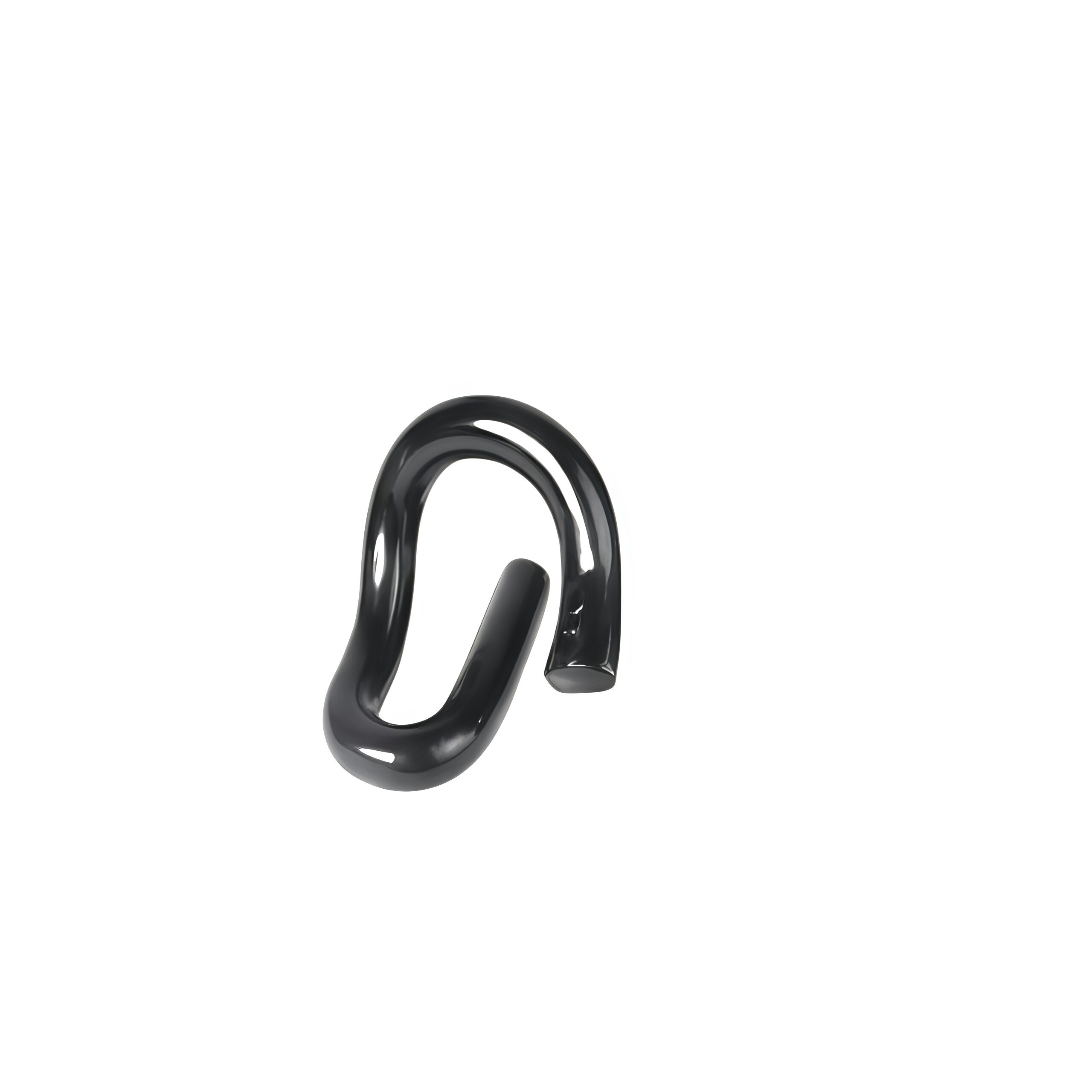
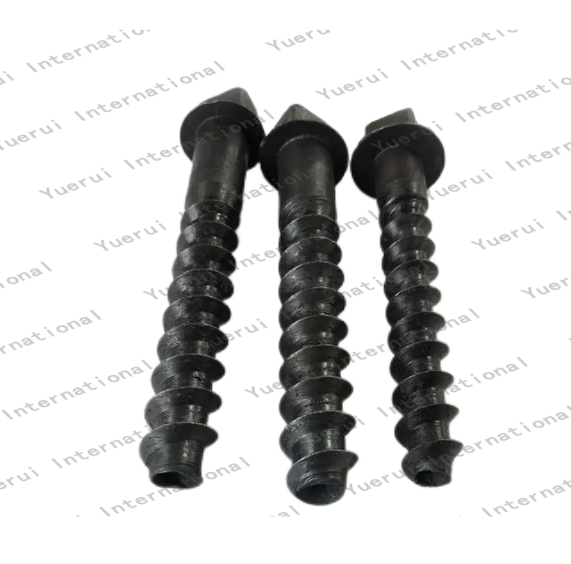
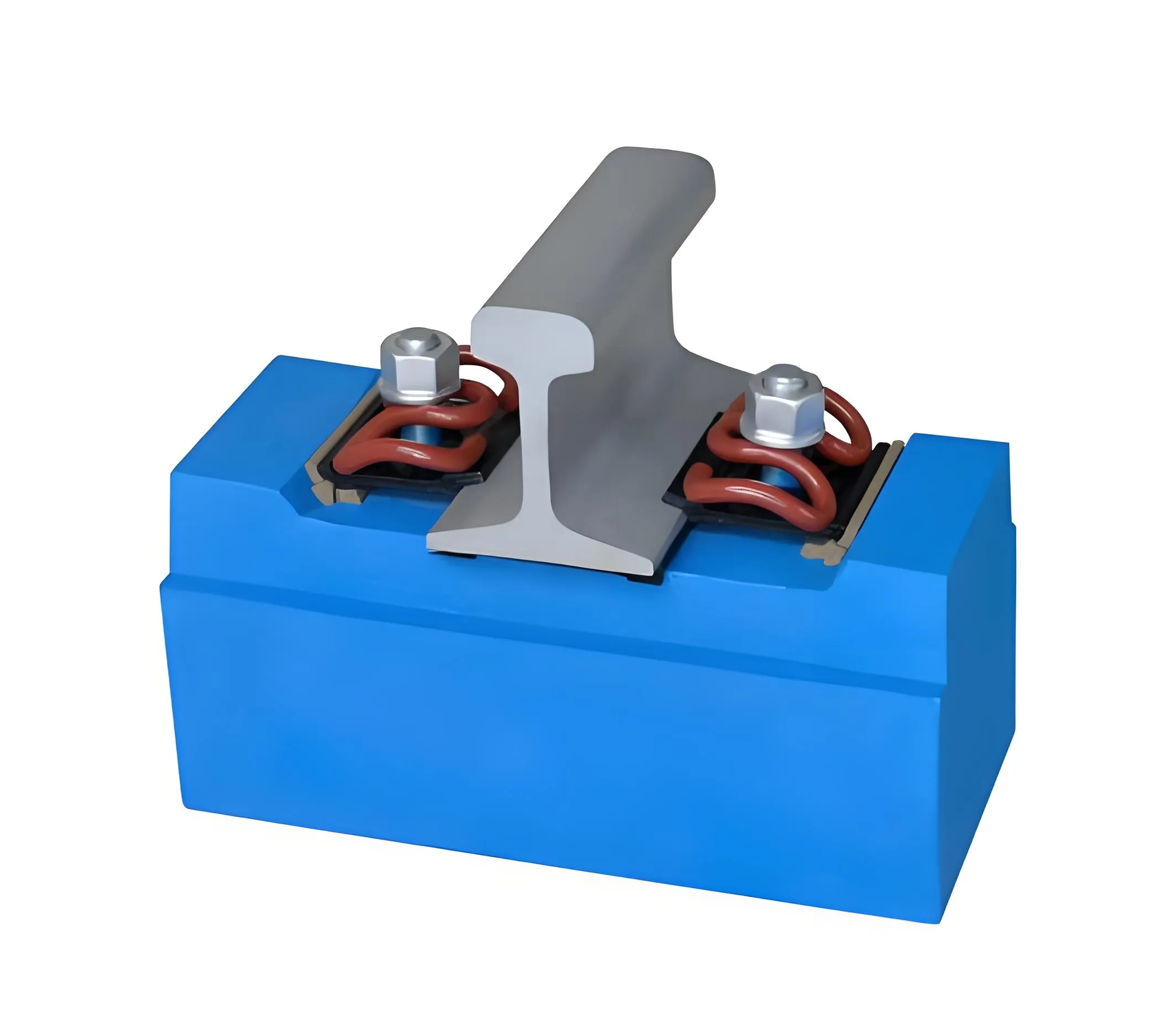
Rail fasteners represent a critical component in railway infrastructure, serving as the essential connection system between rails and railroad ties or sleepers. These specialized hardware components ensure the stability, safety, and operational efficiency of railway tracks worldwide. Rail fasteners encompass various types of mechanical devices, including rail clips, bolts, screws, plates, and anchoring systems that secure rails firmly to their supporting structures. The primary function of rail fasteners involves maintaining precise rail gauge while accommodating thermal expansion and contraction of steel rails. These components must withstand enormous forces generated by passing trains, including vertical loads from train weight, lateral forces during cornering, and longitudinal stresses from acceleration and braking. Modern rail fasteners incorporate advanced metallurgical properties and engineering designs to resist fatigue, corrosion, and wear over extended service periods. The technological evolution of rail fasteners has progressed from simple spike and plate systems to sophisticated elastic fastening solutions that provide superior vibration dampening and noise reduction. Contemporary rail fasteners feature spring-loaded mechanisms, rubber pads, and composite materials that enhance track performance while reducing maintenance requirements. These systems accommodate different rail profiles, tie materials, and operational conditions across passenger, freight, and high-speed rail applications. Rail fasteners must comply with stringent international standards and undergo rigorous testing to ensure reliability under extreme weather conditions, heavy traffic loads, and seismic activity. The selection of appropriate rail fasteners depends on factors including train speeds, axle loads, track geometry, environmental conditions, and maintenance accessibility. Quality rail fasteners contribute significantly to overall railway system performance by minimizing track settlement, reducing rail movement, and extending infrastructure lifespan through consistent and reliable rail-to-tie connections that maintain track stability throughout years of continuous operation.

Popular Products

Rail fasteners deliver substantial benefits that directly impact railway operational efficiency and cost-effectiveness for transportation companies and infrastructure managers. These components reduce maintenance expenses by providing consistent rail positioning that minimizes wear patterns and extends rail service life significantly. Quality rail fasteners eliminate frequent track adjustments and repairs, allowing maintenance crews to focus resources on other critical infrastructure needs. The advanced engineering of modern rail fasteners creates superior load distribution across track structures, preventing localized stress concentrations that could lead to premature failure of rails or ties. This enhanced load distribution translates into longer intervals between major track renewals, resulting in substantial capital savings over the infrastructure lifecycle. Rail fasteners improve passenger comfort and cargo protection through effective vibration control that reduces track-generated noise and smooth train operations. The elastic properties of contemporary rail fasteners absorb impact forces and minimize track deflection, creating a more stable riding surface that enhances passenger experience while protecting sensitive freight from damage caused by excessive vibration. Installation efficiency represents another significant advantage, as modern rail fasteners incorporate user-friendly designs that accelerate construction schedules and reduce labor costs. These systems often feature simplified installation procedures that require fewer specialized tools and less skilled labor compared to traditional fastening methods. Rail fasteners enhance safety through reliable performance under extreme conditions, maintaining secure rail connections during temperature fluctuations, heavy precipitation, and seismic events. The corrosion resistance of quality rail fasteners ensures consistent performance in harsh environmental conditions, including coastal areas with salt exposure and industrial regions with chemical contamination. Energy efficiency benefits emerge from the precise track alignment maintained by effective rail fasteners, reducing rolling resistance and fuel consumption for train operations. The dimensional stability provided by rail fasteners minimizes track irregularities that would otherwise increase energy requirements for train movement. Modern rail fasteners support higher operating speeds and increased axle loads, enabling railway operators to maximize capacity and revenue generation from existing infrastructure investments while maintaining safety standards and regulatory compliance throughout extended service periods.

Tips And Tricks

What to Consider When Buying Bulk Rail Spikes for Construction

24

Nov

What to Consider When Buying Bulk Rail Spikes for Construction

Rail spikes serve as critical fastening components in railway construction and maintenance projects, providing the essential connection between rails and railroad ties. These heavy-duty fasteners must withstand tremendous forces from passing trains w...
View More
How Do Rail Tools Support Safety and Precision in Track Construction?

05

Jan

How Do Rail Tools Support Safety and Precision in Track Construction?

Modern railway construction demands exceptional precision and unwavering safety standards to ensure reliable transportation networks. The foundation of successful track construction lies in the proper selection and application of specialized rail too...
View More
How to maintain correct track gauge in high-speed rail lines?

20

Apr

How to maintain correct track gauge in high-speed rail lines?

Maintaining correct track gauge is the cornerstone of safe and efficient high-speed rail operations, where even millimeter deviations can trigger catastrophic derailments at operational speeds exceeding 300 km/h. The precision required for track gaug...
View More
How to select rail anchors for high-speed vs conventional rail lines?

20

Apr

How to select rail anchors for high-speed vs conventional rail lines?

Selecting the appropriate rail anchors for different railway applications requires understanding the fundamental differences between high-speed and conventional rail systems. Rail anchors serve as critical components that secure rails to sleepers and...
View More

Get a Free Quote

Our representative will contact you soon.
Email
Name
Company Name
Message
0/1000

rail fasteners

Advanced Load Distribution Technology

Advanced Load Distribution Technology

The sophisticated load distribution capabilities of modern rail fasteners represent a fundamental advancement in railway engineering that delivers exceptional value for infrastructure operators and maintenance teams. These innovative systems utilize precision-engineered components that distribute train-generated forces uniformly across track structures, preventing concentrated stress points that traditionally cause premature infrastructure deterioration. The load distribution technology incorporates specially designed base plates, elastic pads, and spring mechanisms that work synergistically to spread vertical, lateral, and longitudinal forces over larger surface areas of railroad ties and ballast foundations. This comprehensive force distribution significantly reduces peak stress levels experienced by individual track components, extending their operational lifespan and reducing replacement frequency. Rail fasteners equipped with advanced load distribution technology feature carefully calculated spring rates and deflection characteristics that optimize force transmission while accommodating thermal expansion and dynamic loading from train operations. The engineering precision of these systems ensures consistent performance across varying operational conditions, maintaining optimal load distribution regardless of temperature fluctuations, moisture levels, or traffic intensity. Infrastructure managers benefit from reduced maintenance costs as the enhanced load distribution minimizes track settlement, ballast degradation, and tie deterioration that typically require frequent intervention and resource allocation. The technology enables railways to handle increased axle loads and higher traffic volumes without compromising track stability or safety standards, providing excellent return on investment through enhanced capacity utilization. Quality control measures ensure that each rail fastener component meets strict tolerances for load distribution performance, guaranteeing reliable operation throughout the design service life. The load distribution technology also contributes to environmental sustainability by extending infrastructure lifespan, reducing material consumption for repairs and replacements, and minimizing disruption to surrounding ecosystems during maintenance activities. Railway operators experience improved operational reliability as the consistent load distribution prevents sudden track failures and unplanned service interruptions that could impact scheduling and customer satisfaction.
Superior Corrosion Resistance Engineering

Superior Corrosion Resistance Engineering

The exceptional corrosion resistance engineered into premium rail fasteners provides unmatched durability and reliability for railway infrastructure operating in challenging environmental conditions worldwide. This advanced corrosion protection technology incorporates multiple defense mechanisms including specialized coating systems, galvanic treatments, and metallurgical enhancements that create comprehensive barriers against oxidation, chemical attack, and atmospheric deterioration. Rail fasteners with superior corrosion resistance undergo rigorous surface preparation processes followed by application of multi-layer protective coatings that bond molecularly with base metal substrates to create impermeable shields against moisture infiltration and chemical exposure. The corrosion resistance engineering extends beyond surface treatments to include carefully selected alloy compositions that inherently resist oxidation and maintain structural integrity even when exposed to salt spray, industrial pollutants, and acidic precipitation common in urban and coastal railway environments. Quality rail fasteners feature hot-dip galvanizing processes that provide uniform zinc coating thickness across all component surfaces, ensuring complete protection for threaded areas, joint interfaces, and complex geometries where corrosion typically initiates. The galvanizing process creates metallurgical bonding between zinc coating and steel substrate that prevents coating delamination under thermal cycling and mechanical stress experienced during normal railway operations. Advanced polymer coating systems supplement galvanic protection with additional chemical barriers that resist specific environmental contaminants including chlorides, sulfates, and organic compounds that could compromise traditional protective measures. Infrastructure operators benefit from dramatically extended service intervals as corrosion-resistant rail fasteners maintain structural performance and appearance throughout decades of continuous exposure to harsh environmental conditions. The superior corrosion resistance translates directly into reduced lifecycle costs through elimination of premature component replacement, decreased inspection frequency, and minimized maintenance intervention requirements that typically consume substantial operational budgets. Railway systems operating in marine environments, industrial corridors, and regions with severe weather patterns experience particular advantages from corrosion-resistant rail fasteners that maintain reliable performance when conventional fastening systems would require frequent replacement due to environmental degradation and structural compromise.
Precision Installation and Maintenance Efficiency

Precision Installation and Maintenance Efficiency

The precision installation capabilities and maintenance efficiency features of modern rail fasteners deliver substantial operational advantages that streamline construction schedules, reduce labor requirements, and minimize long-term maintenance costs for railway infrastructure projects. These advanced fastening systems incorporate innovative design elements that simplify installation procedures while ensuring consistent, reliable connections that meet stringent performance specifications and safety standards. Rail fasteners designed for precision installation feature self-aligning components, standardized tooling interfaces, and visual installation indicators that enable construction crews to achieve optimal positioning and torque specifications with minimal training and specialized equipment requirements. The engineering precision of these systems eliminates guesswork during installation, reducing human error potential and ensuring uniform performance across entire track installations. Quality control features built into rail fasteners provide immediate feedback regarding proper installation completion, including torque indication mechanisms, audible confirmation systems, and visual alignment guides that verify correct component positioning and fastening tension. The standardized installation procedures enable railway contractors to achieve higher productivity rates while maintaining consistent quality standards throughout large-scale construction projects, resulting in accelerated project completion and reduced labor costs. Maintenance efficiency advantages emerge from the accessible design of modern rail fasteners that accommodate standard inspection tools and replacement procedures without requiring specialized equipment or extensive track disruption. The modular component design enables selective replacement of individual fastener elements without disturbing adjacent track components, minimizing maintenance time and associated service interruptions. Rail fasteners engineered for maintenance efficiency incorporate features such as captive hardware, corrosion-indicating coatings, and standardized replacement intervals that enable predictive maintenance scheduling and inventory optimization. The precision tolerances maintained by quality rail fasteners ensure consistent performance throughout service life, reducing the frequency of adjustment procedures and eliminating premature replacement due to dimensional instability or performance degradation. Documentation and traceability features integrated into modern rail fastener systems support comprehensive maintenance record keeping and performance monitoring that enables data-driven decision making for infrastructure management and replacement planning strategies.

Get a Free Quote

Our representative will contact you soon.
Email
Name
Company Name
Message
0/1000