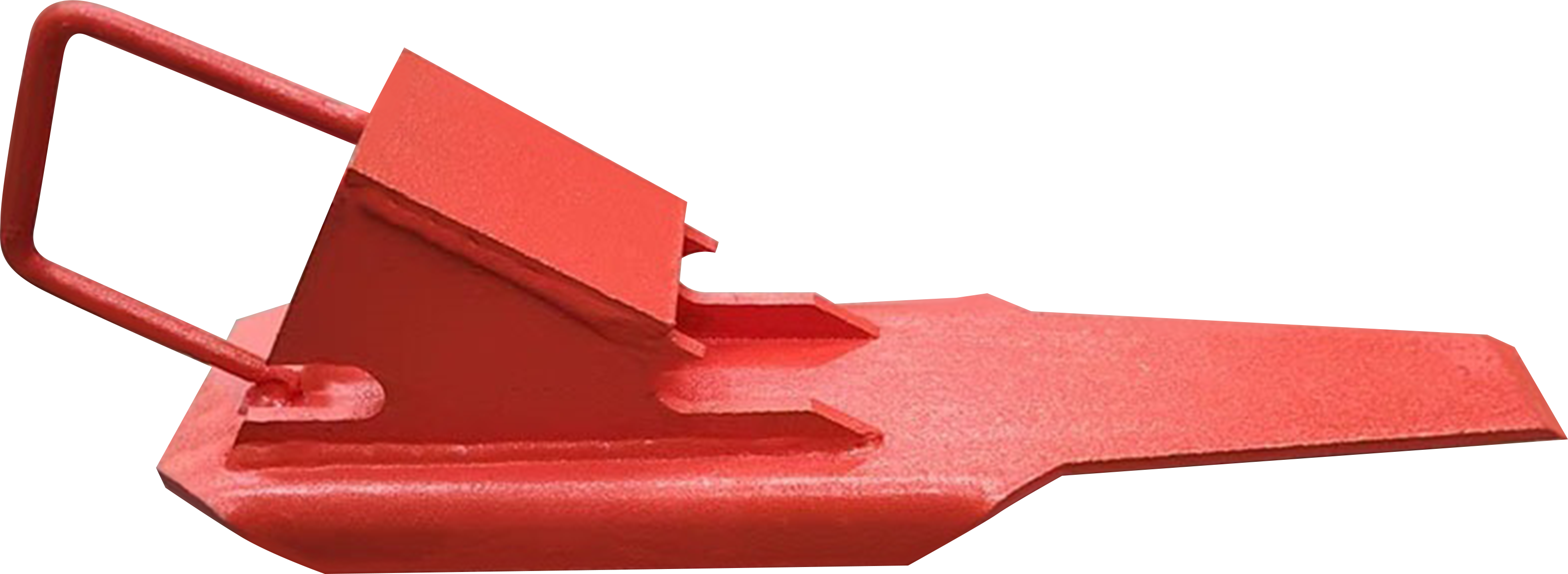
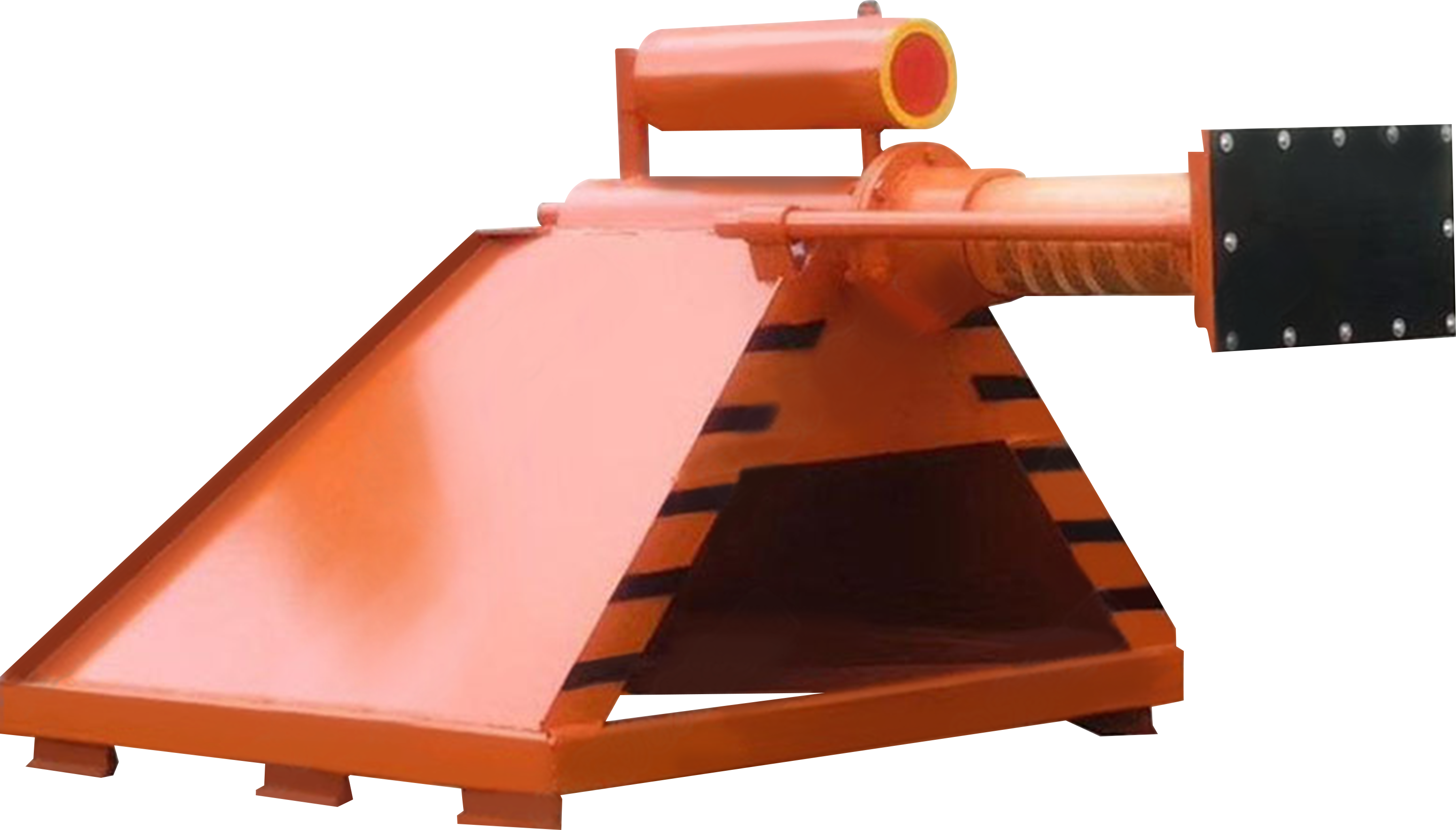
Premium Locomotive Parts: Advanced Railway Components for Enhanced Performance and Reliability

All Categories

locomotive parts

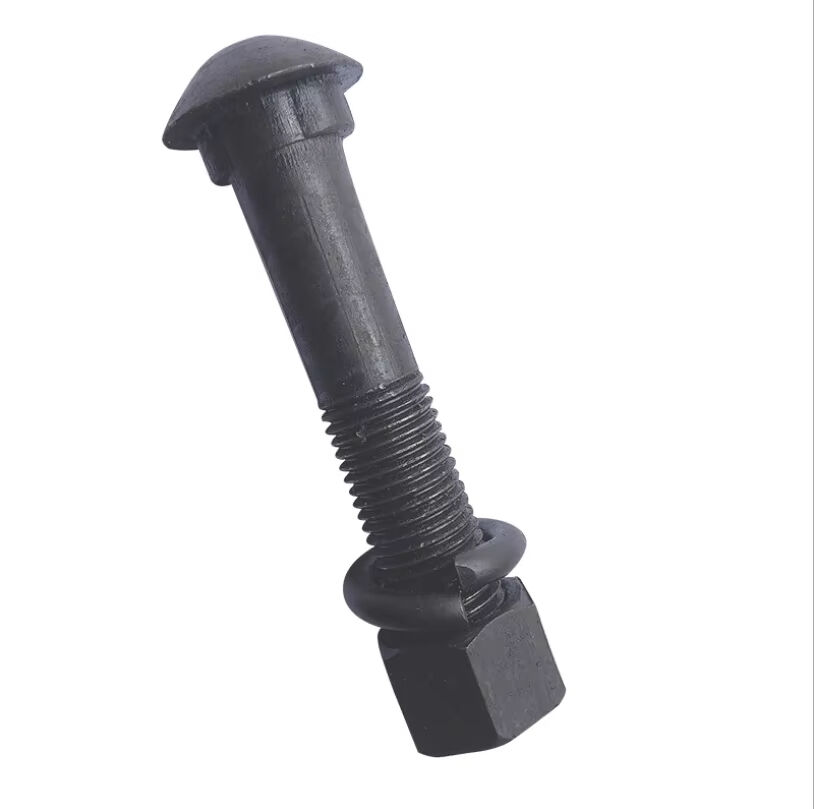
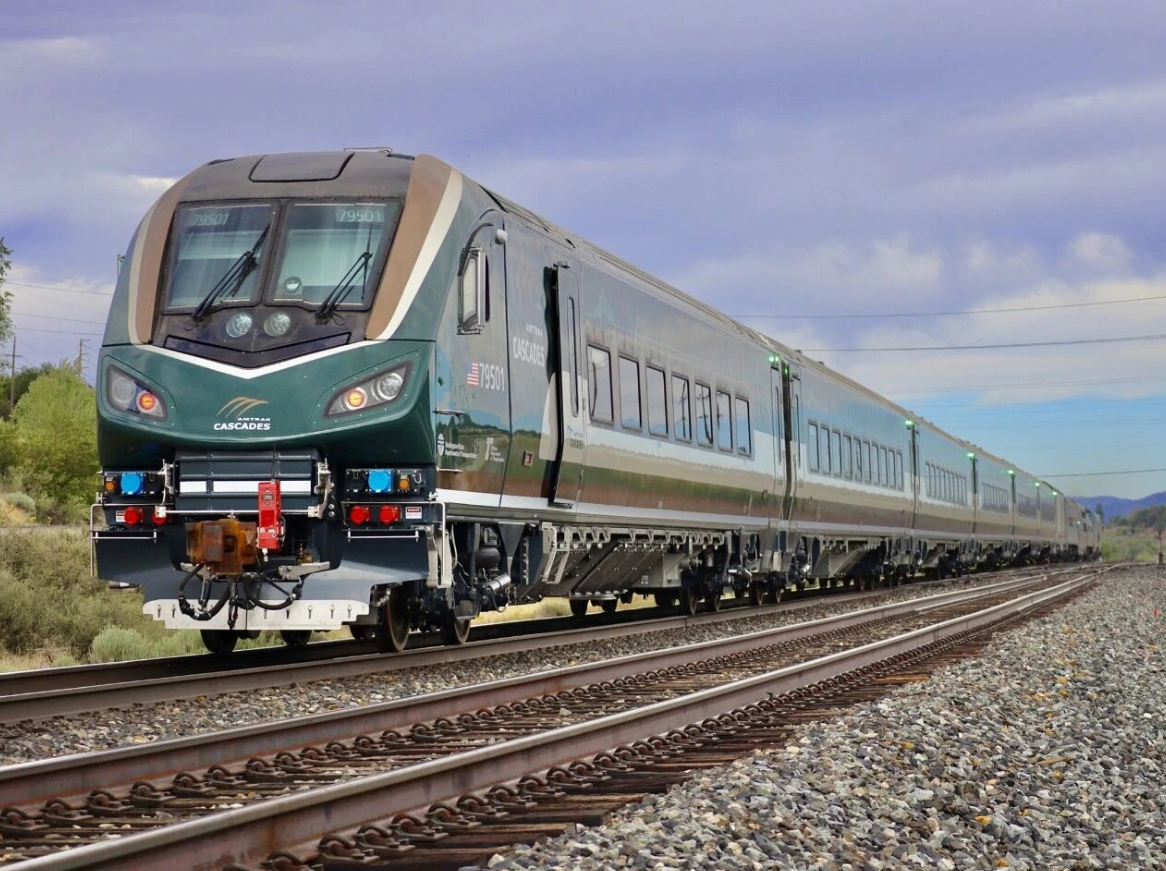
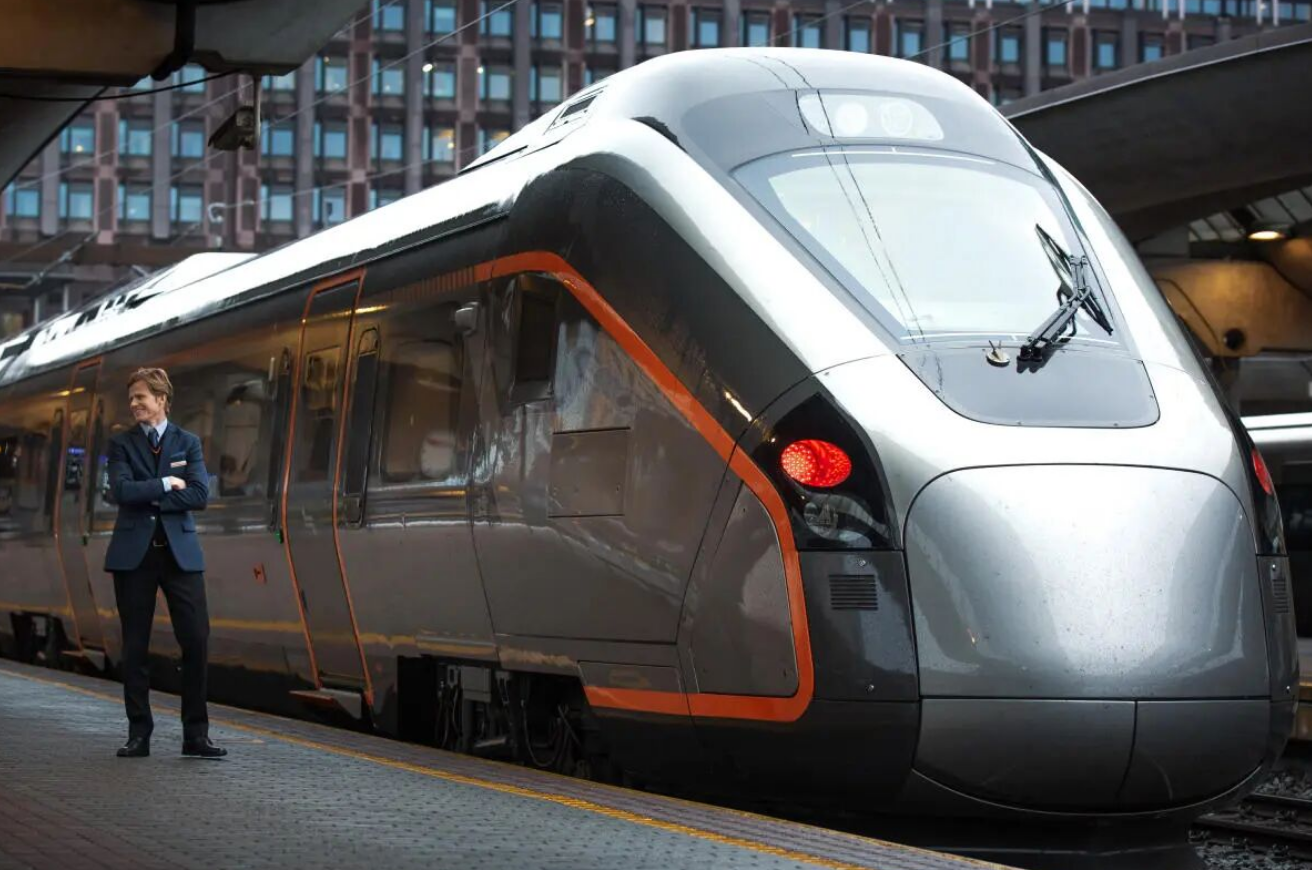
Locomotive parts represent the fundamental building blocks of modern railway transportation systems, encompassing a comprehensive array of components designed to ensure safe, efficient, and reliable train operations. These essential elements work in perfect harmony to deliver exceptional performance across diverse railway networks worldwide. The primary locomotive parts include the propulsion system, featuring powerful traction motors and advanced control units that convert electrical energy into mechanical motion with remarkable precision. The braking system incorporates state-of-the-art pneumatic and dynamic braking technologies, providing superior stopping power and enhanced safety margins during operation. The suspension components, including springs, dampers, and bogies, deliver smooth ride quality while maintaining optimal wheel-rail contact for maximum traction and minimal wear. Modern locomotive parts utilize cutting-edge materials and manufacturing techniques, incorporating high-strength steel alloys, composite materials, and precision-engineered components that withstand extreme operating conditions. The technological features of these locomotive parts include advanced diagnostic systems that monitor performance parameters in real-time, enabling predictive maintenance and reducing downtime significantly. Digital control systems integrate seamlessly with onboard computers to optimize fuel consumption, manage power distribution, and enhance operational efficiency. The applications of locomotive parts extend across passenger transportation, freight hauling, industrial switching operations, and specialized rail services. These components demonstrate exceptional versatility in handling diverse operational requirements, from high-speed passenger services to heavy-duty freight transportation. The modular design approach allows for customized configurations that meet specific operational needs while maintaining standardized interfaces for simplified maintenance procedures. Environmental considerations drive continuous innovation in locomotive parts development, resulting in reduced emissions, improved fuel efficiency, and enhanced sustainability performance that meets increasingly stringent regulatory requirements across global markets.

New Products

The locomotive parts deliver exceptional operational benefits that directly translate into improved performance, reduced costs, and enhanced reliability for railway operators worldwide. These components provide superior durability through advanced metallurgy and precision manufacturing processes that extend service life significantly beyond traditional alternatives. The enhanced reliability of modern locomotive parts reduces unexpected failures and minimizes costly service interruptions, ensuring consistent schedule adherence and improved customer satisfaction. Operators experience substantial cost savings through reduced maintenance requirements, as these locomotive parts incorporate self-diagnostic capabilities and wear-resistant materials that extend maintenance intervals dramatically. The improved fuel efficiency achieved through optimized locomotive parts design results in lower operating costs and reduced environmental impact, making railway operations more sustainable and economically viable. Enhanced safety features built into these locomotive parts include redundant systems, fail-safe mechanisms, and real-time monitoring capabilities that prevent accidents and protect both personnel and cargo. The standardized interfaces of modern locomotive parts facilitate easier installation, replacement, and upgrades, reducing maintenance complexity and training requirements for technical personnel. Operators benefit from increased operational flexibility through modular locomotive parts designs that allow for quick configuration changes to meet varying service demands. The advanced control systems integrated into these locomotive parts enable precise speed regulation, optimal power management, and improved traction control, resulting in smoother operations and reduced wheel wear. The lightweight construction of contemporary locomotive parts contributes to improved acceleration, reduced energy consumption, and enhanced overall performance without compromising strength or durability. These components demonstrate excellent compatibility with existing infrastructure while providing upgrade paths for future technological advancements. The comprehensive warranty coverage and technical support services associated with quality locomotive parts provide operators with confidence and peace of mind throughout the product lifecycle, ensuring maximum return on investment and operational success.

Practical Tips

What Are the Key Quality Standards for Rail Spike Production

24

Nov

What Are the Key Quality Standards for Rail Spike Production

Rail spike production represents a critical component in railway infrastructure development, requiring adherence to stringent quality standards that ensure the safety and longevity of rail systems worldwide. The manufacturing process of these essenti...
View More
How Do Elastic Strips Improve Track Stability and Vibration Control?

18

Dec

How Do Elastic Strips Improve Track Stability and Vibration Control?

Track systems used in railways, industrial transport, and heavy-duty infrastructure are constantly exposed to dynamic loads, repeated impacts, and environmental stress. One of the most effective yet often underestimated components in these systems is...
View More
What materials are best for corrosion-resistant track pins in railways?

20

Apr

What materials are best for corrosion-resistant track pins in railways?

Railway infrastructure faces constant exposure to harsh environmental conditions, making material selection critical for long-term performance and safety. Track pins, essential components that secure rails to railroad ties, must withstand not only me...
View More
How to maintain correct track gauge in high-speed rail lines?

20

Apr

How to maintain correct track gauge in high-speed rail lines?

Maintaining correct track gauge is the cornerstone of safe and efficient high-speed rail operations, where even millimeter deviations can trigger catastrophic derailments at operational speeds exceeding 300 km/h. The precision required for track gaug...
View More

Get a Free Quote

Our representative will contact you soon.
Email
Name
Company Name
Message
0/1000

locomotive parts

Advanced Traction Control Systems for Maximum Performance

Advanced Traction Control Systems for Maximum Performance

The sophisticated traction control systems integrated into modern locomotive parts represent a revolutionary advancement in railway technology, delivering unprecedented levels of performance optimization and operational efficiency. These intelligent systems continuously monitor wheel-slip conditions and automatically adjust power delivery to maintain optimal traction between wheels and rails, preventing energy waste and reducing component wear significantly. The advanced algorithms embedded in these locomotive parts analyze real-time data from multiple sensors, including wheel speed sensors, acceleration monitors, and load detectors, to make instantaneous adjustments that maximize pulling power while minimizing fuel consumption. This technology proves particularly valuable in challenging operating conditions such as wet rails, steep grades, or heavy load situations where traditional systems might struggle to maintain consistent performance. The traction control systems feature adaptive learning capabilities that optimize performance based on specific route characteristics and operating patterns, continuously improving efficiency over time. Railway operators benefit from reduced wheel wear, extended component life, and improved adhesion utilization, resulting in lower maintenance costs and enhanced operational reliability. The system integrates seamlessly with other locomotive parts, including braking systems and power management units, creating a comprehensive control network that optimizes entire train performance. These advanced traction control systems also contribute to improved safety by preventing wheel slip events that could lead to component damage or operational hazards. The user-friendly interface allows operators to monitor system performance and adjust parameters as needed, providing flexibility and control over locomotive operations. The robust design of these locomotive parts ensures reliable operation in harsh environmental conditions, including extreme temperatures, humidity, and vibration levels commonly encountered in railway service. The predictive maintenance capabilities built into these systems alert operators to potential issues before they become critical, enabling proactive maintenance scheduling that minimizes downtime and reduces repair costs substantially.
Intelligent Braking Technology for Enhanced Safety

Intelligent Braking Technology for Enhanced Safety

The cutting-edge braking technology incorporated into contemporary locomotive parts establishes new standards for railway safety and operational control, featuring sophisticated systems that provide precise stopping power under all operating conditions. These advanced braking systems combine pneumatic, dynamic, and electronic technologies to deliver superior performance while maintaining the highest safety standards required for modern railway operations. The intelligent control algorithms continuously monitor train speed, load conditions, and track gradient to calculate optimal braking force distribution, ensuring smooth and controlled deceleration without wheel lock-up or excessive wear. The locomotive parts include redundant safety systems that provide multiple layers of protection, featuring independent backup systems that activate automatically if primary components experience any malfunction. The regenerative braking capabilities built into these systems convert kinetic energy back into electrical power during deceleration, improving overall energy efficiency while reducing brake wear and maintenance requirements significantly. Railway operators benefit from extended brake component life, reduced energy consumption, and improved schedule reliability through consistent braking performance. The advanced diagnostic features integrated into these locomotive parts provide real-time monitoring of brake system health, alerting maintenance personnel to potential issues before they affect operations. The modular design approach allows for easy component replacement and system upgrades, minimizing maintenance downtime and reducing lifecycle costs substantially. These braking systems demonstrate exceptional performance in extreme weather conditions, including rain, snow, and ice, maintaining consistent stopping power when traditional systems might be compromised. The automatic wheel slide protection prevents damage to wheels and rails while ensuring optimal braking efficiency under all conditions. The integration with train control systems enables automatic emergency braking activation when necessary, providing an additional safety layer that protects against human error or system failures. The comprehensive testing and certification programs ensure these locomotive parts meet or exceed international safety standards, providing operators with confidence in their reliability and performance capabilities.
Modular Design Architecture for Operational Flexibility

Modular Design Architecture for Operational Flexibility

The innovative modular design architecture implemented in modern locomotive parts revolutionizes railway maintenance and operational flexibility, providing unprecedented adaptability and cost-effectiveness for diverse railway applications. This sophisticated approach enables railway operators to customize locomotive configurations precisely to match specific operational requirements while maintaining standardized interfaces that simplify maintenance procedures and reduce training needs substantially. The modular locomotive parts feature interchangeable components that allow for rapid reconfiguration of trains to handle varying service demands, from high-speed passenger operations to heavy freight transportation, without requiring complete locomotive replacement or extensive modifications. The standardized connection systems ensure perfect compatibility between different modules, enabling operators to mix and match components from various manufacturers while maintaining optimal performance and reliability. This design philosophy significantly reduces inventory requirements, as common components can serve multiple locomotive types and applications, resulting in lower spare parts costs and simplified supply chain management. The modular approach facilitates incremental technology upgrades, allowing operators to enhance specific locomotive parts without replacing entire systems, extending equipment life and protecting capital investments effectively. Railway maintenance becomes more efficient through the plug-and-play design of these locomotive parts, as technicians can quickly identify, remove, and replace faulty modules without extensive disassembly or specialized tools. The diagnostic capabilities built into each module provide detailed performance data and fault isolation, enabling precise troubleshooting and targeted repairs that minimize downtime significantly. The scalable nature of modular locomotive parts allows for easy capacity expansion by adding or upgrading specific modules as operational demands increase or technology advances. Quality control benefits from the modular approach, as each component undergoes independent testing and validation before integration, ensuring higher overall system reliability and performance consistency. The reduced complexity of individual modules simplifies manufacturing processes, enabling higher precision and quality while reducing production costs that benefit end users through competitive pricing and improved value propositions.

Get a Free Quote

Our representative will contact you soon.
Email
Name
Company Name
Message
0/1000