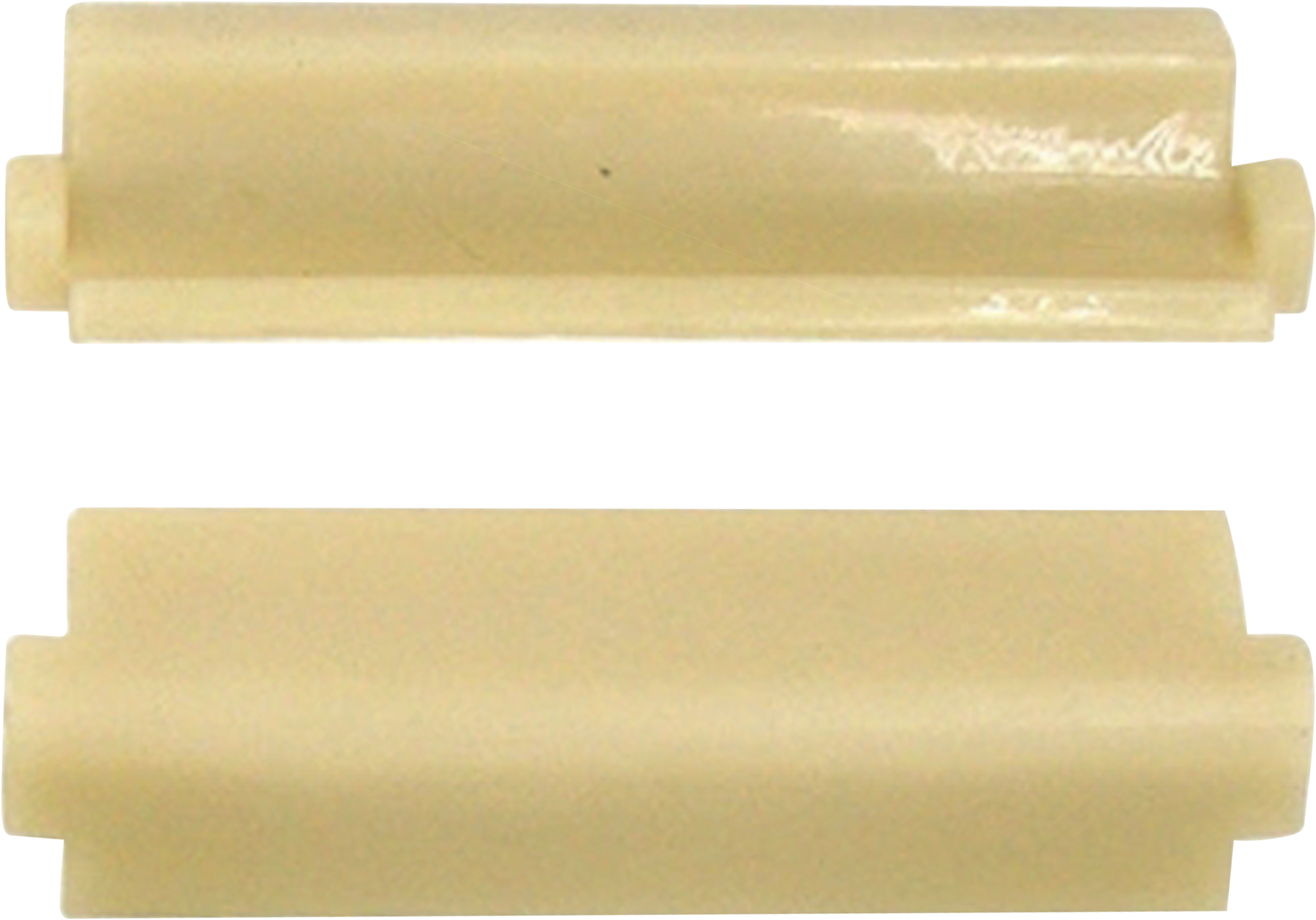
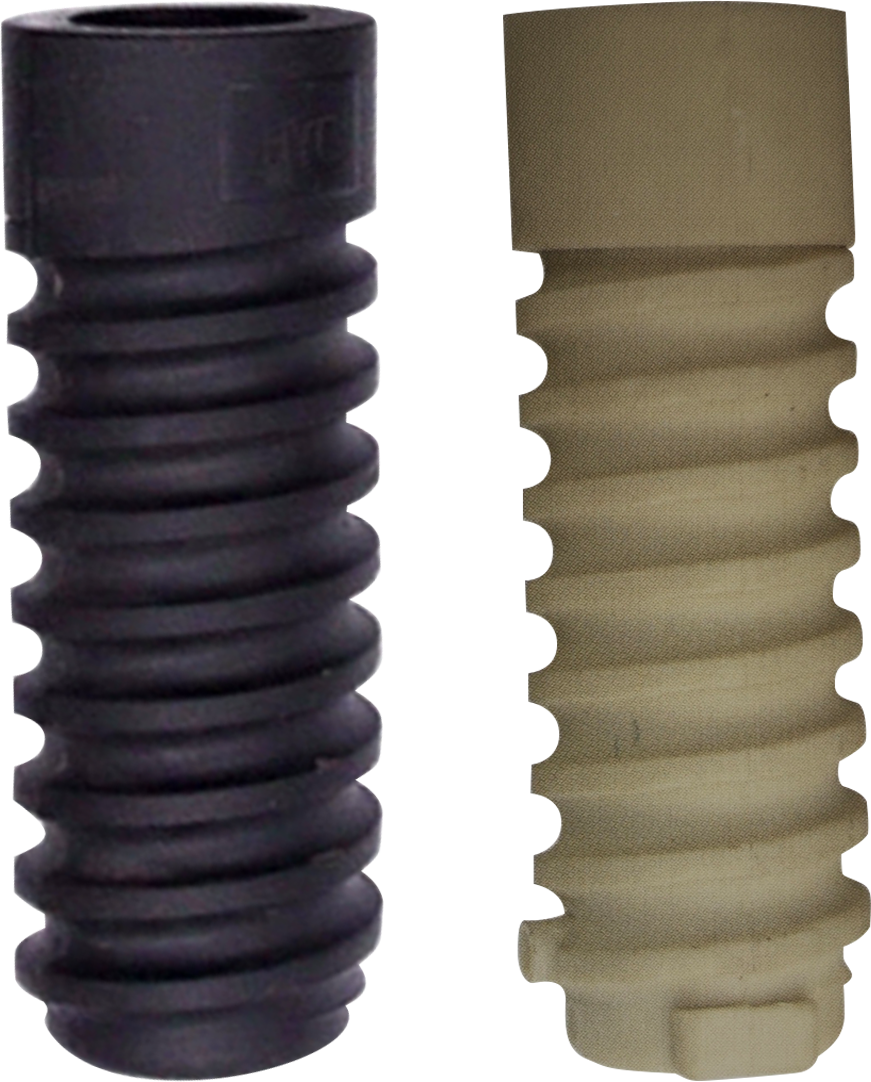
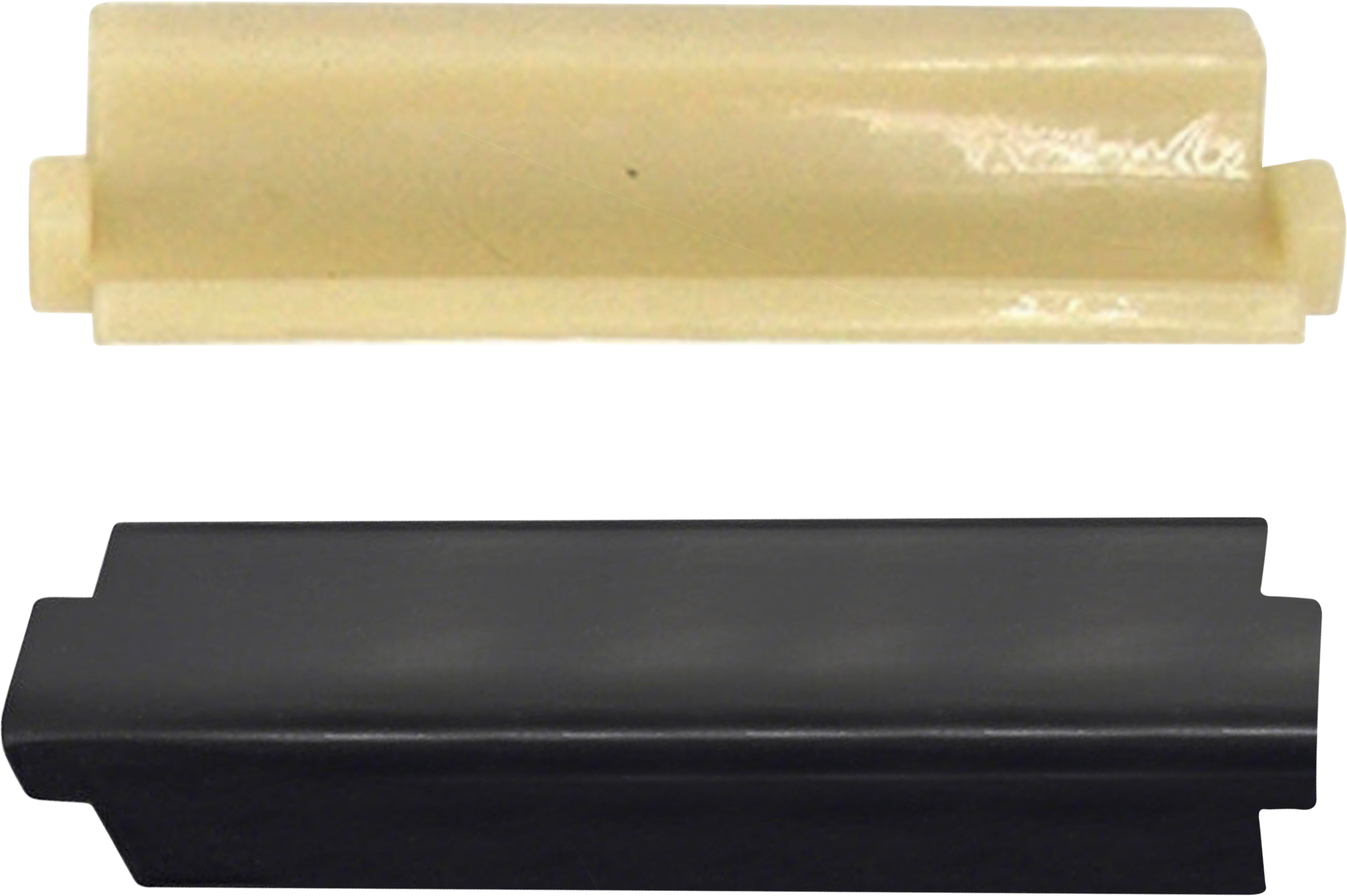
nylon bushing
A nylon bushing is a cylindrical bearing component made from high-performance nylon materials, designed to provide smooth rotational or sliding motion between mechanical parts while reducing friction and wear. These precision-engineered components serve as critical intermediary elements in various mechanical assemblies, offering superior performance characteristics that make them indispensable in modern industrial applications. The nylon bushing operates by creating a low-friction interface between moving components, effectively distributing loads and minimizing direct metal-to-metal contact that could lead to premature wear or system failure. The technological features of nylon bushings include exceptional dimensional stability, outstanding chemical resistance, and remarkable durability under diverse operating conditions. Manufacturing processes utilize advanced polymer science to create bushings with consistent wall thickness, precise internal and external dimensions, and optimized surface finishes that enhance performance. The self-lubricating properties inherent in nylon materials eliminate the need for external lubrication systems in many applications, significantly reducing maintenance requirements and operational costs. Applications for nylon bushings span numerous industries, including automotive manufacturing, aerospace engineering, industrial machinery, consumer electronics, and marine equipment. In automotive systems, these components facilitate smooth operation in suspension assemblies, steering mechanisms, and engine mounting systems. Aerospace applications leverage the lightweight nature and corrosion resistance of nylon bushings for control surfaces, landing gear components, and cabin systems. Industrial machinery benefits from the vibration-dampening characteristics and load-bearing capabilities of nylon bushings in conveyor systems, packaging equipment, and manufacturing tools. The versatility of nylon bushing design allows for customization to meet specific application requirements, including variations in diameter, length, wall thickness, and specialized features such as flanges or grooves for enhanced retention and performance optimization.

 EN
EN