rail components
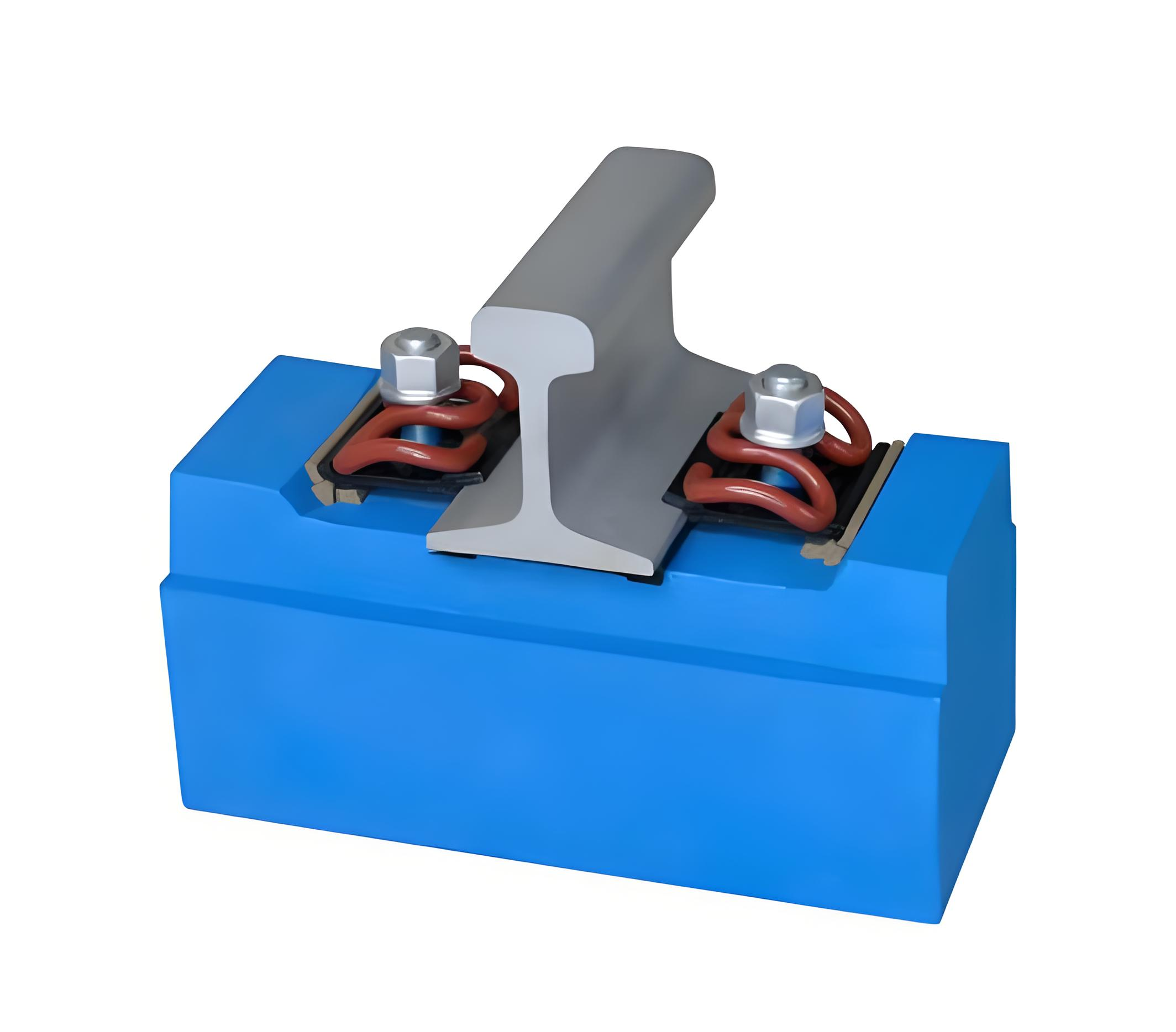
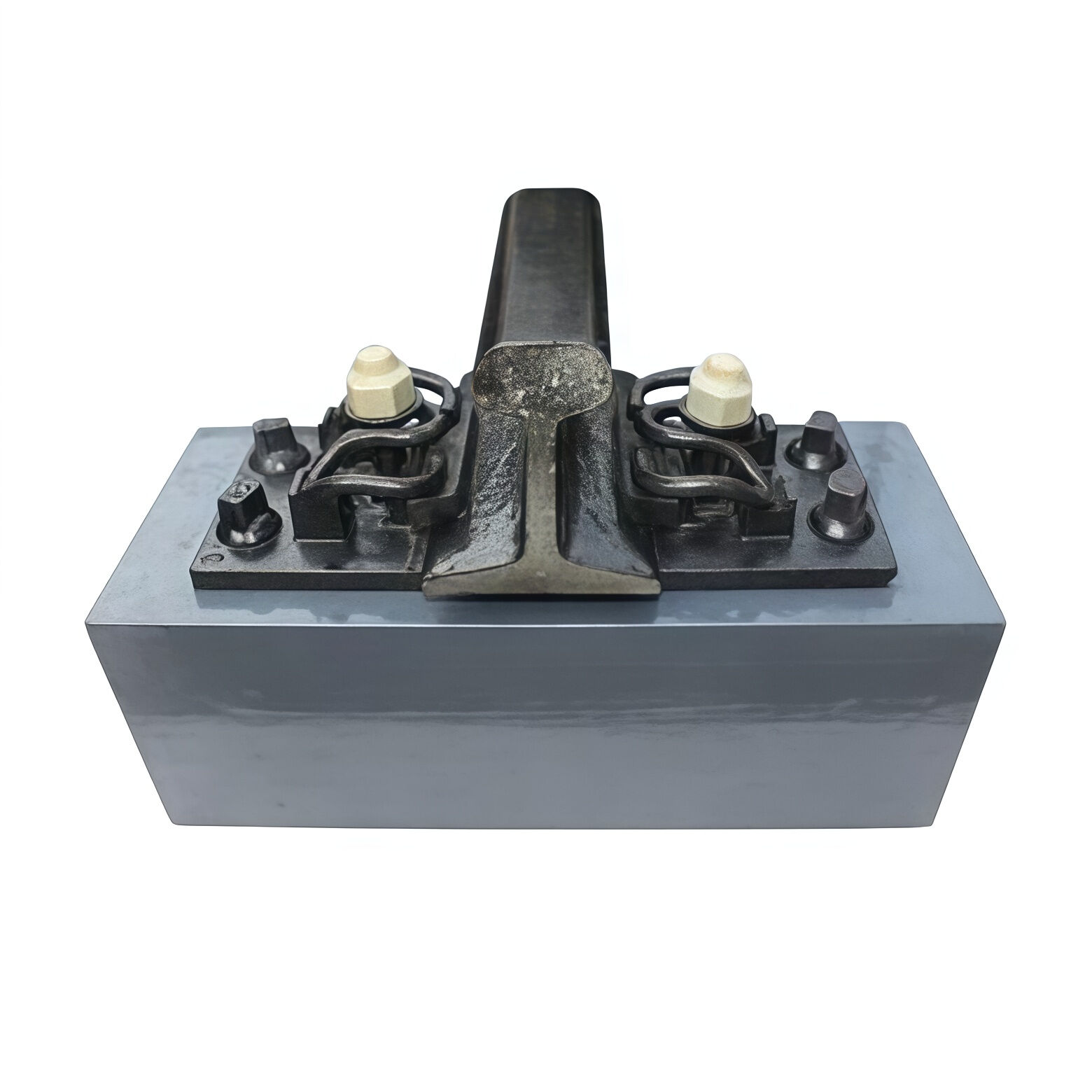
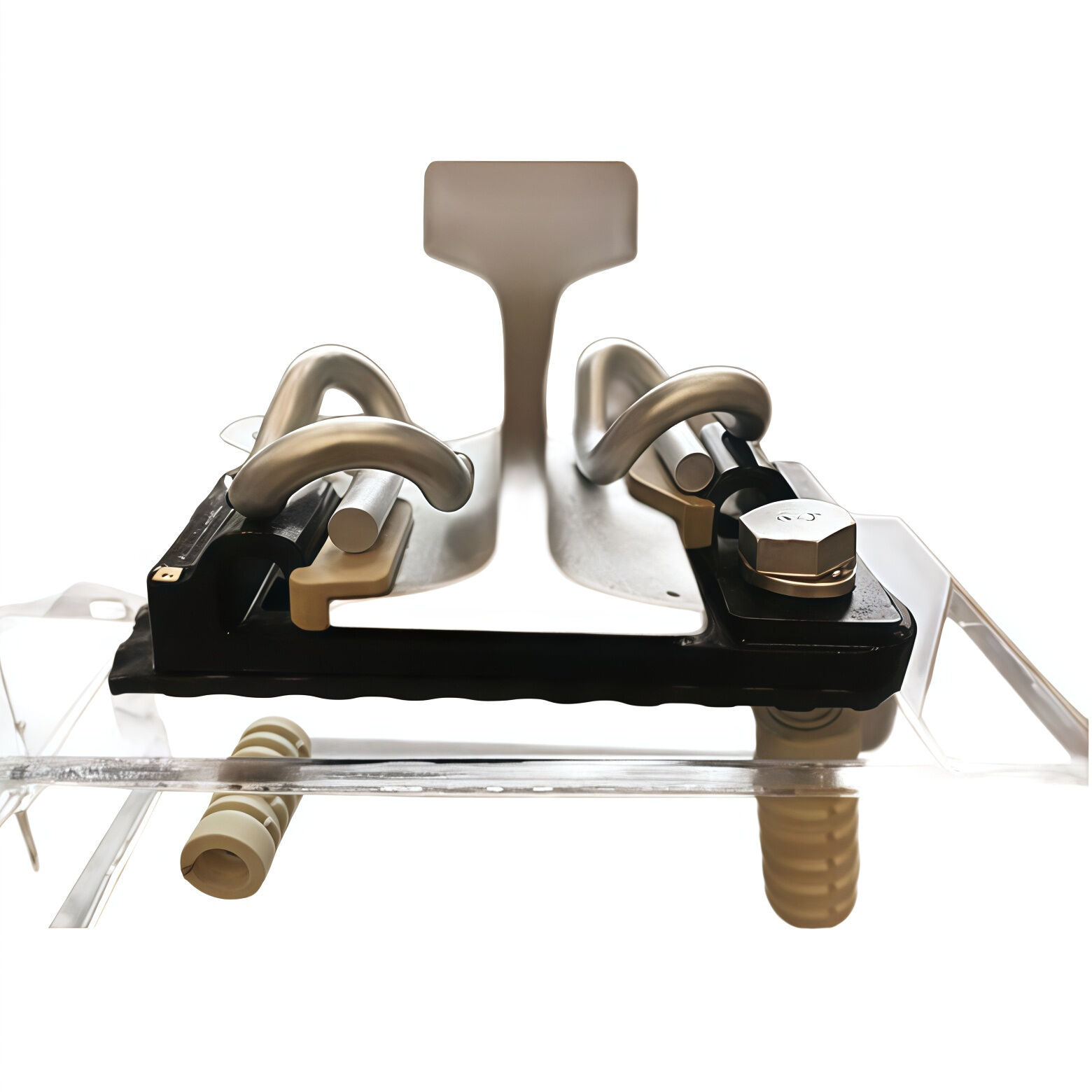
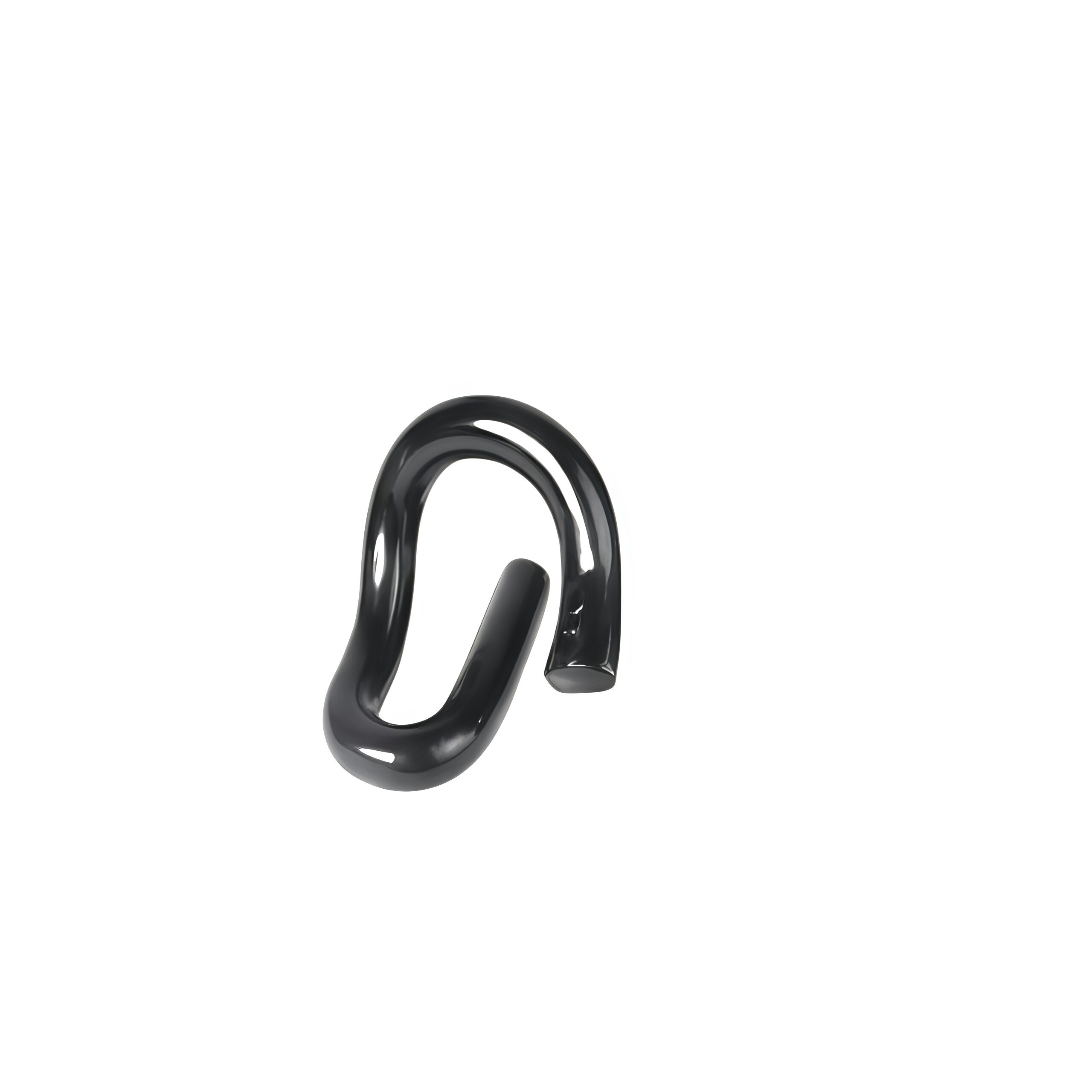
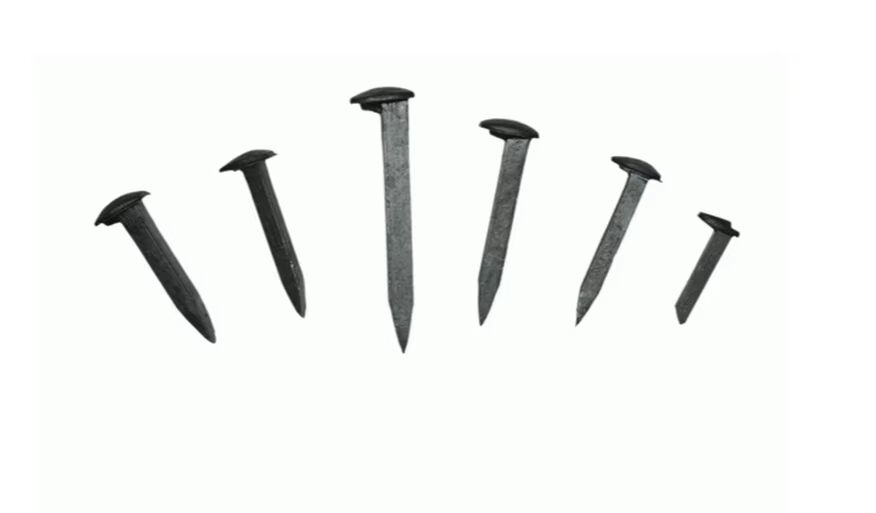
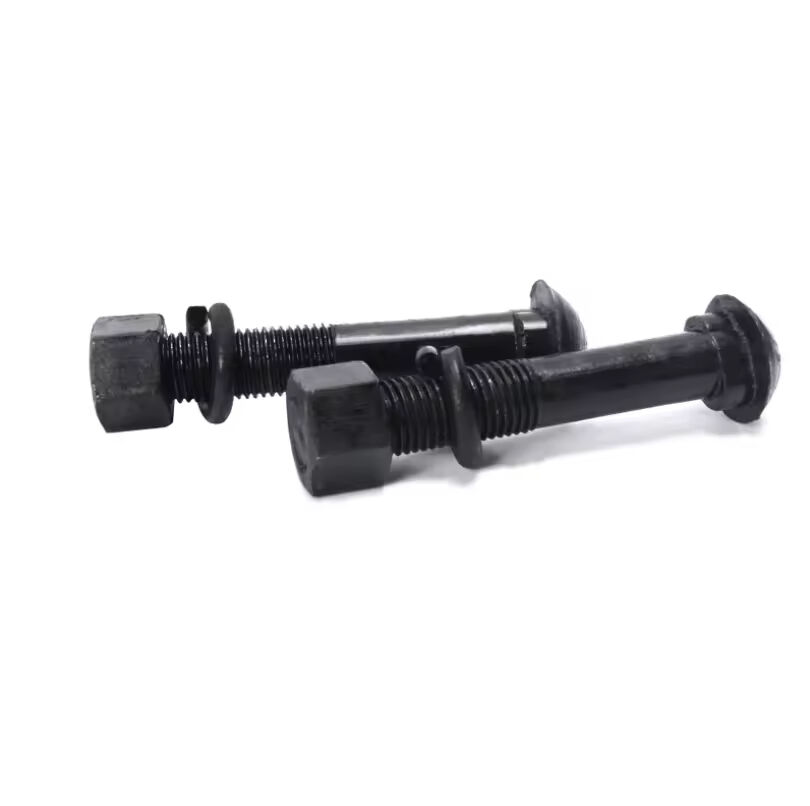
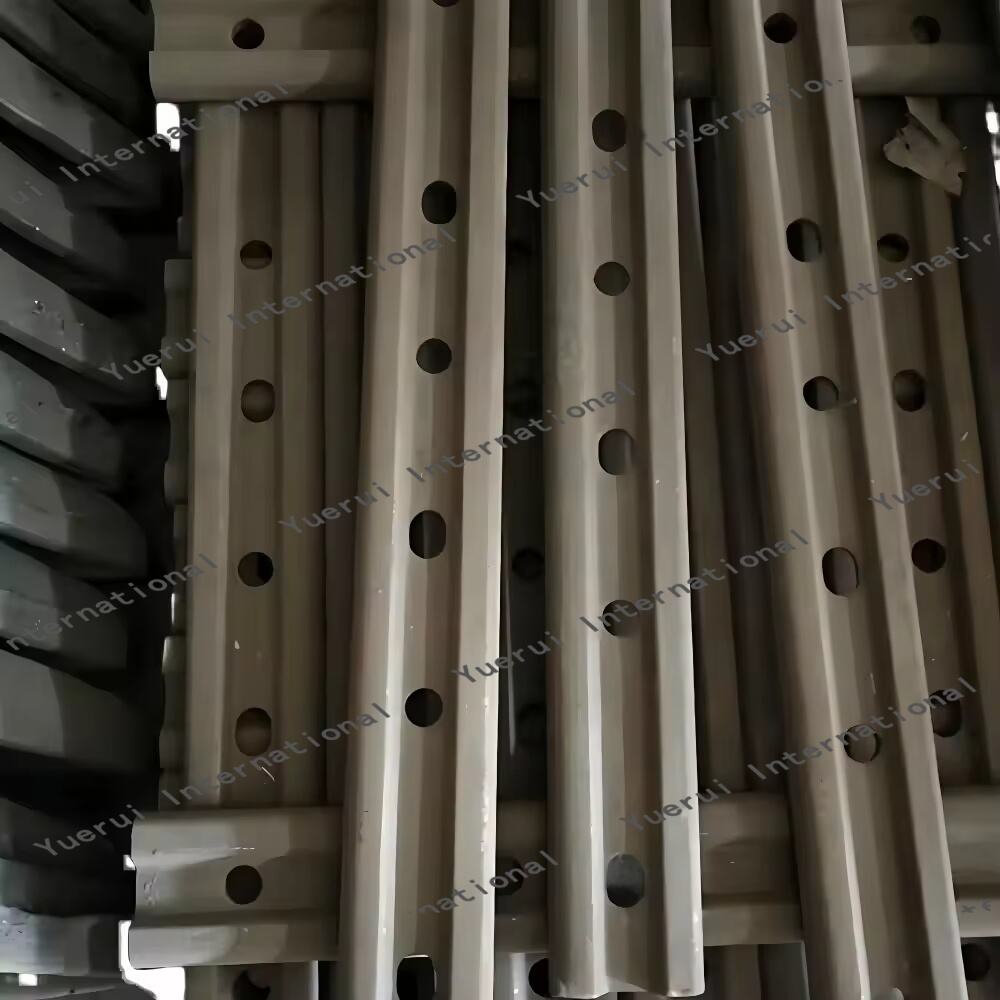
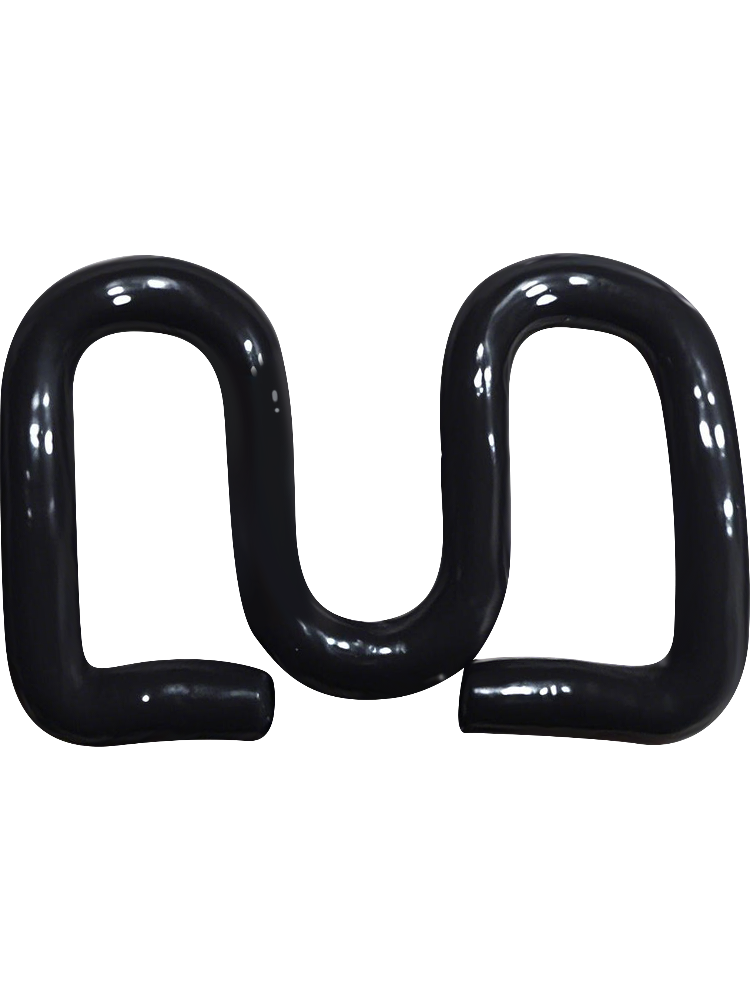
Rail components form the backbone of modern transportation infrastructure, serving as critical elements that ensure safe, efficient, and reliable railway operations worldwide. These sophisticated engineering products encompass a comprehensive range of parts including rails, fasteners, tie plates, railroad spikes, joint bars, and various specialized hardware designed to maintain track integrity under extreme operational conditions. The primary function of rail components centers on creating a stable, durable pathway for trains while distributing massive loads across the track structure. Modern rail components utilize advanced metallurgy and precision manufacturing techniques to withstand tremendous forces generated by heavy freight trains and high-speed passenger services. The technological features of contemporary rail components incorporate innovative alloy compositions, heat treatment processes, and surface hardening technologies that significantly extend service life while reducing maintenance requirements. These components must endure continuous stress cycles, temperature fluctuations, and environmental challenges while maintaining dimensional accuracy and structural integrity. Rail components find applications across diverse transportation sectors including heavy freight corridors, urban transit systems, high-speed passenger networks, and industrial mining operations. Each application demands specific performance characteristics tailored to operational requirements such as load capacity, speed ratings, and environmental resistance. The integration of rail components involves precise engineering calculations to ensure proper load distribution, thermal expansion accommodation, and vibration dampening. Quality rail components undergo rigorous testing protocols including fatigue analysis, impact resistance evaluation, and corrosion resistance assessment to meet stringent industry standards. Advanced rail components now incorporate smart sensing technologies and monitoring capabilities that provide real-time performance data, enabling predictive maintenance strategies that optimize operational efficiency while minimizing unexpected failures.

 EN
EN