High-Quality Railway Components: Durable Infrastructure Solutions for Modern Transportation Systems

All Categories

railway components

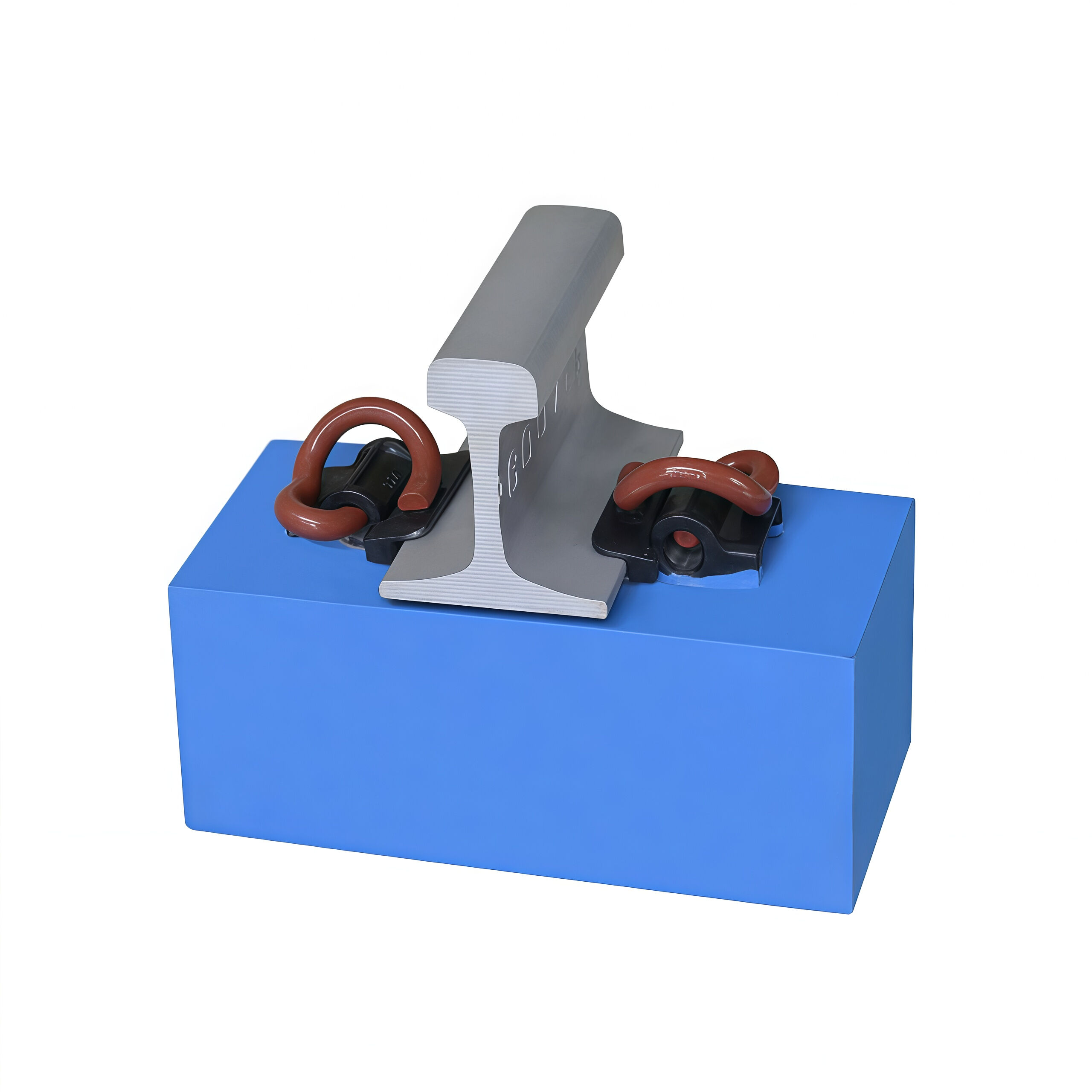
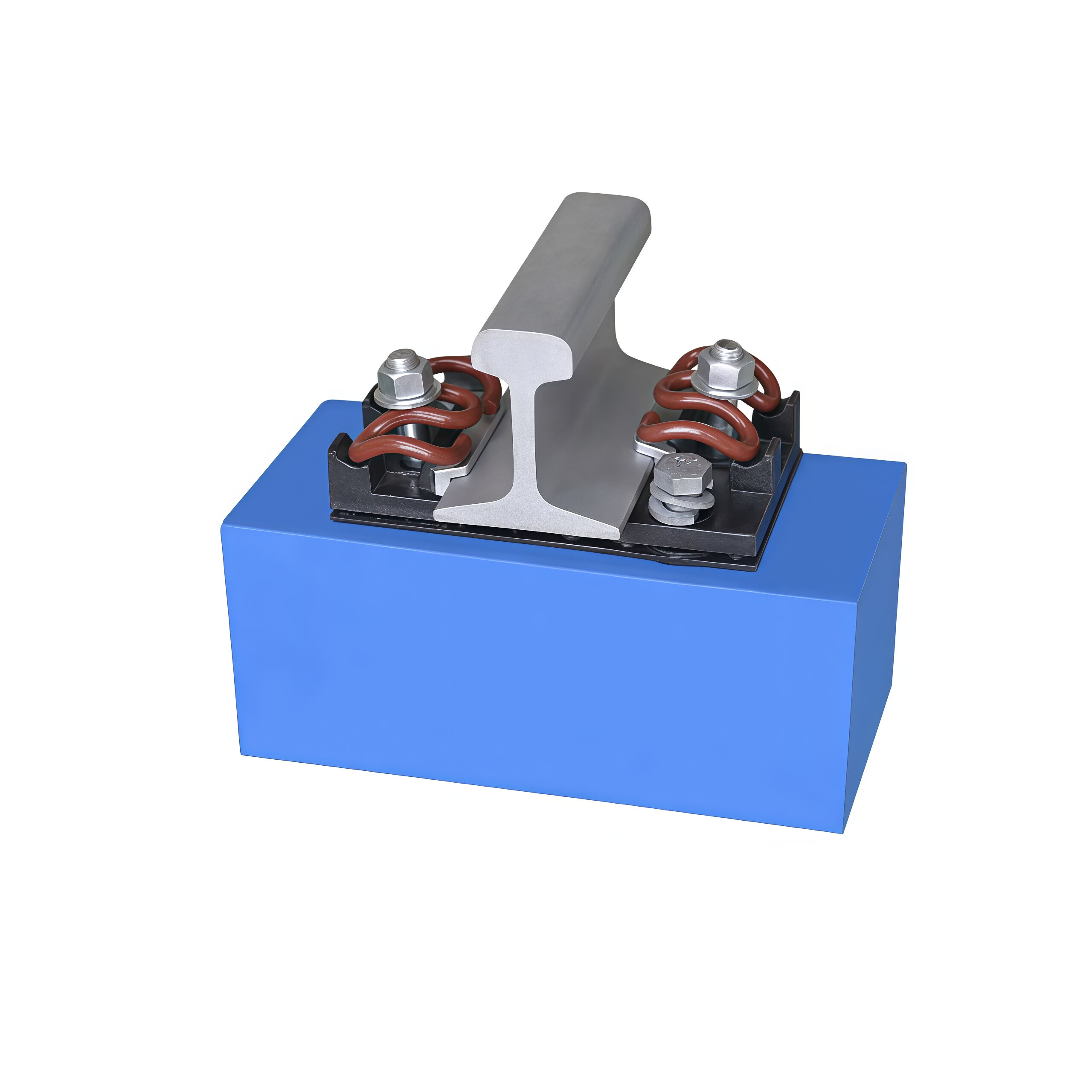
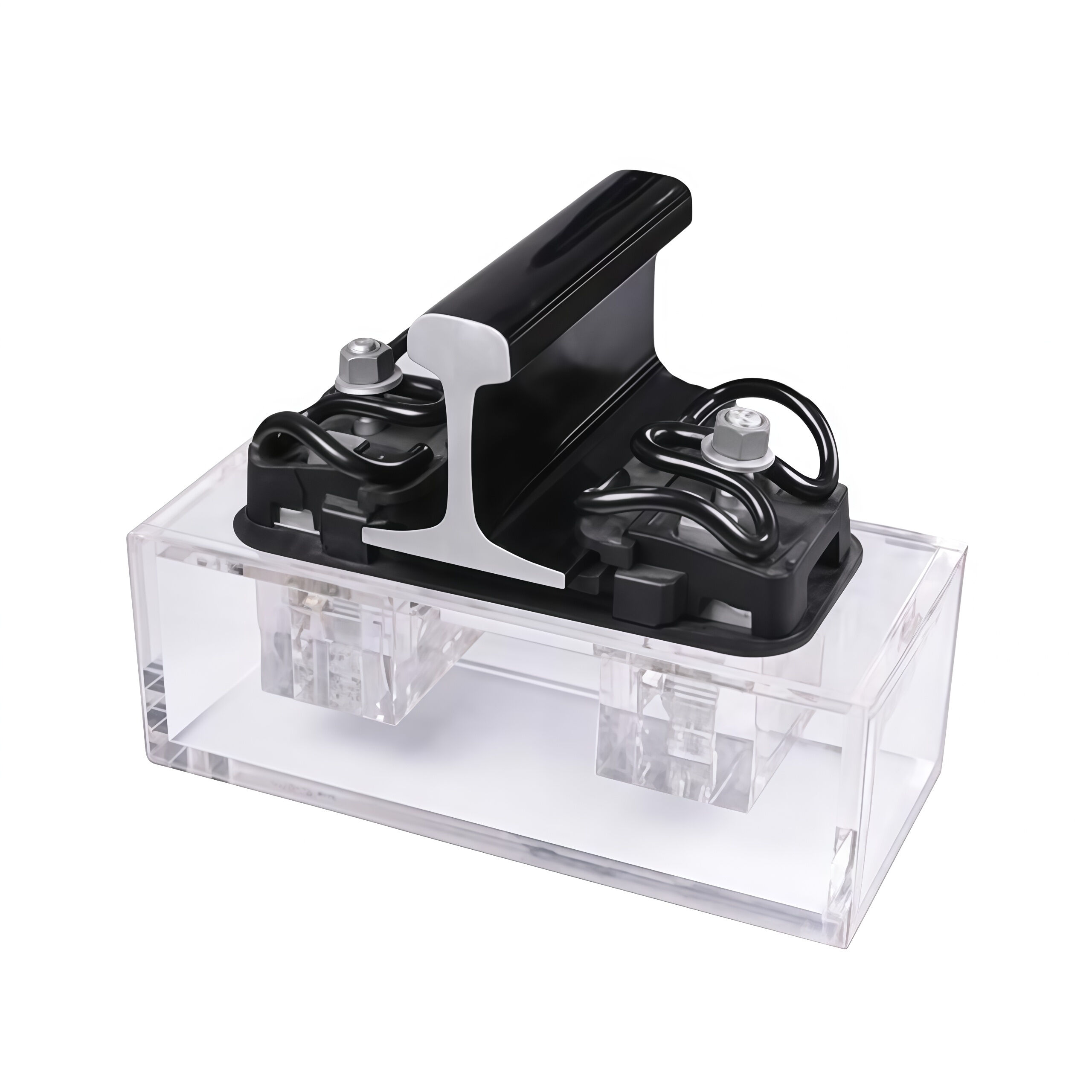
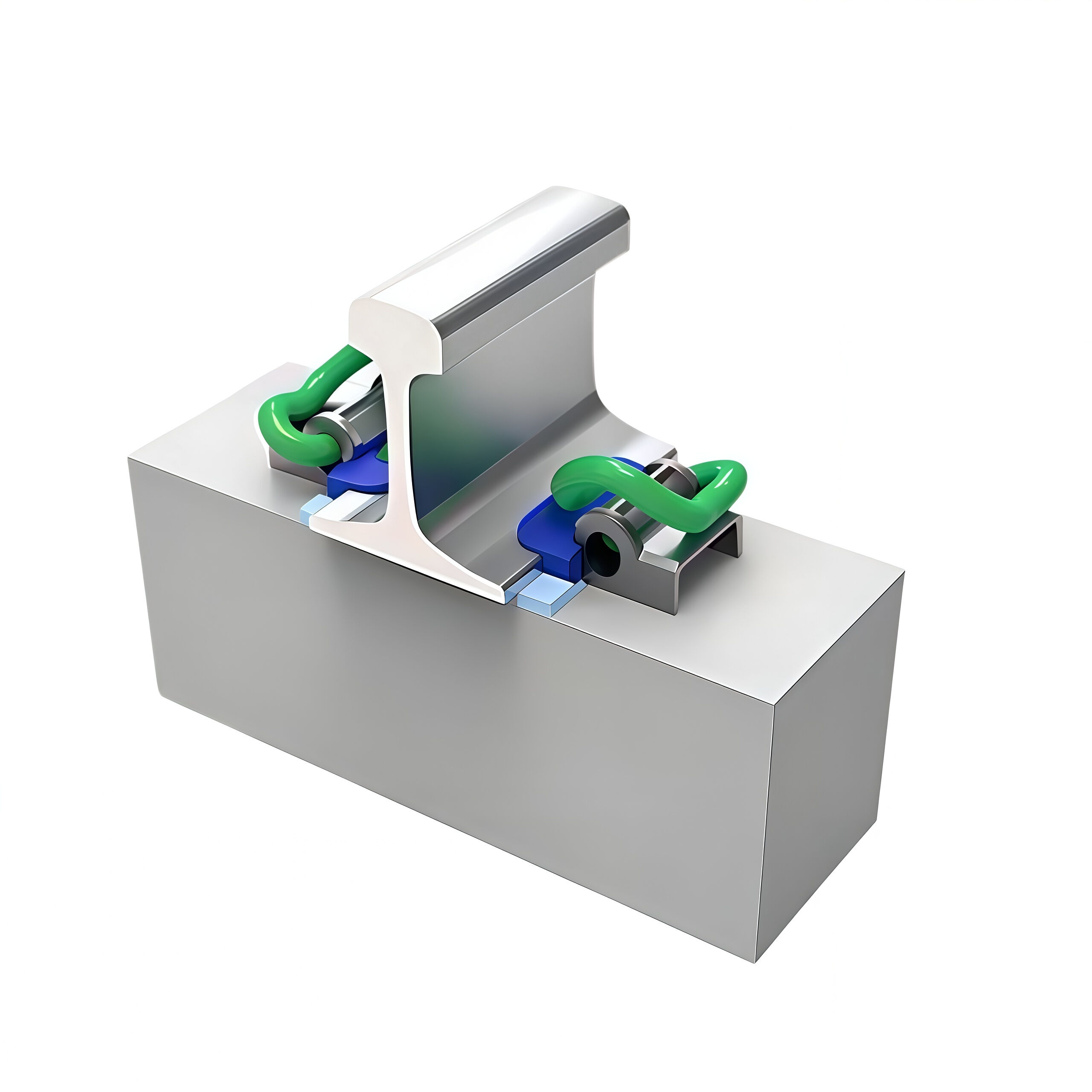
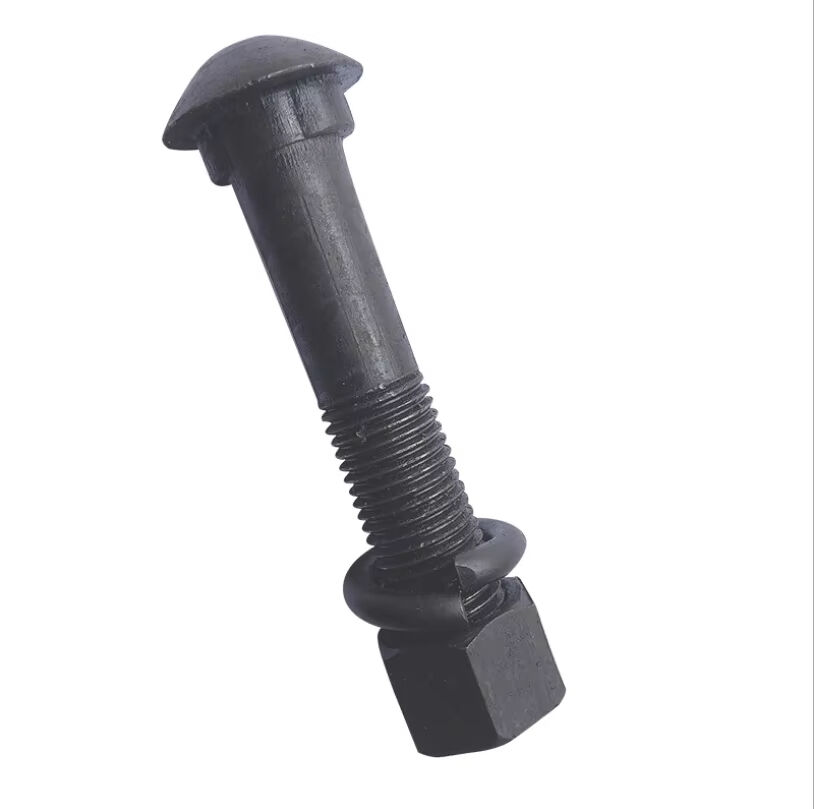
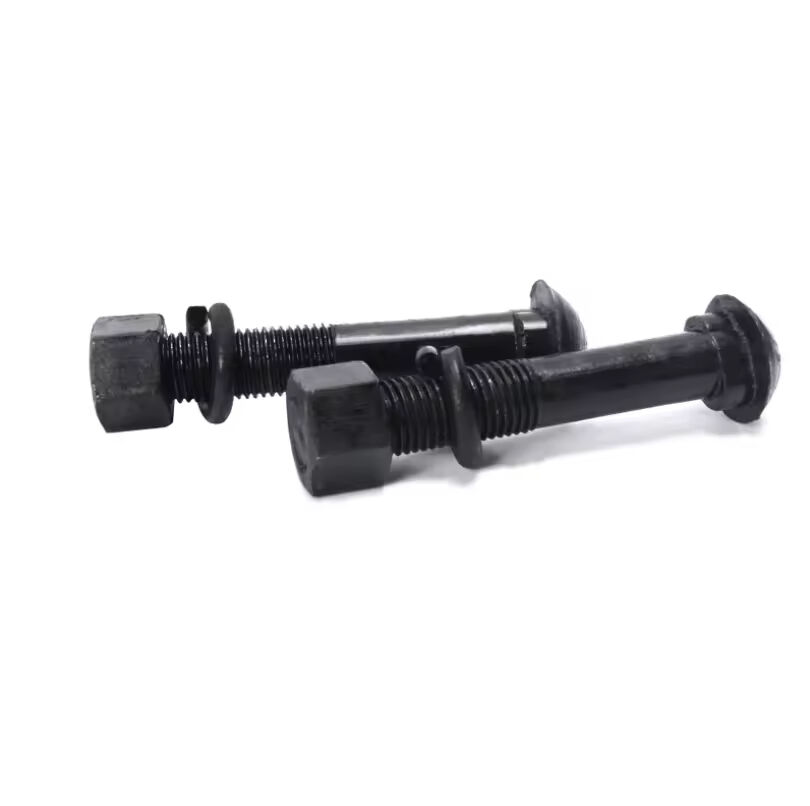
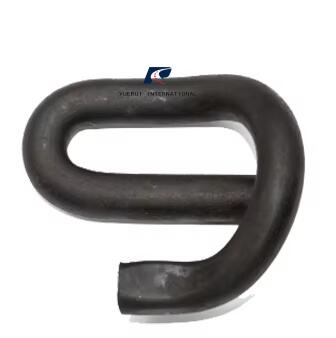
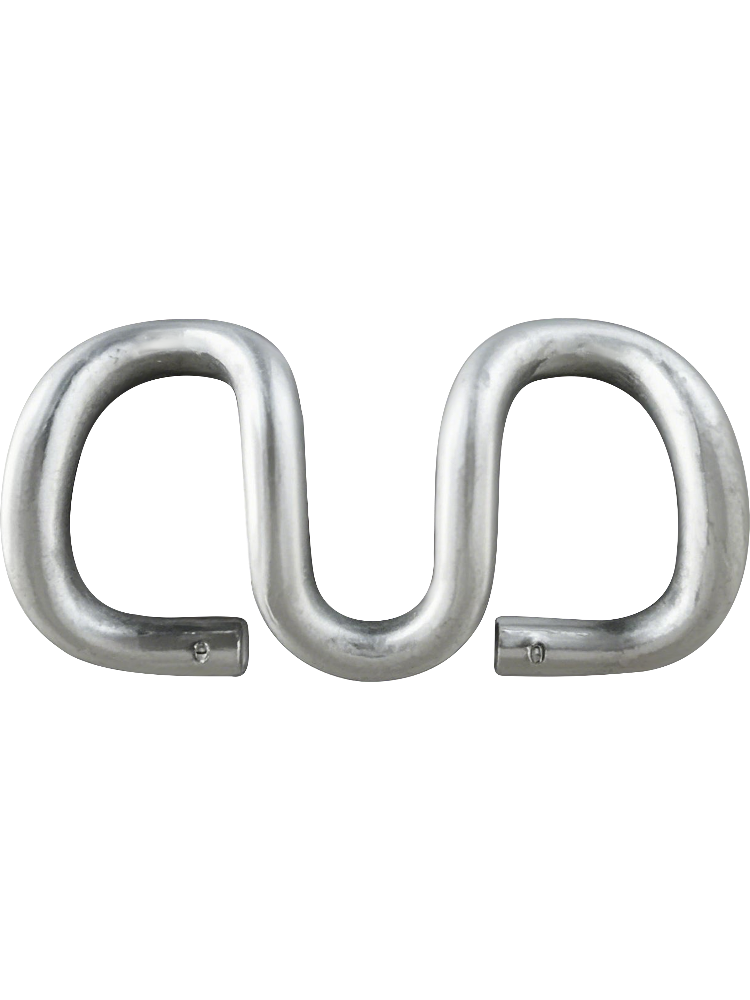
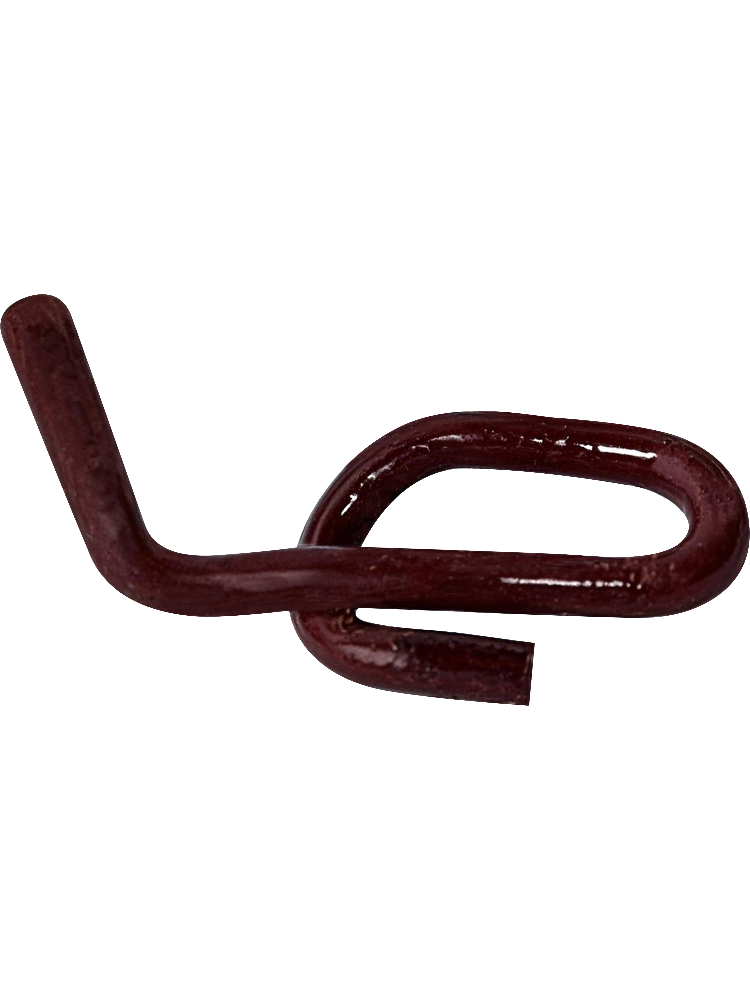
Railway components form the backbone of modern transportation infrastructure, encompassing a comprehensive system of interconnected parts that enable safe, efficient, and reliable train operations. These critical elements include rails, sleepers, fasteners, ballast, switches, signals, and electrical systems that work together to create a robust transportation network. The primary function of railway components is to provide a stable platform for train movement while ensuring passenger safety and cargo security. Rails serve as the fundamental track structure, typically manufactured from high-grade steel to withstand tremendous loads and weather conditions. Sleepers, also known as railroad ties, distribute the weight of trains across the ballast bed while maintaining proper rail gauge. Fastening systems secure rails to sleepers using specialized clips, bolts, and anchors designed for long-term durability. Advanced railway components incorporate cutting-edge technology such as continuous welded rail systems that eliminate joints, reducing noise and maintenance requirements. Modern signaling components utilize digital communication protocols and automated train control systems to optimize traffic flow and prevent accidents. Electronic monitoring systems continuously assess track conditions, detecting potential issues before they become safety hazards. Railway components are engineered to meet stringent international standards, ensuring compatibility across different rail networks and operating conditions. These systems find applications in passenger transportation, freight operations, urban transit, high-speed rail corridors, and industrial facilities. The technological evolution of railway components includes innovations like vibration-dampening materials, corrosion-resistant coatings, and smart sensors that provide real-time performance data. Quality railway components significantly reduce maintenance costs while extending service life, making them essential investments for transportation authorities worldwide. The integration of these components creates a seamless transportation system capable of handling millions of passengers and tons of cargo annually, supporting economic growth and connecting communities across vast distances.

Popular Products

Railway components deliver substantial advantages that make them the preferred choice for transportation infrastructure projects worldwide. These systems provide exceptional durability, withstanding decades of heavy use while maintaining structural integrity under extreme weather conditions and constant mechanical stress. The longevity of quality railway components translates directly into reduced lifecycle costs, as operators spend less on replacements and emergency repairs over time. Modern railway components offer superior safety features through advanced design engineering that minimizes derailment risks and ensures consistent train performance. The precision manufacturing of these components guarantees optimal wheel-rail interface, reducing wear and tear while maximizing operational efficiency. Railway components contribute to environmental sustainability by enabling mass transportation that reduces carbon emissions compared to individual vehicle usage. The standardized design of railway components facilitates easier maintenance procedures, allowing technical teams to perform inspections and repairs quickly without specialized tools or extensive training. Cost-effectiveness emerges as a major advantage, as railway components provide excellent value through their extended operational lifespan and minimal maintenance requirements. The modular nature of modern railway components enables flexible system configurations that adapt to diverse geographical conditions and operational requirements. High load-bearing capacity allows railway components to support heavy freight trains and high-speed passenger services without compromising safety or performance standards. Railway components incorporate noise reduction technologies that minimize environmental impact in populated areas, making them suitable for urban applications. The compatibility of standardized railway components across different manufacturers and systems reduces procurement complexity and ensures reliable supply chains. Advanced materials used in railway components resist corrosion, fatigue, and thermal expansion, maintaining dimensional stability throughout their service life. Railway components enable predictable maintenance scheduling through their consistent performance characteristics, allowing operators to plan maintenance activities efficiently. The proven reliability of railway components reduces operational risks and ensures consistent service delivery for passengers and freight customers. These practical benefits make railway components an intelligent investment for transportation authorities seeking long-term value and operational excellence.

Latest News

What Are the Key Quality Standards for Rail Spike Production

24

Nov

What Are the Key Quality Standards for Rail Spike Production

Rail spike production represents a critical component in railway infrastructure development, requiring adherence to stringent quality standards that ensure the safety and longevity of rail systems worldwide. The manufacturing process of these essenti...
View More
How to Prevent Corrosion and Damage in Rail Spikes Over Time

24

Nov

How to Prevent Corrosion and Damage in Rail Spikes Over Time

Railway infrastructure forms the backbone of modern transportation systems, carrying millions of tons of cargo and passengers across vast distances daily. Among the critical components that ensure track stability and safety, rail spikes play an indis...
View More
How Do Elastic Strips Support High-Speed and Heavy Rail Traffic?

05

Jan

How Do Elastic Strips Support High-Speed and Heavy Rail Traffic?

Modern railway infrastructure faces unprecedented demands as transportation networks evolve to accommodate higher speeds and heavier cargo loads. The foundation of reliable rail systems depends heavily on innovative engineering solutions that can abs...
View More
How Do Rail Tools Support Safety and Precision in Track Construction?

05

Jan

How Do Rail Tools Support Safety and Precision in Track Construction?

Modern railway construction demands exceptional precision and unwavering safety standards to ensure reliable transportation networks. The foundation of successful track construction lies in the proper selection and application of specialized rail too...
View More

Get a Free Quote

Our representative will contact you soon.
Email
Name
Company Name
Message
0/1000

railway components

Advanced Durability and Weather Resistance Technology

Advanced Durability and Weather Resistance Technology

Railway components feature exceptional durability engineering that sets industry standards for transportation infrastructure longevity and reliability. The advanced metallurgy used in modern railway components incorporates high-strength steel alloys specifically formulated to withstand extreme temperature variations, moisture exposure, and mechanical stress cycles that occur during regular train operations. These components undergo rigorous heat treatment processes that enhance their molecular structure, creating superior resistance to fatigue and crack propagation under repeated loading conditions. The surface treatments applied to railway components include specialized coatings that prevent corrosion and oxidation, ensuring optimal performance even in harsh coastal environments or industrial areas with high pollution levels. Weather resistance technology integrated into railway components enables them to maintain structural integrity during freeze-thaw cycles, preventing the expansion and contraction damage that commonly affects inferior products. The design philosophy behind these components emphasizes material selection that balances strength with flexibility, allowing the system to absorb dynamic forces without permanent deformation. Railway components utilize advanced polymer compounds in critical junction areas to provide vibration dampening and noise reduction while maintaining the rigid support necessary for safe train operations. The manufacturing process for railway components includes precision machining and quality control measures that ensure consistent dimensional accuracy across large production runs. This attention to detail guarantees proper fit and function throughout the component lifecycle, reducing the likelihood of premature wear or system failures. Field testing of railway components under simulated extreme conditions validates their performance before deployment, providing confidence in their ability to meet demanding operational requirements. The result is a transportation infrastructure foundation that delivers decades of reliable service with minimal intervention, making railway components an essential investment for any serious rail network development or modernization project.
Cost-Effective Maintenance and Operational Efficiency

Cost-Effective Maintenance and Operational Efficiency

Railway components deliver outstanding cost-effectiveness through their innovative design features that minimize maintenance requirements while maximizing operational efficiency across diverse transportation applications. The engineering approach used in modern railway components prioritizes ease of maintenance through accessible component layouts and standardized connection methods that reduce labor time and complexity during routine inspections and repairs. Predictive maintenance capabilities built into advanced railway components include integrated sensor systems that monitor structural health and performance parameters in real-time, enabling maintenance teams to address potential issues before they develop into costly problems. The modular construction of railway components allows for selective replacement of worn elements without disrupting the entire system, significantly reducing both material costs and service interruption time during maintenance activities. Railway components feature self-aligning properties that automatically adjust to minor track irregularities, reducing wear on both the components themselves and the trains that operate over them. This adaptive characteristic extends the service life of railway components while minimizing the frequency of adjustment and alignment procedures required to maintain optimal performance standards. The standardization of railway components across different manufacturers and systems creates economies of scale in procurement and inventory management, allowing operators to maintain smaller spare parts inventories while ensuring rapid availability when replacement components are needed. Quality control processes implemented during railway components manufacturing eliminate dimensional variations that could cause premature wear or require frequent adjustments during operation. The precision engineering of railway components ensures optimal load distribution across the entire track structure, preventing stress concentrations that could lead to accelerated deterioration and expensive emergency repairs. Training requirements for maintenance personnel working with modern railway components are minimized through intuitive design features and comprehensive documentation that clearly explains proper installation and maintenance procedures. The proven track record of railway components in various operating environments provides operators with reliable performance data for accurate lifecycle cost planning and budget forecasting.
Superior Safety Features and Performance Reliability

Superior Safety Features and Performance Reliability

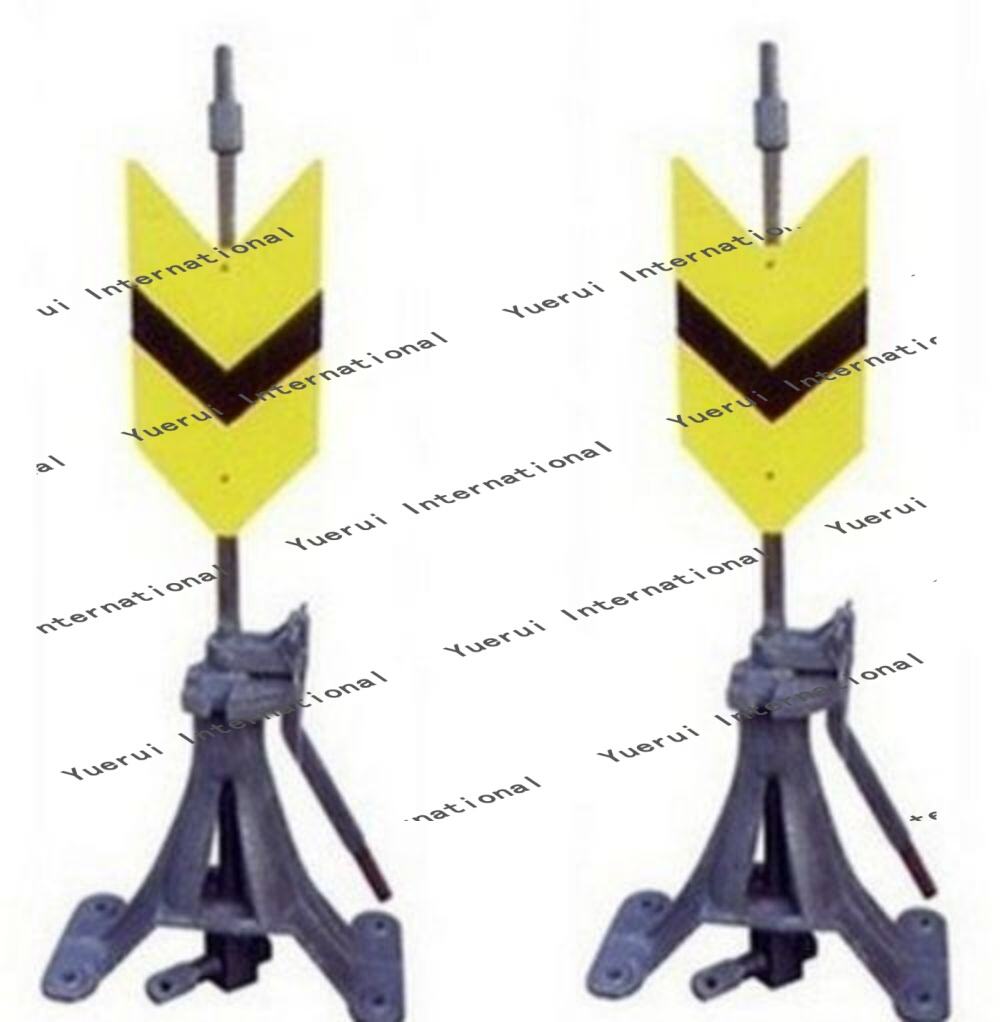
Railway components incorporate cutting-edge safety technologies and engineering principles that establish new benchmarks for transportation system reliability and passenger protection. The safety-first design philosophy embedded in modern railway components includes redundant structural elements that maintain system integrity even when individual components experience unexpected stress or partial failure conditions. Advanced railway components utilize fail-safe mechanisms that automatically detect potentially dangerous conditions and implement protective responses to prevent accidents before they can occur. The precision manufacturing tolerances maintained in railway components ensure consistent wheel-rail contact geometry that eliminates the irregular forces and vibrations that can contribute to derailment risks or mechanical failures. Railway components undergo extensive fatigue testing that simulates millions of load cycles to validate their structural integrity under the most demanding operational scenarios, providing confidence in their long-term safety performance. The materials science advances incorporated into railway components include impact-resistant alloys and composite materials that absorb energy during extreme loading events, protecting both the infrastructure and the vehicles using the system. Railway components feature enhanced visibility markers and reflective elements that improve safety during maintenance operations and emergency situations, protecting workers and equipment in low-light conditions. The electrical isolation properties built into railway components prevent dangerous current flow between different system elements while maintaining the conductivity necessary for proper signal transmission and train detection systems. Quality assurance protocols for railway components include non-destructive testing methods that identify internal flaws or manufacturing defects that could compromise safety performance over time. The compatibility testing performed on railway components ensures they integrate seamlessly with existing infrastructure and rolling stock, eliminating the potential for dangerous interaction effects that could compromise operational safety. Railway components meet or exceed international safety standards established by recognized transportation authorities, providing operators with confidence that their infrastructure investments comply with the most stringent regulatory requirements for public transportation systems.

Get a Free Quote

Our representative will contact you soon.
Email
Name
Company Name
Message
0/1000