Premium Railroad Components: Advanced Rail Infrastructure Solutions for Modern Transportation Systems

All Categories

railroad components

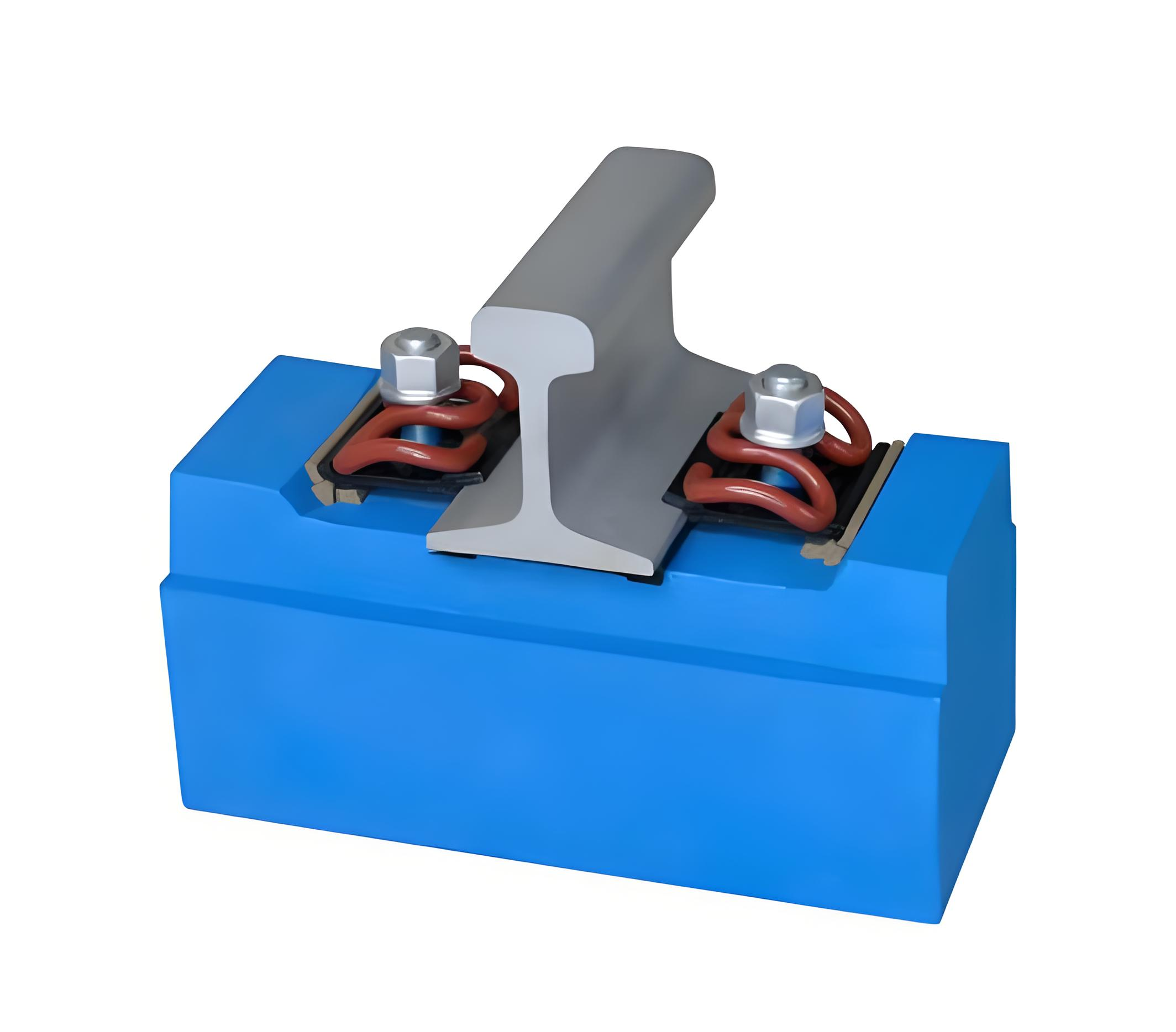
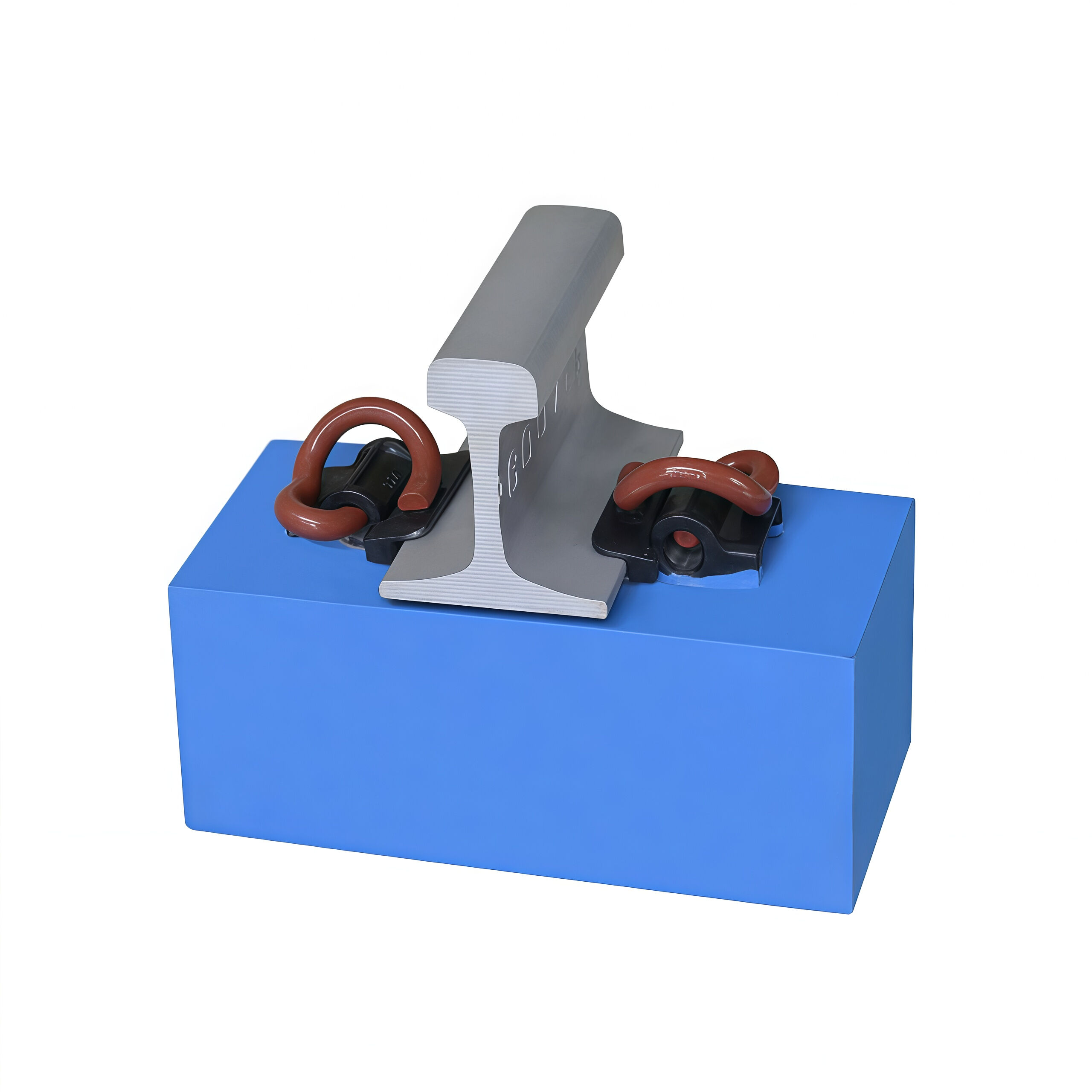
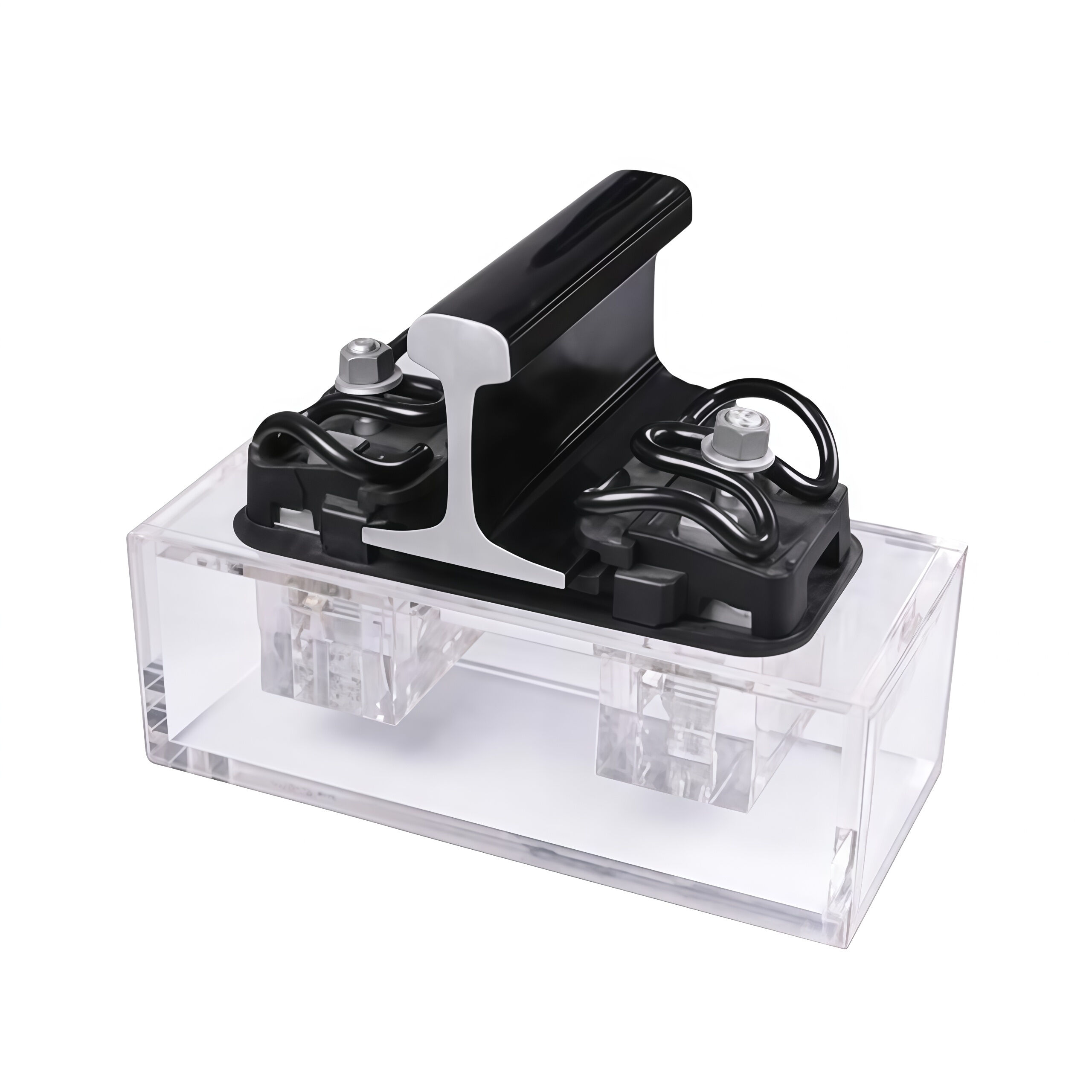
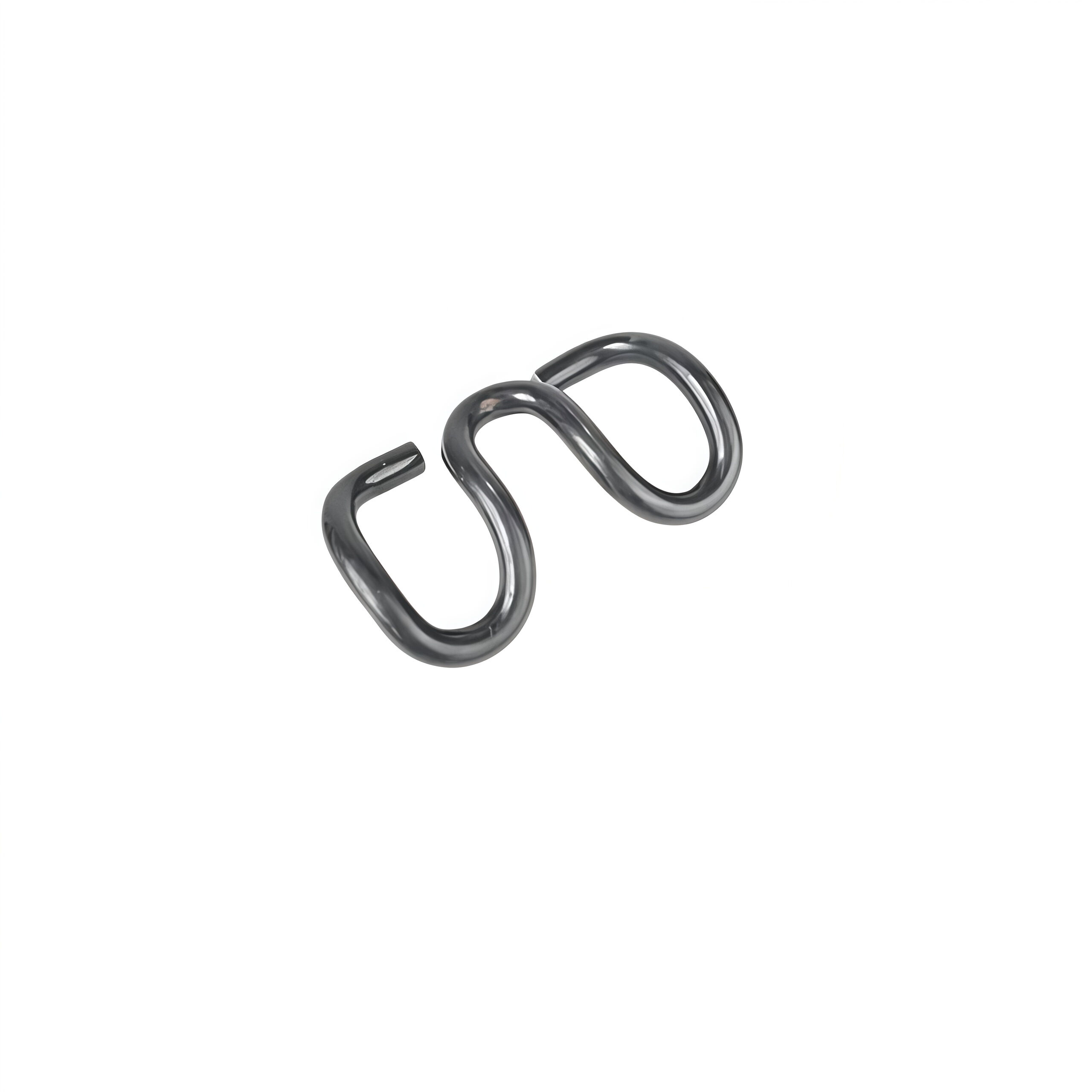
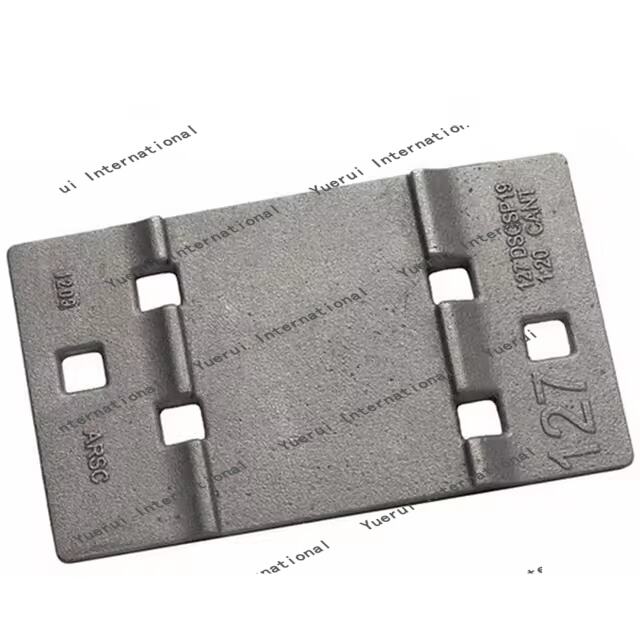
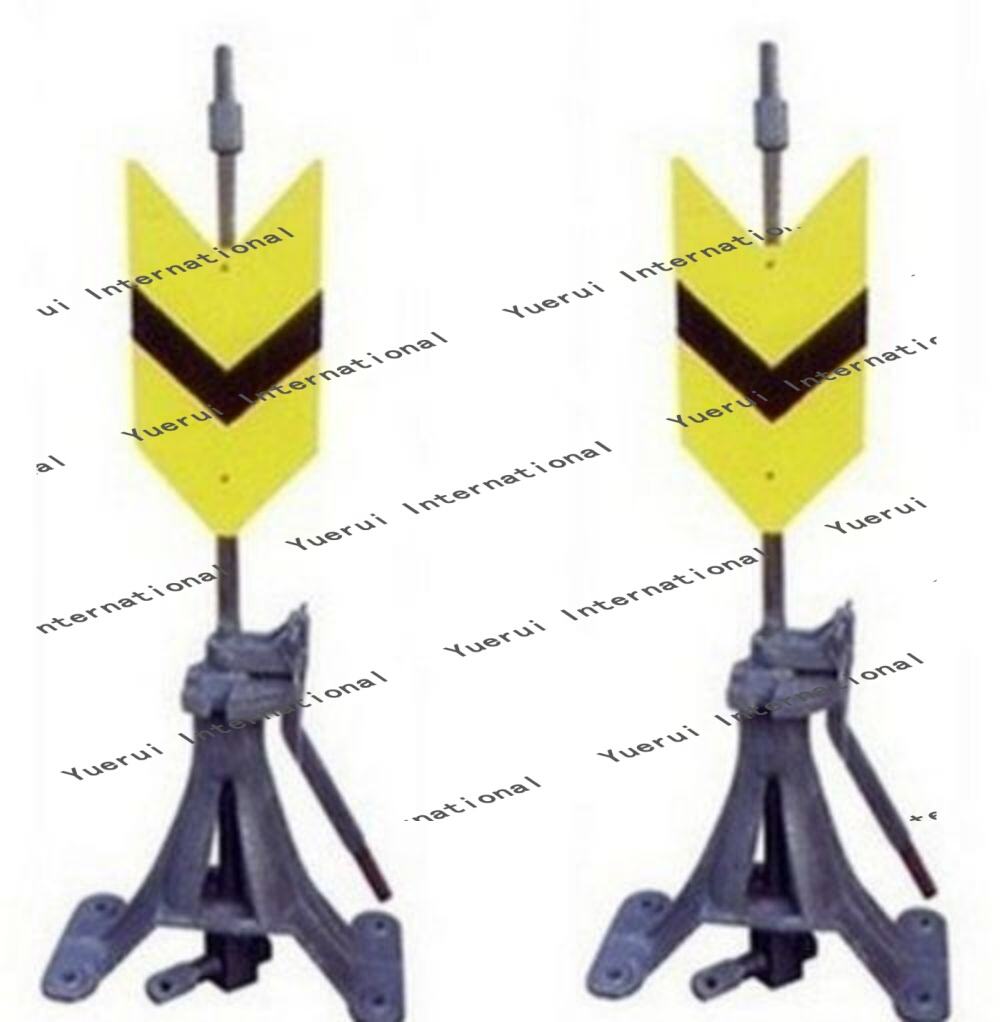
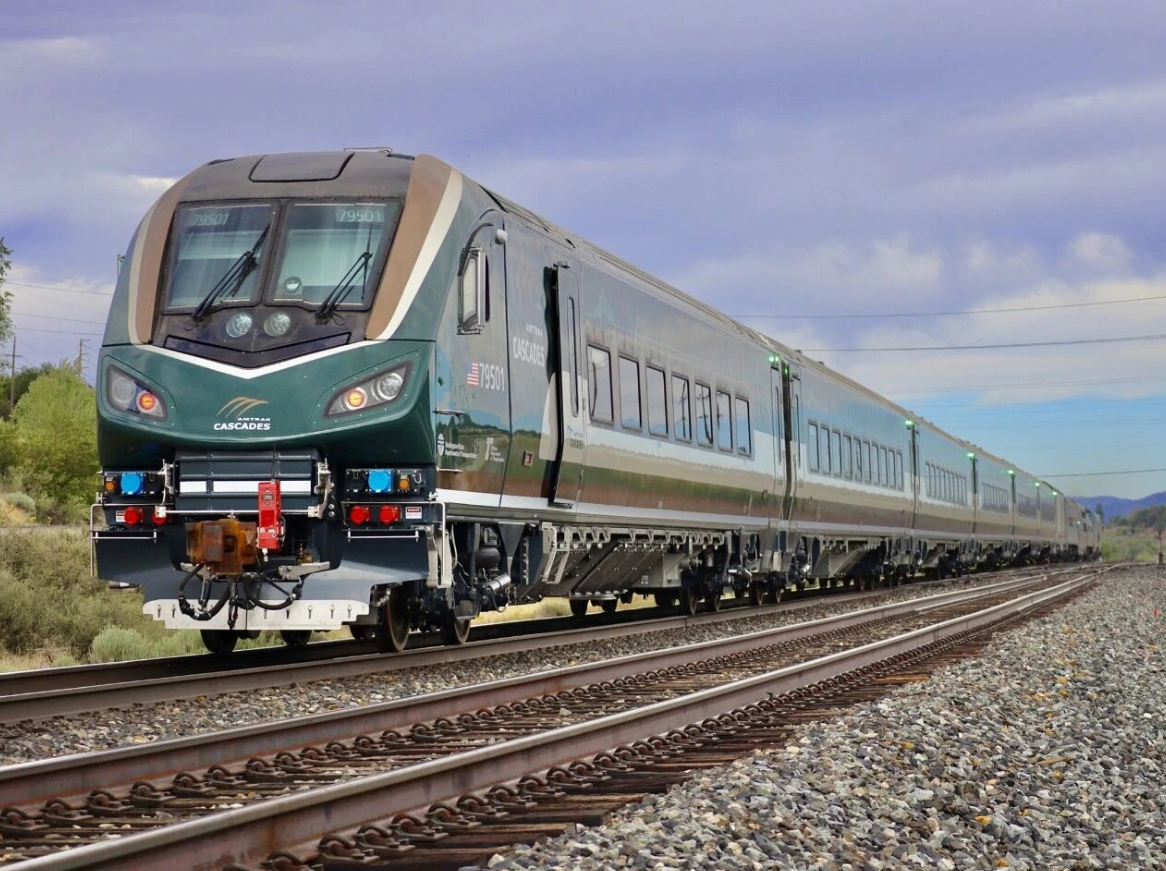
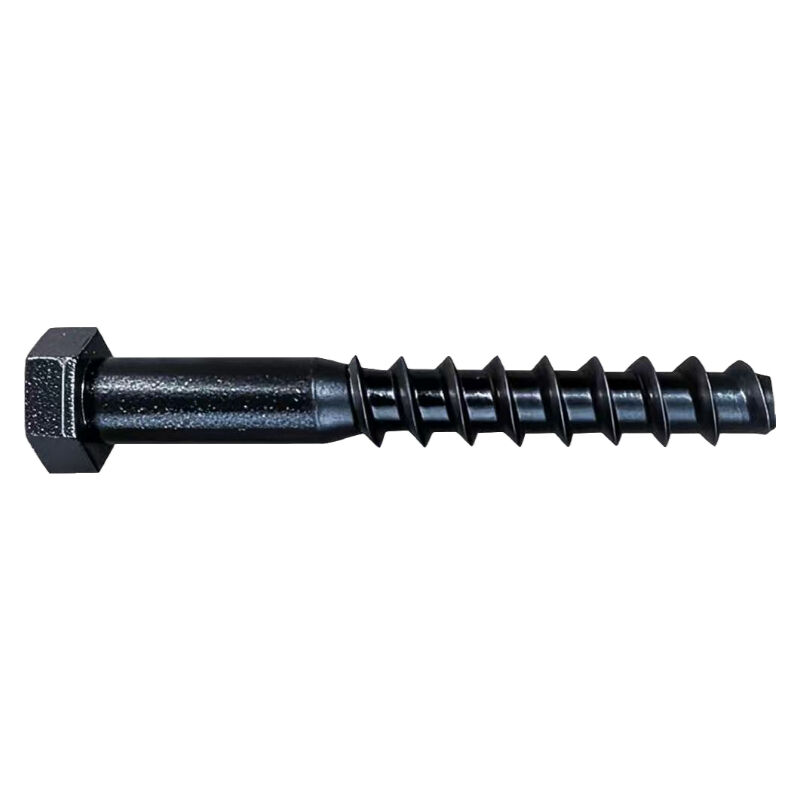
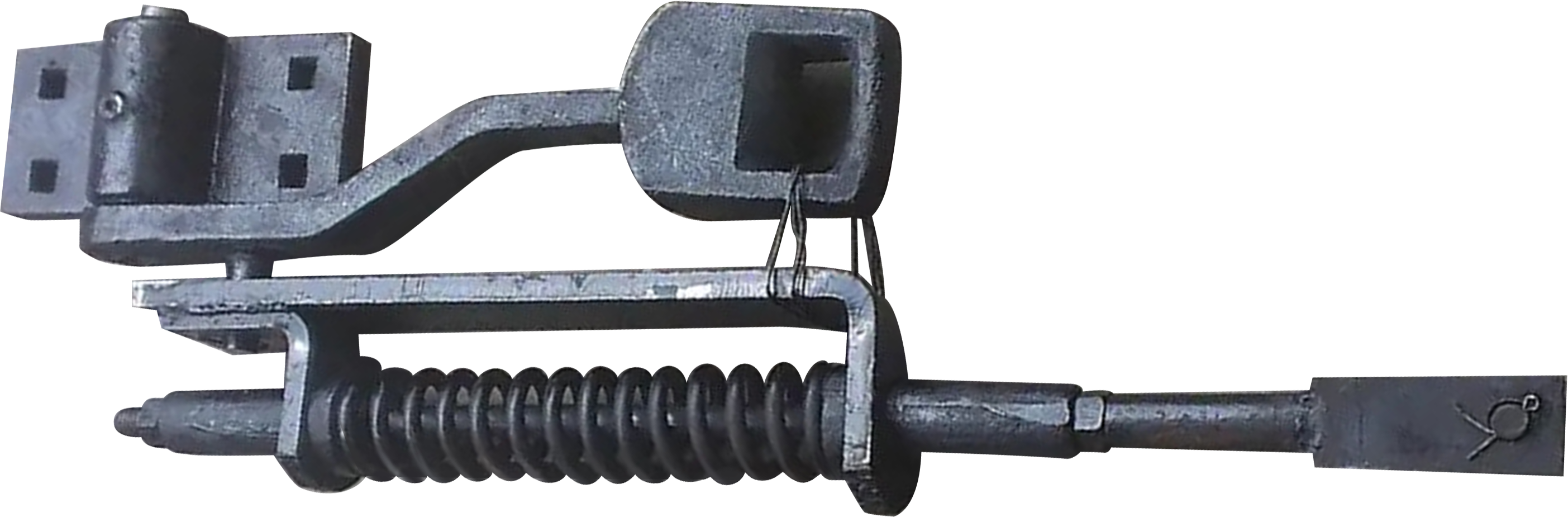
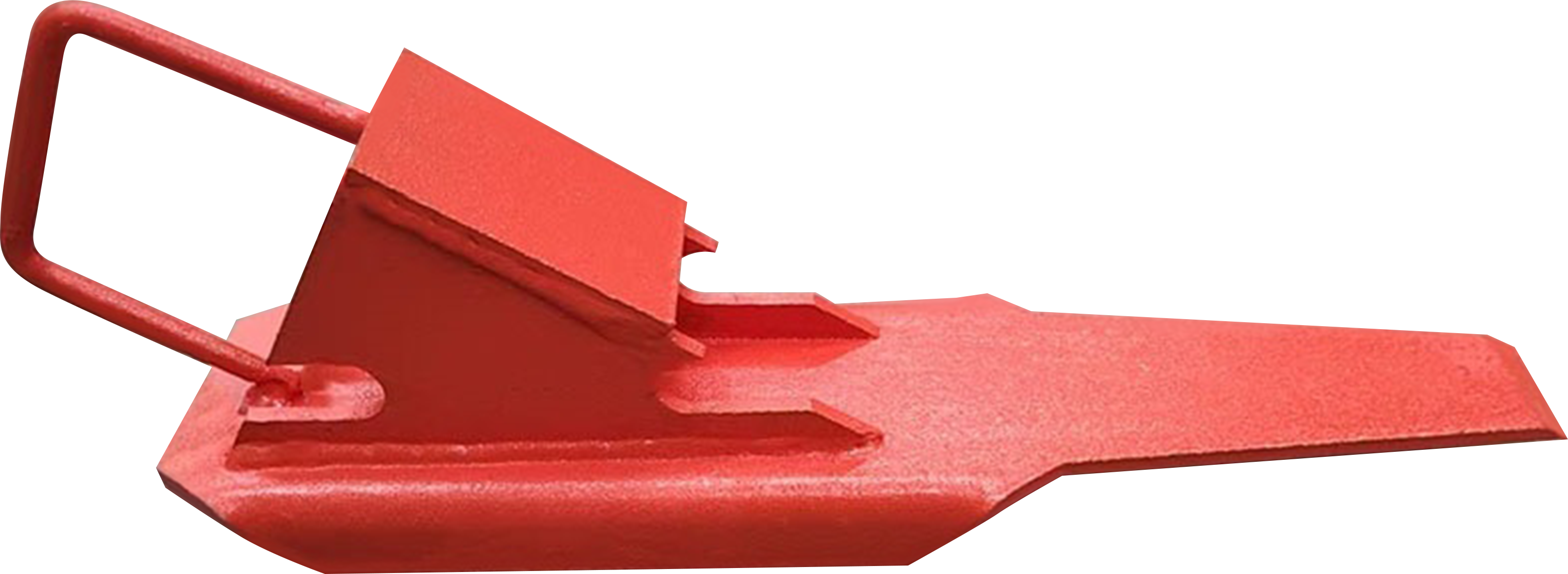
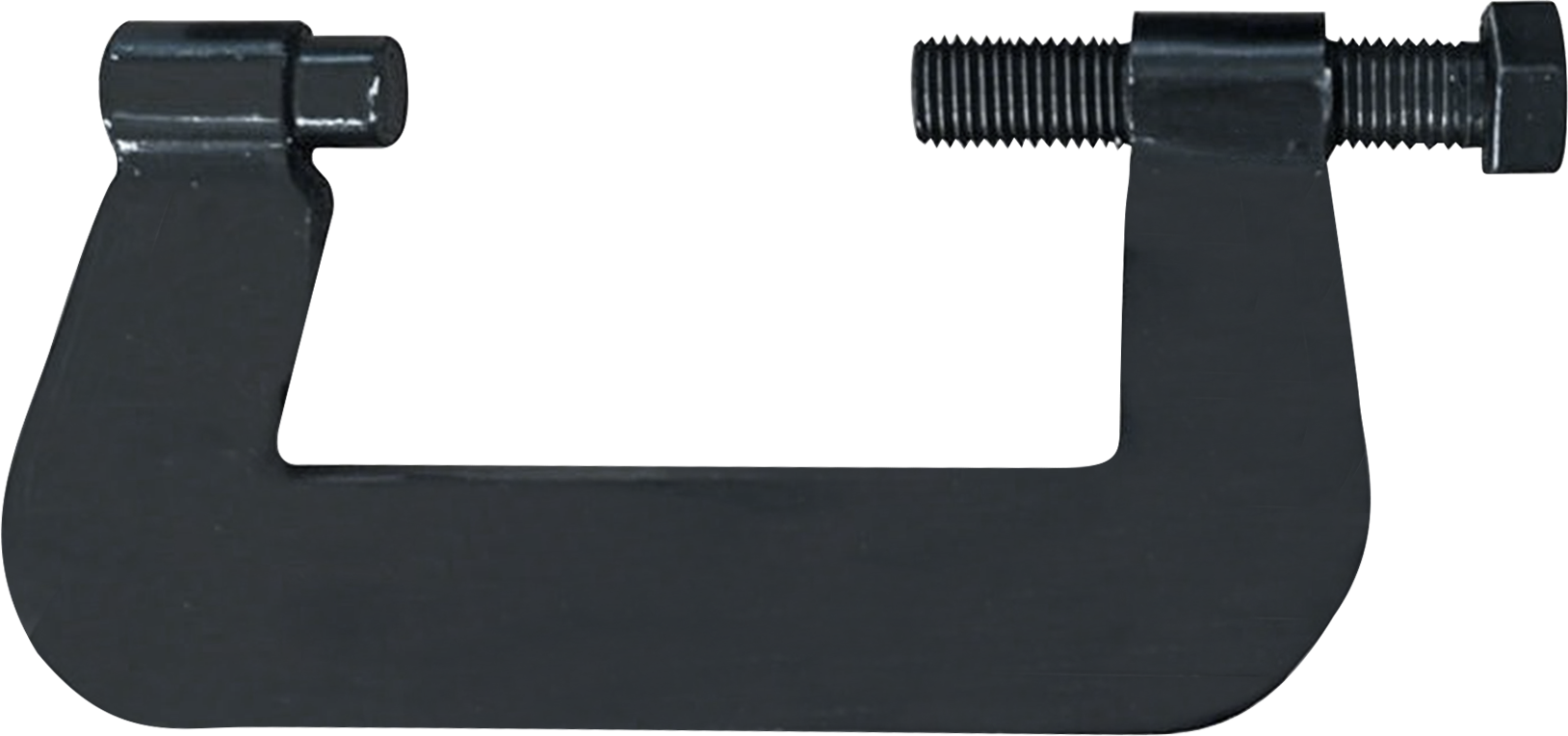
Railroad components form the backbone of modern transportation infrastructure, encompassing a comprehensive array of engineered systems that ensure safe, efficient, and reliable train operations. These critical elements include track systems, signaling equipment, switching mechanisms, rail fasteners, ballast materials, and various safety devices that work together to create a robust transportation network. The primary function of railroad components centers on maintaining structural integrity while supporting heavy freight loads and high-speed passenger services across diverse geographical terrains. Track rails serve as the fundamental pathway, constructed from high-grade steel alloys that resist wear and deformation under extreme pressure. Railroad components incorporate advanced metallurgical technologies, featuring heat-treated steel compositions that enhance durability and extend service life significantly. Modern rail systems utilize continuous welded rails that minimize joints, reducing maintenance requirements while improving ride quality and operational efficiency. Signaling systems represent another crucial category of railroad components, employing sophisticated electronic technologies to manage traffic flow and prevent collisions. These systems integrate GPS tracking, automated block signaling, and positive train control mechanisms that monitor train positions in real-time. Switch mechanisms enable trains to change tracks seamlessly, utilizing precision-engineered components that withstand millions of activation cycles. Rail fasteners, including clips, bolts, and tie plates, secure tracks to concrete or wooden ties, maintaining proper gauge and alignment under dynamic loading conditions. Ballast materials, typically crushed stone or specialized aggregates, provide drainage and distribute loads evenly across the roadbed foundation. Applications of railroad components span freight transportation, passenger services, urban transit systems, and industrial railways. These systems support container shipping, bulk commodity transport, commuter rail networks, and subway operations worldwide. Railroad components must meet stringent safety standards and undergo rigorous testing to ensure compliance with international railway specifications and operational requirements.


New Product Recommendations

Railroad components deliver exceptional economic benefits through reduced transportation costs compared to trucking and air freight alternatives. These systems transport massive cargo volumes efficiently, with a single freight train carrying equivalent loads of hundreds of trucks while consuming significantly less fuel per ton-mile. Railroad components require minimal maintenance when properly installed, offering decades of reliable service with routine inspections and periodic component replacement. The standardized design of railroad components ensures compatibility across different railway networks, facilitating seamless integration and reducing procurement complexities for operators. Advanced materials used in railroad components resist corrosion, wear, and environmental degradation, maintaining performance standards in harsh weather conditions including extreme temperatures, heavy precipitation, and seismic activity. Railroad components enhance safety through multiple redundant systems that prevent derailments, collisions, and operational failures. Automated monitoring technologies embedded within railroad components provide real-time diagnostics, enabling predictive maintenance strategies that minimize unexpected downtime and extend asset lifecycles. Environmental advantages of railroad components include reduced carbon emissions per unit of cargo transported, supporting sustainability goals and regulatory compliance requirements. Railroad components facilitate high-capacity transportation with minimal land use compared to highway infrastructure, preserving valuable real estate for other development purposes. The modular nature of railroad components allows for flexible system expansion and configuration changes as transportation demands evolve. Railroad components support electrified operations, enabling clean energy integration from renewable sources including solar, wind, and hydroelectric power generation. Installation of railroad components creates long-term employment opportunities in manufacturing, construction, maintenance, and operations sectors. Railroad components enable precise scheduling and reliable delivery times, supporting just-in-time manufacturing processes and supply chain optimization strategies. The proven technology behind railroad components has demonstrated reliability over more than a century of continuous development and refinement. Railroad components provide excellent return on investment through extended operational lifespans, reduced operating costs, and increased transportation capacity without proportional infrastructure expansion requirements.

Latest News

What Are the Advantages of Using Standardized Baseplates in Large Projects?

18

Dec

What Are the Advantages of Using Standardized Baseplates in Large Projects?

Large-scale construction and infrastructure projects demand precision, efficiency, and reliability at every stage of development. Among the foundational elements that ensure project success, standardized baseplates emerge as critical components that ...
View More
How Do Rail Tools Support Safety and Precision in Track Construction?

05

Jan

How Do Rail Tools Support Safety and Precision in Track Construction?

Modern railway construction demands exceptional precision and unwavering safety standards to ensure reliable transportation networks. The foundation of successful track construction lies in the proper selection and application of specialized rail too...
View More
What materials are best for corrosion-resistant track pins in railways?

20

Apr

What materials are best for corrosion-resistant track pins in railways?

Railway infrastructure faces constant exposure to harsh environmental conditions, making material selection critical for long-term performance and safety. Track pins, essential components that secure rails to railroad ties, must withstand not only me...
View More
What installation spacing is recommended for rail anchors in railways?

20

Apr

What installation spacing is recommended for rail anchors in railways?

Railway track stability relies heavily on proper installation spacing of rail anchors, which serve as critical components in maintaining gauge and preventing rail movement. The recommended spacing for rail anchors varies based on track classification...
View More

Get a Free Quote

Our representative will contact you soon.
Email
Name
Company Name
Message
0/1000

railroad components

Advanced Steel Metallurgy and Durability Engineering

Advanced Steel Metallurgy and Durability Engineering

Railroad components utilize cutting-edge metallurgical science to deliver unprecedented durability and performance under extreme operational conditions. The steel composition of modern railroad components incorporates carefully controlled carbon content, manganese, and specialized alloying elements that create molecular structures resistant to fatigue, wear, and stress fractures. Heat treatment processes applied during manufacturing create grain structures that enhance tensile strength while maintaining flexibility necessary for dynamic loading scenarios. Railroad components undergo precision rolling techniques that eliminate internal voids and create uniform density throughout the material cross-section. Surface hardening treatments applied to railroad components create wear-resistant layers that extend service life by factors of three to five compared to conventional steel products. The metallurgical advances in railroad components enable operation under temperature extremes ranging from arctic conditions to desert environments without compromising structural integrity. Controlled cooling processes during manufacturing create specific crystal formations that resist crack propagation and maintain dimensional stability over decades of service. Railroad components feature advanced welding technologies that create seamless joints stronger than the base materials, eliminating weak points common in older railway systems. Quality control measures for railroad components include ultrasonic testing, magnetic particle inspection, and stress analysis that verify material properties meet or exceed specification requirements. The superior metallurgy of railroad components reduces replacement frequency, lowering lifecycle costs and minimizing service disruptions. Research and development in railroad components continues advancing steel chemistry, incorporating microalloying techniques that enhance performance characteristics while reducing material weight. These metallurgical innovations in railroad components support higher axle loads and increased train speeds while maintaining safety margins that exceed industry standards by substantial factors.
Integrated Safety Systems and Collision Prevention Technology

Integrated Safety Systems and Collision Prevention Technology

Railroad components incorporate comprehensive safety mechanisms designed to prevent accidents and protect both passengers and cargo through multiple layers of protection systems. Advanced signaling technology embedded within railroad components utilizes fiber optic communications, GPS positioning, and automated train control systems that monitor every aspect of train operations continuously. Positive Train Control systems integrated into railroad components automatically apply braking when operators exceed speed limits or approach restricted areas, eliminating human error as a cause of accidents. Railroad components feature fail-safe design principles where system failures default to safe operating modes, ensuring trains stop safely rather than continuing with compromised safety systems. Crossing protection systems included in railroad components activate warning signals, barriers, and traffic control devices automatically when trains approach intersections, preventing vehicular collisions. Track integrity monitoring systems built into railroad components detect rail breaks, loose fasteners, and geometric irregularities before they compromise safety, alerting maintenance crews immediately. Railroad components include derailment detection systems that identify wheel lift or lateral displacement, triggering emergency protocols to minimize damage and protect adjacent infrastructure. Weather monitoring integration within railroad components provides real-time data on wind speeds, precipitation, and temperature conditions that might affect safe operations. Hot bearing detectors incorporated into railroad components scan passing trains for overheated wheels or axles that could lead to mechanical failures, enabling preventive interventions. Railroad components feature redundant communication systems ensuring continuous contact between dispatchers, engineers, and maintenance personnel under all operating conditions. Emergency response capabilities built into railroad components include automated notification systems that alert first responders with precise location data when incidents occur. The safety systems within railroad components undergo continuous testing and validation to maintain compliance with evolving industry standards and regulatory requirements, ensuring passenger protection remains the highest priority.
Environmental Sustainability and Energy Efficiency Benefits

Environmental Sustainability and Energy Efficiency Benefits

Railroad components deliver exceptional environmental performance through energy-efficient transportation solutions that significantly reduce carbon emissions compared to alternative freight and passenger transport methods. Modern railroad components enable electric traction systems that utilize renewable energy sources including solar, wind, and hydroelectric power, creating carbon-neutral transportation networks. The efficiency of railroad components allows single trains to transport cargo equivalent to hundreds of trucks while consuming approximately four times less energy per ton-mile, substantially reducing fossil fuel consumption. Railroad components support regenerative braking technologies that capture kinetic energy during deceleration and feed electricity back into power grids, improving overall system efficiency. Lightweight materials incorporated into railroad components reduce rolling resistance and energy requirements while maintaining structural strength necessary for heavy-duty operations. Railroad components facilitate high-capacity transportation with minimal land use impact, preserving natural habitats and reducing infrastructure footprint compared to highway expansion projects. Noise reduction technologies integrated into railroad components include vibration dampening systems and sound barriers that minimize environmental disruption in populated areas. Railroad components enable precise routing and scheduling that optimizes fuel consumption and reduces empty vehicle miles, maximizing transportation efficiency while minimizing environmental impact. The longevity of railroad components reduces material consumption over time, as these systems operate effectively for decades with minimal replacement requirements compared to shorter-lived transportation alternatives. Railroad components support intermodal transportation networks that seamlessly transfer cargo between rail, truck, and maritime systems, optimizing overall supply chain efficiency and reducing environmental impact. Advanced lubrication systems within railroad components reduce friction and wear while using environmentally friendly lubricants that minimize ecological impact during maintenance operations. Railroad components contribute to urban air quality improvement by reducing truck traffic in metropolitan areas, decreasing particulate matter and nitrogen oxide emissions that affect public health. The sustainability benefits of railroad components extend beyond operations to include recycling capabilities, as steel components retain value and can be reprocessed into new products at end of service life.

Get a Free Quote

Our representative will contact you soon.
Email
Name
Company Name
Message
0/1000