Premium Train Track Components: Advanced Railway Infrastructure Solutions for Superior Performance and Durability

All Categories

train track components

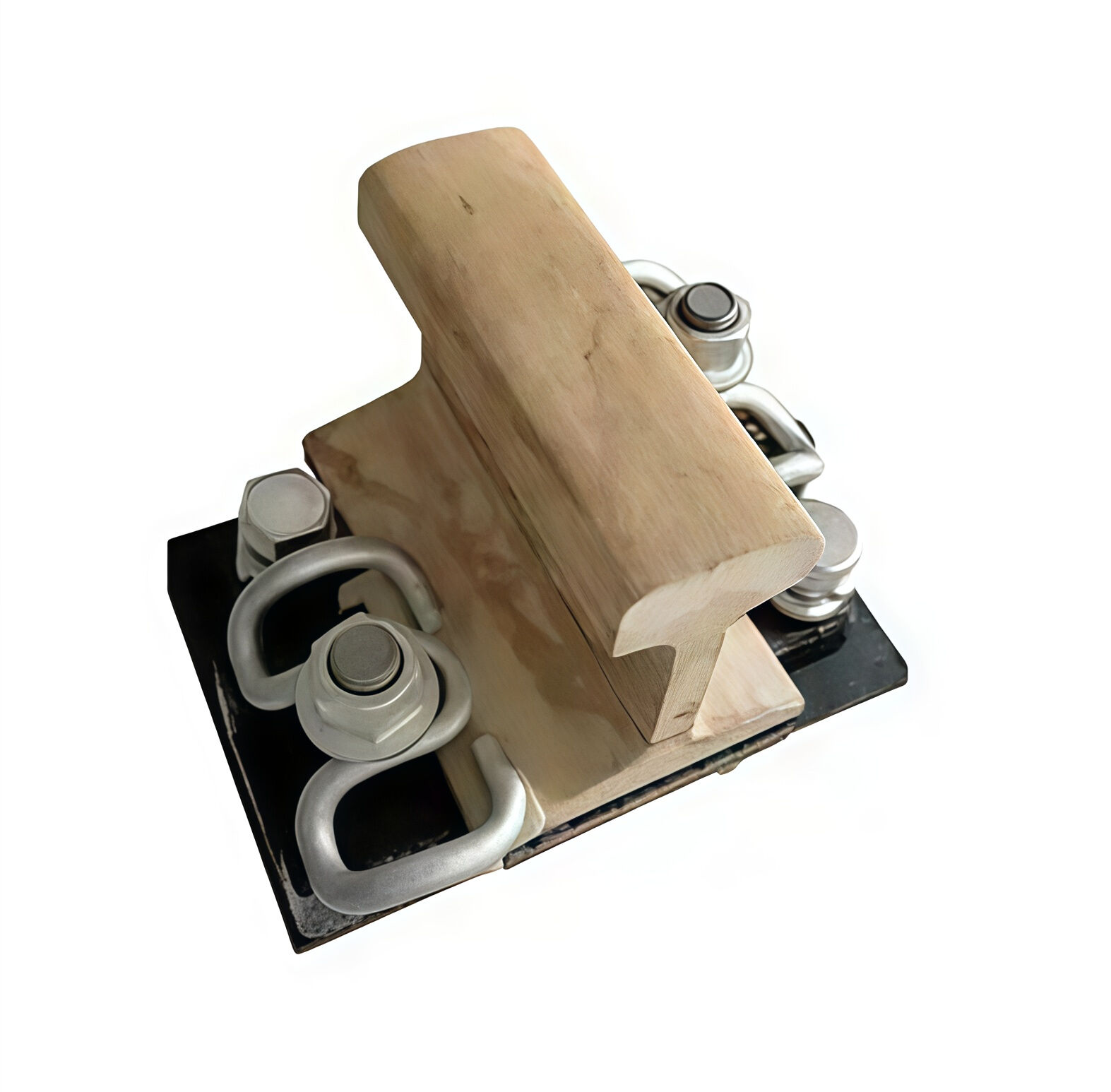
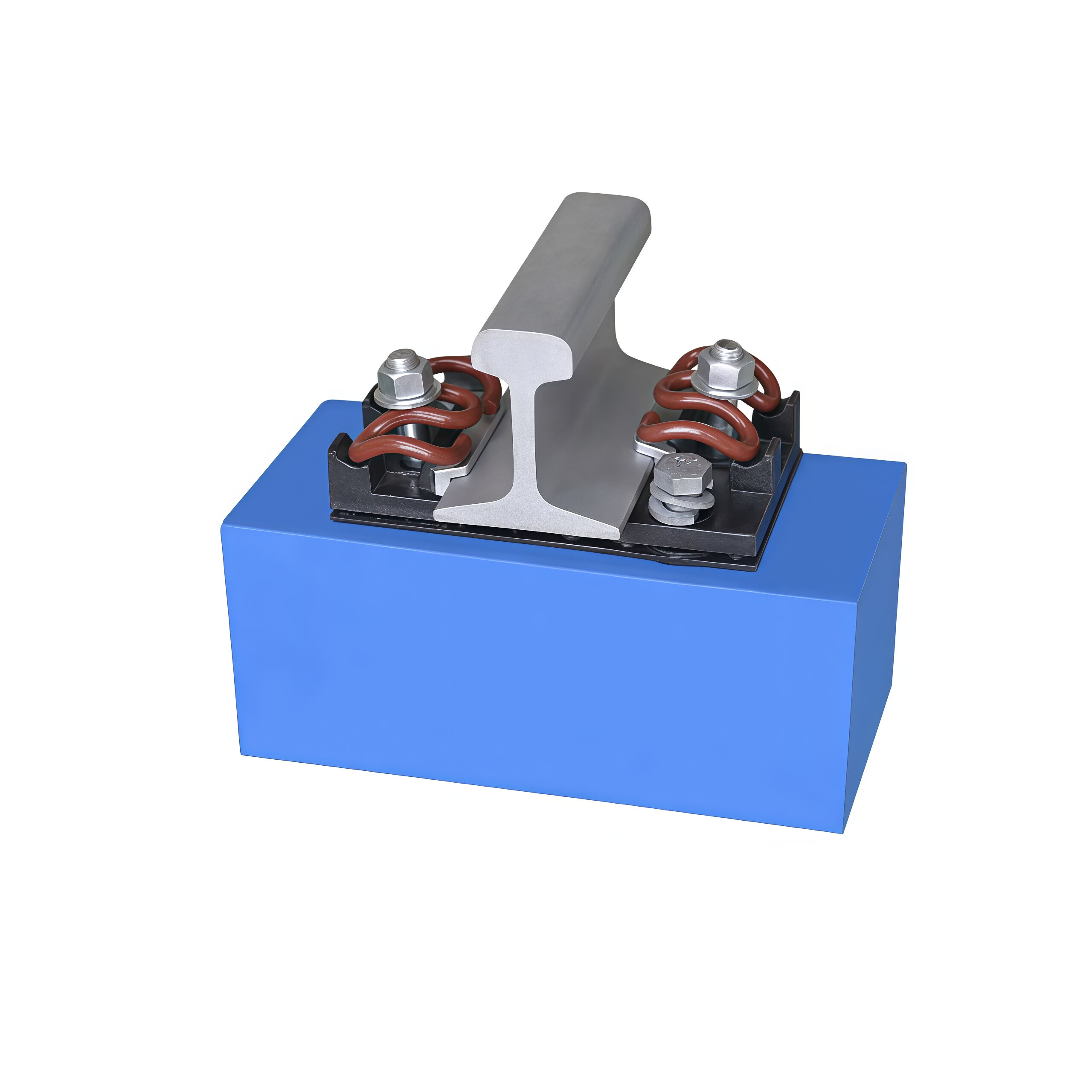
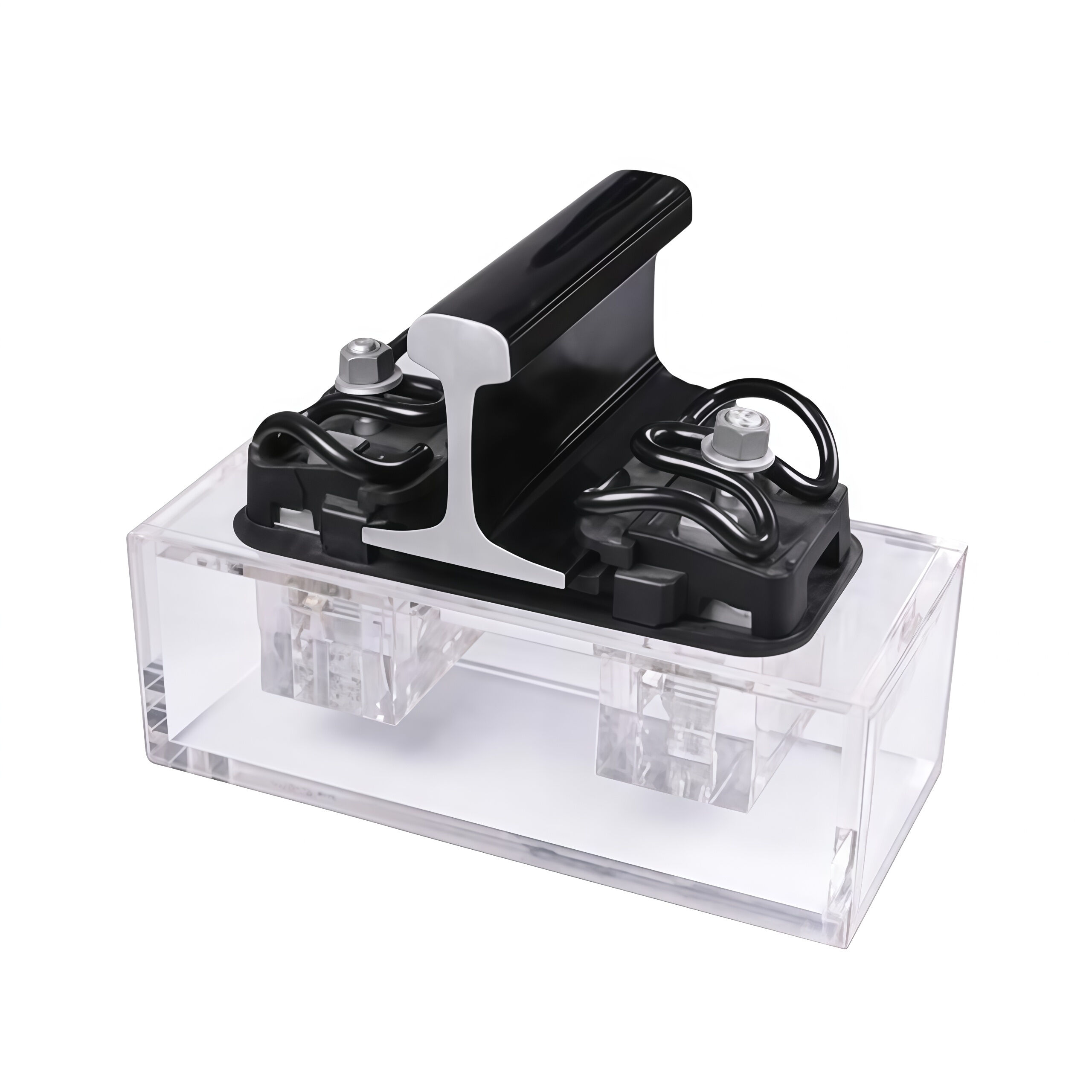
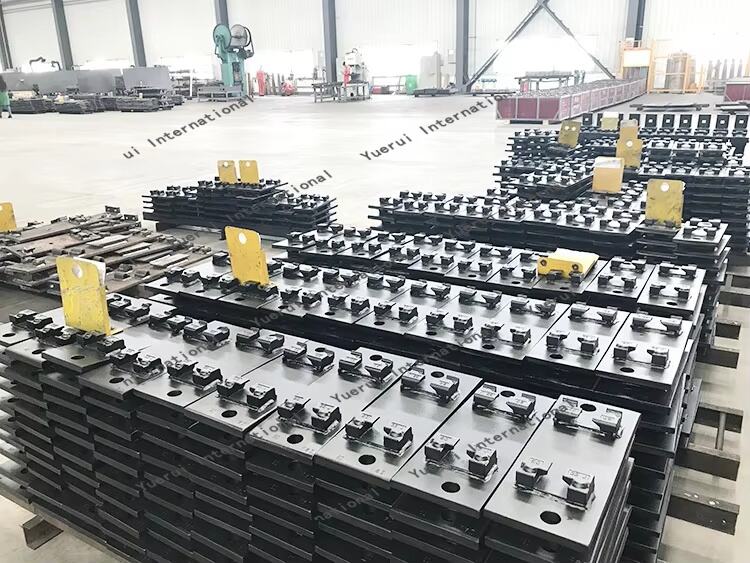
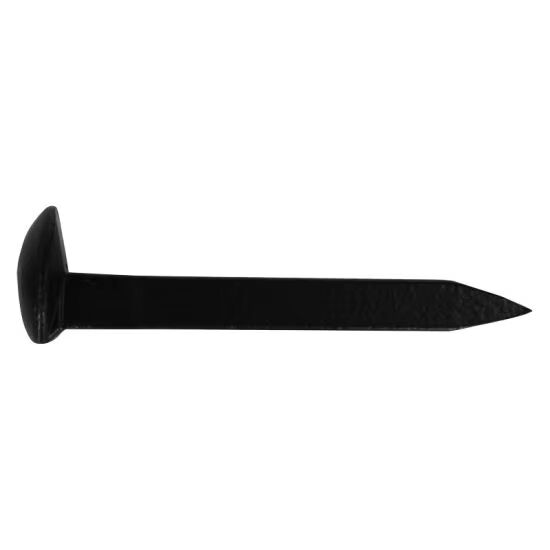
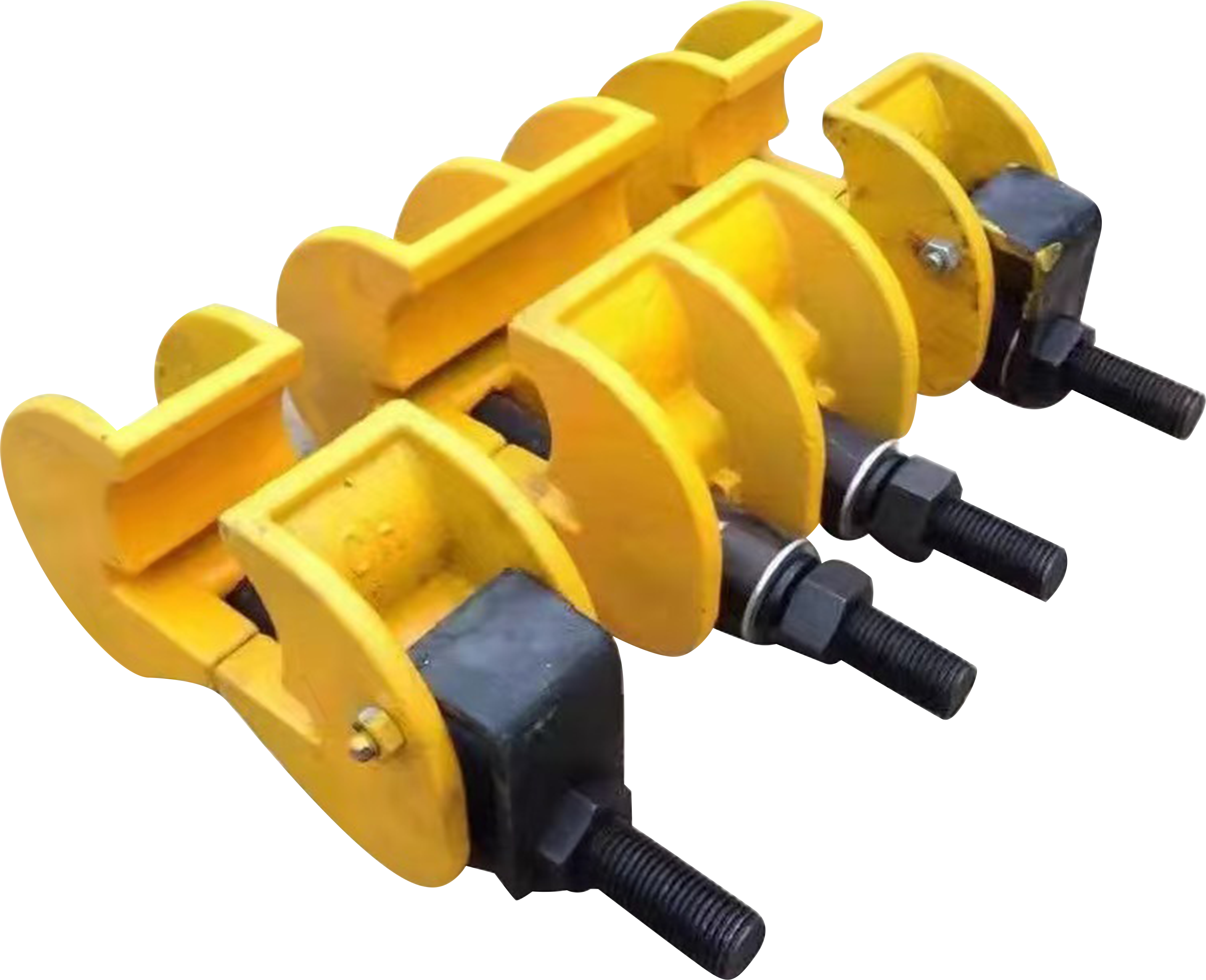
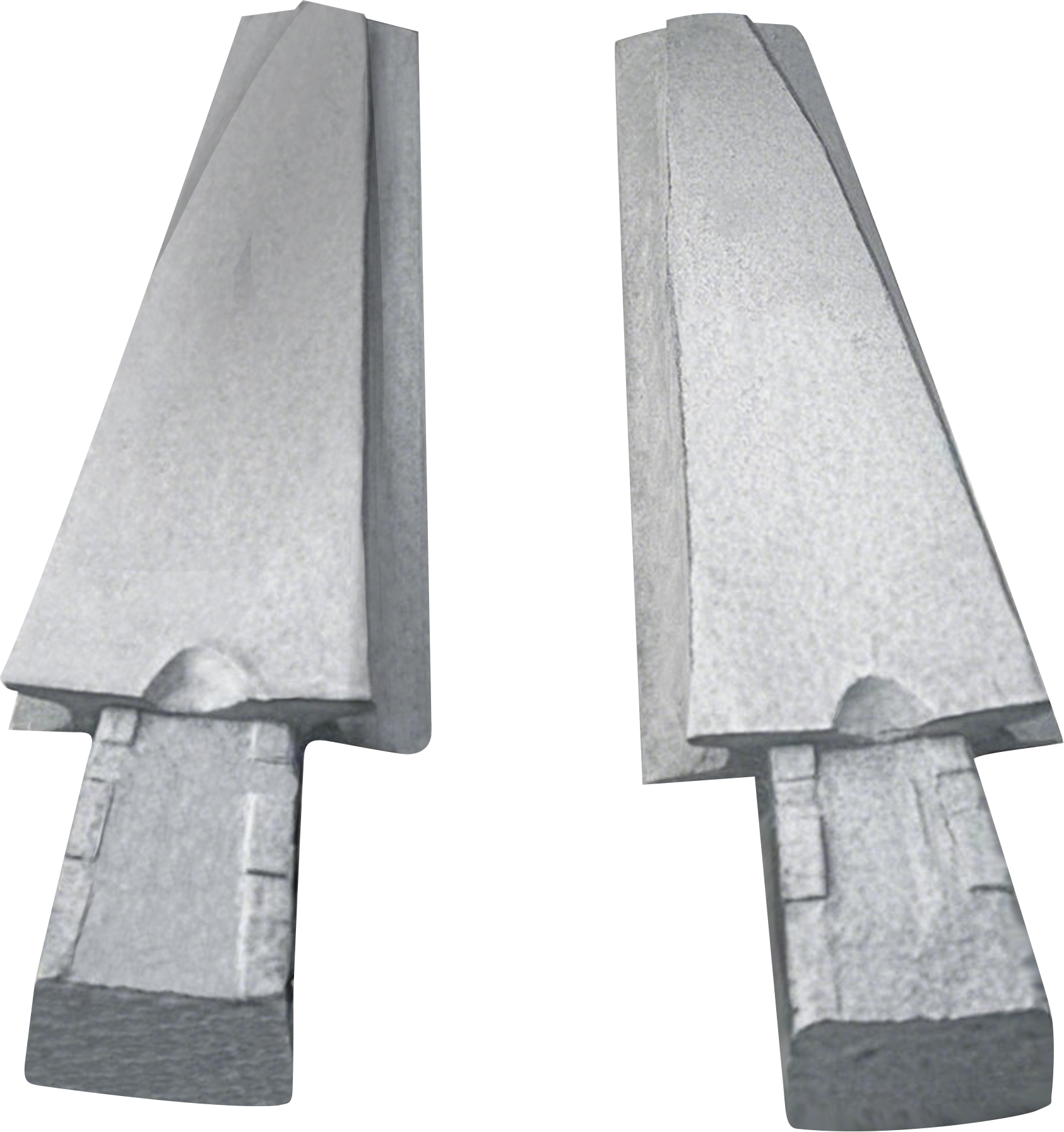
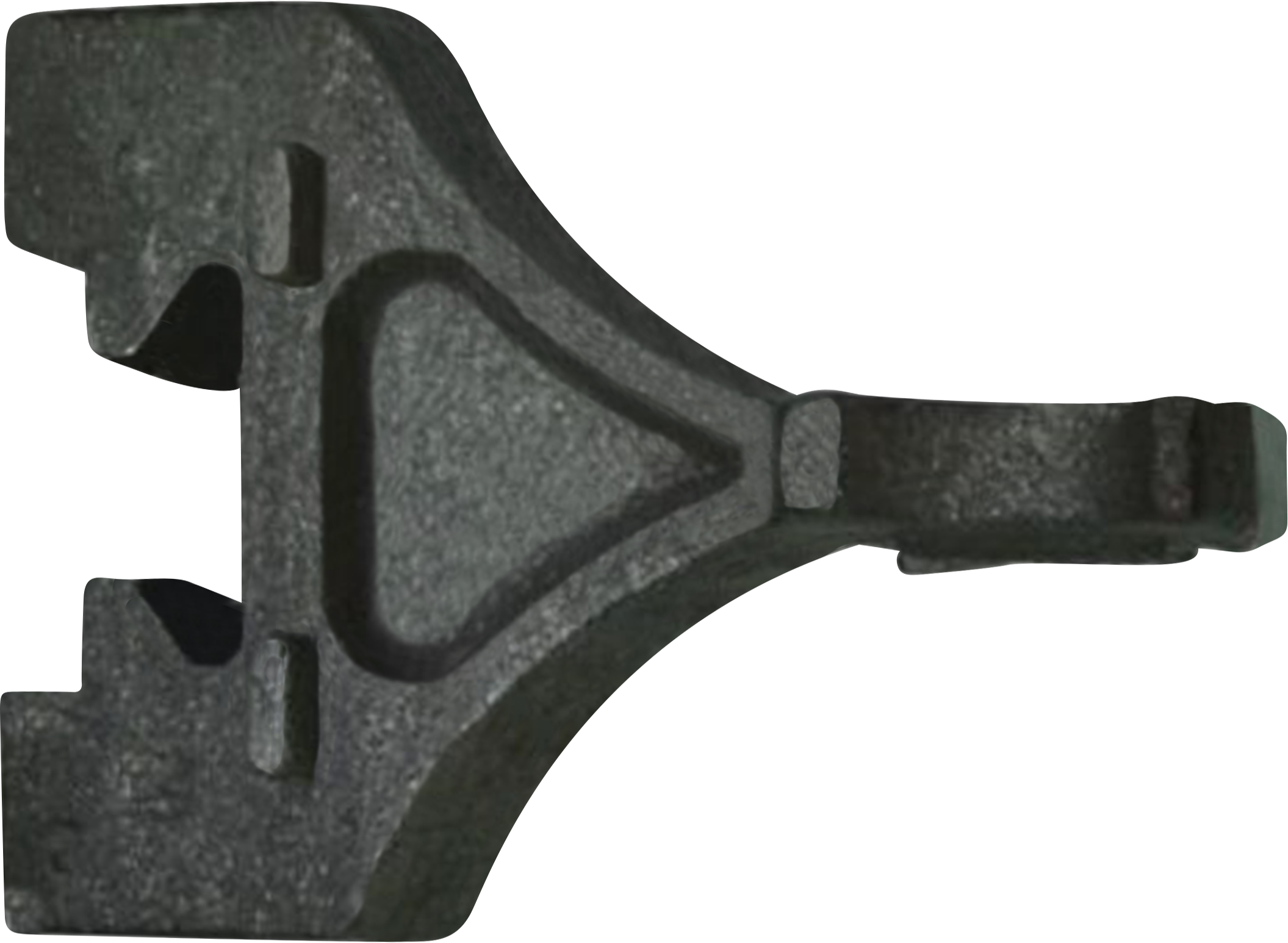
Train track components form the fundamental infrastructure that enables safe and efficient railway transportation worldwide. These essential elements work together to create a robust foundation that supports heavy locomotives and passenger cars while ensuring smooth operation across vast distances. The primary train track components include rails, railroad ties, ballast, fastening systems, and joint bars, each serving critical functions in maintaining structural integrity and operational safety. Rails serve as the primary load-bearing elements, distributing the weight of trains while providing a smooth surface for wheel movement. Modern rails are manufactured from high-grade steel alloys that offer exceptional durability and resistance to wear, ensuring long-term performance under extreme conditions. Railroad ties, also known as sleepers, provide essential support by distributing rail loads evenly across the track foundation while maintaining proper rail gauge spacing. These components are typically constructed from treated wood, concrete, or composite materials, each offering specific advantages for different applications. The ballast layer consists of crushed stone or gravel that provides drainage, stability, and load distribution beneath the ties. This critical component prevents track settlement while allowing for thermal expansion and contraction. Fastening systems secure rails to ties using various mechanisms including spikes, bolts, and specialized clips that accommodate different rail types and environmental conditions. Joint bars connect individual rail sections, ensuring continuity and structural integrity across long distances. Modern train track components incorporate advanced materials science and engineering principles to meet demanding performance requirements. Steel rails undergo precise manufacturing processes that optimize their molecular structure for enhanced strength and longevity. Concrete ties offer superior durability and dimensional stability compared to traditional wooden alternatives, making them ideal for high-traffic corridors and harsh environmental conditions. Advanced fastening systems utilize spring-loaded mechanisms that maintain consistent clamping force while accommodating thermal movement and dynamic loading. These technological innovations significantly improve track performance, reduce maintenance requirements, and extend service life, making train track components more cost-effective and reliable than ever before.


Popular Products

Train track components deliver numerous practical benefits that make railway systems highly attractive for transportation infrastructure investment. These advantages directly translate into cost savings, operational efficiency, and enhanced safety for railway operators and passengers alike. The durability of modern train track components significantly reduces long-term maintenance costs compared to alternative transportation infrastructure. High-quality steel rails can withstand millions of wheel passes without requiring replacement, while advanced concrete ties maintain their structural integrity for decades under normal operating conditions. This exceptional longevity means railway operators can allocate resources more effectively, focusing on expansion rather than constant repairs. The standardized design of train track components ensures compatibility across different railway networks, simplifying procurement processes and reducing inventory costs. Railway operators can source components from multiple suppliers while maintaining consistency in performance and installation procedures. This flexibility provides significant cost advantages and ensures reliable supply chains for ongoing maintenance operations. Train track components support heavy load capacities that far exceed what road infrastructure can handle efficiently. A single freight train can carry the equivalent cargo of hundreds of trucks, dramatically reducing transportation costs per unit while minimizing environmental impact. This load-bearing capability makes railways particularly valuable for bulk commodity transport and long-distance freight movement. The weather resistance of properly installed train track components ensures reliable operation under extreme conditions. Unlike roadways that can become impassable during severe weather, railway systems continue functioning through snow, ice, and heavy precipitation. This reliability makes trains dependable transportation options for both freight and passenger services. Energy efficiency represents another major advantage of train track components. The low rolling resistance created by steel wheels on steel rails means trains consume significantly less energy per ton-mile than trucks or aircraft. This efficiency translates into lower operating costs and reduced carbon emissions, making railways environmentally sustainable transportation solutions. The precision manufacturing of train track components enables high-speed operation that surpasses most other ground transportation modes. Modern railway systems can safely operate at speeds exceeding 200 miles per hour on properly maintained tracks, providing rapid passenger service that competes favorably with air travel for medium-distance routes. Safety features built into train track components include continuous welded construction that eliminates dangerous rail joints and advanced fastening systems that prevent rail movement under dynamic loading. These design elements contribute to exceptional safety records that make railways among the safest transportation modes available. The scalability of train track components allows railway networks to expand incrementally as demand grows, providing flexible infrastructure development options that adapt to changing transportation needs over time.

Practical Tips

How Do Baseplates Contribute to Efficient Railway Turnout Installation?

18

Dec

How Do Baseplates Contribute to Efficient Railway Turnout Installation?

Railway infrastructure demands precision, durability, and efficiency at every level, particularly when it comes to critical components like turnouts. Railway turnout baseplates serve as fundamental elements that ensure proper track alignment, load di...
View More
How Do Dog Spikes Affect Track Alignment and Train Safety?

18

Dec

How Do Dog Spikes Affect Track Alignment and Train Safety?

Railway infrastructure depends on countless components working in harmony to ensure safe and efficient train operations. Among these critical elements, the dog spike stands as one of the most fundamental yet often overlooked fastening systems that se...
View More
How Do Gauge Blocks Ensure Precision in Railway Track Construction?

05

Jan

How Do Gauge Blocks Ensure Precision in Railway Track Construction?

Railway track construction demands exceptional precision to ensure safe and efficient train operations. The accuracy of track gauge measurements directly impacts train stability, wheel wear, and overall system safety. Among the essential tools used i...
View More
What materials are best for corrosion-resistant track pins in railways?

20

Apr

What materials are best for corrosion-resistant track pins in railways?

Railway infrastructure faces constant exposure to harsh environmental conditions, making material selection critical for long-term performance and safety. Track pins, essential components that secure rails to railroad ties, must withstand not only me...
View More

Get a Free Quote

Our representative will contact you soon.
Email
Name
Company Name
Message
0/1000

train track components

Advanced Steel Alloy Construction for Unmatched Durability

Advanced Steel Alloy Construction for Unmatched Durability

The steel alloy composition used in modern train track components represents a pinnacle of metallurgical engineering, delivering unprecedented durability and performance characteristics that set railway infrastructure apart from all other transportation systems. These advanced steel formulations incorporate precise combinations of carbon, manganese, silicon, and other alloying elements that optimize molecular structure for maximum strength, wear resistance, and fatigue life. The manufacturing process begins with carefully controlled steel production that ensures consistent chemical composition and mechanical properties throughout each rail section. Hot rolling techniques shape the steel into precise rail profiles while maintaining optimal grain structure that enhances load-bearing capacity and resistance to crack propagation. Heat treatment processes further refine the steel's microstructure, creating surface hardness that resists wheel wear while maintaining core toughness that prevents catastrophic failure under extreme loading conditions. This advanced metallurgy enables train track components to withstand contact pressures exceeding 200,000 pounds per square inch without permanent deformation or surface damage. The superior wear characteristics mean rails maintain their dimensional accuracy and surface smoothness for millions of wheel passes, ensuring consistent ride quality and operational safety throughout their service life. Field testing demonstrates that properly manufactured steel rail components can operate for over 30 years under heavy freight traffic without requiring replacement, providing exceptional return on infrastructure investment. The corrosion resistance built into modern steel formulations protects against environmental degradation in coastal areas, industrial zones, and regions with harsh weather conditions. Advanced coating systems and alloying techniques create protective barriers that extend component life even in challenging environments. Quality control measures throughout the manufacturing process ensure each rail section meets stringent specifications for straightness, dimensional accuracy, and mechanical properties. Non-destructive testing techniques verify internal soundness and detect any potential defects before installation. This comprehensive quality assurance approach guarantees that train track components will perform reliably under actual operating conditions. The standardization of steel specifications across the railway industry ensures compatibility between components from different manufacturers while maintaining consistent performance characteristics. This standardization simplifies procurement processes, reduces inventory requirements, and enables efficient maintenance operations across entire railway networks.
Precision Fastening Systems for Optimal Track Stability

Precision Fastening Systems for Optimal Track Stability

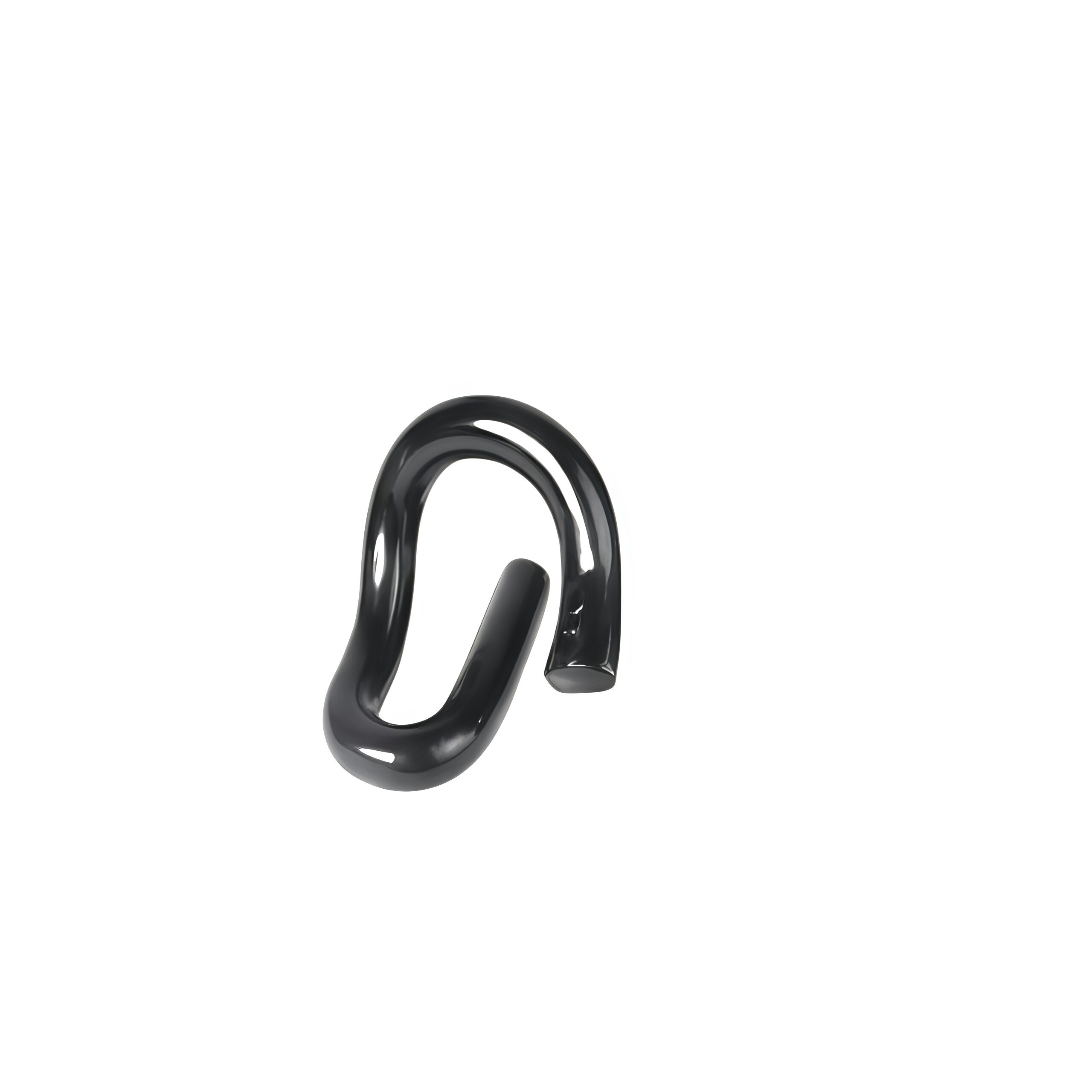
The fastening systems used in modern train track components employ sophisticated engineering principles to achieve optimal track stability while accommodating the dynamic forces and environmental conditions that railway infrastructure must endure throughout its operational life. These precision-engineered components secure rails to underlying support structures using advanced mechanical principles that distribute loads evenly while maintaining proper rail alignment under all operating conditions. Spring-loaded clip systems represent the latest evolution in fastening technology, utilizing carefully calibrated spring steel elements that maintain consistent clamping force despite thermal expansion, track settlement, and dynamic loading from passing trains. The design of these clips incorporates precise geometry that ensures uniform pressure distribution along the rail base while preventing stress concentrations that could lead to component failure. Installation procedures for modern fastening systems have been streamlined to reduce labor costs and ensure consistent results across large railway projects. Specialized tools and techniques enable rapid installation while maintaining the precise tolerances required for optimal performance. The modular design of contemporary fastening systems allows for easy replacement of individual components without disturbing adjacent track structure, minimizing maintenance downtime and operational disruptions. Vibration damping characteristics built into advanced fastening systems reduce noise transmission and track settlement while extending the service life of all track components. These systems incorporate elastomeric elements that absorb dynamic energy while maintaining structural integrity under repeated loading cycles. The ability to accommodate different rail profiles and tie materials makes modern fastening systems versatile solutions for diverse railway applications. Whether connecting rails to concrete ties, steel ties, or traditional wooden cross-ties, these systems provide reliable performance while maintaining standardized installation procedures. Environmental resistance features protect fastening components from corrosion, UV degradation, and temperature extremes that could compromise their performance over time. Advanced materials and surface treatments ensure that fasteners maintain their clamping force and structural integrity throughout extended service periods. Testing protocols for fastening systems include rigorous laboratory evaluations and extensive field trials that validate performance under actual operating conditions. These comprehensive testing programs ensure that fastening systems will provide reliable service while meeting safety requirements for various traffic loads and operating speeds. The economic benefits of precision fastening systems include reduced maintenance costs, extended component life, and improved track availability through faster installation and replacement procedures.
Engineered Ballast and Foundation Systems for Long-Term Performance

Engineered Ballast and Foundation Systems for Long-Term Performance

The ballast and foundation systems underlying train track components utilize sophisticated engineering principles to create stable, well-drained platforms that support heavy railway traffic while maintaining precise track geometry over extended service periods. These carefully designed systems represent the foundation upon which all other track components depend for optimal performance and operational safety. Modern ballast specifications require precisely graded crushed stone or aggregate materials that provide optimal load distribution, drainage characteristics, and stability under dynamic loading conditions. The angular shape and size distribution of ballast particles create interlocking structures that resist lateral movement while allowing controlled settlement that maintains track stability. Advanced geotechnical analysis techniques guide the selection of ballast materials and foundation designs that optimize performance for specific soil conditions, traffic loads, and environmental factors. This scientific approach ensures that ballast systems provide adequate support while minimizing long-term maintenance requirements. The drainage capabilities of properly designed ballast systems prevent water accumulation that could undermine track stability or accelerate component deterioration. Engineered drainage solutions include perforated pipes, filter fabrics, and graded aggregate layers that effectively manage surface water and groundwater while preventing fine soil migration into the ballast layer. Foundation preparation techniques create uniform bearing conditions that distribute loads evenly across the subgrade while preventing differential settlement that could compromise track geometry. Soil stabilization methods, including chemical treatment and mechanical compaction, ensure that foundation systems provide consistent support throughout varying seasonal conditions. Quality control measures during ballast installation include density testing, gradation analysis, and geometric surveys that verify compliance with engineering specifications. These comprehensive quality assurance procedures ensure that ballast systems will perform as designed throughout their intended service life. Maintenance procedures for ballast systems have evolved to incorporate mechanized equipment that can efficiently clean, redistribute, and replace ballast materials while maintaining traffic operations on adjacent tracks. These advanced maintenance techniques extend ballast life while minimizing service disruptions and associated costs. The environmental benefits of properly designed ballast systems include effective stormwater management, reduced erosion, and minimal impact on surrounding ecosystems. Sustainable ballast materials and installation practices support environmental stewardship goals while maintaining operational performance. Innovation in ballast technology continues to develop new materials and installation techniques that further improve performance while reducing costs. Research into synthetic alternatives, recycled materials, and enhanced aggregate treatments promises continued advancement in ballast system effectiveness and sustainability for future railway infrastructure projects.

Get a Free Quote

Our representative will contact you soon.
Email
Name
Company Name
Message
0/1000