track hardware
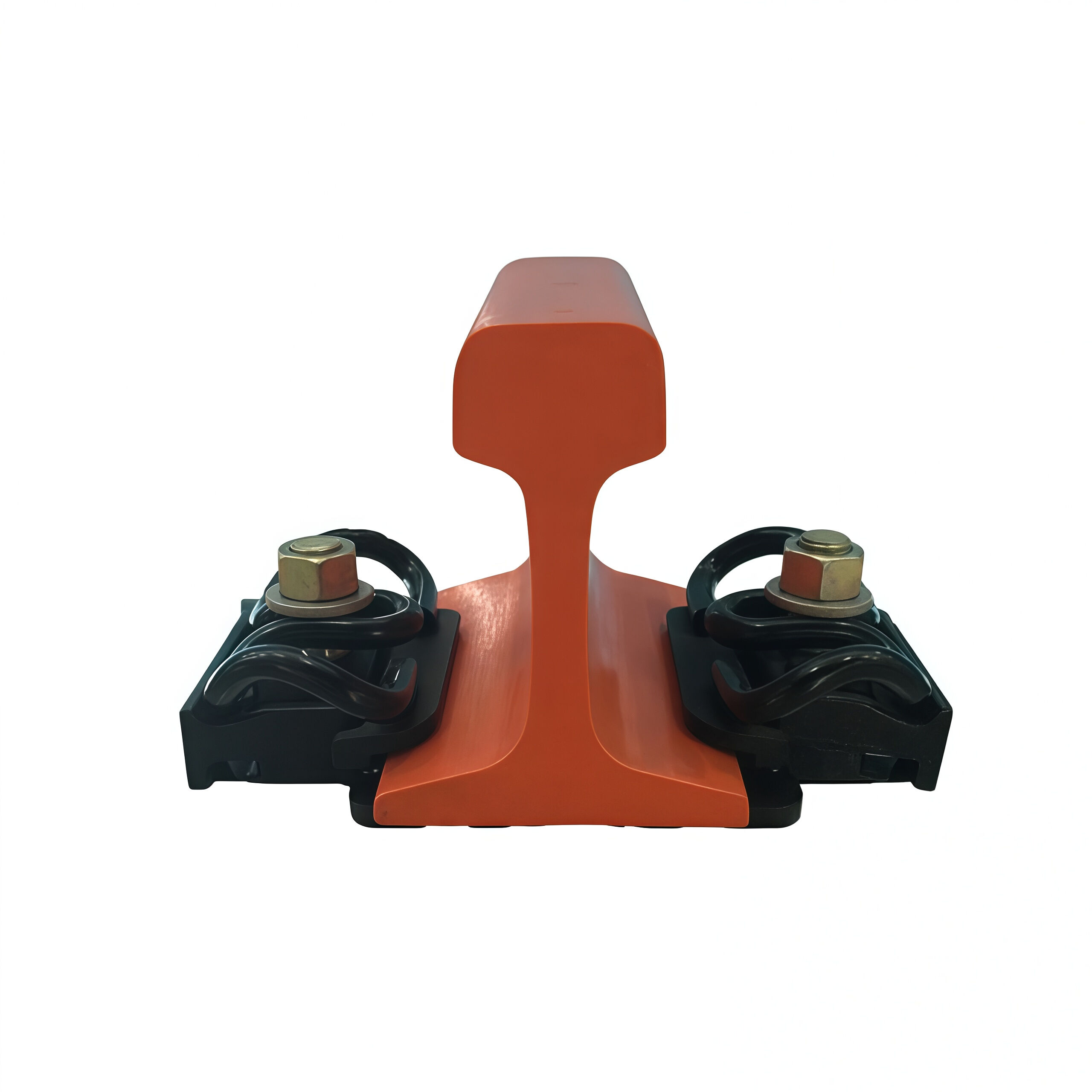
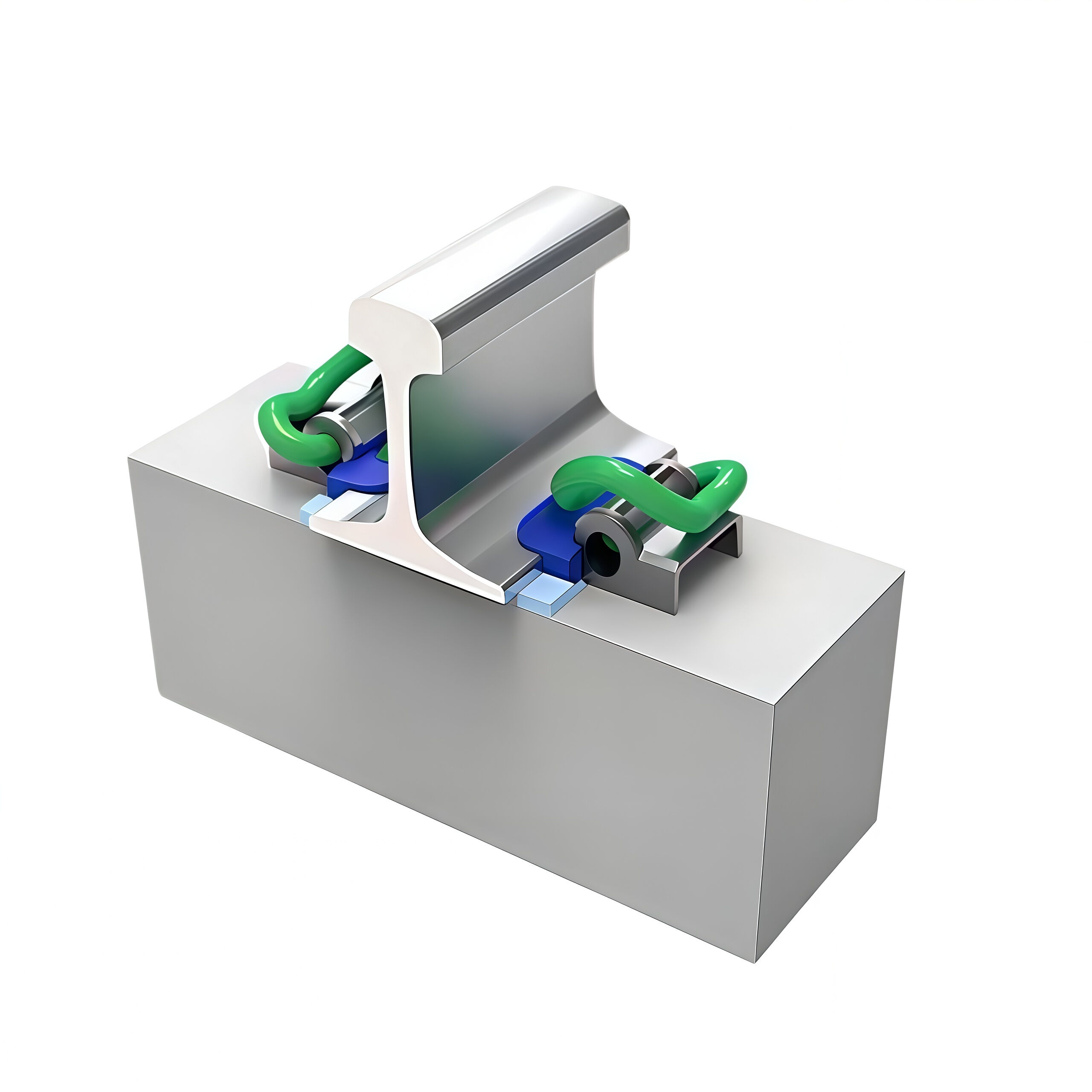
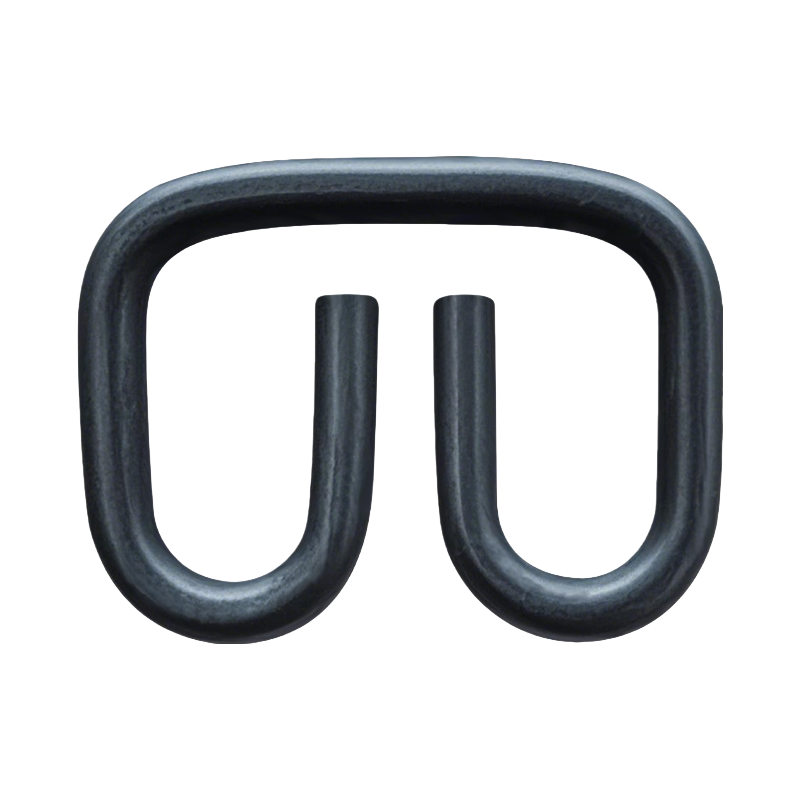
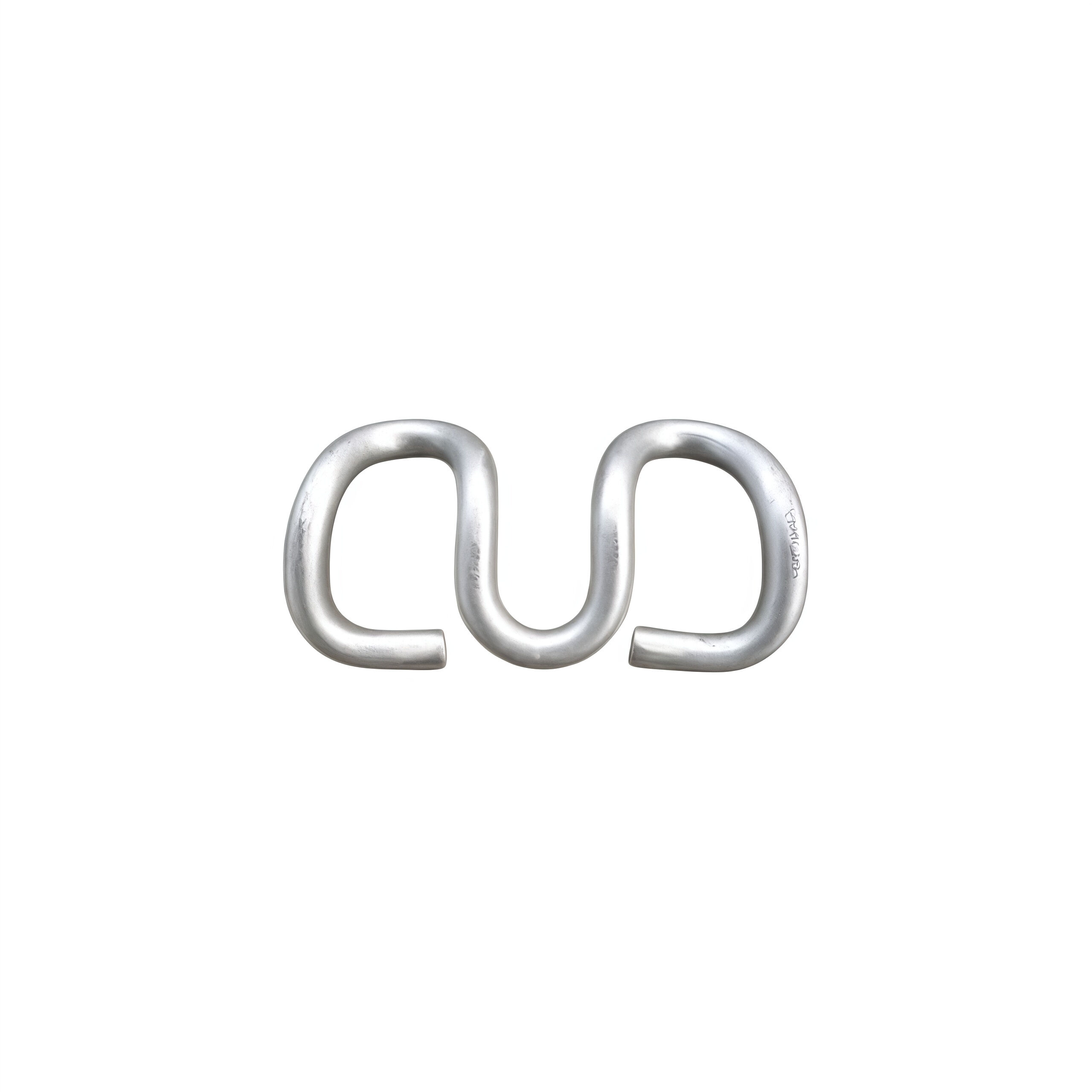
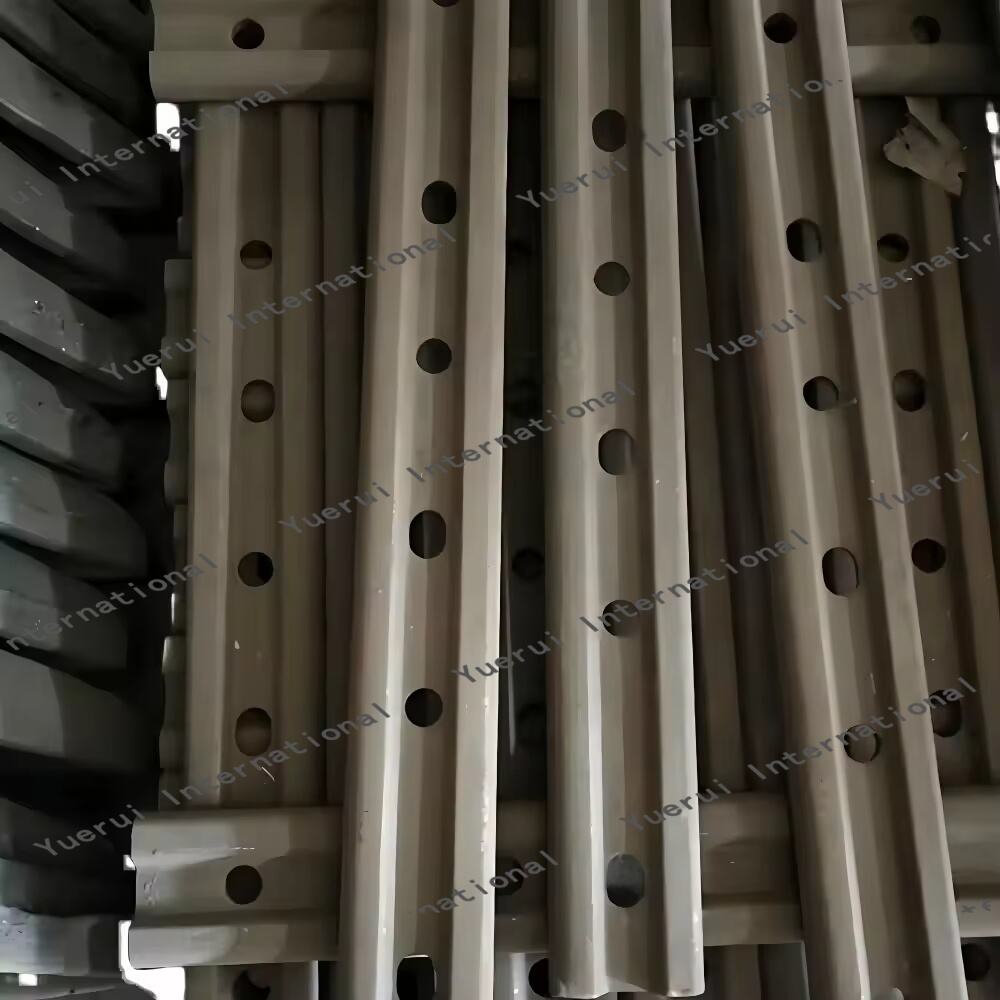
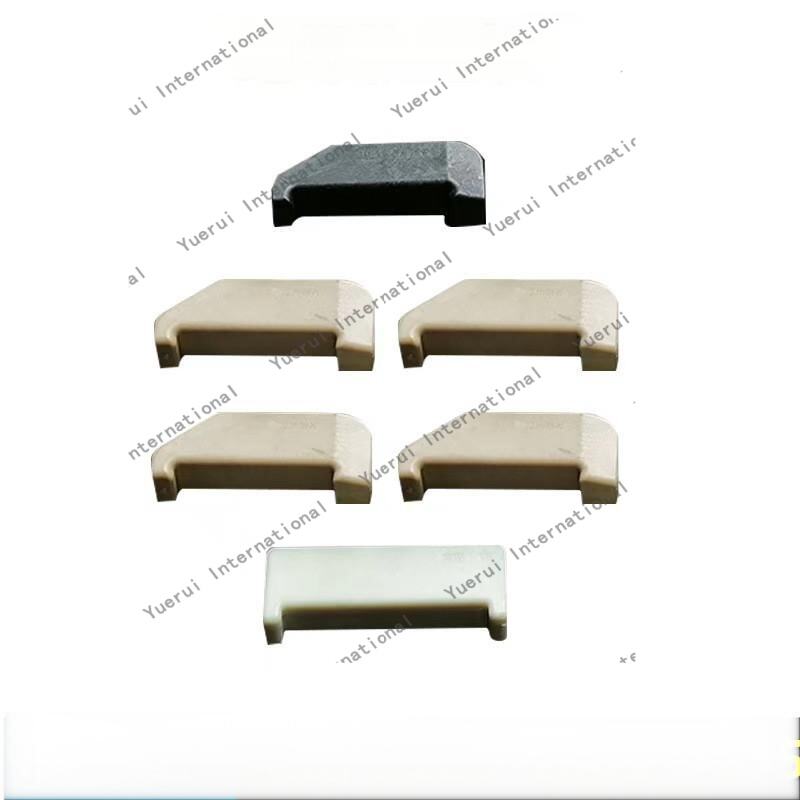
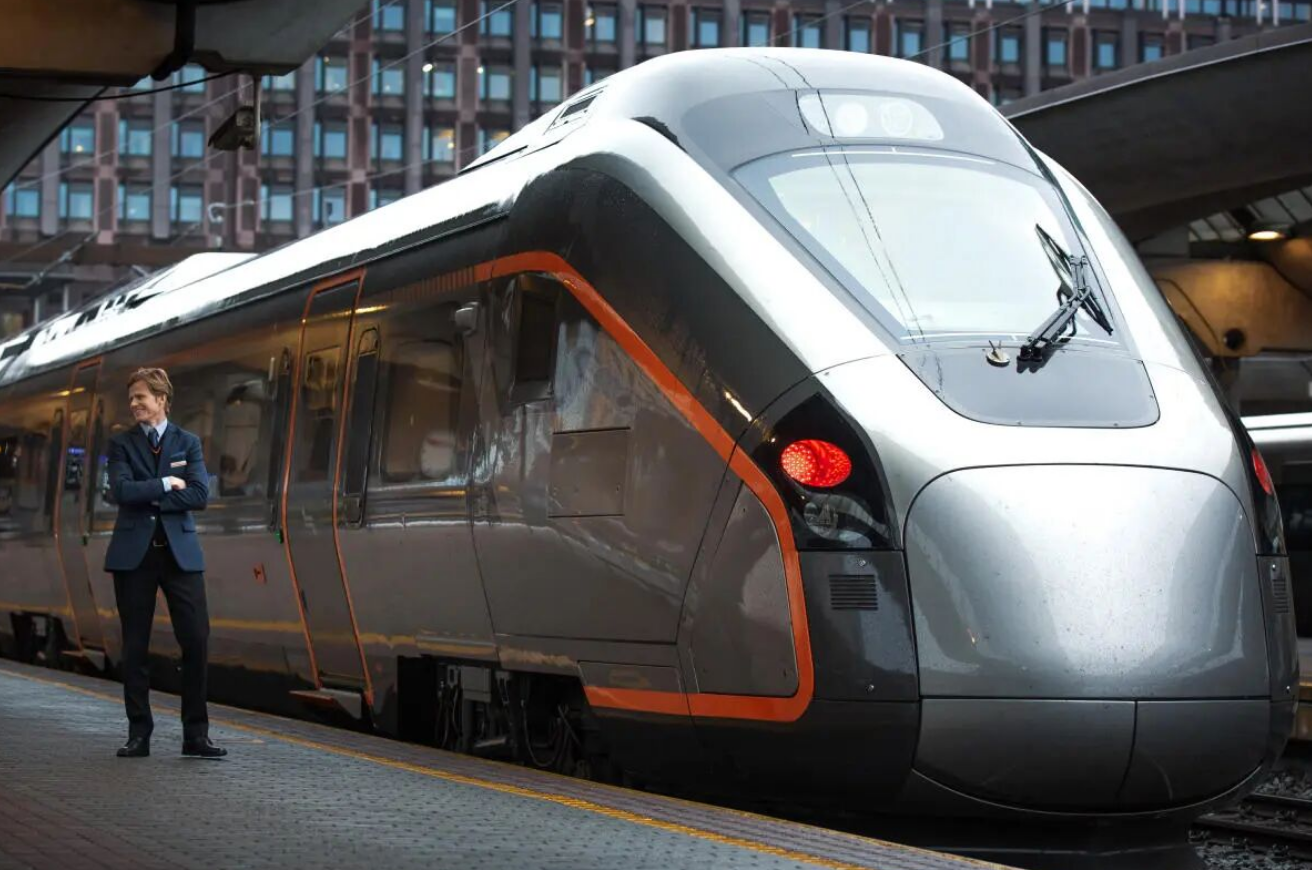
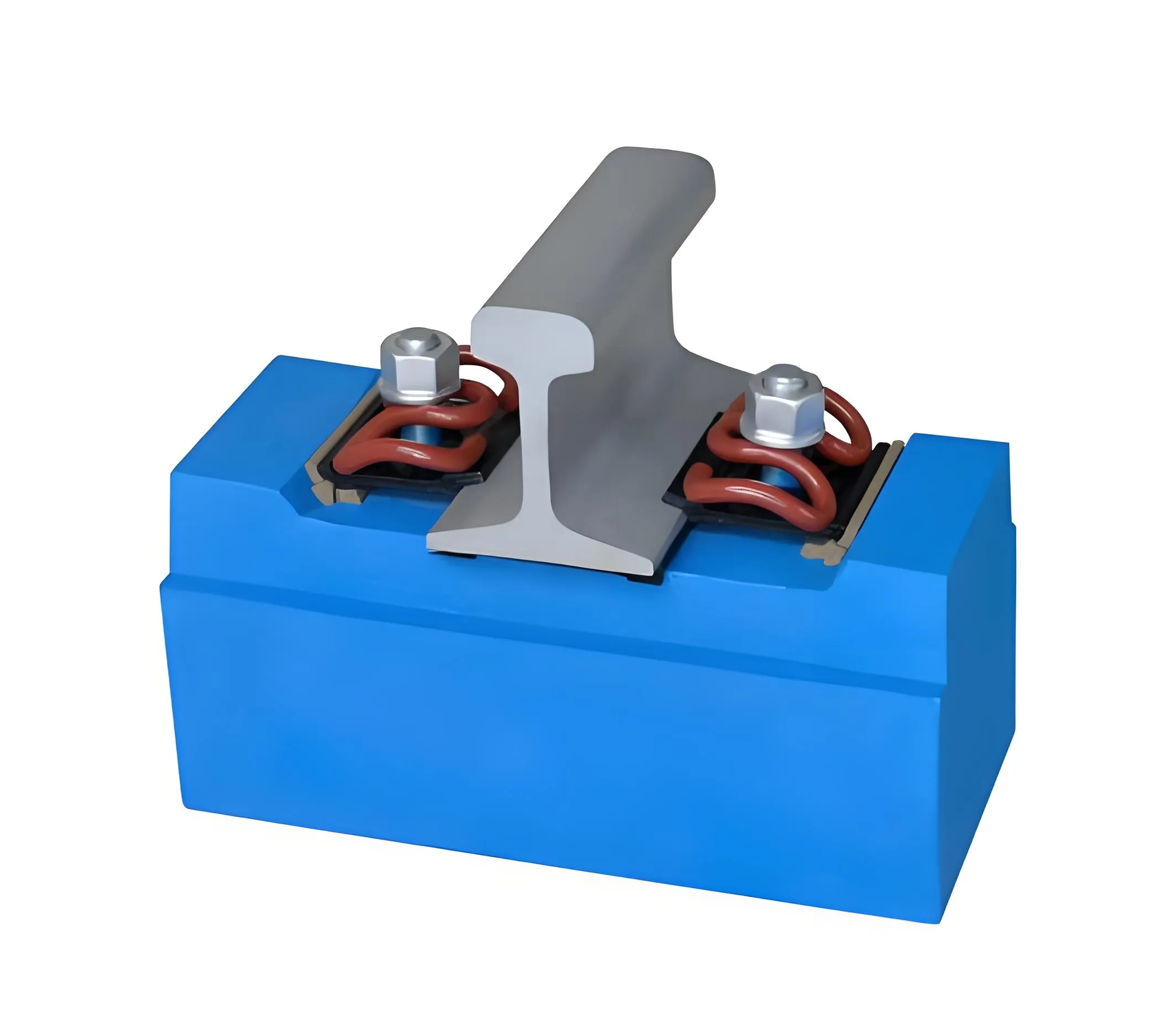
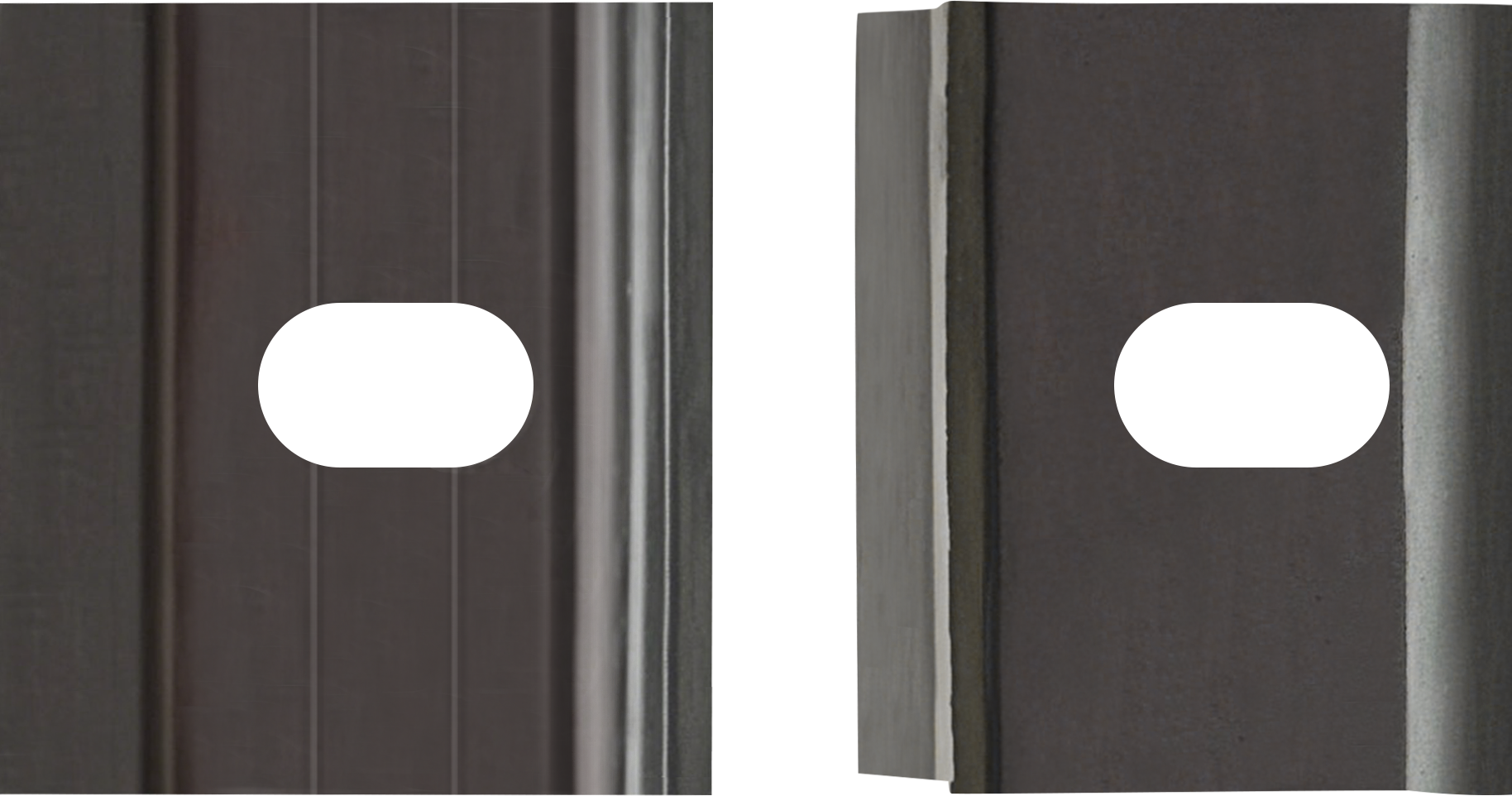
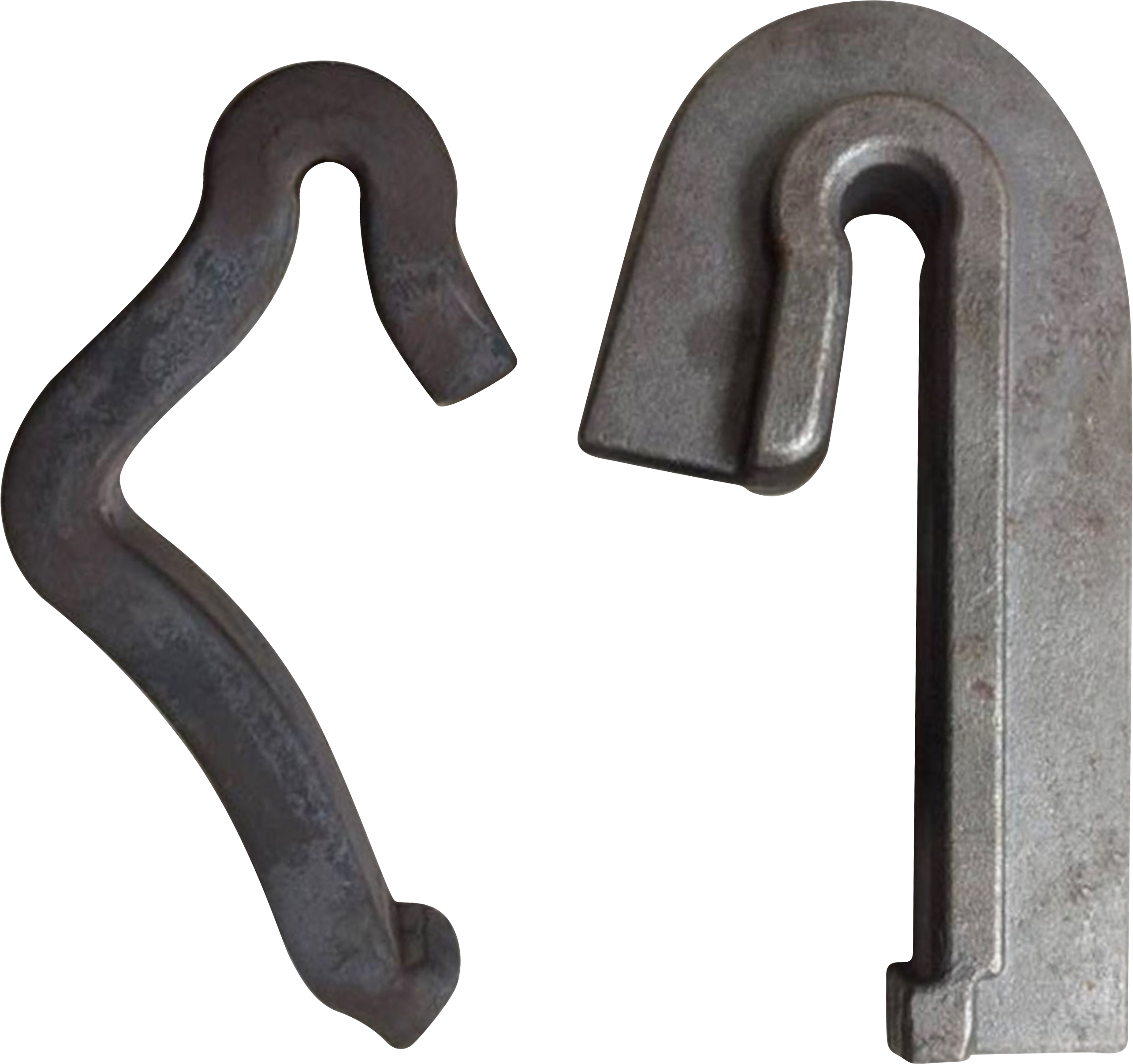
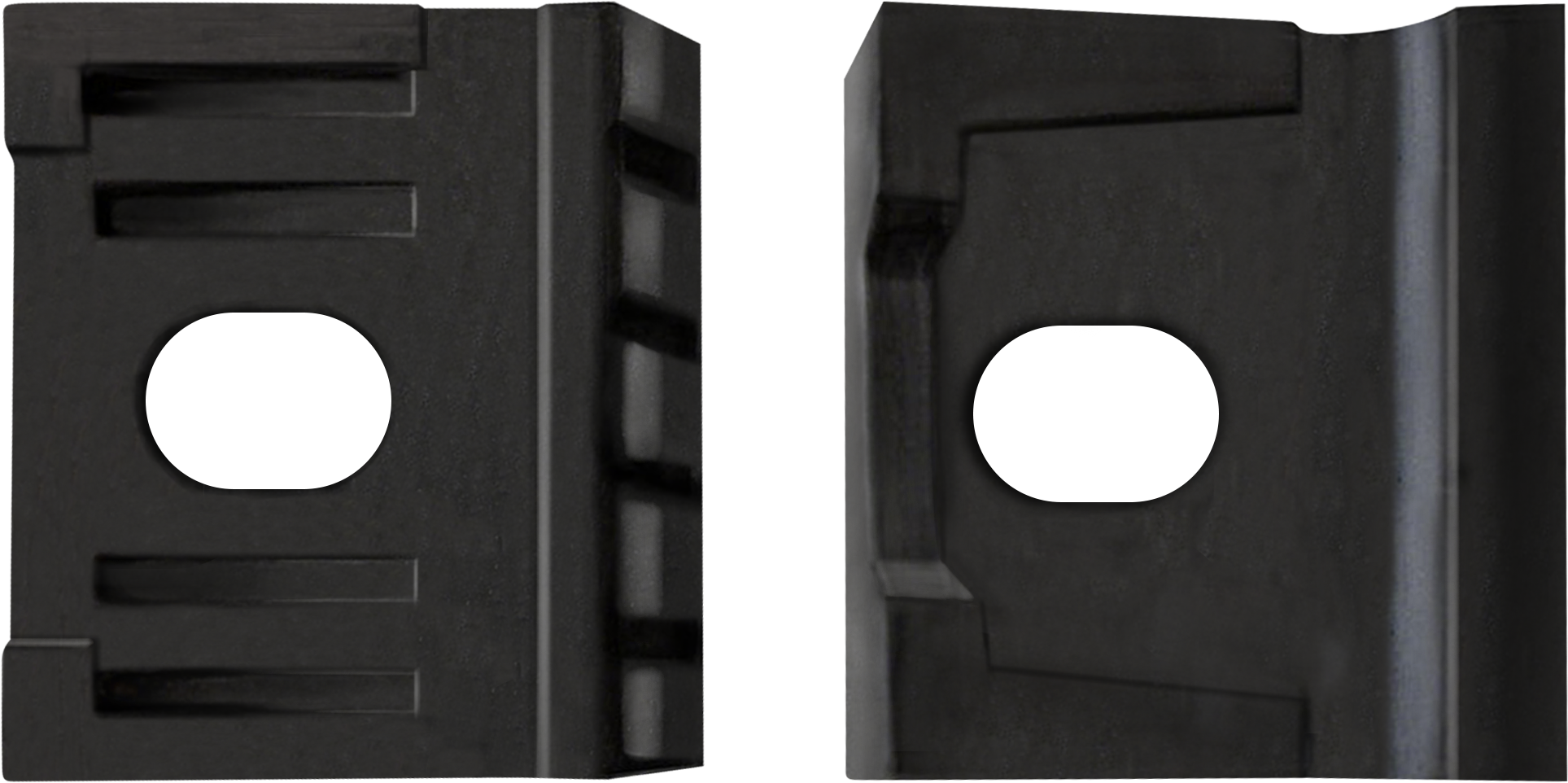
Track hardware represents a comprehensive collection of mechanical components designed to facilitate smooth movement and guidance of sliding doors, windows, drawers, and various mobile installations across residential, commercial, and industrial environments. This sophisticated system encompasses rails, rollers, brackets, guides, and mounting accessories that work together to create reliable pathways for moving elements. The primary function of track hardware involves supporting substantial weight loads while maintaining precise alignment and effortless operation throughout extended usage periods. Modern track hardware incorporates advanced engineering principles, utilizing high-grade materials such as stainless steel, aluminum alloys, and specialized polymers to ensure exceptional durability and corrosion resistance. These systems feature precision-machined components that minimize friction, reduce noise levels, and provide consistent performance across varying environmental conditions. The technological features include sealed bearing systems, adjustable mounting brackets, and modular designs that accommodate diverse installation requirements. Track hardware applications span numerous sectors, including residential sliding doors, commercial storefront systems, industrial machinery guides, cabinet drawer mechanisms, and specialized transportation equipment. The versatility of track hardware makes it essential for architectural projects requiring space-saving solutions, as sliding mechanisms eliminate the need for swing clearances associated with traditional hinged systems. Contemporary track hardware designs incorporate safety features such as soft-close mechanisms, anti-derailment guards, and load distribution systems that prevent structural damage. The integration of these components creates seamless operation while maintaining structural integrity under continuous use. Professional installers appreciate the standardized mounting patterns and comprehensive hardware packages that simplify installation procedures while ensuring long-term reliability and minimal maintenance requirements throughout the operational lifespan.
 EN
EN