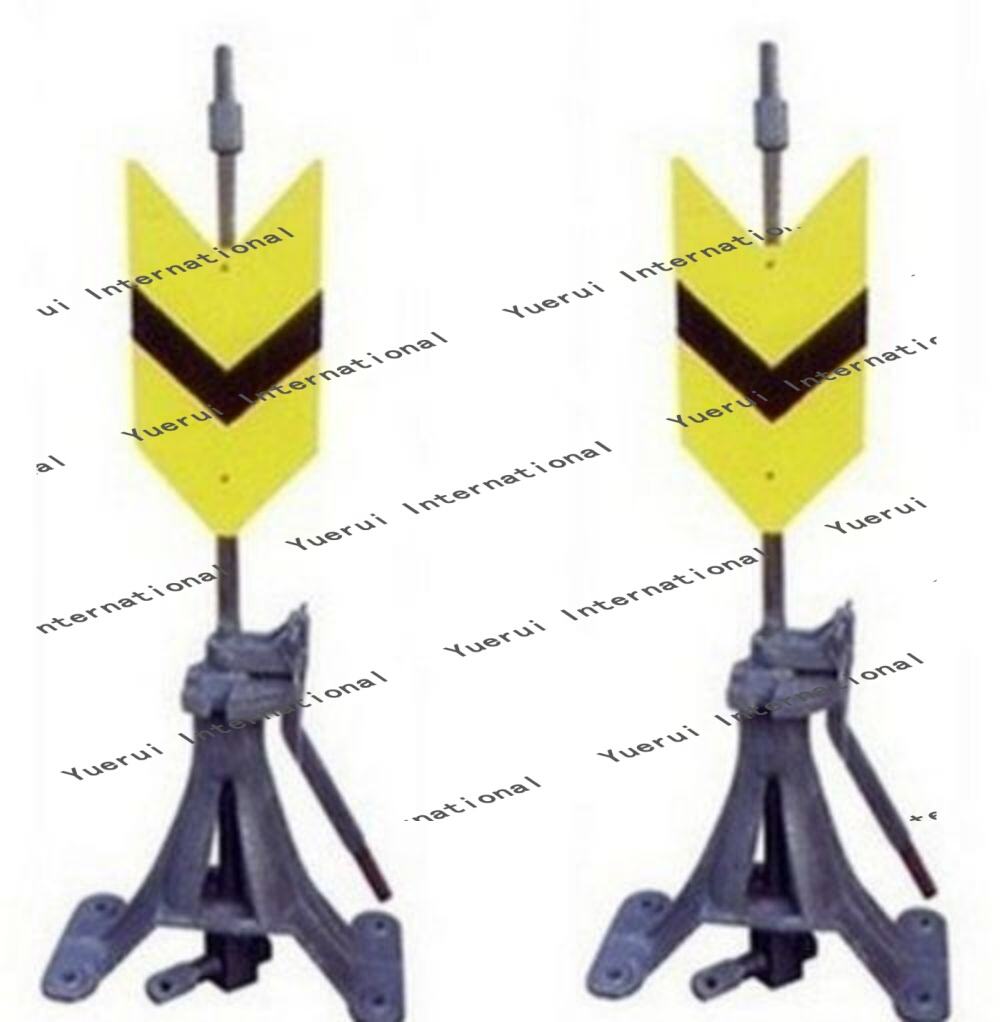
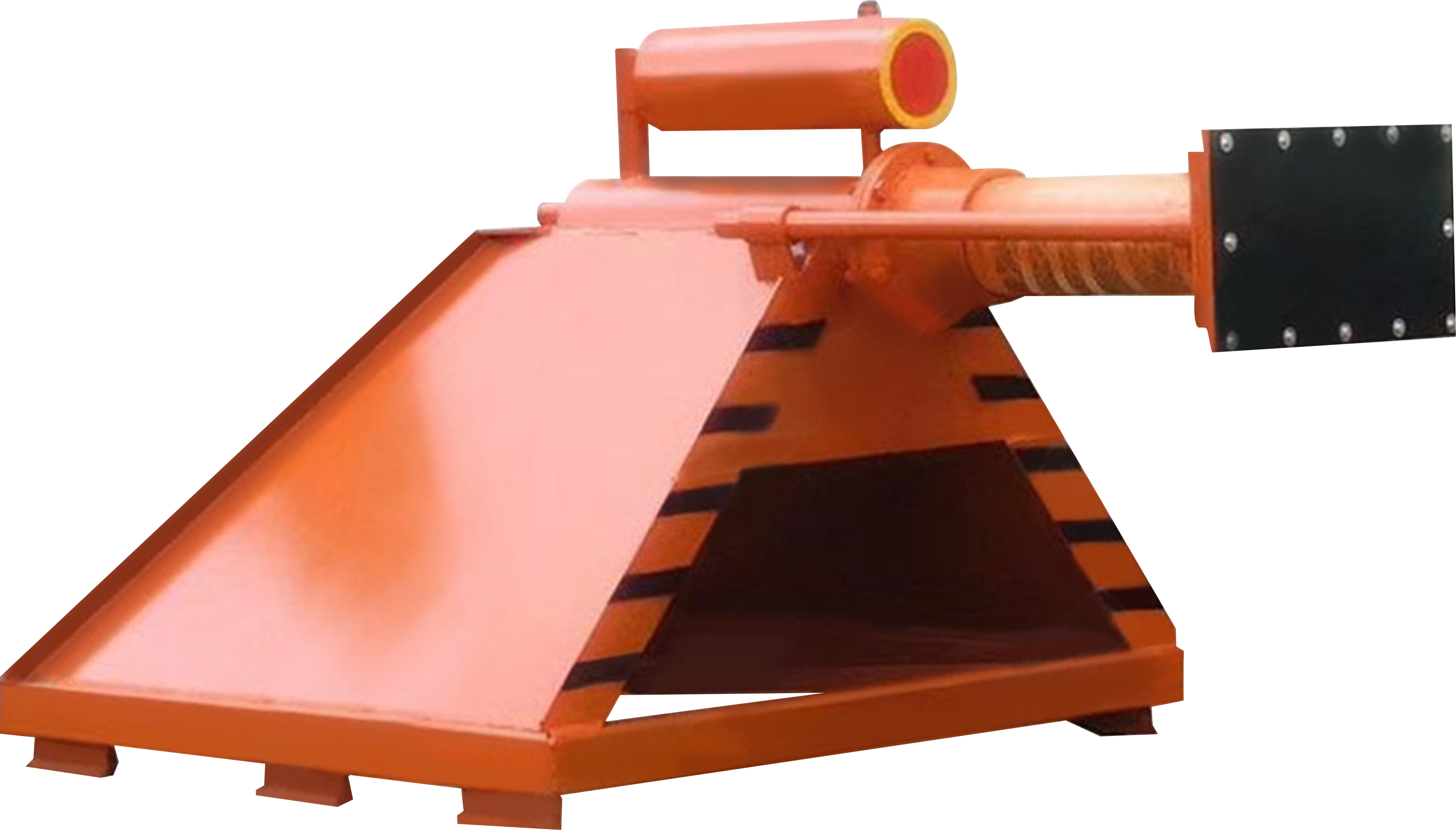
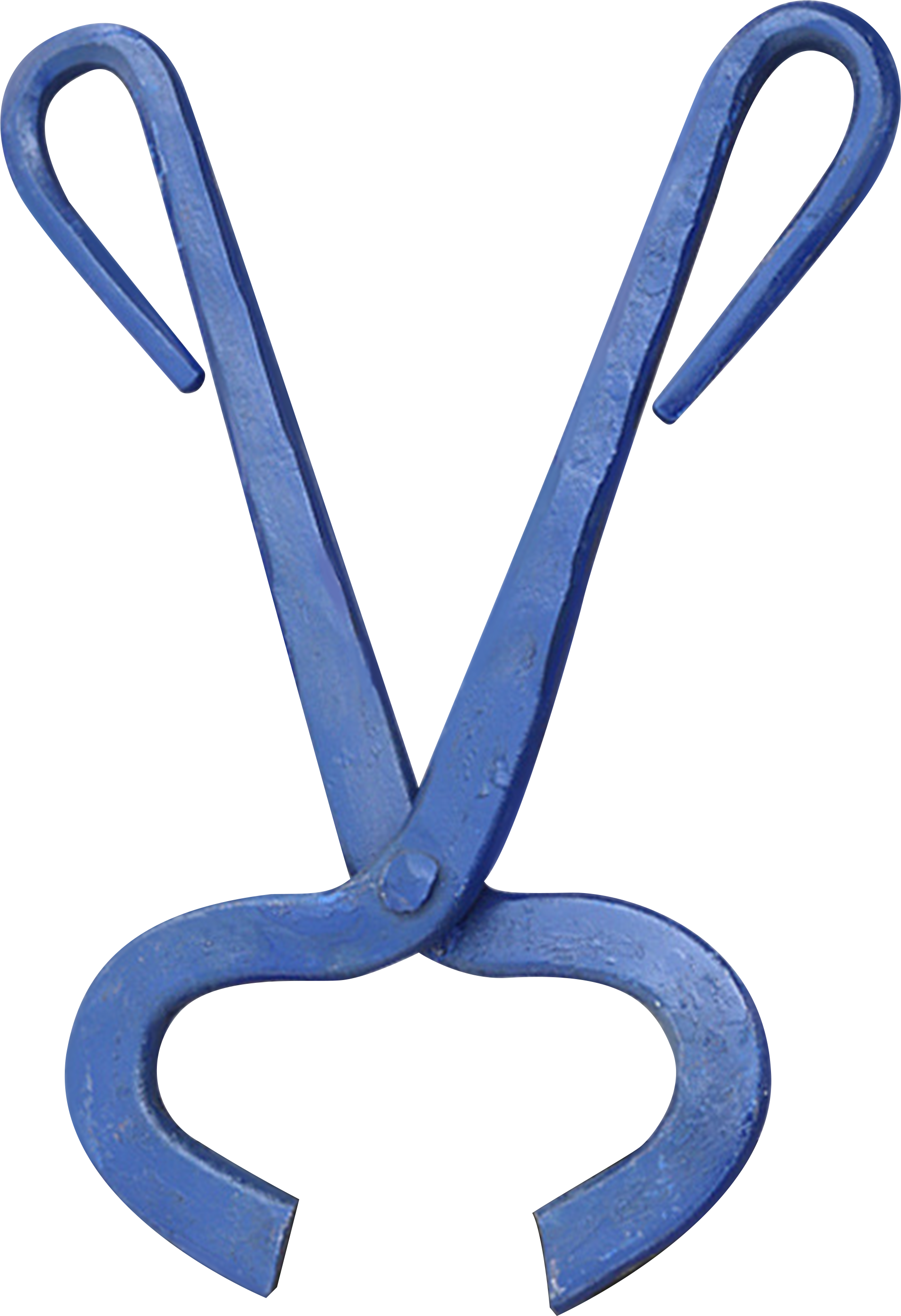
track accessories
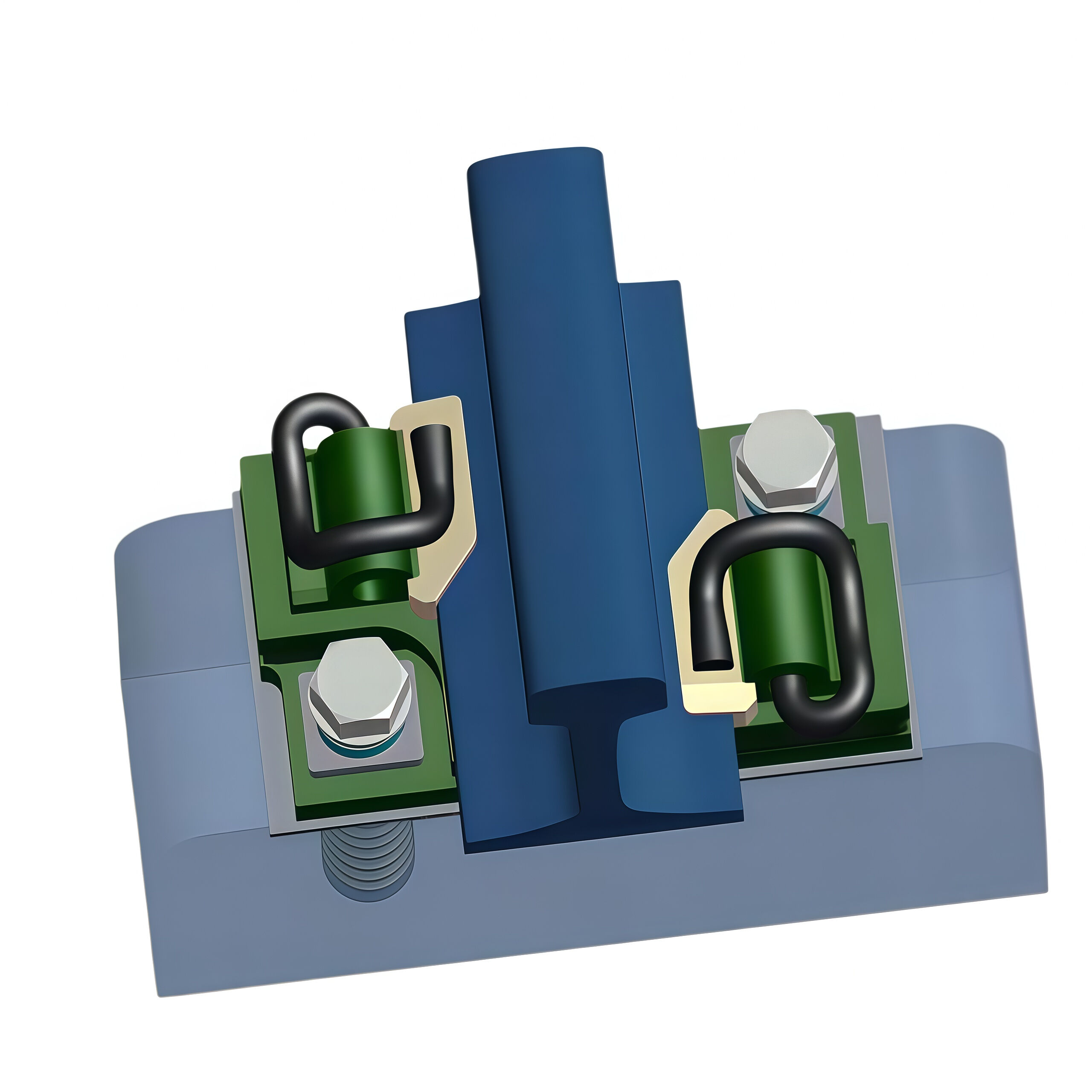
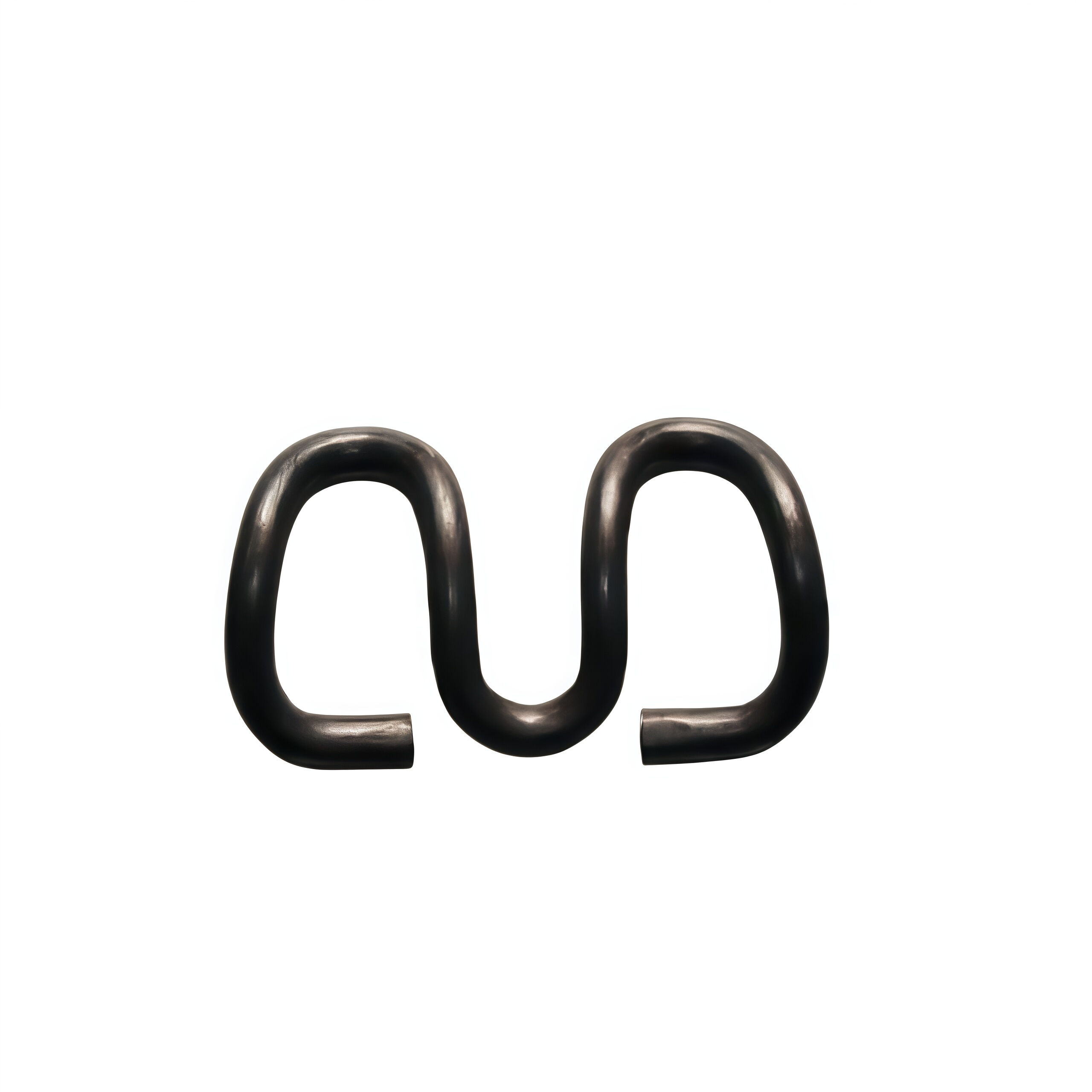
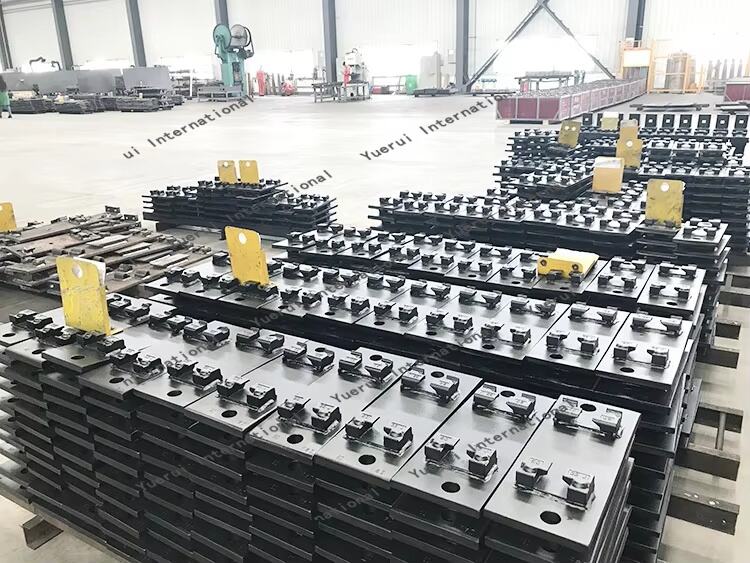
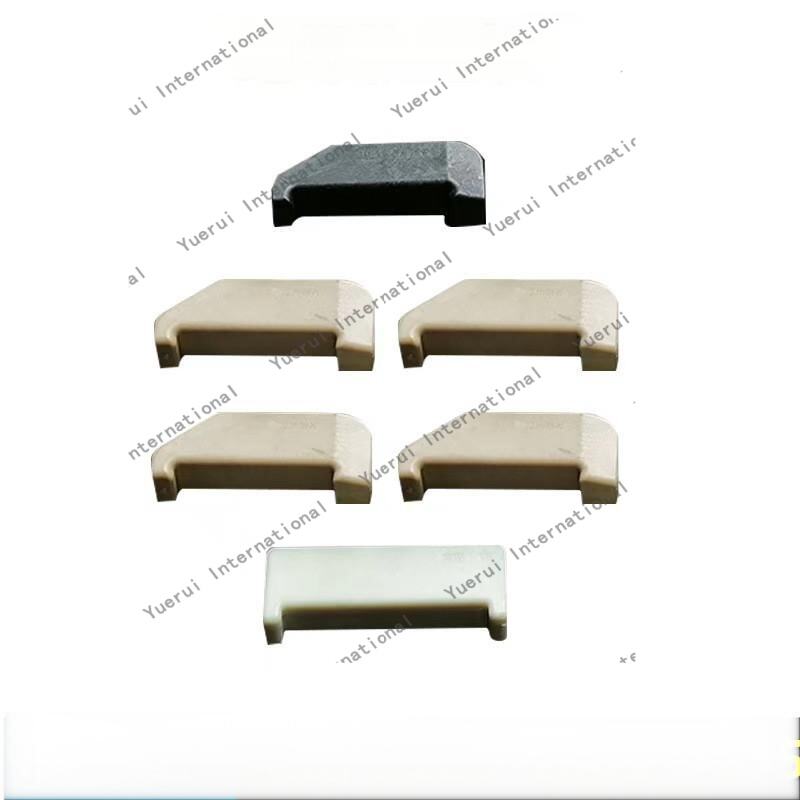
Track accessories represent a comprehensive collection of specialized components designed to enhance and optimize railway infrastructure systems across diverse industrial and commercial applications. These essential elements serve as the backbone of modern rail transport networks, providing critical support structures that ensure safe, efficient, and reliable train operations. Track accessories encompass a wide range of products including rail fasteners, joint bars, tie plates, spikes, bolts, clips, and various mounting hardware that collectively maintain track stability and structural integrity. The primary function of track accessories involves securing rails to railroad ties while accommodating thermal expansion, mechanical stress, and dynamic loading conditions experienced during train passage. Advanced track accessories incorporate sophisticated engineering principles to distribute weight loads evenly across the track structure, minimizing wear patterns and extending overall system lifespan. Modern track accessories feature innovative materials such as high-strength steel alloys, composite polymers, and specialized coatings that resist corrosion, fatigue, and environmental degradation. Technological advancements in track accessories include precision manufacturing techniques that ensure consistent dimensional accuracy, improved metallurgical properties for enhanced durability, and specialized surface treatments that reduce maintenance requirements. These components find applications in heavy freight railways, high-speed passenger lines, urban transit systems, industrial sidings, and specialized transportation networks serving mining, port facilities, and manufacturing operations. Track accessories play a crucial role in maintaining gauge accuracy, preventing rail movement, and providing electrical insulation where required for signaling systems. The selection of appropriate track accessories depends on factors such as train speeds, axle loads, traffic density, environmental conditions, and specific operational requirements of the railway system being constructed or maintained.

 EN
EN