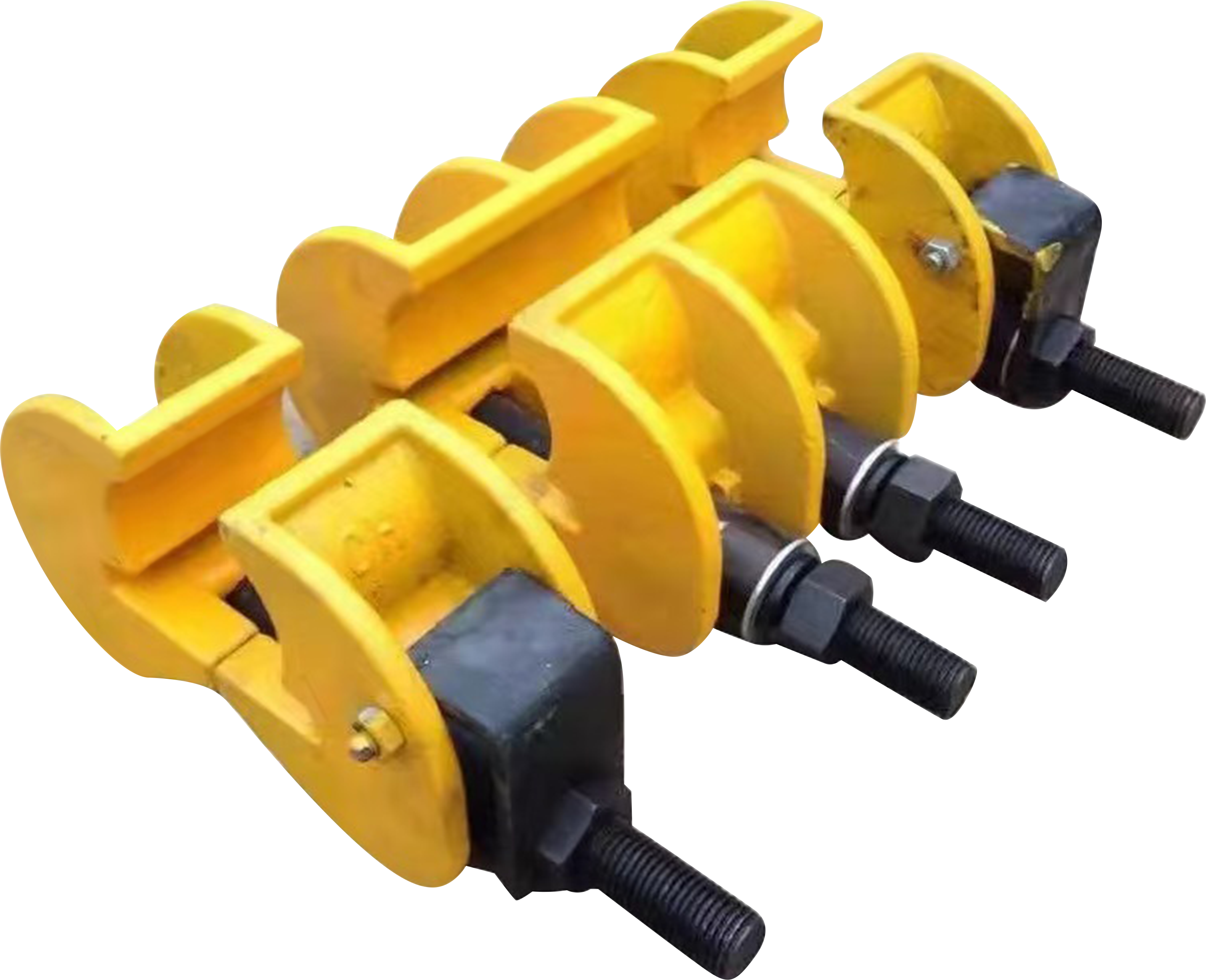
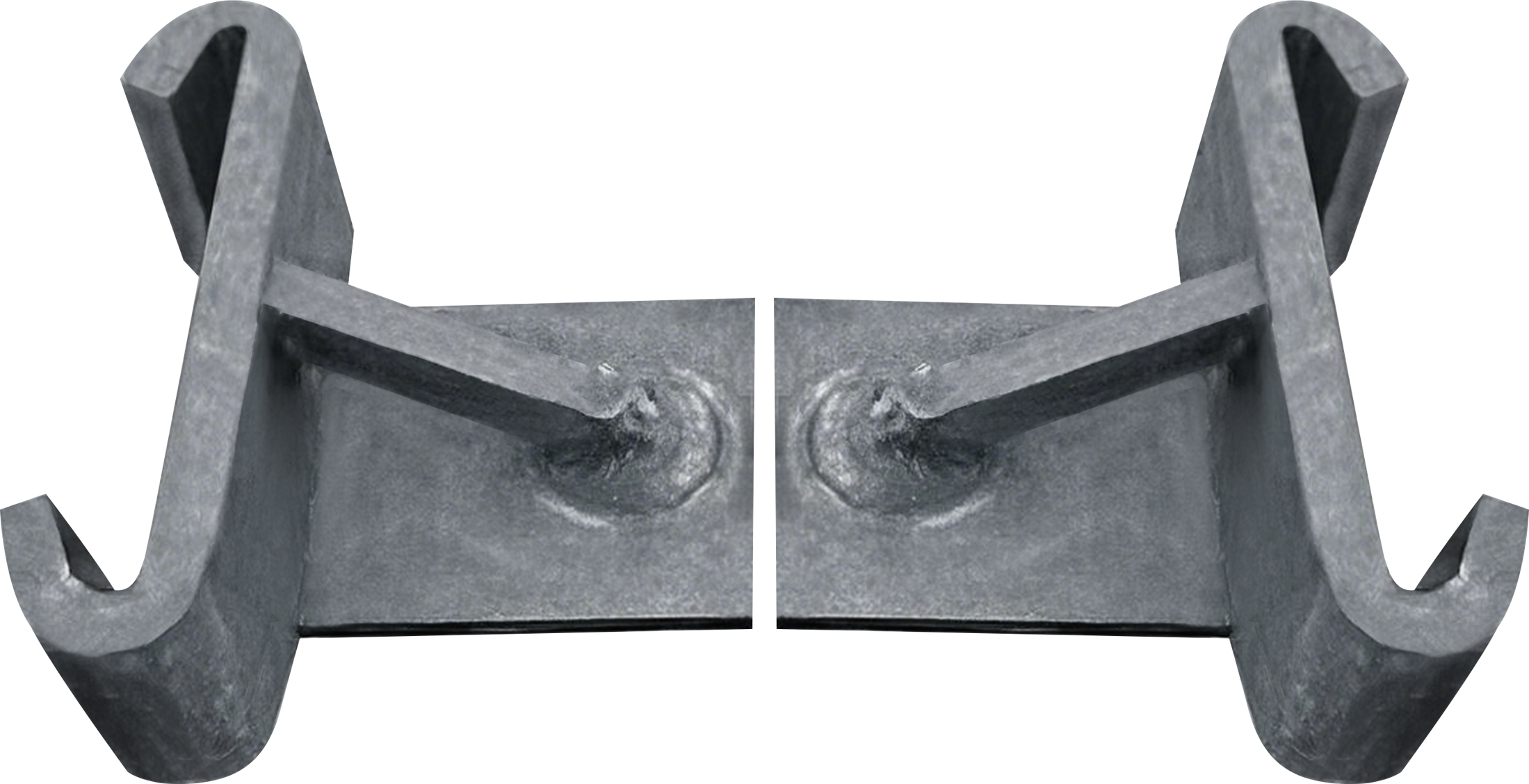
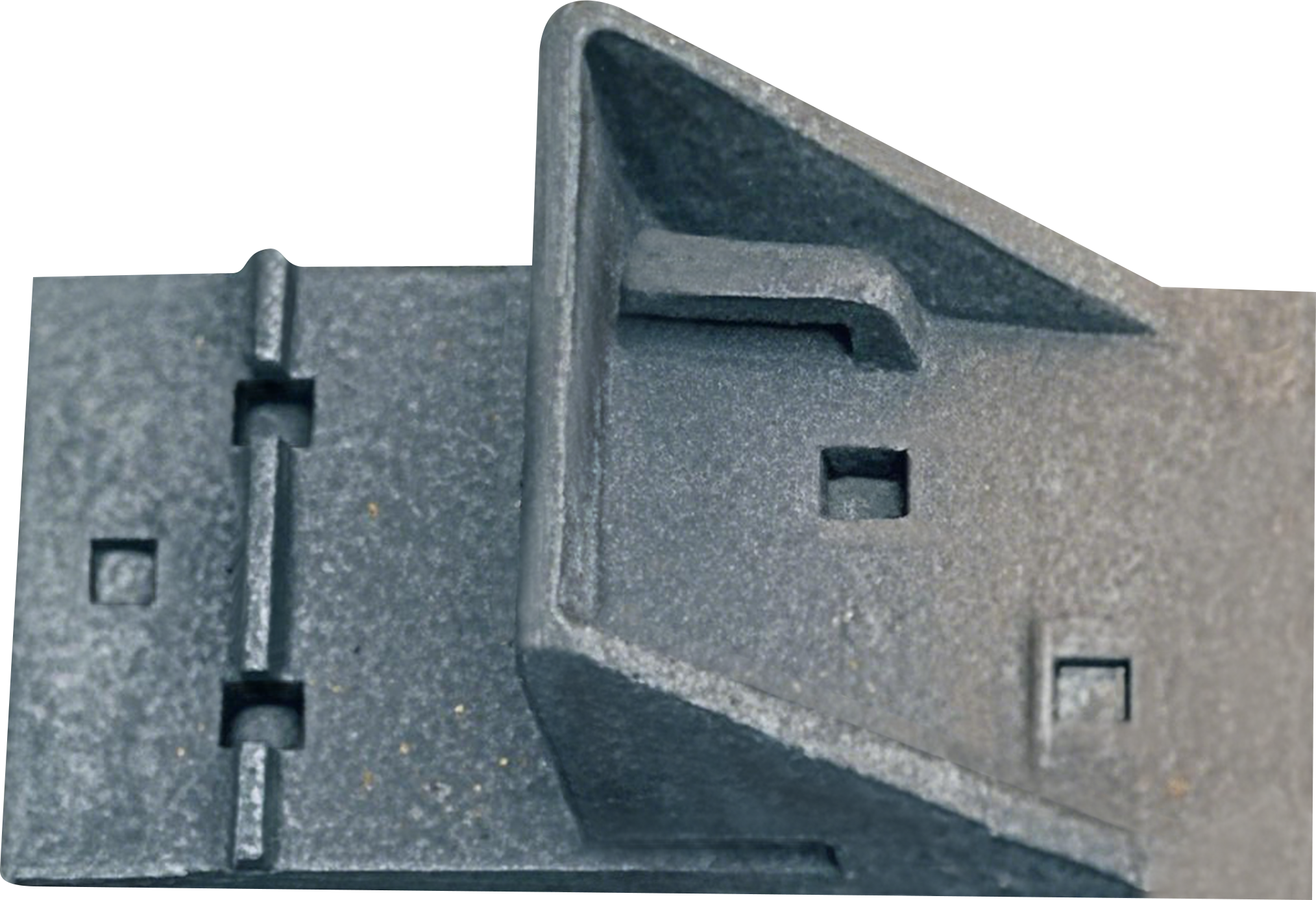
Premium Railway Track Components: Advanced Infrastructure Solutions for Modern Rail Systems

All Categories

railway track components

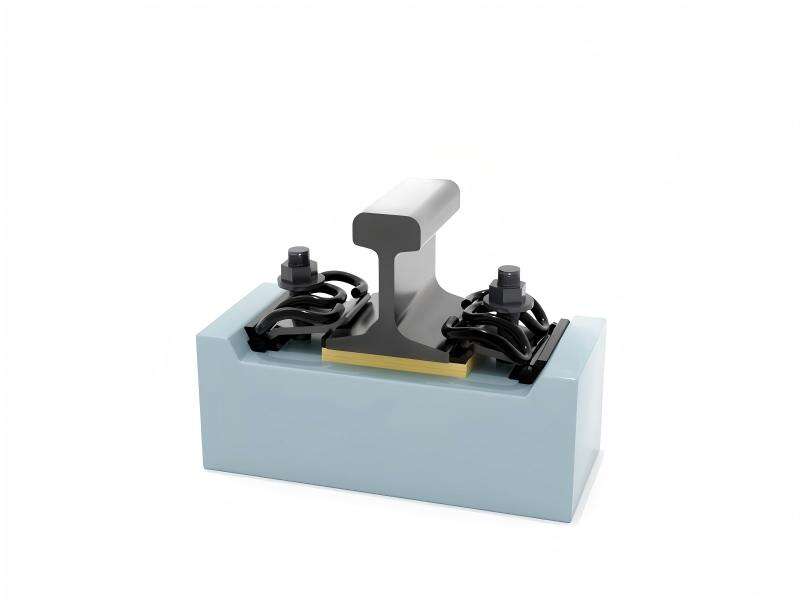
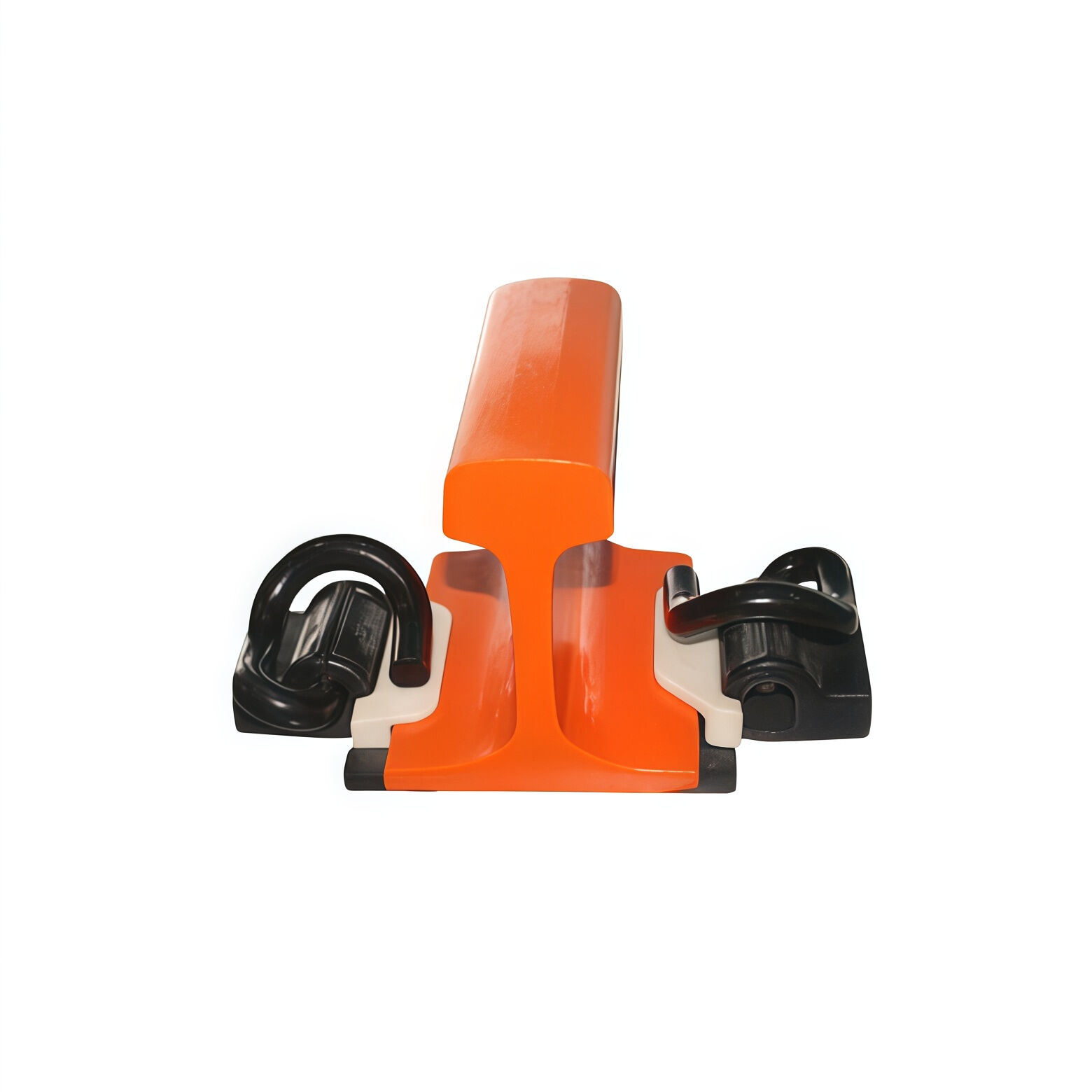
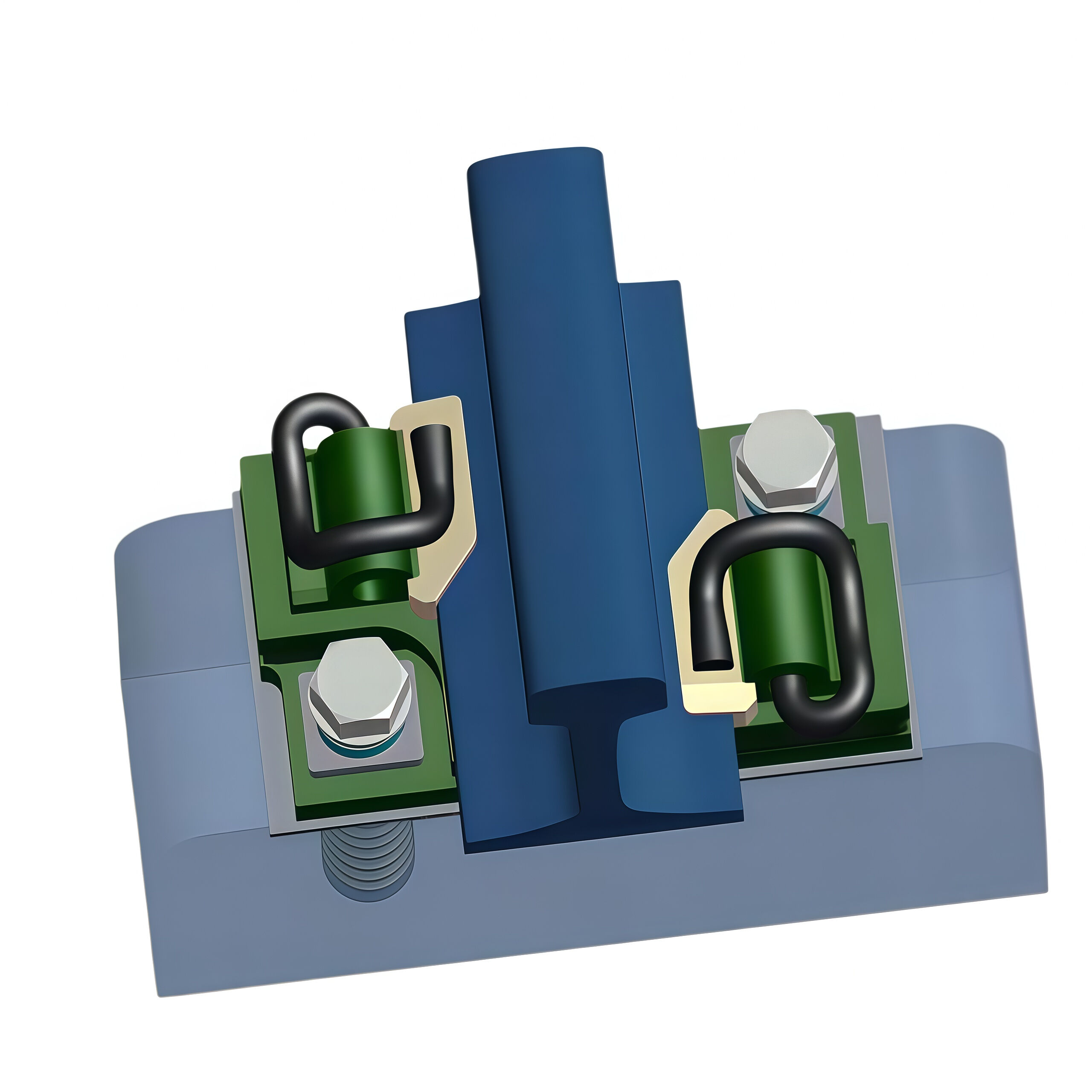
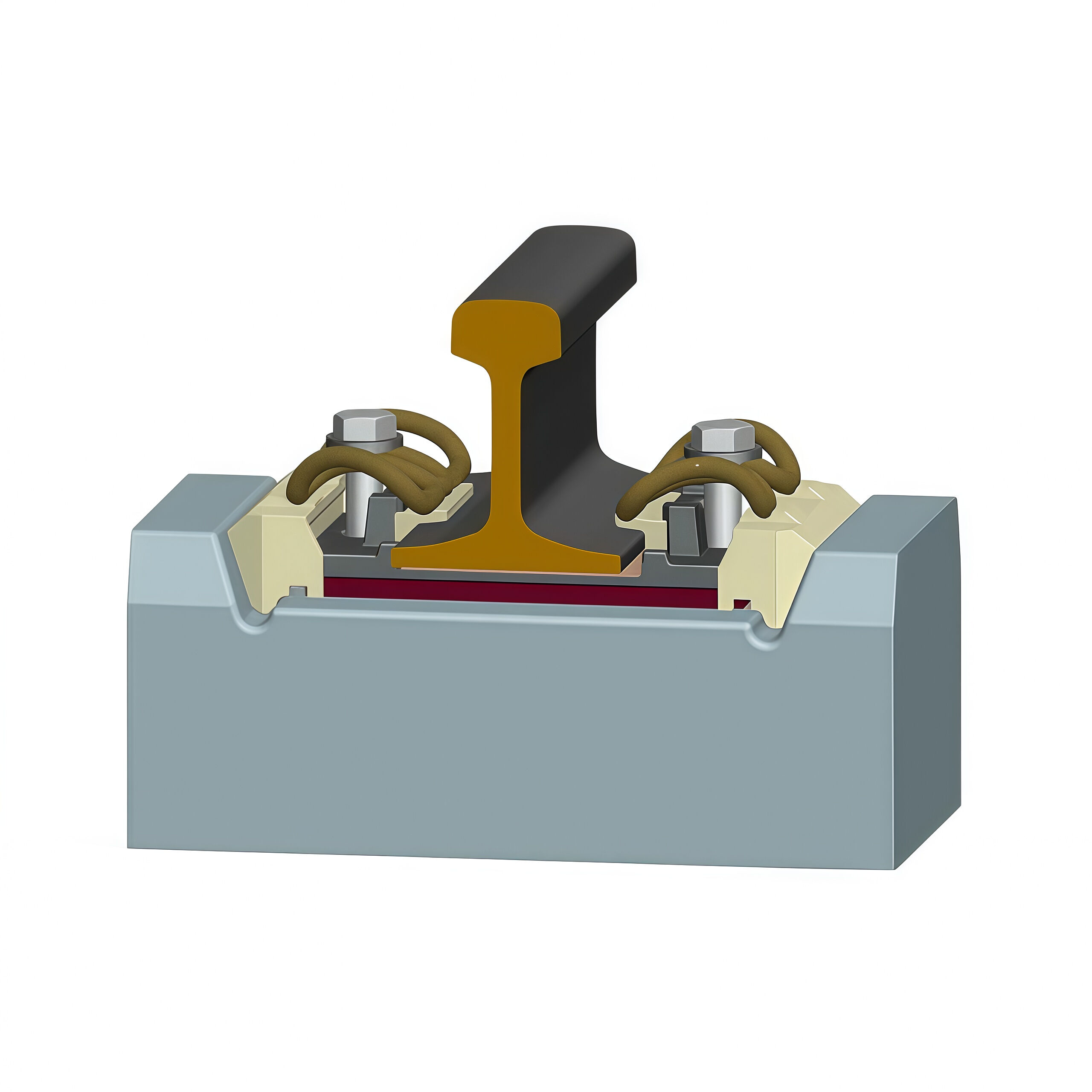
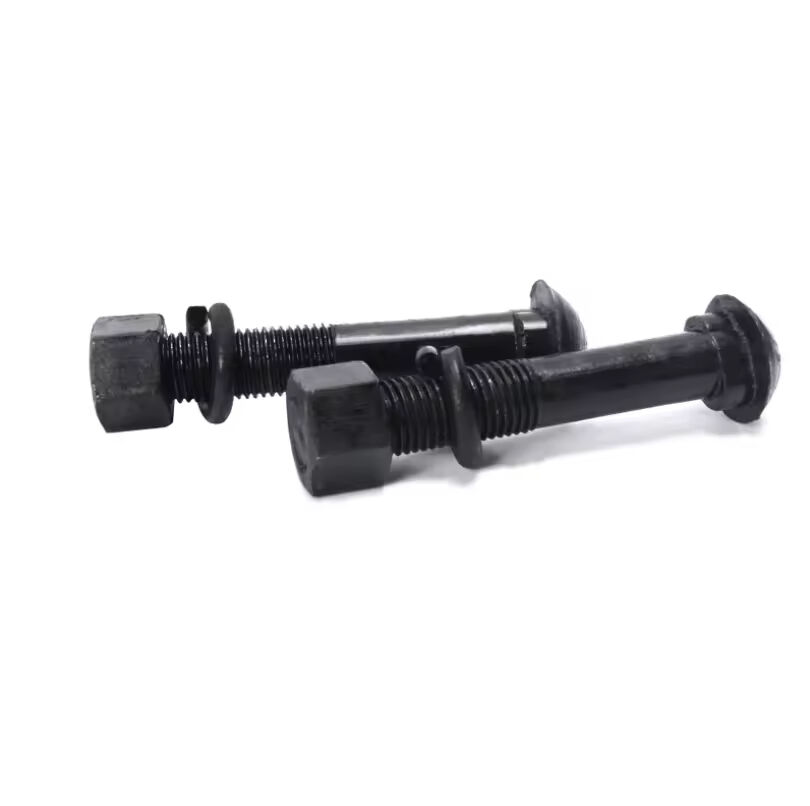
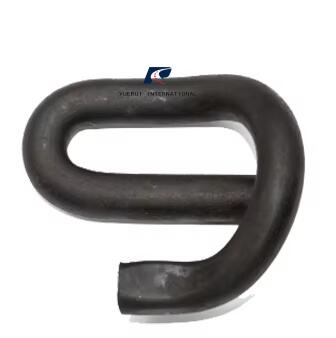
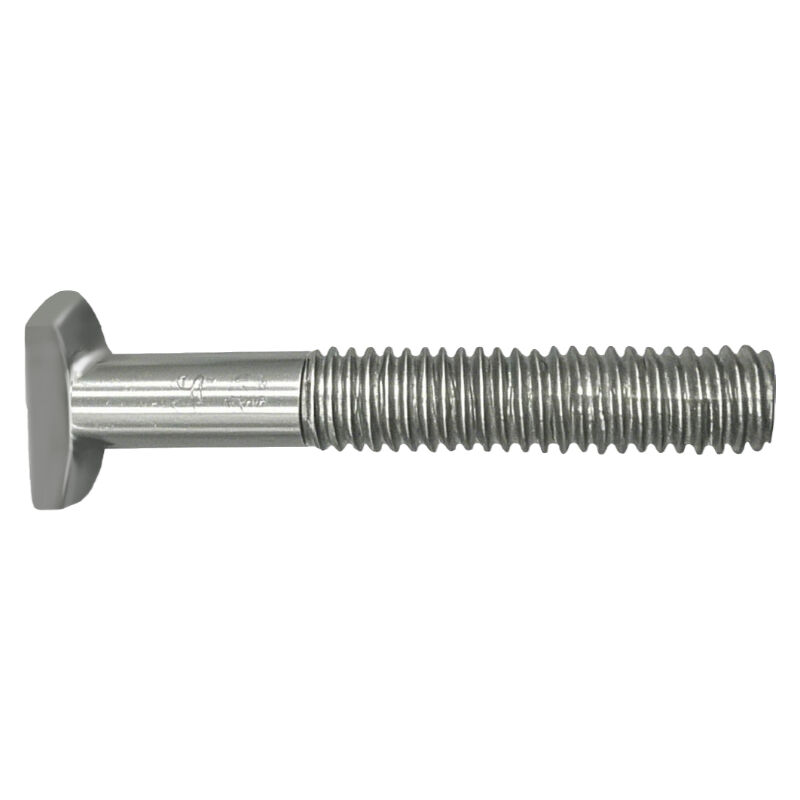
Railway track components form the fundamental infrastructure that enables safe and efficient train operations across the globe. These essential elements work together as an integrated system to support, guide, and control the movement of trains while ensuring operational stability and passenger safety. The primary railway track components include rails, sleepers (ties), ballast, fastening systems, and various specialized accessories that create a robust foundation for modern transportation networks. Rails serve as the primary load-bearing elements, manufactured from high-grade steel to withstand enormous forces generated by moving trains. These precision-engineered components distribute weight evenly while providing a smooth surface for wheel contact. Sleepers, positioned perpendicular to rails, maintain proper gauge width and transfer loads from rails to the underlying ballast layer. Modern railway track components utilize advanced materials and manufacturing techniques to achieve superior durability and performance characteristics. The ballast system, typically composed of crushed stone, provides drainage, stability, and shock absorption while maintaining track geometry under dynamic loading conditions. Fastening systems secure rails to sleepers using specialized clips, bolts, and elastic pads that accommodate thermal expansion while maintaining structural integrity. Railway track components must meet stringent quality standards and undergo rigorous testing to ensure compatibility with high-speed operations and heavy freight applications. These components are designed for specific operational environments, including urban transit systems, intercity passenger services, and industrial freight networks. Advanced railway track components incorporate innovative technologies such as continuous welded rail construction, concrete sleepers with enhanced durability, and sophisticated monitoring systems that detect potential issues before they affect operations. The integration of these components creates a reliable transportation infrastructure capable of supporting millions of passengers and tons of freight annually while maintaining exceptional safety records and operational efficiency standards.

New Product Recommendations

Railway track components deliver significant operational benefits that directly impact transportation efficiency, safety, and long-term cost management for operators and infrastructure owners. These components provide exceptional load distribution capabilities, spreading the weight of heavy trains across large surface areas to prevent ground settlement and structural damage. The superior strength characteristics of modern railway track components enable operators to increase axle loads and train speeds while maintaining safety margins, resulting in improved productivity and reduced transportation costs per ton-mile. Advanced railway track components offer enhanced durability that extends maintenance intervals and reduces lifecycle costs through improved resistance to wear, corrosion, and environmental factors. The precision manufacturing standards ensure consistent performance across entire networks, minimizing operational disruptions and unexpected maintenance requirements that can severely impact service reliability. Railway track components facilitate smooth train operations through optimized geometry and surface characteristics that reduce noise, vibration, and energy consumption while improving passenger comfort and cargo protection. The modular design of these components simplifies installation and replacement procedures, enabling rapid repairs and upgrades without extensive service interruptions. Modern railway track components incorporate advanced materials that provide superior fatigue resistance and dimensional stability under varying temperature and loading conditions, ensuring consistent performance throughout seasonal changes and operational demands. These components support higher operational speeds and increased traffic density, allowing operators to maximize infrastructure utilization while meeting growing transportation demands. The standardized specifications of railway track components enable cost-effective procurement and inventory management while ensuring compatibility across different manufacturers and suppliers. Enhanced safety features built into contemporary railway track components include improved electrical insulation for signaling systems, better drainage characteristics that prevent water accumulation, and specialized designs that minimize derailment risks. The environmental benefits include reduced maintenance material consumption, longer service life that decreases replacement frequency, and improved recyclability at end of service life. Railway track components support sustainable transportation initiatives by enabling more efficient freight and passenger services that reduce overall carbon emissions compared to alternative transportation modes. The technological advancement in railway track components continues to drive improvements in automation compatibility, remote monitoring capabilities, and predictive maintenance systems that optimize performance while reducing operational costs and environmental impact.

Practical Tips

How to Prevent Corrosion and Damage in Rail Spikes Over Time

24

Nov

How to Prevent Corrosion and Damage in Rail Spikes Over Time

Railway infrastructure forms the backbone of modern transportation systems, carrying millions of tons of cargo and passengers across vast distances daily. Among the critical components that ensure track stability and safety, rail spikes play an indis...
View More
How Do Elastic Strips Support High-Speed and Heavy Rail Traffic?

05

Jan

How Do Elastic Strips Support High-Speed and Heavy Rail Traffic?

Modern railway infrastructure faces unprecedented demands as transportation networks evolve to accommodate higher speeds and heavier cargo loads. The foundation of reliable rail systems depends heavily on innovative engineering solutions that can abs...
View More
What Are the Essential Rail Tools for Track Installation and Maintenance?

05

Jan

What Are the Essential Rail Tools for Track Installation and Maintenance?

Railway infrastructure forms the backbone of modern transportation systems, requiring specialized equipment and precise maintenance protocols to ensure safe and efficient operations. Professional rail tools represent critical investments for railway ...
View More
What types of track pins are used in modular railway components?

20

Apr

What types of track pins are used in modular railway components?

Modular railway systems rely on precise mechanical connections to ensure safe and efficient train operations, with track pins serving as fundamental fastening components that secure rails to various supporting structures. These specialized pins come ...
View More

Get a Free Quote

Our representative will contact you soon.
Email
Name
Company Name
Message
0/1000

railway track components

Superior Load Distribution and Structural Integrity

Superior Load Distribution and Structural Integrity

Railway track components excel in providing unmatched load distribution capabilities that form the cornerstone of safe and efficient rail operations. The sophisticated engineering behind these components ensures that enormous forces generated by modern trains are effectively dispersed across the track structure, preventing localized stress concentrations that could lead to premature failure or safety hazards. Advanced railway track components utilize high-strength materials and precision manufacturing techniques to create a unified system capable of handling both static and dynamic loads far exceeding traditional transportation infrastructure requirements. The rails themselves are manufactured from specialized steel alloys that provide exceptional tensile strength while maintaining the flexibility necessary to accommodate thermal expansion and contraction cycles. This superior material composition enables railway track components to support axle loads exceeding 30 tons per axle while maintaining structural integrity over millions of loading cycles. The load distribution mechanism works through carefully designed interfaces between rails, fastening systems, and sleepers that transfer forces gradually through the track structure to the underlying ballast and subgrade. Modern railway track components incorporate advanced fastening technologies that maintain consistent clamping forces while allowing controlled movement to accommodate thermal effects and traffic-induced vibrations. The sleeper design plays a crucial role in load distribution, with contemporary concrete and composite sleepers featuring optimized bearing surfaces and reinforcement patterns that distribute loads more effectively than traditional timber alternatives. Railway track components achieve remarkable durability through integrated design approaches that consider the entire load path from wheel contact through to ground support. The ballast system works in conjunction with other railway track components to provide elastic support that cushions impact forces while maintaining track geometry under repeated loading. This comprehensive load management system enables operators to run heavier trains at higher speeds while maintaining safety margins and reducing maintenance requirements. The precision manufacturing and quality control standards applied to railway track components ensure consistent performance characteristics that support predictable load distribution across entire networks, enabling confident capacity planning and operational optimization.
Enhanced Operational Efficiency and Maintenance Optimization

Enhanced Operational Efficiency and Maintenance Optimization

Railway track components deliver exceptional operational efficiency benefits that transform transportation economics through reduced maintenance requirements, extended service intervals, and improved system reliability. These components incorporate advanced engineering solutions that minimize ongoing operational costs while maximizing infrastructure utilization and service availability. Modern railway track components feature enhanced wear resistance properties that significantly extend replacement intervals compared to conventional alternatives, reducing both material costs and service disruptions associated with maintenance activities. The precision manufacturing standards ensure dimensional accuracy and surface quality that minimize rolling resistance and energy consumption while reducing wear on both track and rolling stock components. Railway track components utilize innovative fastening systems that maintain optimal rail positioning and gauge accuracy with minimal adjustment requirements, reducing routine maintenance workload and associated operational costs. The superior materials and construction methods employed in contemporary railway track components provide exceptional resistance to environmental factors including temperature variations, moisture, and chemical exposure that traditionally accelerate deterioration and increase maintenance frequency. Advanced railway track components support condition-based maintenance strategies through built-in monitoring capabilities and predictable wear patterns that enable proactive maintenance scheduling rather than reactive repairs. The standardized design specifications facilitate efficient inventory management and rapid replacement procedures when maintenance is required, minimizing service interruptions and associated revenue losses. Railway track components contribute to operational efficiency through improved ride quality that reduces vehicle maintenance requirements and extends rolling stock service life while enhancing passenger comfort and cargo protection. The enhanced stability and geometry retention characteristics of modern railway track components enable consistent high-speed operations and reduced travel times that improve service competitiveness and customer satisfaction. These components support increased traffic density and operational flexibility through superior load-bearing capacity and reliability that accommodates varying service patterns without performance degradation. The lifecycle cost advantages of advanced railway track components include reduced inspection frequency, simplified maintenance procedures, and extended replacement intervals that significantly improve infrastructure return on investment. Railway track components enable automated maintenance procedures through standardized interfaces and predictable performance characteristics that support mechanized installation and replacement equipment, further reducing operational costs and improving maintenance efficiency.
Advanced Safety Features and Risk Mitigation

Advanced Safety Features and Risk Mitigation

Railway track components incorporate sophisticated safety features and risk mitigation technologies that establish multiple layers of protection for both operational personnel and transportation system users. These components are engineered to meet or exceed international safety standards while providing inherent fail-safe characteristics that prevent minor issues from escalating into serious safety hazards. Advanced railway track components feature enhanced electrical insulation properties that maintain reliable separation between running rails and ground systems, ensuring proper operation of signaling and detection equipment that forms the foundation of modern railway safety systems. The precision manufacturing and quality control processes applied to railway track components eliminate potential failure points and ensure consistent performance characteristics that support predictable and safe operations under all normal operating conditions. Modern railway track components incorporate specialized materials and design features that provide exceptional resistance to fatigue crack propagation, preventing sudden failures that could compromise operational safety or cause service disruptions. The fastening systems used in contemporary railway track components include multiple redundancy features and fail-safe mechanisms that maintain rail security even if individual components experience wear or damage, providing continued safe operation until scheduled maintenance can be performed. Railway track components support enhanced derailment prevention through optimized rail profiles and gauge control systems that maintain proper wheel guidance even under challenging operational conditions including crosswinds, uneven loading, or emergency braking scenarios. The improved drainage characteristics built into modern railway track components prevent water accumulation that could compromise track stability or create hydroplaning conditions that affect braking performance and operational safety. Advanced railway track components feature enhanced visibility and identification systems that improve maintenance safety by clearly marking component specifications, installation dates, and maintenance requirements, reducing human error risks during inspection and maintenance activities. The standardized connection methods and interface designs used in railway track components eliminate compatibility issues and installation errors that could create safety hazards, while simplified installation procedures reduce exposure time for maintenance personnel working in active rail corridors. Railway track components contribute to overall system safety through improved geometric stability that maintains consistent track alignment and reduces the risk of equipment damage or operational incidents caused by track irregularities. The enhanced monitoring compatibility of modern railway track components supports advanced inspection technologies including automated defect detection systems and continuous monitoring equipment that identify potential safety issues before they affect operations, enabling proactive maintenance and risk prevention strategies.

Get a Free Quote

Our representative will contact you soon.
Email
Name
Company Name
Message
0/1000