Premium Track Components: Advanced Railway Infrastructure Solutions for Enhanced Performance and Durability

All Categories

track components

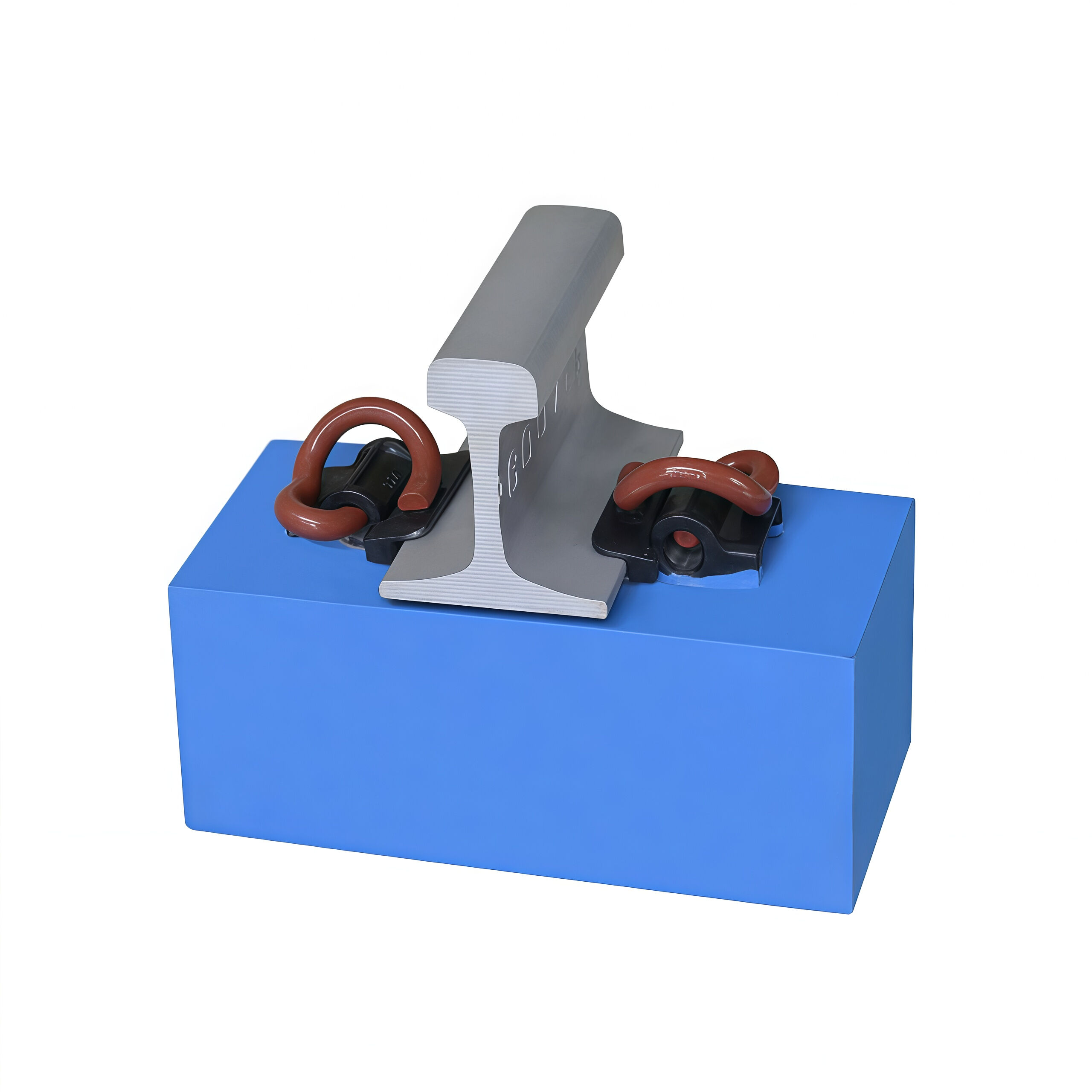
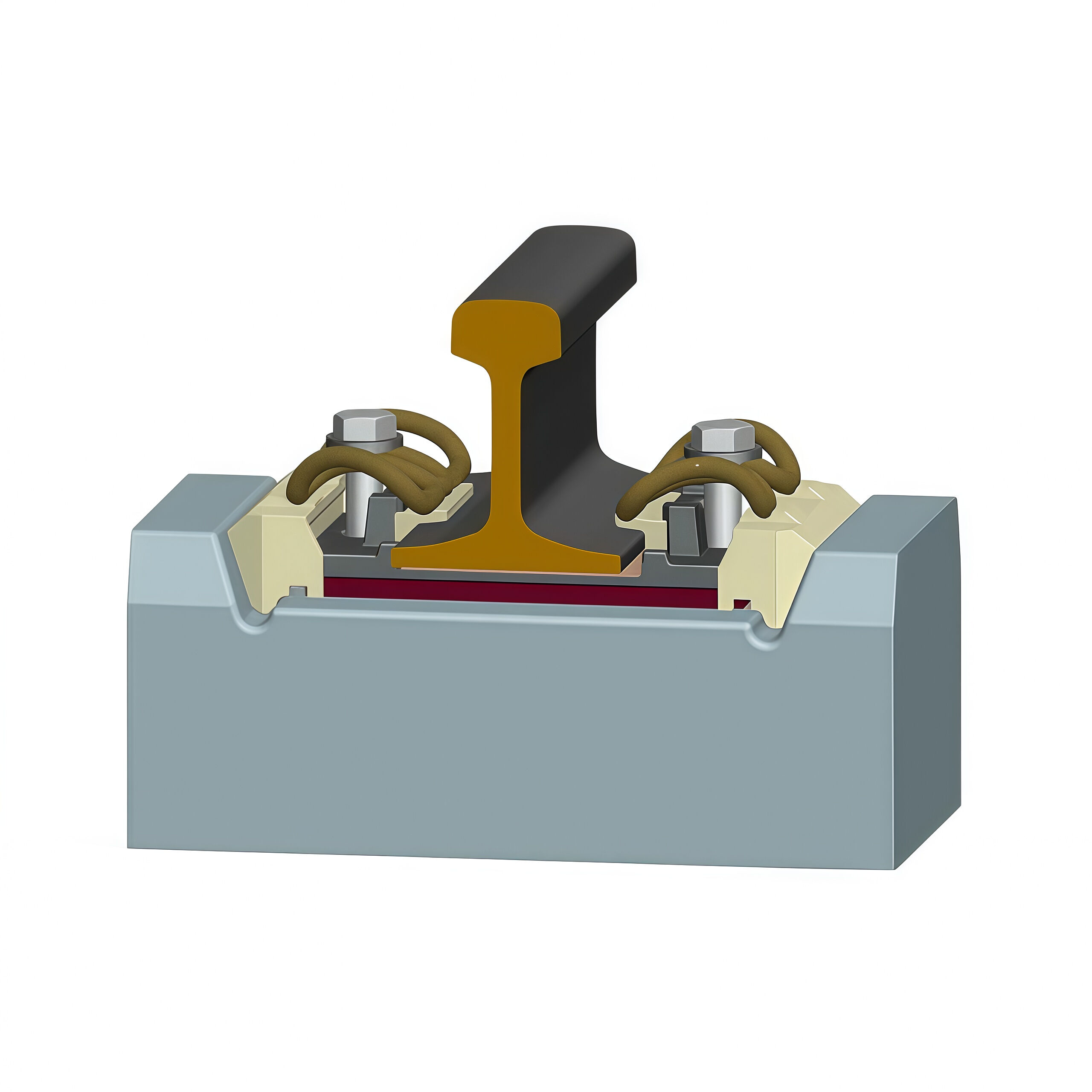
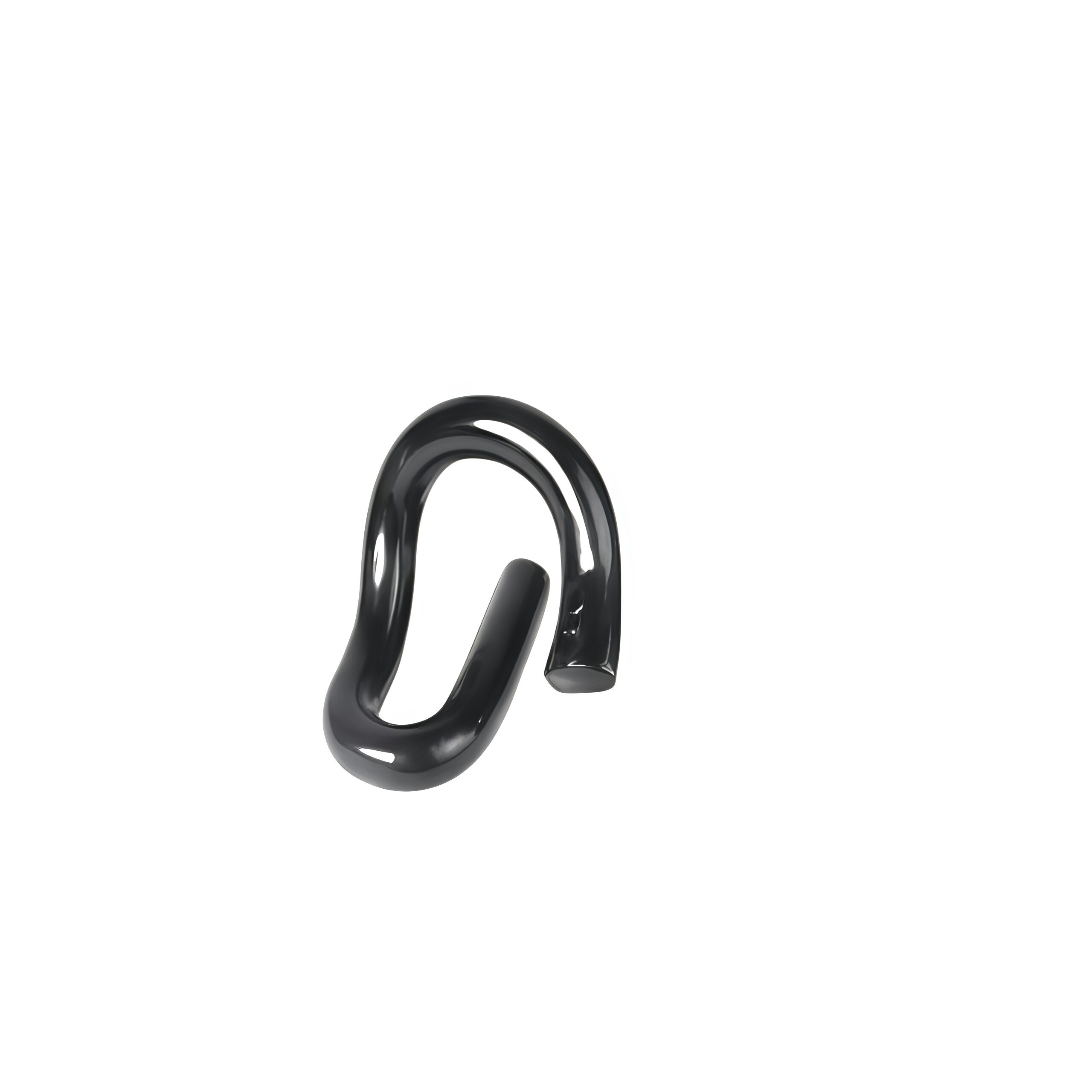
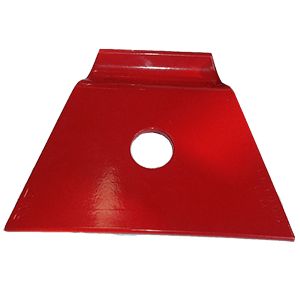
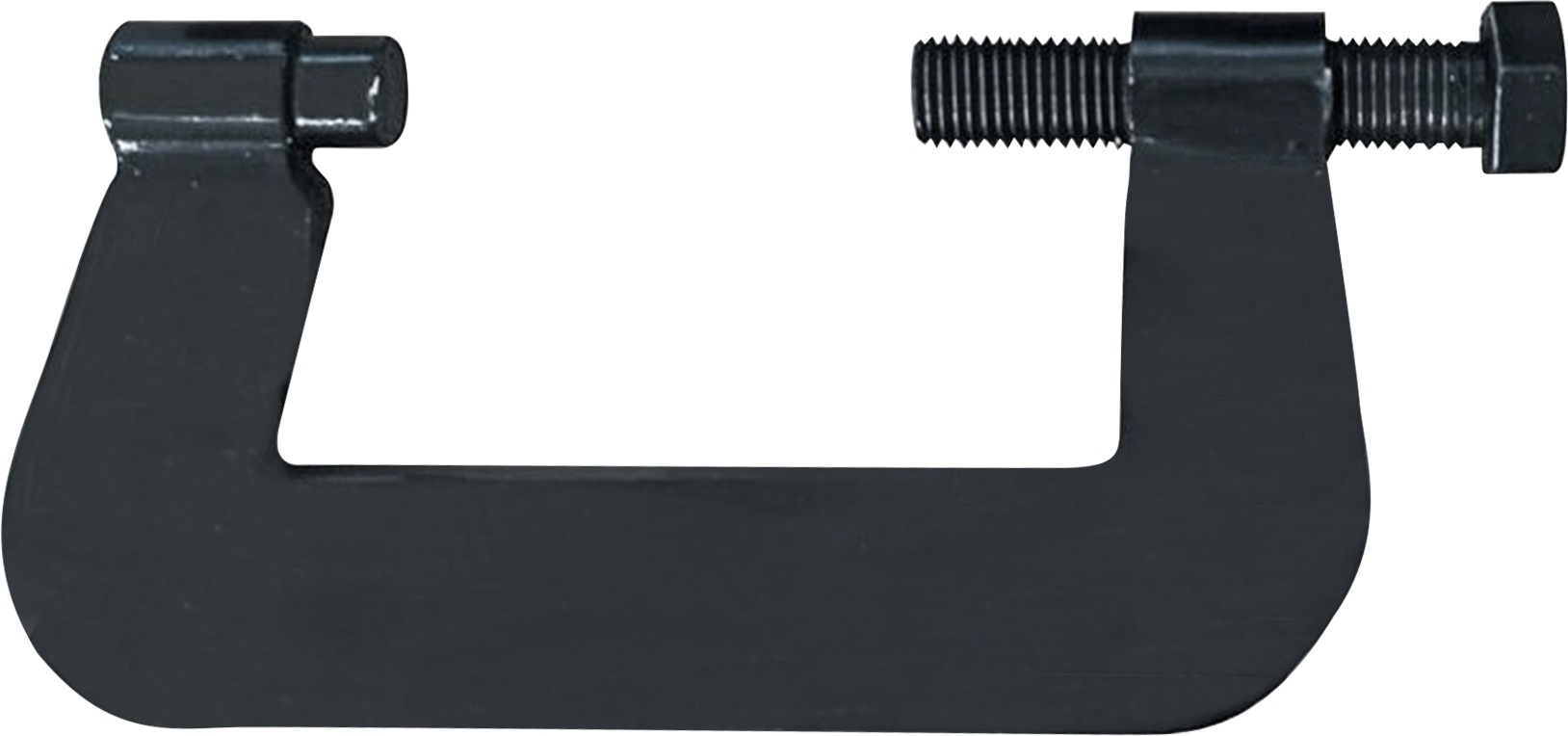
Track components represent the fundamental building blocks of modern rail transportation systems, serving as the critical infrastructure that enables safe and efficient movement of trains across vast networks. These essential elements include rails, fasteners, tie plates, railroad ties, ballast, and subgrade materials that work together to create a stable foundation for heavy rail traffic. The primary function of track components centers on distributing the enormous loads generated by passing trains while maintaining precise alignment and gauge measurements. Rails form the running surface, typically manufactured from high-carbon steel alloys that provide exceptional durability and resistance to wear. The technological features of modern track components incorporate advanced metallurgical processes, precision manufacturing techniques, and innovative design principles that maximize performance under extreme conditions. Fastening systems secure rails to concrete or wooden ties using specialized clips, bolts, and elastic pads that allow controlled movement while preventing lateral displacement. Railroad ties, whether made from treated timber, concrete, or composite materials, transfer loads from rails to the ballast layer below. The ballast layer consists of crushed stone or gravel that provides drainage, load distribution, and track stability. Applications for track components span passenger rail systems, freight railways, urban transit networks, and industrial rail facilities worldwide. Each application demands specific performance characteristics, from high-speed passenger service requiring ultra-smooth surfaces to heavy-haul freight operations needing maximum load-bearing capacity. Modern track components integrate sensors and monitoring systems that provide real-time data on track conditions, enabling predictive maintenance and enhanced safety protocols. The evolution of track component technology continues advancing through research into new materials, improved manufacturing processes, and innovative design approaches that extend service life while reducing maintenance requirements.

New Product Recommendations

Track components deliver substantial benefits that directly impact operational efficiency, safety standards, and long-term cost management for railway operators worldwide. The robust construction of modern track components ensures exceptional load-bearing capacity, allowing trains to carry heavier loads while maintaining safe operating speeds. This increased capacity translates into higher revenue potential and improved transportation economics for freight and passenger services alike. Enhanced durability characteristics mean track components resist wear, corrosion, and environmental stresses more effectively than previous generations, resulting in extended service intervals and reduced replacement frequency. The precision engineering behind contemporary track components creates smoother riding surfaces that minimize vibration and noise, improving passenger comfort while reducing mechanical stress on rolling stock. Advanced fastening systems provide superior track stability, preventing rail movement that could lead to derailments or service disruptions. The modular design of track components facilitates faster installation and maintenance procedures, reducing track downtime and associated revenue losses. Improved drainage capabilities built into modern track component systems prevent water accumulation that traditionally caused track deterioration and stability issues. The standardization of track components across different manufacturers enables greater compatibility and sourcing flexibility, helping operators manage inventory costs and supply chain risks more effectively. Environmental benefits emerge through the use of recycled materials in track component manufacturing and longer service lives that reduce resource consumption over time. The integration of monitoring technology within track components enables proactive maintenance scheduling that prevents costly emergency repairs and service interruptions. Quality control improvements in track component manufacturing result in more consistent performance characteristics and reduced variability between individual components. These advantages combine to create railway systems that operate more reliably, safely, and cost-effectively while meeting the growing demands of modern transportation networks. The strategic value of investing in high-quality track components becomes evident through reduced lifecycle costs, improved operational performance, and enhanced safety records that protect both passengers and cargo.

Practical Tips

How Railroad Dog Spikes Improve Track Stability and Safety

24

Nov

How Railroad Dog Spikes Improve Track Stability and Safety

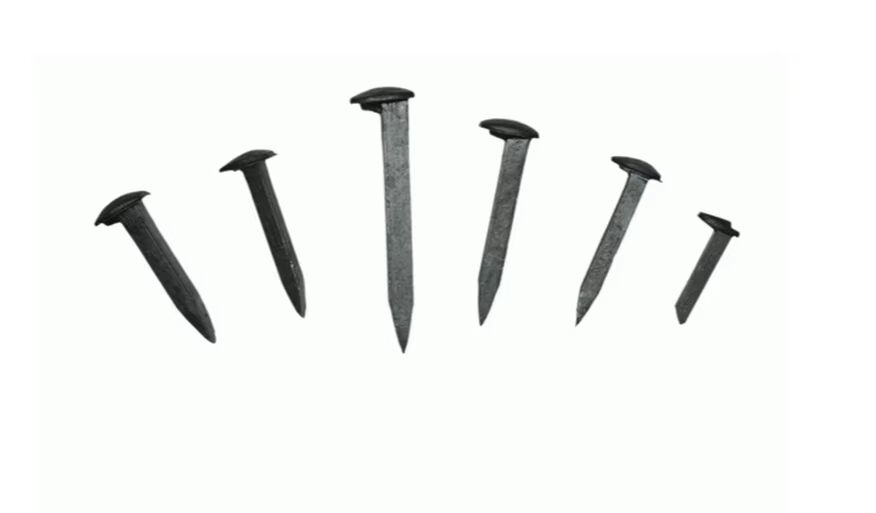
Railway infrastructure forms the backbone of modern transportation systems, where every component plays a critical role in maintaining operational safety and efficiency. Among these essential components, railroad dog spikes represent one of the most ...
View More
What Are the Advantages of Using Standardized Baseplates in Large Projects?

18

Dec

What Are the Advantages of Using Standardized Baseplates in Large Projects?

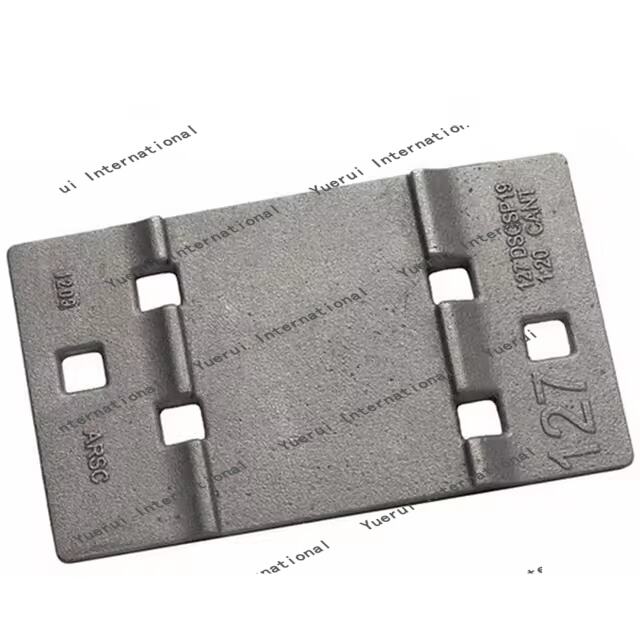
Large-scale construction and infrastructure projects demand precision, efficiency, and reliability at every stage of development. Among the foundational elements that ensure project success, standardized baseplates emerge as critical components that ...
View More
How Do Elastic Strips Support High-Speed and Heavy Rail Traffic?

05

Jan

How Do Elastic Strips Support High-Speed and Heavy Rail Traffic?

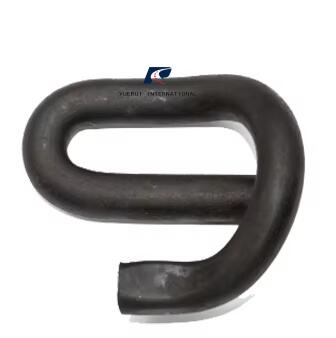
Modern railway infrastructure faces unprecedented demands as transportation networks evolve to accommodate higher speeds and heavier cargo loads. The foundation of reliable rail systems depends heavily on innovative engineering solutions that can abs...
View More
How to maintain correct track gauge in high-speed rail lines?

20

Apr

How to maintain correct track gauge in high-speed rail lines?

Maintaining correct track gauge is the cornerstone of safe and efficient high-speed rail operations, where even millimeter deviations can trigger catastrophic derailments at operational speeds exceeding 300 km/h. The precision required for track gaug...
View More

Get a Free Quote

Our representative will contact you soon.
Email
Name
Company Name
Message
0/1000

track components

Advanced Material Engineering and Durability Excellence

Advanced Material Engineering and Durability Excellence

Track components manufactured with cutting-edge material engineering deliver unprecedented durability and performance that revolutionizes railway infrastructure reliability. The incorporation of premium steel alloys, advanced heat treatment processes, and precision metallurgy creates track components capable of withstanding extreme operational stresses while maintaining dimensional accuracy over extended service periods. Modern track components utilize specialized steel grades with enhanced carbon content and alloying elements that provide superior hardness, wear resistance, and fatigue strength compared to conventional materials. The heat treatment processes employed in manufacturing these components involve carefully controlled heating and cooling cycles that optimize the microstructure for maximum performance characteristics. This advanced material engineering translates into track components that resist rail head wear, prevent crack propagation, and maintain surface integrity under heavy traffic loads. The durability excellence achieved through these technological advances means railway operators experience significantly longer intervals between component replacements, reducing both material costs and track maintenance windows that disrupt service schedules. Furthermore, the consistent performance characteristics of these engineered materials ensure predictable wear patterns and maintenance requirements, enabling more accurate lifecycle planning and budget forecasting. The environmental benefits of enhanced durability include reduced material consumption over time, lower transportation costs for replacement components, and decreased waste generation from worn-out track elements. Quality assurance protocols integrated into the manufacturing process guarantee that each track component meets strict performance specifications, providing operators with confidence in long-term reliability. The investment in advanced material engineering pays dividends through reduced total cost of ownership, improved safety margins, and enhanced operational efficiency that strengthens the overall value proposition of modern railway systems.
Precision Installation and Maintenance Efficiency

Precision Installation and Maintenance Efficiency

Track components designed with precision engineering principles enable streamlined installation procedures and optimized maintenance workflows that minimize operational disruptions while maximizing system reliability. The standardized dimensions and interface specifications of modern track components ensure seamless compatibility across different railway applications, reducing installation complexity and eliminating costly fitting issues that historically plagued track construction projects. Advanced manufacturing tolerances guarantee that track components align perfectly during installation, creating smooth joints and uniform load distribution that enhance both safety and ride quality. The modular architecture of contemporary track component systems allows maintenance crews to replace individual elements without disturbing adjacent infrastructure, significantly reducing work zone requirements and associated traffic impacts. Pre-engineered fastening systems incorporate user-friendly installation features that accelerate assembly processes while ensuring proper torque specifications and connection integrity. The precision design of track components eliminates the need for extensive field modifications or custom fabrication, streamlining project timelines and reducing labor costs associated with installation activities. Maintenance efficiency improvements result from standardized component interfaces that enable rapid diagnosis and replacement of worn or damaged elements using standard tools and procedures. The predictable wear characteristics of precision-engineered track components support condition-based maintenance strategies that optimize resource allocation and prevent unexpected failures. Documentation and identification systems integrated into track components facilitate accurate inventory management and maintenance scheduling, reducing administrative overhead while improving compliance with safety regulations. Training requirements for installation and maintenance personnel decrease significantly due to the standardized procedures enabled by precision track component design. The cumulative effect of these efficiency improvements creates substantial cost savings over the operational lifetime of railway infrastructure while enhancing service reliability and safety performance that benefits all stakeholders in the transportation ecosystem.
Smart Technology Integration and Monitoring Capabilities

Smart Technology Integration and Monitoring Capabilities

Track components equipped with integrated smart technology and comprehensive monitoring capabilities represent the future of railway infrastructure management, providing real-time insights that optimize maintenance strategies and enhance operational safety. The embedded sensor networks within modern track components continuously monitor critical parameters including stress levels, temperature variations, vibration patterns, and structural displacement, creating a comprehensive database of track performance characteristics. This smart technology integration enables predictive maintenance approaches that identify potential issues before they develop into costly failures or safety hazards, allowing operators to schedule maintenance activities during planned downtime rather than responding to emergency situations. The wireless communication capabilities built into intelligent track components transmit data to centralized monitoring systems that analyze trends, detect anomalies, and generate automated alerts when intervention becomes necessary. Machine learning algorithms process the vast amounts of data collected from track component sensors, identifying subtle patterns that human observation might miss and enabling increasingly accurate predictions of component lifecycle and maintenance requirements. The monitoring capabilities extend beyond individual component health to include system-wide performance metrics that help operators optimize traffic flow, adjust maintenance schedules, and plan infrastructure upgrades based on actual usage patterns rather than theoretical models. Environmental monitoring features within smart track components track weather conditions, ground stability, and other external factors that influence track performance, enabling proactive responses to changing conditions. The integration of GPS technology and digital identification systems creates precise location tracking for every track component, facilitating rapid response to maintenance needs and accurate record-keeping for regulatory compliance. Data analytics platforms process information from smart track components to generate comprehensive reports on infrastructure condition, maintenance effectiveness, and operational performance that support strategic decision-making at all organizational levels. The return on investment from smart track component technology becomes evident through reduced maintenance costs, improved safety records, extended component lifecycles, and enhanced operational efficiency that strengthens the competitive position of railway operators in the modern transportation marketplace.

Get a Free Quote

Our representative will contact you soon.
Email
Name
Company Name
Message
0/1000