Versatile Installation and Cost-Effective Operation
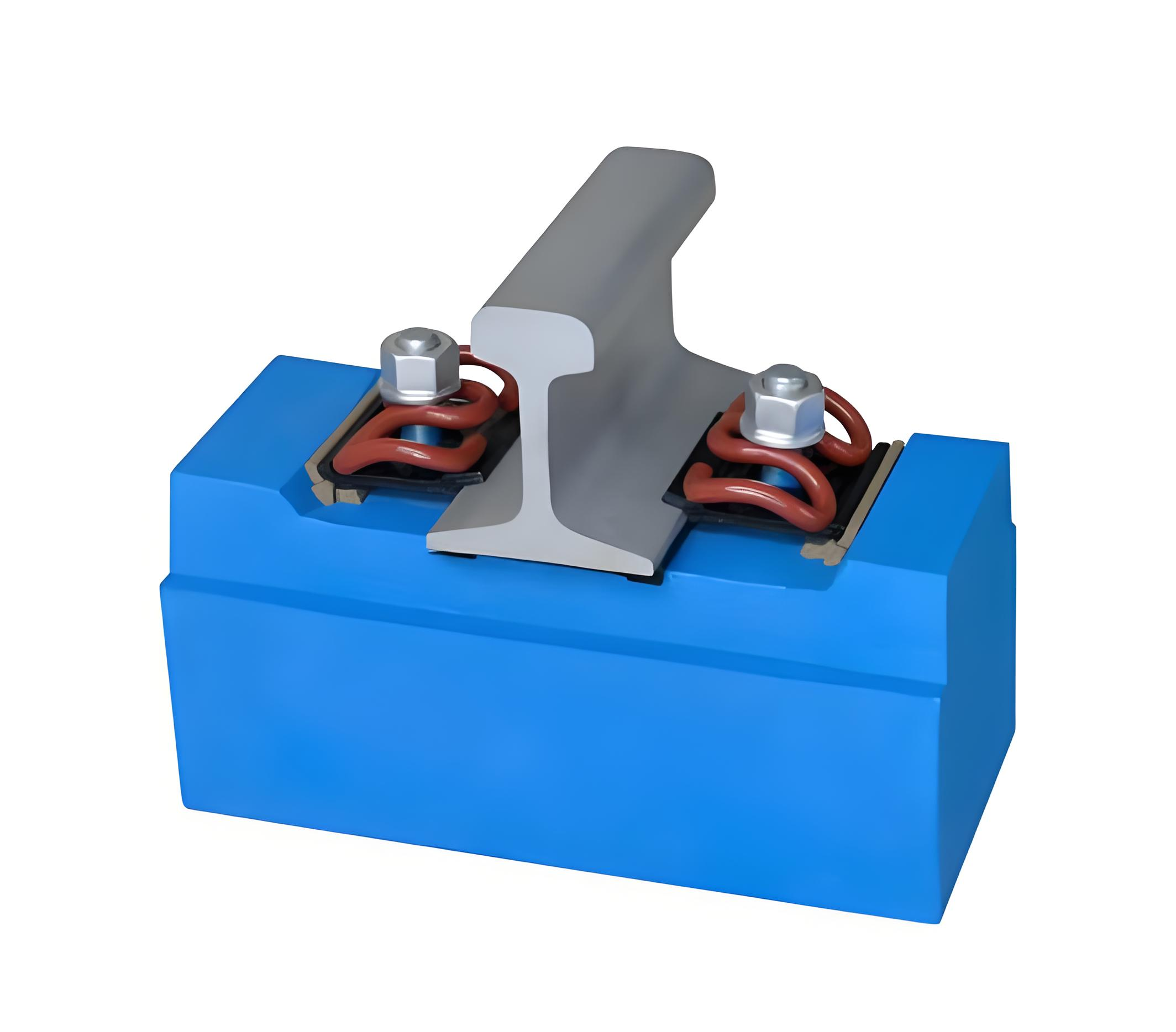
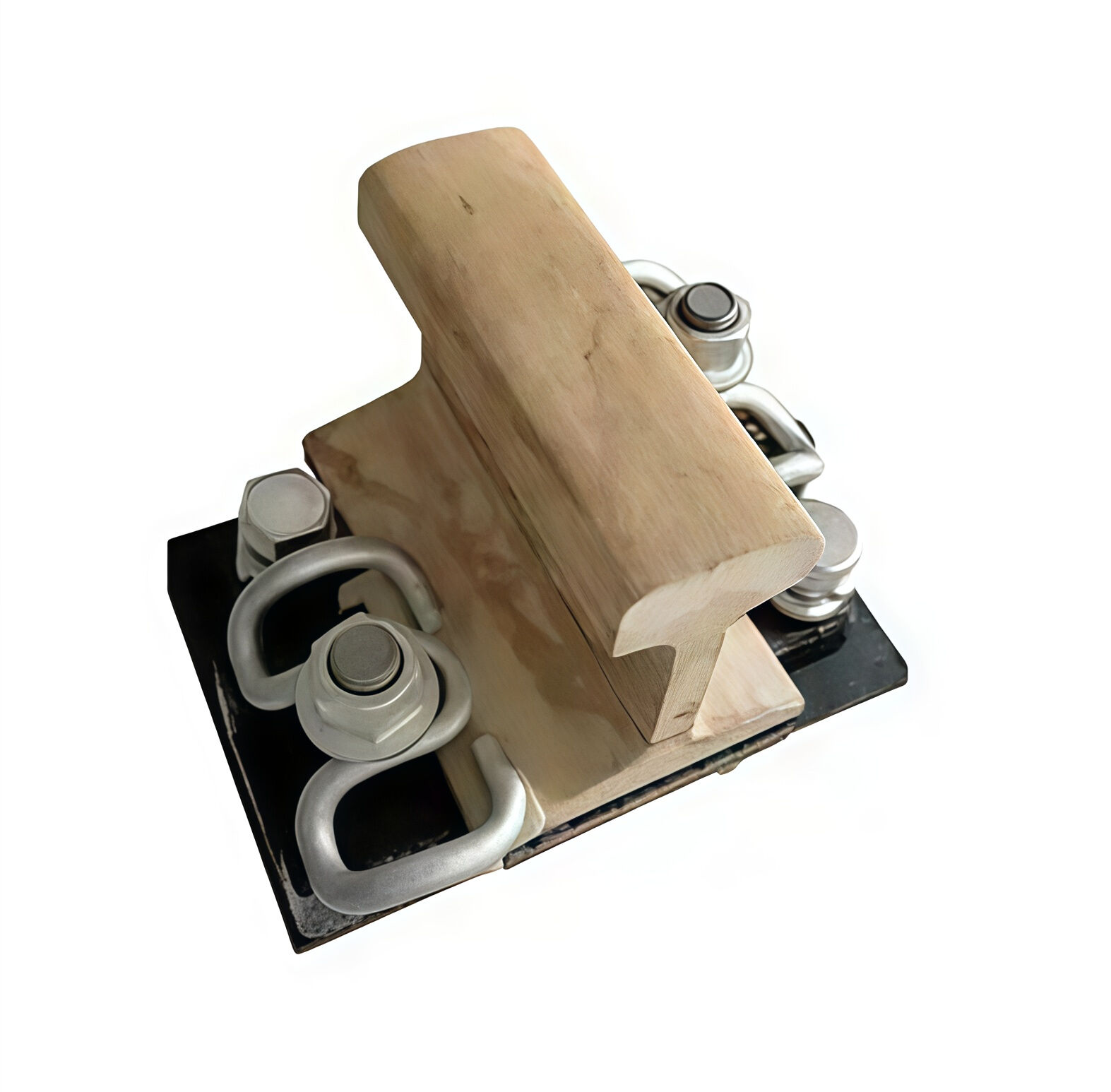
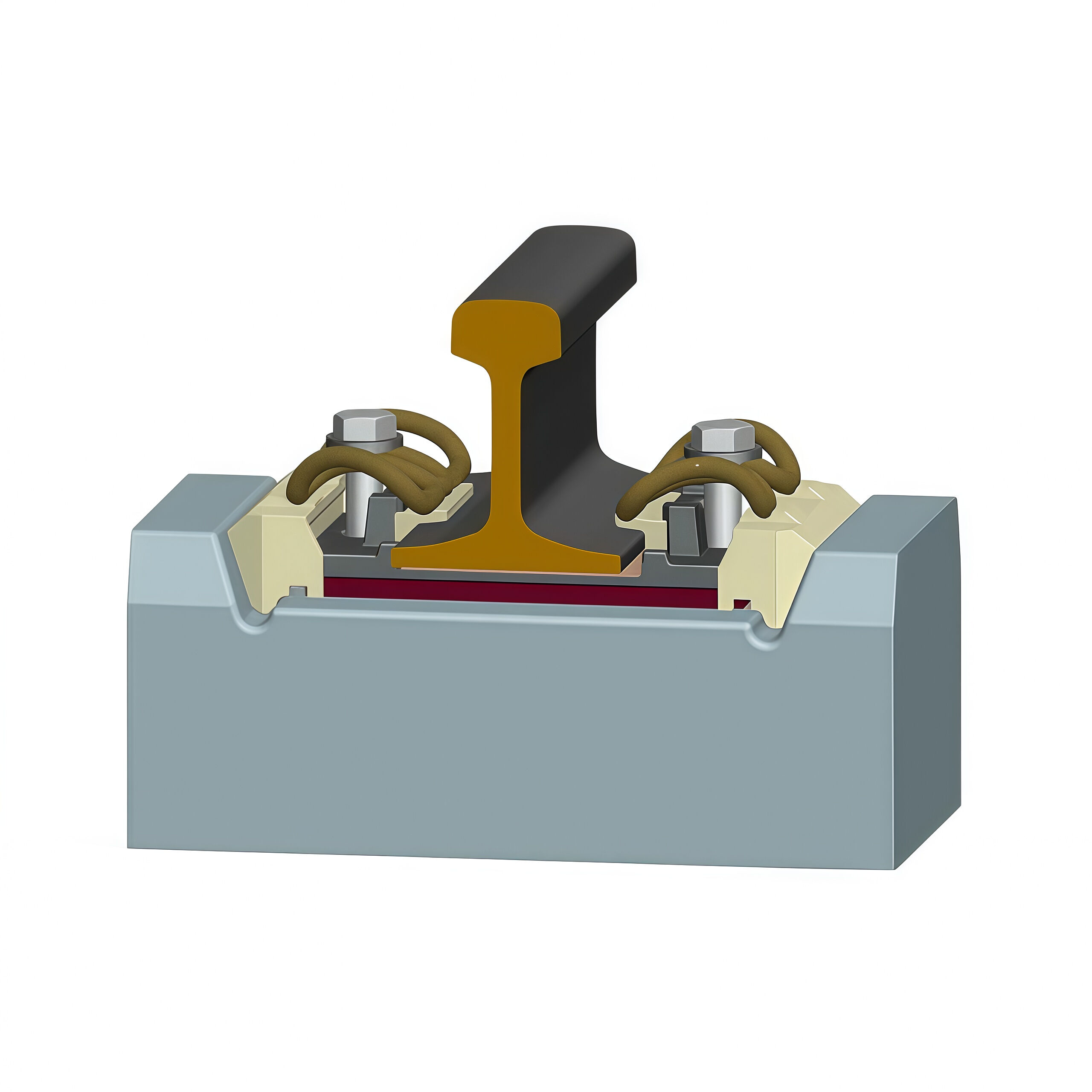
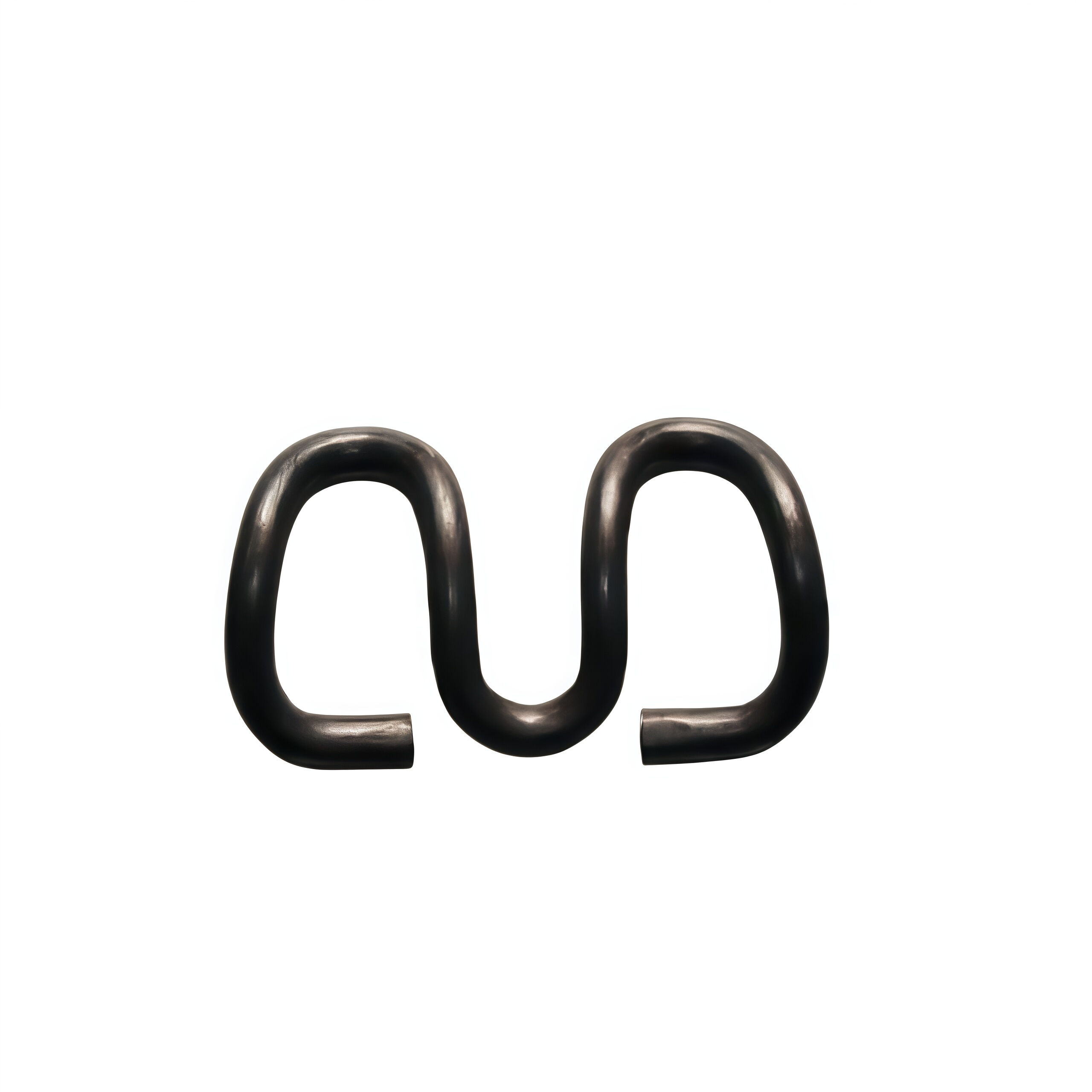
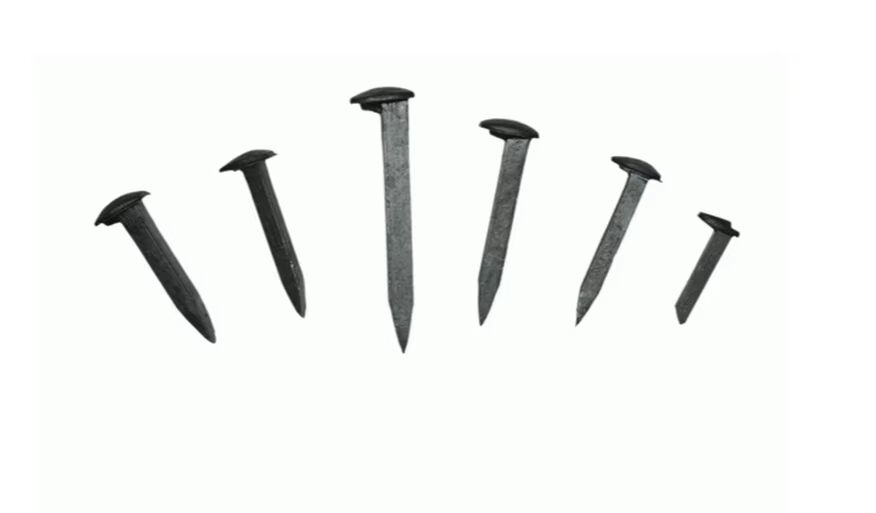
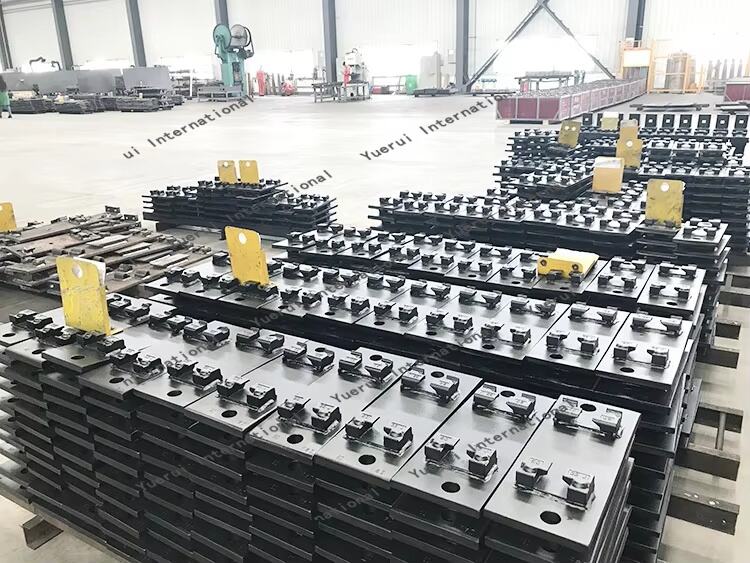
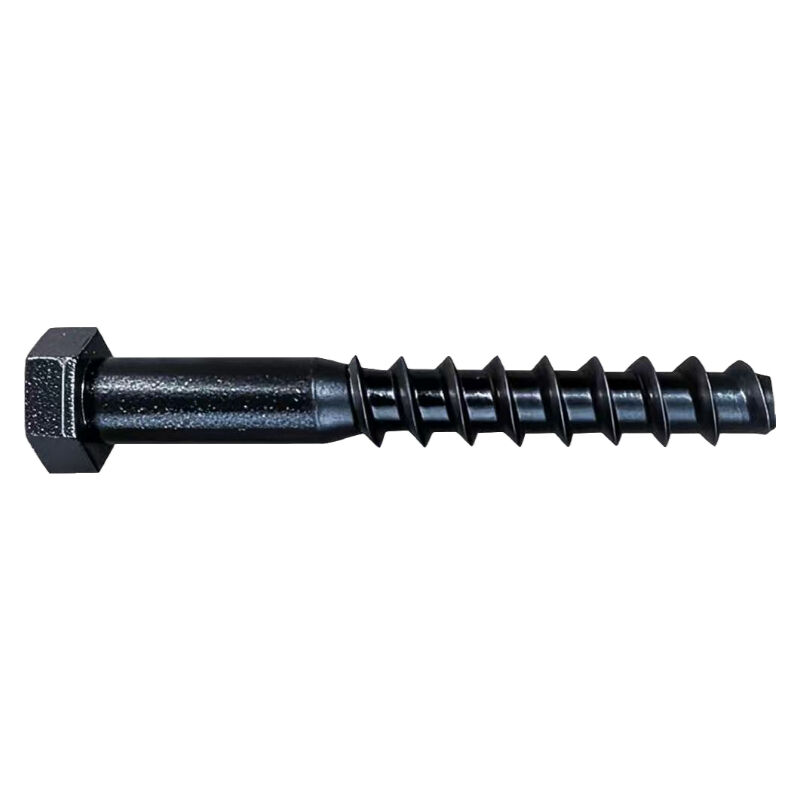
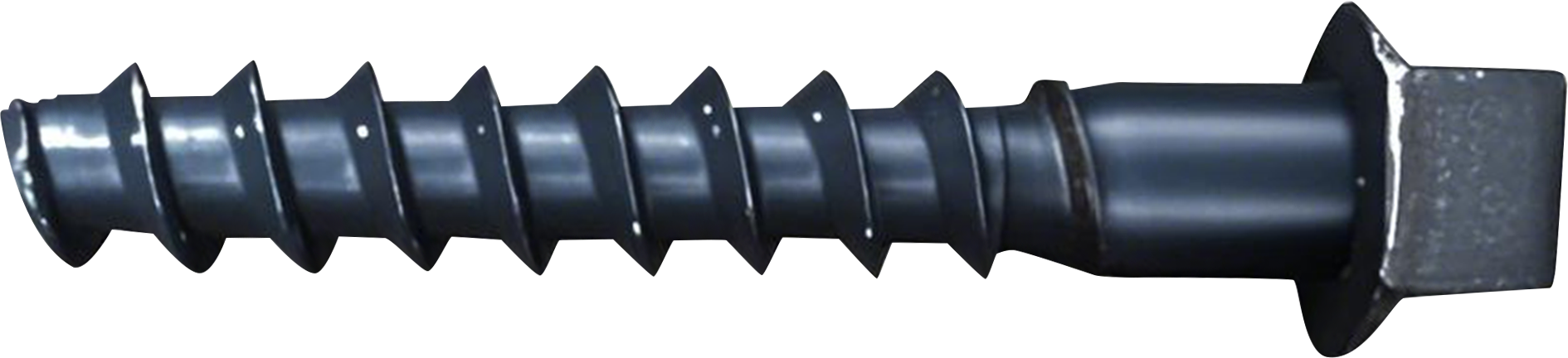
The exceptional versatility of screw spikes enables seamless integration across diverse railway applications while delivering significant cost advantages through streamlined installation procedures, reduced maintenance requirements, and enhanced operational efficiency compared to conventional fastening systems. Installation flexibility accommodates various tie materials including hardwood, softwood, concrete, and composite alternatives without requiring specialized tooling or modified procedures, simplifying inventory management and field operations for railway construction and maintenance crews. The self-threading capability eliminates pre-drilling requirements in most applications, reducing installation time by up to 40 percent while minimizing equipment needs and associated operational costs. Standardized tool interfaces ensure compatibility with existing pneumatic and electric installation equipment, avoiding capital investments in specialized machinery while maintaining productivity standards on construction projects. The consistent installation torque specifications provide precise control over engagement characteristics, enabling quality assurance protocols that ensure uniform performance across large-scale installations while reducing variability-related maintenance issues. Removal and replacement procedures prove equally efficient, allowing maintenance crews to extract worn fasteners without damaging supporting infrastructure, which extends tie service life and reduces replacement material costs significantly. The cost-effectiveness extends throughout the operational lifecycle through reduced maintenance intervals, fewer emergency repairs, and decreased service disruption incidents that impact railway revenue generation. Bulk purchasing advantages emerge from standardized specifications that accommodate multiple applications, enabling volume discounts and simplified procurement processes while maintaining adequate inventory levels for routine maintenance operations. Training requirements remain minimal due to familiar installation procedures and standard tooling compatibility, reducing workforce development costs while ensuring consistent quality standards across maintenance teams. Performance monitoring data indicates substantial reductions in fastener-related maintenance activities, with documented cases showing maintenance interval extensions exceeding 150 percent compared to traditional spike systems. The economic benefits compound over time through reduced labor costs, decreased material consumption, and improved operational reliability that translates to enhanced service quality and customer satisfaction. Environmental considerations include reduced waste generation through extended service life and recyclable materials that support corporate sustainability initiatives while maintaining cost-competitive positioning in competitive railway markets.
 EN
EN