
 EN
Quick Links

Railway safety depends fundamentally on the precise maintenance of track gauge, which is the distance between the inner edges of the two rails. When track gauge deviates from its designed specification, even by small margins, it creates a cascading s...
VIEW MORE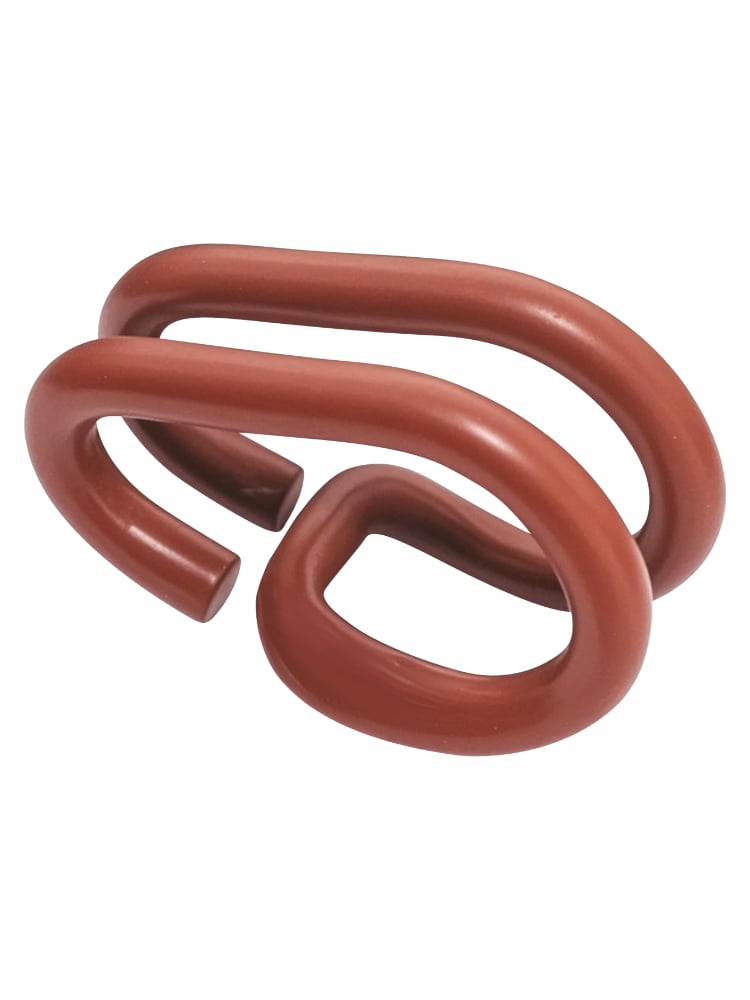
In the railway and industrial track engineering world, choosing the right fastening solution is not merely a technical preference — it is a decision that affects operational safety, maintenance efficiency, and long-term infrastructure costs. Am...
VIEW MORE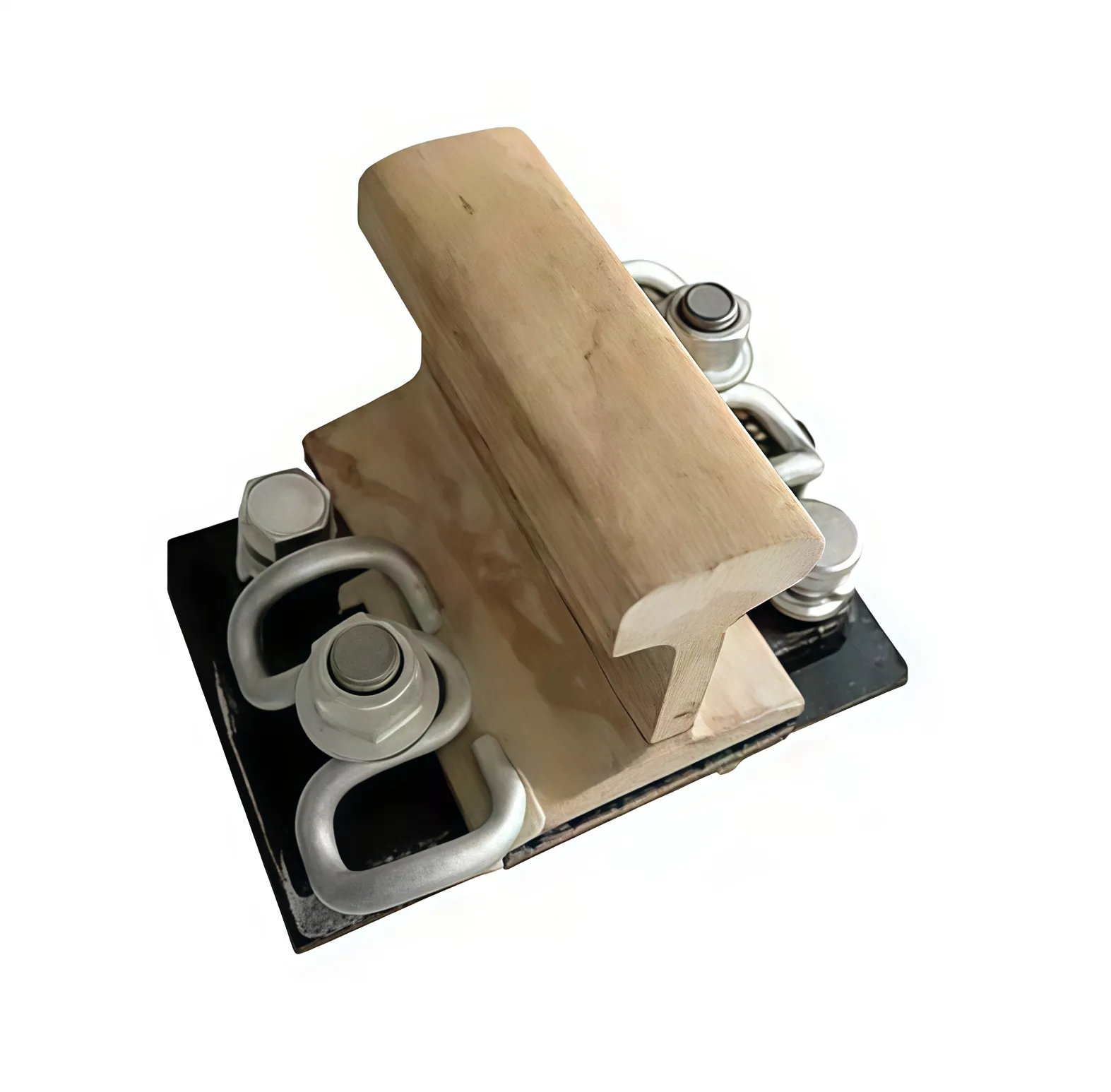
Modern rail transit systems face a critical engineering challenge that extends far beyond basic structural integrity: the management of vibration and noise transmission through infrastructure. As urban rail networks expand into densely populated area...
VIEW MORE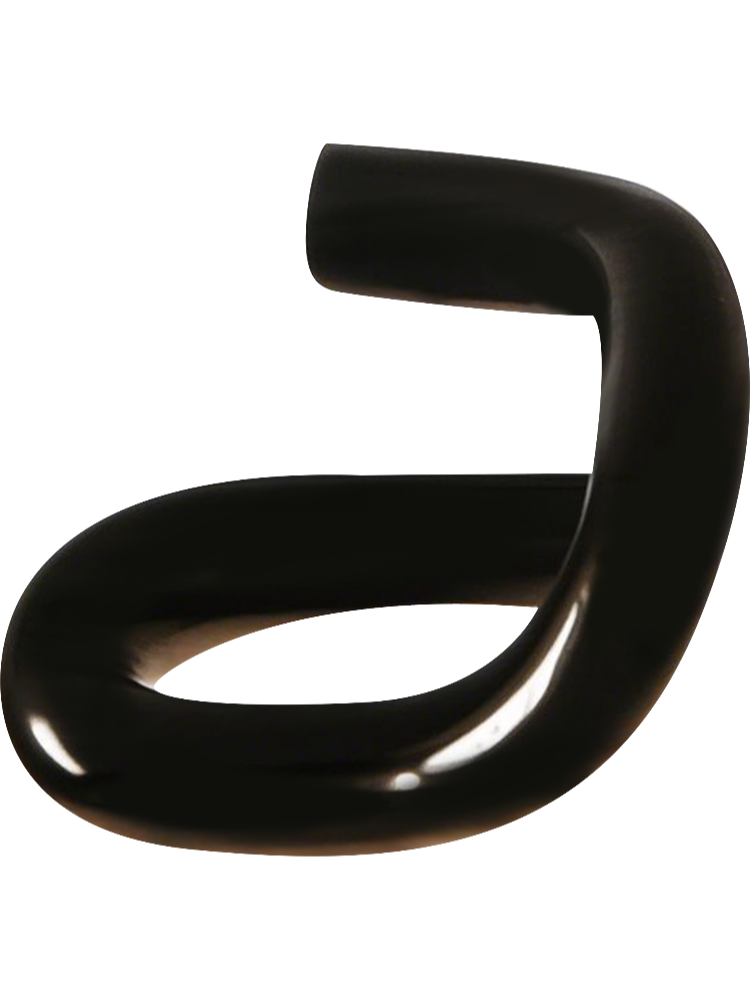
Modern railway infrastructure relies on two fundamental track structure philosophies that shape how rail supports function and perform under operational loads. The distinction between ballast and ballastless track systems extends far beyond surface a...
VIEW MORE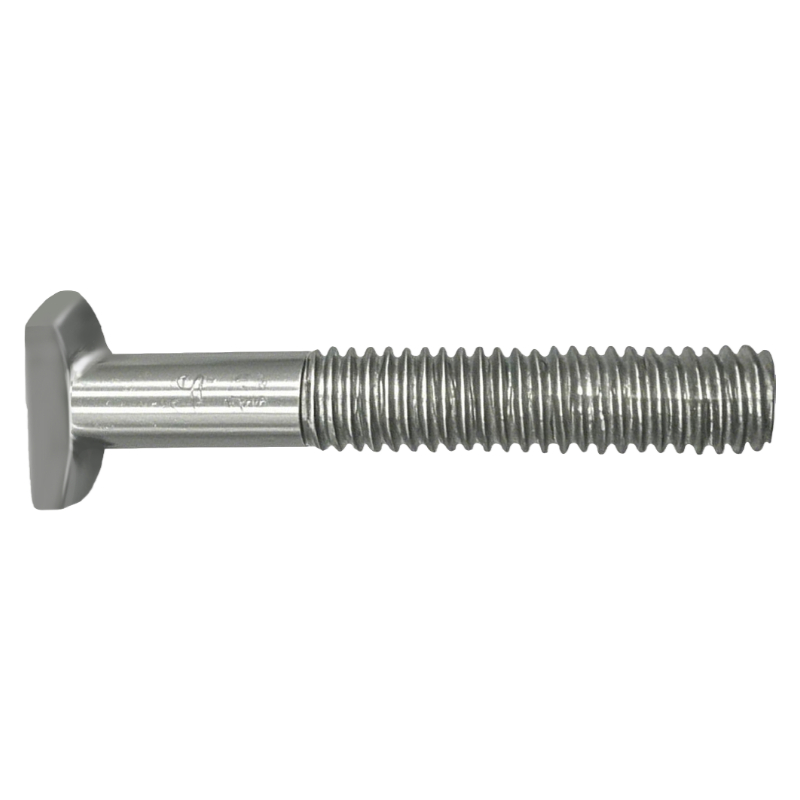
Modular railway systems rely on precise mechanical connections to ensure safe and efficient train operations, with track pins serving as fundamental fastening components that secure rails to various supporting structures. These specialized pins come ...
VIEW MORE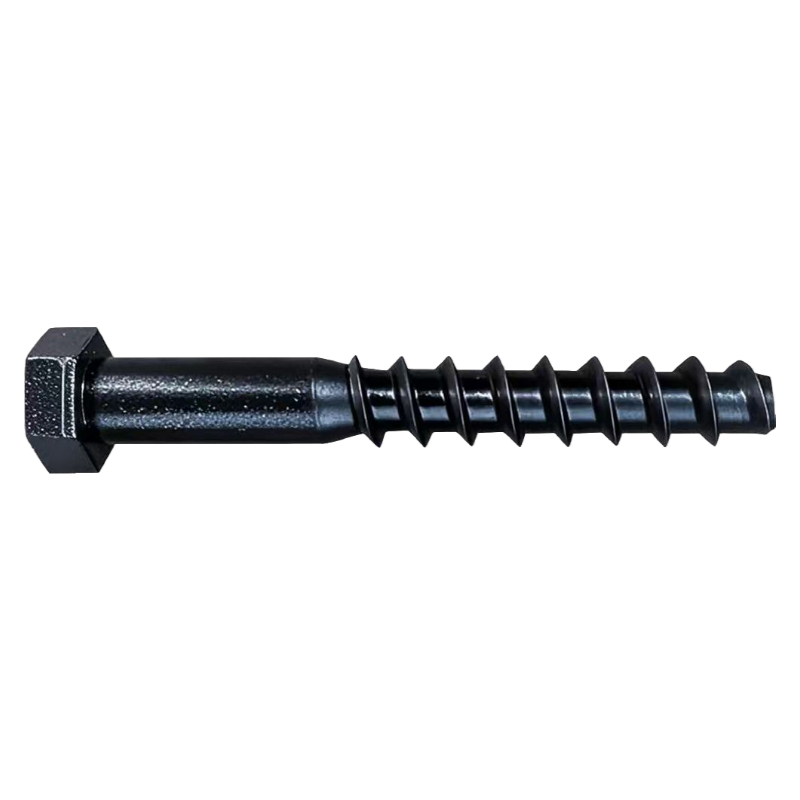
Railway track stability relies heavily on proper installation spacing of rail anchors, which serve as critical components in maintaining gauge and preventing rail movement. The recommended spacing for rail anchors varies based on track classification...
VIEW MORE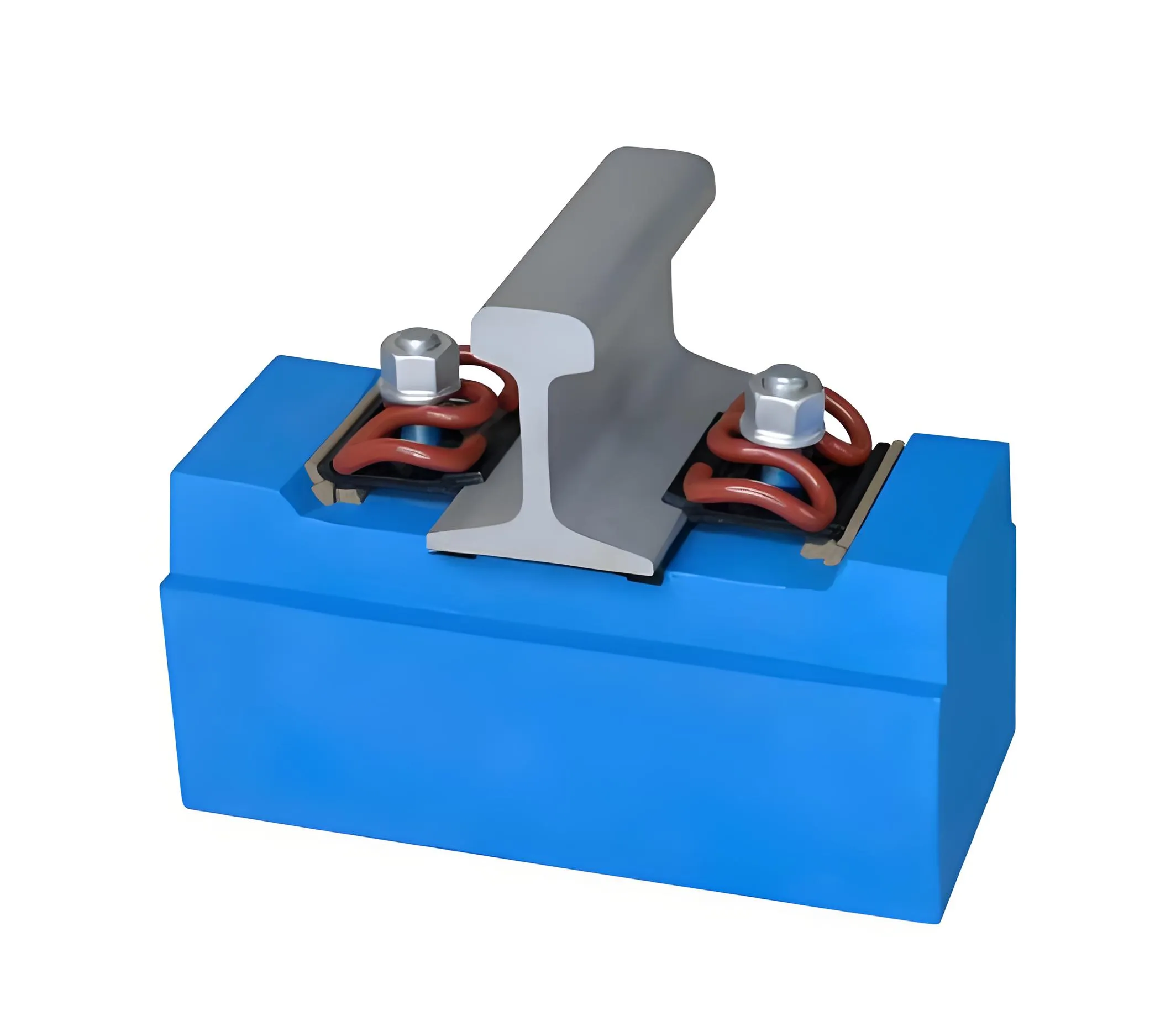
Selecting the appropriate rail anchors for different railway applications requires understanding the fundamental differences between high-speed and conventional rail systems. Rail anchors serve as critical components that secure rails to sleepers and...
VIEW MORE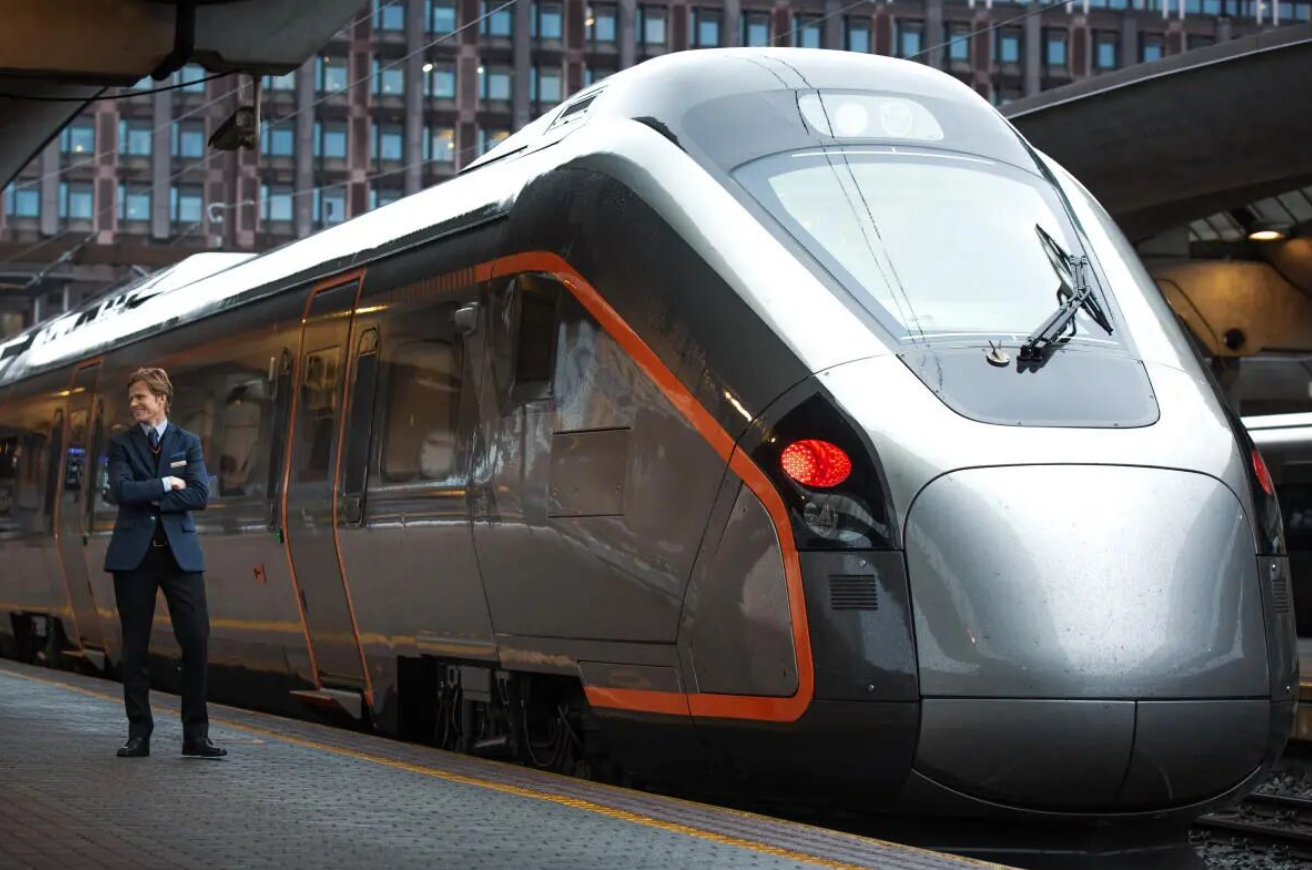
Maintaining correct track gauge is the cornerstone of safe and efficient high-speed rail operations, where even millimeter deviations can trigger catastrophic derailments at operational speeds exceeding 300 km/h. The precision required for track gaug...
VIEW MORE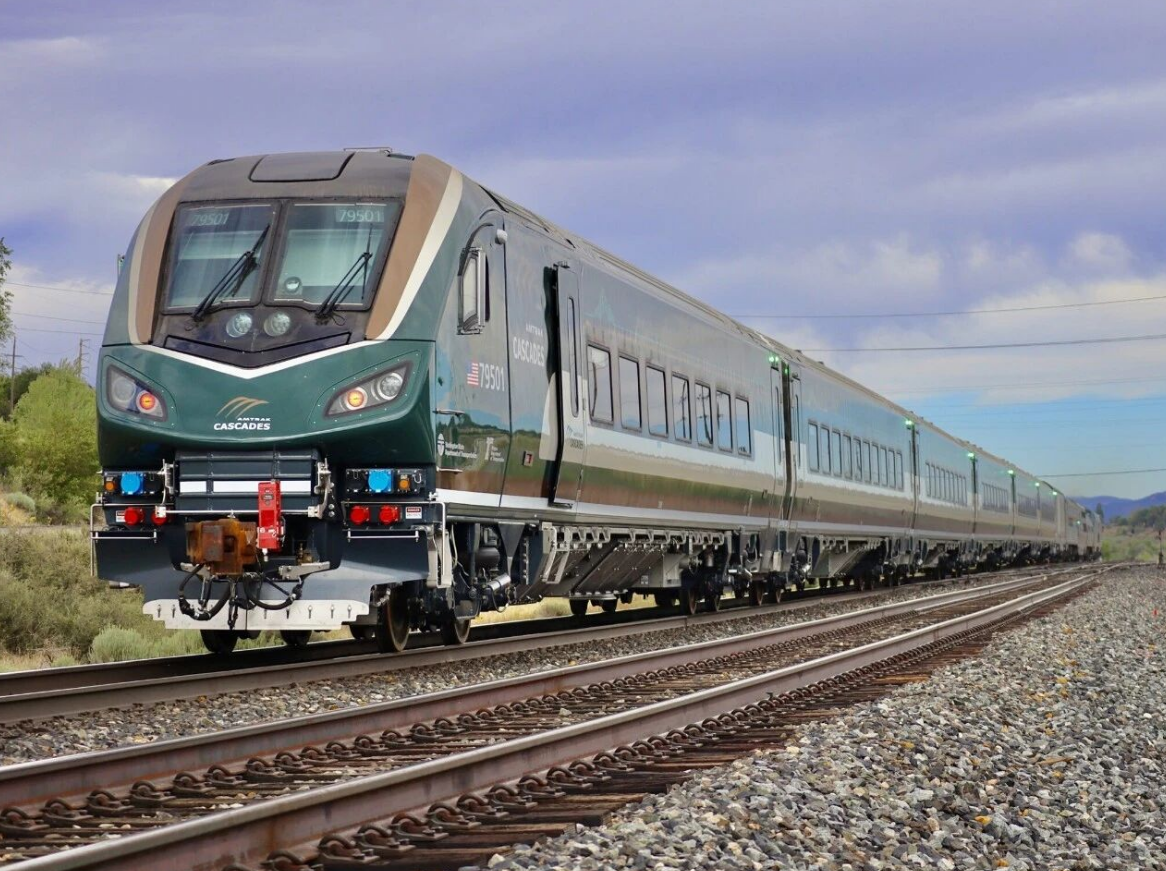
Railway infrastructure faces constant exposure to harsh environmental conditions, making material selection critical for long-term performance and safety. Track pins, essential components that secure rails to railroad ties, must withstand not only me...
VIEW MORE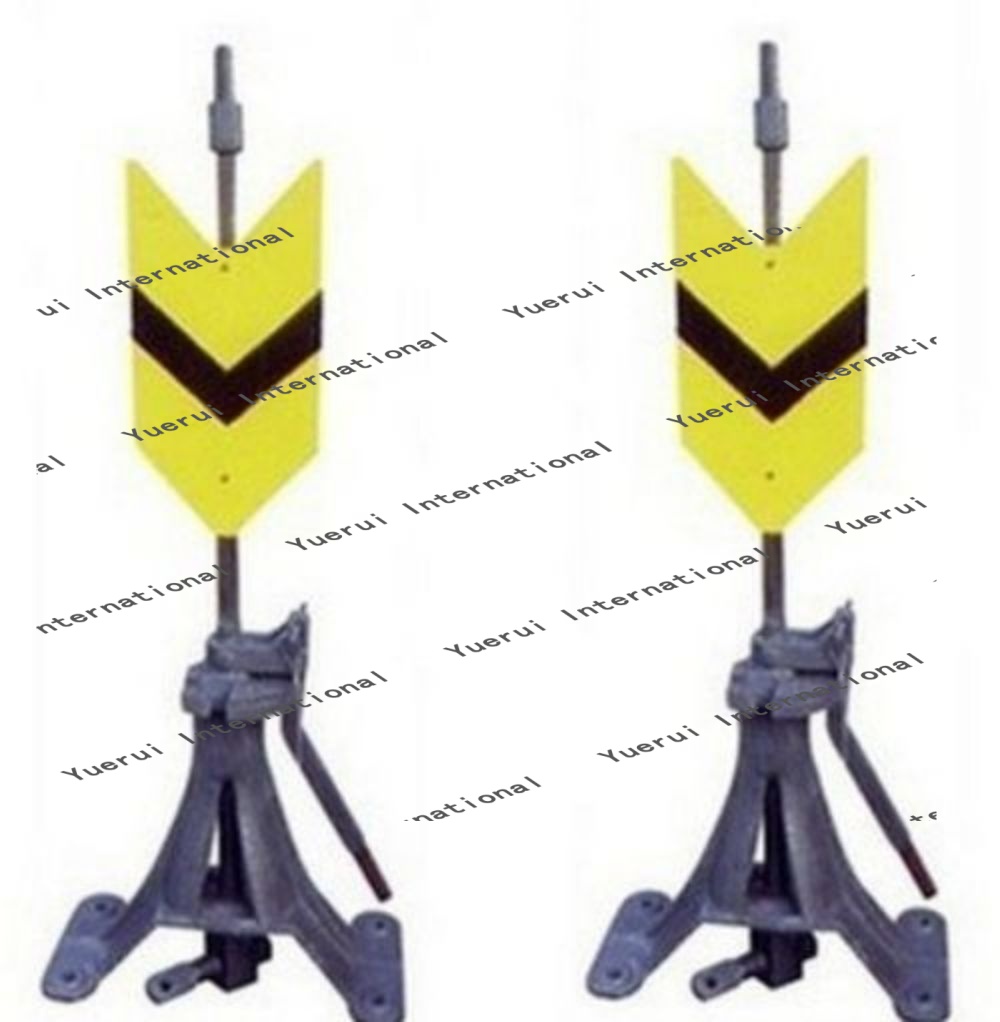
Modern railway construction demands exceptional precision and unwavering safety standards to ensure reliable transportation networks. The foundation of successful track construction lies in the proper selection and application of specialized rail too...
VIEW MORE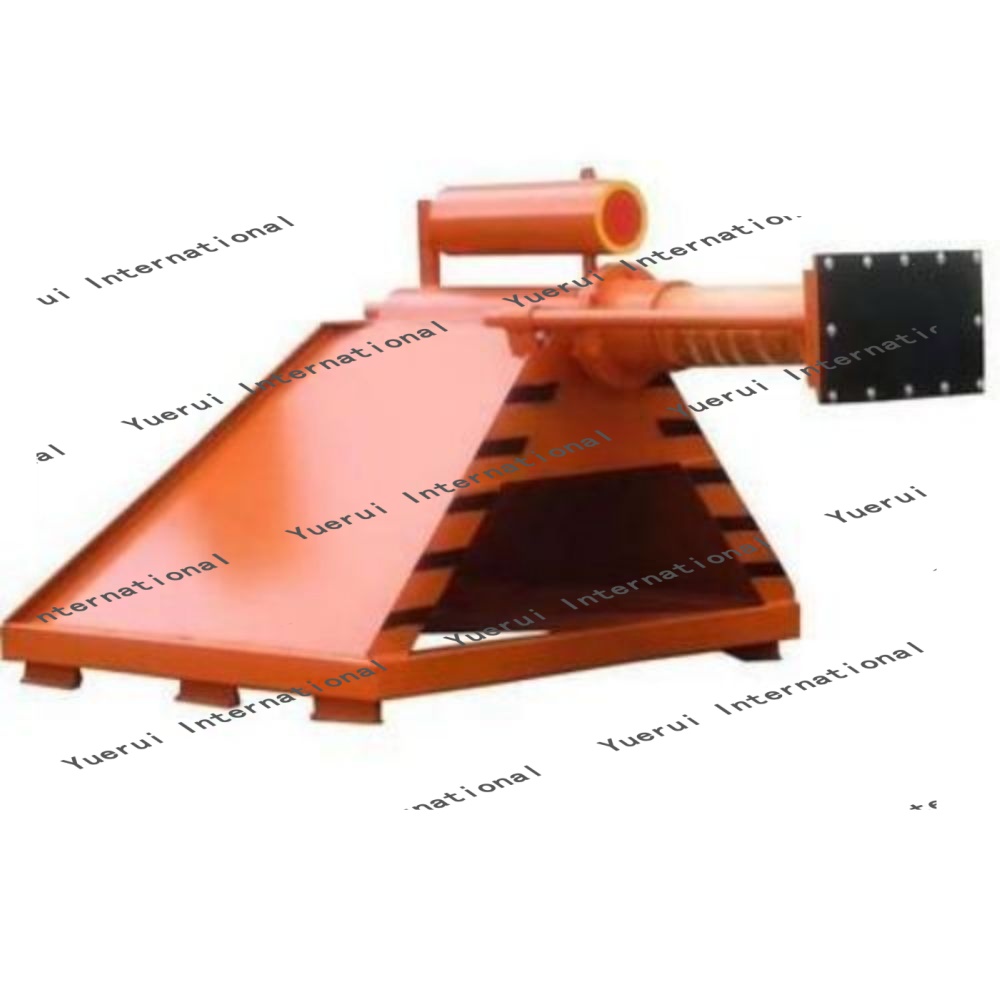
Railway infrastructure forms the backbone of modern transportation systems, requiring specialized equipment and precise maintenance protocols to ensure safe and efficient operations. Professional rail tools represent critical investments for railway ...
VIEW MORE
How to choose a gauge plate for precision machining The role of material accuracy in machining In precision engineering, the choice of a gauge plate directly influences the accuracy, efficiency, and durability of the final product. A gauge plate is w...
VIEW MORE