
 EN
Quick Links
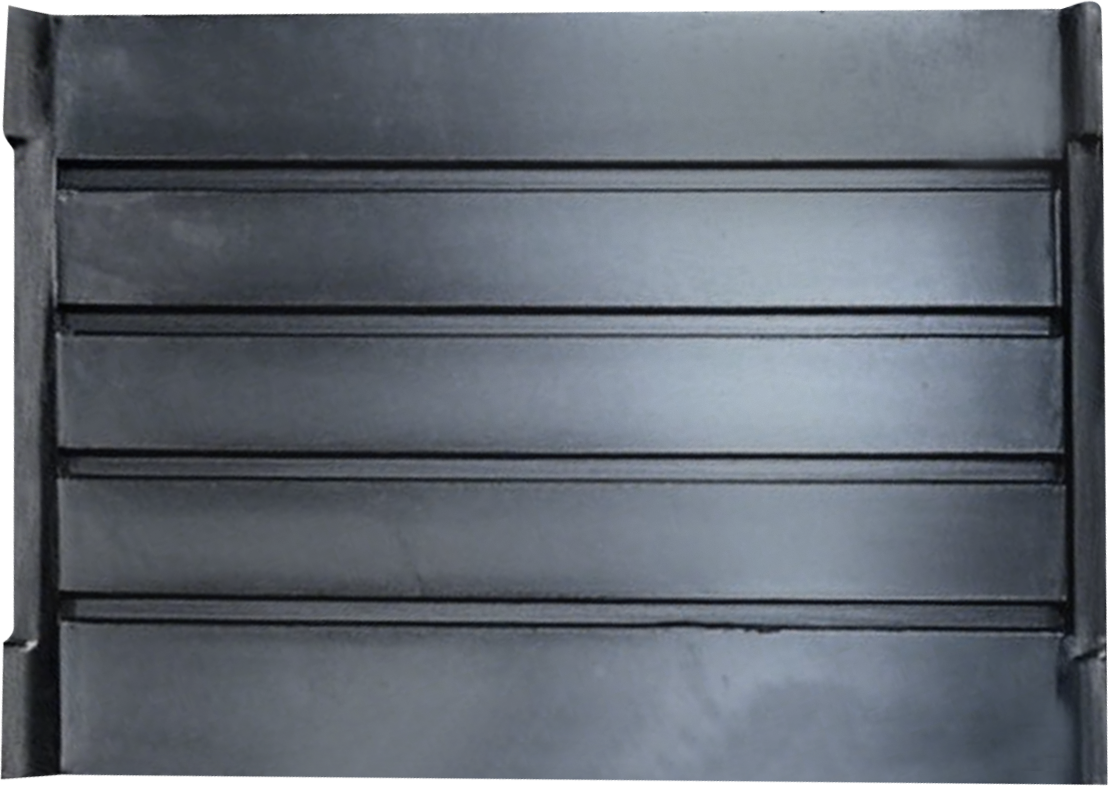
The longevity of a tie plate in railway systems depends on multiple interconnected factors that directly impact operational safety and maintenance costs. Railway operators and engineers must understand what determines the lifespan of a tie plate to m...
VIEW MORE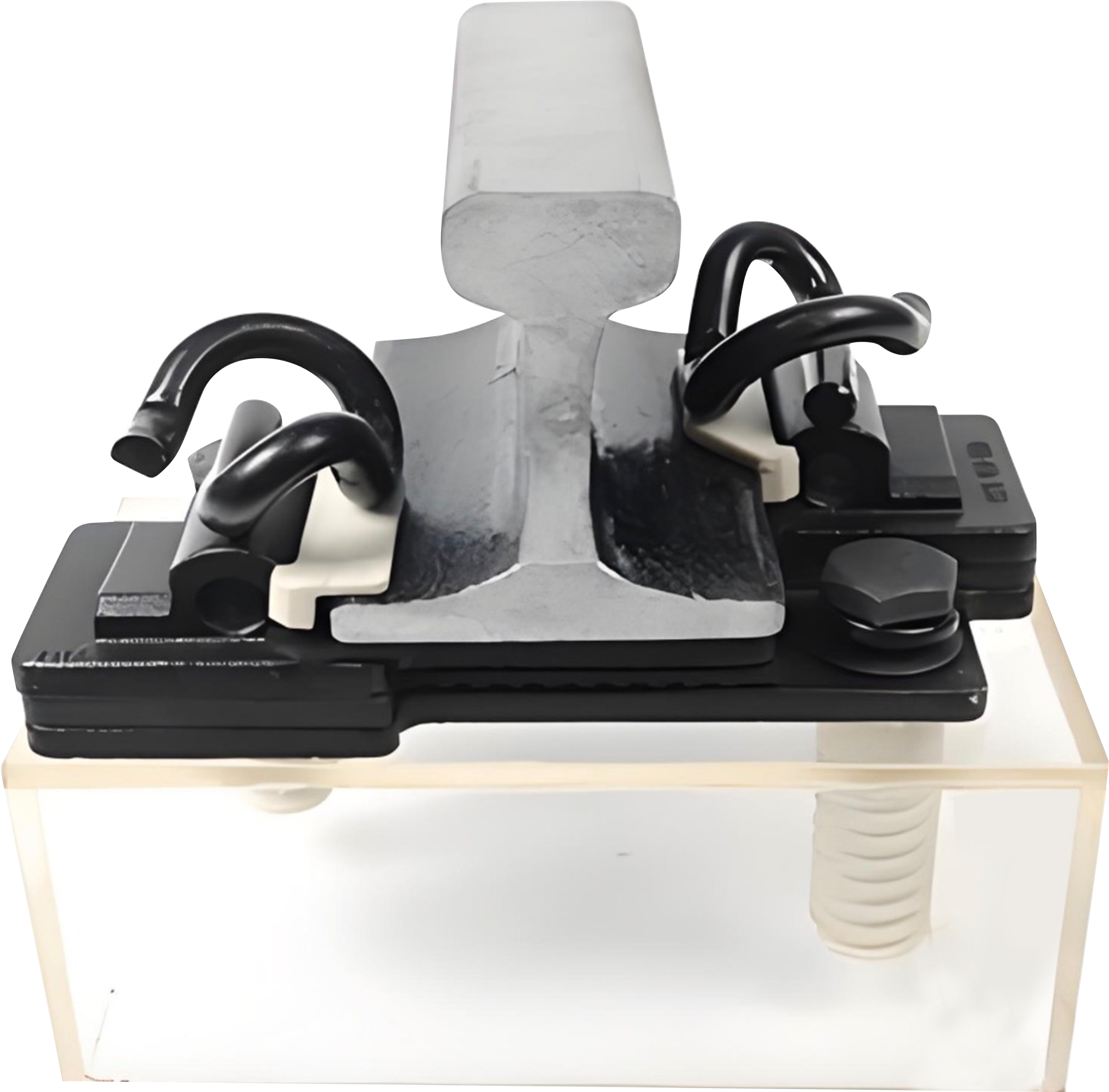
Modern railway infrastructure demands materials that balance performance, cost-effectiveness, and environmental sustainability. The choice between composite and rubber rail pads has become increasingly important for rail operators worldwide. A rail p...
VIEW MORE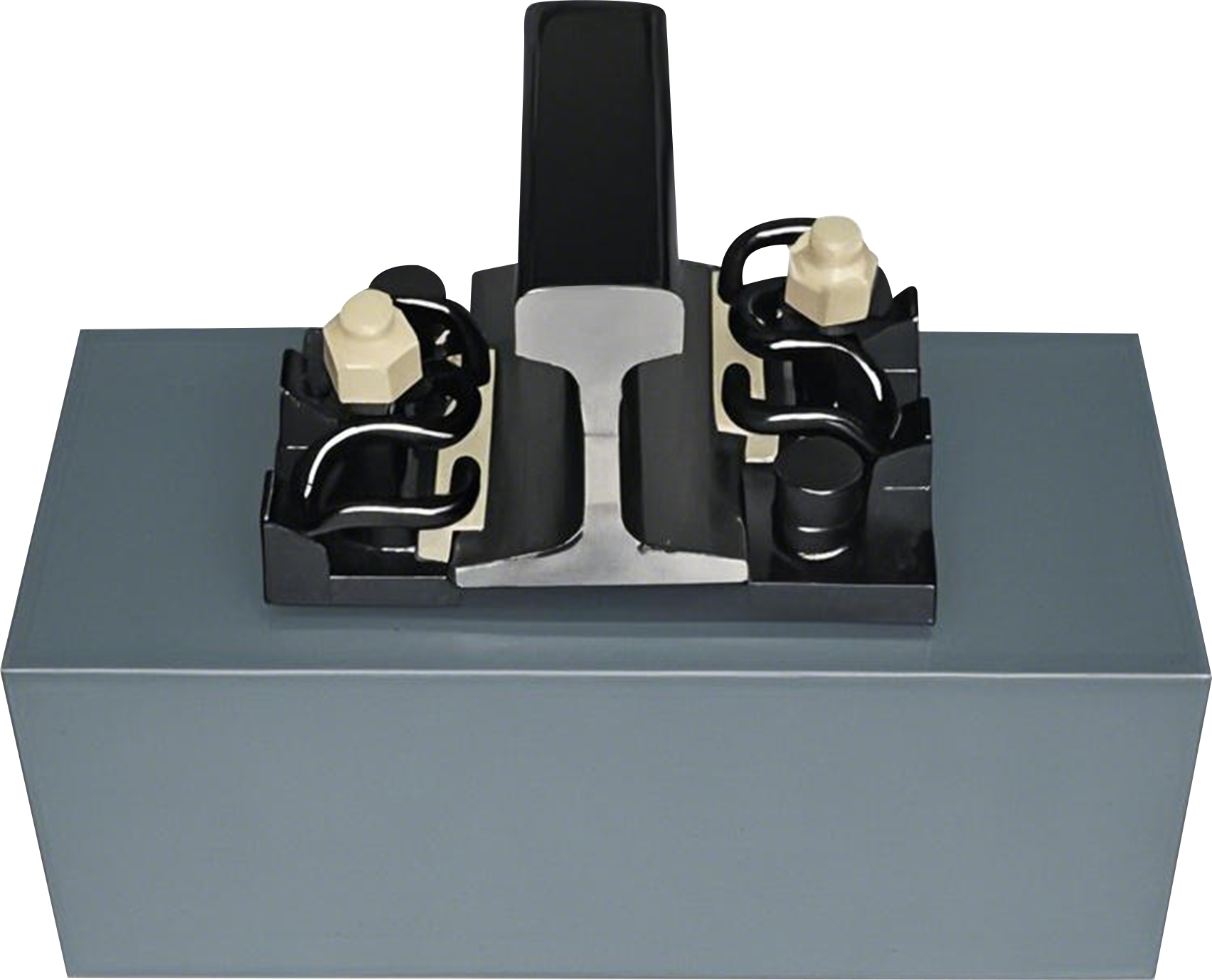
A rail pad serves as a critical interface between the rail and the sleeper or fastening system, absorbing vibrations and distributing loads while protecting railway infrastructure from premature deterioration. Understanding what factors determine rai...
VIEW MORE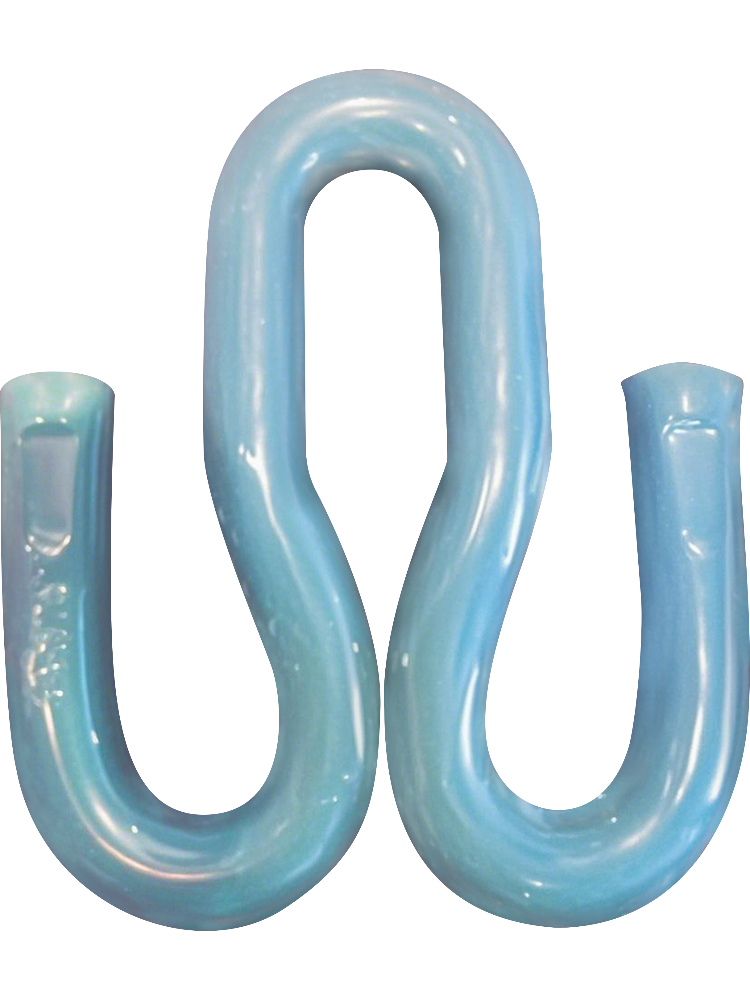
Selecting the right track clips for a specific rail fastening system is one of the most consequential decisions in any railway track construction or maintenance project. The wrong match can lead to rail instability, accelerated wear, noise issues, an...
VIEW MORE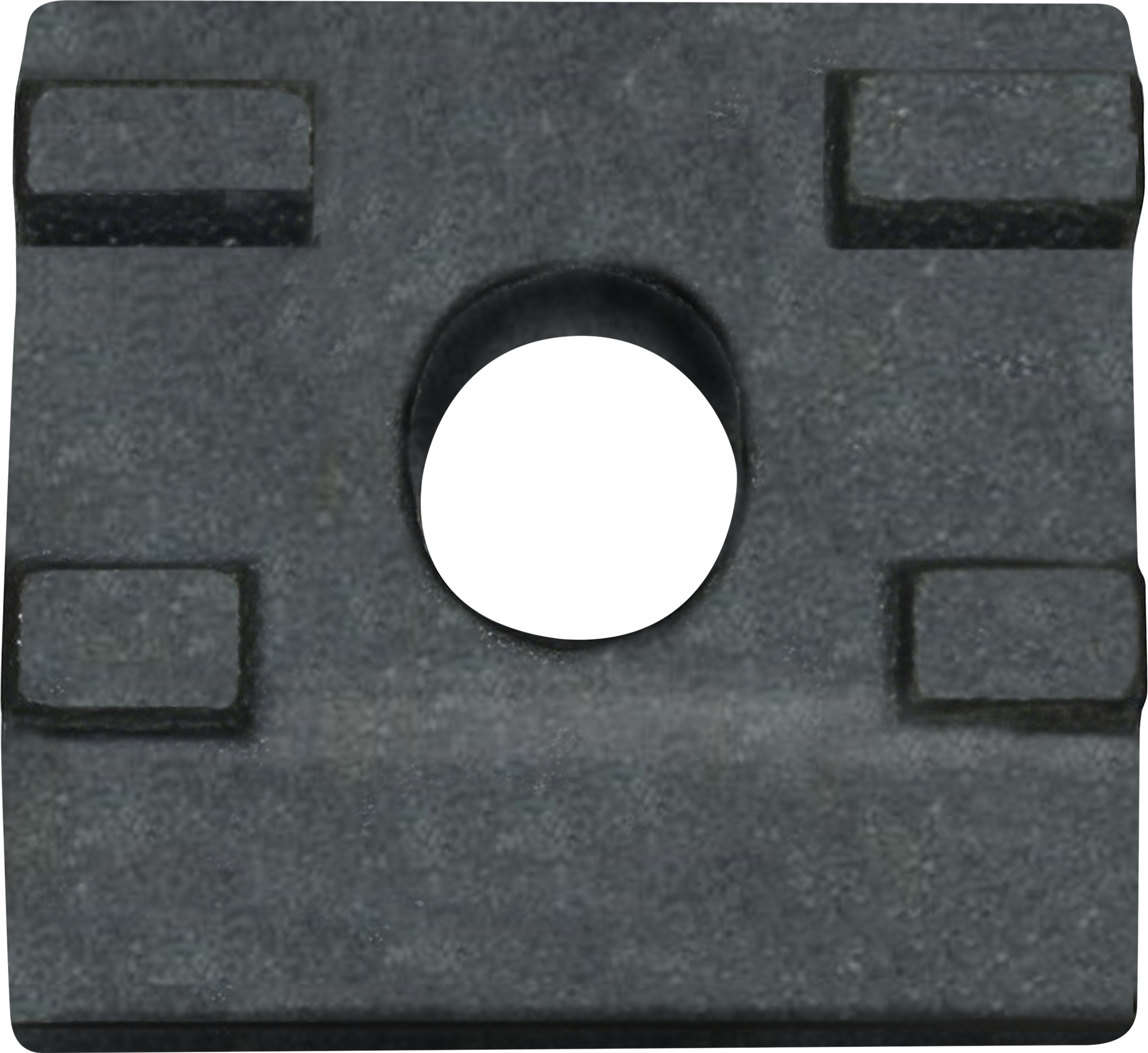
Purchasing a nylon sleeve in bulk is a significant commitment for any industrial buyer. Whether you are sourcing components for machinery, automotive assemblies, or structural applications, the quality of every nylon sleeve directly affects system pe...
VIEW MORE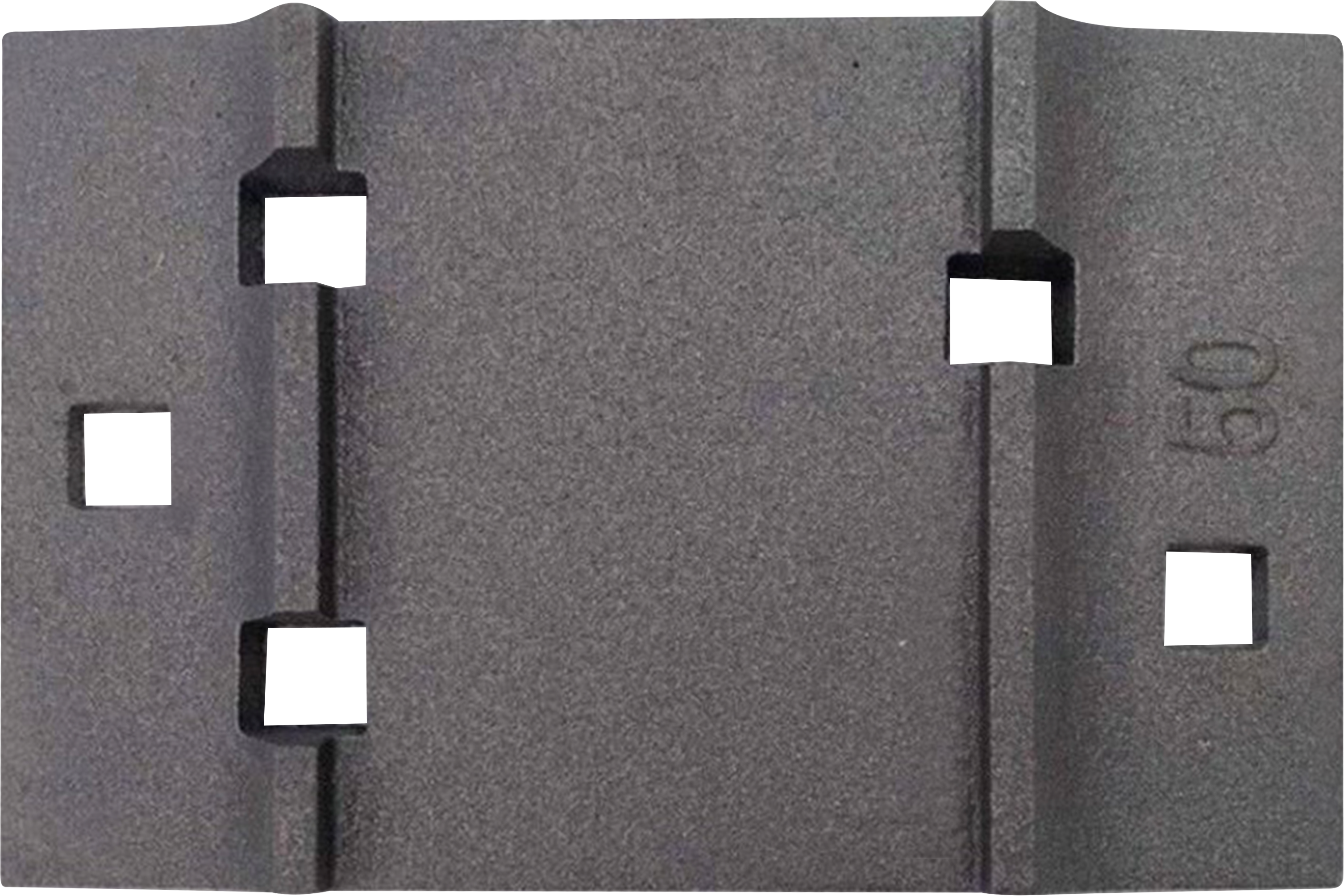
In track assemblies operating under continuous load and movement, metal-to-metal contact is one of the most damaging wear mechanisms engineers face. nylon sleeves have become a widely accepted engineering solution for interrupting direct contact betw...
VIEW MORE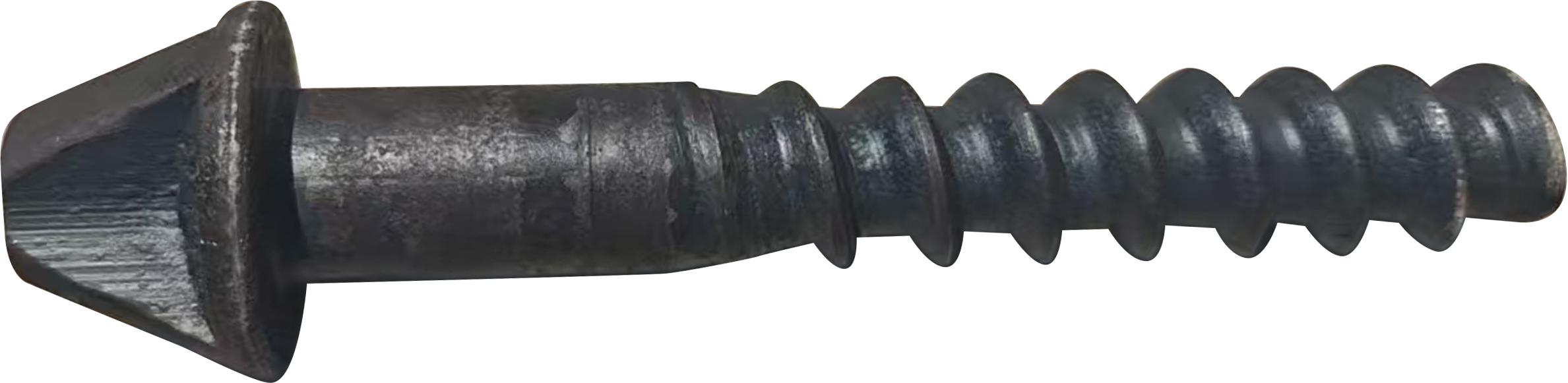
When engineers need reliable fastening performance in mechanical assemblies, nylon sleeves consistently emerge as a practical and effective solution. These compact cylindrical components are designed to sit between fasteners and structural surfaces, ...
VIEW MORE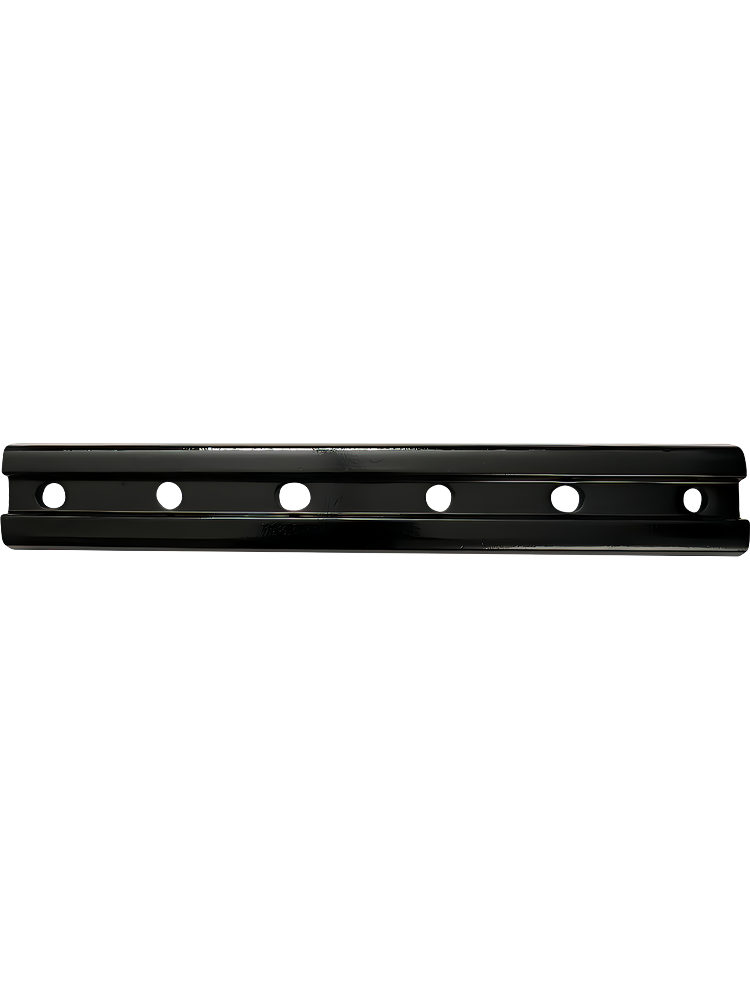
Across the world, railway networks operate on different track widths, and the components that hold those tracks in place must be equally versatile. railroad tie plates are among the most critical of those components. These flat, load-distributing ste...
VIEW MORE
A rail pad is one of the most strategically important components in modern railway track systems. Positioned directly beneath the rail and above the concrete or steel sleeper, each rail pad acts as a critical buffer between the rail and the supportin...
VIEW MORE
Inspecting railroad tie plates during routine track maintenance is essential for ensuring rail infrastructure safety and operational reliability. Railroad tie plates serve as critical fastening components that distribute rail loads across wooden or c...
VIEW MORE
In railway engineering, the ability of a rail system to handle thermal movement without compromising structural integrity is one of the most critical performance factors. Steel rails expand in summer heat and contract in winter cold, creating forces ...
VIEW MORE
When engineers and track maintenance teams evaluate the service life of a railway fastening system, railroad tie plates consistently emerge as one of the most consequential components in the entire assembly. These load-bearing interface elements sit ...
VIEW MORE