
 EN
EN
Quick Links
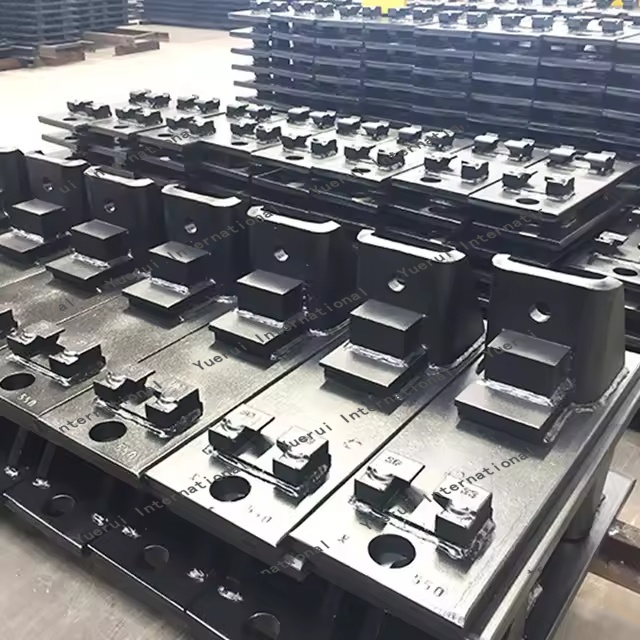
When engineers and infrastructure planners assess the longevity of railways, industrial flooring systems, and heavy-load structures, the conversation often gravitates toward visible components — rails, beams, and fasteners. Yet it is frequently...
VIEW MORE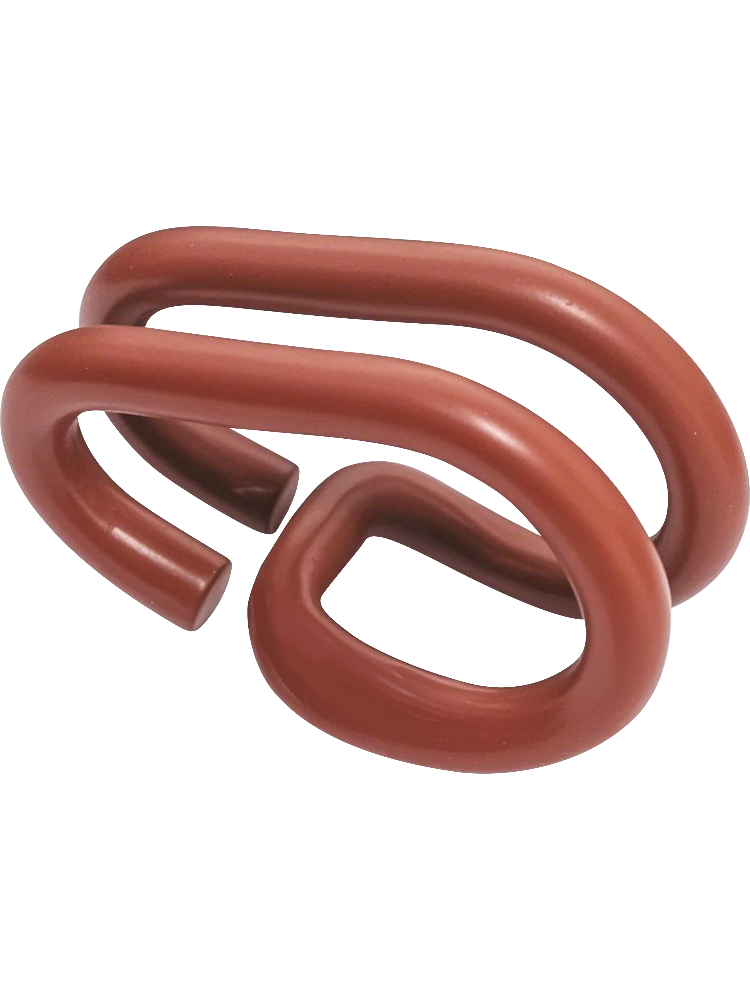
In rail construction and maintenance, every component in the fastening system plays a critical role in maintaining track geometry and operational safety. Among these components, track clips are one of the most mechanically active elements, responsibl...
VIEW MORE
In railway and industrial rail systems, track clips serve as the critical fastening components that hold rails firmly to sleepers or tie plates, maintaining the geometry and stability of the entire track structure. When these components perform corre...
VIEW MORE
Railway infrastructure demands exceptional durability to withstand environmental stresses, mechanical loads, and chemical exposure over decades of service. Base plates, which anchor rails to sleepers and distribute loads across the track structure, f...
VIEW MORE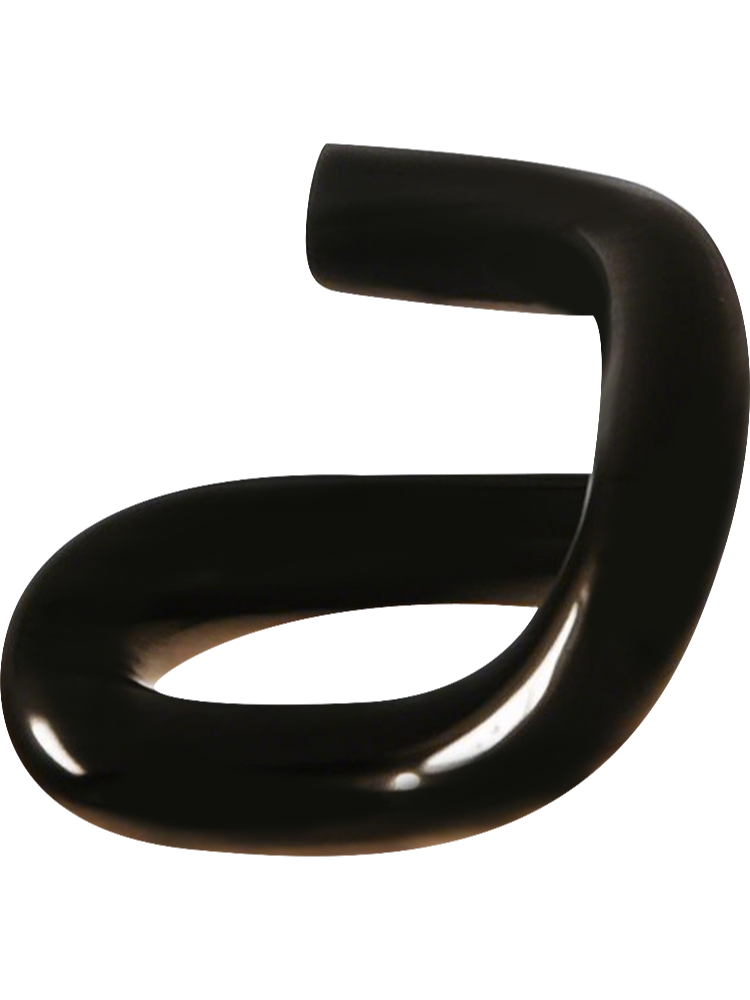
Modern railway infrastructure relies on precise and efficient installation methods to ensure safety and longevity. The process of securing track clips has evolved dramatically from manual labor to sophisticated automated systems. These technological ...
VIEW MORE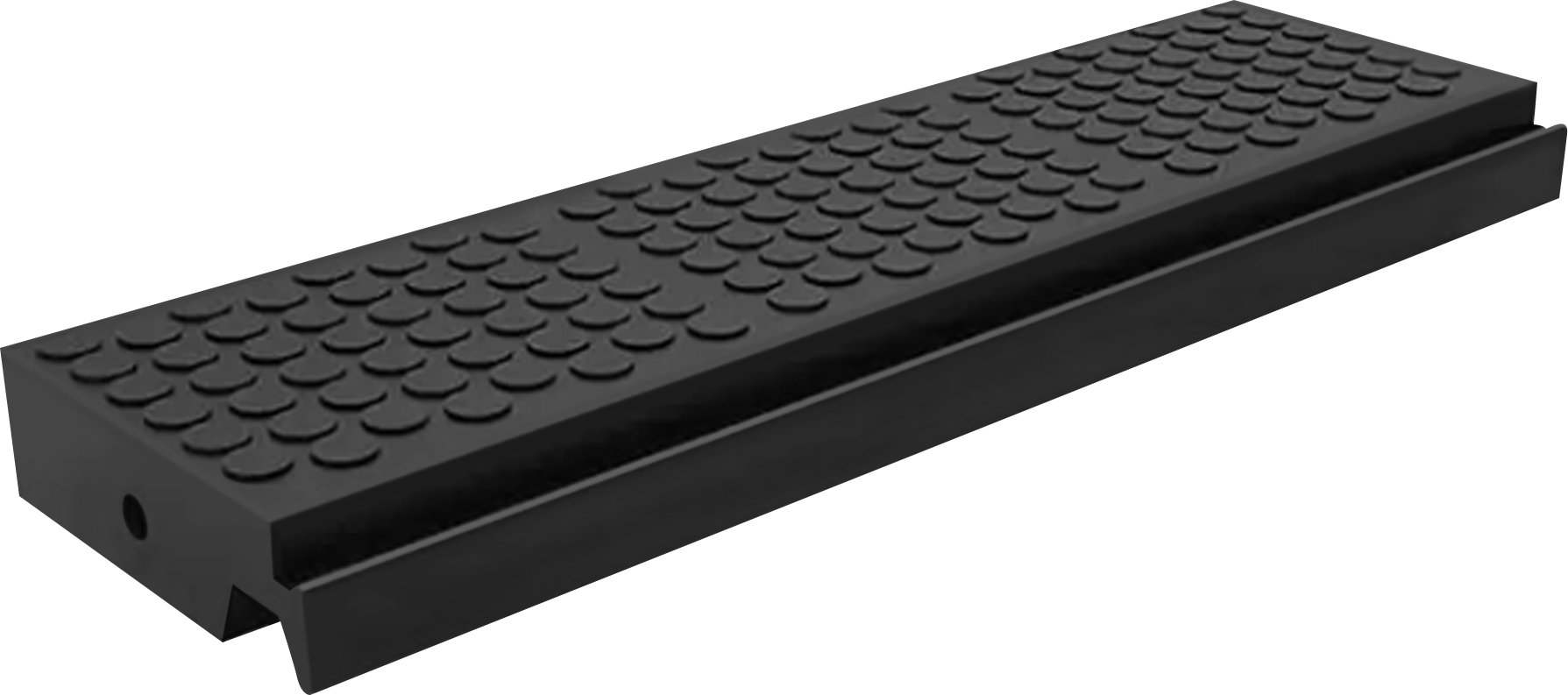
In the world of railway engineering, the smallest components often carry the greatest structural responsibility. Rail plates are a prime example — modest in appearance but critical in function. These components sit at the interface between the ...
VIEW MORE
Railway construction projects often operate under tight deadlines, with infrastructure development timelines that leave little room for delays. When urgent railway construction needs arise, whether from emergency repairs, rapid transit expansions, or...
VIEW MORE
In rail infrastructure and structural engineering, ensuring that a base plate works seamlessly with its fastening components is one of the most critical yet frequently underestimated steps in the assembly process. A mismatch between the base plate an...
VIEW MORE
When engineers and procurement specialists evaluate track infrastructure, one of the most consequential decisions involves selecting the right rail plates for the specific system in question. These seemingly straightforward components play a critical...
VIEW MORE
Rail clamps serve as critical fastening components in railway track systems, designed to secure rails to sleepers or base plates while accommodating the dynamic forces generated by moving trains. In extreme construction environments—characteriz...
VIEW MORE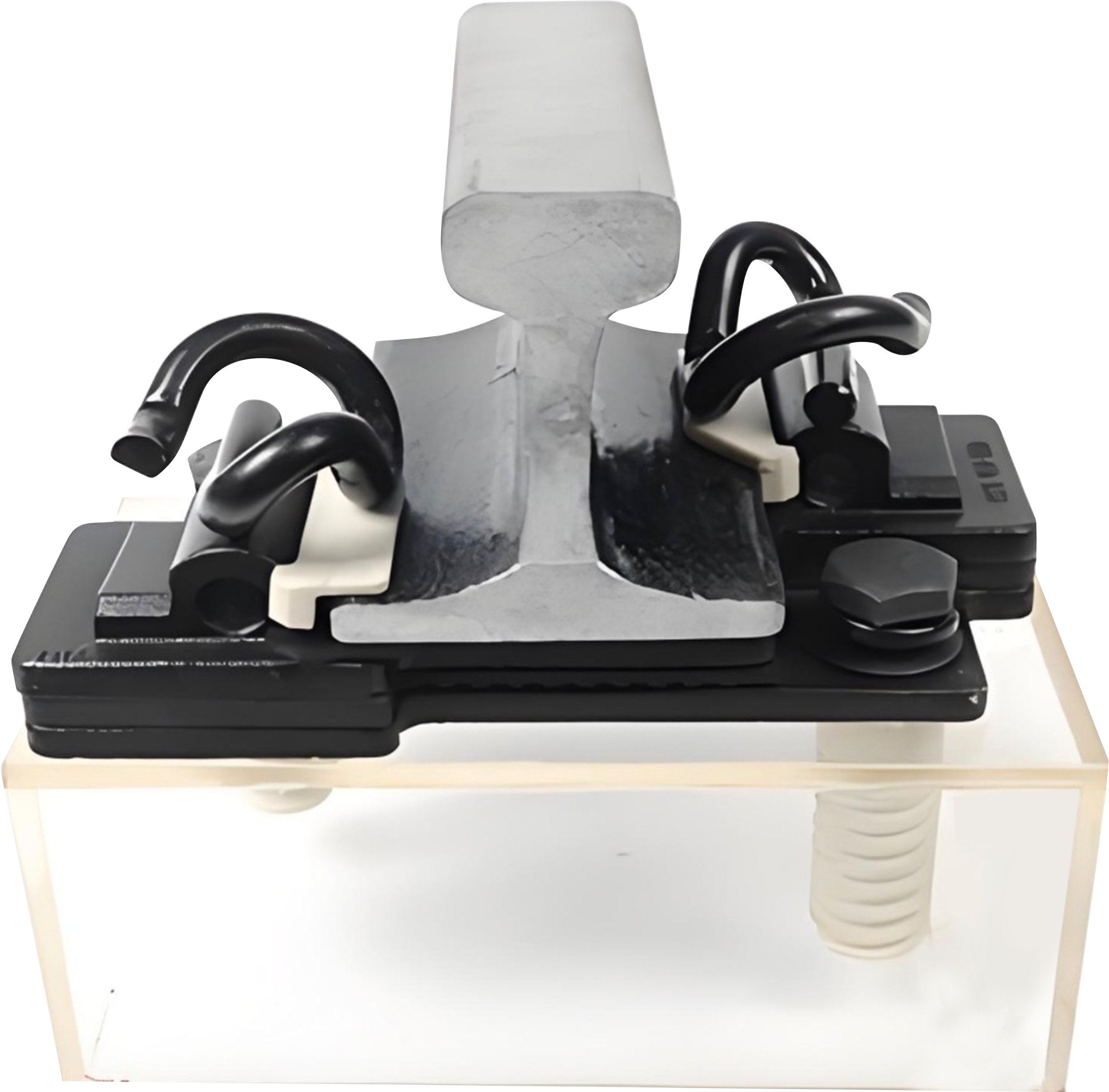
The integrity of any railway system begins not with locomotives or signaling technology, but with the smallest mechanical components holding the track together. Rail fittings — the clips, fasteners, bolts, tie plates, and related hardware that ...
VIEW MORE
The engineering demands placed on rail fittings differ dramatically depending on whether a railway is designed to move passengers at 300 kilometers per hour or haul thousands of tons of cargo across continental distances. These two railway categories...
VIEW MORE