Railroad Tie Plate: Essential Railway Infrastructure Components for Superior Track Performance

All Categories

railroad tie plate

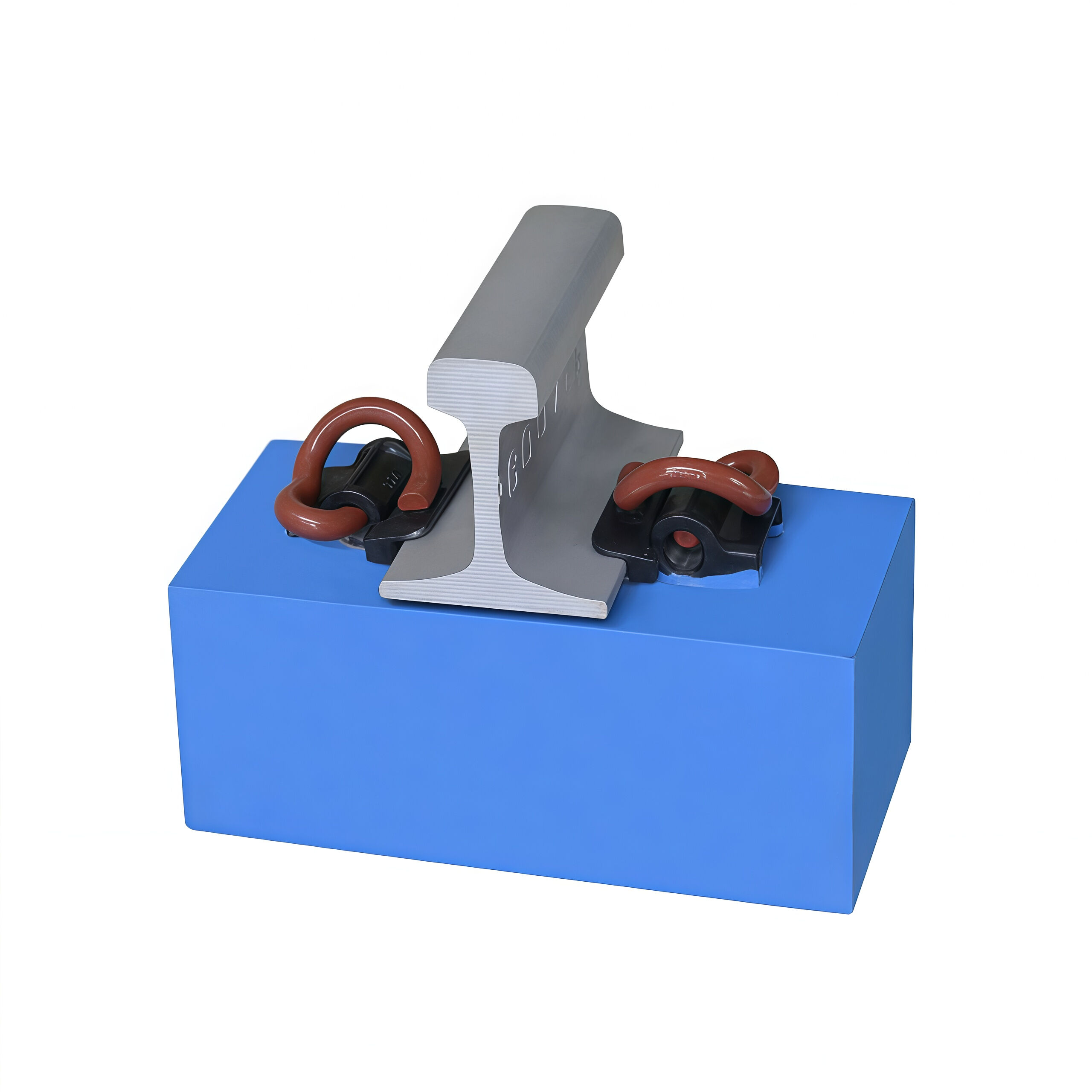
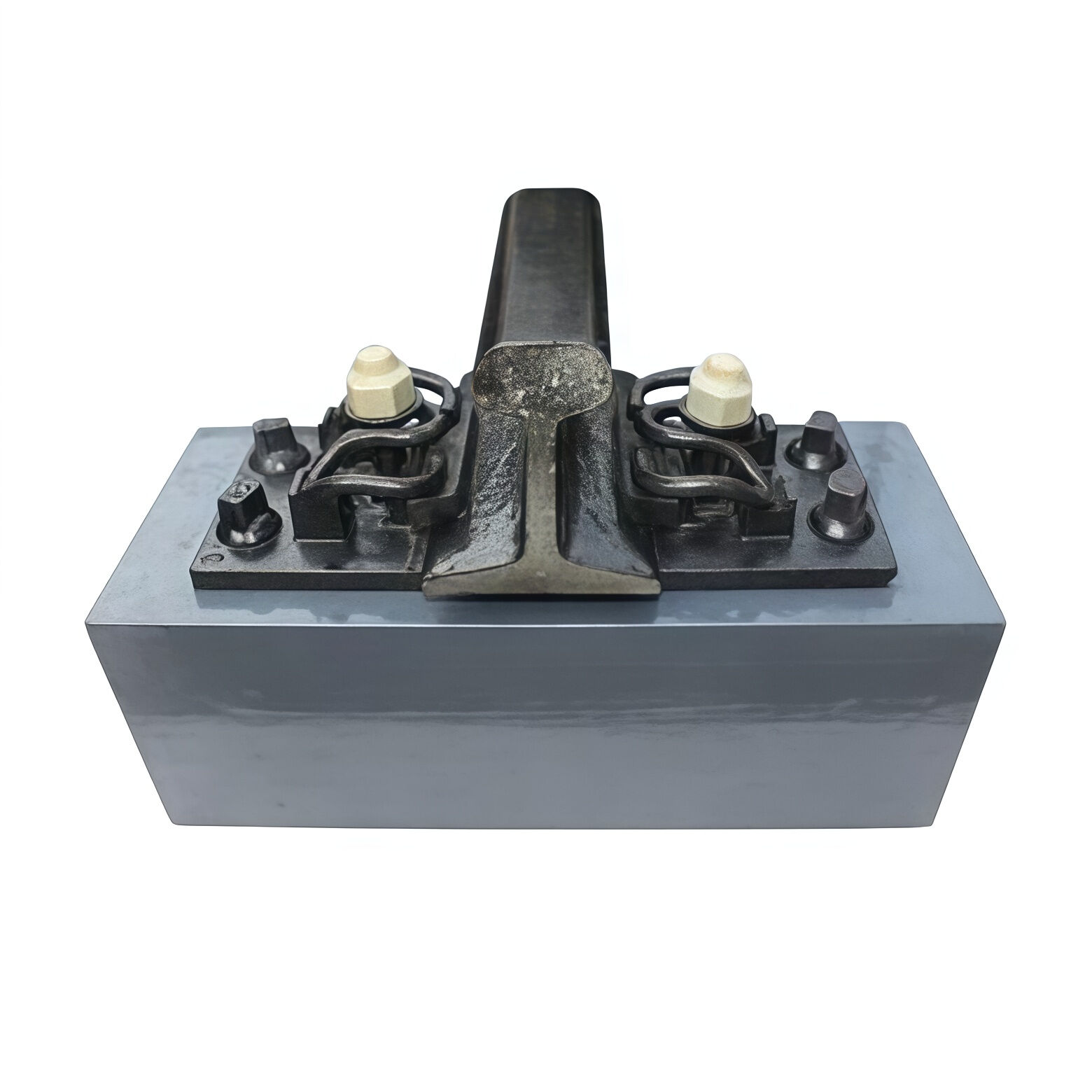
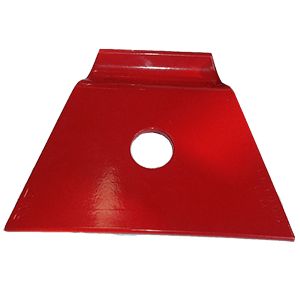
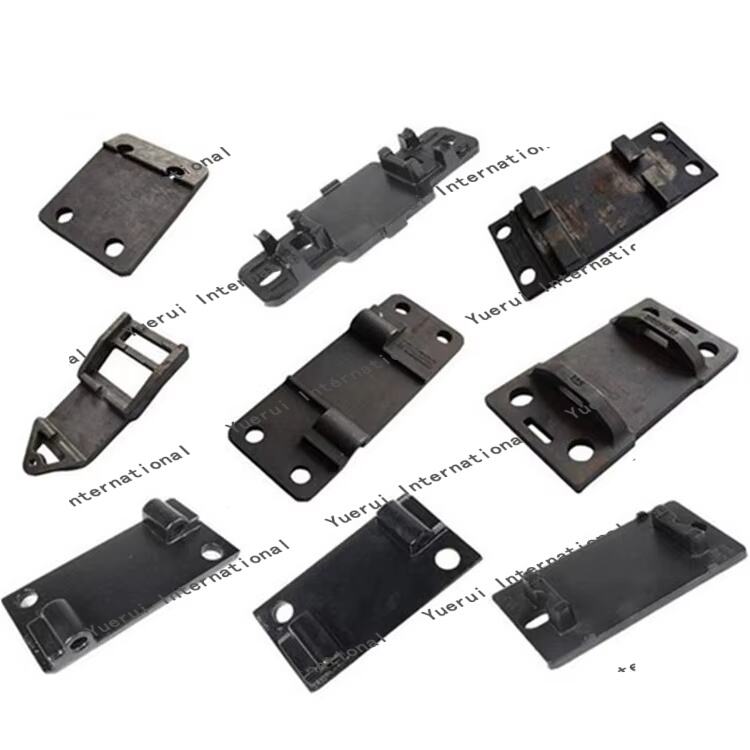
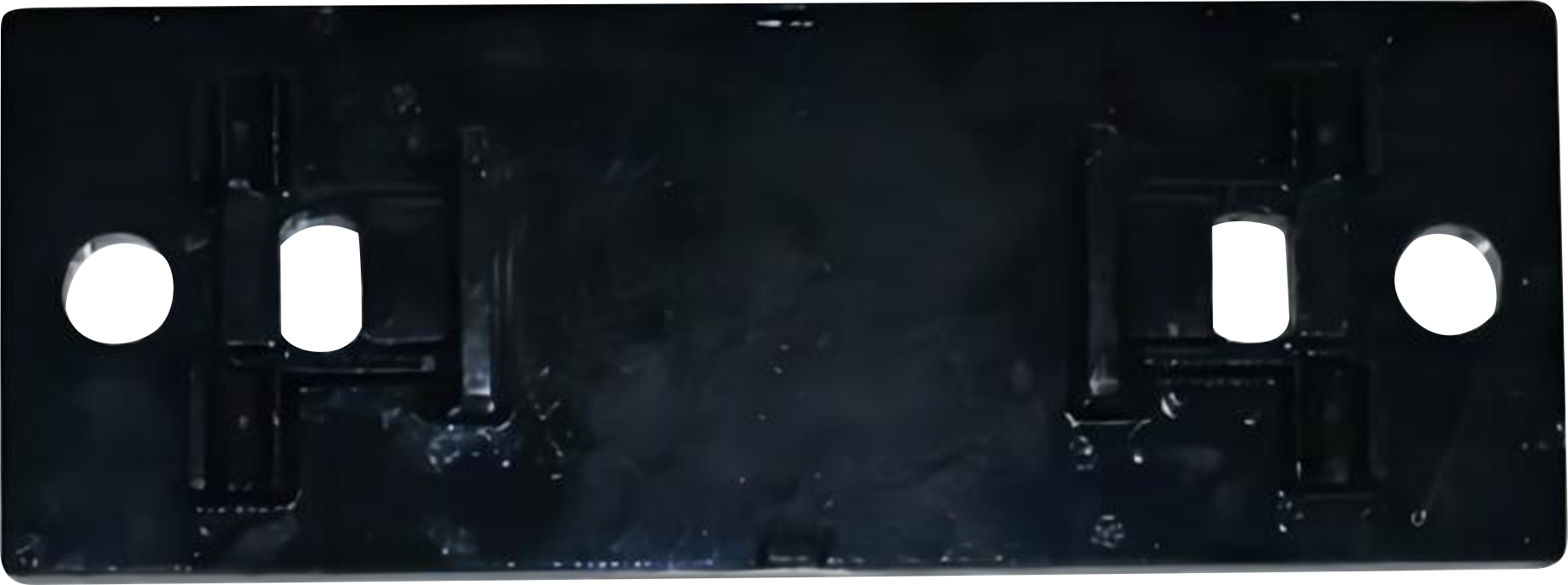
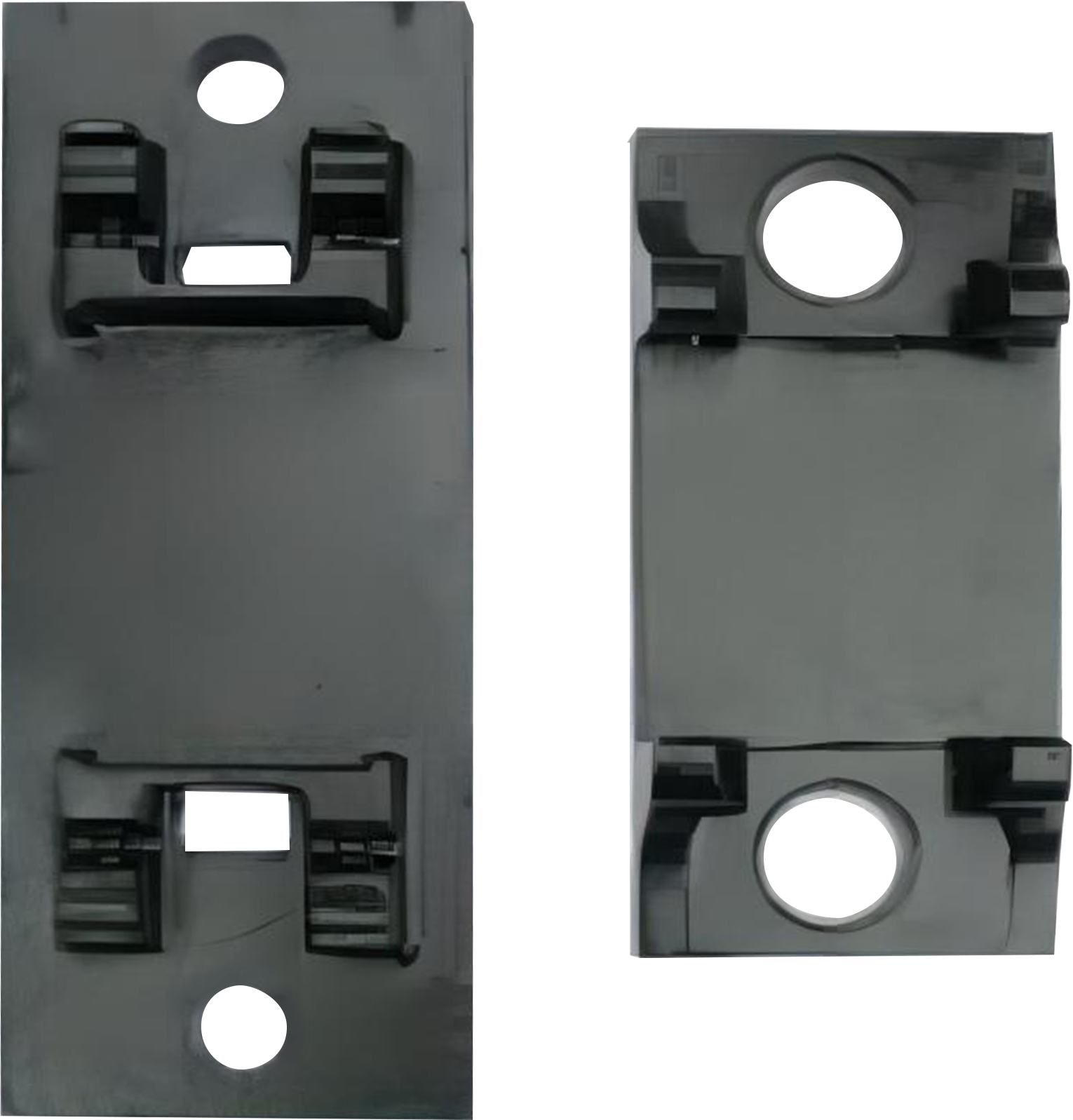
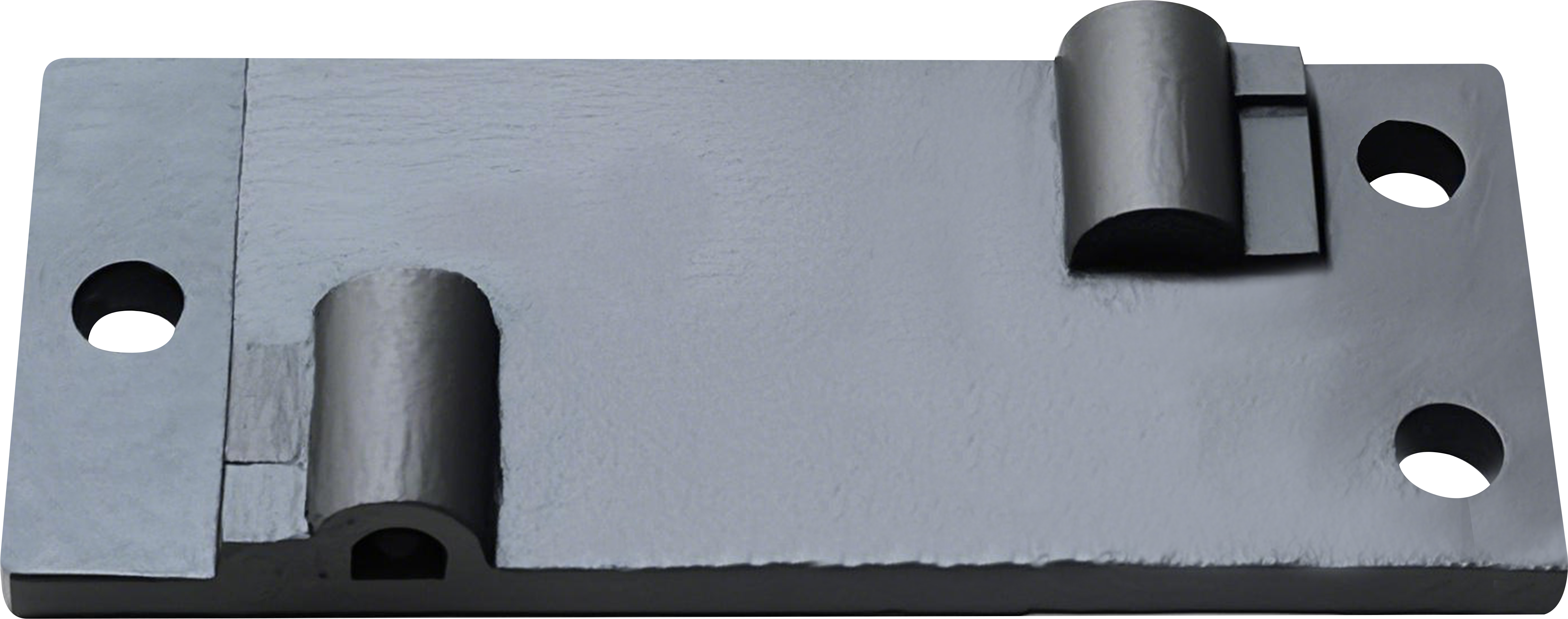
A railroad tie plate serves as a critical foundation component in railway infrastructure, positioned between railroad ties and rail tracks to ensure optimal performance and safety. This essential hardware piece functions as an intermediary support system that distributes the substantial weight and dynamic forces generated by passing trains across a broader surface area. The railroad tie plate effectively transfers loads from the rails to the wooden or concrete ties beneath, preventing concentrated stress points that could lead to premature deterioration or structural failure. Modern railroad tie plate designs incorporate advanced metallurgical engineering, utilizing high-grade steel alloys that resist corrosion, wear, and extreme weather conditions. These plates feature precisely engineered dimensions and mounting configurations that accommodate various rail profiles and tie specifications. The surface of each railroad tie plate includes strategically positioned spike holes or bolt patterns that secure the rails firmly in place while allowing for thermal expansion and contraction. Manufacturing processes for railroad tie plate production involve hot rolling or pressing techniques that create uniform thickness and consistent material properties throughout each unit. Quality control measures ensure that every railroad tie plate meets stringent industry standards for dimensional accuracy, material composition, and mechanical strength. The installation process requires careful alignment and proper fastening techniques to achieve optimal performance characteristics. Railroad tie plate systems contribute significantly to track stability by maintaining proper gauge width and preventing lateral rail movement under heavy loads. These components also provide electrical isolation between rails in certain applications, supporting signal systems and preventing unwanted current flow. The durability of railroad tie plate installations directly impacts maintenance schedules and operational costs, making material selection and proper installation techniques crucial factors in railway system performance. Regular inspection and replacement protocols help ensure continued safety and efficiency in rail transportation networks worldwide.

Popular Products

Railroad tie plate systems deliver substantial economic benefits by extending the operational lifespan of railway infrastructure through superior load distribution mechanisms. These components reduce maintenance costs significantly by preventing premature wear and damage to expensive railroad ties and rail sections. The enhanced stability provided by railroad tie plate installations minimizes track deformation under heavy freight loads, reducing the frequency of costly track realignment procedures. Railway operators experience fewer service interruptions when railroad tie plate systems maintain consistent track geometry over extended periods. The corrosion-resistant properties of modern railroad tie plate materials ensure reliable performance in challenging environmental conditions, including extreme temperatures, moisture, and chemical exposure. Installation efficiency improves dramatically with standardized railroad tie plate designs that accommodate multiple rail profiles and tie configurations. Workers can complete track construction and maintenance projects faster using pre-engineered railroad tie plate systems that eliminate custom fabrication requirements. The uniform load distribution characteristics of railroad tie plate installations prevent localized stress concentrations that commonly cause tie splitting and rail seat deterioration. Safety improvements result from the enhanced track stability that railroad tie plate systems provide during high-speed train operations and heavy freight movements. Electrical isolation capabilities in specialized railroad tie plate designs support advanced signaling systems while maintaining structural integrity. The replaceable nature of railroad tie plate components allows for targeted maintenance without requiring complete track reconstruction. Railway companies achieve better return on infrastructure investments when railroad tie plate systems extend the service life of expensive rail and tie materials. Standardized dimensions and mounting patterns in railroad tie plate manufacturing reduce inventory costs and simplify procurement processes. The proven performance record of railroad tie plate installations provides confidence for railway planners designing new routes and upgrading existing systems. Environmental benefits emerge from reduced material consumption when railroad tie plate systems prevent premature component replacement. Quality assurance programs ensure consistent performance across railroad tie plate product lines, supporting predictable maintenance schedules and operational planning.

Latest News

How Do Baseplates Improve Stability and Safety in Railway Construction?

18

Dec

How Do Baseplates Improve Stability and Safety in Railway Construction?

Railway infrastructure forms the backbone of modern transportation systems, where every component plays a crucial role in ensuring safe and efficient operations. Among these essential components, railway baseplates serve as fundamental elements that ...
View More
How Do Dog Spikes Affect Track Alignment and Train Safety?

18

Dec

How Do Dog Spikes Affect Track Alignment and Train Safety?

Railway infrastructure depends on countless components working in harmony to ensure safe and efficient train operations. Among these critical elements, the dog spike stands as one of the most fundamental yet often overlooked fastening systems that se...
View More
What materials are best for corrosion-resistant track pins in railways?

20

Apr

What materials are best for corrosion-resistant track pins in railways?

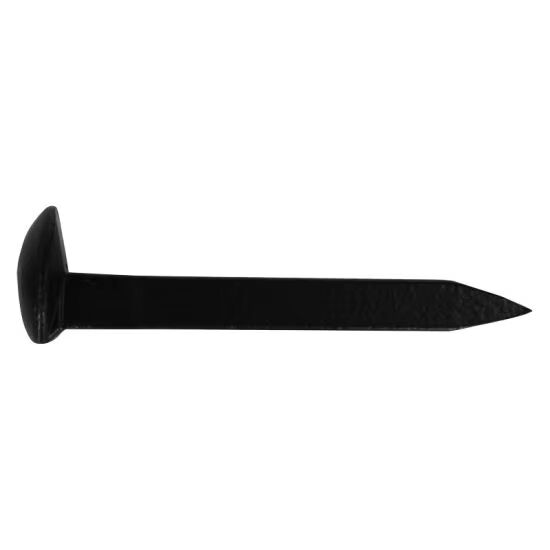
Railway infrastructure faces constant exposure to harsh environmental conditions, making material selection critical for long-term performance and safety. Track pins, essential components that secure rails to railroad ties, must withstand not only me...
View More
What installation spacing is recommended for rail anchors in railways?

20

Apr

What installation spacing is recommended for rail anchors in railways?

Railway track stability relies heavily on proper installation spacing of rail anchors, which serve as critical components in maintaining gauge and preventing rail movement. The recommended spacing for rail anchors varies based on track classification...
View More

Get a Free Quote

Our representative will contact you soon.
Email
Name
Company Name
Message
0/1000

railroad tie plate

Superior Load Distribution Technology

Superior Load Distribution Technology

The railroad tie plate excels in distributing concentrated rail loads across wider surface areas, fundamentally transforming how railway infrastructure handles the tremendous forces generated by modern train operations. This advanced load distribution capability stems from precision-engineered base dimensions that maximize contact area with supporting ties while maintaining optimal structural integrity. The railroad tie plate design incorporates carefully calculated thickness profiles that gradually transition forces from narrow rail contact points to broader tie interfaces, eliminating stress concentration points that traditionally cause infrastructure failure. Manufacturing processes utilize specialized forming techniques to create consistent load-bearing surfaces across each railroad tie plate, ensuring uniform performance characteristics throughout the installation. The metallurgical composition of railroad tie plate materials provides exceptional strength-to-weight ratios, enabling effective load distribution without adding unnecessary mass to track structures. Engineering analysis demonstrates that railroad tie plate systems reduce peak stress levels in supporting ties by up to sixty percent compared to direct rail-to-tie contact configurations. This dramatic stress reduction translates directly into extended component lifecycles and reduced maintenance requirements for railway operators. The geometric design of railroad tie plate installations creates multiple load transfer paths that continue functioning even if individual fasteners or connection points experience wear or damage. Quality testing protocols verify load distribution performance under simulated operational conditions, confirming that railroad tie plate systems maintain structural integrity across expected service lifespans. Field performance data consistently shows improved track stability and reduced deformation rates when railroad tie plate components replace traditional direct mounting methods. The economic impact of superior load distribution extends beyond immediate material savings to encompass reduced labor costs, decreased service interruptions, and improved operational reliability for railway networks worldwide.
Enhanced Durability and Weather Resistance

Enhanced Durability and Weather Resistance

Railroad tie plate manufacturing incorporates advanced material science principles to deliver exceptional durability performance under the harshest operational environments encountered in railway applications. The steel alloy composition used in railroad tie plate production includes carefully balanced carbon content, manganese additives, and specialized treatments that resist corrosion, wear, and fatigue failure modes. Surface treatment processes applied to railroad tie plate components create protective barriers against moisture penetration, chemical attack, and atmospheric oxidation that commonly degrade railway hardware. Hot-dip galvanizing or specialized coating applications provide additional protection layers that extend railroad tie plate service life in coastal, industrial, or chemically aggressive environments. Thermal cycling resistance ensures that railroad tie plate installations maintain dimensional stability and mechanical properties despite extreme temperature variations encountered in different geographic regions and seasonal conditions. The material selection process for railroad tie plate production considers impact resistance requirements, ensuring components withstand dynamic loading from heavy freight operations and high-speed passenger services. Fatigue testing protocols simulate millions of load cycles to verify that railroad tie plate designs resist crack initiation and propagation under repeated stress applications. Manufacturing quality control measures include hardness testing, tensile strength verification, and impact resistance evaluation to confirm consistent material properties across production batches. Field installations demonstrate that properly specified railroad tie plate systems routinely achieve service lives exceeding twenty-five years in demanding operational environments. The dimensional stability of railroad tie plate components prevents gradual deformation that could compromise track geometry and safety parameters over time. Maintenance intervals extend significantly when railroad tie plate installations resist environmental degradation and mechanical wear, reducing lifecycle costs for railway infrastructure owners. Replacement scheduling becomes more predictable with railroad tie plate systems that exhibit consistent performance characteristics throughout their operational lifespan, supporting efficient maintenance planning and resource allocation strategies.

Versatile Installation and Compatibility Features

Versatile Installation and Compatibility Features

The railroad tie plate system demonstrates remarkable versatility through standardized mounting configurations that accommodate diverse rail profiles, tie materials, and track specifications encountered across modern railway networks. Engineering standards ensure that railroad tie plate designs maintain compatibility with both wooden and concrete tie installations while providing consistent performance characteristics regardless of the underlying support structure. Mounting hole patterns in railroad tie plate components follow industry-standard spacing requirements, enabling seamless integration with existing fastening hardware and installation procedures used by railway maintenance crews. The adaptable design of railroad tie plate systems supports various rail weights and profiles, from light rail transit applications to heavy freight corridors requiring maximum load capacity and durability performance. Installation procedures for railroad tie plate components utilize standard tools and techniques familiar to railway workers, minimizing training requirements and reducing installation time compared to specialized hardware alternatives. Field modifications become unnecessary when railroad tie plate systems accommodate normal variations in tie dimensions and rail positioning through built-in adjustment tolerances and flexible mounting options. Inventory management simplifies significantly when railroad tie plate standardization reduces the number of different components required to support diverse track configurations within a railway network. The modular nature of railroad tie plate installations allows for selective replacement of individual components without disrupting adjacent track sections or requiring extensive reconstruction work. Quality assurance testing confirms that railroad tie plate systems maintain proper rail gauge and alignment across the full range of supported configurations, ensuring safety and operational reliability. Retrofit applications benefit from railroad tie plate compatibility with existing infrastructure, enabling performance upgrades without complete track reconstruction projects. The proven interchangeability of railroad tie plate components supports efficient procurement strategies and reduces spare parts inventory requirements for railway operators. Installation flexibility extends to specialized applications including bridge decks, tunnel sections, and grade crossings where railroad tie plate systems adapt to unique mounting requirements and environmental conditions.

Get a Free Quote

Our representative will contact you soon.
Email
Name
Company Name
Message
0/1000