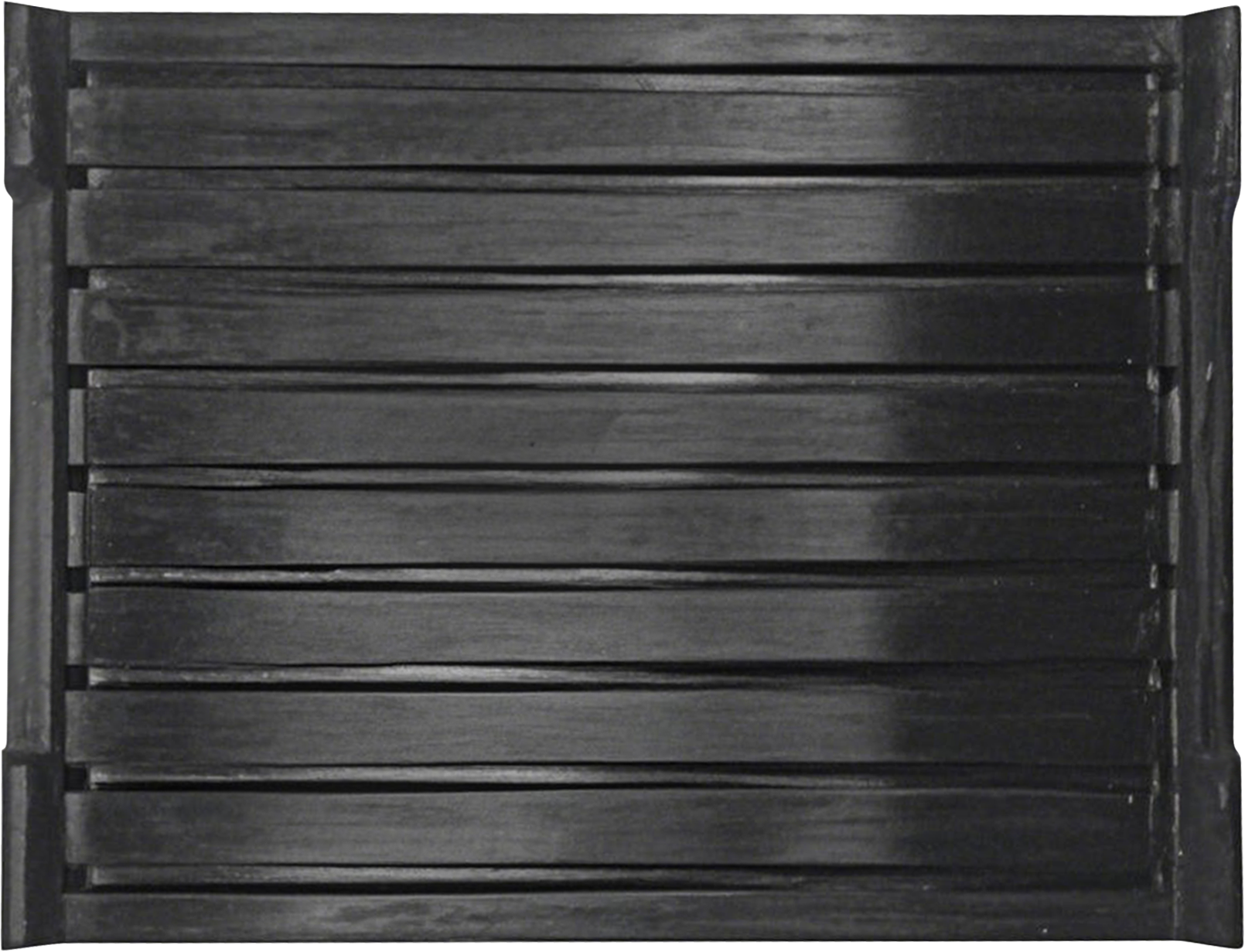
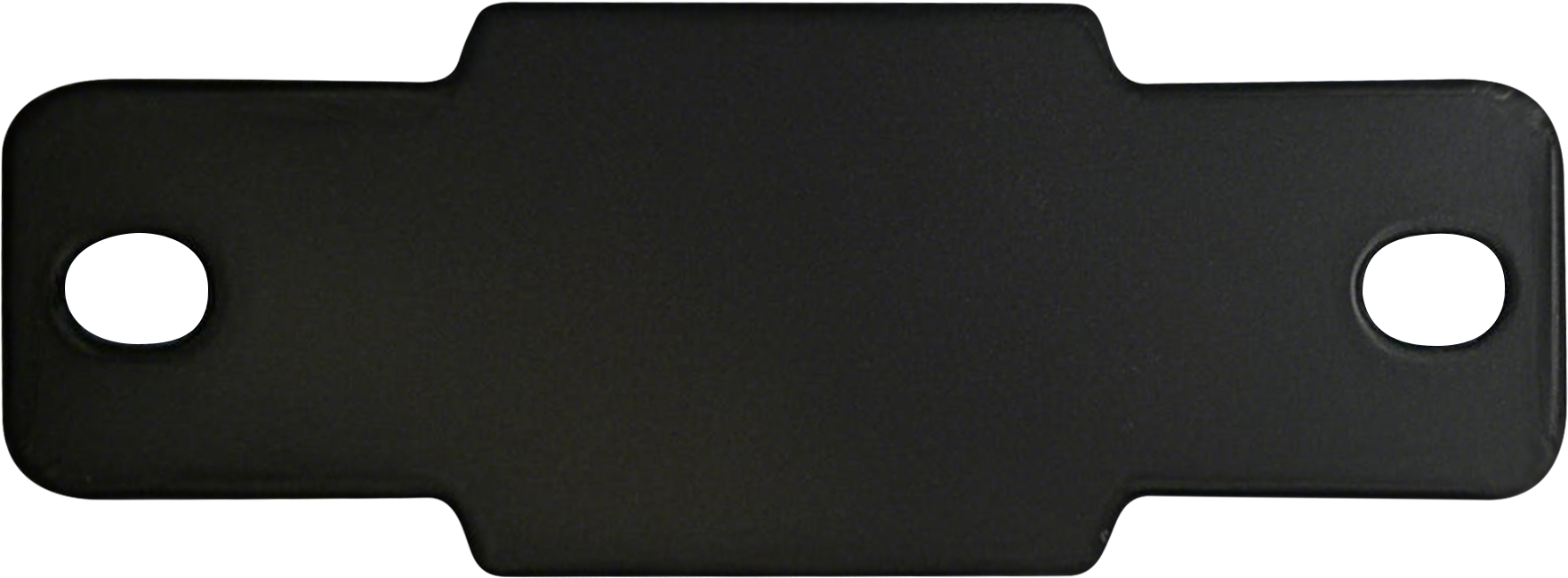
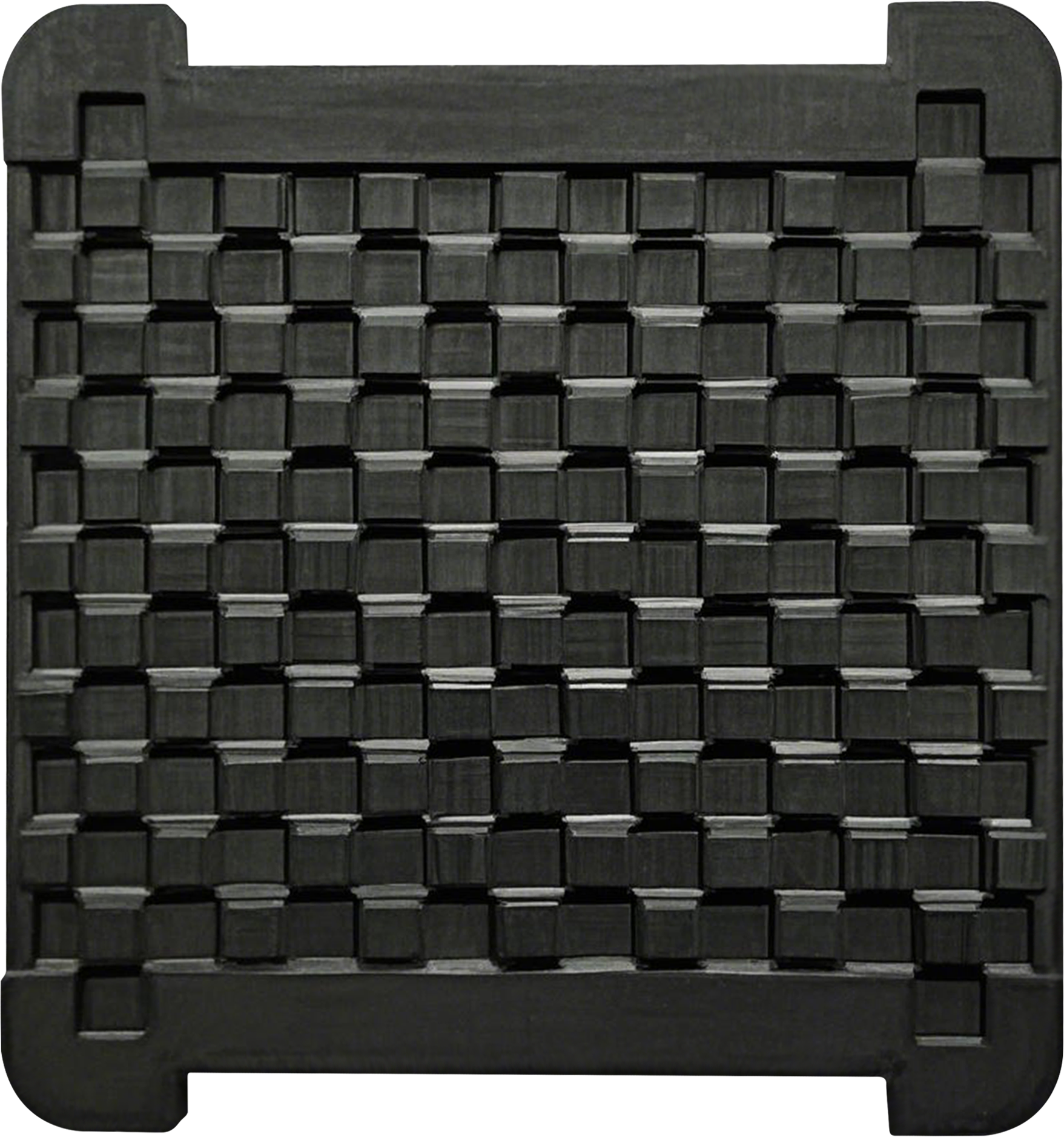
Railroad Track Plate Solutions: Heavy-Duty Steel Plates for Railway Infrastructure

All Categories

railroad track plate

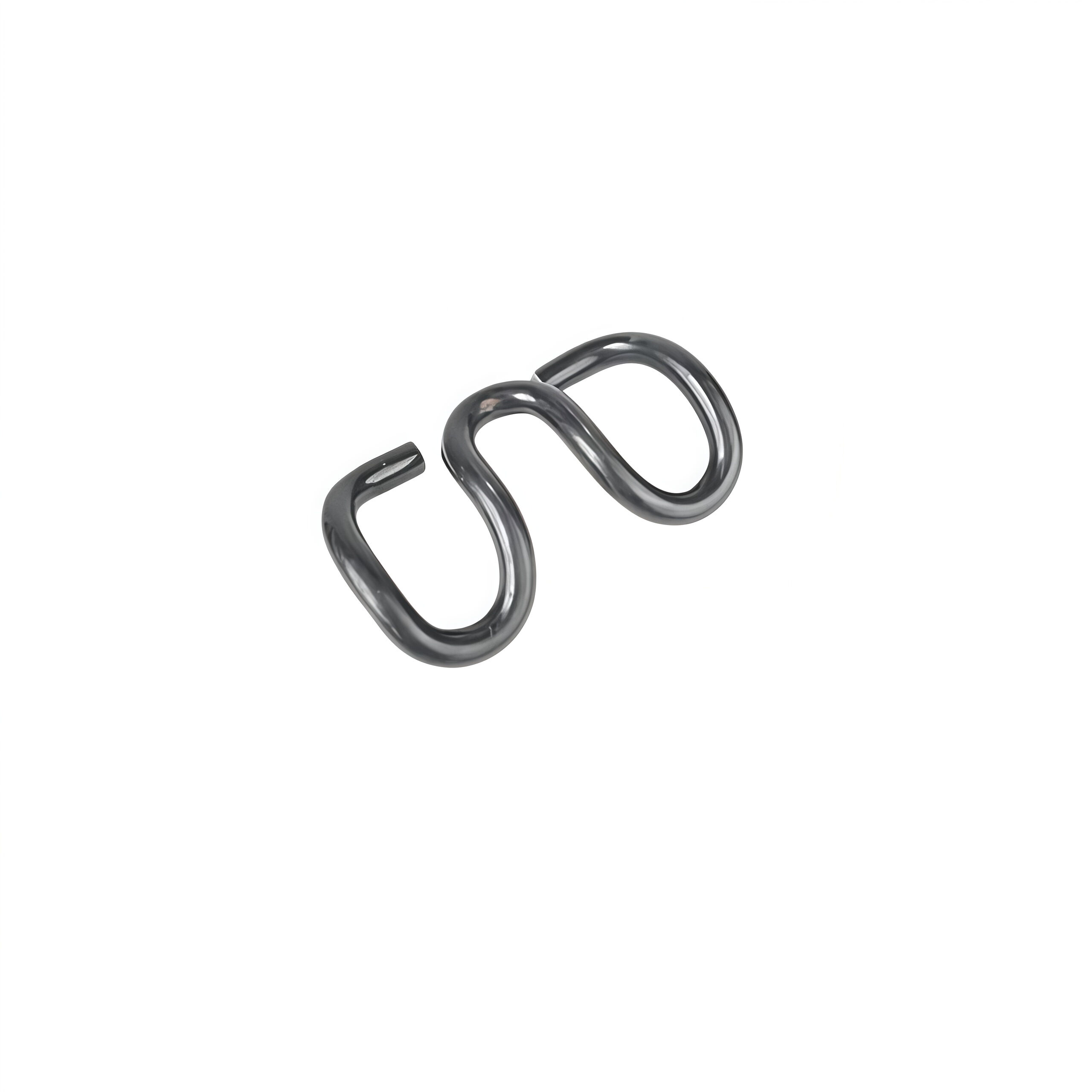
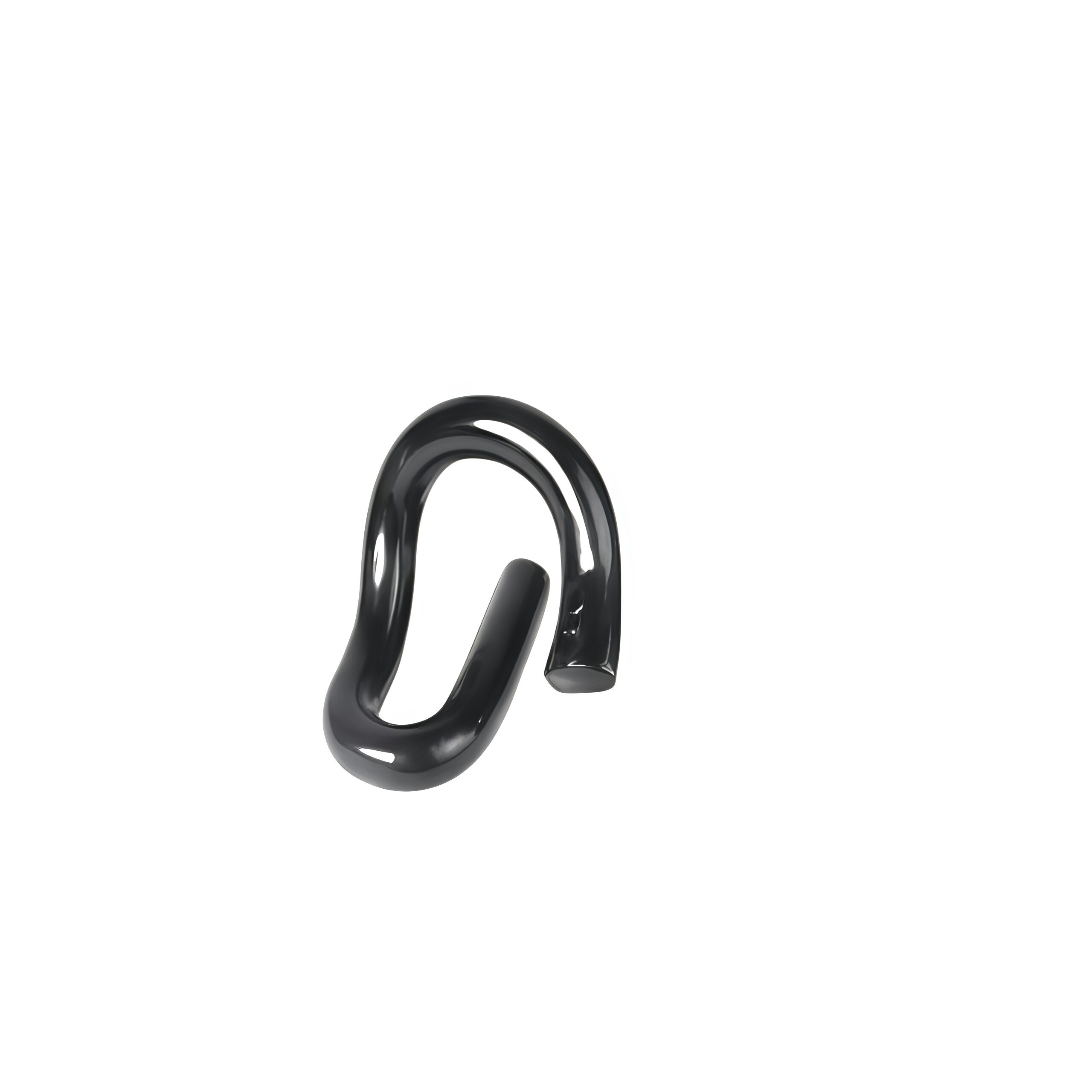
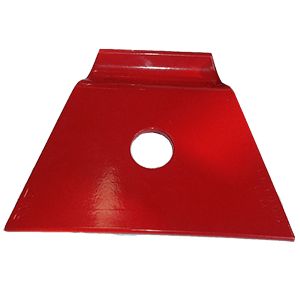
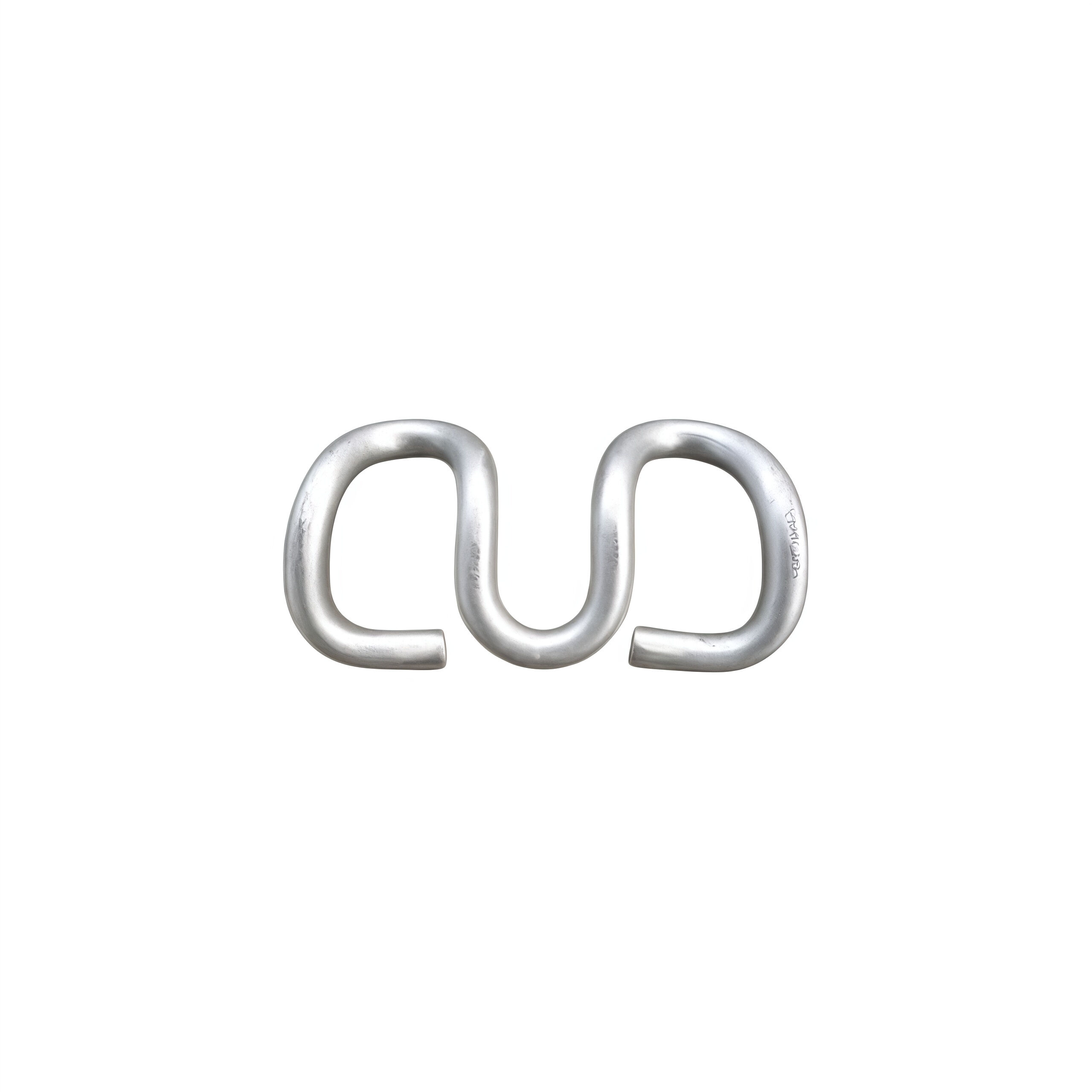
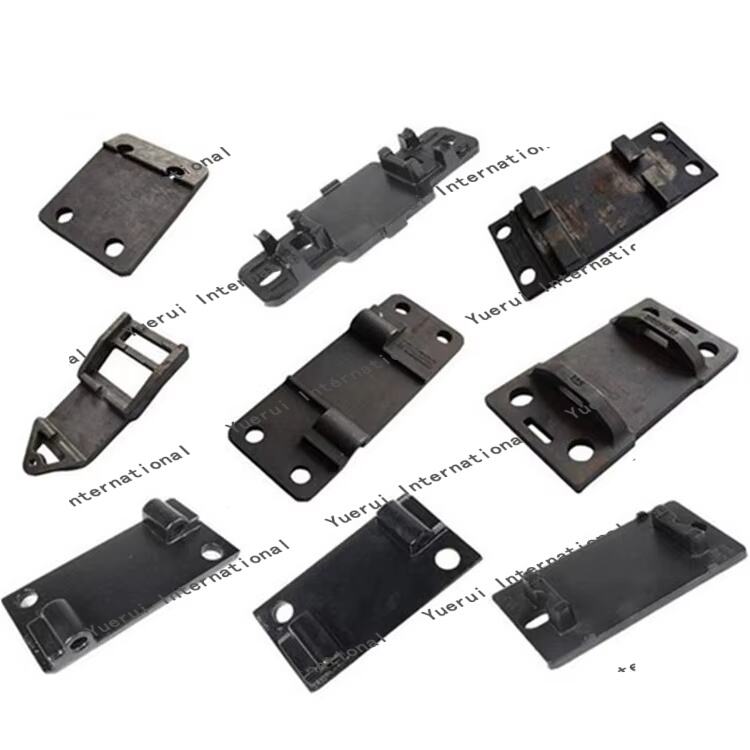
The railroad track plate serves as a fundamental component in railway infrastructure, functioning as a critical connection element between rail tracks and underlying support structures. This essential piece of equipment distributes the immense loads generated by passing trains across a broader surface area, preventing concentrated stress points that could damage both the tracks and foundation materials. Railroad track plates are manufactured from high-grade steel materials, engineered to withstand extreme weather conditions, heavy freight loads, and continuous operational demands. These plates feature precise dimensional specifications that ensure proper alignment and secure attachment to railroad ties, creating a stable foundation for safe train operations. The design incorporates strategic bolt holes and mounting points that facilitate secure installation while allowing for necessary adjustments during maintenance procedures. Modern railroad track plate systems utilize advanced metallurgical processes to achieve optimal strength-to-weight ratios, ensuring durability without adding unnecessary mass to the overall track structure. The surface treatment of these plates includes specialized coatings that resist corrosion, extending operational lifespan and reducing maintenance requirements. Railroad track plates accommodate various track gauges and configurations, making them suitable for different railway applications including passenger transit, freight transportation, and industrial switching operations. The manufacturing process involves precision machining and quality control measures that guarantee consistent performance standards across all production batches. These components play a vital role in maintaining proper track geometry, which directly impacts train safety, operational efficiency, and passenger comfort. Railroad track plates also contribute to noise reduction by providing stable contact surfaces that minimize vibration transmission. Installation procedures for these plates require specialized knowledge and equipment, ensuring proper positioning and torque specifications are maintained throughout the mounting process.

New Product Recommendations

Railroad track plates deliver exceptional value through their robust construction and practical design features that address real-world railway challenges. These plates significantly reduce maintenance costs by distributing train loads evenly across support structures, preventing premature wear and damage to expensive track components. The enhanced load distribution capability extends the service life of railroad ties, ballast materials, and subgrade foundations, resulting in substantial long-term cost savings for railway operators. Railroad track plates improve operational safety by maintaining consistent track alignment and reducing the risk of rail movement during train passage. This stability enhancement directly translates to smoother train operations, reduced derailment risks, and improved passenger comfort levels. The corrosion-resistant properties of modern railroad track plates minimize replacement frequency, reducing both material costs and labor expenses associated with maintenance activities. Installation efficiency represents another significant advantage, as these plates feature standardized mounting configurations that streamline installation procedures and reduce project timelines. The precision engineering of railroad track plates ensures consistent performance across diverse environmental conditions, from extreme temperature variations to heavy precipitation and seismic activity. This reliability reduces unexpected maintenance interventions and associated operational disruptions. Railroad track plates accommodate future expansion needs through their modular design approach, allowing railway systems to adapt to changing capacity requirements without complete infrastructure overhauls. The improved vibration damping characteristics of quality railroad track plates contribute to reduced noise pollution in surrounding communities, supporting environmental compliance objectives. These plates also facilitate easier inspection procedures, as their standardized designs allow maintenance crews to quickly identify potential issues and implement corrective actions. The enhanced stability provided by railroad track plates supports higher operational speeds and increased axle loads, enabling railway operators to maximize their transportation capacity and revenue potential. Quality railroad track plates undergo rigorous testing procedures that ensure compliance with international railway standards, providing operators with confidence in their infrastructure investments. The versatility of these components allows for customization to specific operational requirements while maintaining standardized manufacturing processes that control costs.

Latest News

Why Rail Contractors Prefer Forged Railroad Dog Spikes

24

Nov

Why Rail Contractors Prefer Forged Railroad Dog Spikes

Railroad construction and maintenance projects demand precision, durability, and unwavering reliability in every component used. Among the critical fastening elements that secure rails to railroad ties, forged railroad dog spikes have emerged as the ...
View More
How Do Baseplates Improve Stability and Safety in Railway Construction?

18

Dec

How Do Baseplates Improve Stability and Safety in Railway Construction?

Railway infrastructure forms the backbone of modern transportation systems, where every component plays a crucial role in ensuring safe and efficient operations. Among these essential components, railway baseplates serve as fundamental elements that ...
View More
How Do Baseplates Contribute to Efficient Railway Turnout Installation?

18

Dec

How Do Baseplates Contribute to Efficient Railway Turnout Installation?

Railway infrastructure demands precision, durability, and efficiency at every level, particularly when it comes to critical components like turnouts. Railway turnout baseplates serve as fundamental elements that ensure proper track alignment, load di...
View More
How Do Dog Spikes Affect Track Alignment and Train Safety?

18

Dec

How Do Dog Spikes Affect Track Alignment and Train Safety?

Railway infrastructure depends on countless components working in harmony to ensure safe and efficient train operations. Among these critical elements, the dog spike stands as one of the most fundamental yet often overlooked fastening systems that se...
View More

Get a Free Quote

Our representative will contact you soon.
Email
Name
Company Name
Message
0/1000

railroad track plate

Superior Load Distribution Technology

Superior Load Distribution Technology

The advanced load distribution technology integrated into modern railroad track plates represents a breakthrough in railway infrastructure engineering. This innovative system effectively spreads the concentrated forces generated by heavy freight trains across a much wider area, preventing the formation of stress concentration points that traditionally cause premature failure in track components. The railroad track plate achieves this through its precisely engineered contact surfaces and strategic material distribution patterns that optimize force transmission pathways. The underlying physics involves converting point loads into distributed loads, which dramatically reduces pressure per square inch on critical support elements including ties, ballast, and subgrade materials. This technology becomes particularly valuable when handling modern freight trains that can exceed 125 tons per car, creating enormous downward forces that must be managed effectively to prevent track degradation. The railroad track plate accomplishes this through its specialized geometry that creates multiple load paths, ensuring no single component bears excessive stress. Advanced finite element analysis during the design phase optimizes these load paths for maximum efficiency, resulting in track systems that can handle increased capacity without proportional increases in maintenance requirements. The practical benefits extend beyond immediate load management, as the improved distribution characteristics enable railway operators to increase axle loads and train speeds while maintaining safety margins. This capability directly translates to enhanced revenue opportunities through improved transportation efficiency. The technology also reduces dynamic loading effects caused by train movement, minimizing track settlement and maintaining consistent rail elevation over extended periods. Railroad track plates incorporating this technology demonstrate measurably longer service lives, with some installations exceeding twenty years of continuous operation without replacement. The load distribution benefits become even more pronounced in challenging environmental conditions, where traditional track systems might experience accelerated wear patterns due to freeze-thaw cycles or soil movement.
Advanced Corrosion Resistance Engineering

Advanced Corrosion Resistance Engineering

The sophisticated corrosion resistance engineering built into modern railroad track plates addresses one of the most persistent challenges in railway infrastructure maintenance. This comprehensive protection system combines advanced metallurgical science with innovative coating technologies to create components that withstand decades of exposure to harsh environmental conditions. The railroad track plate benefits from multi-layer protection strategies that begin with the base material selection, utilizing high-grade steel alloys specifically formulated for railway applications. These alloys incorporate elements that naturally resist oxidation while maintaining the mechanical properties essential for load-bearing applications. The surface treatment process applies specialized coatings through precisely controlled procedures that ensure uniform coverage and optimal adhesion characteristics. This protection system effectively shields the railroad track plate from moisture infiltration, chemical exposure from industrial environments, and atmospheric pollutants that accelerate metal degradation. The engineering approach considers the unique exposure patterns experienced by railway components, including periodic wetting and drying cycles, temperature fluctuations, and mechanical wear from maintenance activities. Advanced laboratory testing simulates these real-world conditions to validate protection performance before field deployment. The corrosion resistance technology incorporated in railroad track plates extends far beyond simple surface coatings, incorporating galvanic protection principles and barrier technologies that create multiple lines of defense against environmental attack. This comprehensive approach results in components that maintain structural integrity and appearance throughout extended service periods, reducing replacement frequency and associated operational disruptions. The practical implications include substantially reduced lifecycle costs, as protected railroad track plates require minimal maintenance intervention while delivering consistent performance. Field data from installations worldwide demonstrates that properly protected plates can achieve service lives exceeding industry standards by significant margins. The environmental benefits also prove substantial, as longer-lasting components reduce material consumption and waste generation associated with premature replacements.
Precision Installation and Maintenance System

Precision Installation and Maintenance System

The precision installation and maintenance system designed for railroad track plates revolutionizes how railway infrastructure projects are executed and maintained throughout their operational lifecycle. This comprehensive approach combines standardized mounting configurations with specialized tooling and procedures that ensure consistent installation quality regardless of project location or crew experience levels. The railroad track plate features precisely machined mounting points and alignment guides that eliminate guesswork during installation procedures, reducing installation time while improving accuracy. The system incorporates fail-safe design elements that prevent incorrect installation, protecting both the components and the investment they represent. Specialized torque specifications and installation sequences ensure optimal stress distribution and component longevity from the moment of installation. The maintenance advantages of this system become apparent through simplified inspection procedures that allow crews to quickly assess component condition and identify potential issues before they develop into costly problems. The railroad track plate design facilitates access to critical inspection points while maintaining the structural integrity necessary for safe train operations. Standardized replacement procedures enable maintenance crews to perform component exchanges efficiently, minimizing track outage time and operational disruptions. The system accommodates both routine maintenance activities and emergency repairs through its modular design approach that allows selective component replacement without disturbing adjacent track elements. Documentation and quality assurance protocols integrated into the installation system provide railway operators with comprehensive records of component specifications, installation dates, and maintenance histories. This information proves invaluable for lifecycle management and predictive maintenance planning. The precision aspects of the system extend to dimensional tolerances that ensure proper fit with existing infrastructure while accommodating normal manufacturing variations. Training programs designed specifically for this installation system enable maintenance crews to achieve consistent results while reducing the risk of installation errors that could compromise safety or performance. The system also incorporates provisions for future modifications or upgrades, allowing railway operators to adapt their infrastructure to changing operational requirements without complete reconstruction projects.

Get a Free Quote

Our representative will contact you soon.
Email
Name
Company Name
Message
0/1000