Precision Engineering and Universal Compatibility
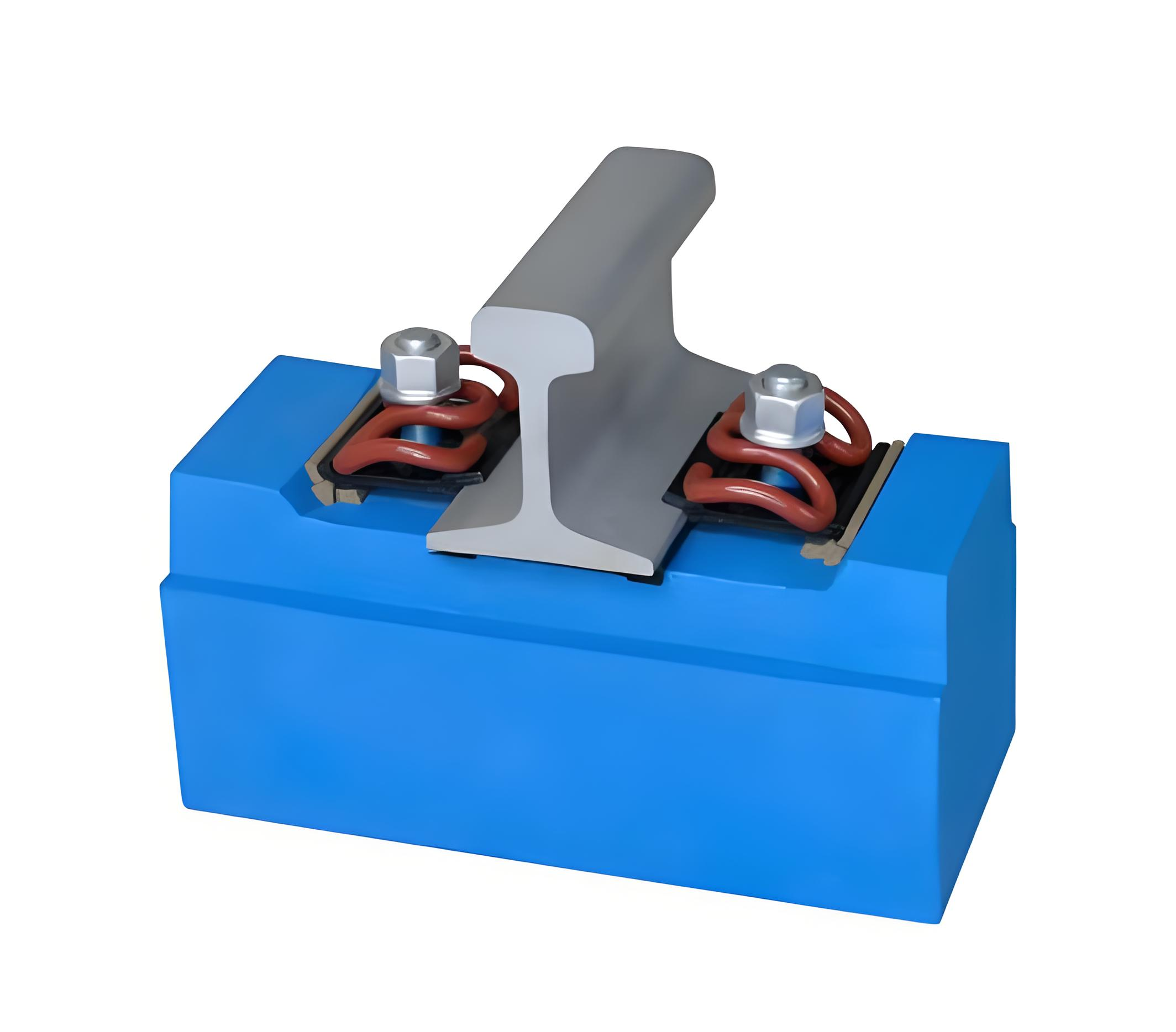
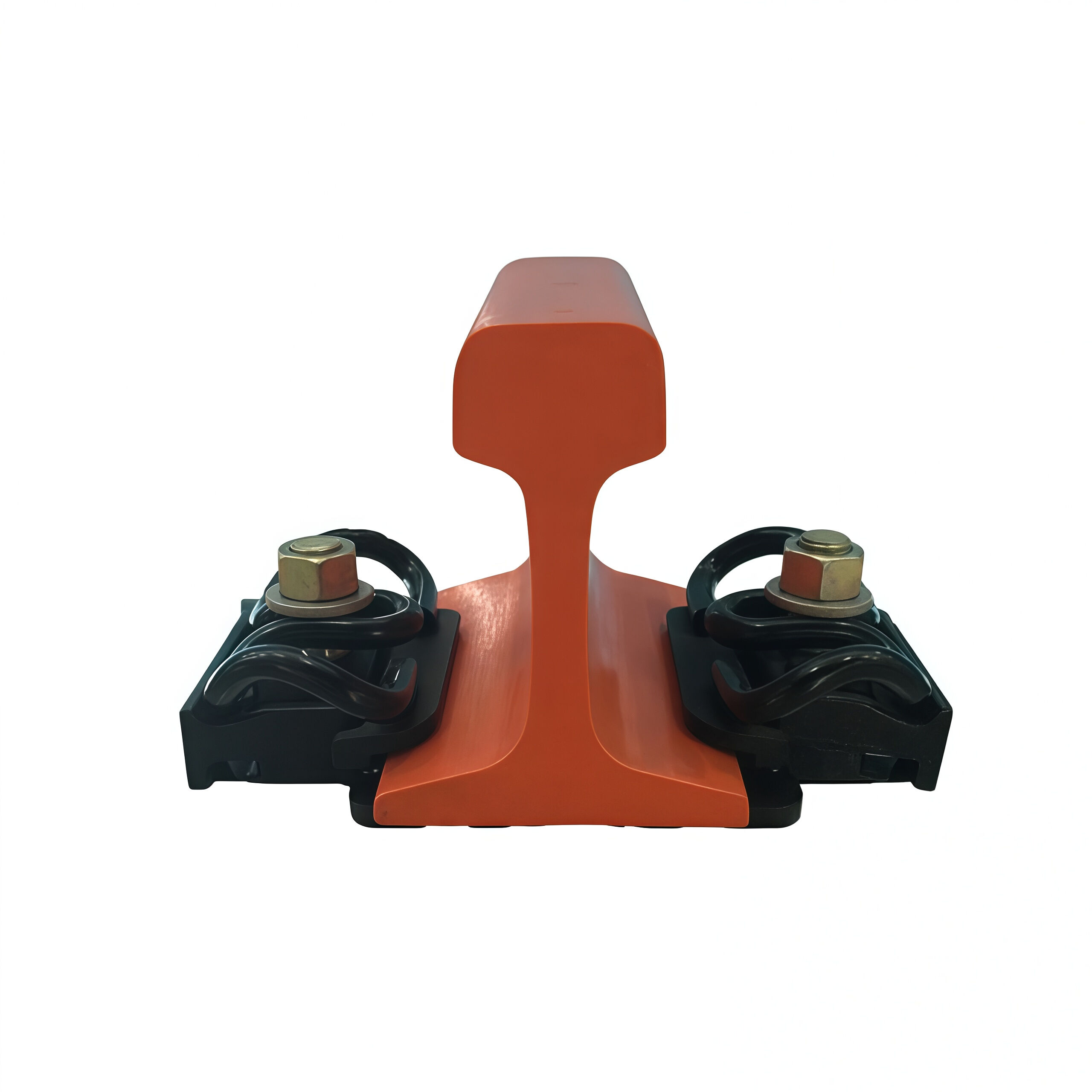
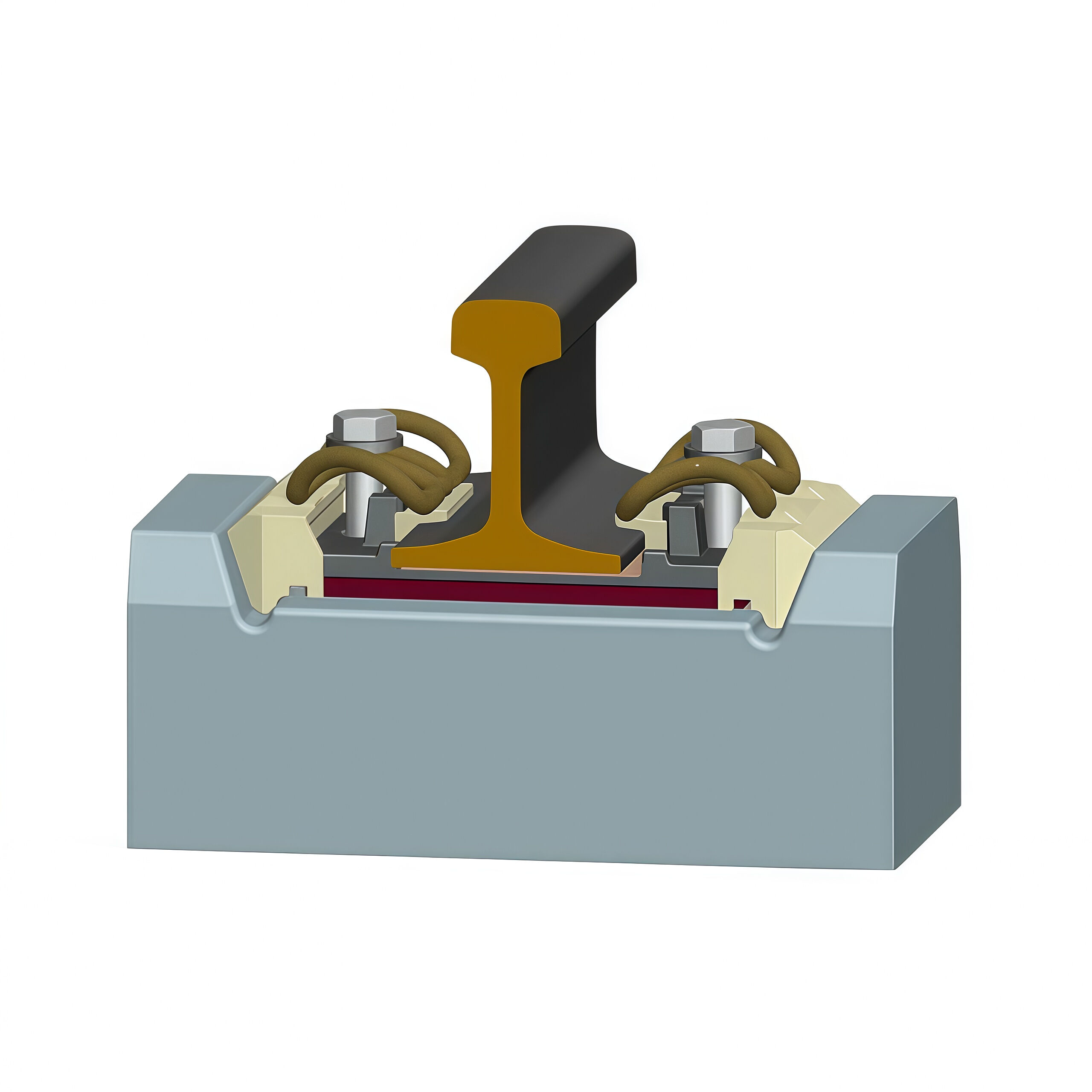
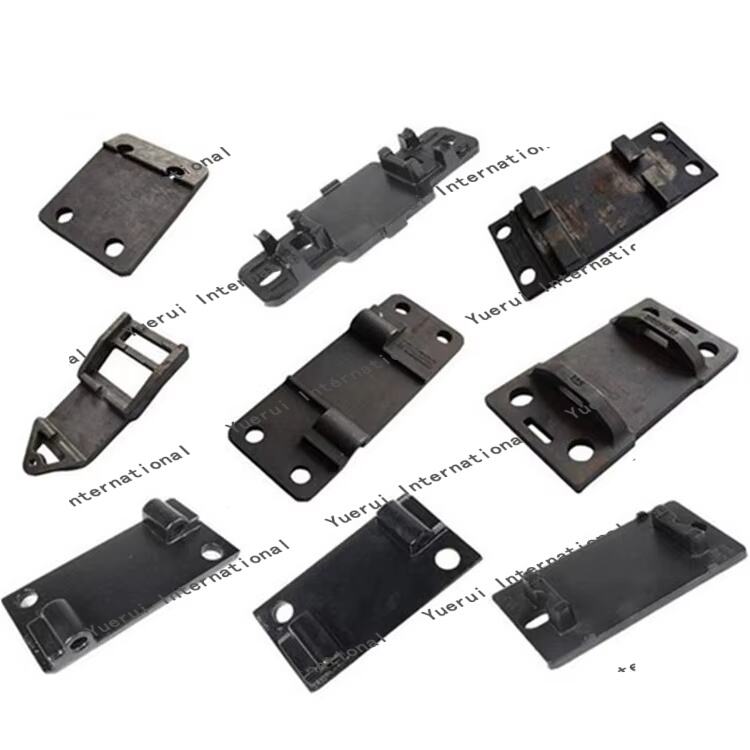
The precision engineering excellence embodied in modern rail plates delivers unparalleled dimensional accuracy and universal compatibility that streamlines installation processes while ensuring optimal performance across diverse railway applications worldwide. State-of-the-art manufacturing techniques including computer-controlled machining, laser cutting, and coordinate measuring verification produce rail plates with tolerances measured in hundredths of millimeters, guaranteeing perfect fit and alignment with existing track components. This exceptional precision eliminates common installation challenges such as forced assembly, gap creation, or misalignment that can compromise track integrity and operational safety. The universal compatibility design philosophy ensures that rail plates integrate seamlessly with standard rail profiles, fastening systems, and support structures used throughout international railway networks, reducing inventory requirements and simplifying procurement processes. Advanced quality control protocols including automated inspection systems, material certification procedures, and performance validation testing verify that every rail plate meets or exceeds stringent international standards before shipment. The precision engineering approach extends to bolt hole positioning, surface finish specifications, and edge preparation details that facilitate rapid installation using standard railway maintenance equipment and procedures. Railway maintenance crews benefit from consistent dimensions and predictable installation characteristics that reduce labor time, minimize specialized tooling requirements, and decrease the potential for installation errors. The universal compatibility features enable rail plates to serve as direct replacements for existing components during maintenance operations, eliminating costly track modifications or custom fabrication requirements. Precision manufacturing also ensures optimal load transfer characteristics through intimate contact between mating surfaces, maximizing the structural efficiency and load-carrying capacity of the complete track assembly. The dimensional consistency of precision-engineered rail plates supports accurate track geometry control that improves train operation smoothness, reduces wheel and rail wear, and enhances overall system reliability. Quality assurance programs including statistical process control, batch tracking, and performance monitoring ensure consistent product characteristics across large production volumes, supporting major railway projects with confidence in supply chain reliability and component performance predictability.

 EN
EN