railway sleepers fixings
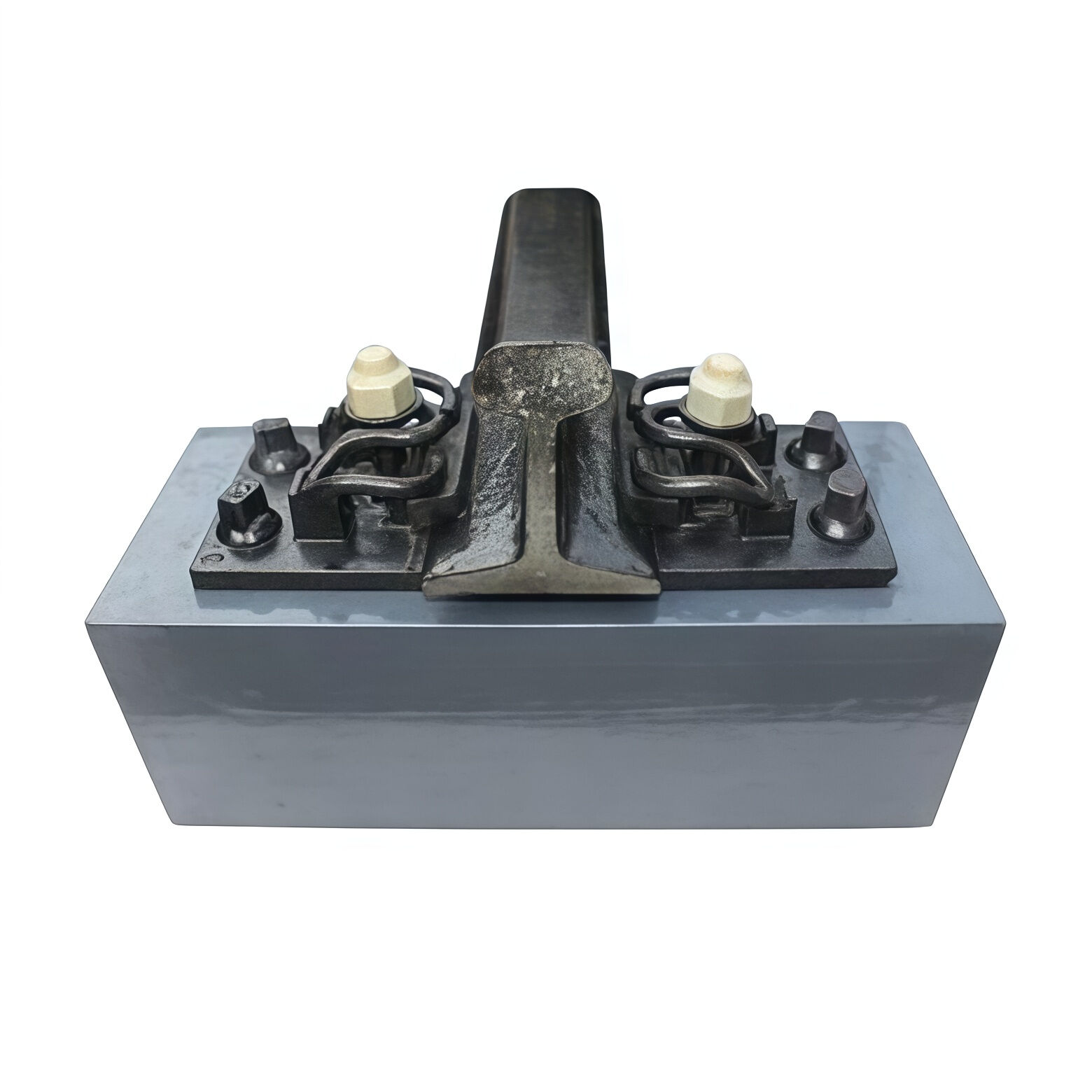
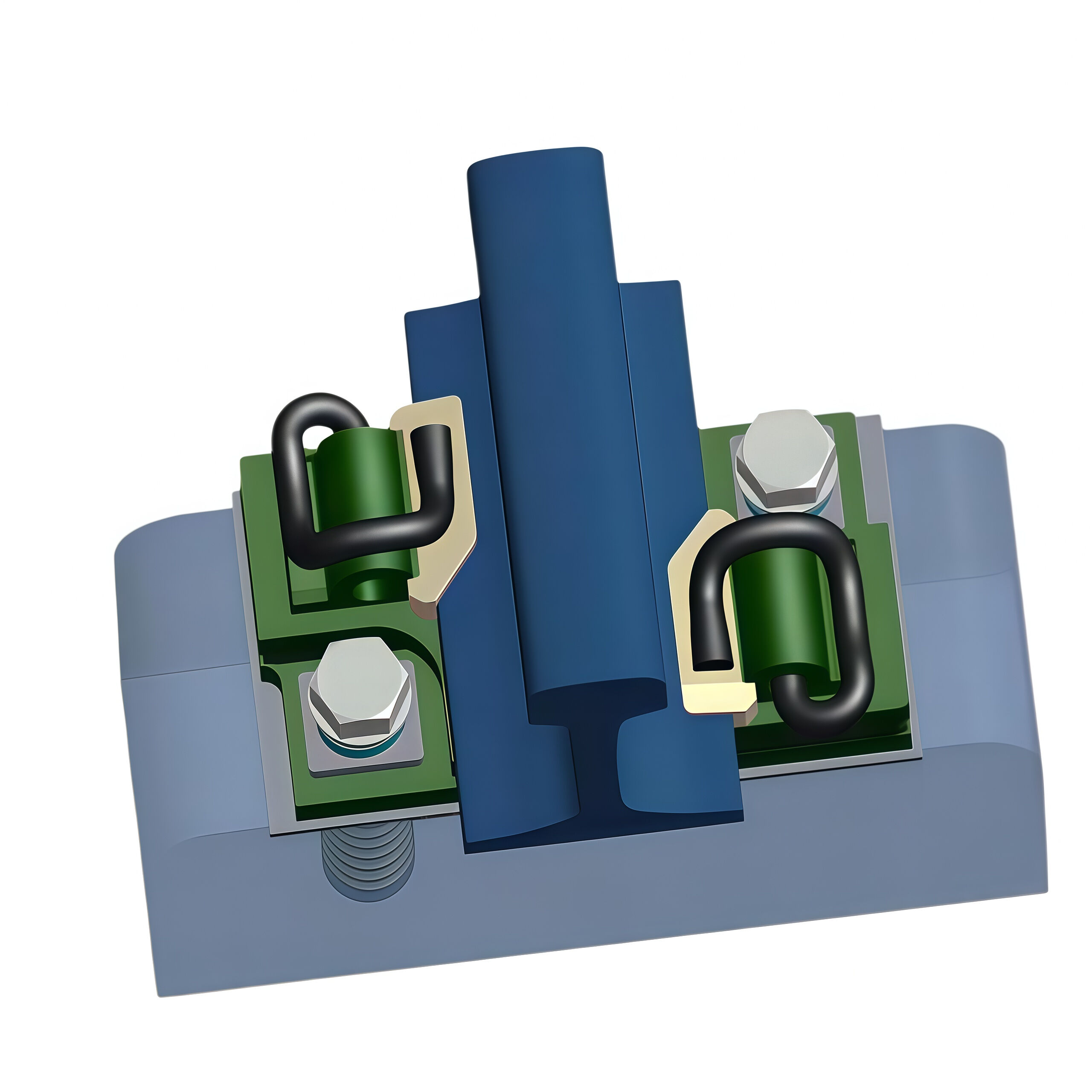
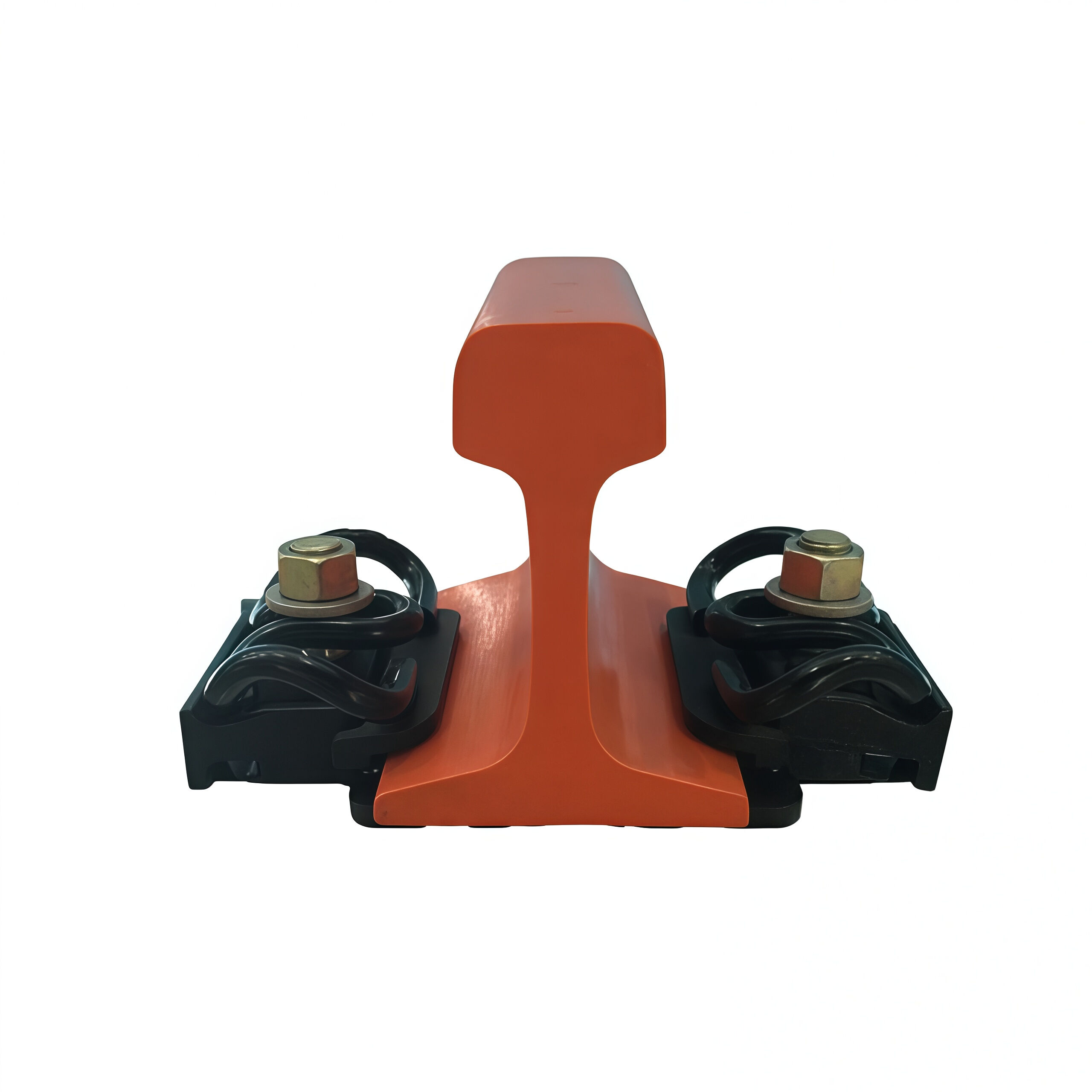
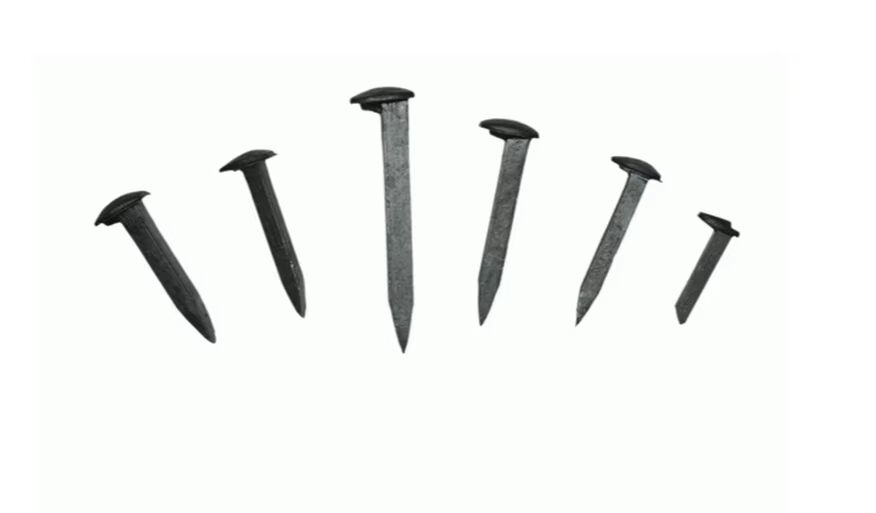
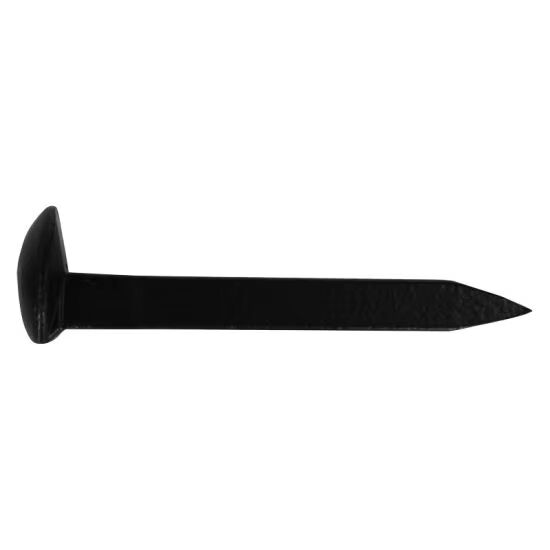
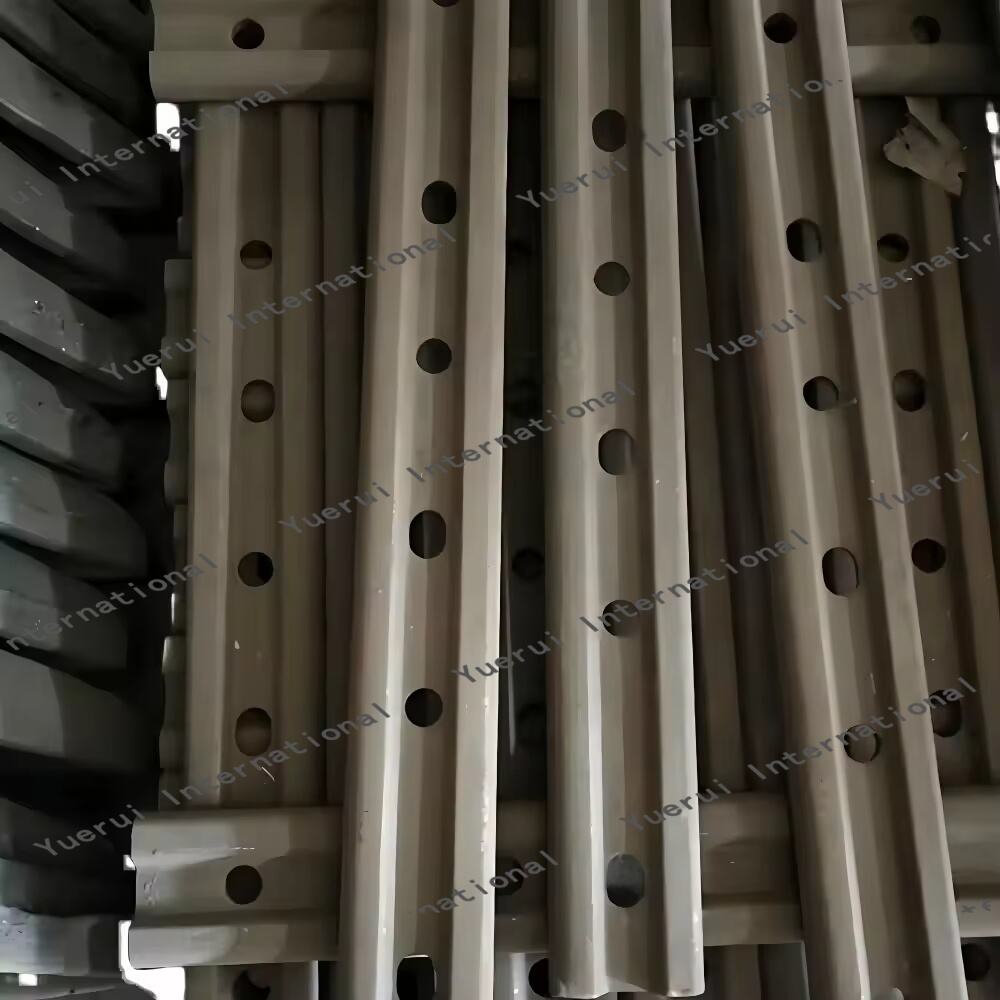
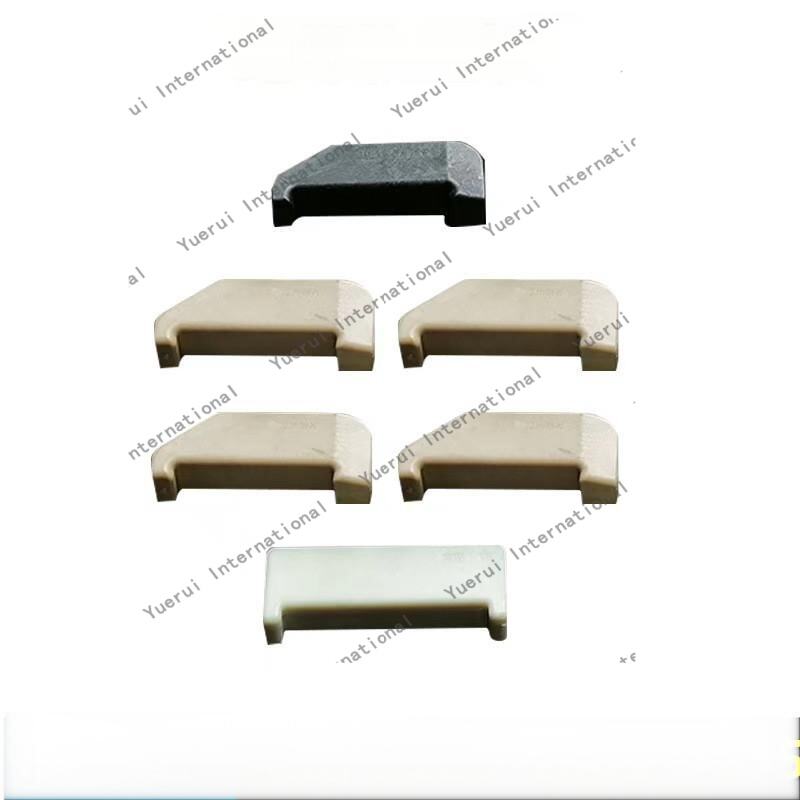
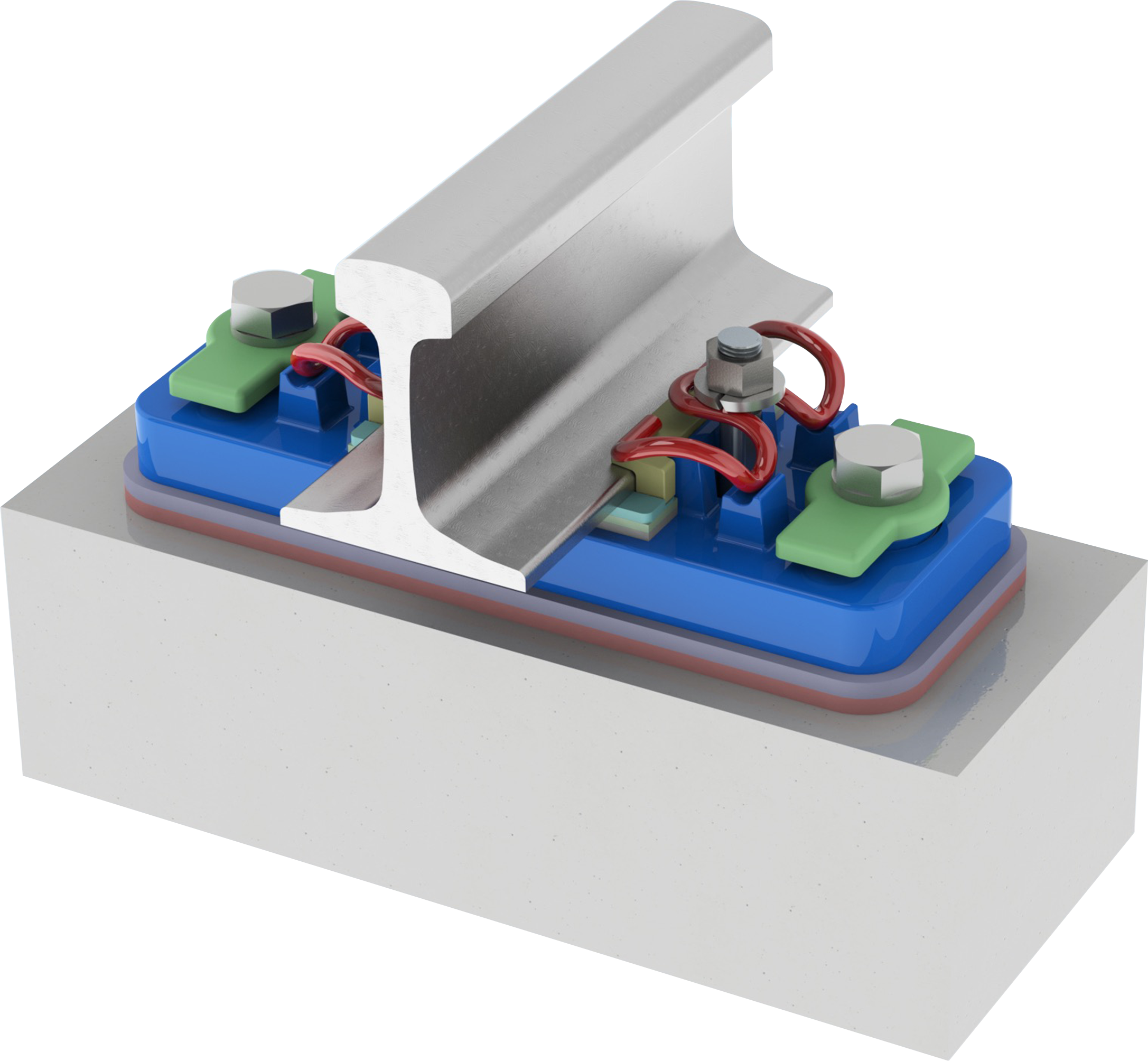
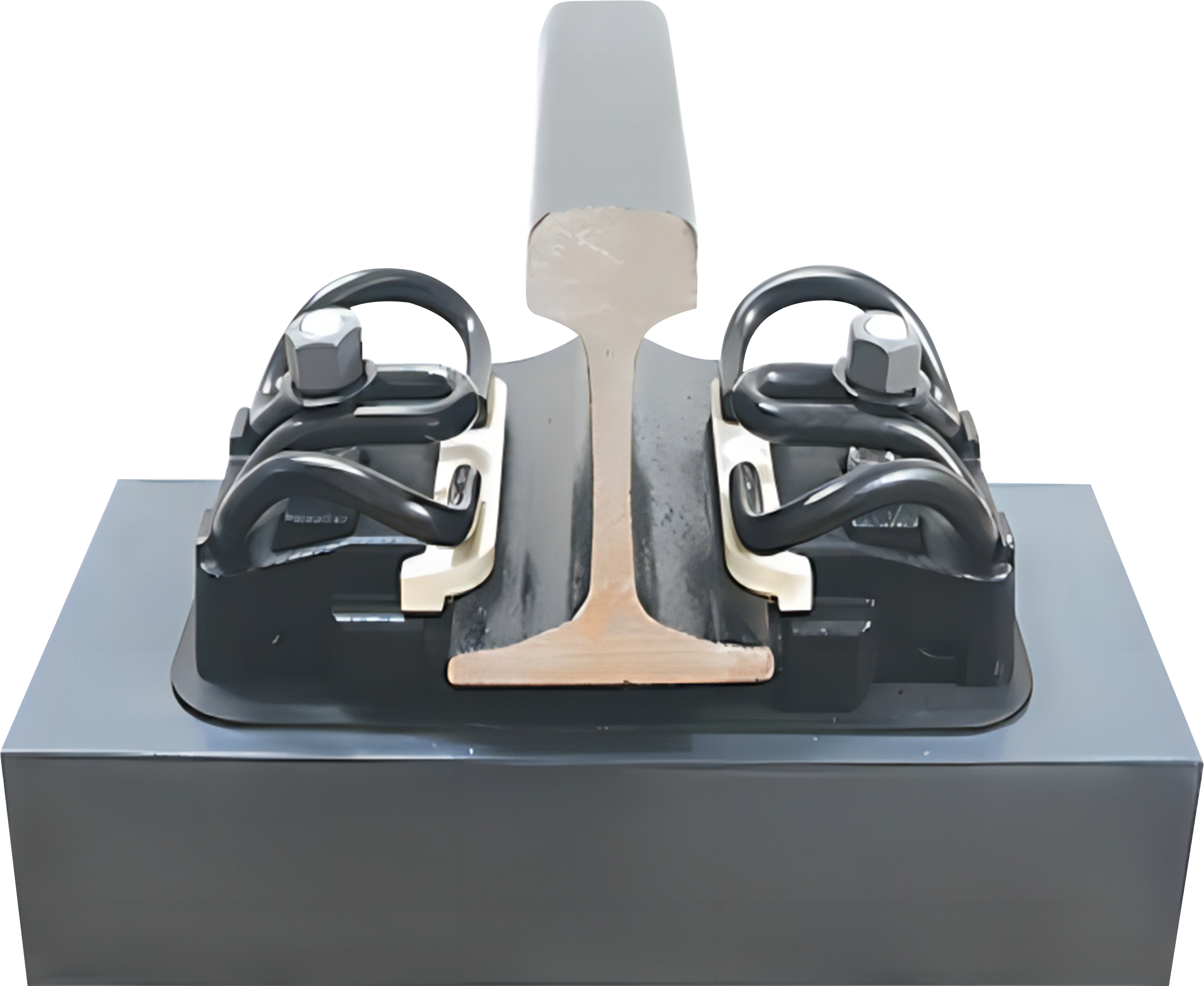
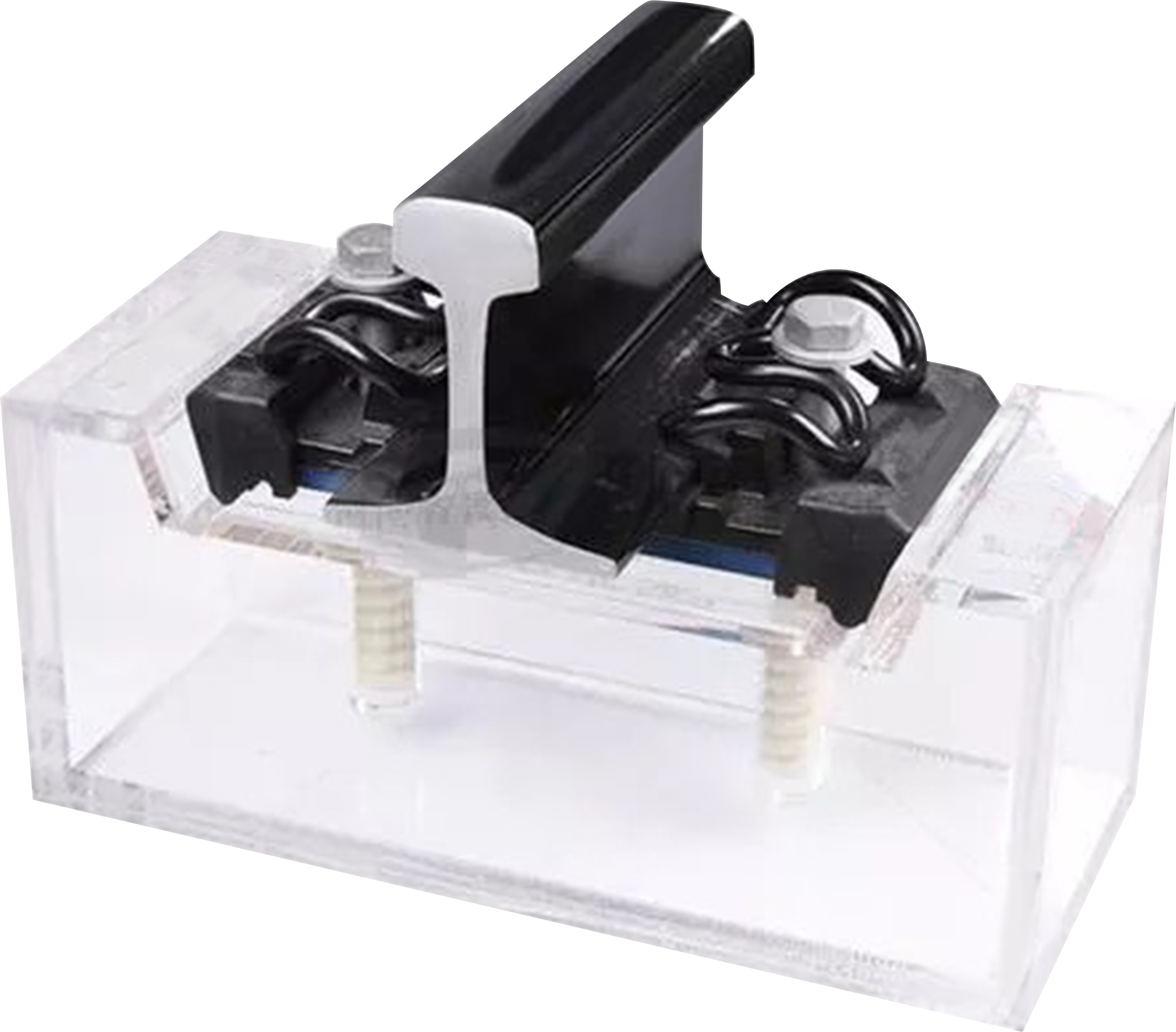
Railway sleepers fixings represent critical infrastructure components that secure railway tracks to their foundational support systems. These specialized fastening mechanisms ensure the stable connection between rails and sleepers, maintaining proper gauge width and track alignment essential for safe train operations. Railway sleepers fixings encompass various hardware elements including rail clips, bolts, plates, and anchoring systems designed to withstand tremendous dynamic forces generated by passing trains. The primary function involves distributing loads from moving locomotives and carriages across the track structure while preventing lateral and longitudinal rail movement. Modern railway sleepers fixings utilize advanced metallurgy and engineering principles to deliver exceptional performance under extreme conditions. These systems must accommodate thermal expansion, resist corrosion, and maintain structural integrity through millions of load cycles. Technological features include spring-loaded mechanisms that provide consistent clamping force, corrosion-resistant coatings extending service life, and modular designs facilitating efficient installation and maintenance procedures. Railway sleepers fixings are engineered to meet stringent international safety standards while offering compatibility with various sleeper materials including concrete, steel, and composite options. Applications span passenger rail networks, freight corridors, high-speed transportation systems, and industrial railway installations. The fixings adapt to different operational requirements, from light rail urban transit to heavy-haul mining operations. Installation typically involves precise positioning and torque specifications ensuring optimal performance characteristics. Quality railway sleepers fixings reduce maintenance costs, minimize track downtime, and enhance overall system reliability. These components play a vital role in track geometry maintenance, contributing to smooth ride quality and extended infrastructure lifespan. Modern manufacturing processes incorporate automated quality control systems guaranteeing consistent product specifications and performance reliability across diverse environmental conditions and operational demands.

 EN
EN