railway spikes
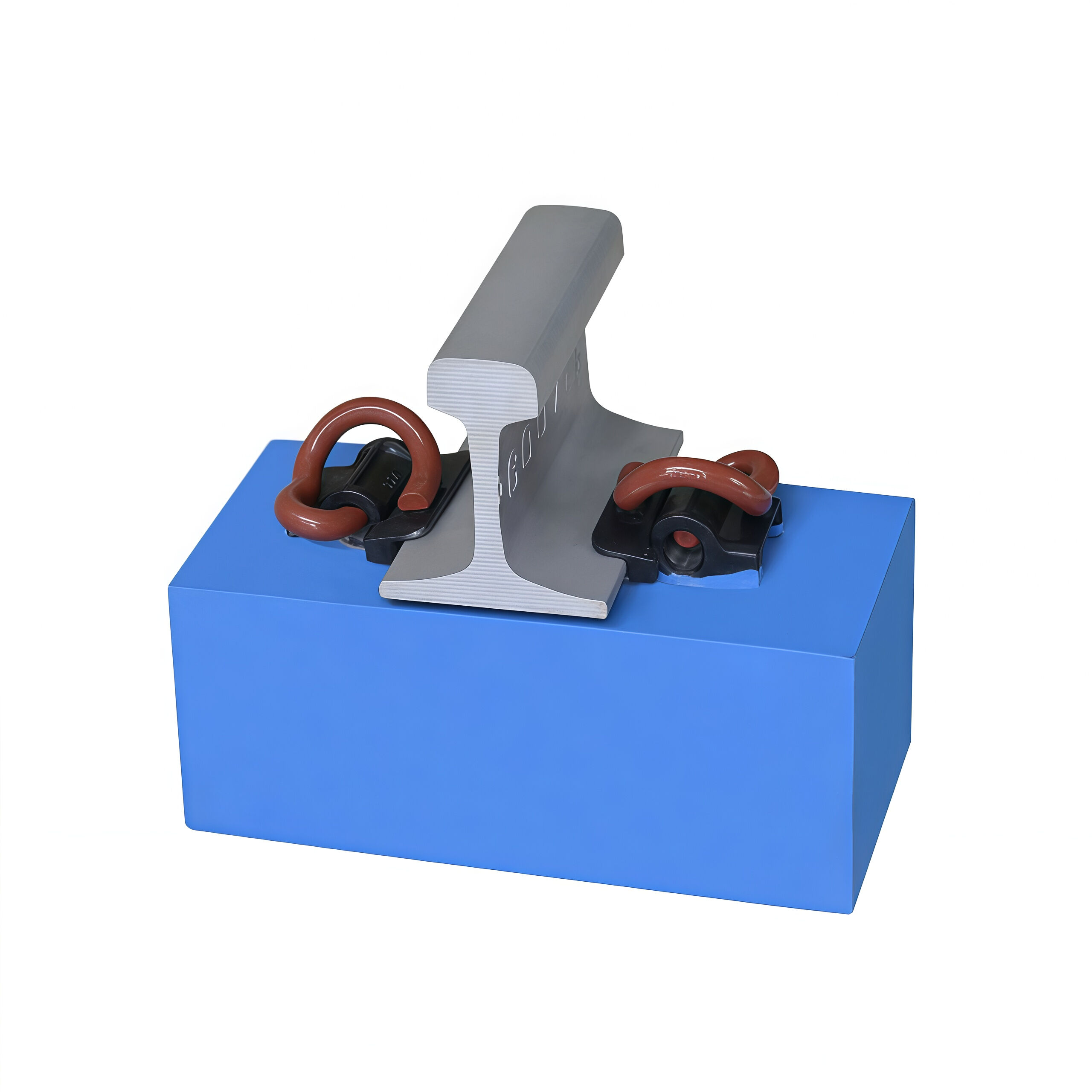
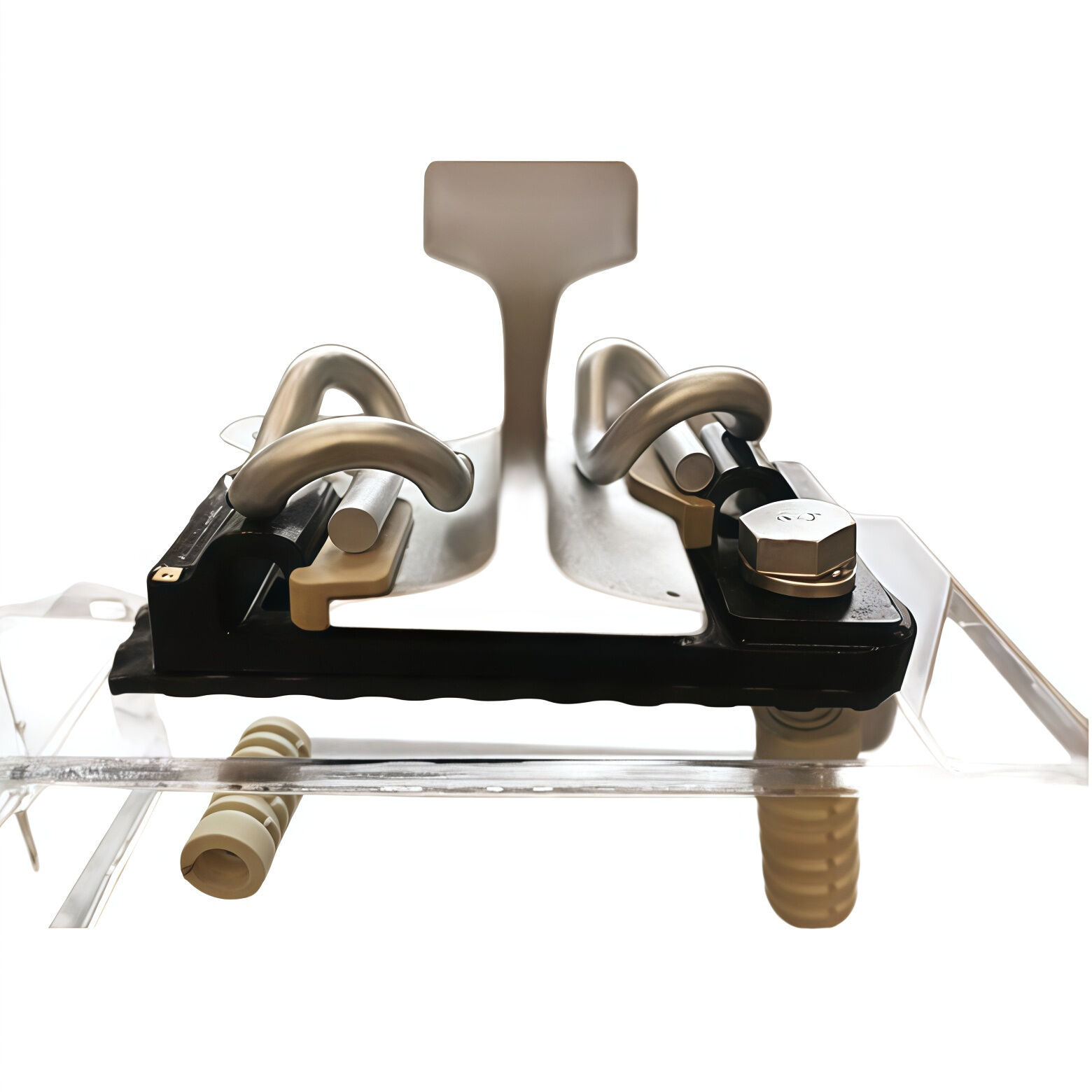
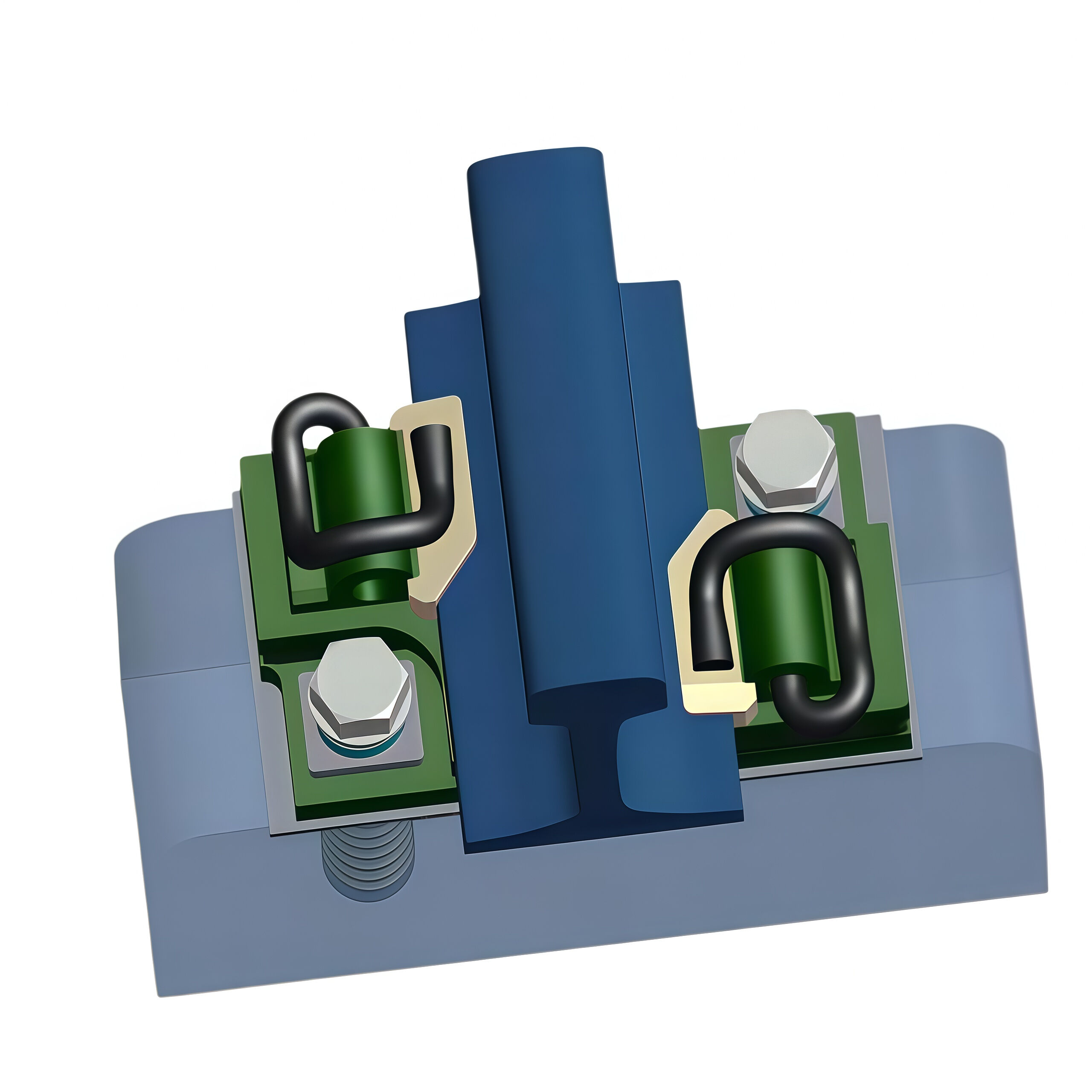
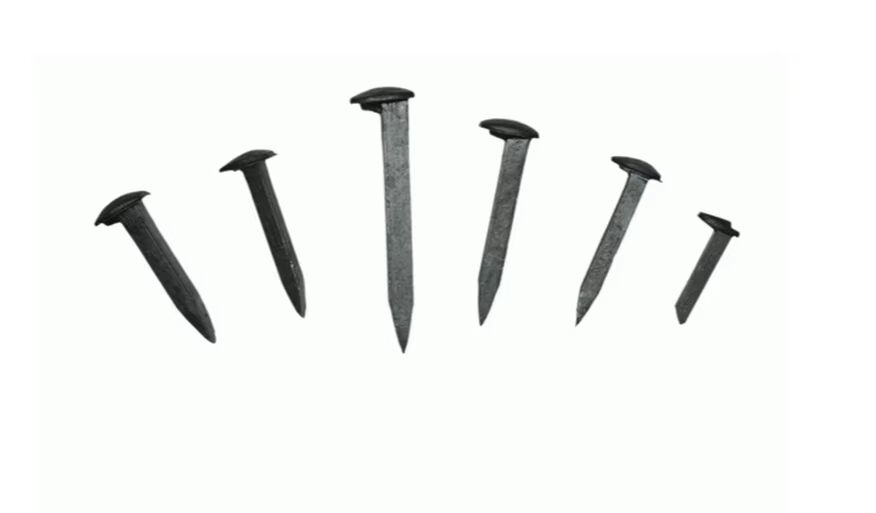
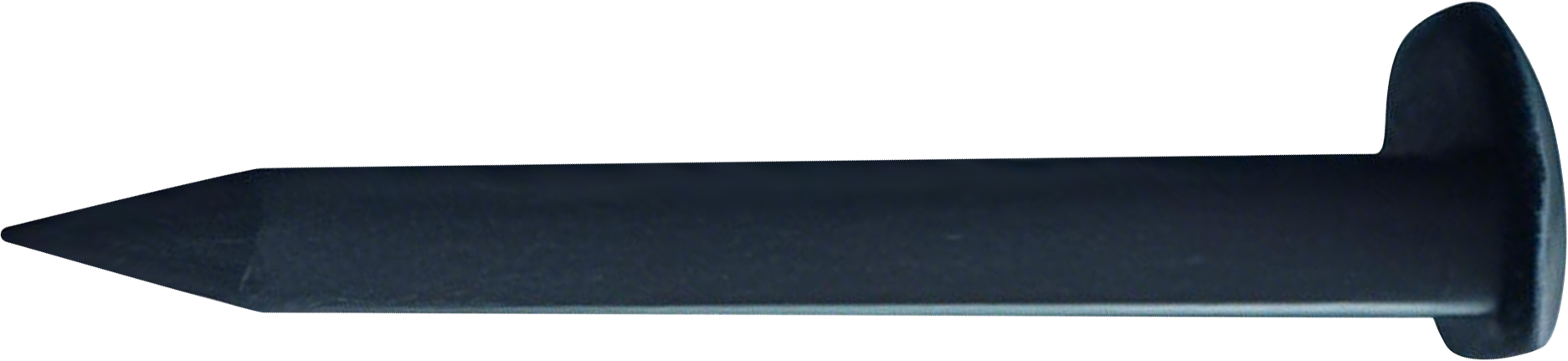
Railway spikes represent fundamental fastening components that secure railroad tracks to wooden ties, forming the backbone of rail transportation infrastructure worldwide. These specialized metal fasteners, typically manufactured from high-carbon steel or iron, measure approximately 5.5 inches in length and feature a distinctive square cross-section that tapers to a sharp point. The primary function of railway spikes involves anchoring rail sections firmly to wooden crossties, preventing lateral movement and maintaining precise track gauge throughout the railway system. Modern railway spikes incorporate advanced metallurgical properties that enhance their holding power and resistance to environmental factors. The technological features of these fasteners include heat-treated steel construction that provides superior tensile strength, corrosion-resistant coatings that extend service life, and precisely engineered dimensions that ensure consistent installation across diverse railway applications. Railway spikes utilize a unique driving mechanism where specialized pneumatic or hydraulic equipment forces them through pre-drilled pilot holes in wooden ties, creating secure mechanical connections that withstand tremendous dynamic loads from passing trains. The applications of railway spikes span numerous railway sectors, including mainline freight corridors, passenger rail systems, industrial sidings, mining railways, and light rail transit networks. These fasteners prove essential for temporary track construction, maintenance operations, and permanent installations where reliable track-to-tie connections remain critical for operational safety. Railway spikes demonstrate exceptional versatility in accommodating various rail weights, tie materials, and environmental conditions, making them indispensable components for railway infrastructure development. Their standardized dimensions and proven performance characteristics have established railway spikes as the preferred fastening solution for countless railway projects across diverse geographical regions and operating conditions.

 EN
EN