Advanced Railway Fastening Systems: Superior Track Solutions for Modern Rail Infrastructure

All Categories

fastening system in railway

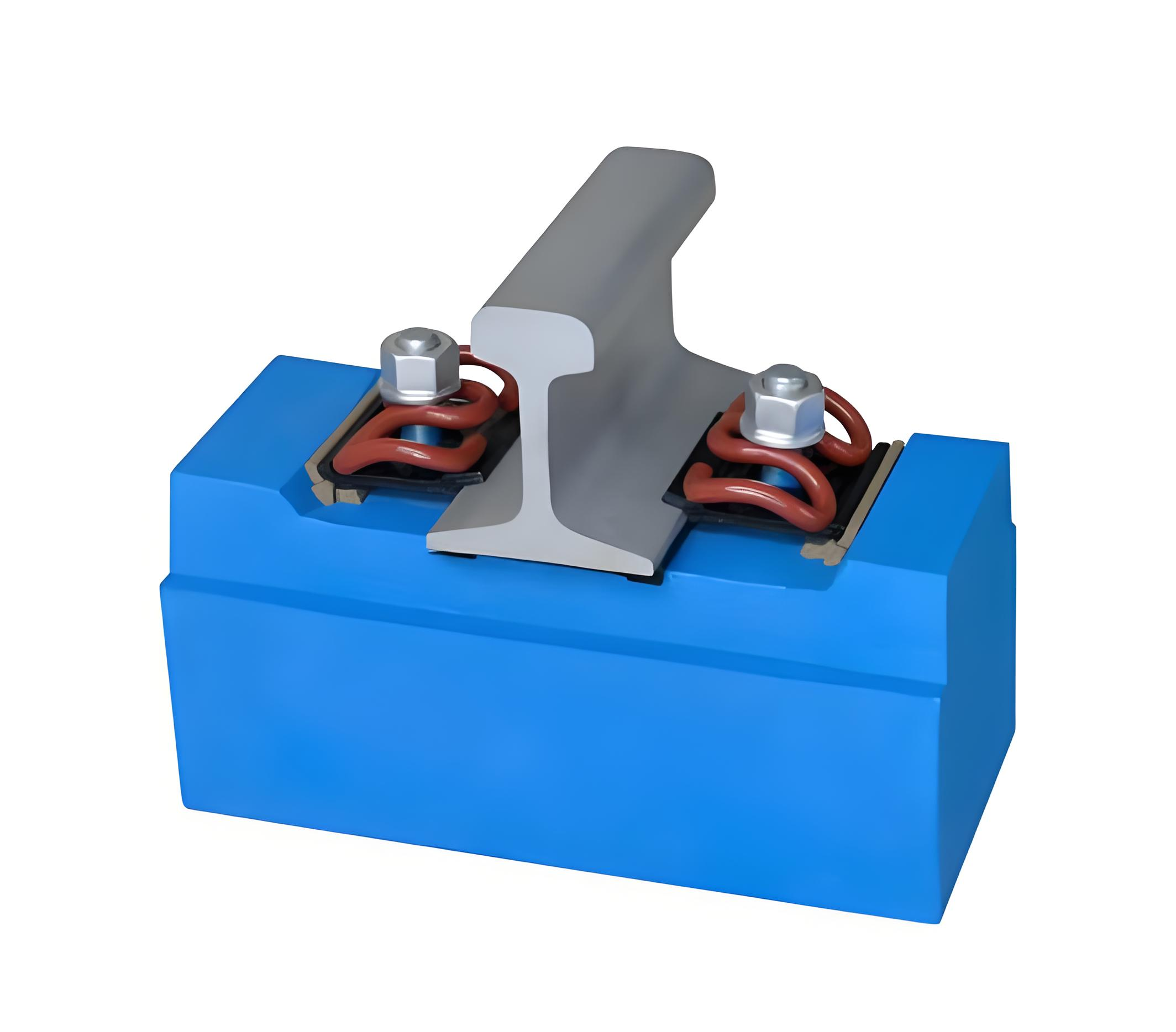
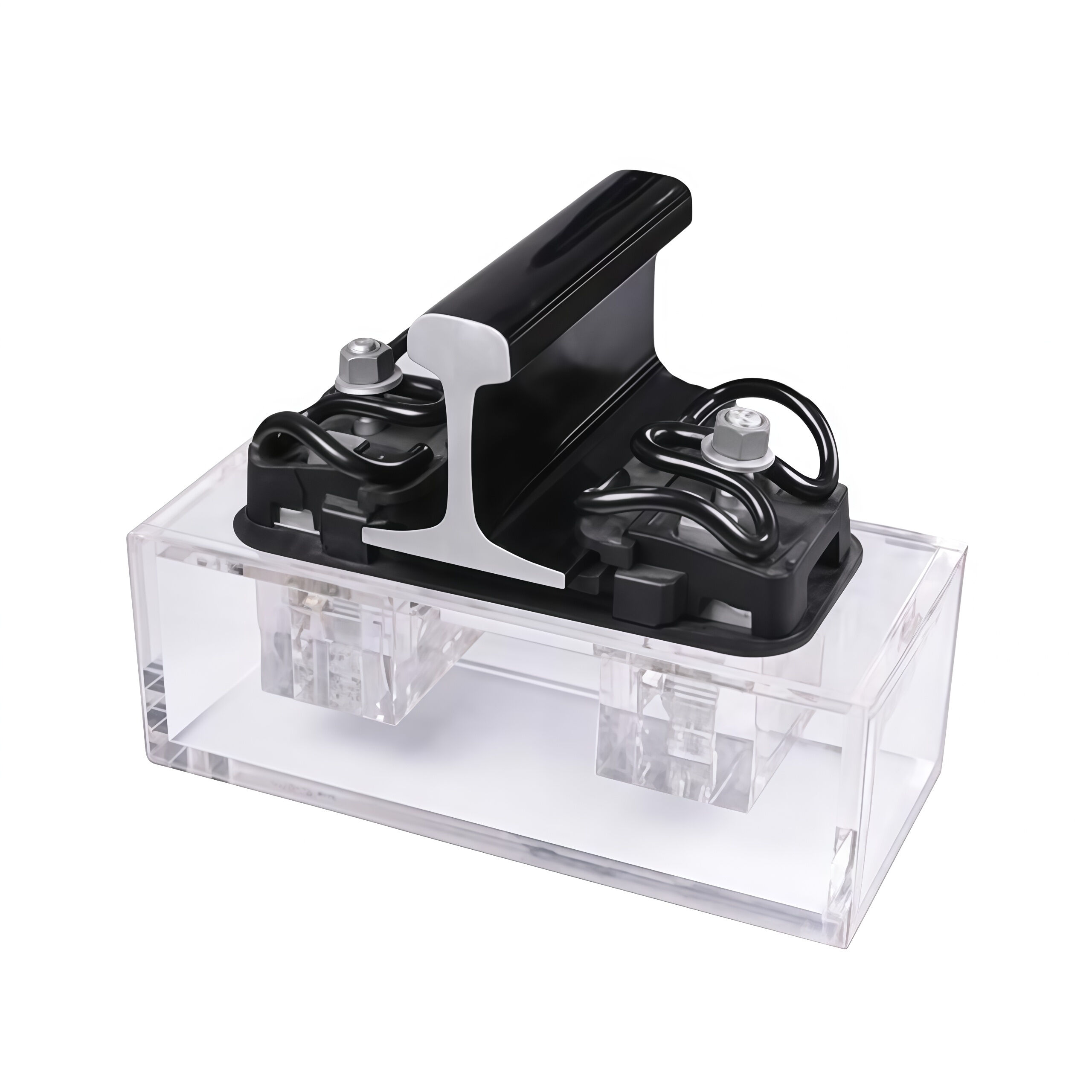
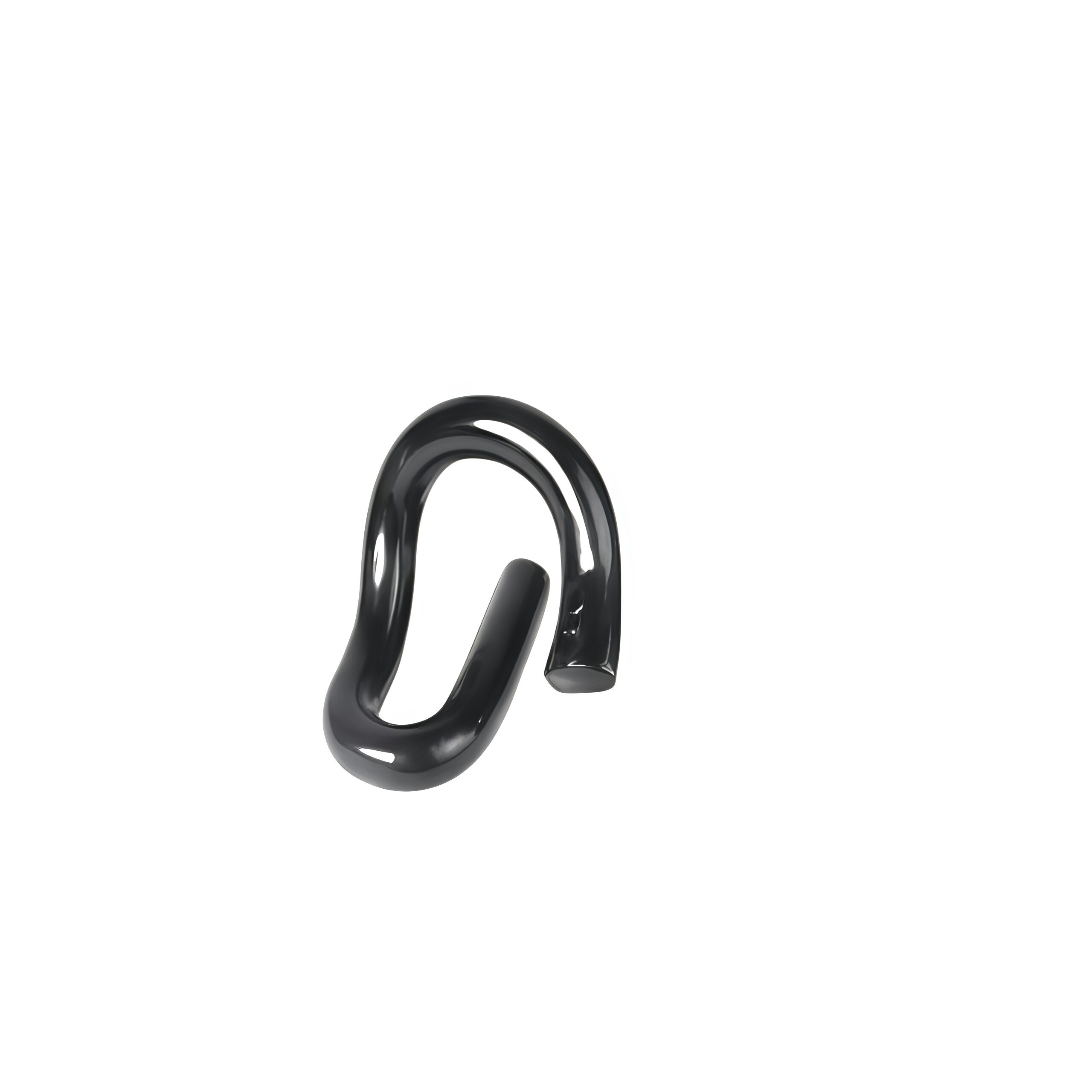
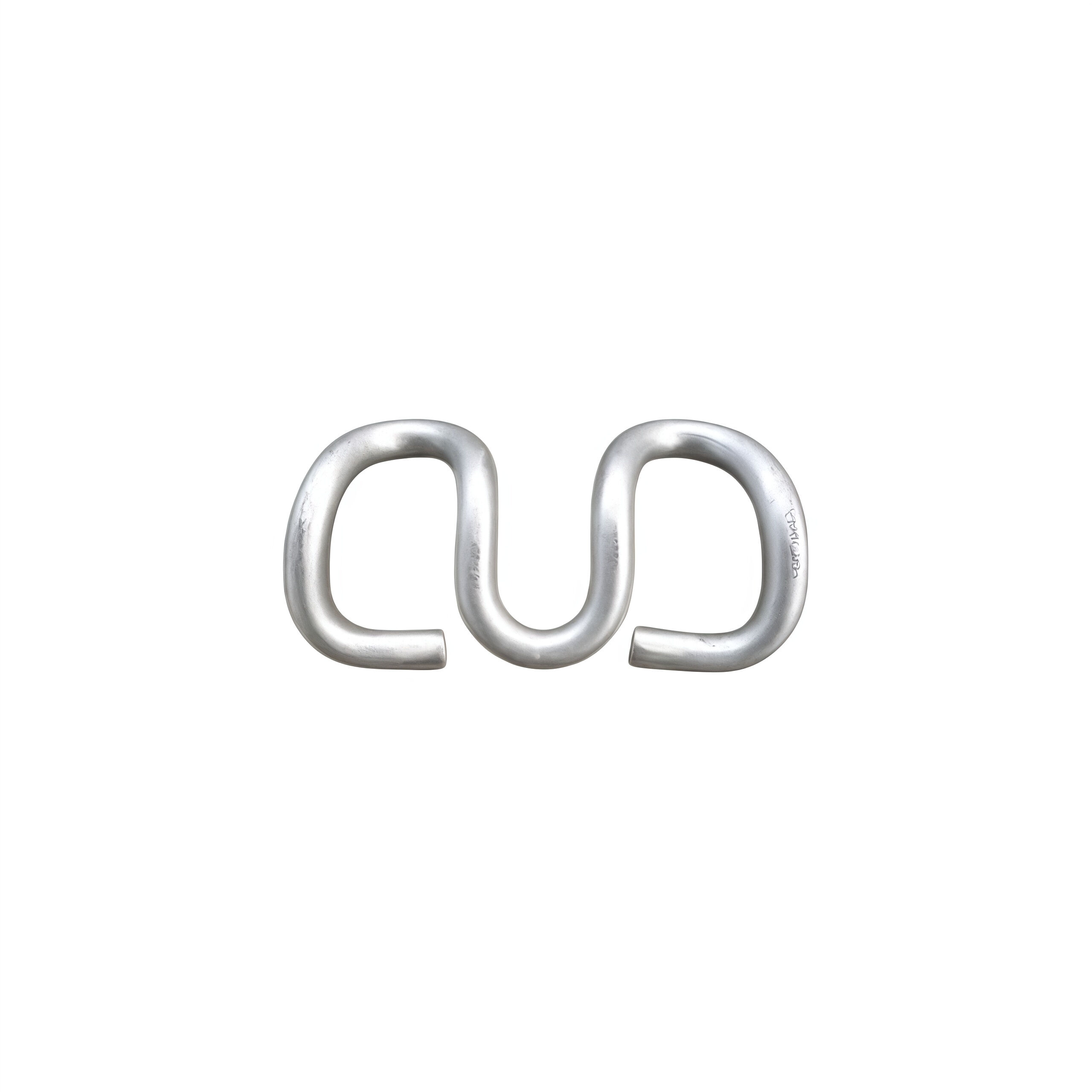
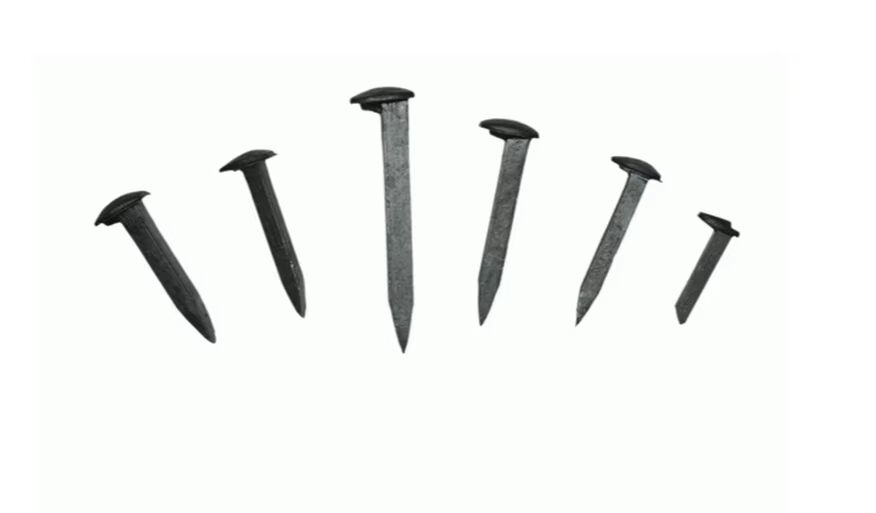
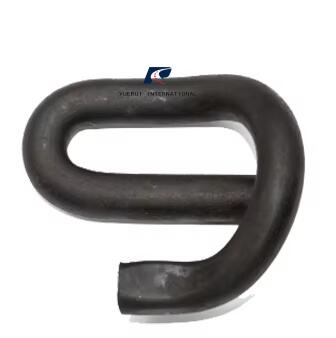
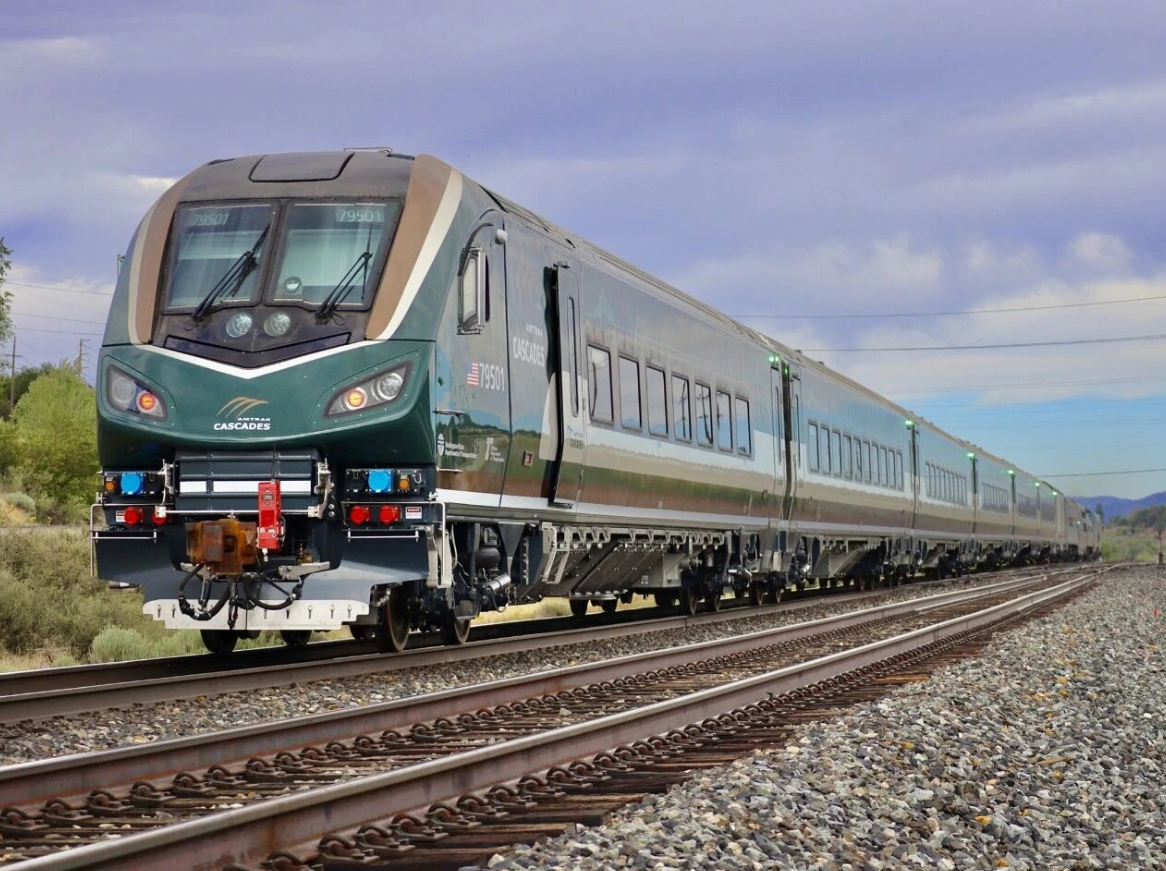
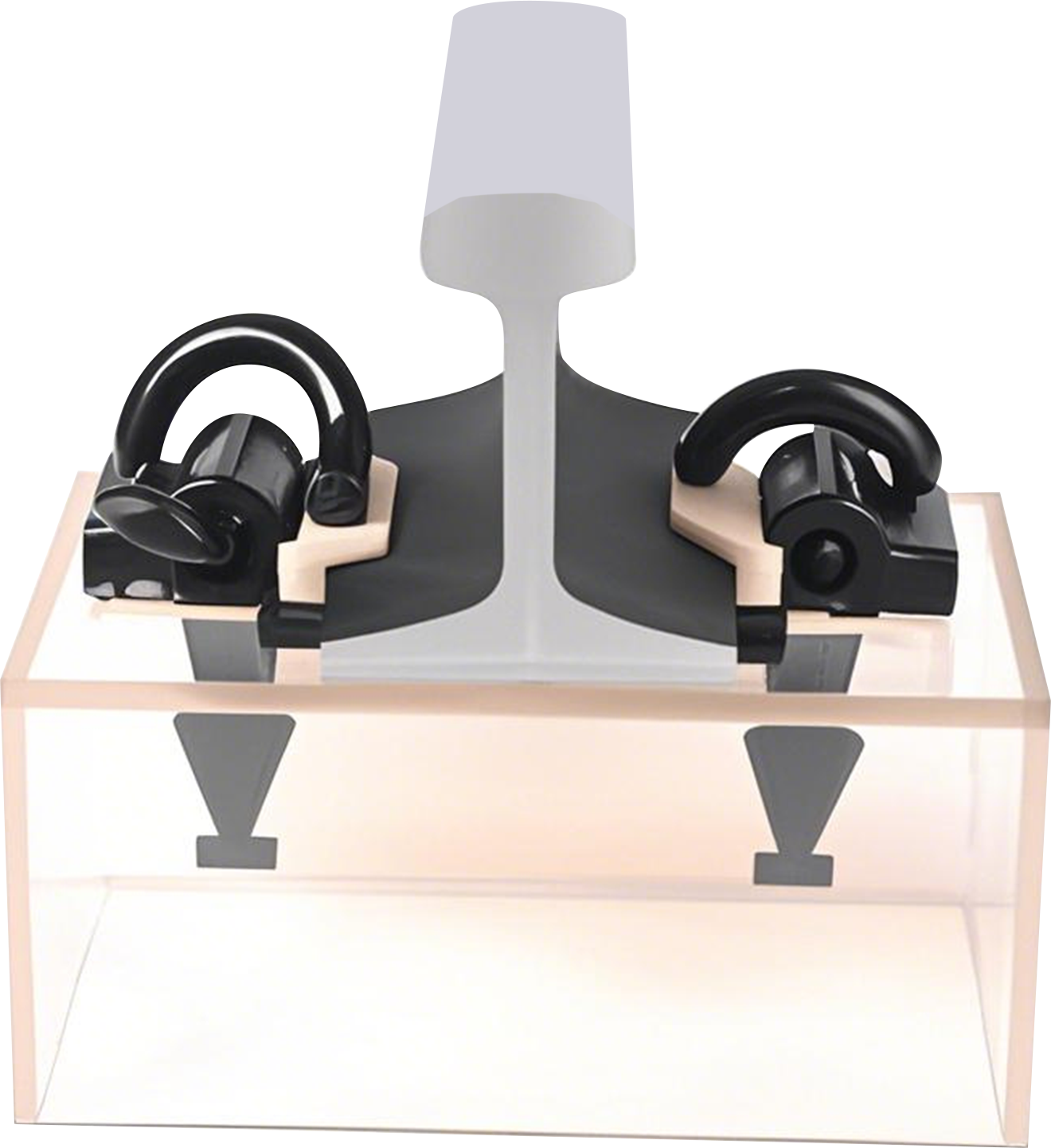
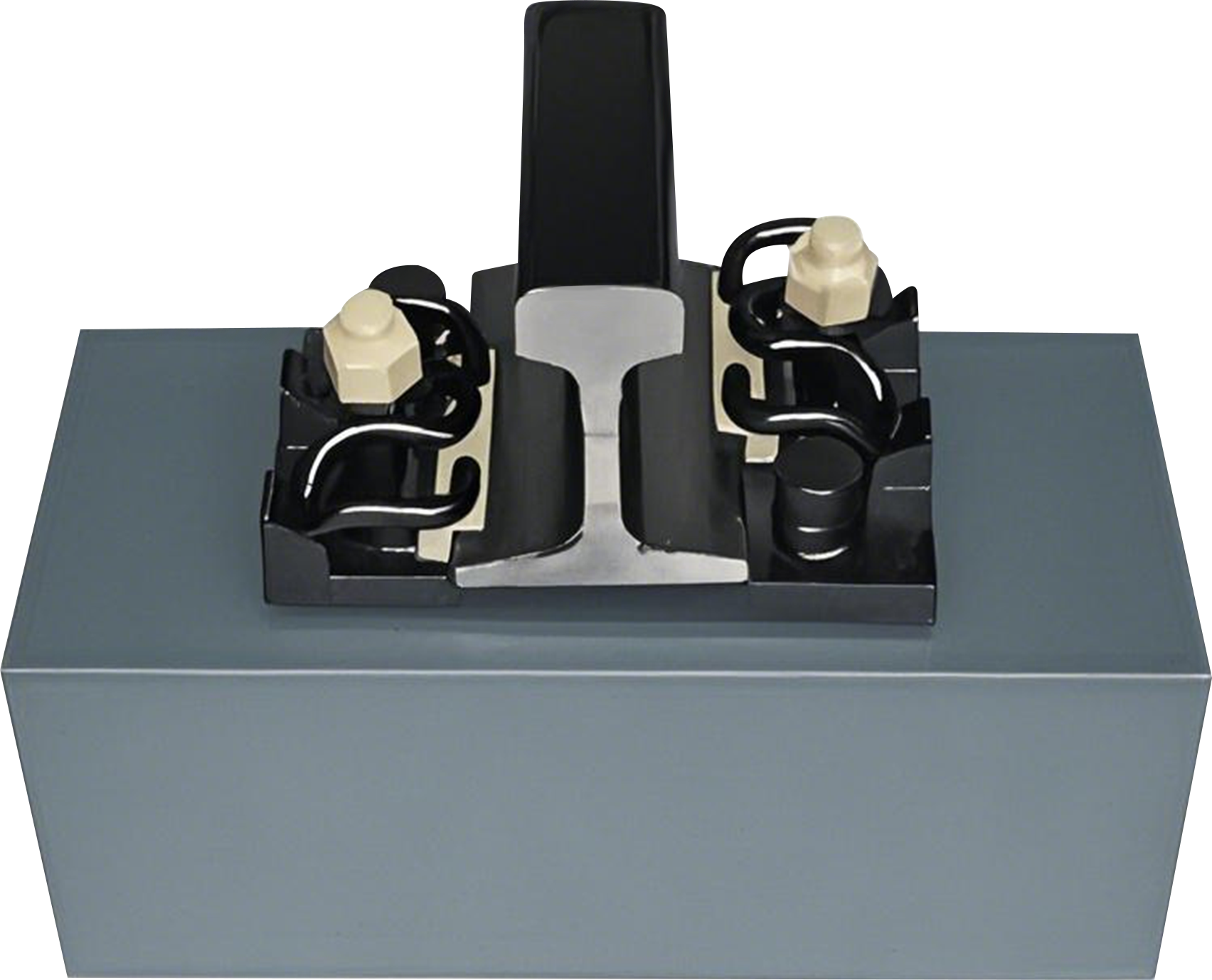
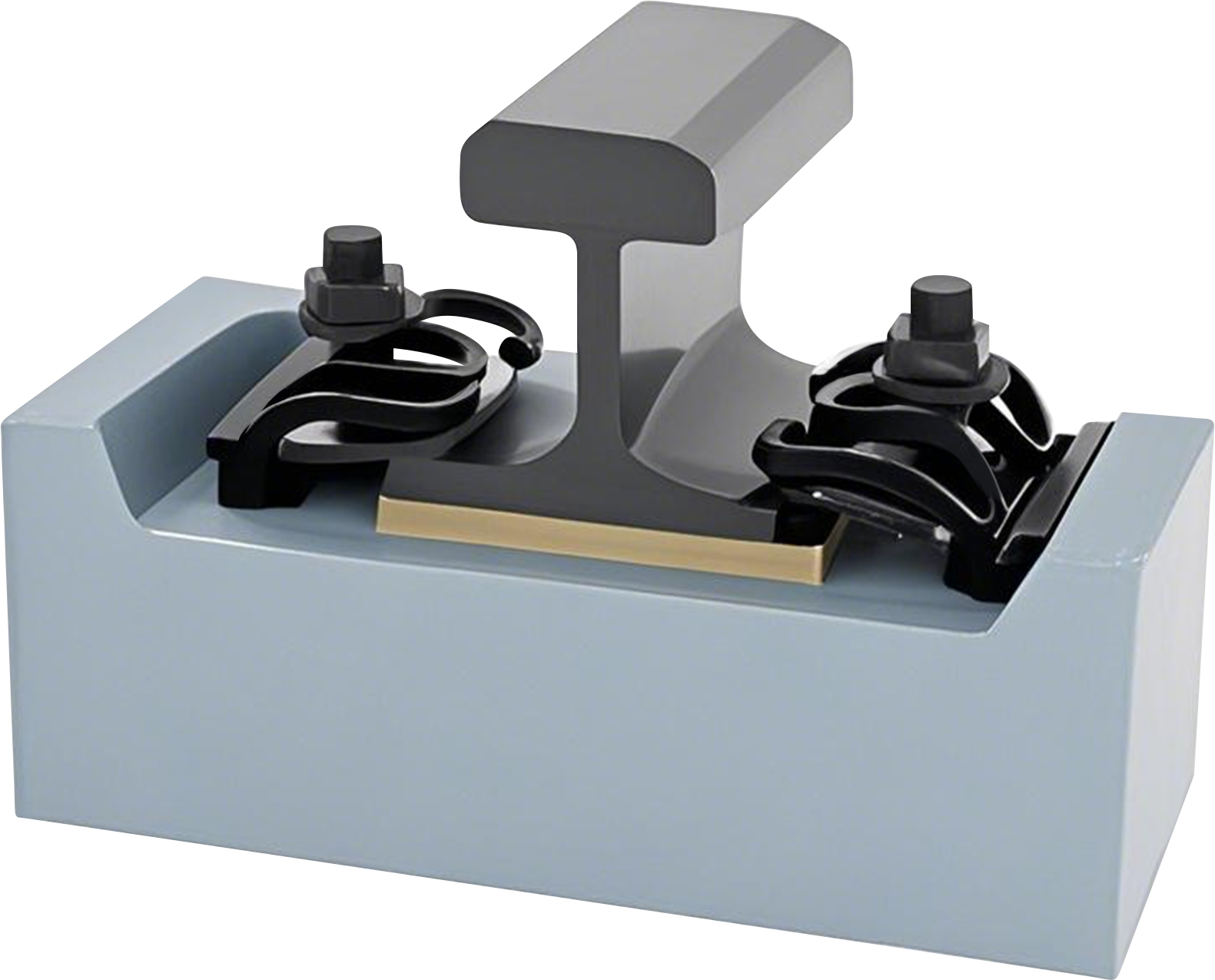
A fastening system in railway represents the critical engineering component that securely connects railway tracks to their underlying support structure, typically railroad ties or sleepers. This sophisticated system serves as the fundamental bridge between the steel rails and the track foundation, ensuring optimal load distribution and maintaining precise track geometry under various operational conditions. The primary functions of a railway fastening system encompass multiple engineering objectives that directly impact train safety and operational efficiency. These systems must effectively transfer vertical, lateral, and longitudinal forces from passing trains to the track substructure while maintaining consistent rail gauge and preventing rail movement. The technological features of modern railway fastening systems incorporate advanced materials science and precision engineering to withstand extreme mechanical stresses and environmental conditions. Contemporary fastening solutions utilize high-strength steel components, specialized elastomeric pads, and corrosion-resistant coatings to ensure long-term durability and minimal maintenance requirements. The fastening system in railway applications must accommodate thermal expansion and contraction of rails while providing sufficient electrical insulation for signaling systems. These systems feature precise torque specifications and installation procedures that ensure uniform clamping forces across entire track sections. Applications of railway fastening systems span diverse operational environments, from high-speed passenger corridors to heavy freight networks and urban transit systems. Each application demands specific performance characteristics tailored to anticipated load profiles, operating speeds, and environmental factors. The fastening system in railway infrastructure must demonstrate exceptional fatigue resistance, as components experience millions of loading cycles throughout their service life. Modern systems incorporate innovative design elements such as spring clips, rail pads, and adjustable base plates that enhance performance while simplifying installation and maintenance procedures. The selection and implementation of appropriate fastening systems directly influence track stability, ride quality, noise levels, and overall system reliability, making these components essential for safe and efficient railway operations worldwide.

New Product Recommendations

Railway fastening systems deliver substantial operational benefits that directly translate to improved safety, reduced maintenance costs, and enhanced system reliability for transportation operators. The primary advantage lies in their exceptional load distribution capabilities, which effectively transfer enormous forces from passing trains to the track foundation without compromising structural integrity. This superior force management prevents rail deformation and extends track service life significantly beyond traditional fastening methods. Modern fastening systems provide enhanced vibration damping properties that reduce noise pollution in urban environments while improving passenger comfort during transit operations. The advanced elastomeric components within these systems absorb shock loads and minimize ground-borne vibrations, creating quieter operating conditions that benefit both passengers and surrounding communities. Installation efficiency represents another major advantage, as contemporary fastening systems feature simplified assembly procedures that reduce construction time and labor costs substantially. These systems eliminate the need for specialized tools or complex installation sequences, allowing maintenance crews to complete track work more quickly and safely. The standardized component design facilitates inventory management and ensures consistent performance across entire rail networks. Maintenance requirements are dramatically reduced compared to traditional fastening methods, as modern systems incorporate self-adjusting mechanisms that maintain optimal clamping forces over extended periods. This self-maintaining characteristic minimizes the frequency of track inspections and reduces operational disruptions caused by maintenance activities. The corrosion resistance of advanced fastening materials ensures reliable performance in harsh environmental conditions, including coastal regions with salt exposure and industrial areas with chemical contamination. Temperature stability represents a crucial advantage, as these systems maintain consistent performance across extreme temperature ranges without requiring seasonal adjustments or specialized maintenance procedures. The electrical insulation properties of railway fastening systems support modern signaling and communication technologies by preventing interference and ensuring reliable train detection systems. Cost-effectiveness emerges through reduced life-cycle expenses, as the initial investment in quality fastening systems generates substantial savings through extended service intervals and reduced replacement requirements. Safety enhancements include improved track stability under dynamic loading conditions and reduced risk of rail displacement during extreme weather events or emergency braking situations.

Practical Tips

How Railroad Dog Spikes Improve Track Stability and Safety

24

Nov

How Railroad Dog Spikes Improve Track Stability and Safety

Railway infrastructure forms the backbone of modern transportation systems, where every component plays a critical role in maintaining operational safety and efficiency. Among these essential components, railroad dog spikes represent one of the most ...
View More
How Do Elastic Strips Support High-Speed and Heavy Rail Traffic?

05

Jan

How Do Elastic Strips Support High-Speed and Heavy Rail Traffic?

Modern railway infrastructure faces unprecedented demands as transportation networks evolve to accommodate higher speeds and heavier cargo loads. The foundation of reliable rail systems depends heavily on innovative engineering solutions that can abs...
View More
What Are the Essential Rail Tools for Track Installation and Maintenance?

05

Jan

What Are the Essential Rail Tools for Track Installation and Maintenance?

Railway infrastructure forms the backbone of modern transportation systems, requiring specialized equipment and precise maintenance protocols to ensure safe and efficient operations. Professional rail tools represent critical investments for railway ...
View More
What materials are best for corrosion-resistant track pins in railways?

20

Apr

What materials are best for corrosion-resistant track pins in railways?

Railway infrastructure faces constant exposure to harsh environmental conditions, making material selection critical for long-term performance and safety. Track pins, essential components that secure rails to railroad ties, must withstand not only me...
View More

Get a Free Quote

Our representative will contact you soon.
Email
Name
Company Name
Message
0/1000

fastening system in railway

Superior Load Distribution and Structural Integrity

Superior Load Distribution and Structural Integrity

The fastening system in railway applications excels through its sophisticated load distribution mechanism that fundamentally transforms how massive train forces interact with track infrastructure. This advanced engineering approach distributes concentrated wheel loads across wider areas of the track foundation, preventing localized stress concentrations that could compromise structural integrity. The system achieves this through precisely engineered contact surfaces and optimized load paths that channel forces efficiently from rails to sleepers and ultimately to the ballast layer. This superior distribution capability becomes particularly critical when handling heavy freight operations where individual car weights can exceed 125 tons, creating enormous point loads that must be safely managed. The fastening system accomplishes this through multiple load-bearing components working in harmony, including spring clips that maintain consistent clamping pressure, base plates that spread loads over larger sleeper areas, and resilient rail pads that provide controlled deformation under load. The structural integrity benefits extend beyond immediate load management to include long-term track stability and reduced maintenance requirements. By preventing excessive rail movement and maintaining precise geometric alignment, these systems preserve track quality over millions of loading cycles. The advanced materials used in construction, including high-tensile steel components and specialized polymer elements, resist fatigue and maintain their mechanical properties under repeated stress applications. This reliability translates directly to reduced track maintenance costs and improved operational safety margins. The load distribution characteristics also enhance ride quality by minimizing track deflection and maintaining smooth rail profiles that reduce vehicle dynamic forces. Furthermore, the controlled load transfer mechanism protects underlying track components from premature wear and extends the service life of expensive infrastructure elements such as concrete sleepers and specialized ballast materials. The system's ability to accommodate varying load conditions while maintaining consistent performance makes it indispensable for mixed-traffic railways that handle both passenger and freight operations on shared infrastructure.
Advanced Vibration Control and Environmental Benefits

Advanced Vibration Control and Environmental Benefits

The fastening system in railway infrastructure incorporates cutting-edge vibration control technology that delivers significant environmental and operational advantages for modern transportation networks. This sophisticated approach to vibration management addresses one of the most challenging aspects of railway operations: controlling the transmission of mechanical energy from train operations to surrounding structures and communities. The system achieves remarkable vibration reduction through strategically positioned elastomeric elements that absorb and dissipate energy before it can propagate through the track structure. These specialized damping components utilize advanced polymer formulations engineered to provide optimal stiffness characteristics across wide frequency ranges, effectively attenuating both low-frequency ground vibrations and higher-frequency airborne noise. The environmental benefits extend far beyond simple noise reduction, encompassing comprehensive solutions for urban railway operations where community acceptance depends on minimizing operational impacts. The vibration control mechanisms protect sensitive equipment in nearby facilities, preserve historical structures from dynamic loading effects, and maintain comfortable living conditions in residential areas adjacent to railway corridors. The system's ability to reduce ground-borne vibrations becomes particularly valuable in underground and elevated railway applications where structural isolation is critical for passenger comfort and surrounding infrastructure protection. Advanced material science enables these systems to maintain their damping properties across temperature extremes and extended service periods, ensuring consistent environmental performance throughout their operational life. The vibration control technology also contributes to improved vehicle dynamics by reducing track-induced forces that can cause excessive wheel and rail wear. This reduction in dynamic loading extends component service life and reduces maintenance requirements for both track and rolling stock elements. The environmental advantages include reduced noise pollution that meets increasingly stringent urban noise regulations while supporting sustainable transportation initiatives. The controlled vibration environment also benefits sensitive electronic systems used in modern railway signaling and communications, preventing interference that could compromise operational safety or efficiency.
Cost-Effective Maintenance and Operational Efficiency

Cost-Effective Maintenance and Operational Efficiency

The fastening system in railway operations delivers exceptional cost-effectiveness through innovative design features that minimize maintenance requirements while maximizing operational efficiency across diverse service conditions. This comprehensive approach to lifecycle cost management addresses the most significant expense categories in railway infrastructure management: routine maintenance, component replacement, and operational disruptions. The system achieves remarkable maintenance efficiency through self-adjusting mechanisms that automatically compensate for normal wear and thermal effects without requiring manual intervention or scheduled adjustments. These intelligent design features eliminate the need for frequent torque checks and mechanical adjustments that traditionally consume substantial maintenance resources and create operational disruptions. The standardized component architecture facilitates inventory management by reducing the variety of spare parts required while ensuring interchangeability across different track sections and operating environments. This standardization translates to reduced procurement costs, simplified training requirements for maintenance personnel, and faster repair procedures when component replacement becomes necessary. The extended service intervals enabled by advanced materials and precise engineering reduce the frequency of track possession requirements, minimizing disruptions to revenue service and reducing the indirect costs associated with service interruptions. The system's resistance to environmental factors such as moisture, temperature cycling, and chemical exposure ensures consistent performance without accelerated degradation that could necessitate premature replacement. Quality materials and manufacturing processes result in predictable service life characteristics that support accurate maintenance planning and budget forecasting. The operational efficiency benefits include reduced inspection requirements due to the system's inherent stability and self-monitoring capabilities that provide early warning of potential issues before they impact service quality. The simplified installation procedures reduce construction time and associated costs while improving safety for maintenance personnel working in active railway corridors. Long-term cost benefits emerge through reduced track geometry maintenance requirements, as the system's superior load distribution and vibration control characteristics preserve track alignment and reduce the need for expensive geometry correction procedures. The overall economic impact includes improved asset utilization through reduced maintenance windows and enhanced service reliability that supports revenue optimization objectives.

Get a Free Quote

Our representative will contact you soon.
Email
Name
Company Name
Message
0/1000